

Creeping Cinquefoil - Potentilla reptans
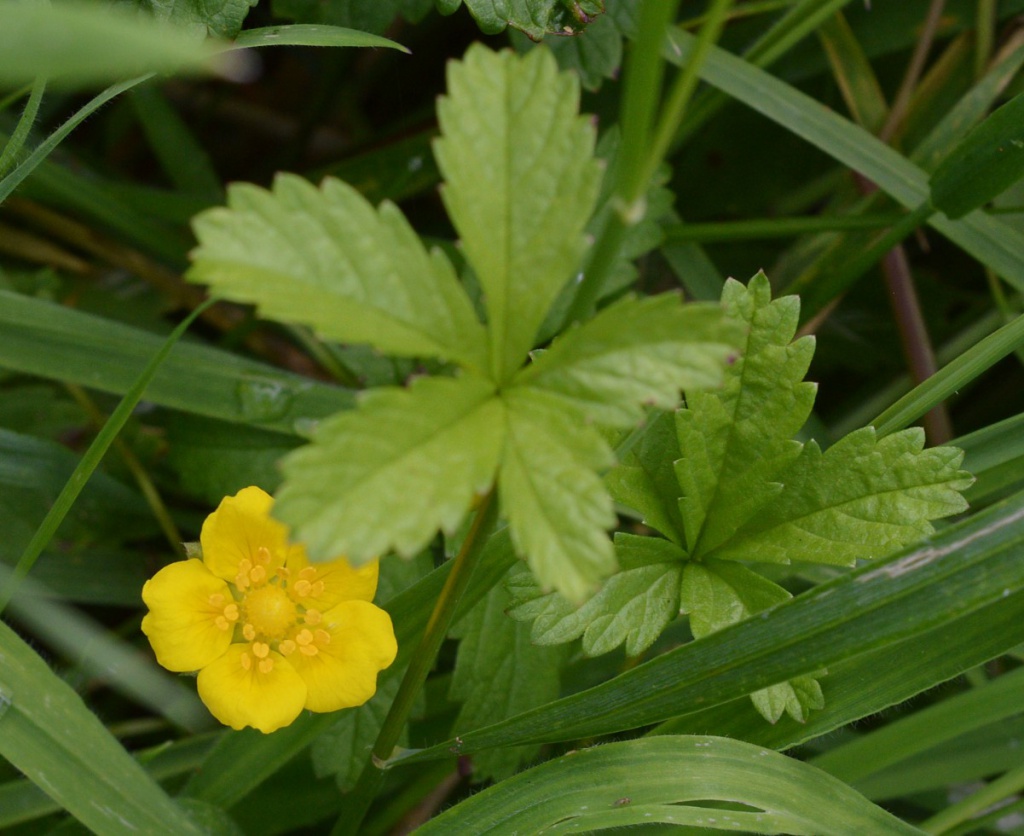
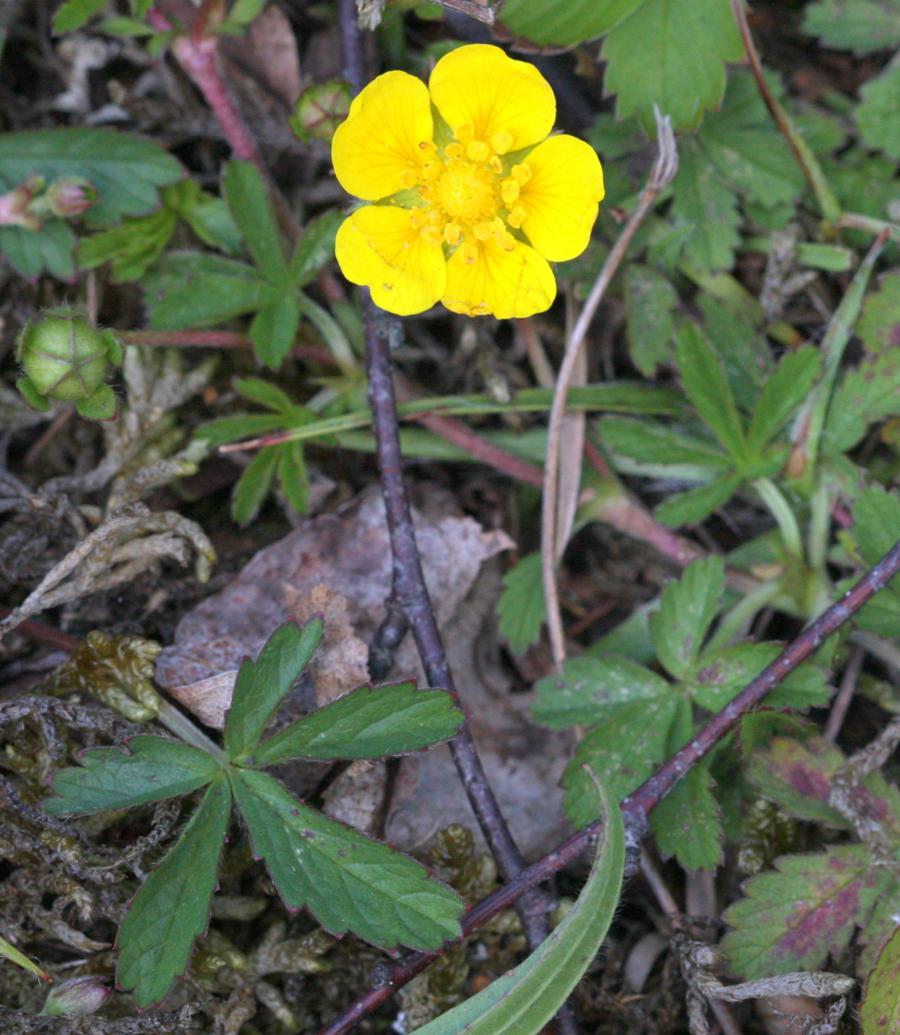
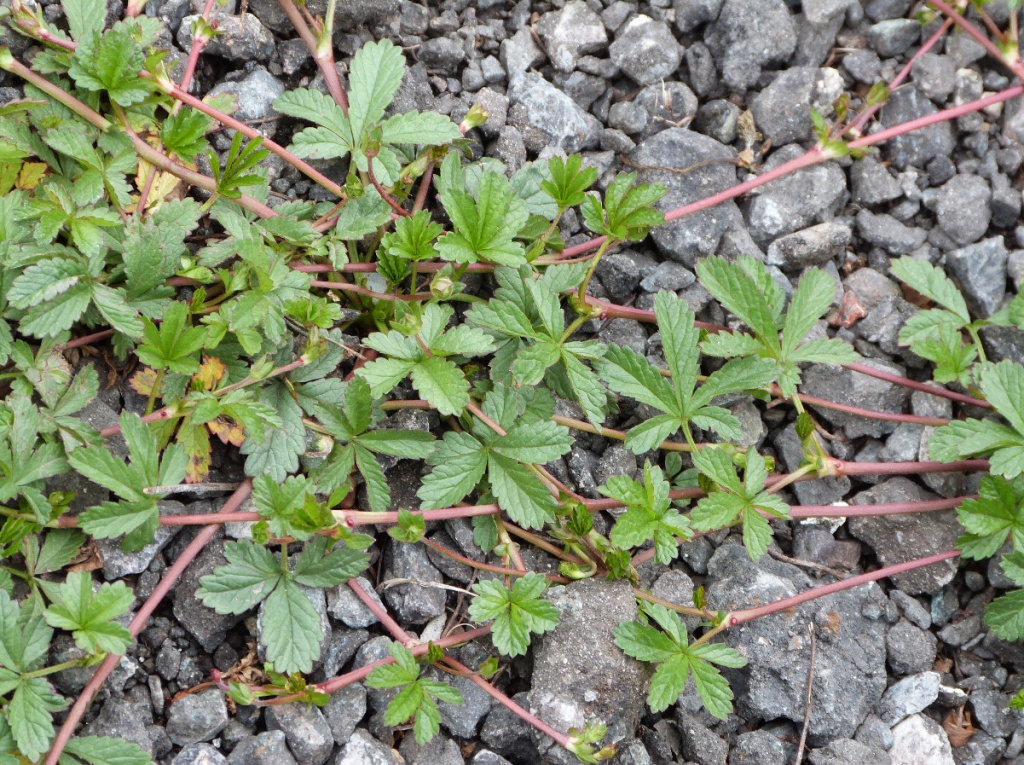
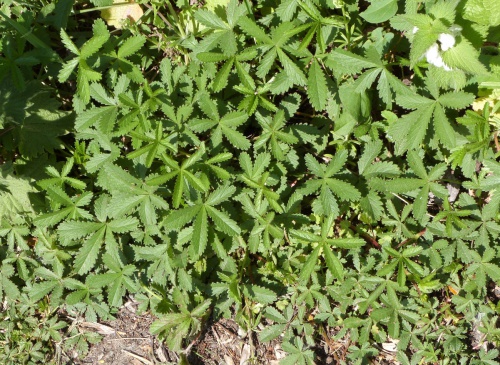
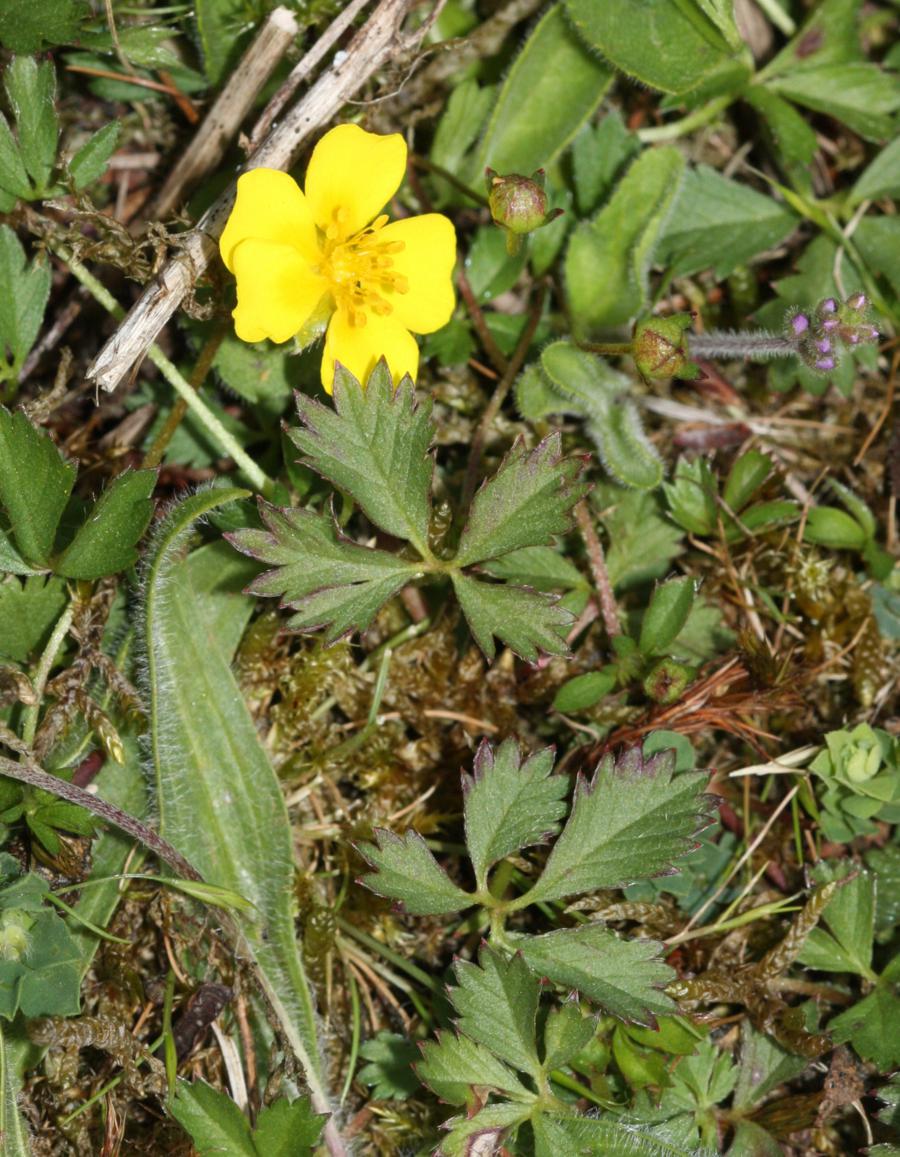
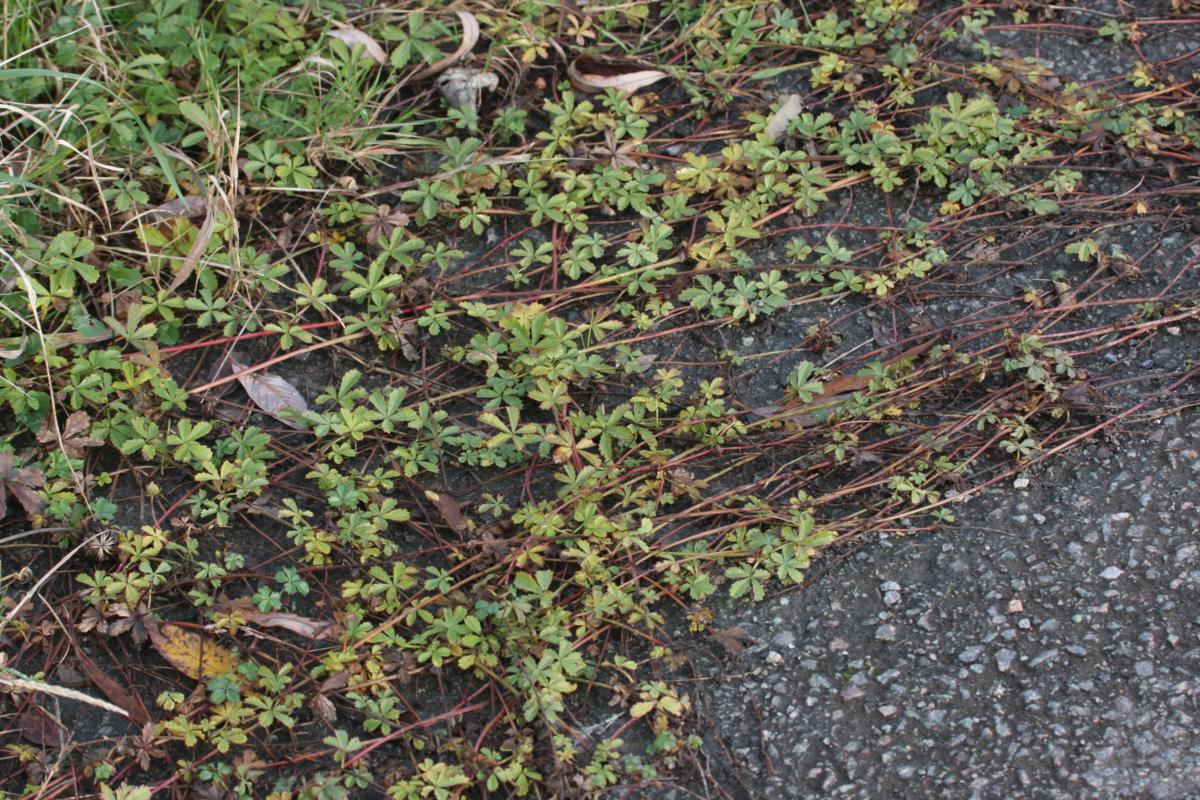
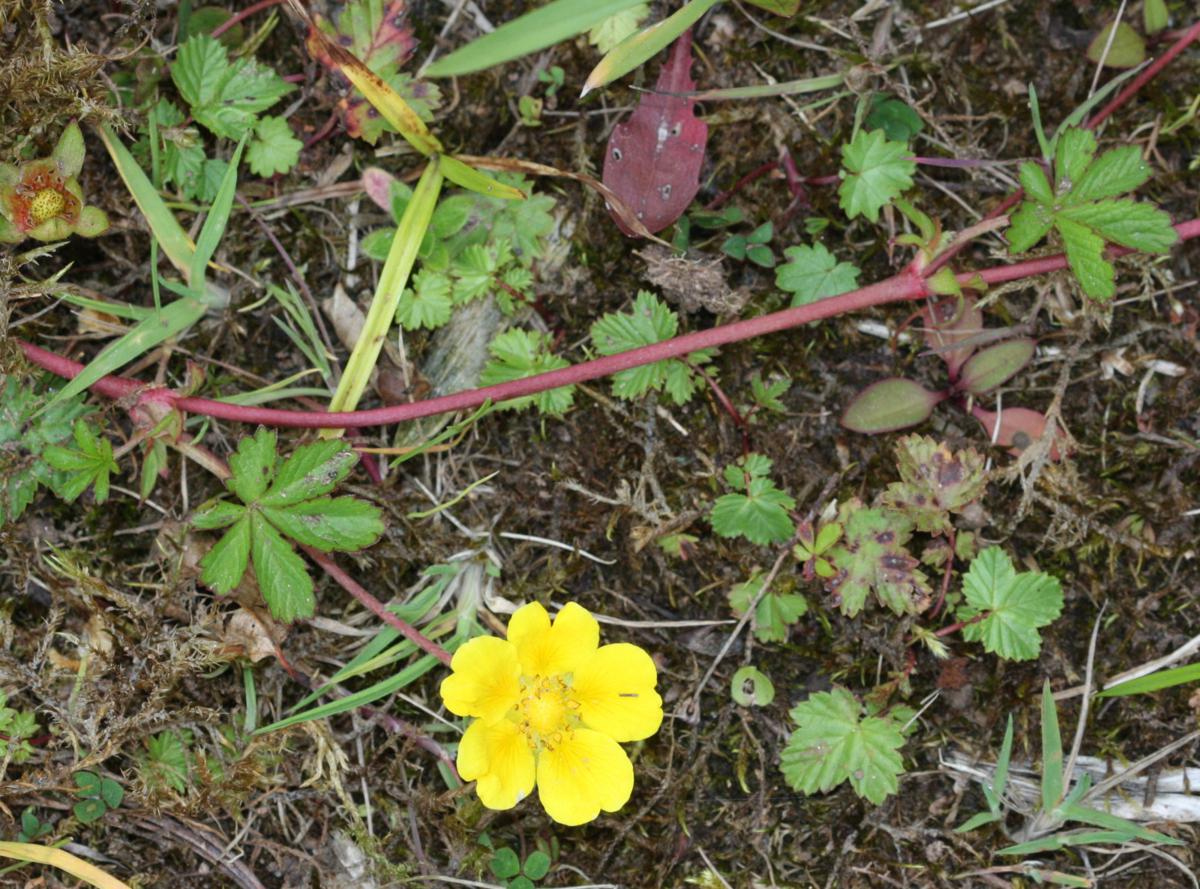
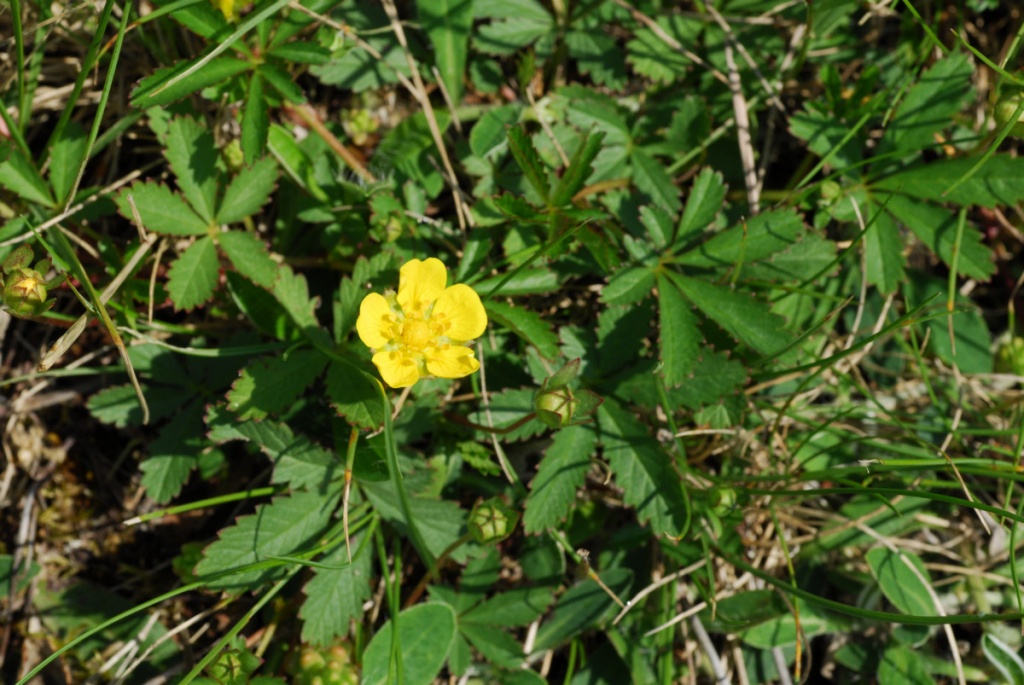
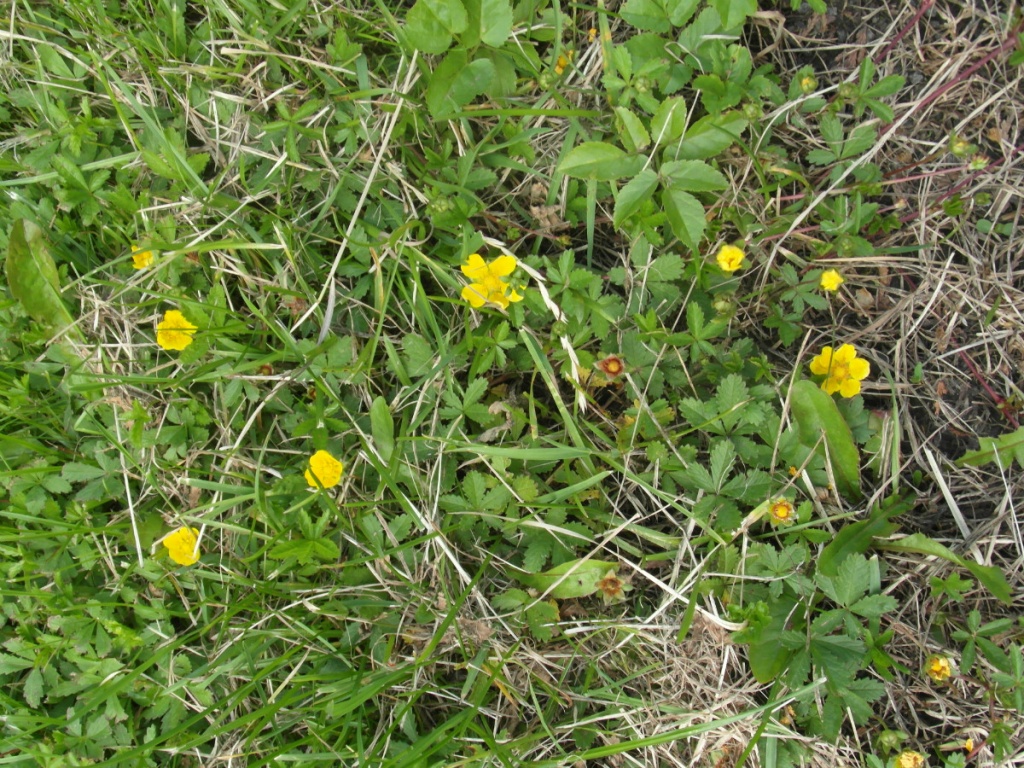
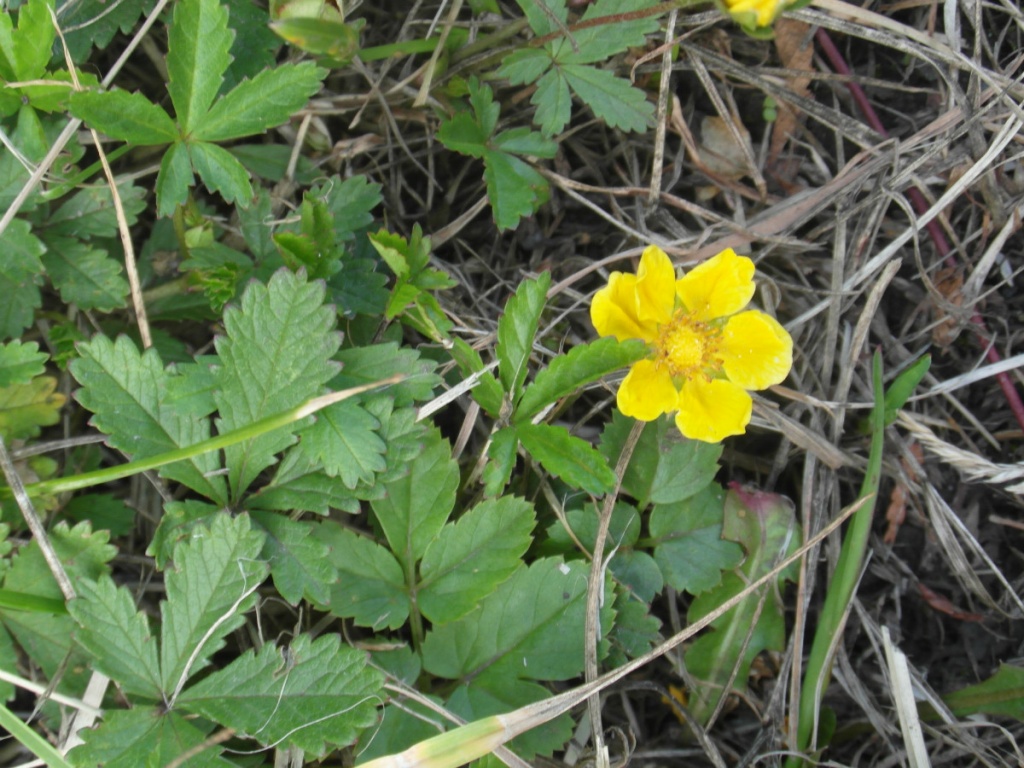
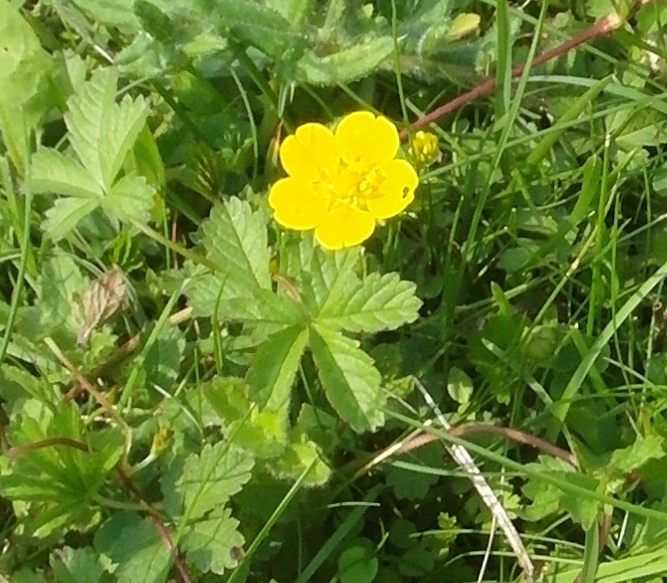
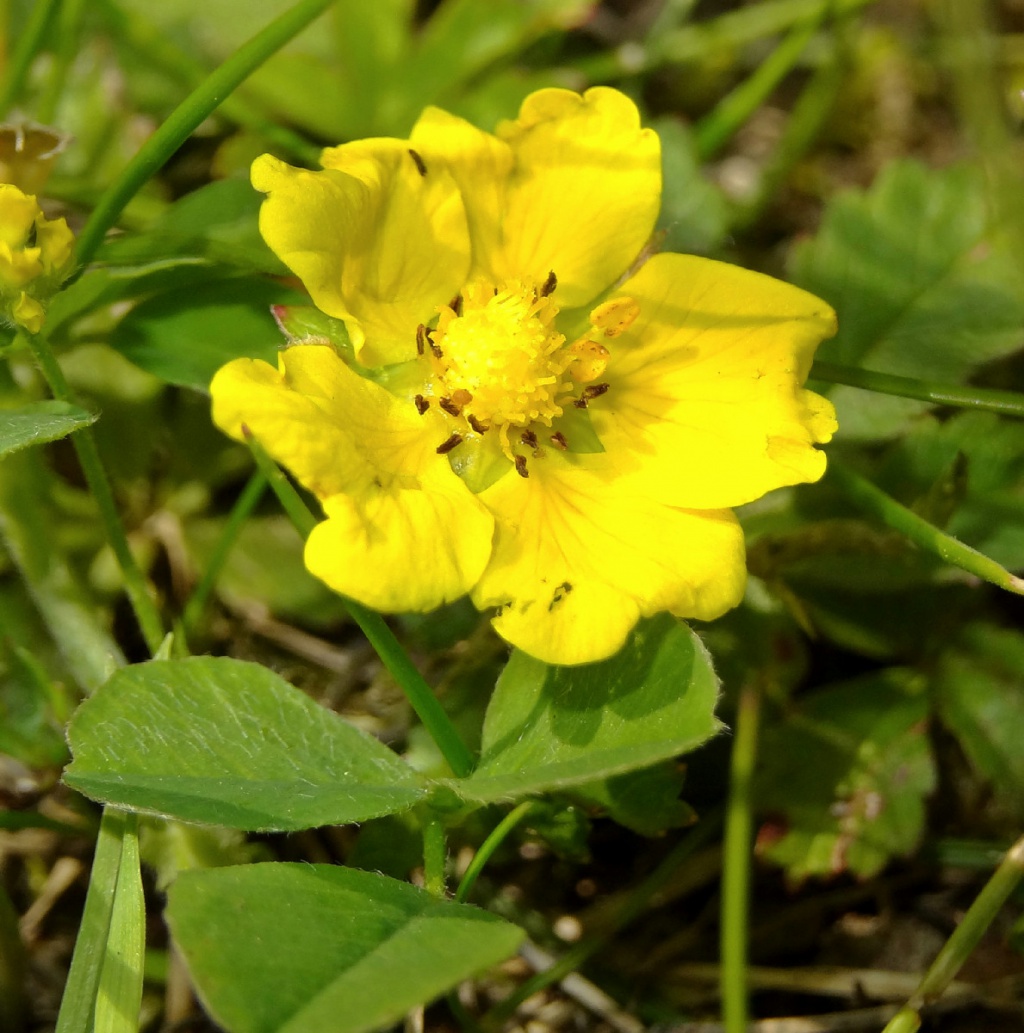
Low, creeping, invasive plant with long trailing shoots that root at the nodes. Leaves with 5 or 7 leaflets, oblong and toothed. Flowers yellow, 17 to 25 mm, solitary with 5 petals.
Several other Potentilla have similar leaves and flowers.

Waste ground, bare places, roadsides.
June to September.
Perennial.
Very common throughout Britain.
Very common in Leicestershire and Rutland. In the 1979 Flora survey of Leicestershire it was found in 599 of the 617 tetrads.
 CAPochin
GUCanal
28 June 2022 Graham Calow
Sapcote
26 September 2013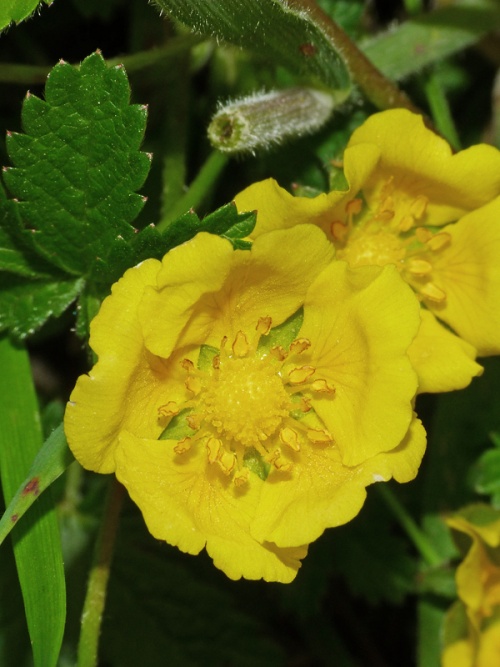 Mark Skevington
Huncote Embankment
14 June 2012 Leicester Road before Quarry Sapcote SP 4950 9335 (taken 3.6.2007),..JPG) Graham Calow
Graham Calow
Sapcote
03 June 2007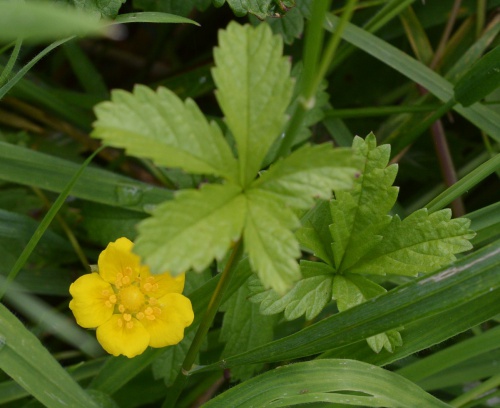 Barbara Cooper
Long Clawson
02 August 2020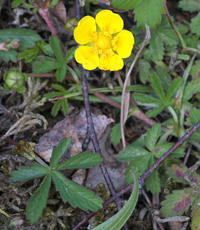 David Nicholls
New Lount
09 June 2011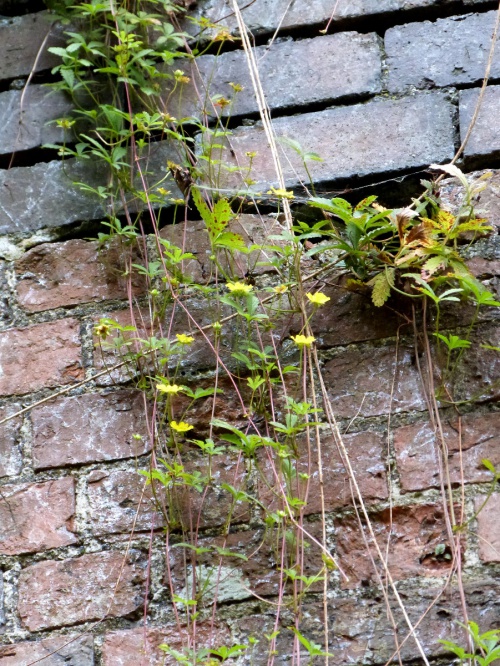 Graham Calow
Ullesthorpe Stewardship Farm
13 July 2016
growing as a trailing plant Graham Calow
Road to Hobbs Hayes Farm, Sapcote
26 May 2016
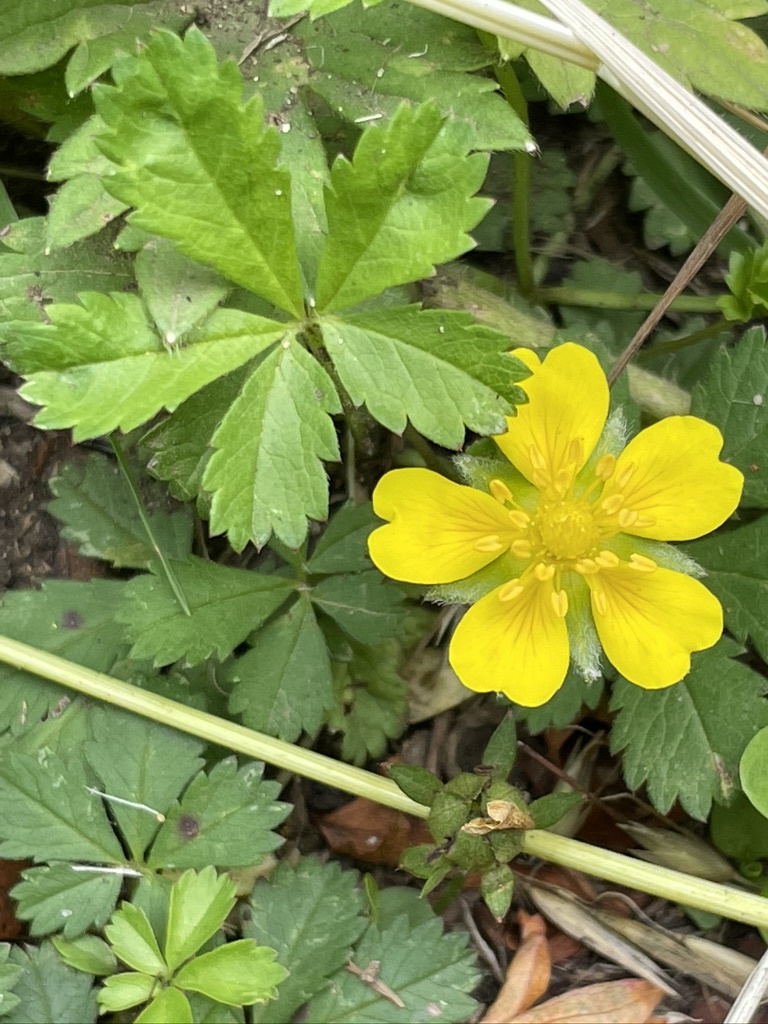
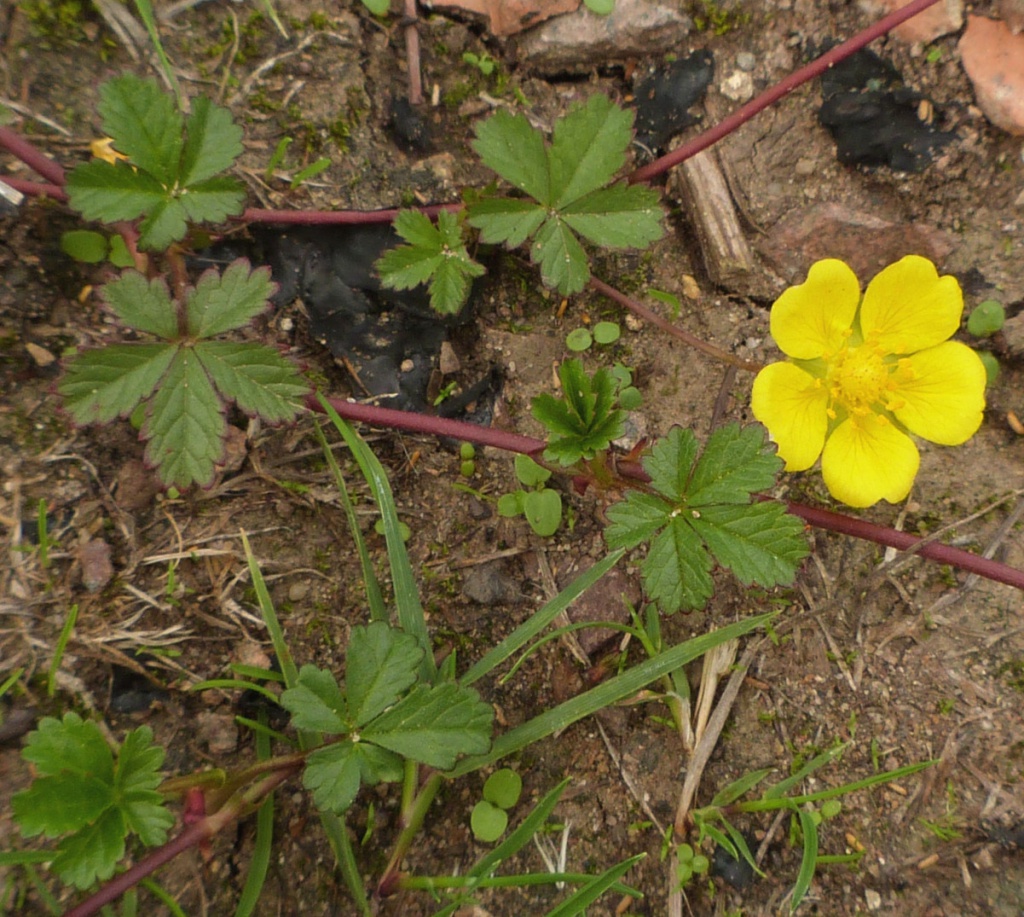

 Leicester Road before Quarry Sapcote SP 4950 9335 (taken 3.6.2007),..JPG)

Leicestershire & Rutland Map
Enter a town or village to see local records
MAP KEY:
Yellow squares = NBN records (all known data)
Coloured circles = NatureSpot records: 2025+ | 2020-2024 | pre-2020
UK Map
Species profile
- Common names
- Creeping Cinquefoil
- Species group:
- flowering plant
- Kingdom:
- Plantae
- Order:
- Rosales
- Family:
- Rosaceae
- Records on NatureSpot:
- 487
- First record:
- 01/07/1998 (John Mousley)
- Last record:
- 06/06/2026 (Pugh, Dylan)
Total records by month
% of records within its species group
10km squares with records
The latest images and records displayed below include those awaiting verification checks so we cannot guarantee that every identification is correct. Once accepted, the record displays a green tick.
In the Latest Records section, click on the header to sort A-Z, and again to sort Z-A. Use the header boxes to filter the list.
Latest images
Latest records
 Graham Calow
Cambridge Road, Whetstone
15 May 2016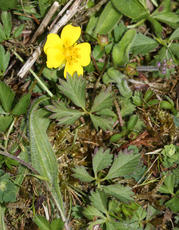 David Nicholls
New Lount
09 June 2011 Ron.stevens
Broughton Astley
15 June 2011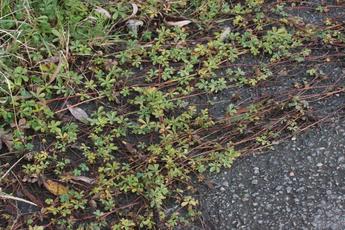 David Nicholls
Watermead Country Park
30 November 2009 David Nicholls
Cloud Wood
24 June 2011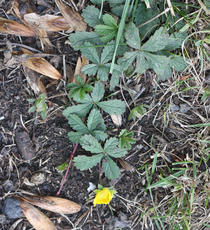 David Nicholls
Ratby Disused Railway
09 July 2011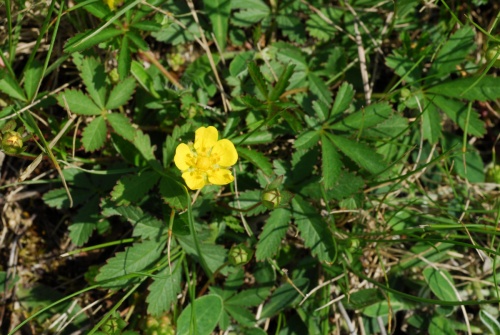 Barbara Cooper
Holwell Nature Reserve
20 June 2012 Alan Semper
Harby footpath
19 June 2012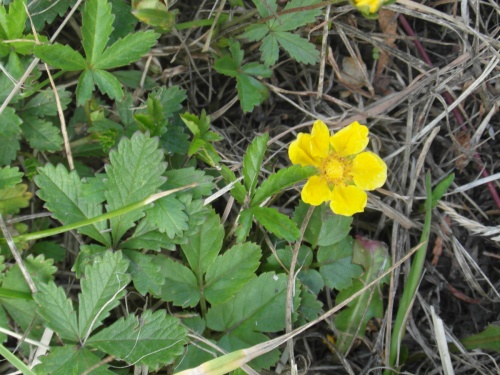 Alan Semper
Harby footpath
19 June 2012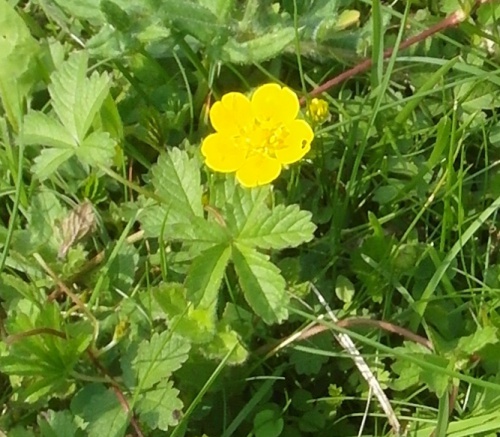 Alan Semper
Stonesby Quarry
26 June 2013 Lostash
Whetstone GCR Footpath
08 July 2013



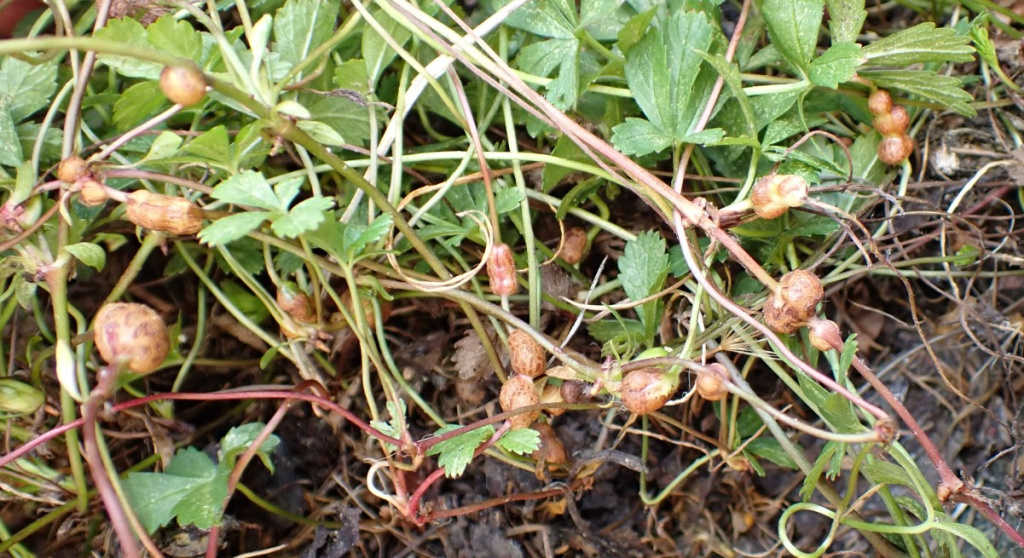
Xestophanes potentillae
The larva of the gall wasp Xestophanes potentillae causes galls on the stem or petioles of Creeping Cinquefoil (Potentillia reptans). The galls can be found very low down close to, or below soil level. Several galls can often been seen on the same shoot, and sometimes fuse together. The galls are a reddish-brown colour when mature.
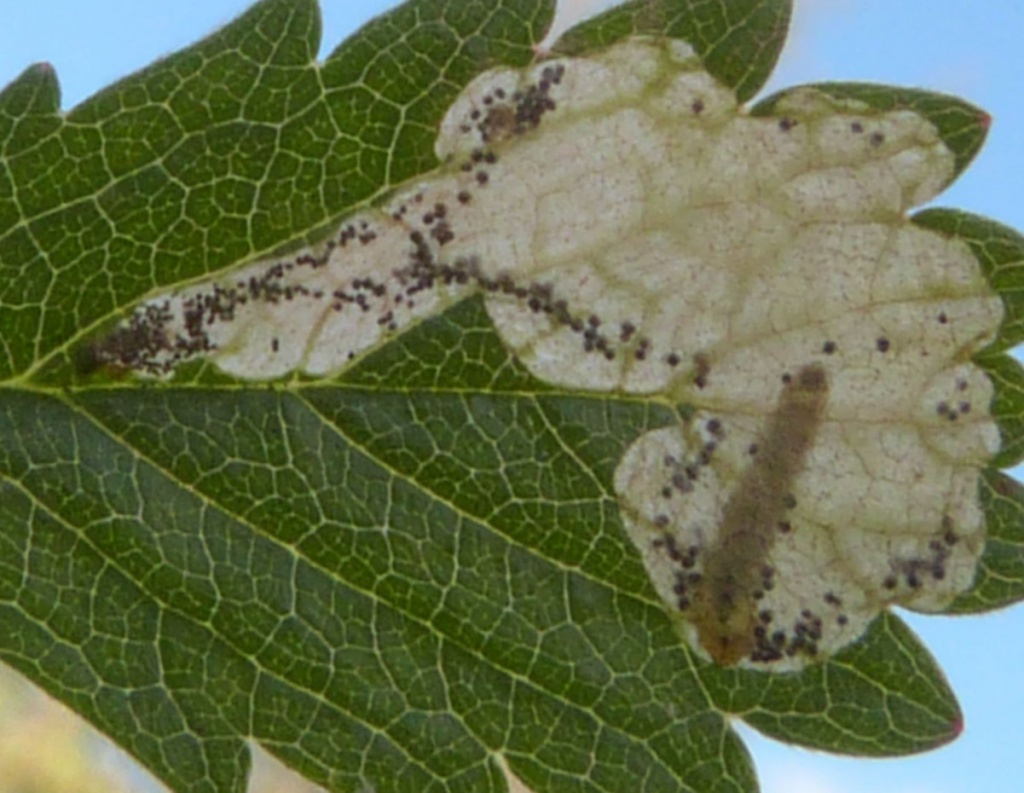
Fenella nigrita
The larva of the sawfly Fenella nigrita mines the leaves of Agrimony, Cinquefoils and Brambles. The mine is a full depth transparent blotch without a clear preceding corridor, quickly and strongly widening from the start. Frass in sausage-shaped granules. The larva has a series of black dots on the underside of the thorax.
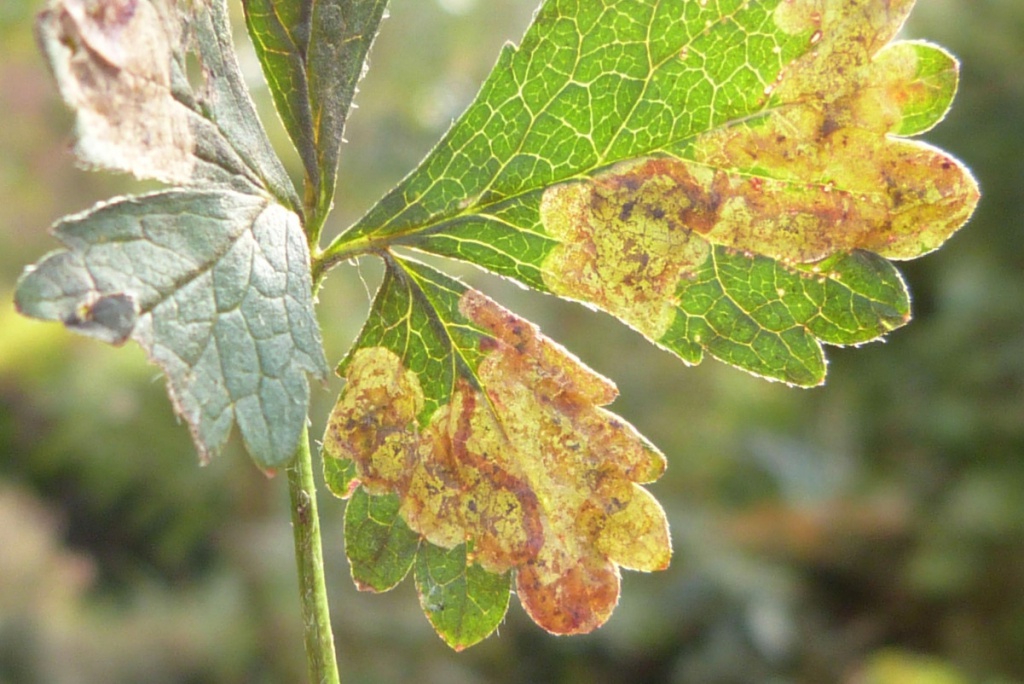
Agromyza idaeiana
The larvae of the fly Agromyza idaeiana often mine the leaves of Creeping Cinquefoil although many other species in the Rosaceae are used. The mine is variable; it may be linear, with frass in a double row, or develop into a blotch obscuring the initial corridor.
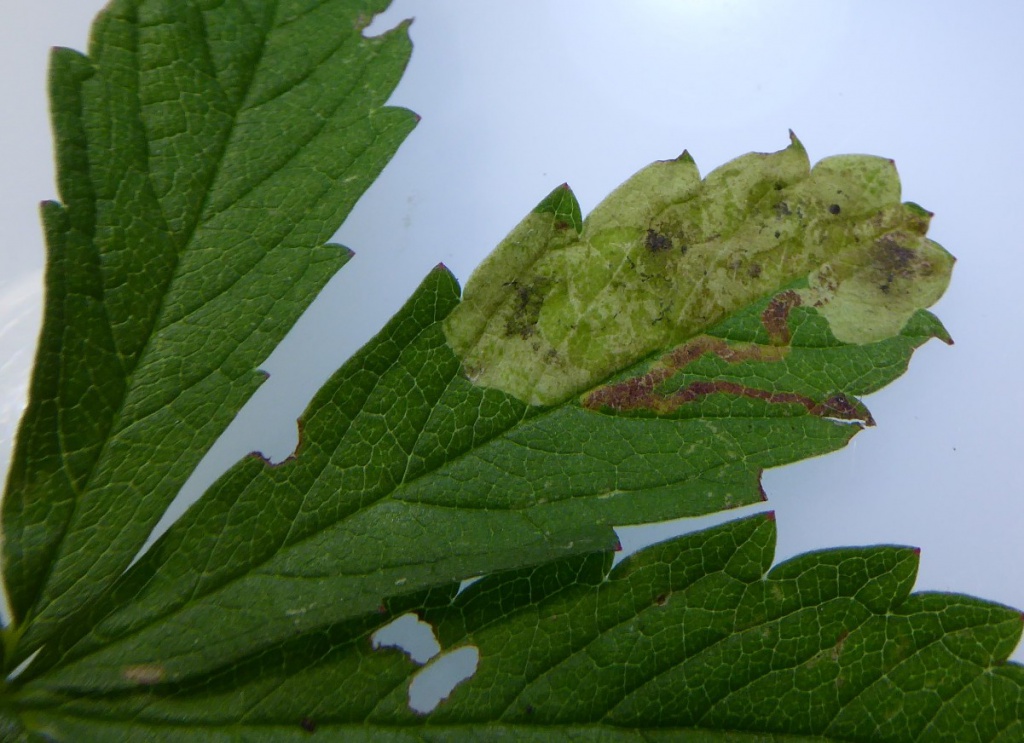
Agromyza sulfuriceps
The larva of the Agromyzid fly Agromyza sulfuriceps mines the leaves of various species in the Rosaceae family including Roses, Meadowsweet, Strawberry, Silverweed, Cinquefoil, Raspberry and Burnets. The mine starts as a long corridor, its initial part often along the leaf margin or a thick vein. Rather suddenly the corridor widens into a broad blotch. The corridor contains much frass, often in two distinct patches or lines.