Common Cryptops - Cryptops hortensis
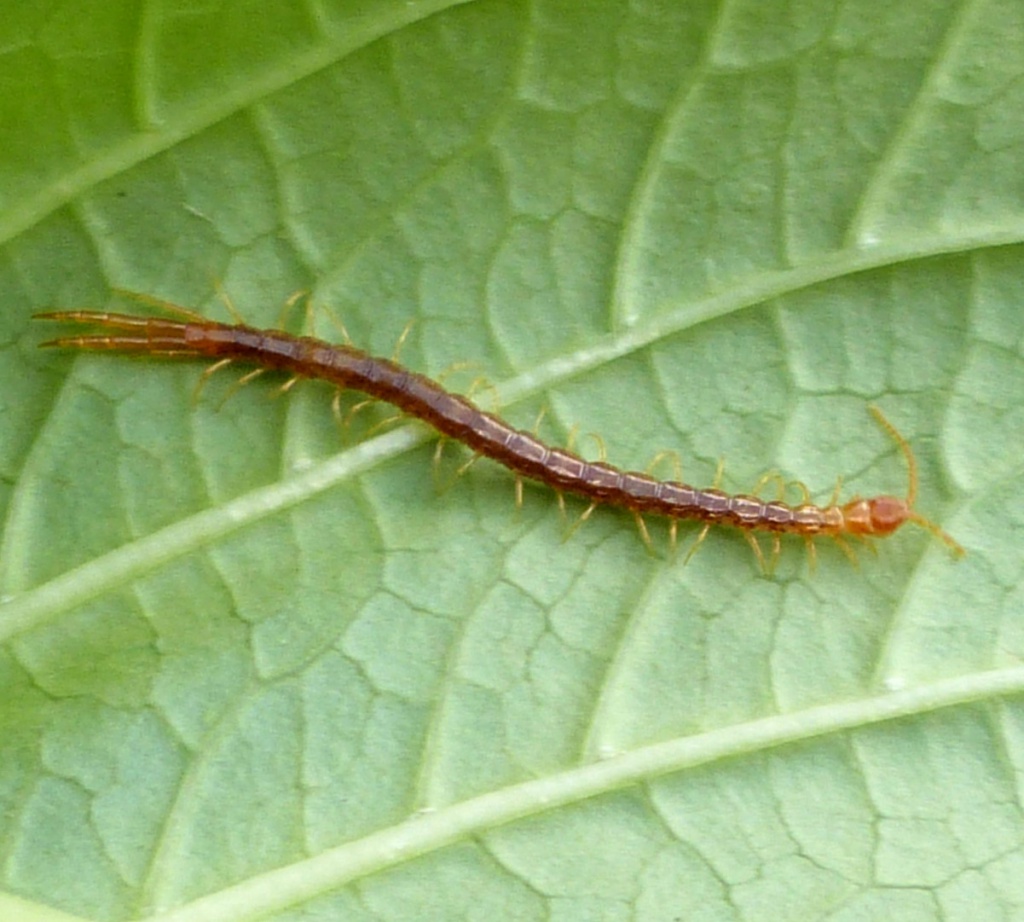
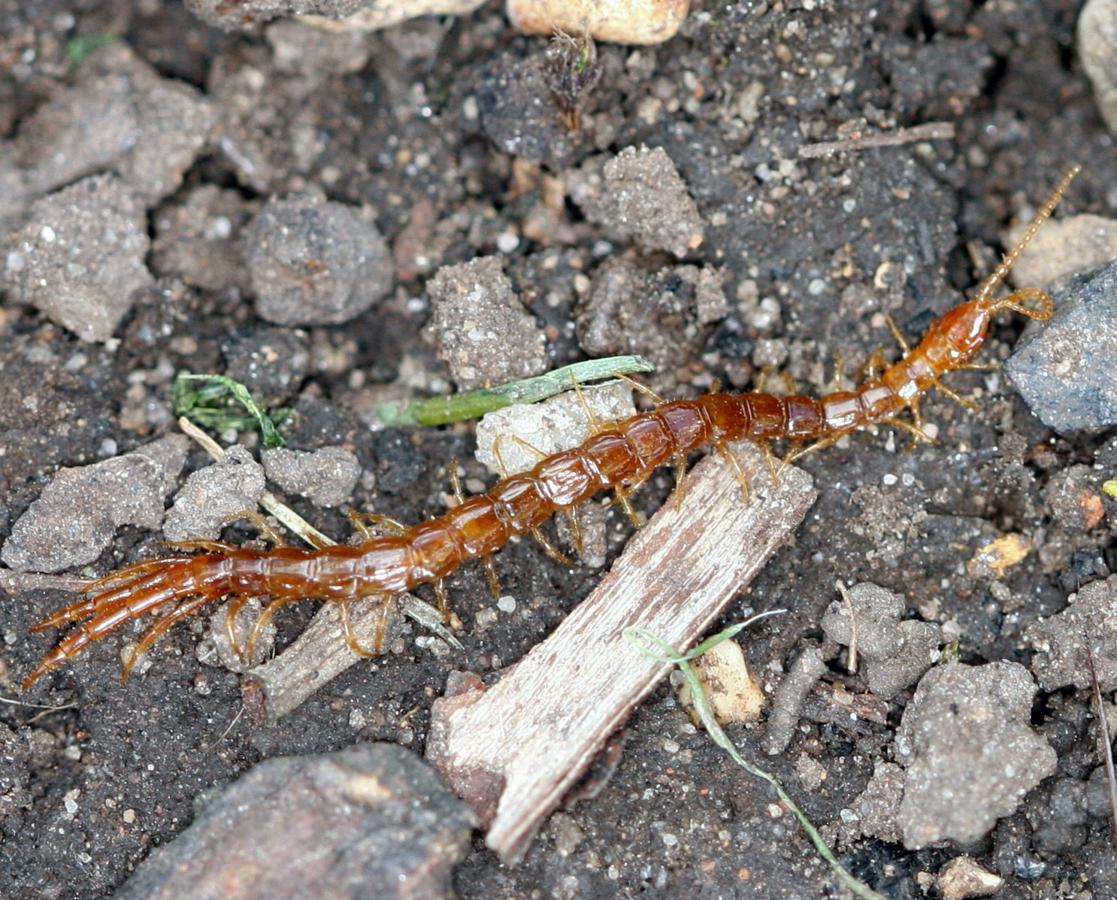
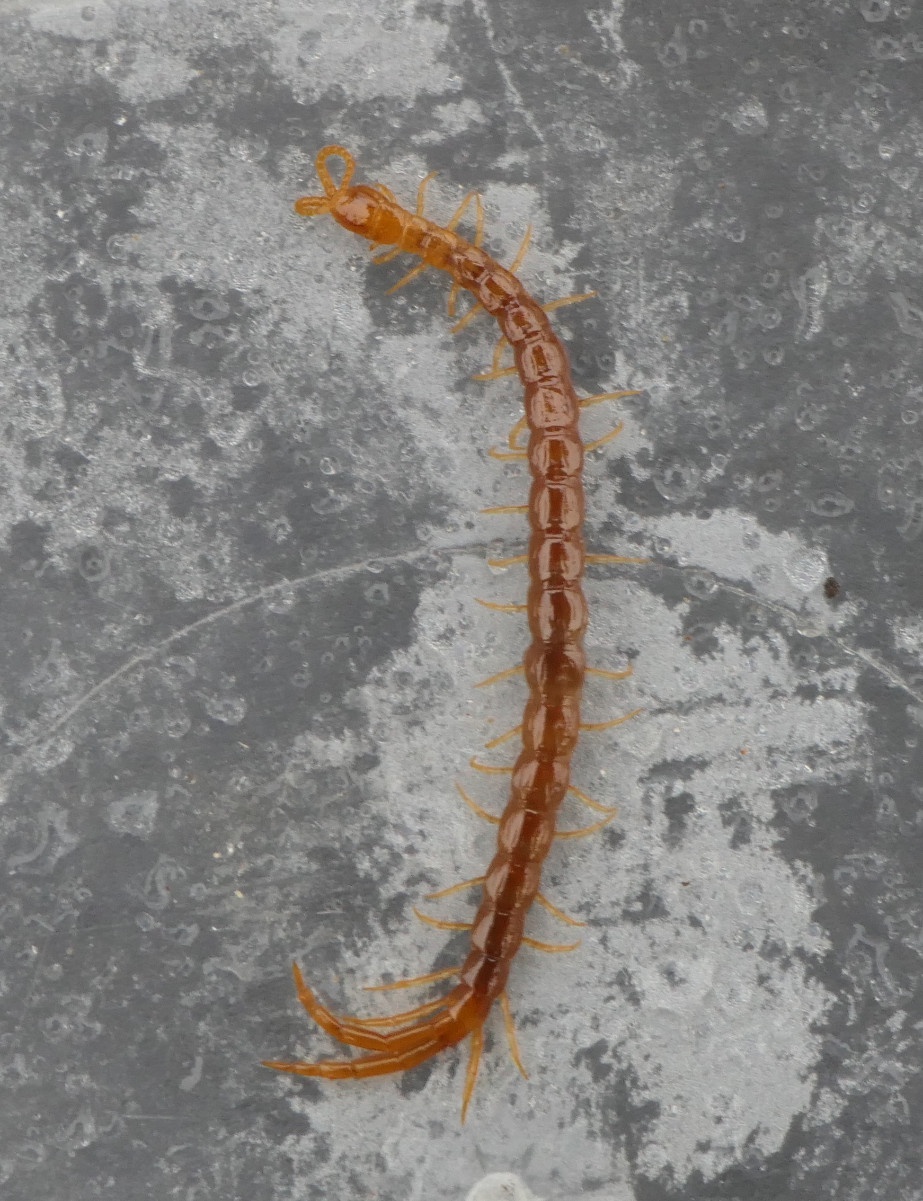
Cryptops hortensus is the commonest of the three UK Cryptop species. The genus can be recognised by having 21 pairs of legs with the rear pair being significantly larger and pointing backwards.
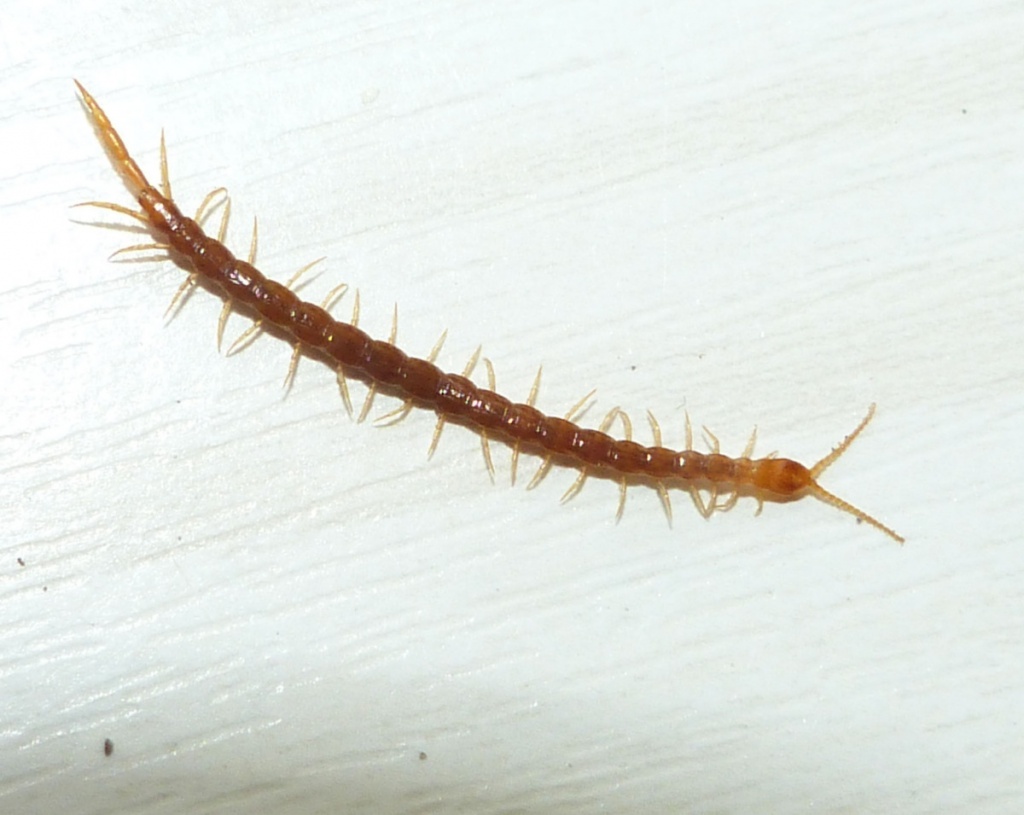
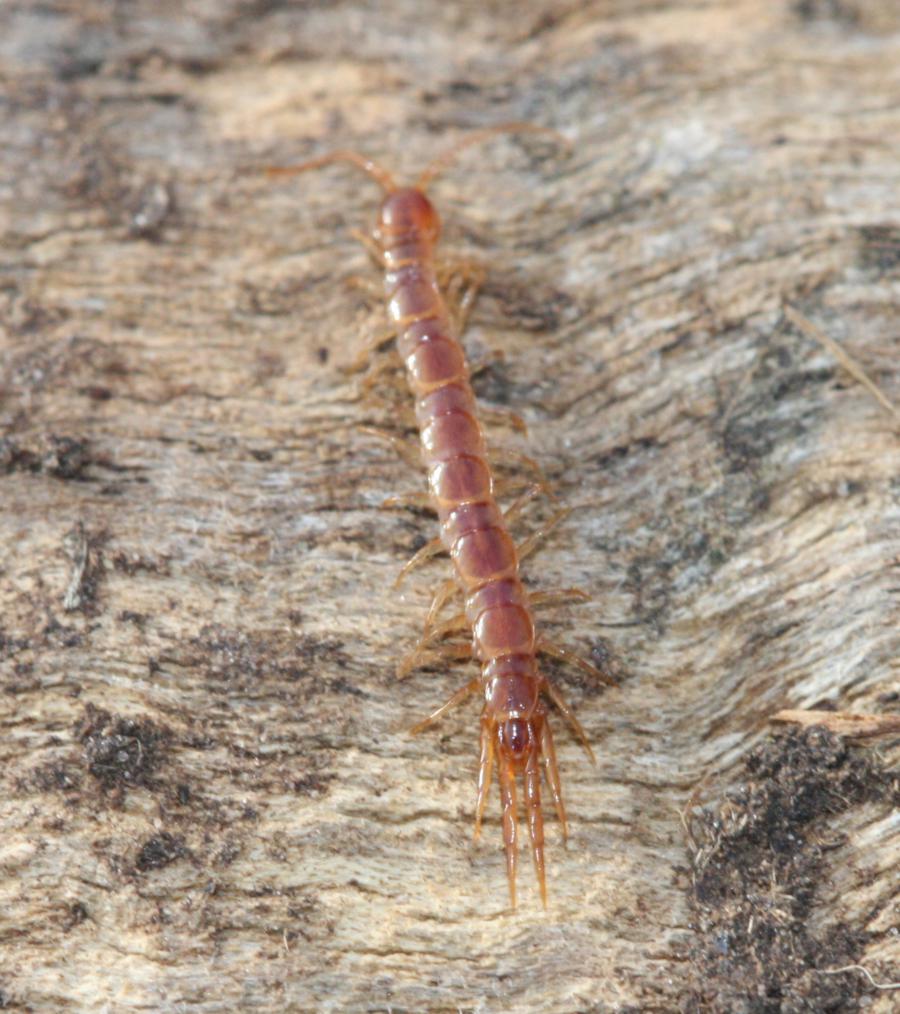
C. hortensis is 20 to 30 mm long and little more than 1 mm broad, it is a pale brown animal with 21 pairs of legs. It has no eyes, although it is very active animal. The antennae are no more than about a quarter the length of the body.
There are two other similar Cryptops species which can only be confidently identified using a key and a microscope or good lens.

- 21 pairs of legs
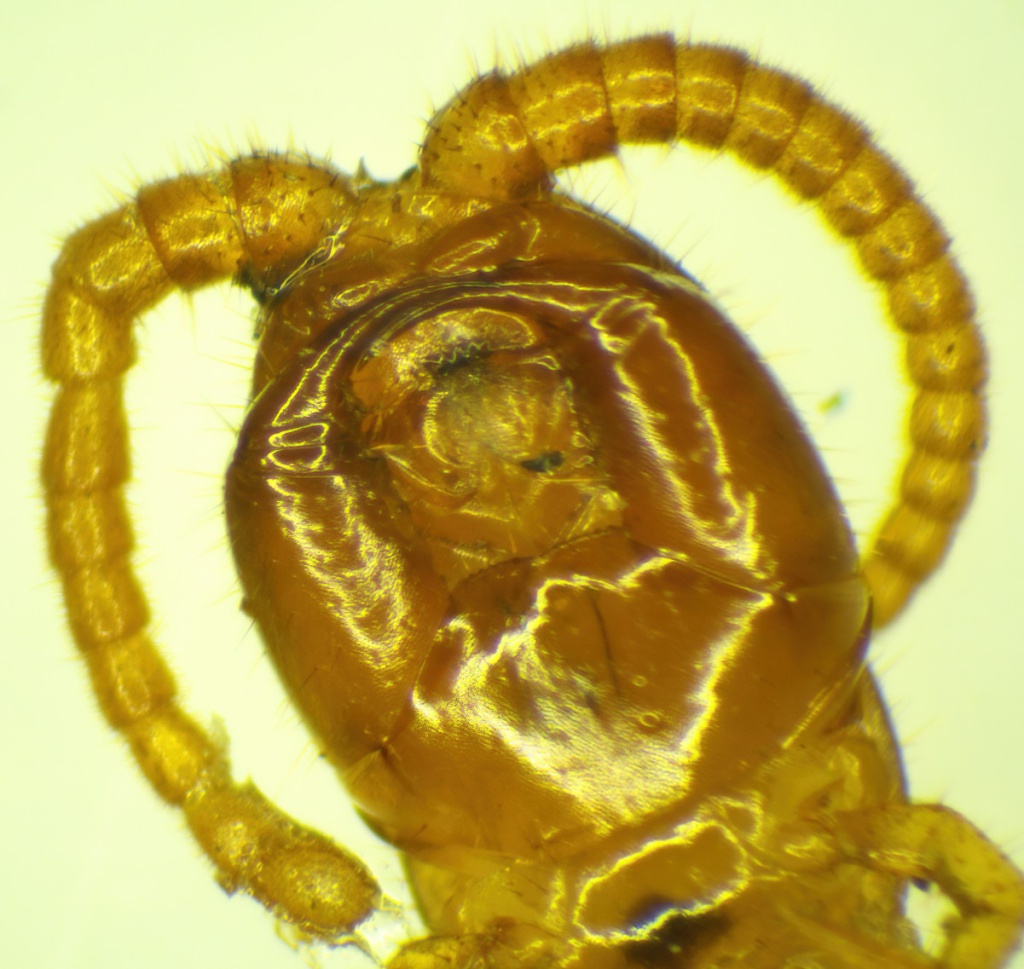
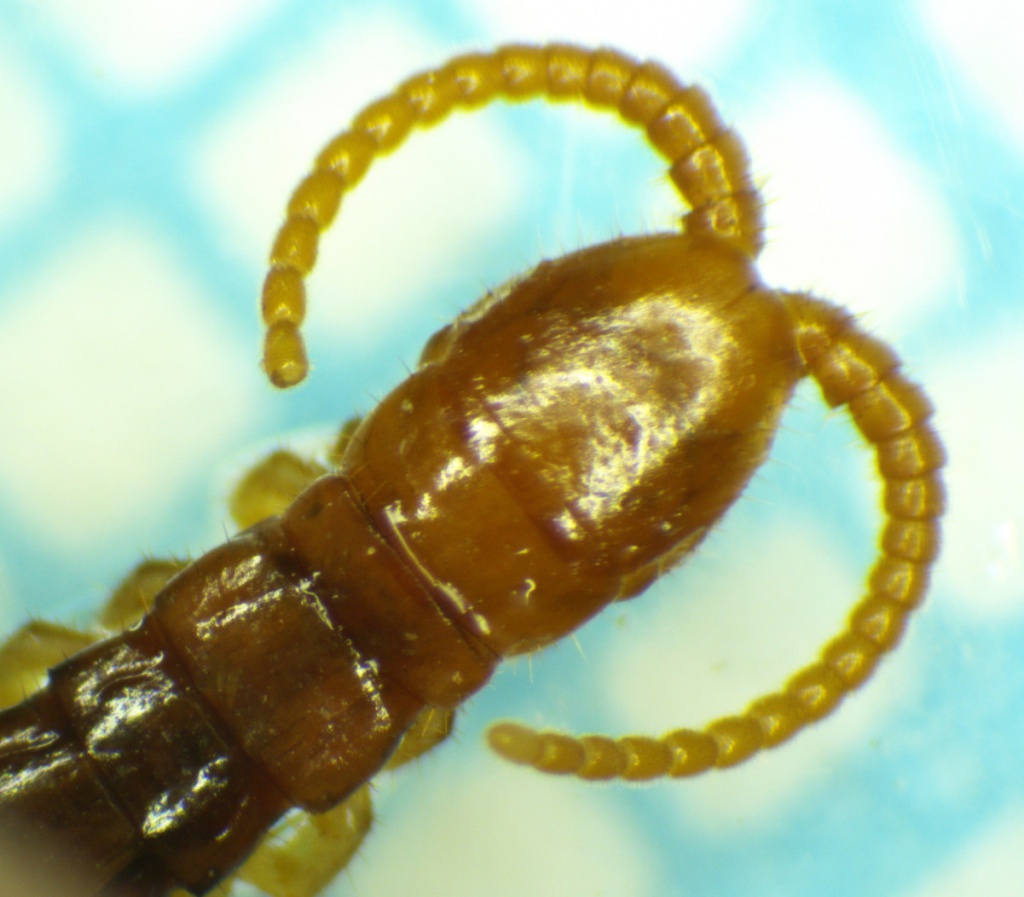
- sutures on the head absent apart from possible short ones behind the antennae
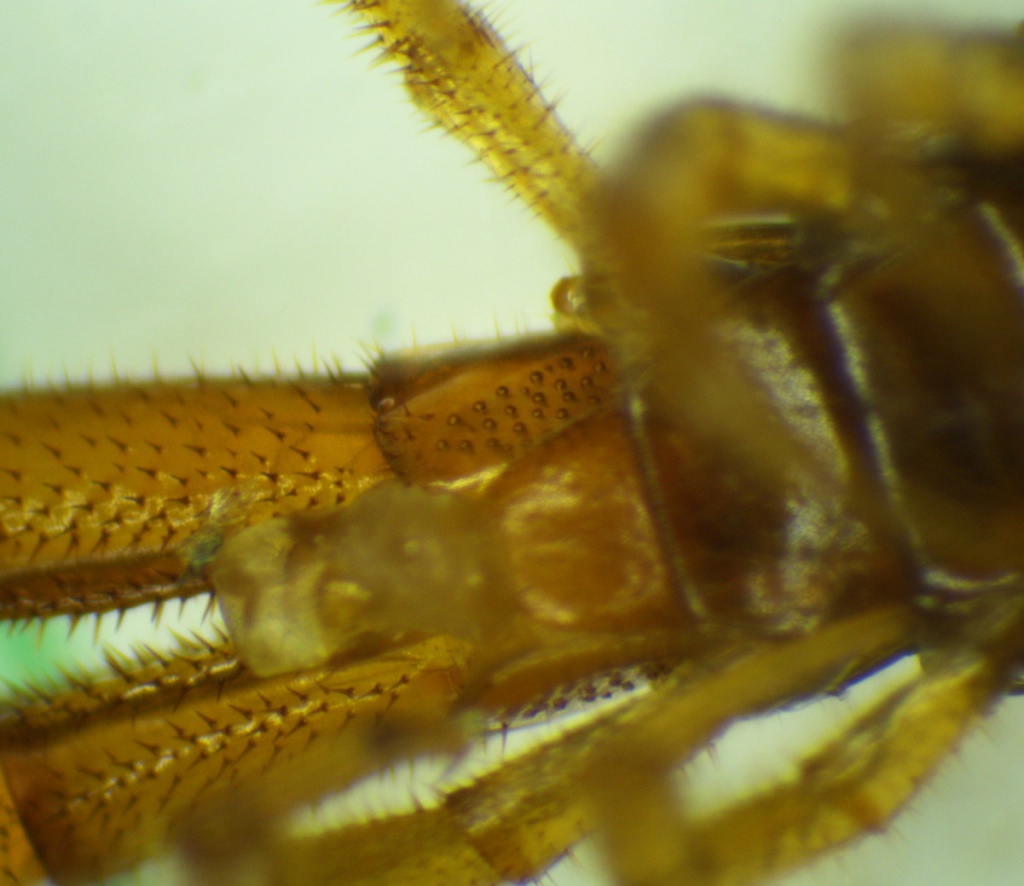
- single seta amongst the pores on the last coxa
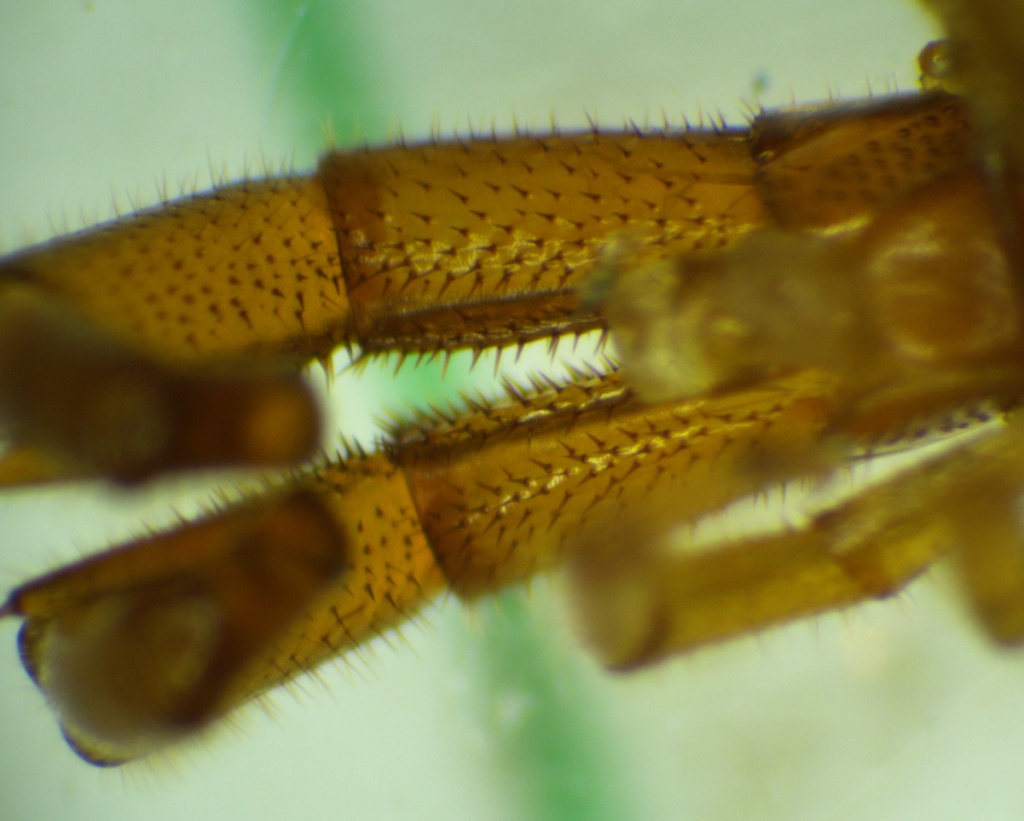
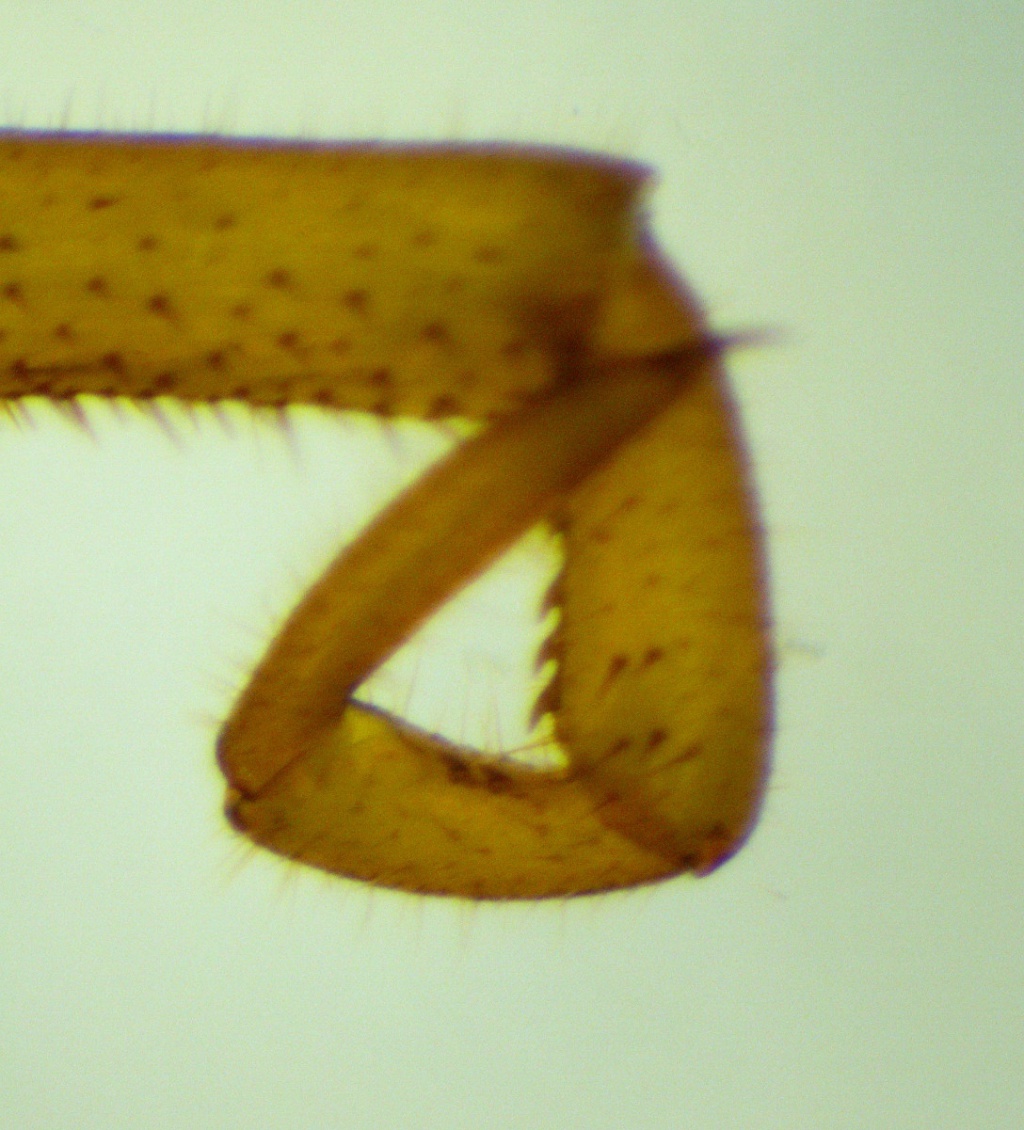
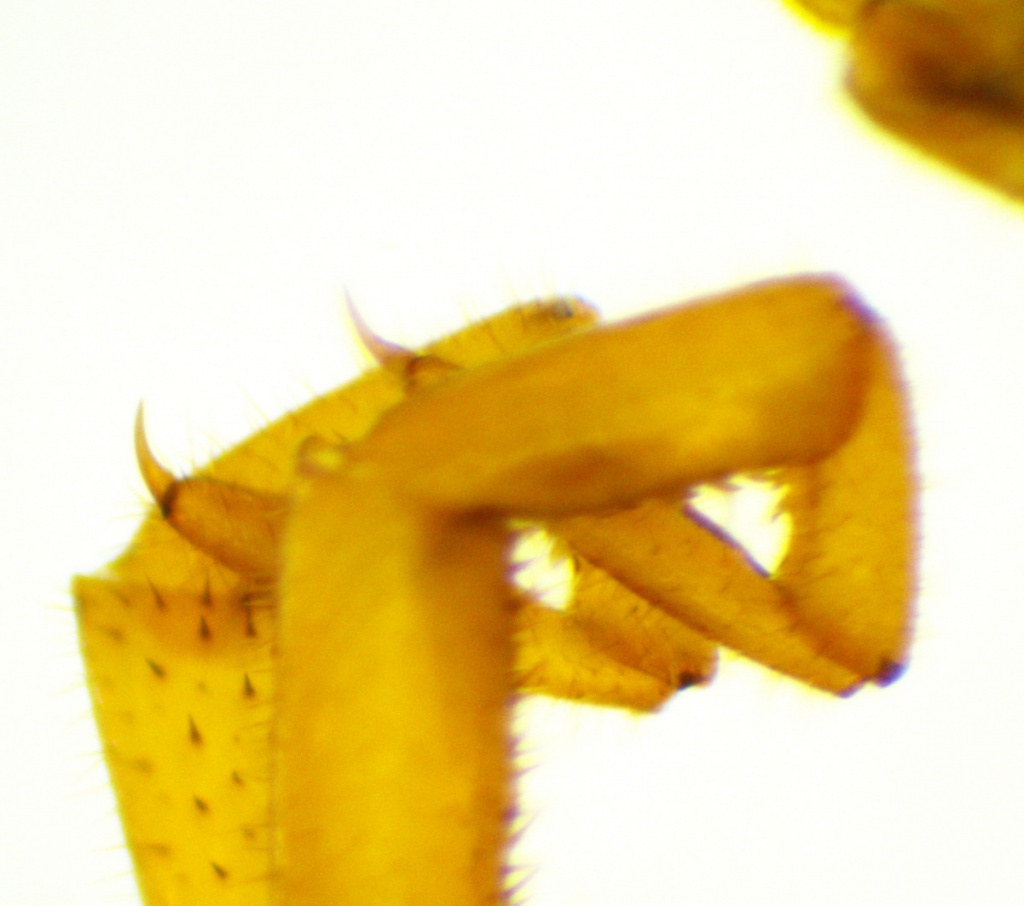
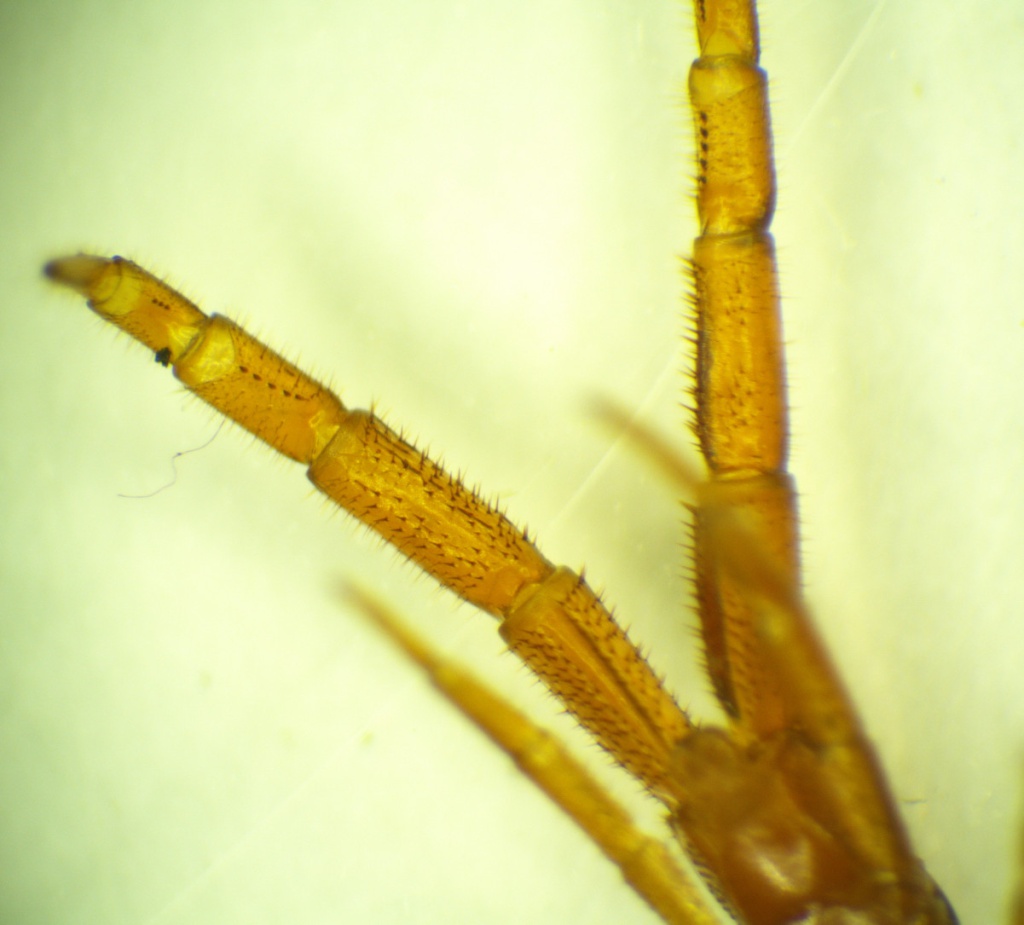
- the prefemur of the last leg has a ventral groove
Unless identified by a recognised expert, a photo is required and the specimen should be examined with a microscope. In the comments box, state the key or ID method used and describe the size and identifying characters.
This small centipede is found regularly in gardens and woodland where it hides under stones and logs.
All year round.
The female looks after her eggs and young for a while.
Fairly frequent but not common, with most records coming from southern Britain.
Fairly common in Leicestershire and Rutland.
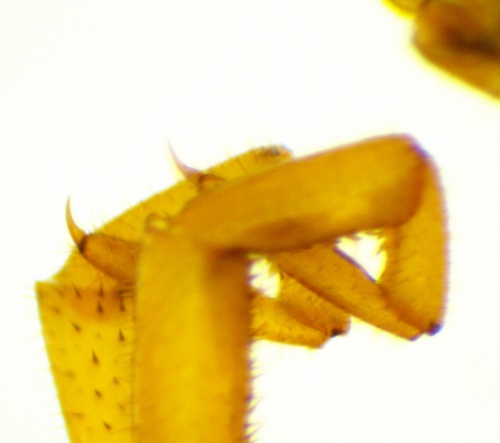 David Nicholls
Belgrave Hall Gardens
18 May 2018
Tibial comb on last leg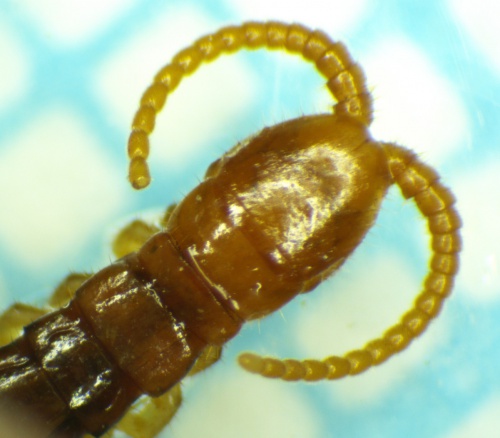 David Nicholls
Ratby church
06 March 2020
no sutures on posterior of head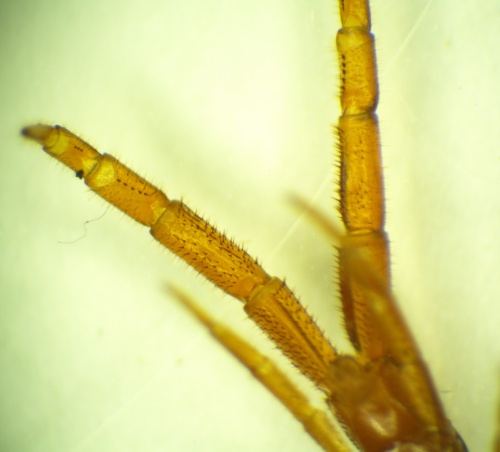 David Nicholls
Sheet Hedges Wood, east
17 February 2023
prefemor with ventral groove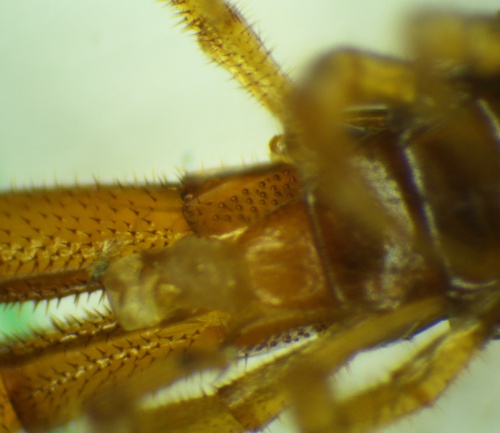 David Nicholls
Ratby
17 March 2020
ventral pores on coxa of last leg
Leicestershire & Rutland Map
Enter a town or village to see local records
MAP KEY:
Yellow squares = NBN records (all known data)
Coloured circles = NatureSpot records: 2025+ | 2020-2024 | pre-2020
UK Map
Species profile
- Species group:
- centipede
- Kingdom:
- Animalia
- Order:
- Scolopendromorpha
- Family:
- Cryptopidae
- Records on NatureSpot:
- 11
- First record:
- 25/04/2009 (Nicholls, David)
- Last record:
- 09/04/2023 (Nicholls, David)
Total records by month
% of records within its species group
10km squares with records
The latest images and records displayed below include those awaiting verification checks so we cannot guarantee that every identification is correct. Once accepted, the record displays a green tick.
In the Latest Records section, click on the header to sort A-Z, and again to sort Z-A. Use the header boxes to filter the list.
Latest images
Latest records
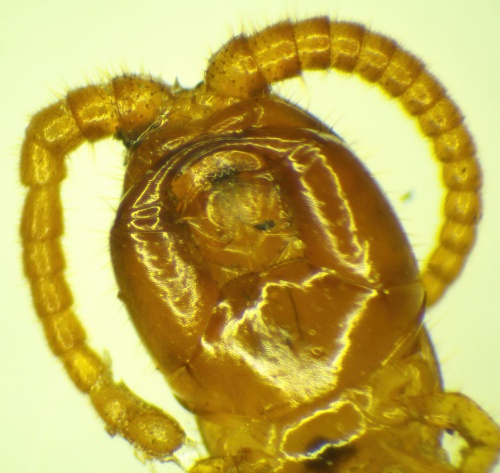 David Nicholls
Ratby garden
09 April 2023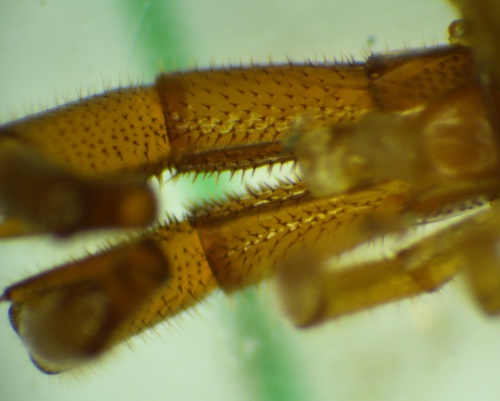 David Nicholls
Ratby
17 March 2020
ventral groove on last legs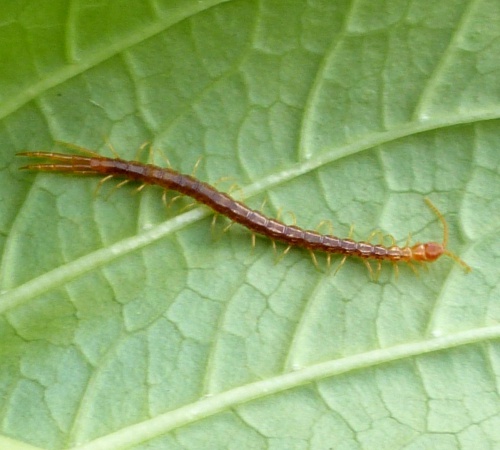 Graham Calow
Sapcote
05 October 2013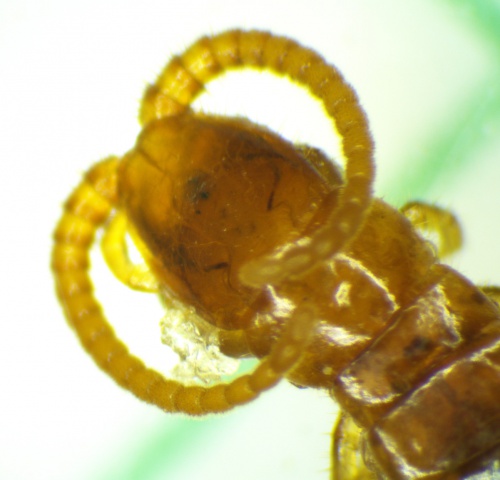 David Nicholls
Ratby
17 March 2020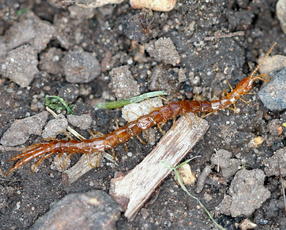 David Nicholls
Ratby garden1
25 April 2009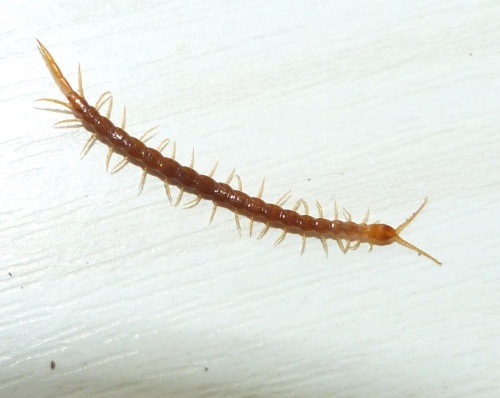 Graham Calow
Sapcote
22 April 2013
specimen examined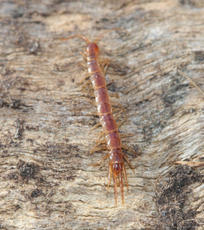 David Nicholls
Wirlybones Wood, Ratby
02 April 2011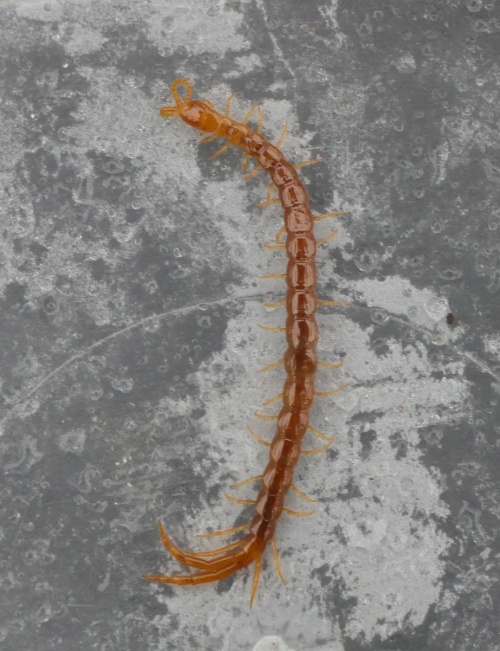 David Nicholls
Ratby
17 March 2020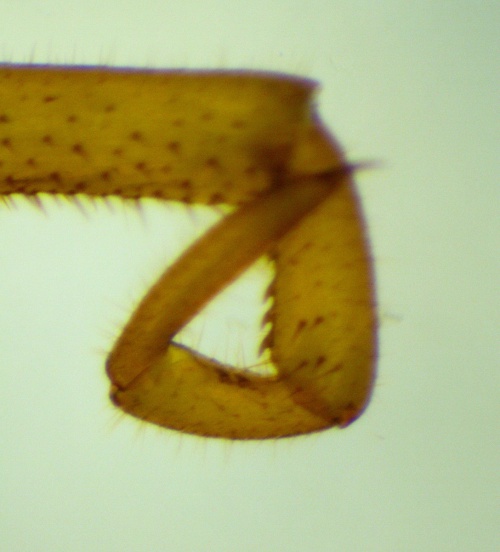 David Nicholls
Botcheston farm
02 May 2018