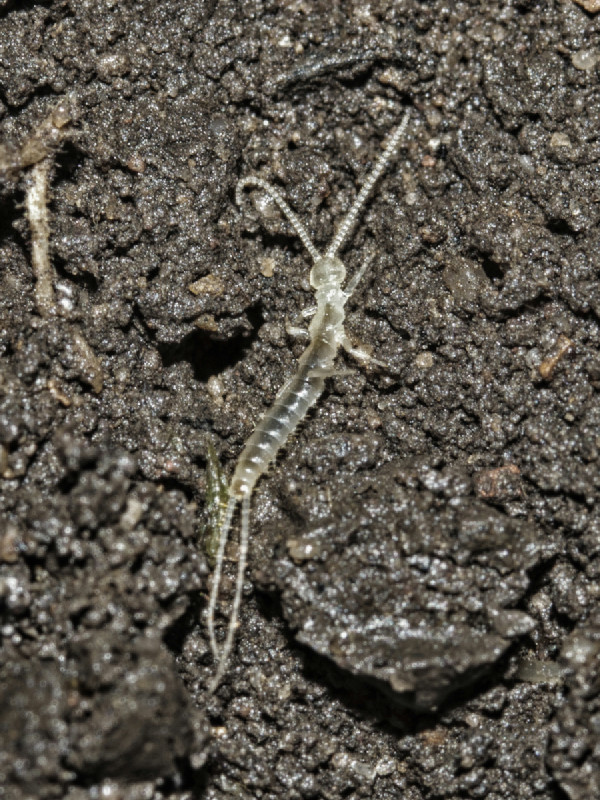
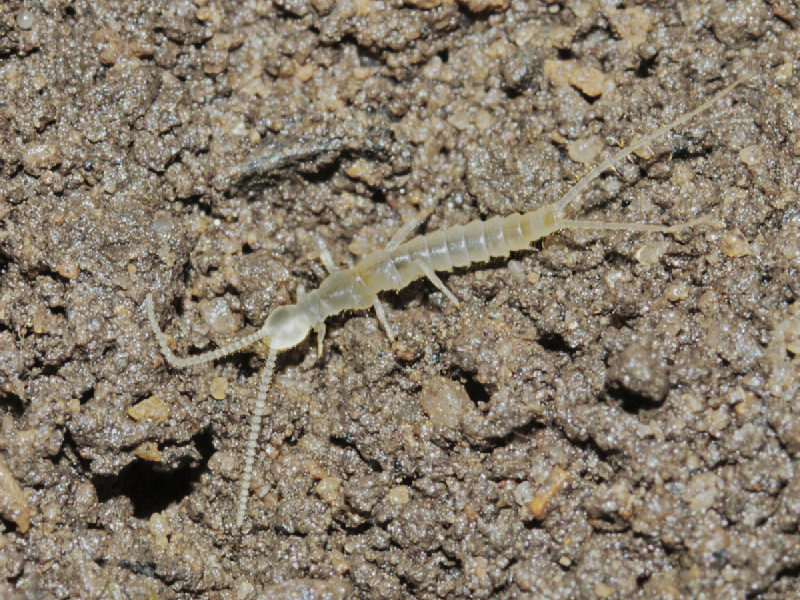
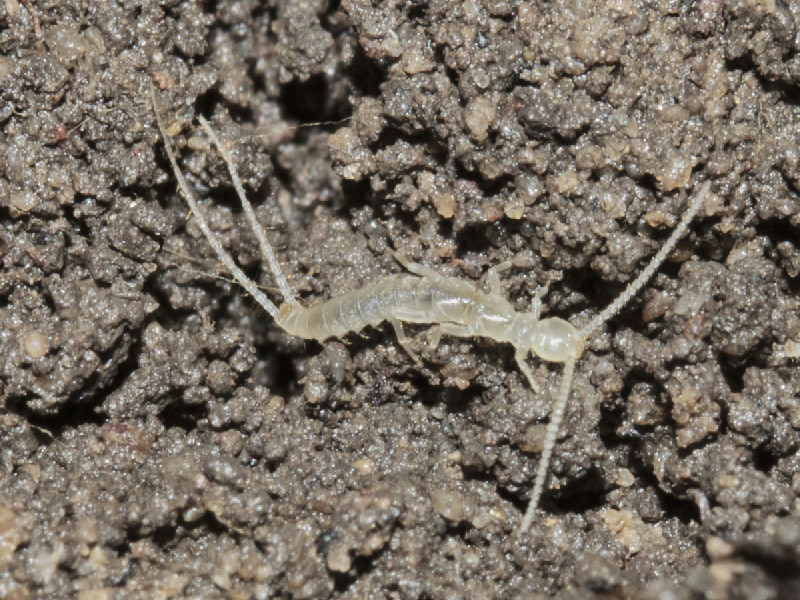
Campodea agg.
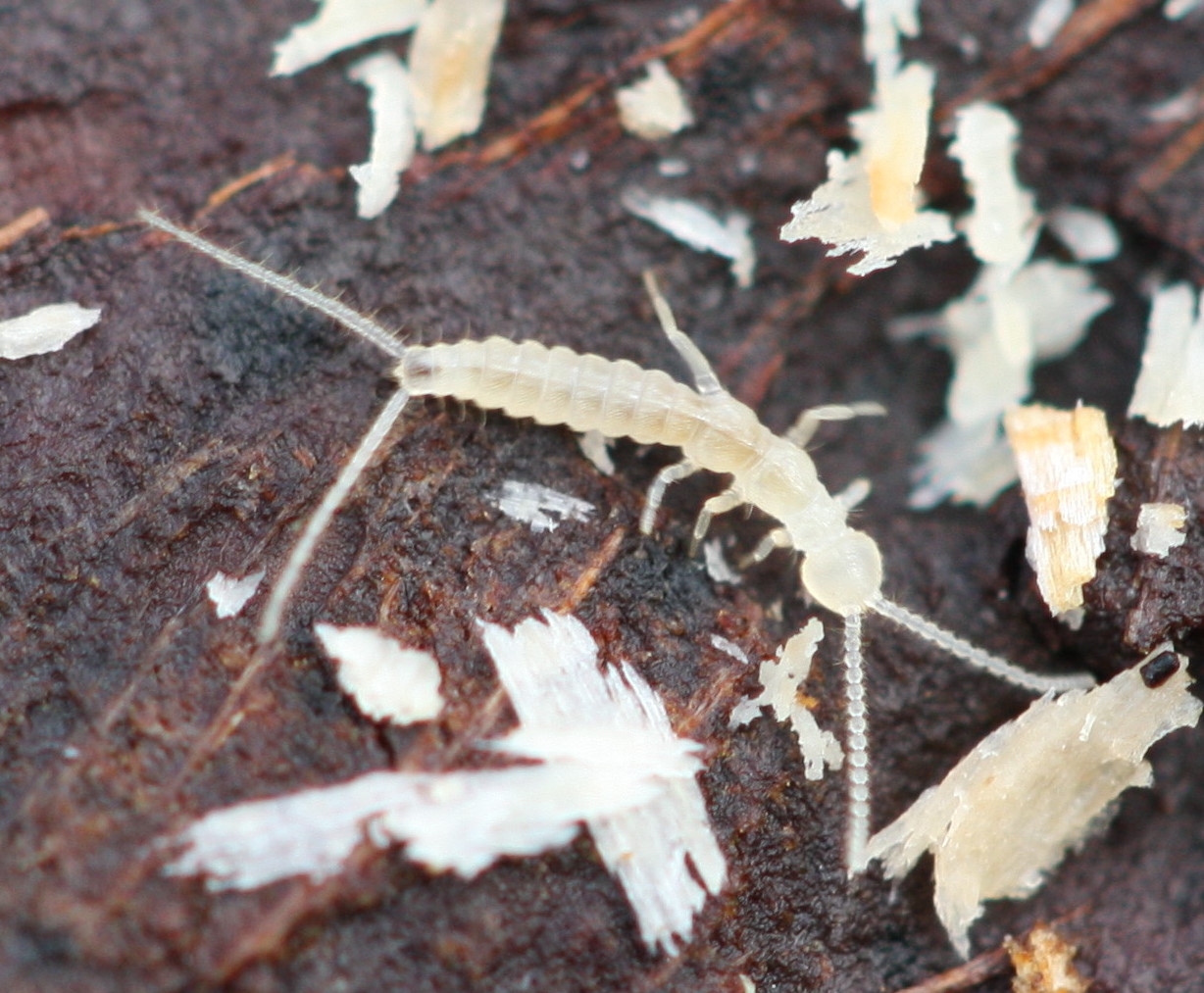
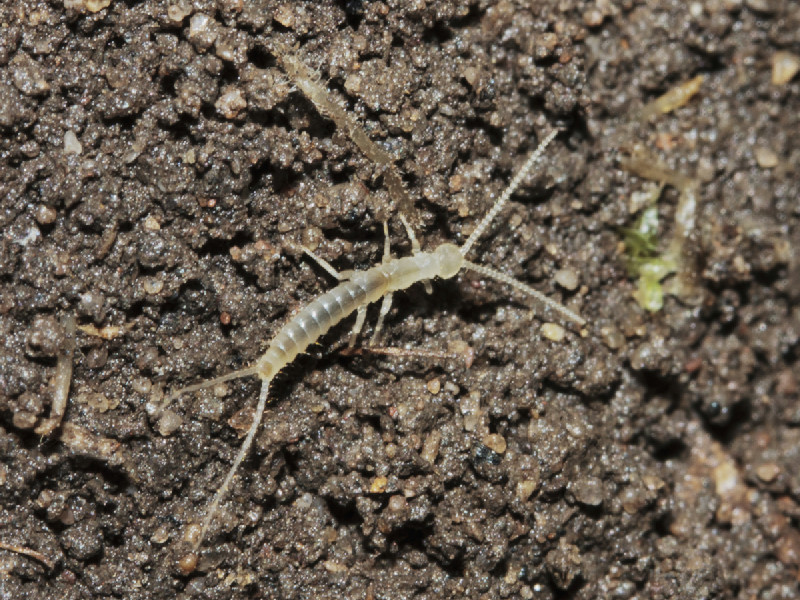
Bristle-tails - length (3 to 5 mm). Body thin, flexible, translucent white to pale yellow. Tail appendages multi-segmented, long and antenna like. Legs and abdominal styli well developed.
Bristle-tails are difficult to identify to species and precise identification of this requires examination of the setae and other microscopic features. One genus is currently recognised in the UK and because of the difficulties of identification in NatureSpot we group them all as Campodea agg.

Found in damp, loamy soil and under logs and debris.
Feeds on plant matter and dead insects. It retreats from light when exposed. Males produce large numbers of sperm packets, as many as 200 per week. Females lay eggs within natural soil spaces, avoiding direct contact between eggs and soil. Eggs hatch in 12 or 13 days.
Common in Britain but under-recorded.
Common in Leicestershire and Rutland.
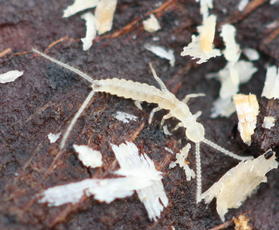 David Nicholls
Ulverscroft NR
09 April 2010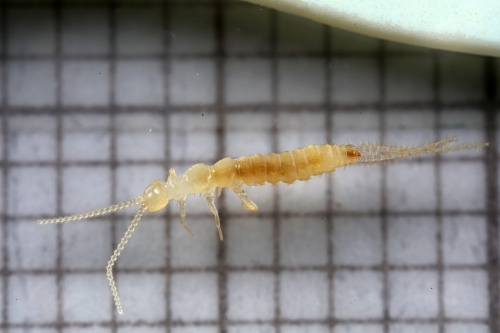 AJ Cann
Burroughs Wood
08 April 2018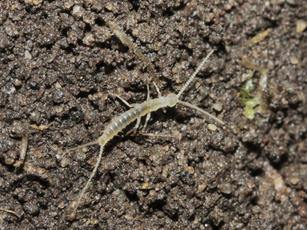 HAPeacock
Leicester Garden
28 February 2012

Leicestershire & Rutland Map
Enter a town or village to see local records
MAP KEY:
Yellow squares = NBN records (all known data)
Coloured circles = NatureSpot records: 2025+ | 2020-2024 | pre-2020
UK Map
Species profile
- Species group:
- two-tailed bristletail (Diplura)
- Kingdom:
- Animalia
- Order:
- Diplura
- Family:
- Campodeidae
- Records on NatureSpot:
- 10
- First record:
- 09/04/2010 (Nicholls, David)
- Last record:
- 02/11/2024 (Smith, Peter)
Total records by month
% of records within its species group
10km squares with records
The latest images and records displayed below include those awaiting verification checks so we cannot guarantee that every identification is correct. Once accepted, the record displays a green tick.
In the Latest Records section, click on the header to sort A-Z, and again to sort Z-A. Use the header boxes to filter the list.
Latest images
Latest records
 HAPeacock
Leicester Garden
28 February 2012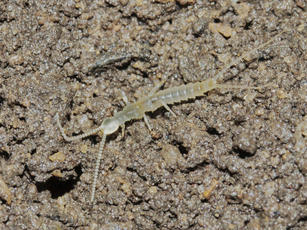 HAPeacock
Leicester Garden
28 February 2012 HAPeacock
Leicester Garden
28 February 2012