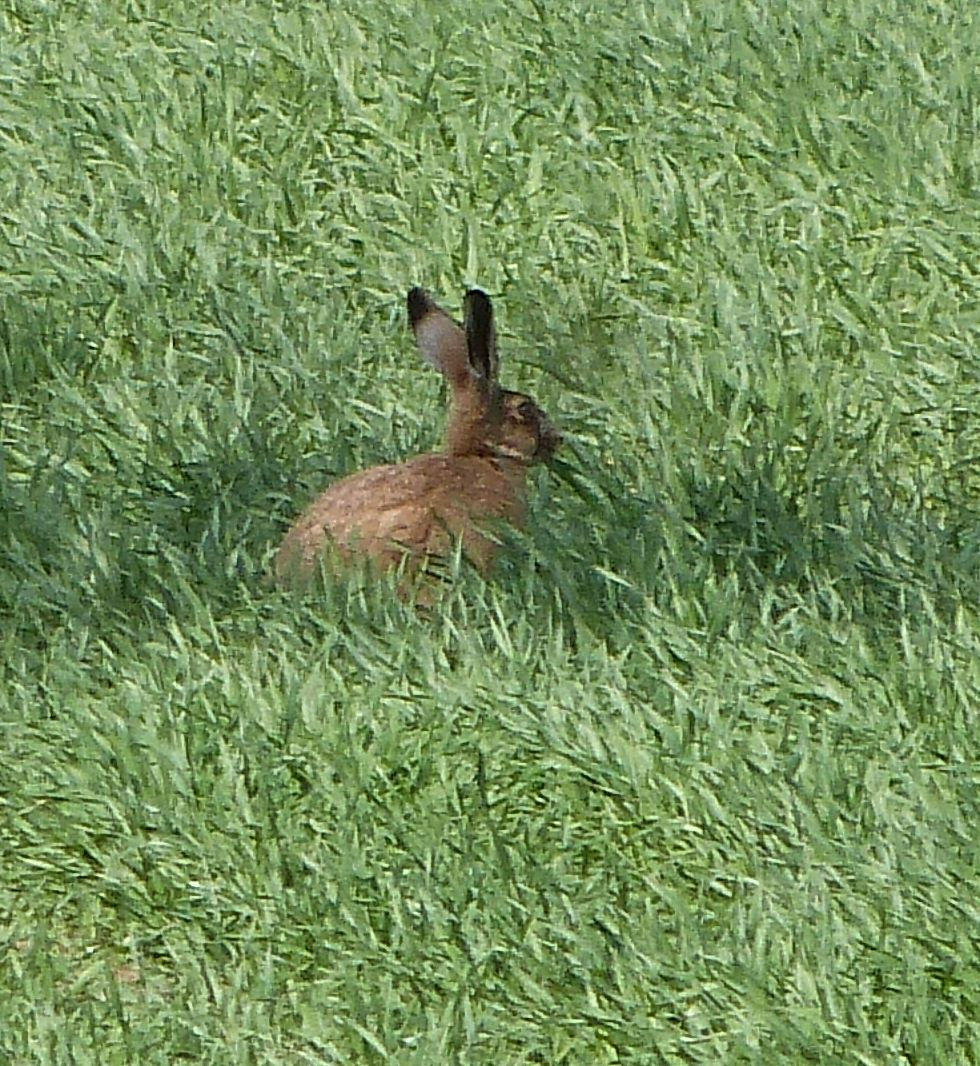
Brown Hare - Lepus europaeus
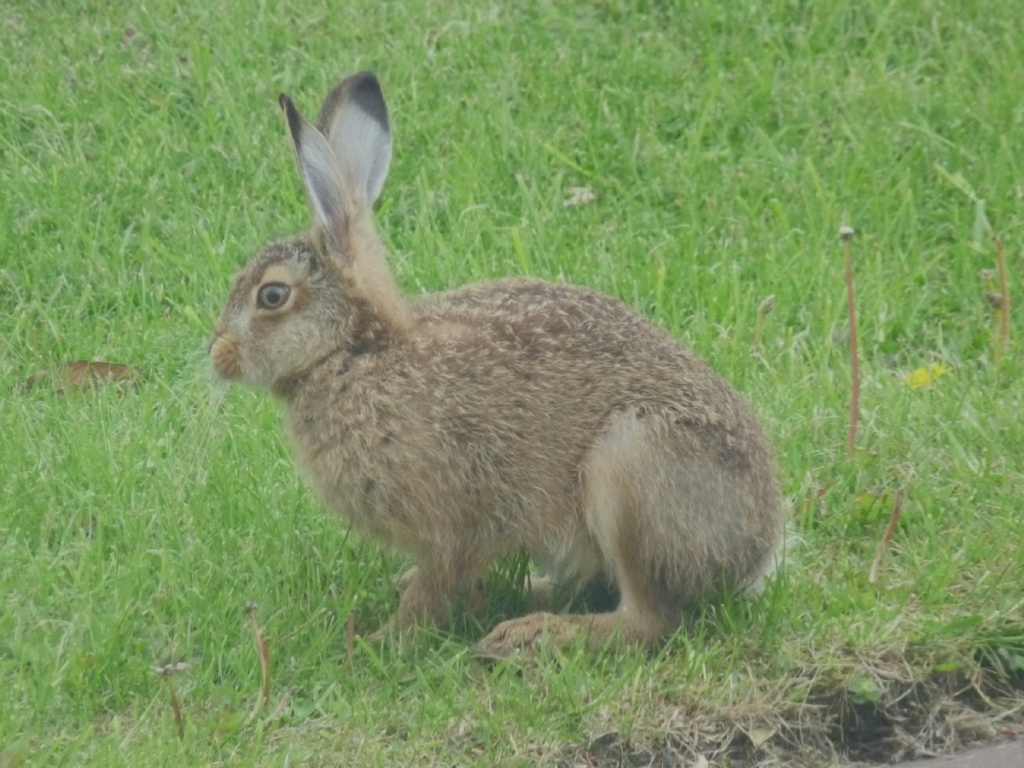
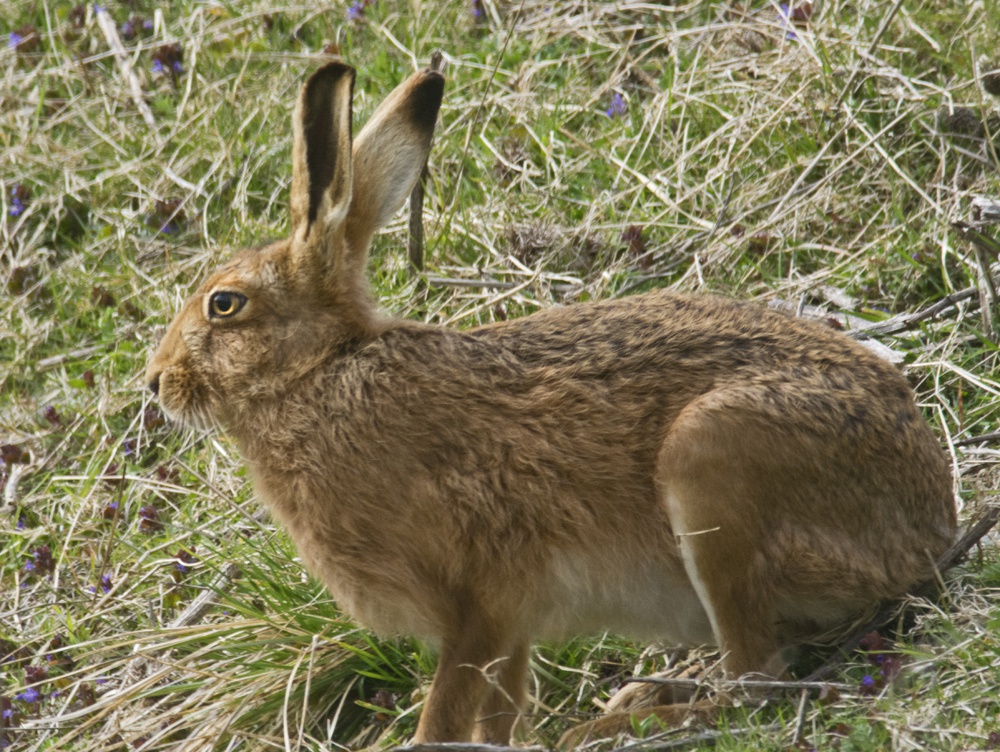
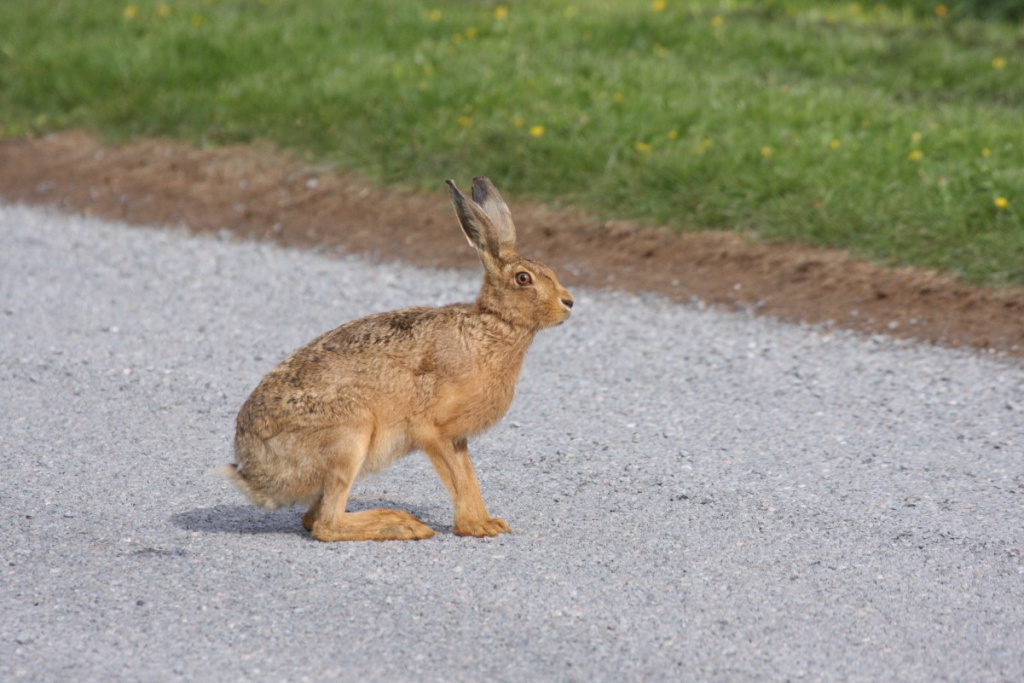
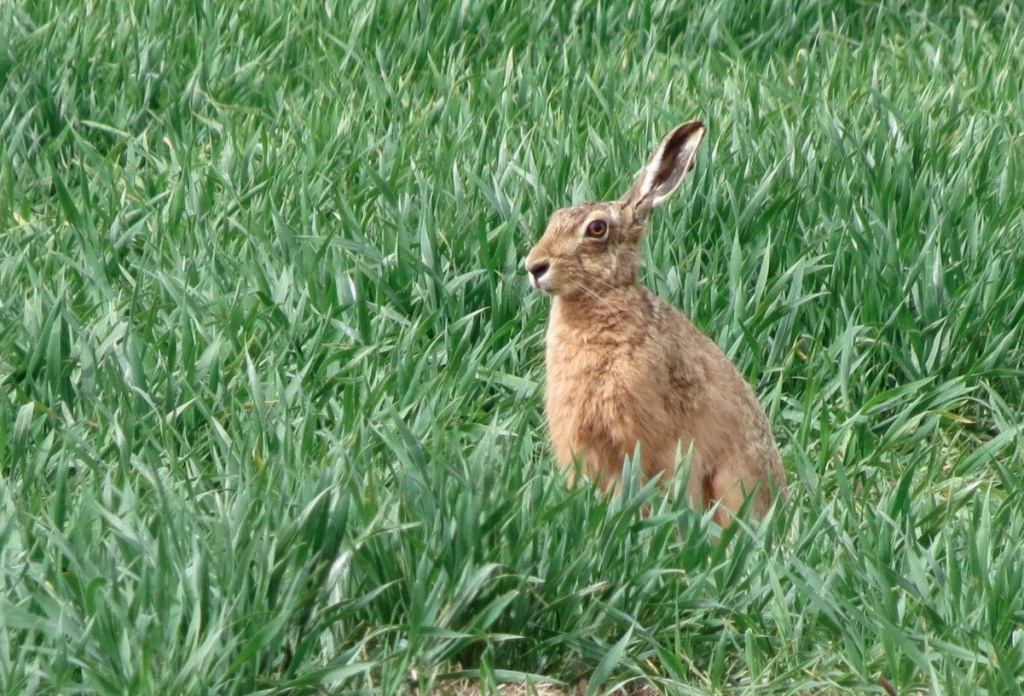
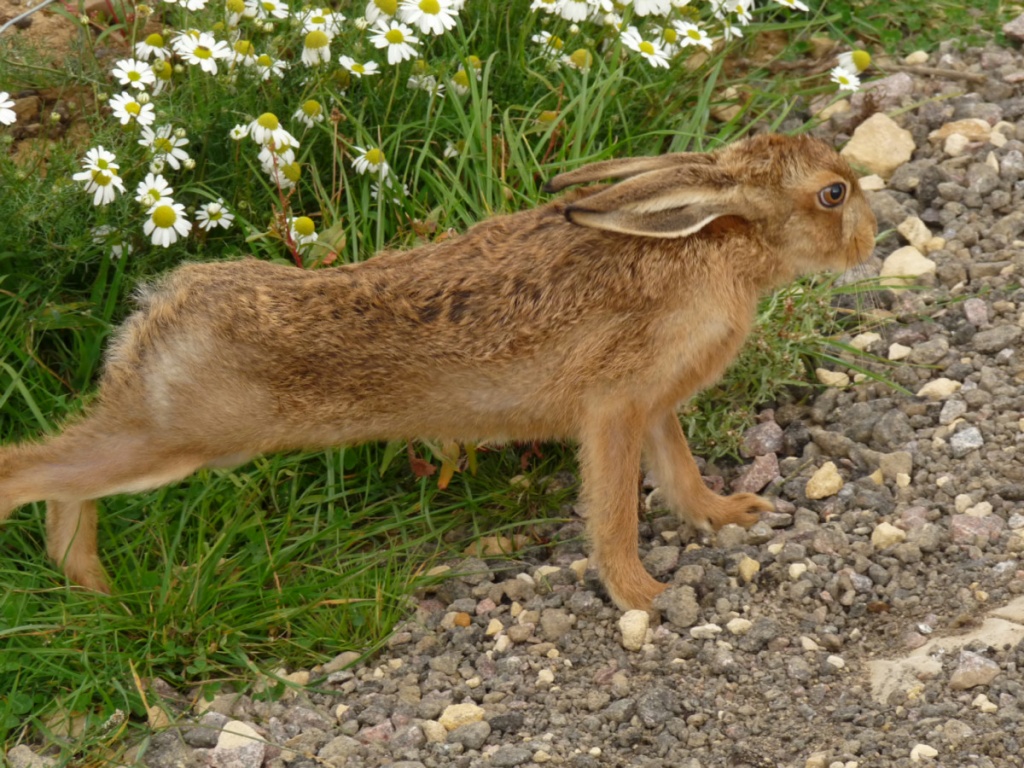
It is larger, longer-eared and longer-legged than a Rabbit with a body length of 50-70 cm.
An adult European rabbit can appear similar from a distance.

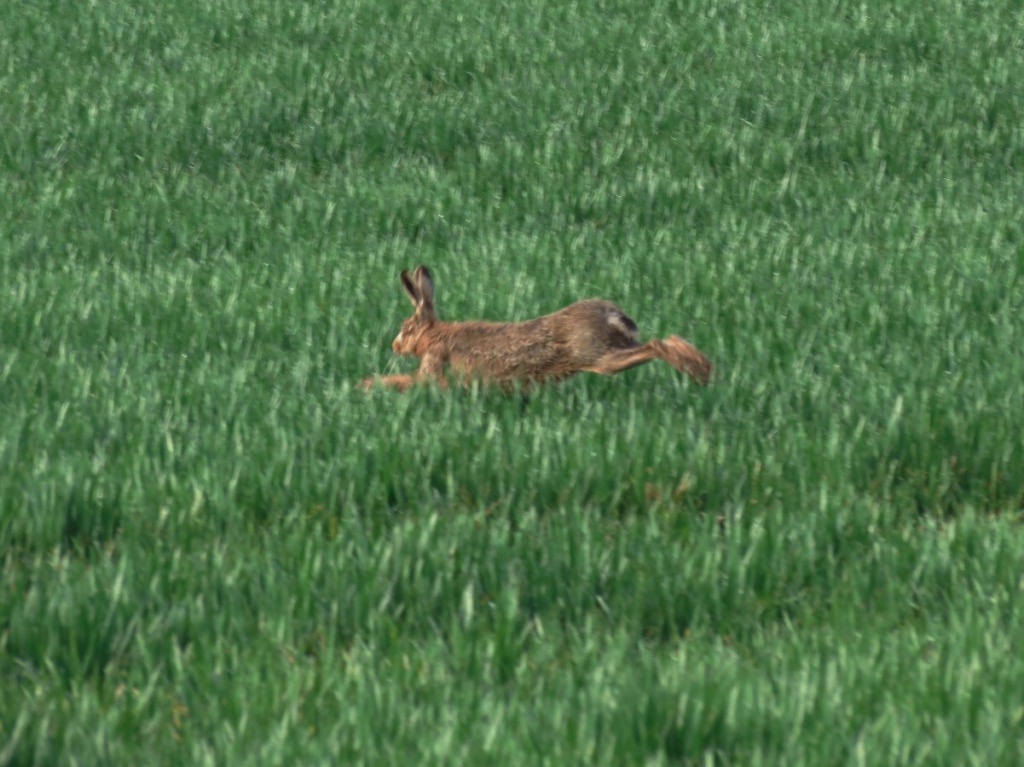
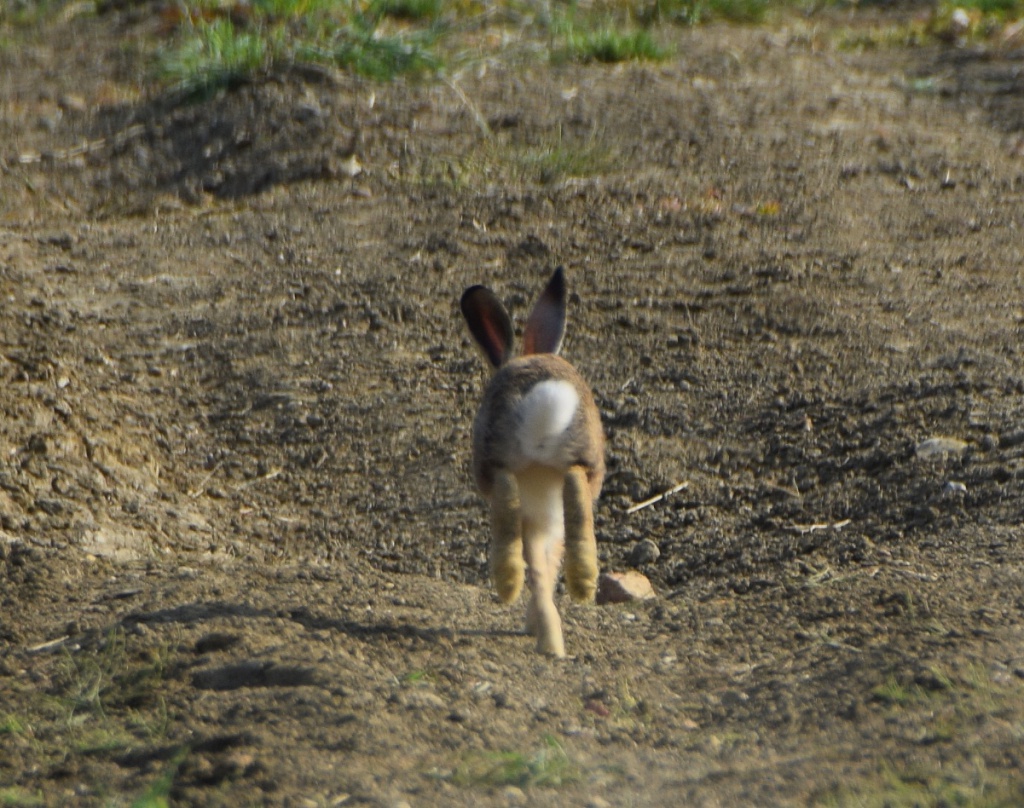
The Rabbit but has a distinctive "hopping" gait as it runs away (compared to a Hare which is more greyhound-like). The Hare tucks its tail between its hind legs to hide its white underside, whereas the white tail of the Rabbit is often clearly seen as it runs away.
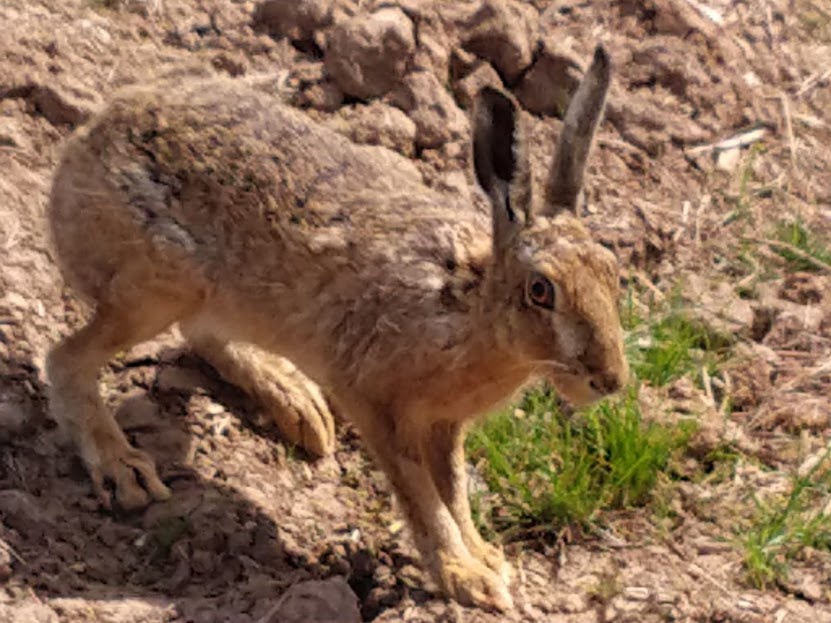
The Hare has distinctive black-tips on the ends of its ears
A photograph is preferable or a description of the animal should be made in the comments. Clear photographs of droppings should also indicate size.
Fields, hedgerow bottoms, woodland and open countryside.
All year round
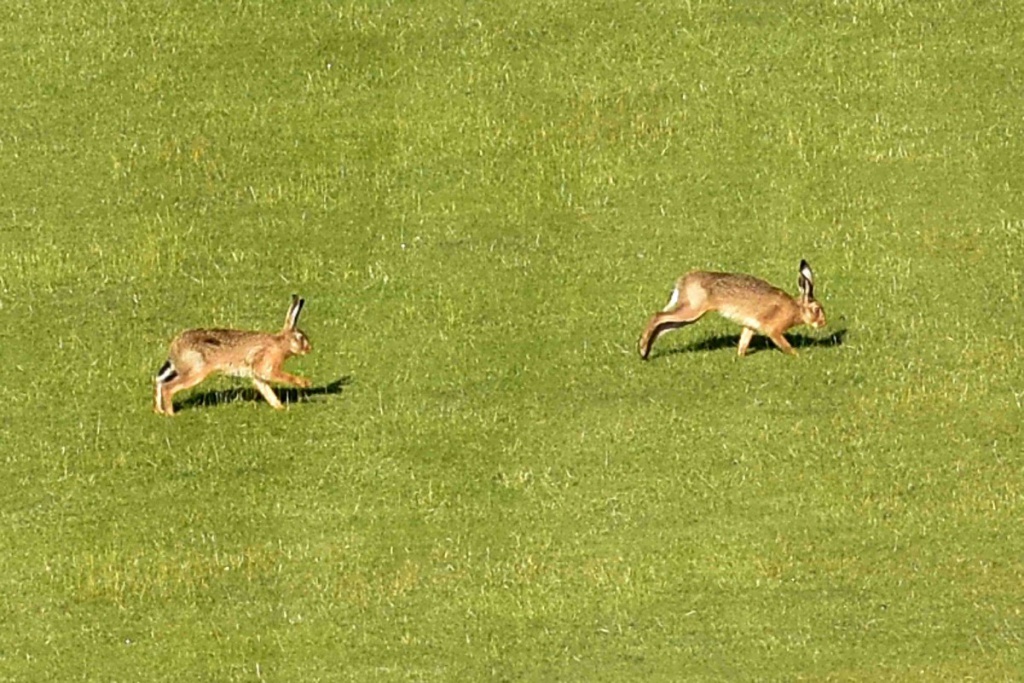
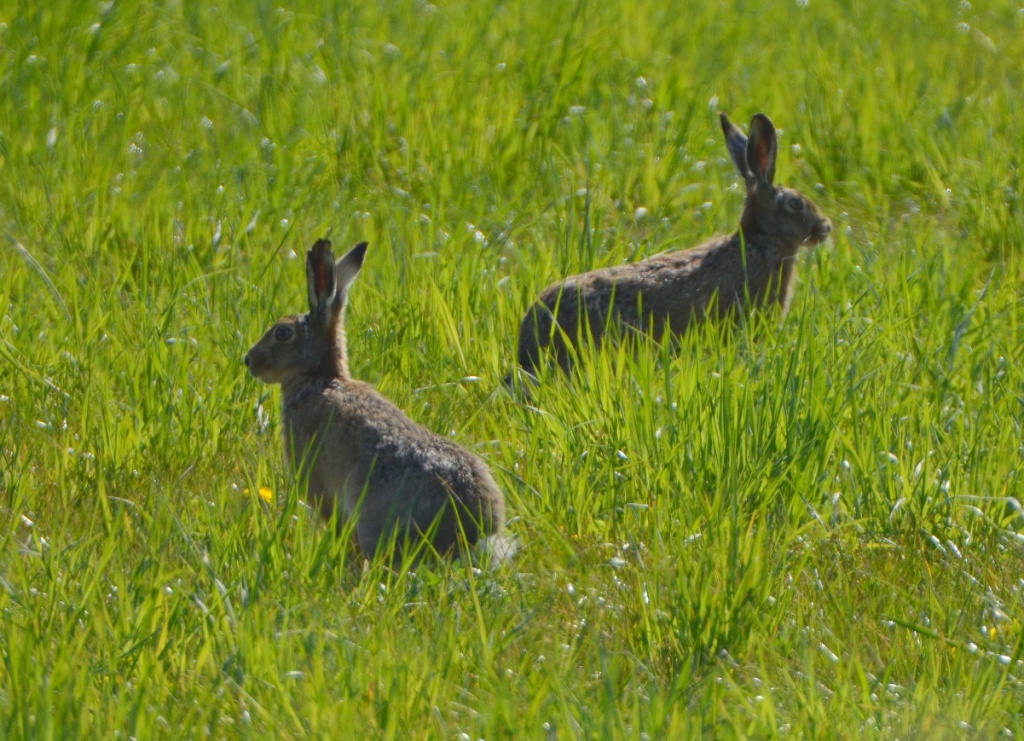
It breeds on the ground rather than in a burrow and relies on speed to escape. Normally shy animals; hares change their behaviour in spring, when they can be seen in broad daylight chasing one another around meadows. During this spring frenzy, Hares can be seen "boxing". This is when Hares strike one another with their paws. For a long time it had been thought that this was inter-male competition but closer observation has revealed that it is usually a female hitting a male, either to show that she is not yet quite ready to mate or as a test of his determination.
Less common now, than previously, probably due to changes in land use. It remains widespread in lowland Britain, but scarce in the Highlands. It is only partly protected and is still considered a game species so can be shot throughout the year on enclosed land and between 11th Dec and 31st March on unenclosed land (with landowner permission).
Uncommon in Leicestershire and Rutland.
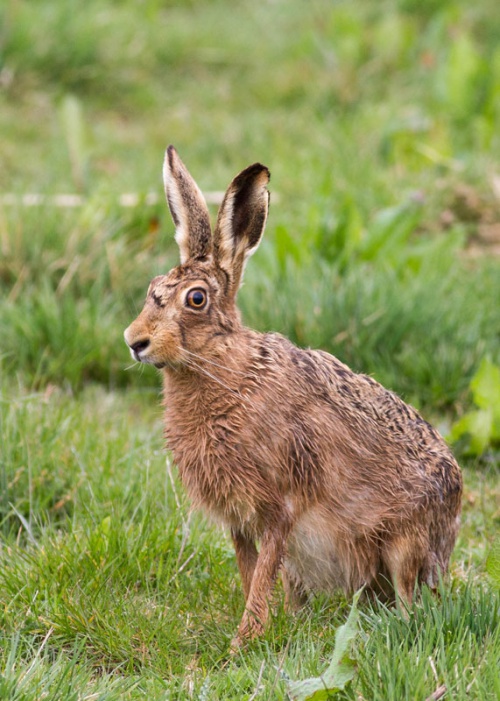 Rod Baker
Rutland Water
12 April 2014
Adult - black tipped ears Chris Lythall
Eyebrook Reservoir
07 May 2005
Adult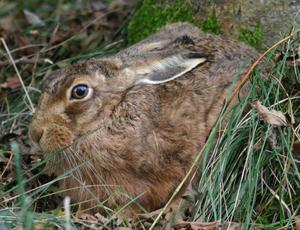 David Nicholls
Rutland Water, Egleton NR
02 November 2007
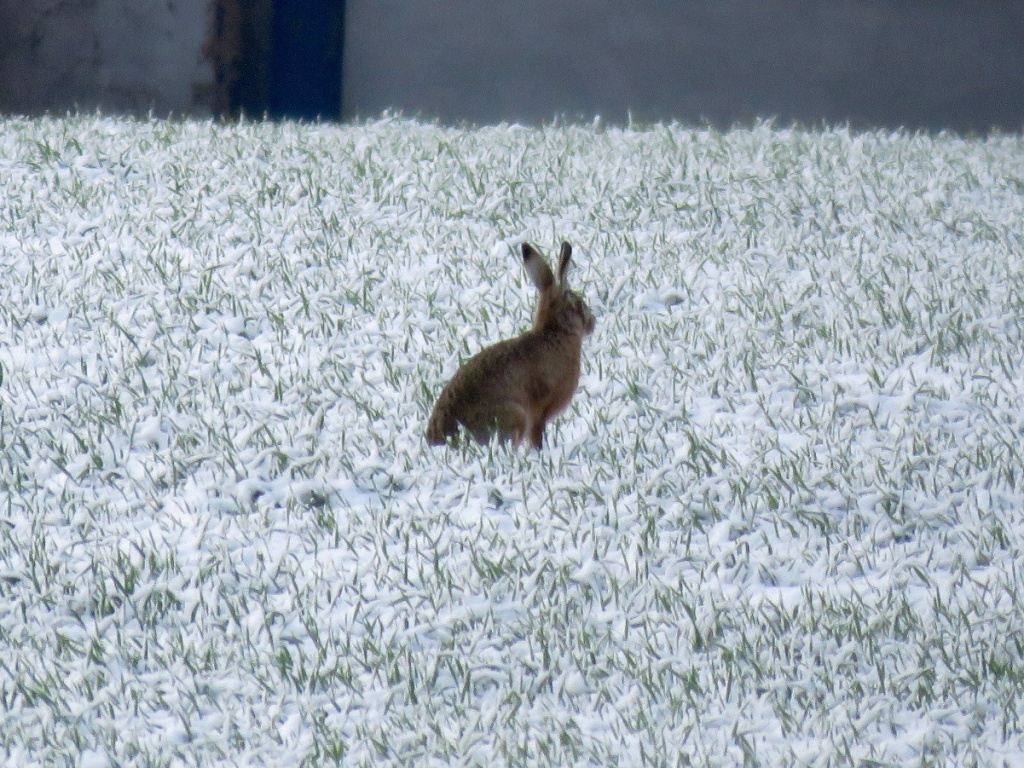
Adult sat in form (den) on ground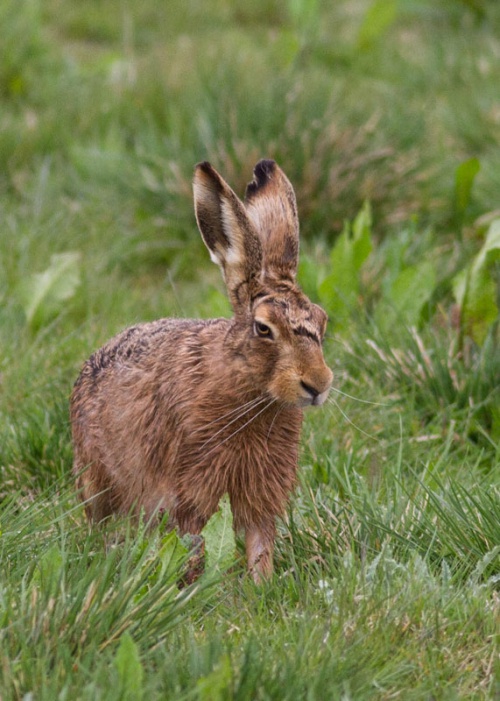 Rod Baker
Rutland Water
12 April 2014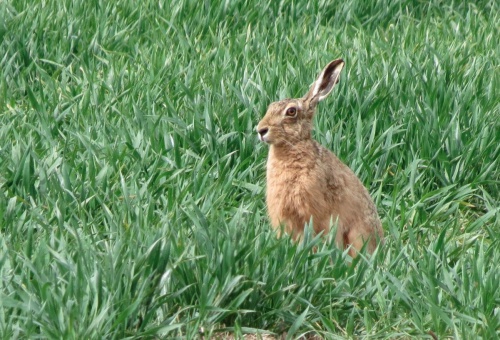 egaten
Thurlaston
17 April 2015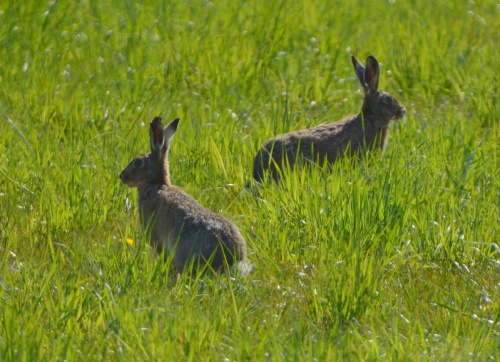 Steve Mathers
Grantham Canal (Plungar to Redmile)
20 April 2016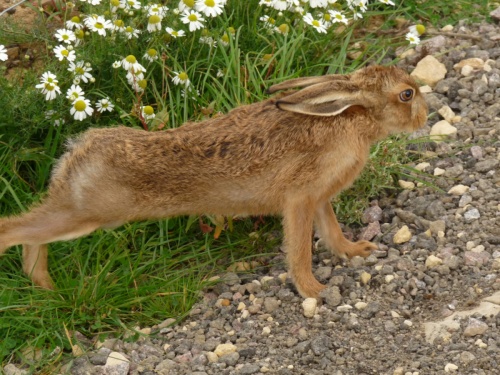 Lorraine Ellison
Rutland Water
14 September 2012
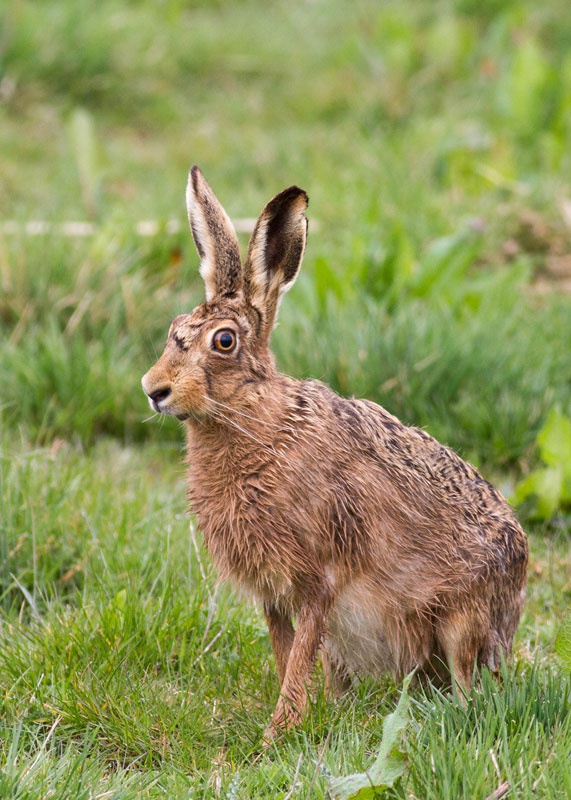
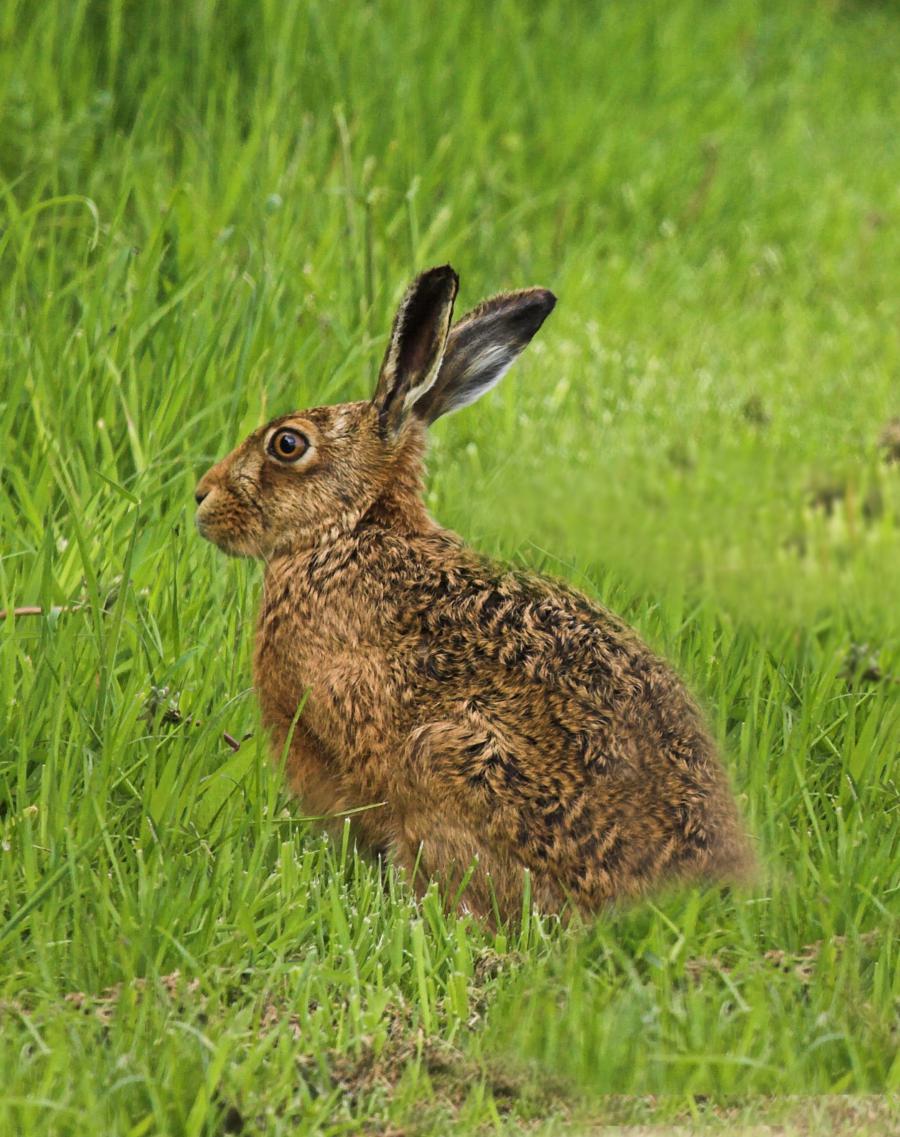
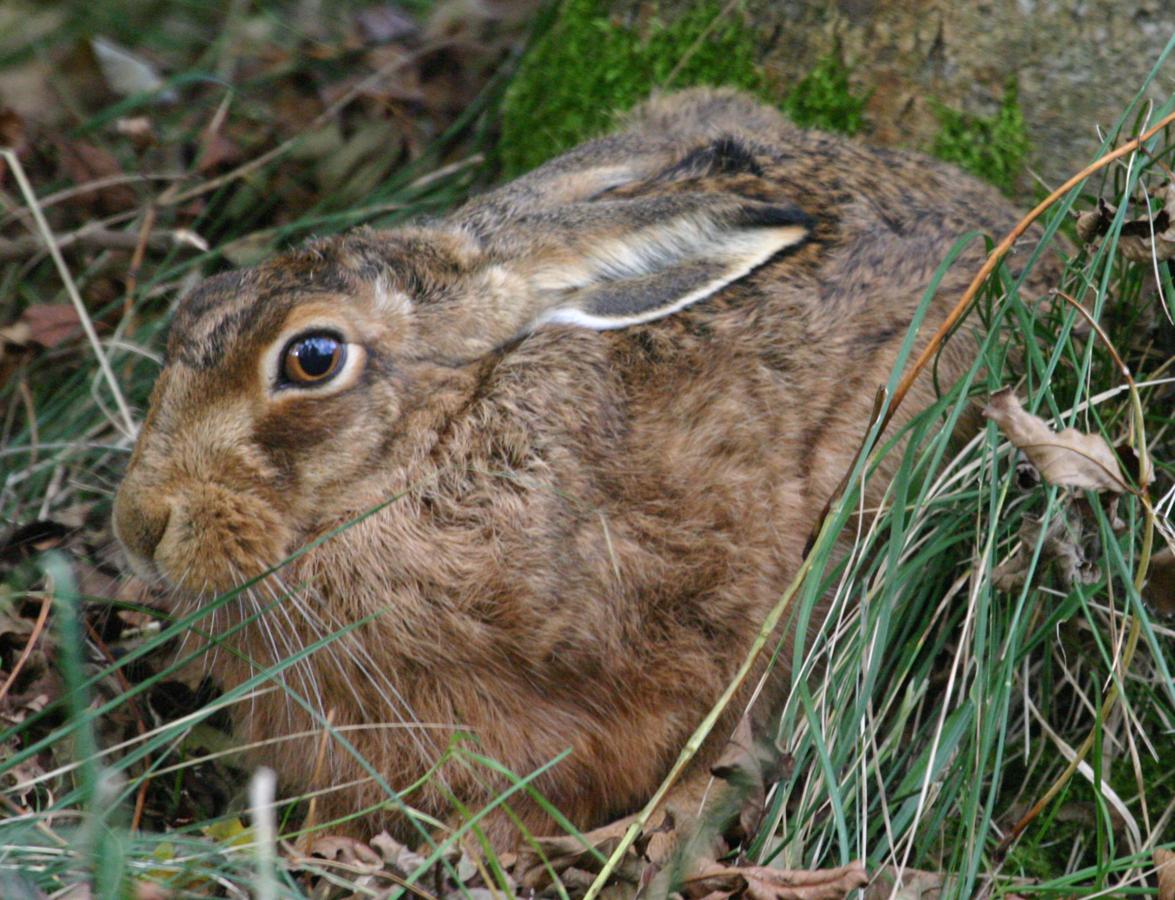
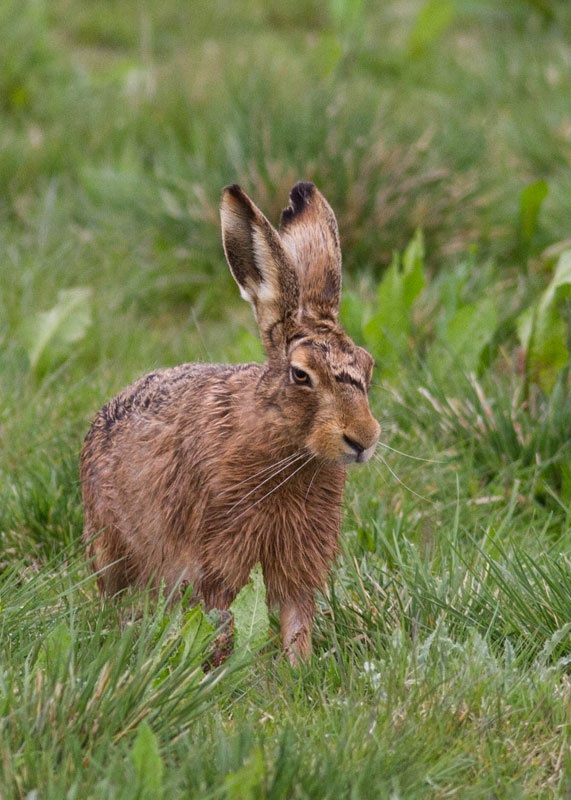
Leicestershire & Rutland Map
Enter a town or village to see local records
MAP KEY:
Yellow squares = NBN records (all known data)
Coloured circles = NatureSpot records: 2025+ | 2020-2024 | pre-2020
UK Map
Species profile
- Common names
- Hare, Brown Hare
- Species group:
- terrestrial mammal
- Kingdom:
- Animalia
- Order:
- Lagomorpha
- Family:
- Leporidae
- Records on NatureSpot:
- 644
- First record:
- 26/07/1997 (Harry Ball)
- Last record:
- 14/06/2026 (Andrews, Mark)
Total records by month
% of records within its species group
10km squares with records
The latest images and records displayed below include those awaiting verification checks so we cannot guarantee that every identification is correct. Once accepted, the record displays a green tick.
In the Latest Records section, click on the header to sort A-Z, and again to sort Z-A. Use the header boxes to filter the list.
Latest images
Latest records
 Lorraine Ellison
Wymeswold garden
20 May 2012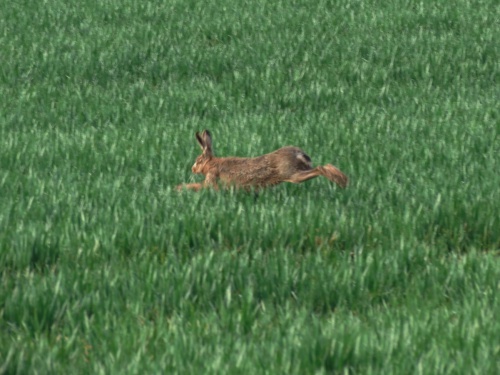 egaten
Normanton Turville
09 April 2015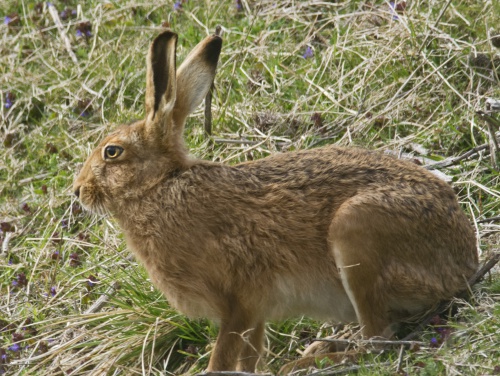 AJ Cann
Rutland Water
10 April 2015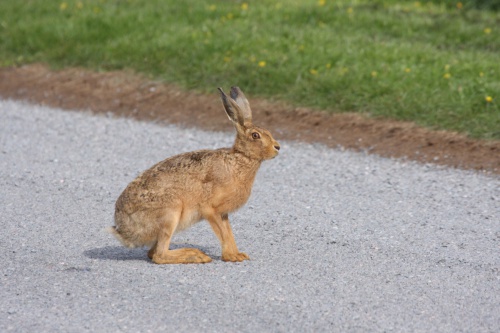 suejames
Holwell
01 May 2015
Brown Hare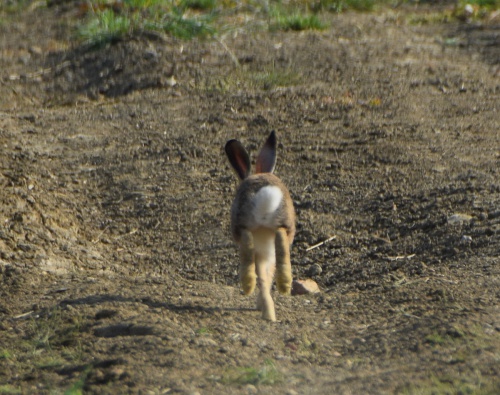 Steve Mathers
Grantham Canal (Easthorpe Bridge east to County Boundary)
19 June 2017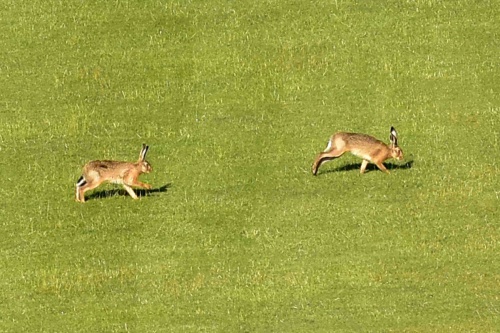 Andy's Rutland
Empingham Cricket Field
09 June 2019 egaten
Thurlaston
17 January 2016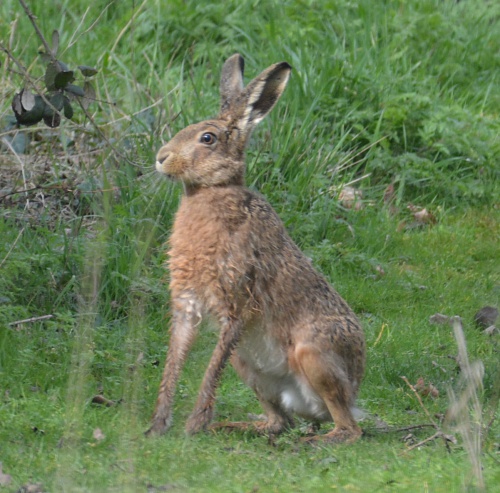 Barbara Cooper
Long Clawson
21 March 2021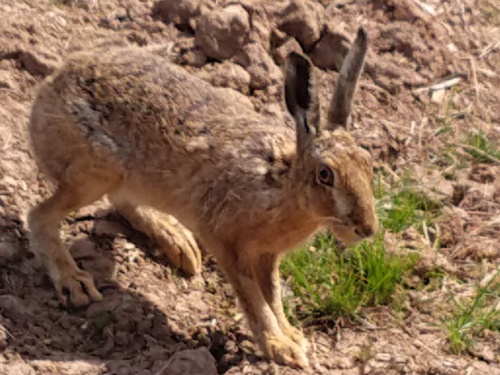 rodmcmichael
Sutton Lodge Farm
11 May 2020
Brown Hare Sutton Lodge Farm 11 May 2020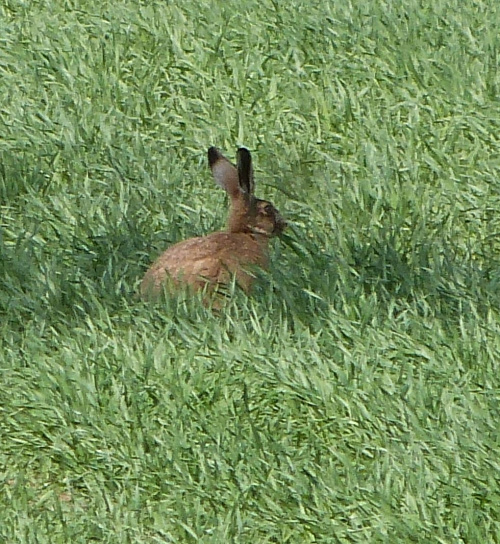 Graham Calow
Ullesthorpe, field near Lodge Farm
09 May 2025