

Broad-leaved Dock - Rumex obtusifolius
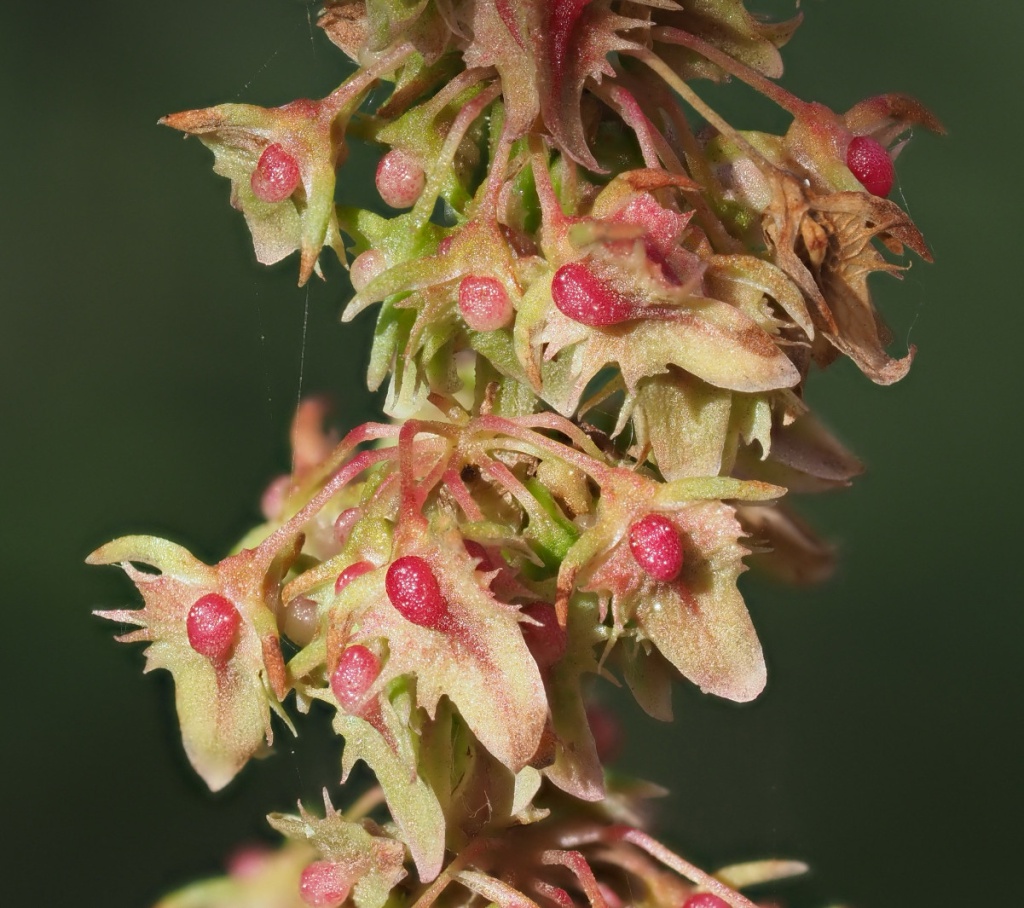
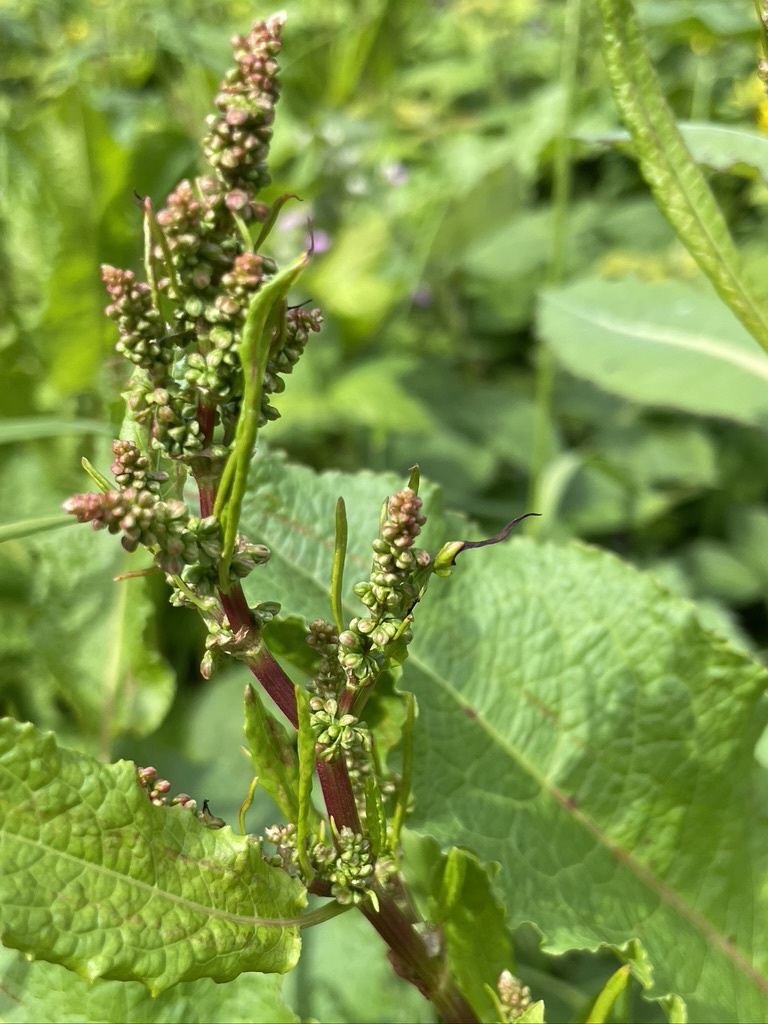
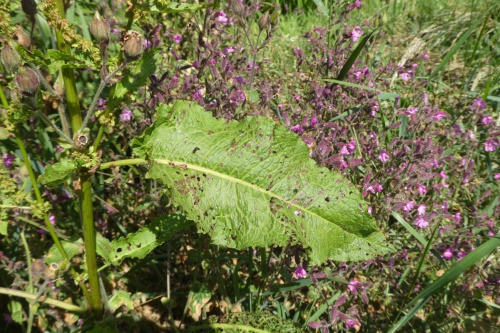
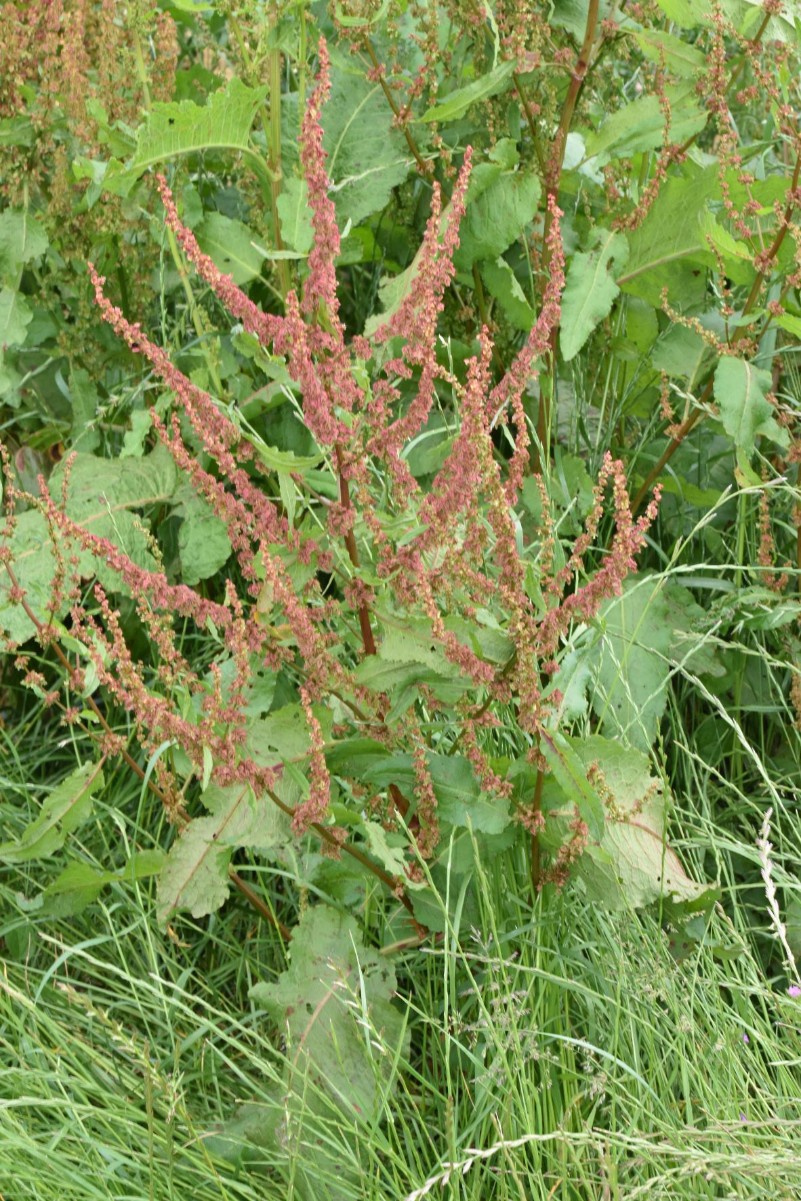
Medium to tall erect plant to 1 metre. The leaves large and oblong, the lower heart shaped at the base wavy-edged. The flowers in spreading branches, leafy below. Fruit valves triangular, toothed often only one valve swollen.
other docks

one well developed smooth tubercle, valves with long lateral teeth
The fruits have a central part, triangular in cross-section, with three membraneous valves surrounding a small, hard 'tubercle'. The shape and arrangement of valves and tubercles is diagnostic, and close-up photos of fruits and leaves/general habit is needed.
Waste and disturbed ground, poor quality pastures.
June to October
Perennial
Very common throughout Britain and a scheduled injurious weed.
Very common in Leicestershire and Rutland. In the 1979 Flora survey of Leicestershire it was found in 605 of the 617 tetrads.
In the current Checklist (Jeeves, 2011) it is listed as Native, Frequent
http://www.kenadams.org.uk/esb/Docks.htm
 Graham Calow
Sapcote
03 June 2013 David Nicholls
Ratby
14 July 2022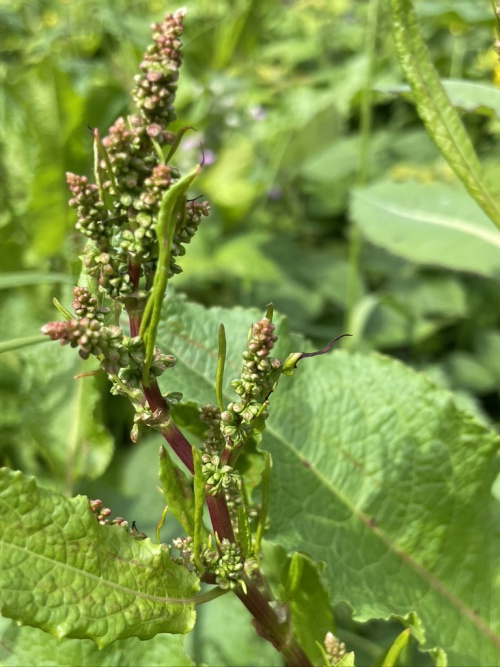 CAPochin
off Kimberley Road
19 May 2022 Behind 'The Limes' Sapcote SP 4805 9345 (taken 31.5.2006).JPG) Graham Calow
Graham Calow
Sapcote
31 May 2006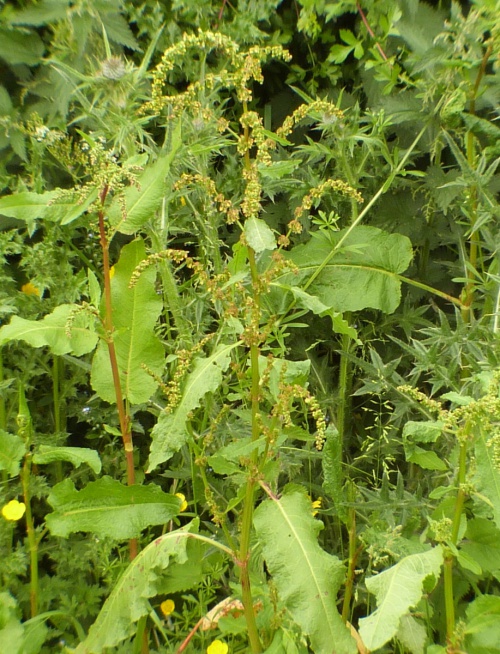 Graham Calow
Sapcote
18 June 2013
flowering plant David Nicholls
Martinshaw Wood
27 June 2009
seeds

 Behind 'The Limes' Sapcote SP 4805 9345 (taken 31.5.2006).JPG)


Leicestershire & Rutland Map
Enter a town or village to see local records
MAP KEY:
Yellow squares = NBN records (all known data)
Coloured circles = NatureSpot records: 2025+ | 2020-2024 | pre-2020
UK Map
Species profile
- Common names
- Broad-leaved Dock
- Species group:
- flowering plant
- Kingdom:
- Plantae
- Order:
- Caryophyllales
- Family:
- Polygonaceae
- Records on NatureSpot:
- 554
- First record:
- 01/07/1998 (John Mousley)
- Last record:
- 17/06/2026 (Pugh, Dylan)
Total records by month
% of records within its species group
10km squares with records
The latest images and records displayed below include those awaiting verification checks so we cannot guarantee that every identification is correct. Once accepted, the record displays a green tick.
In the Latest Records section, click on the header to sort A-Z, and again to sort Z-A. Use the header boxes to filter the list.
Latest images
Latest records
 Melinda Bell
River Sence,off Gibbet Lane Bilstone
22 June 2022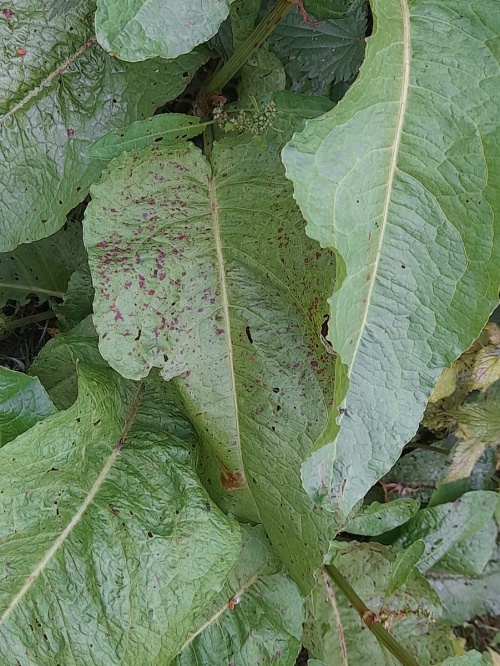 Kaye Lou
Thornton, Reservoir
13 June 2022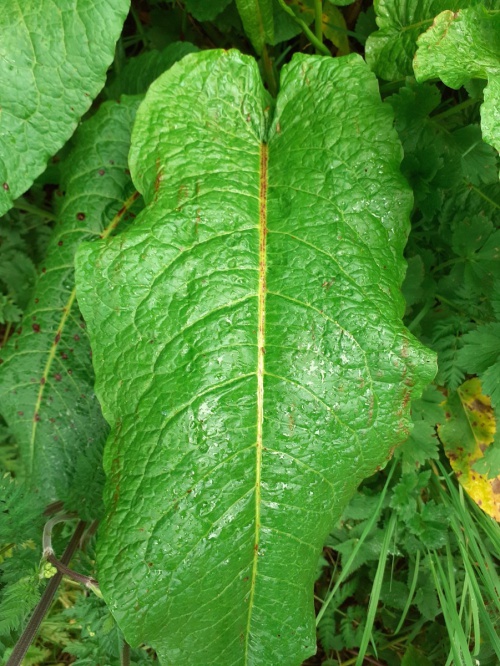 WTWTA
WTWTA
Wash Brook Nature Reserve
03 May 2022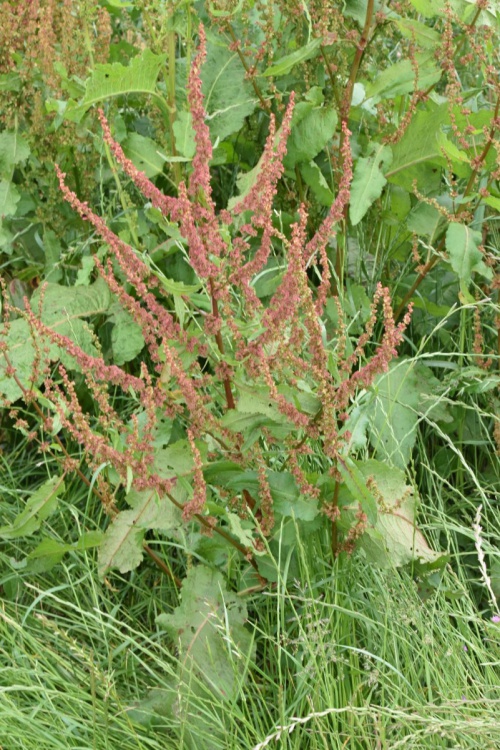 stepgray4
Storkit Lane, Wymeswold
10 June 2022 Peter Smith
Stretton en le Field, Mercia Park
04 June 2022
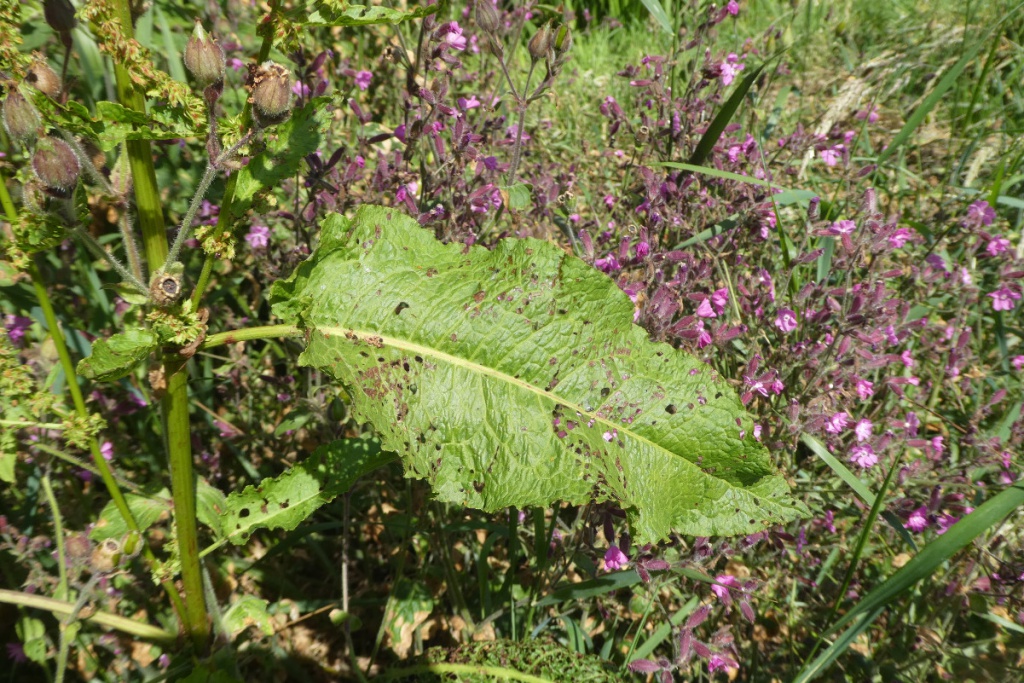
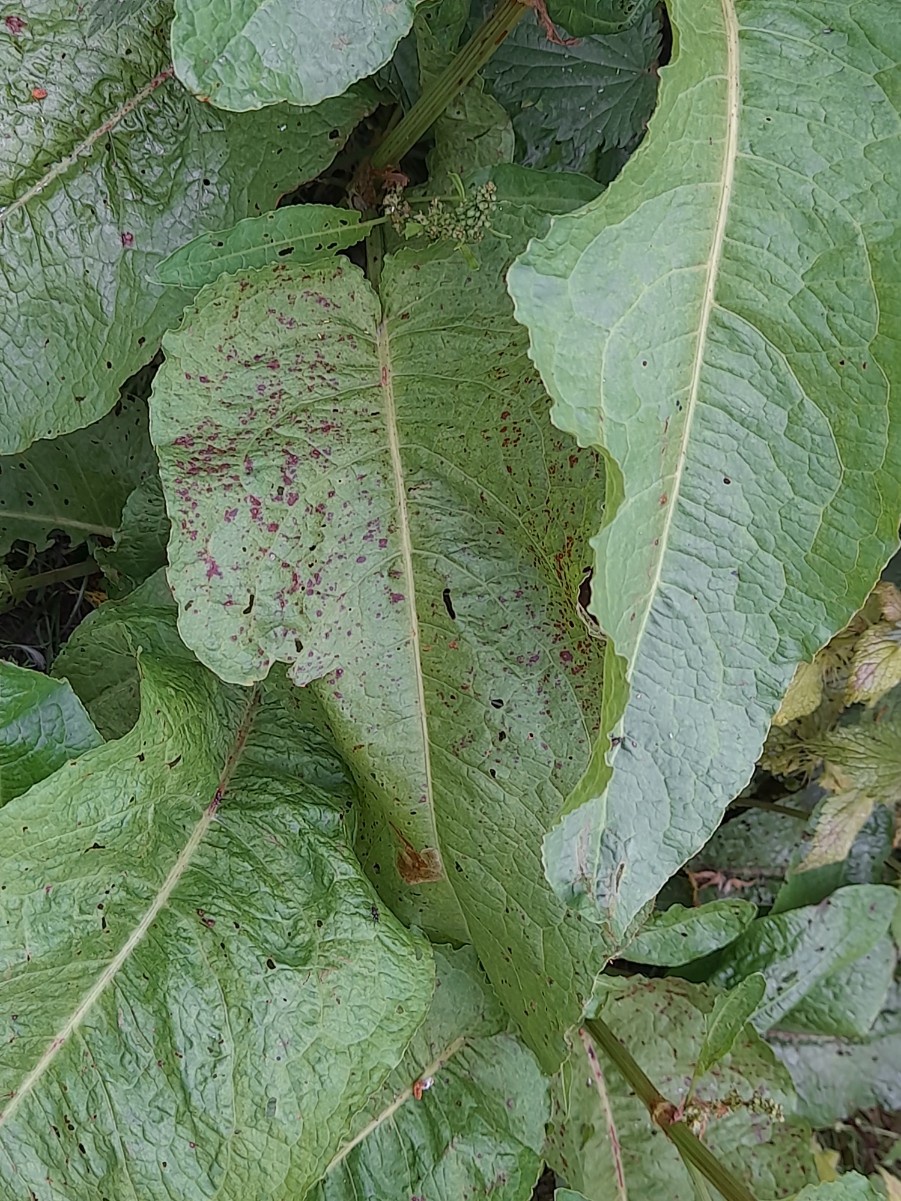
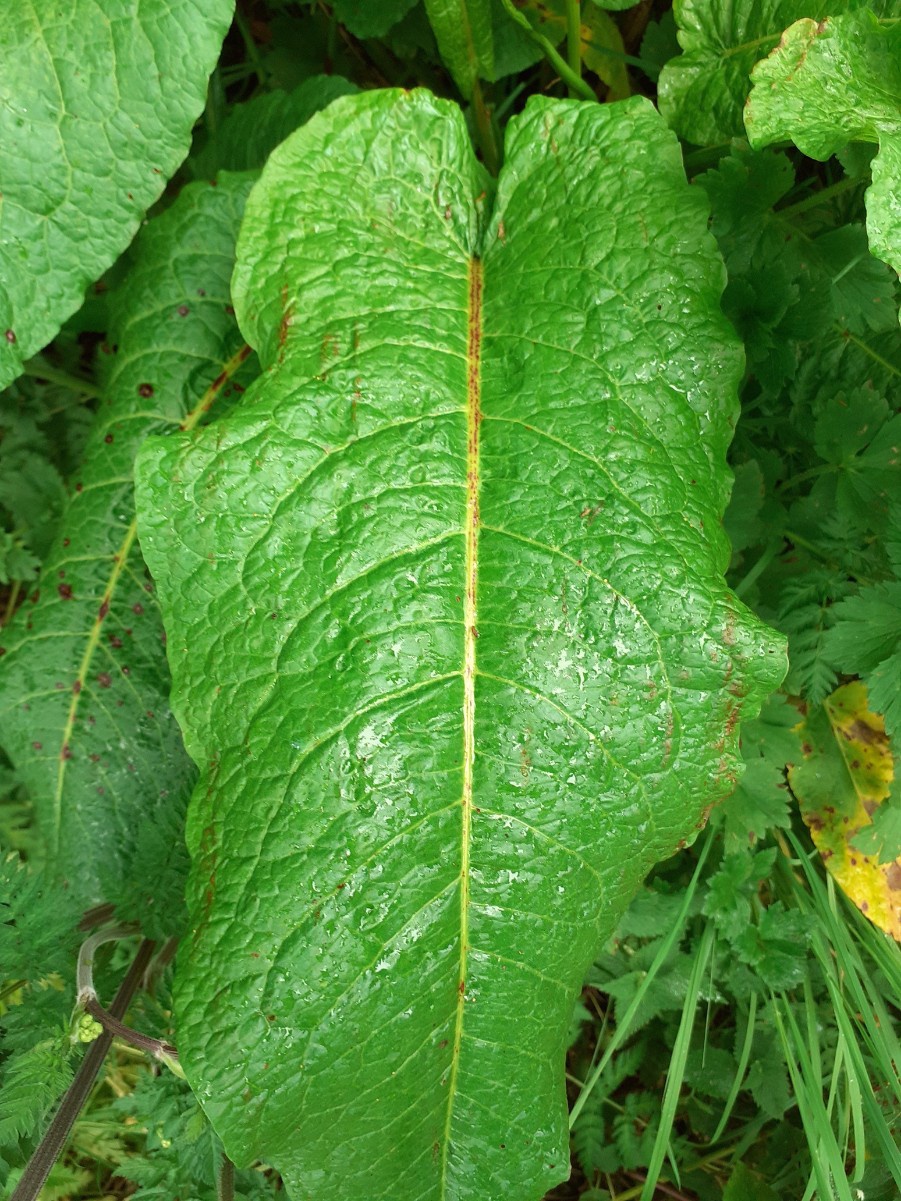

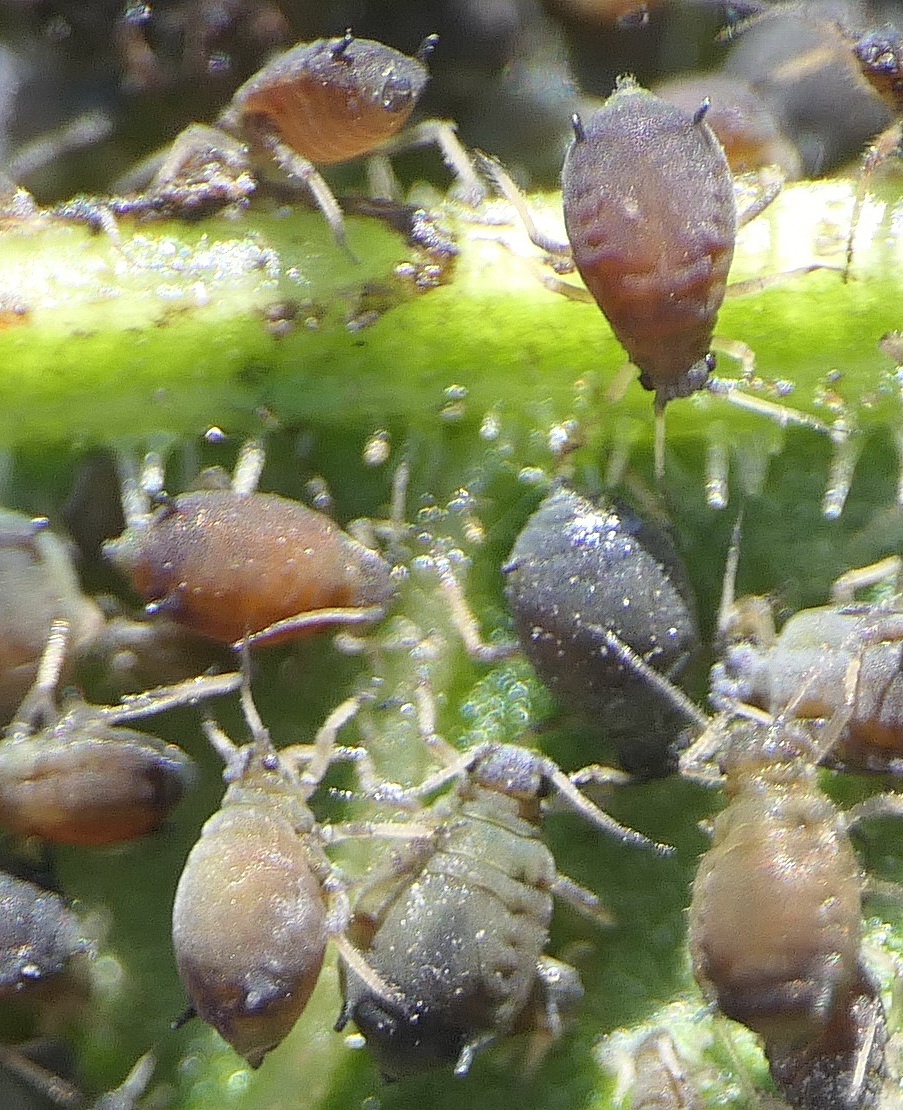
Aphis gossypii
Thie aphid Aphis gossypii is highly polyphagous feeding on a wide range of plants. It does not usually host alternate, reproducing all year round on its chosen host. The body length of adult Aphis gossypii apterae ranges from 0.9 to 1.8 mm. Wingless females of Aphis gossypii are usually blackish green or dark green mottled with lighter. In hot conditions or when crowded they are smaller, and these dwarf forms are a very pale The cauda is variable in colour from quite pale to dusky to quite dark but it is usually paler than the siphunculi.

Dock Aphid
The Dock Aphid (Aphis rumicis) feeds mainly on Dock causing the leaves to roll or crumple before later in the year moving up stems and into the inflorescences. The wingless form has a length of 2 to 2.7 mm and is black to very dark greenish-brown. The winged form is also mainly black in colour.
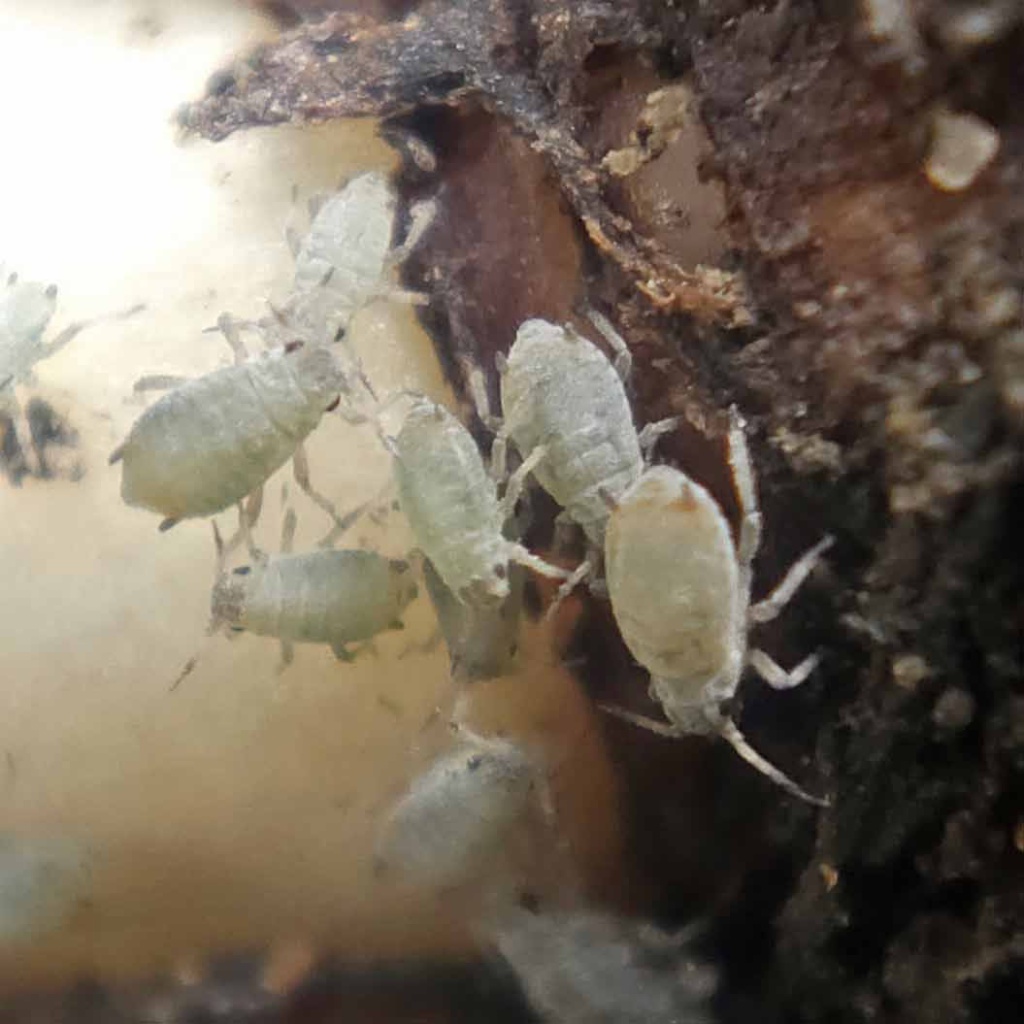
Dysaphis radicola
The aphid Dysaphis radicola alternates host between apples and the roots of docks. The apterae are greyish-brown or greyish-green.
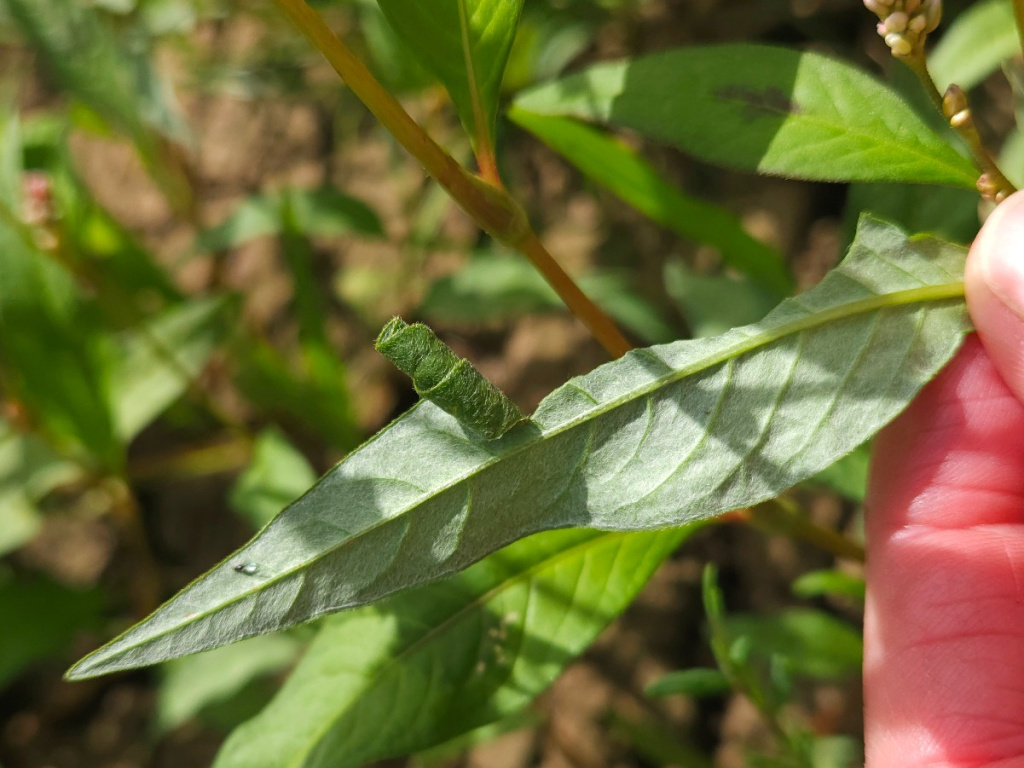
Calybites phasianipennella
The larva of the moth Calybites phasianipennella mines the leaves of various plants including Dock species, Yellow Loosestrife,Water-pepper, Black Bindweed and Redshank. An initial gallery leads to a blotch; later instars leaves the mine and feeds inside a cone-shaped leaf-roll, made by cutting a strip out of the leaf the leaf alongside the midrib.
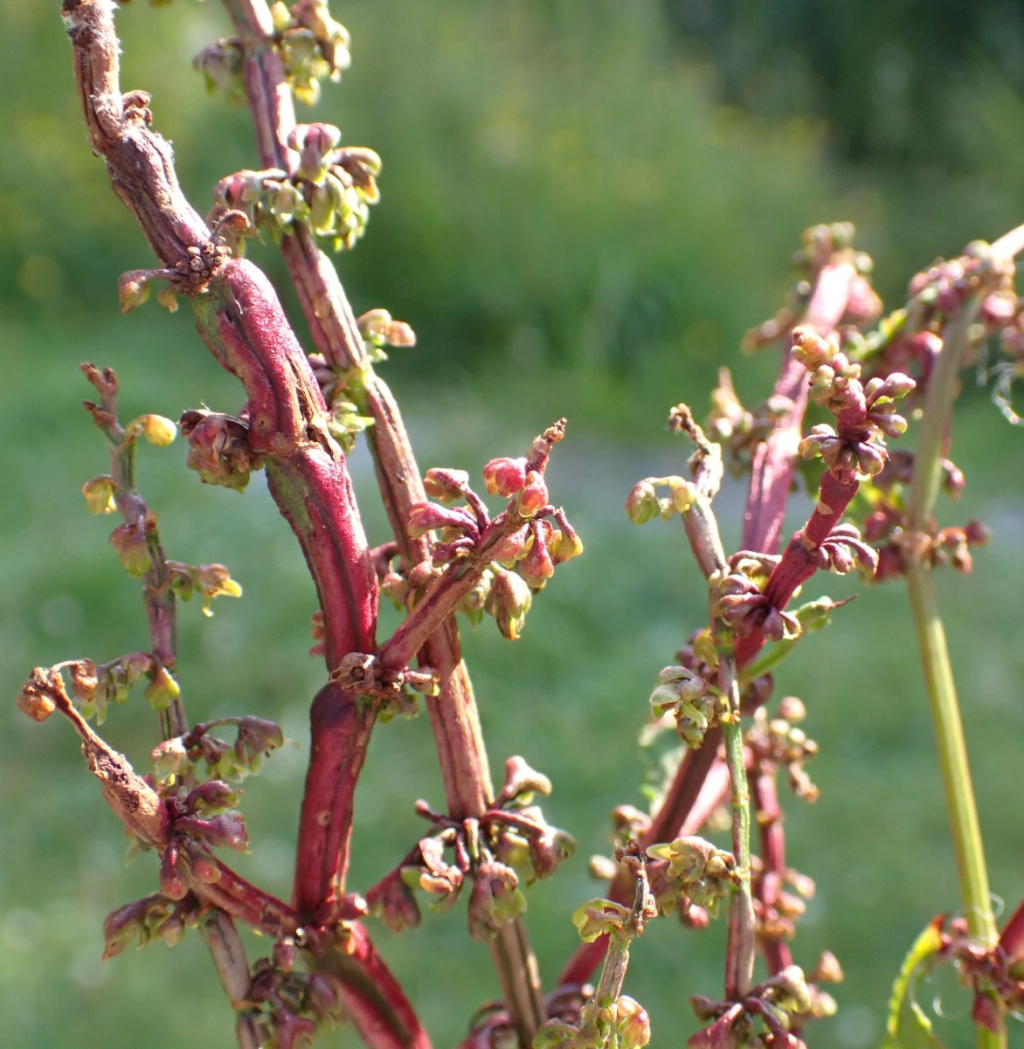
Microbotryum parlatorei
The fungus Microbotryum parlatorei affects Docks (Rumex species) causing galls in stems, petioles and midribs, often with distortion and swelling of infected parts, which eventually rupture revealing the dark-violet dusty spore-mass.
Puccinia phragmitis
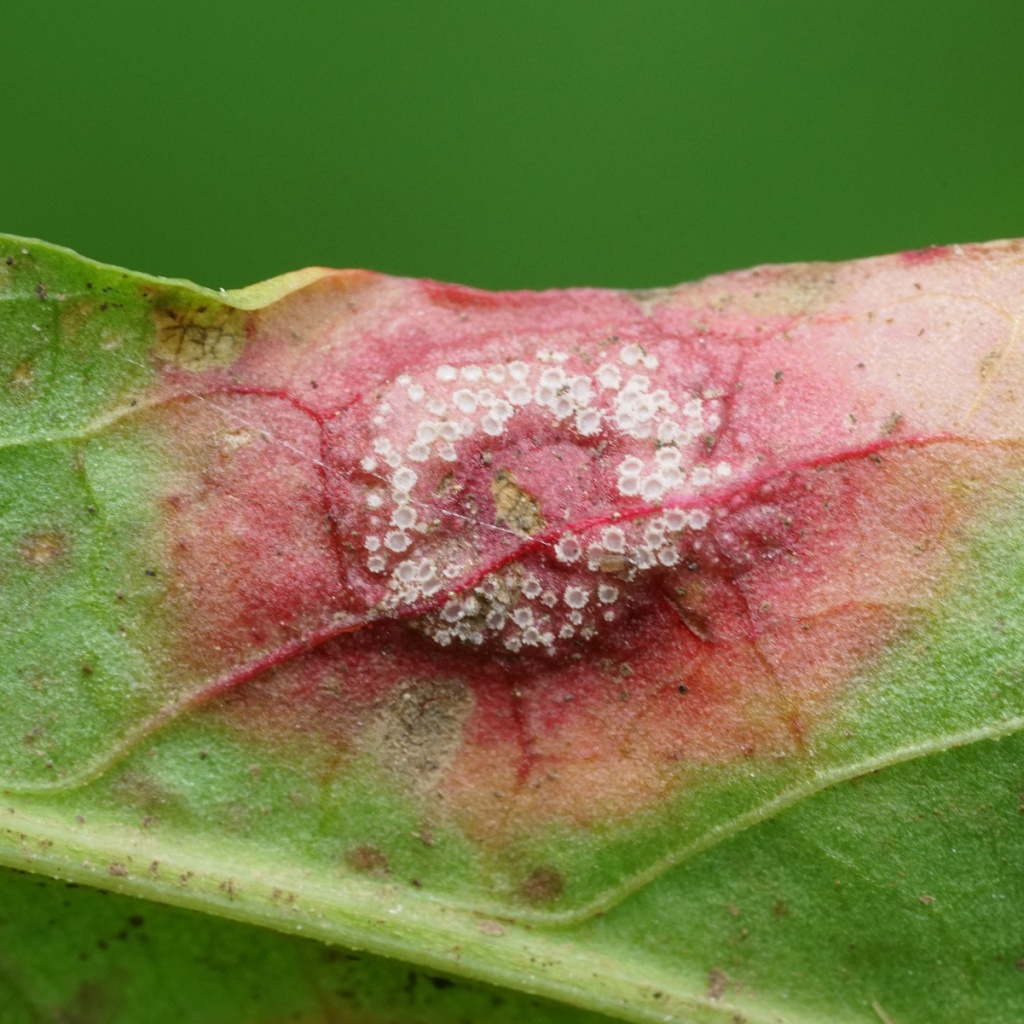
The fungus Puccinia phragmitis causes galls on the alternate host, Docks (Rumex) species and Rhubarb (Rheum) causing reddish purple blotches bearing aecia.