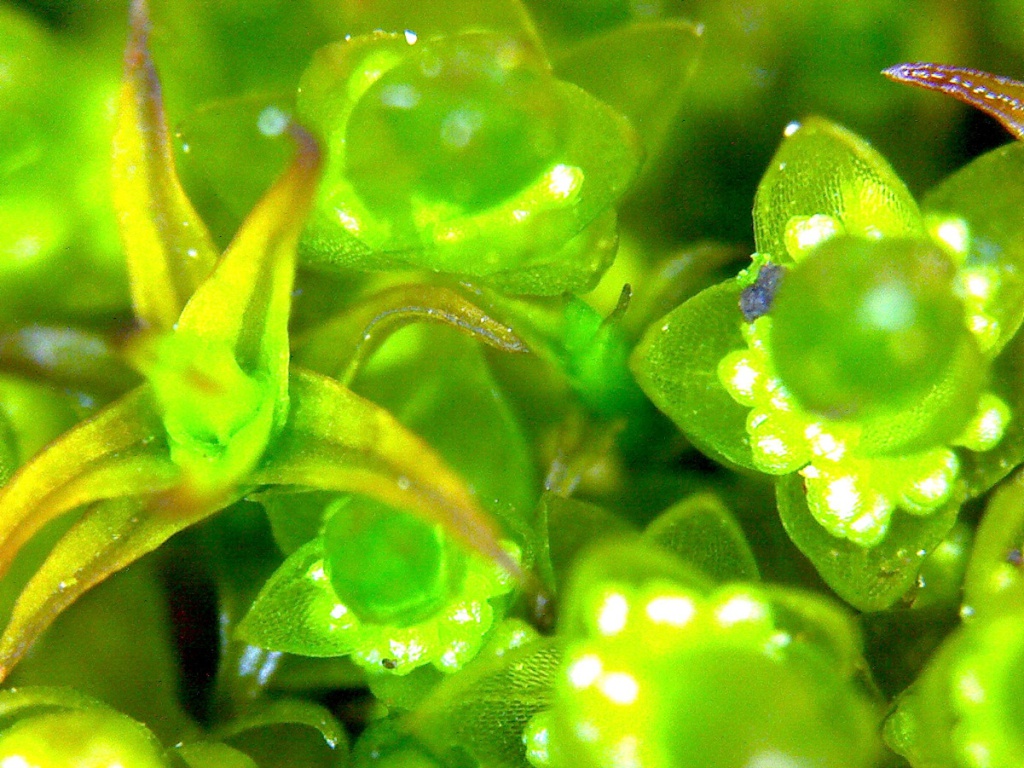
Bicoloured Bryum - Bryum dichotomum
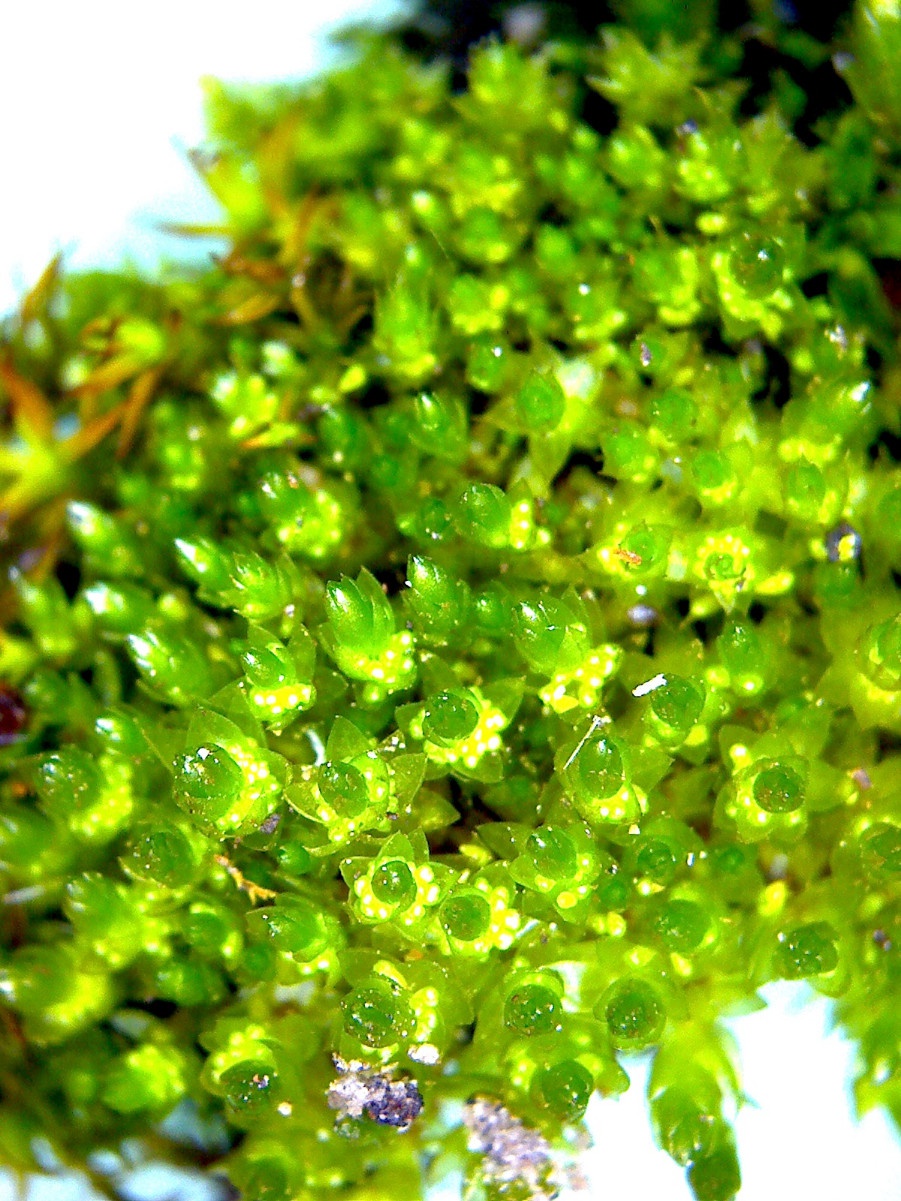
B. dichotomum is usually less than 1 cm tall, growing in compact tufts, or having scattered shoots, with rather concave leaves which are short (2 to 2.5 mm) in relation to their width when compared with many other Bryum species. 1 to 5 bulbils (about 1 mm long) frequently occur in many of the leaf axils. Pendulous, egg-shaped capsules are often produced in autumn and winter. They are rather rounded and short, varying in length between 1 and 2.5 mm, and pass abruptly into a seta which is only 8 to 15 mm long.

A good photo is needed showing sufficient detail, including the bulbils, to confirm the ID.
A moss of disturbed soil, especially base-rich clays, for example compacted soil on and beside paths, roads and water courses, in gardens, fields, on waste ground, in quarries and sand dunes. B. dichotomum also grows on roofs, and on stone, for example on walls, cliffs and rocks by water courses.
All year round.
Widespread and frequent throughout Britain.
Fairly frequent in Leicestershire and Rutland.
 David Nicholls
Cossington Meadows
25 February 2017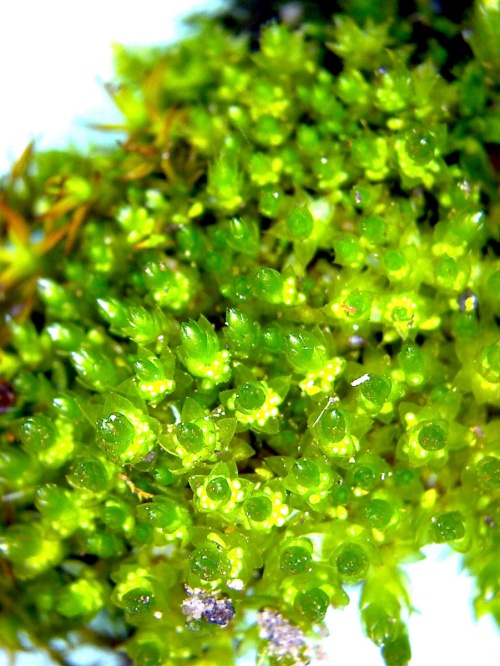 Melinda Bell
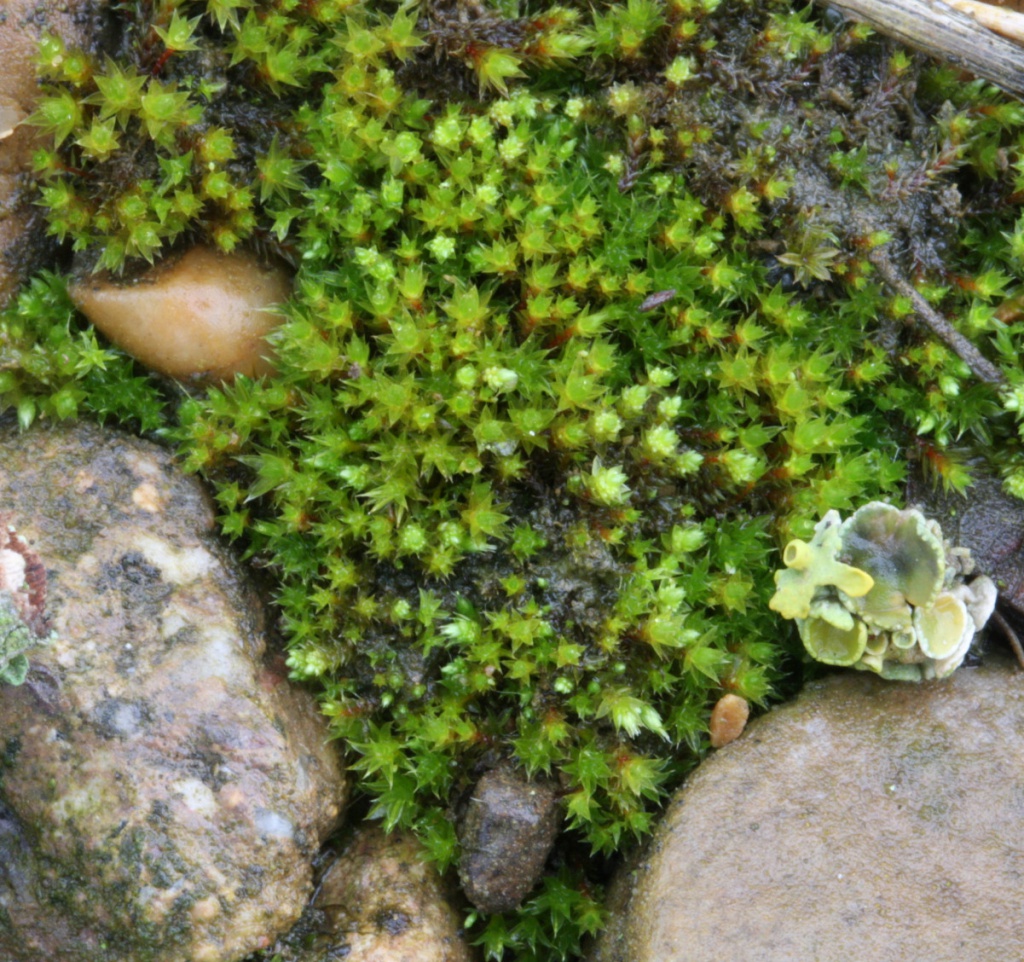
Breedon Hill SSSI
15 March 2023
on calcareous soil
Leicestershire & Rutland Map
Enter a town or village to see local records
MAP KEY:
Yellow squares = NBN records (all known data)
Coloured circles = NatureSpot records: 2025+ | 2020-2024 | pre-2020
UK Map
Species profile
- Common names
- Dune threadmoss, Dune Thread-moss, Dune Thread-moss
- Species group:
- moss
- Kingdom:
- Plantae
- Order:
- Bryales
- Family:
- Bryaceae
- Records on NatureSpot:
- 13
- First record:
- 07/04/1993 (Dennis Ballard)
- Last record:
- 18/02/2026 (Nicholls, David)
Total records by month
% of records within its species group
10km squares with records
The latest images and records displayed below include those awaiting verification checks so we cannot guarantee that every identification is correct. Once accepted, the record displays a green tick.
In the Latest Records section, click on the header to sort A-Z, and again to sort Z-A. Use the header boxes to filter the list.
Latest images
Latest records
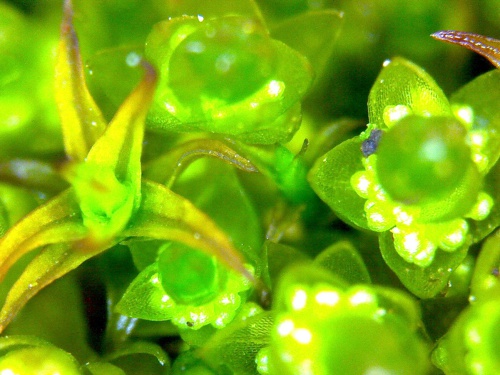 Melinda Bell
Breedon Hill SSSI
15 March 2023
bulbils