Badger - Meles meles
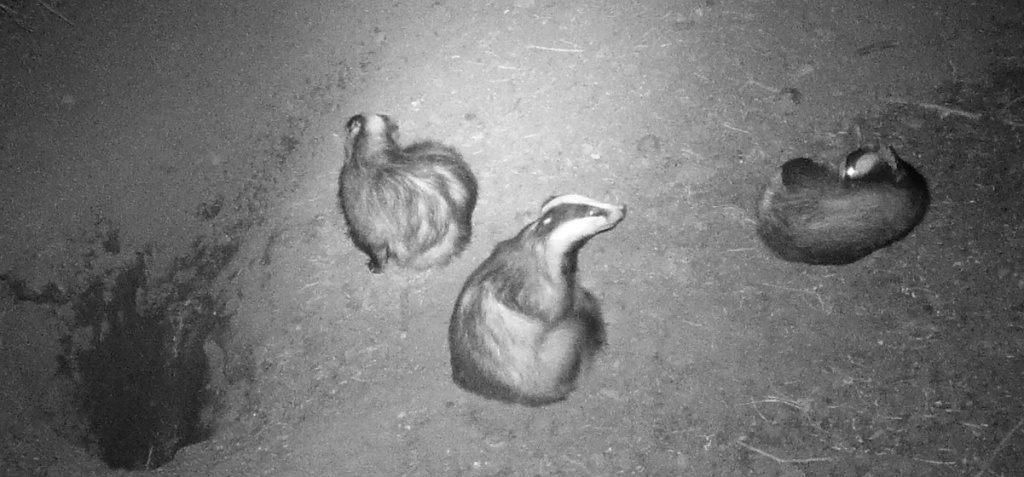
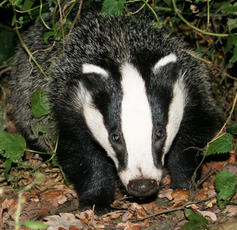
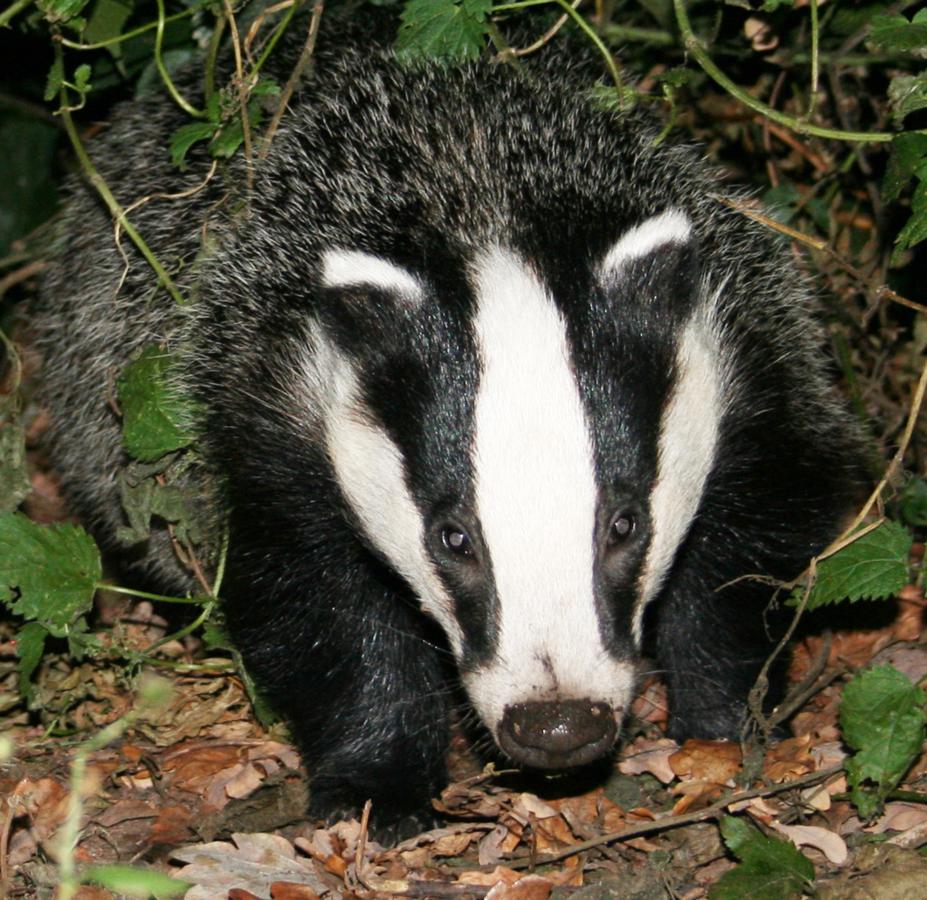
Badgers have a characteristic black and white striped face with small white-tipped ears and grey body, though their fur can become stained by the local soil. The Badger is a stocky animal, being about 75 cm in length (from head to tail), once fully grown. The body is wedge-shaped and is carried on short but immensely strong legs. The muscles of the forelimbs and neck are particularly well developed.
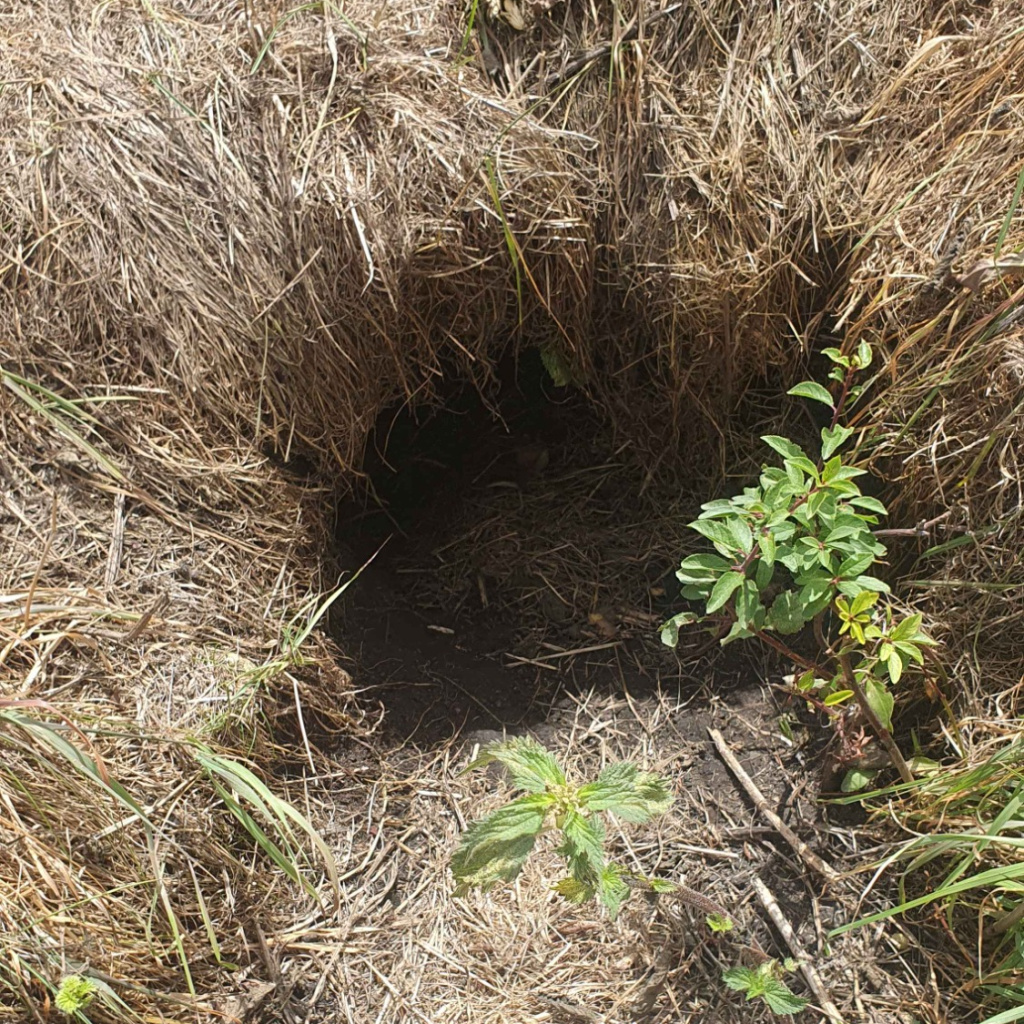
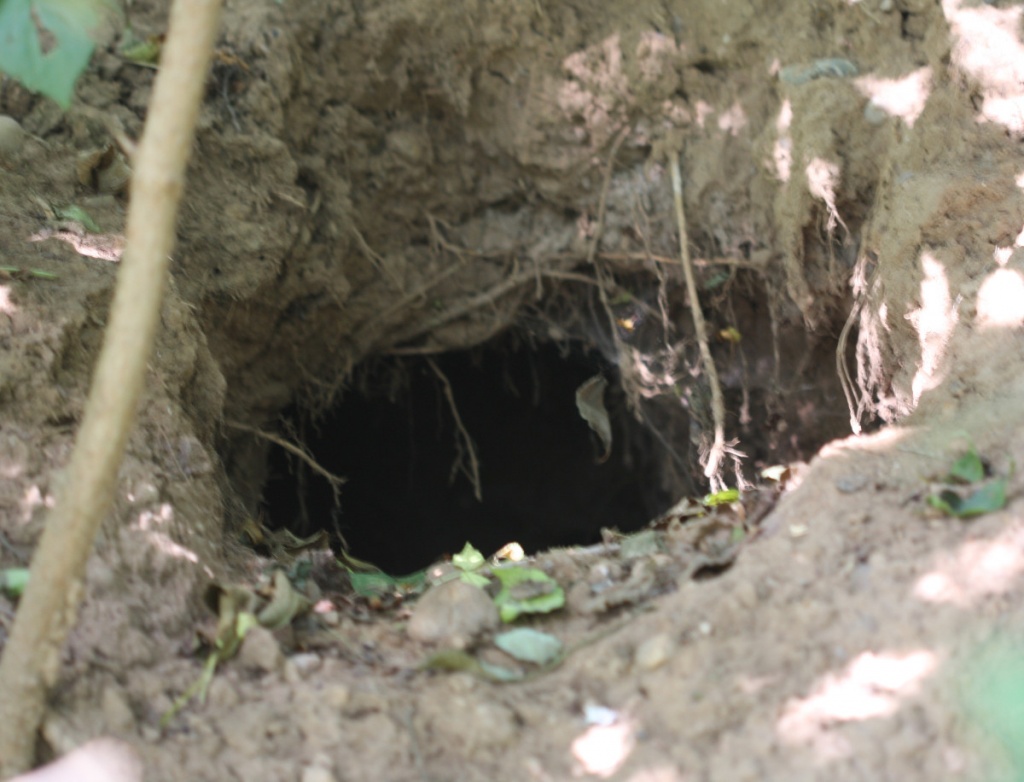
Adult  , Sett
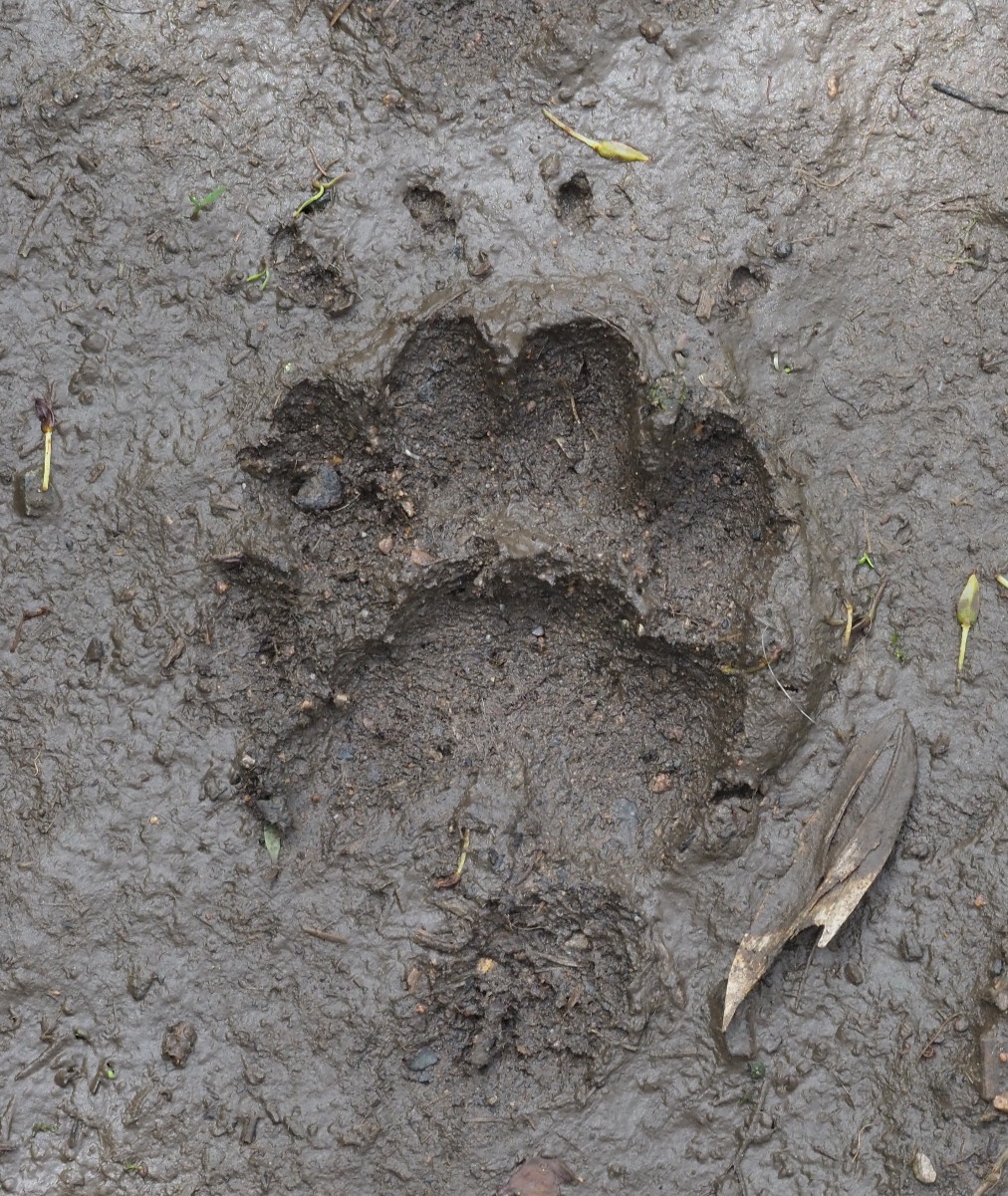
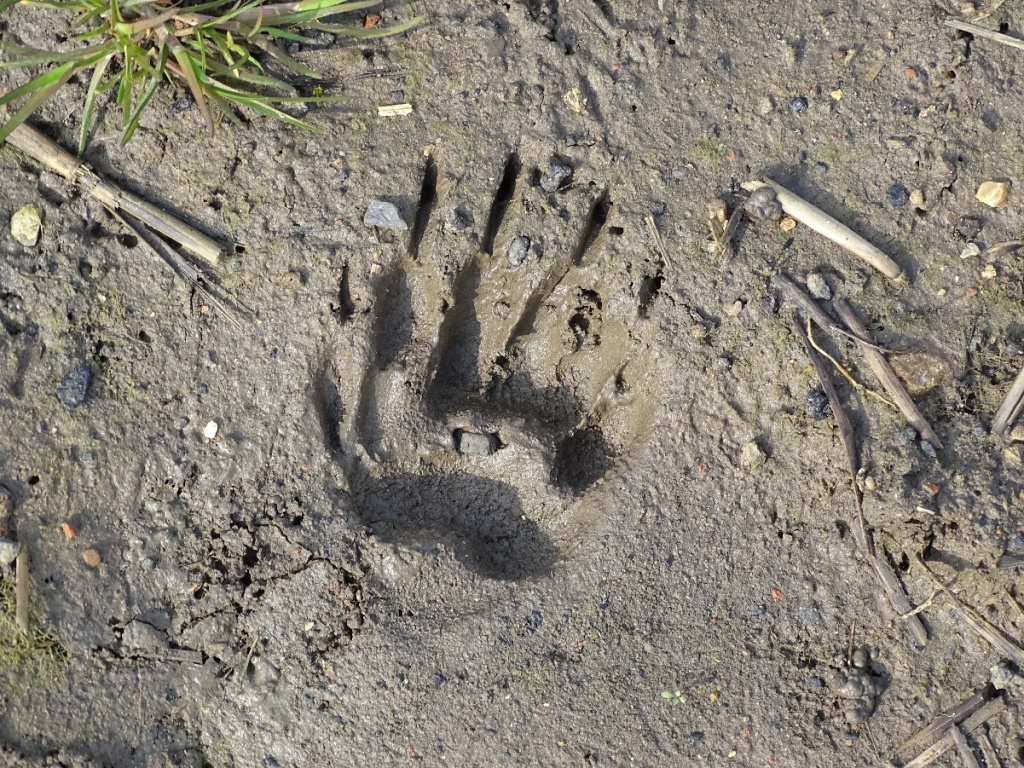
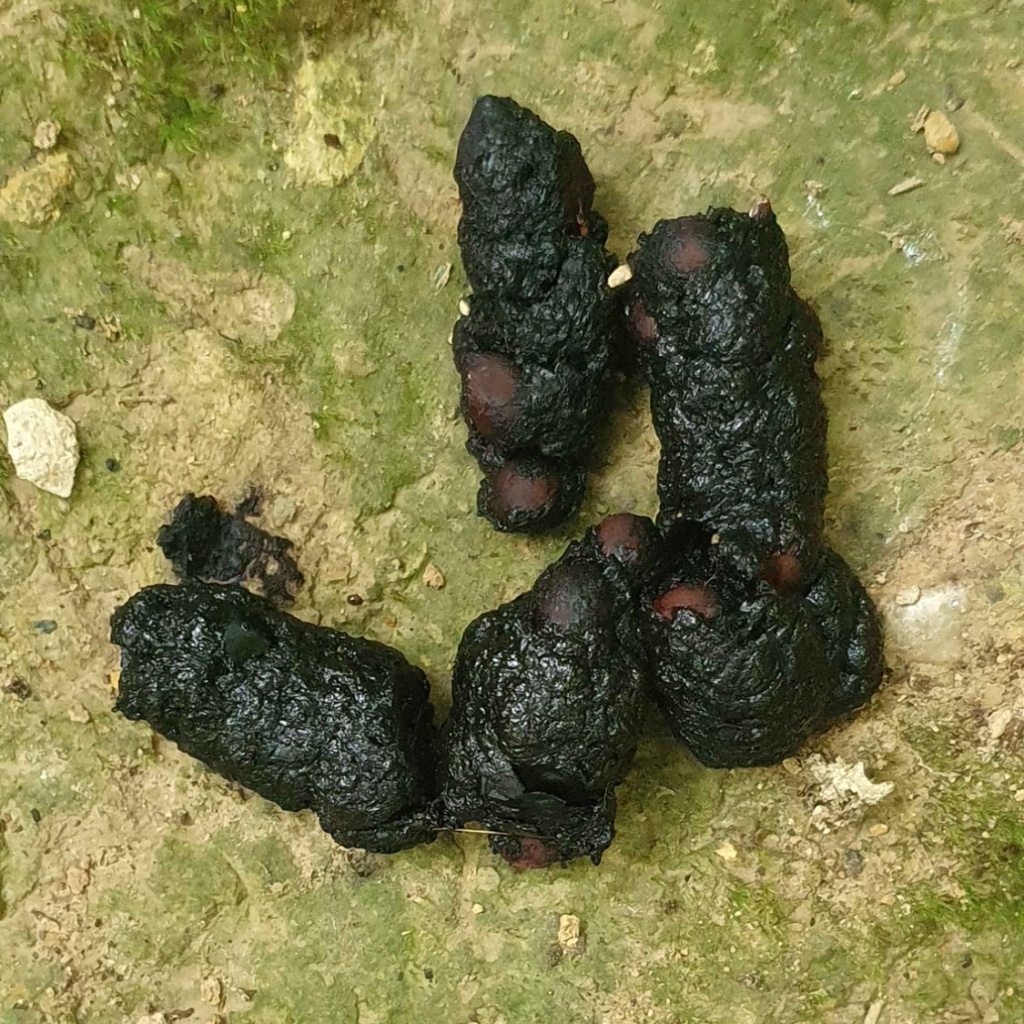
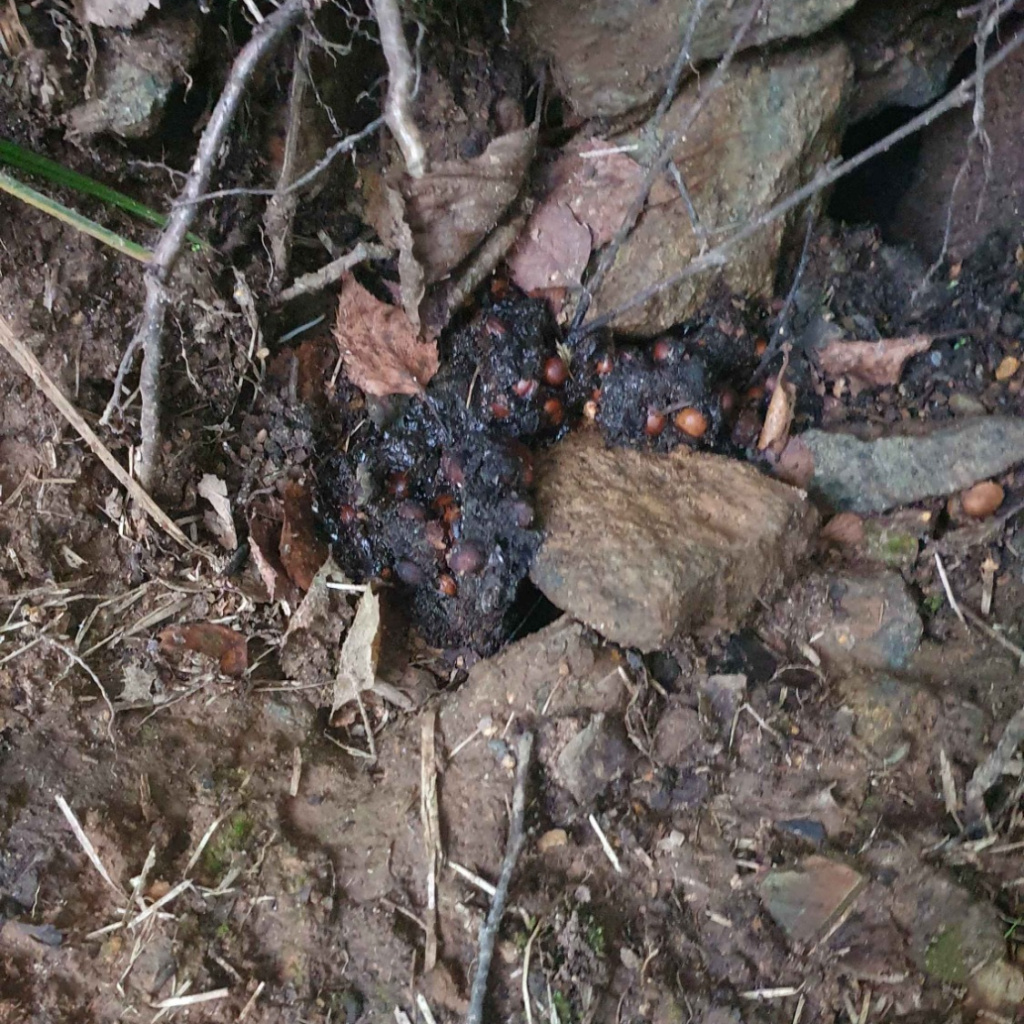
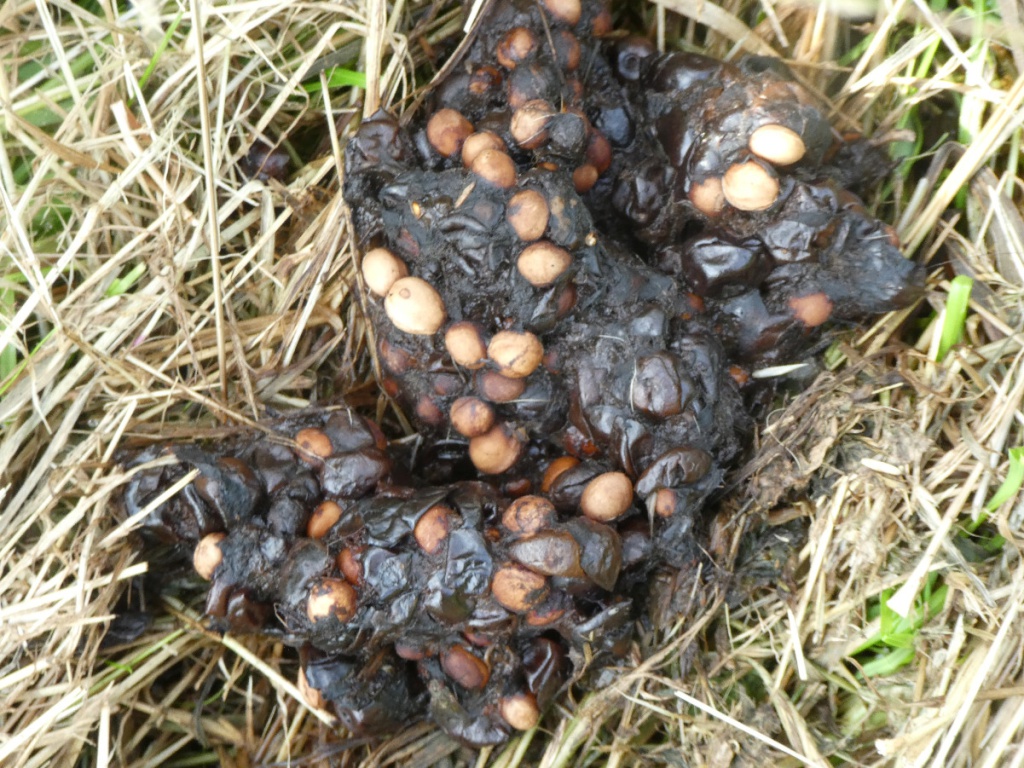
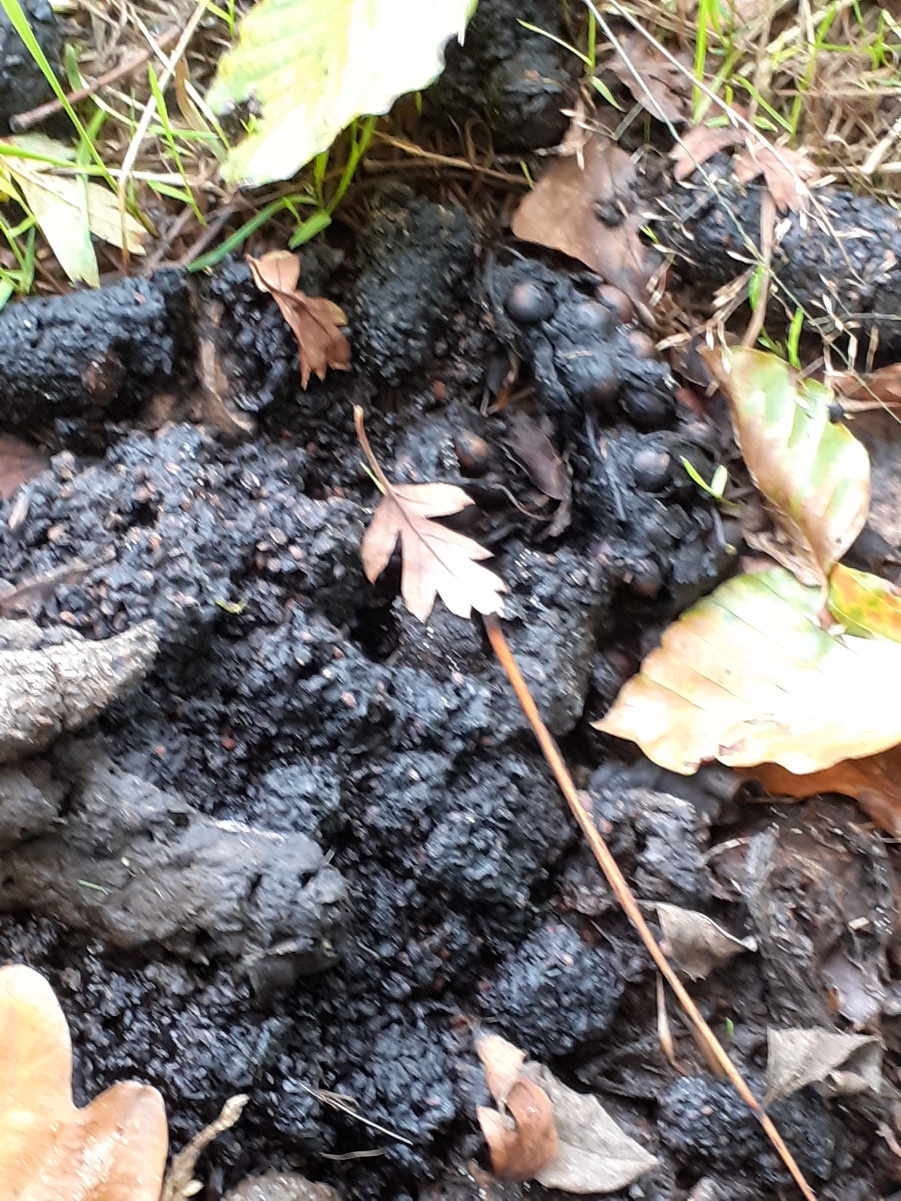
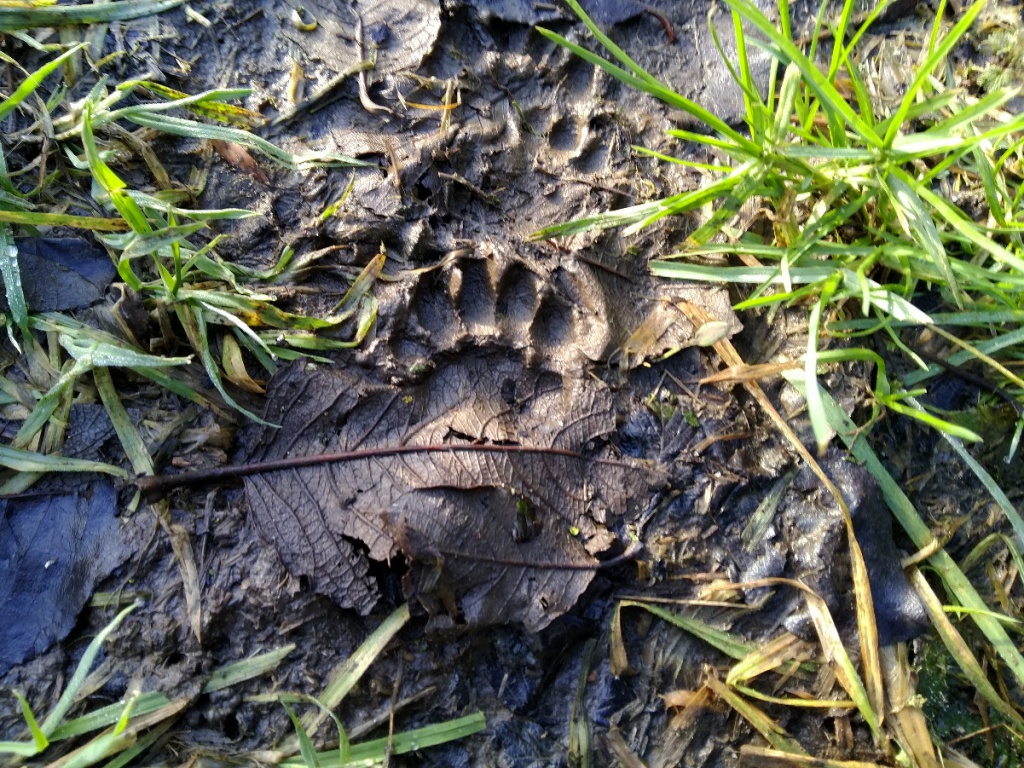
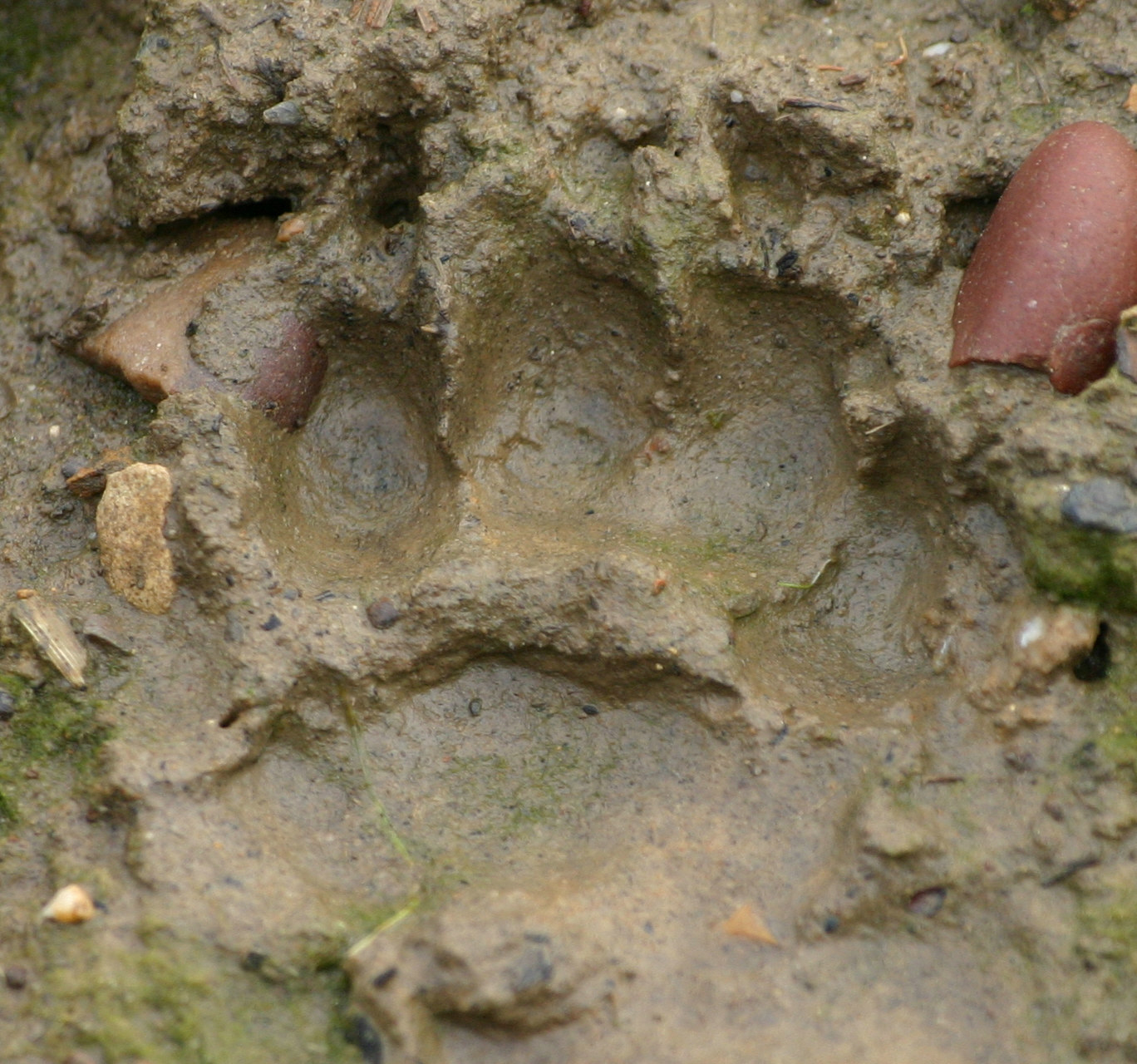
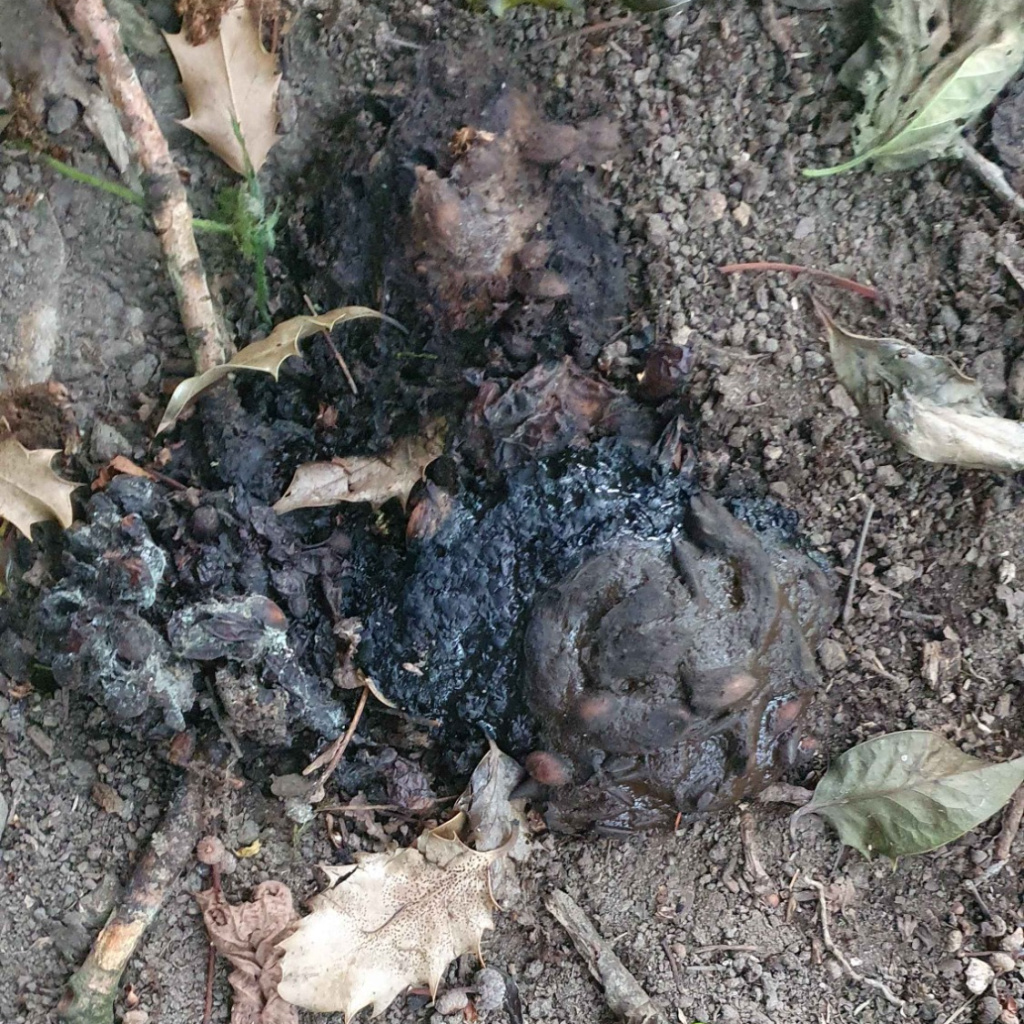
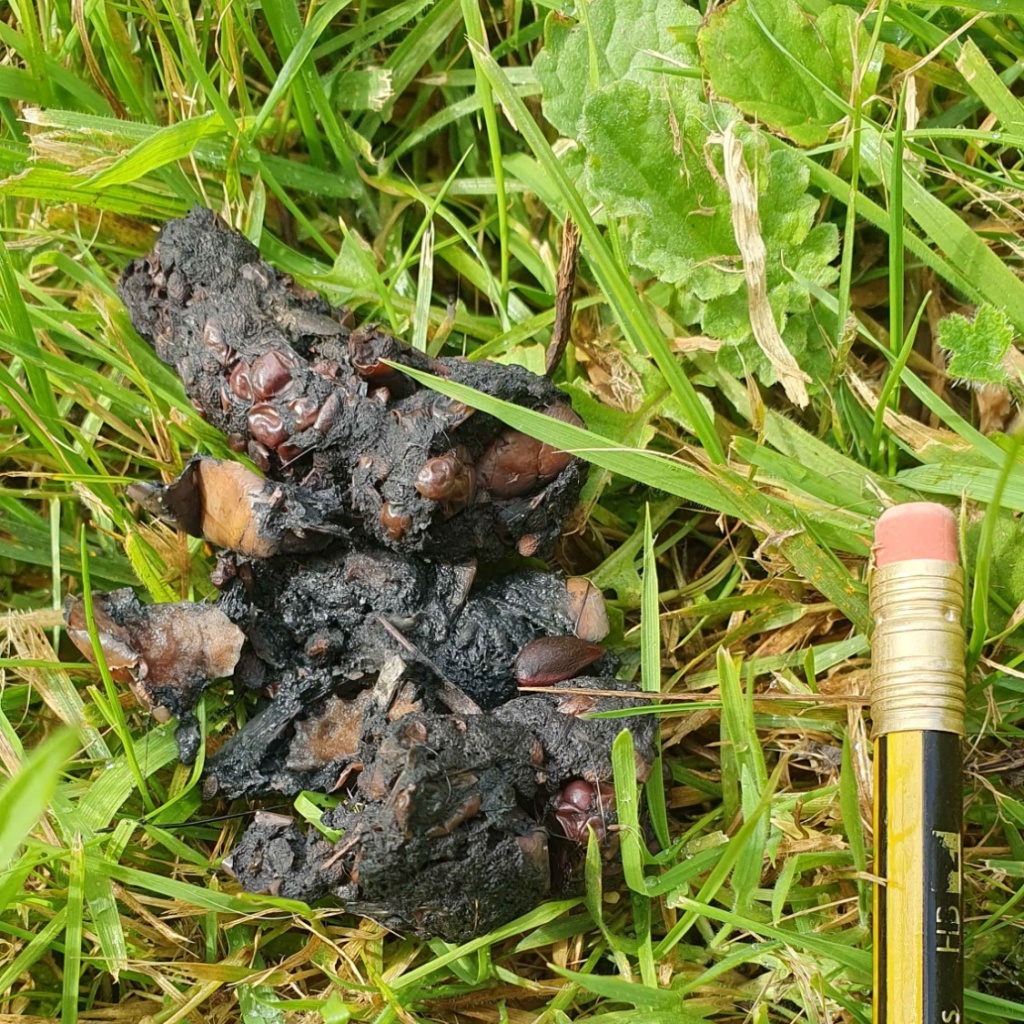
  , Latrine , Paw prints
Paw prints - 5 toes but thumb usually not visible, large central pad and four toes general in alignment and one or more claws present in soft ground.
Latrine - found in one or more shallow depressions and can be quite extensive when used to mark their territory. Consistency and colour of faeces will vary with diet
Setts: several types depending on their use, but generally holes are large, D-shaped entrances which extend underground quite steeply, usually with a mound of spoil/soil at the entrance where earth has been excavated, not often found where ground is flat
Occasionally Badgers are leucistic where a loss of pigmentation causes white, pale or patchy colouration to the fur but not the eyes. This condition differs from albino forms where an individual animal may have light/white skin and fur hair and often pink eyes
Good quality photograph and description required for field signs but care required to not disturb the sett (avoid walking over or near to sett entrance as may cause collapse or deter use)
Deciduous woods, spinneys and hedgerows are the most usual locations for setts - especially if this is near open cultivated land.
Badgers are also common in urban areas where they readily visit gardens and parks, and live under sheds or large compost areas and other undisturbed areas
All year round - they do not hibernate but females and cubs spend more time in their setts over winter when young are born. Badgers generally emerge at dusk and will feed until dawn
Badgers live in groups, sharing a sett (this consists of several underground chambers where the badger sleeps and breeds). Setts are handed down like family houses from generation to generation, and the badger uses the same sett year after year. Mortality is high, with perhaps half of all badgers dying each year. Road traffic accidents with motor vehicles are a major cause of death. The maximum life expectancy of a badger is about 14 years, though very few survive so long in the wild. There are usually 2 or three cubs in a litter but just one is not unusual. Birth is synchronized so all pregnant females in the clan give birth in December - January. Weaning usually begins when the cubs are at least three months old, when they feed on solid food, particularly earthworms and berries in season.
Widespread across England and Wales with fewer in Scotland.
Common in Leicestershire and Rutland.
 Dianne Braker
Martinshaw Wood
02 October 2009
Adult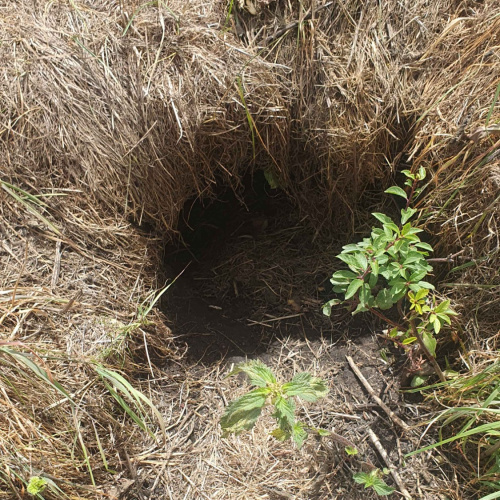 Helen O'Brien
31 August 2025
Sett - single hole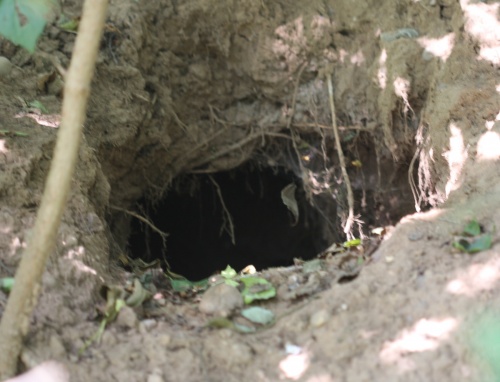 David Nicholls
Ashby Canal, Shackerstone
15 September 2012
Badger sett - single hole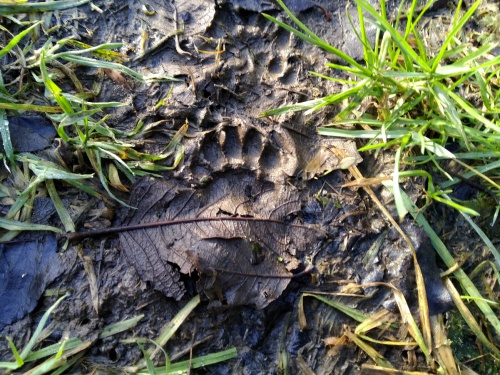 JamesCalow
Colin Grundy Drive
09 February 2016
Hind Pawprint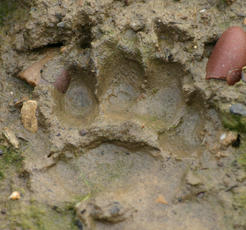 David Nicholls
Groby Pool
03 February 2005
paw print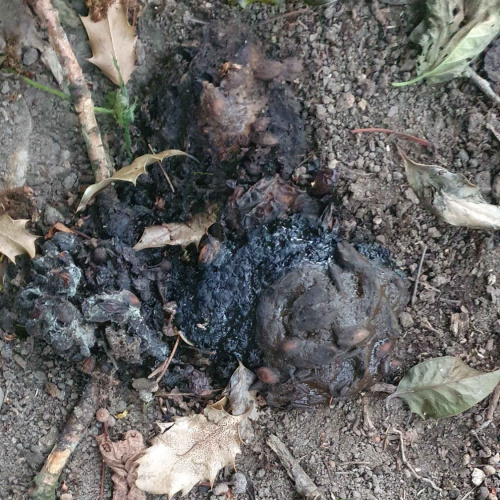 Helen O'Brien
23 July 2025
Badger latrine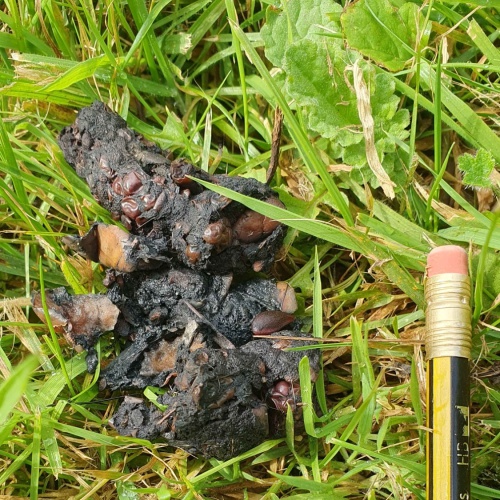 Helen O'Brien
30 August 2023
Badger latrine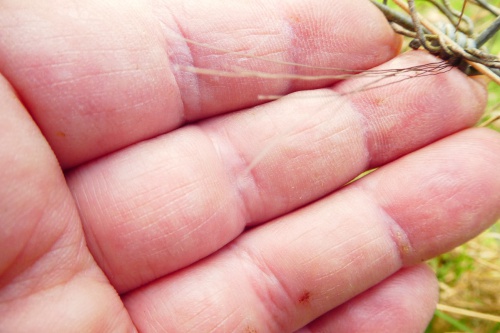 Melinda Bell
28 March 2022
Badger hair

Leicestershire & Rutland Map
Enter a town or village to see local records
MAP KEY:
Yellow squares = NBN records (all known data)
Coloured circles = NatureSpot records: 2025+ | 2020-2024 | pre-2020
UK Map
Species profile
- Common names
- Badger, Eurasian Badger
- Species group:
- terrestrial mammal
- Kingdom:
- Animalia
- Order:
- Carnivora
- Family:
- Mustelidae
- Records on NatureSpot:
- 1331
- First record:
- 28/06/1980 (Brenda Lunn;John Lunn)
- Last record:
- 24/04/2026 (Helen O'Brien)
Total records by month
% of records within its species group
10km squares with records
The latest images and records displayed below include those awaiting verification checks so we cannot guarantee that every identification is correct. Once accepted, the record displays a green tick.
In the Latest Records section, click on the header to sort A-Z, and again to sort Z-A. Use the header boxes to filter the list.
Latest images
Latest records
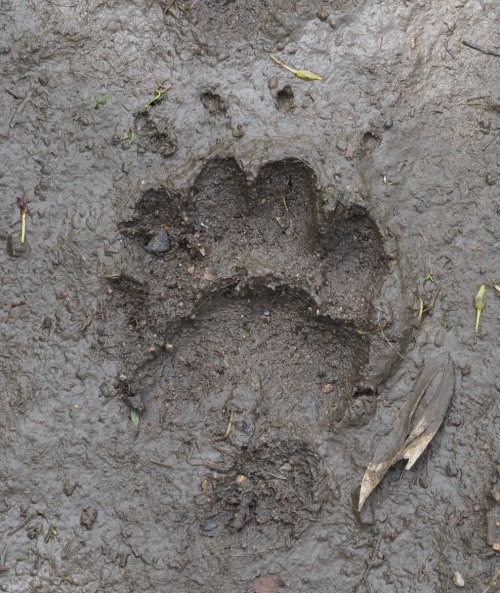 David Nicholls
18 May 2021
Pawprint - right fore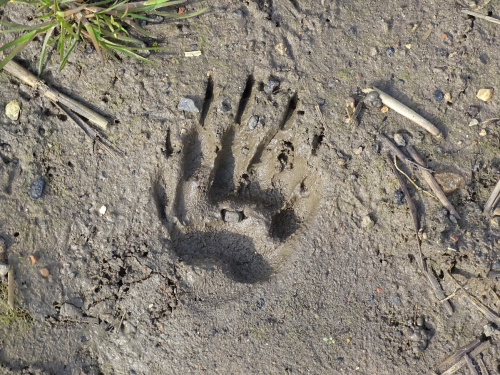 Jenny Brown
08 March 2024
Paw print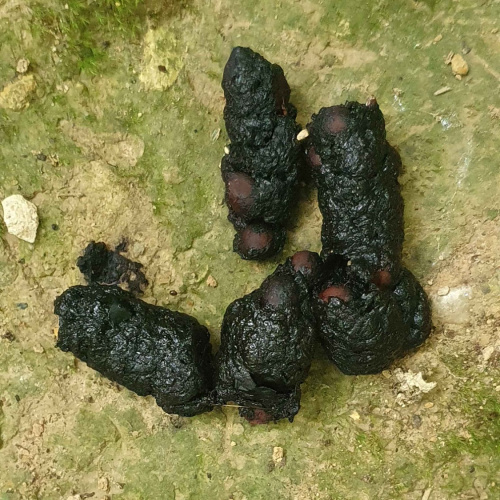 Helen O'Brien
20 September 2025
Badger faeces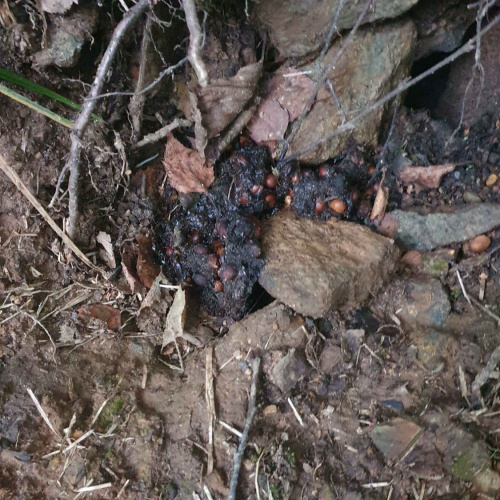 Helen O'Brien
23 July 2025
Badger latrine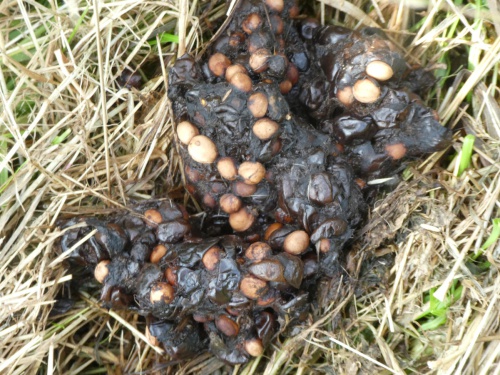 Melinda Bell
24 July 2023
Badger latrine with cherry pips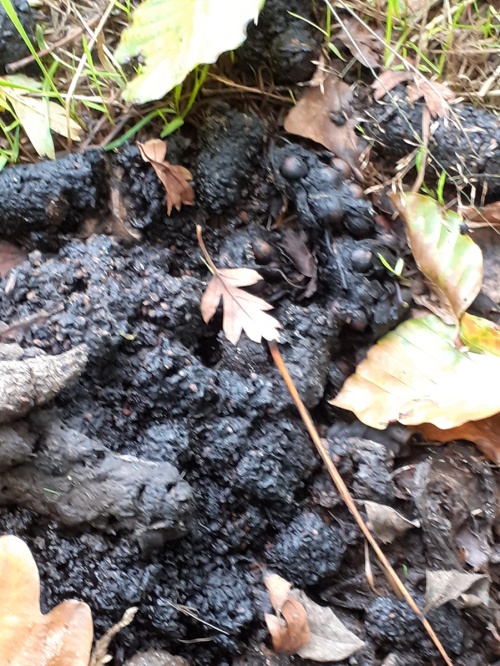 Melinda Bell
13 September 2022
Badger latrine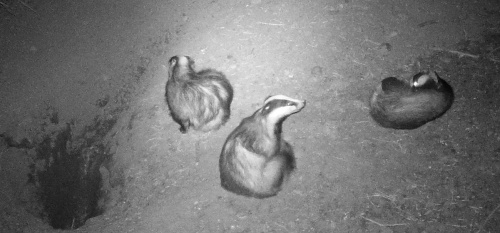 Kate Strong
31 May 2025
Badger Clan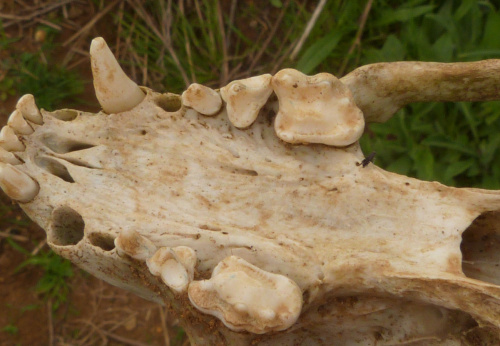 Graham Calow
02 May 2025
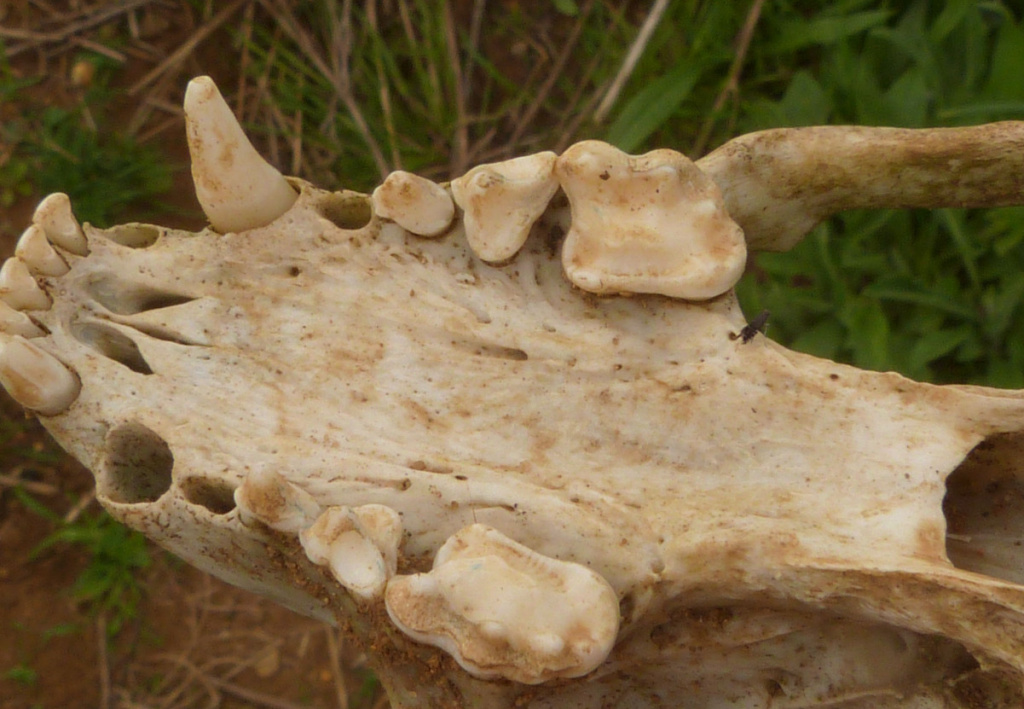
Badger skull