

Fodder Burnet - Poterium sanguisorba subsp. balearica
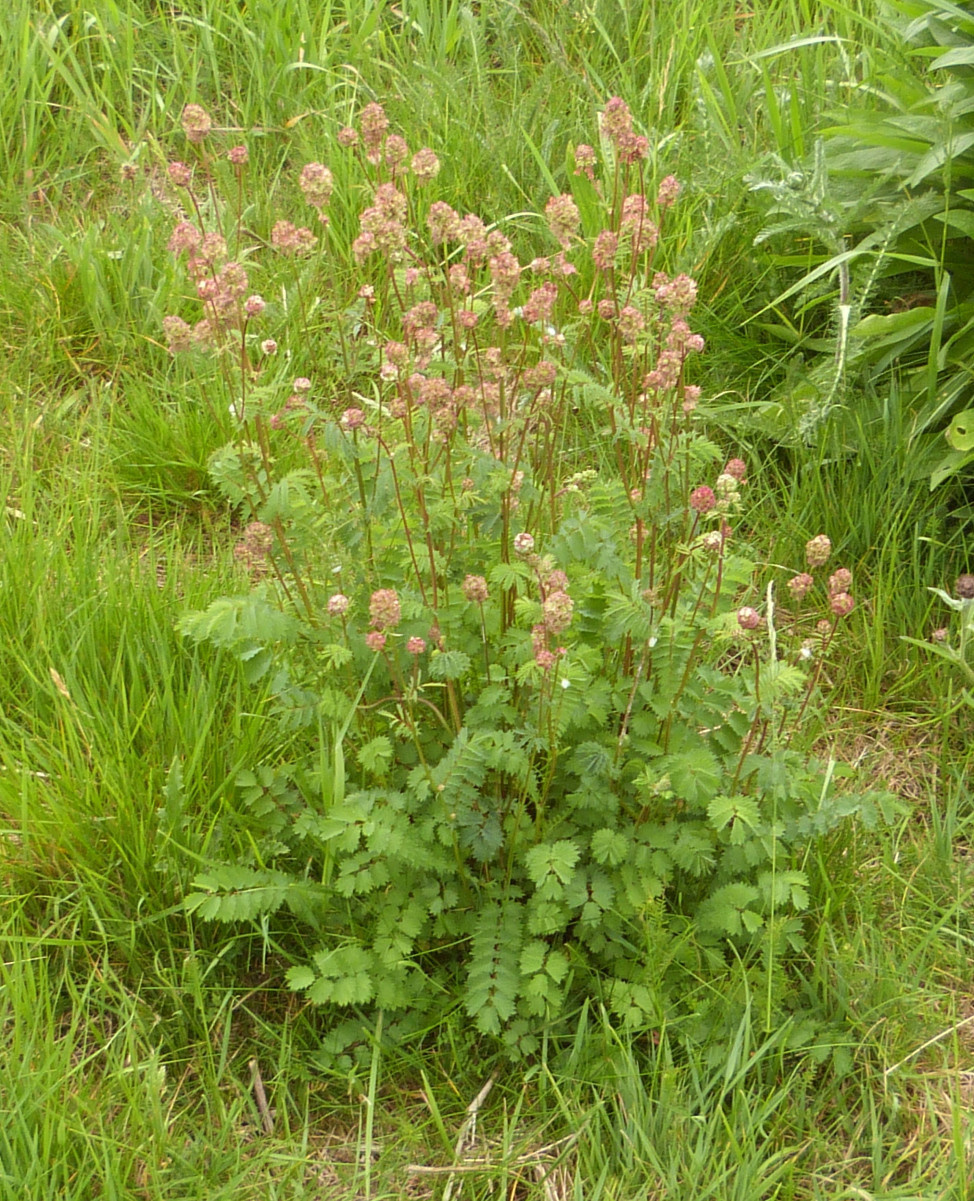
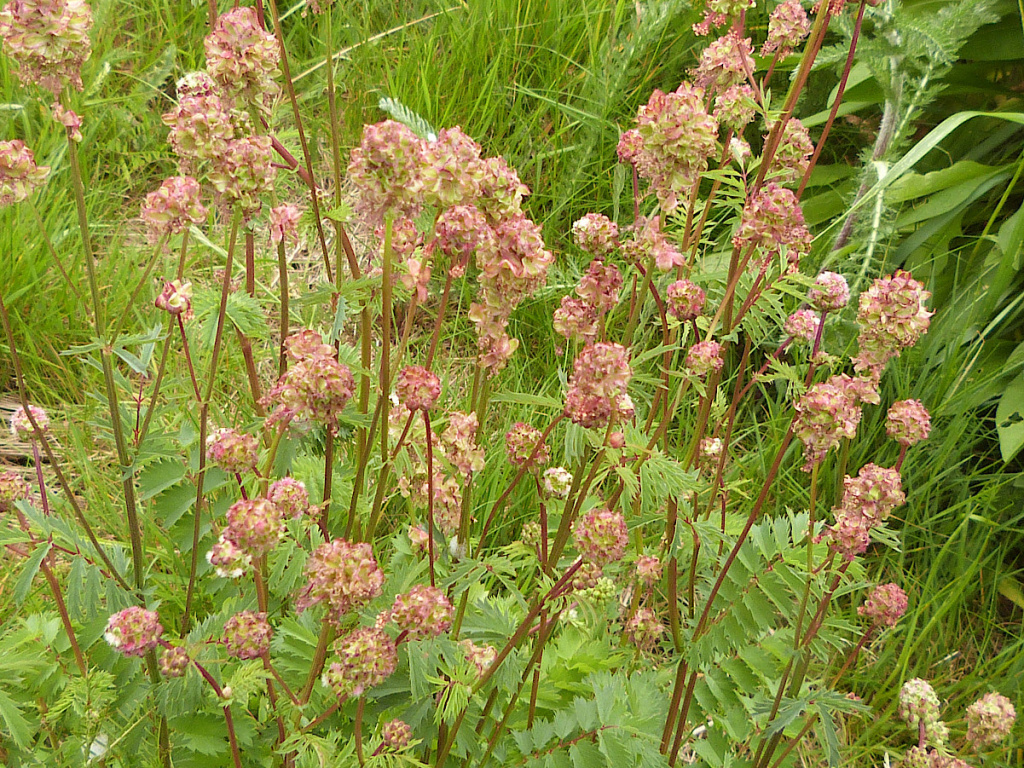
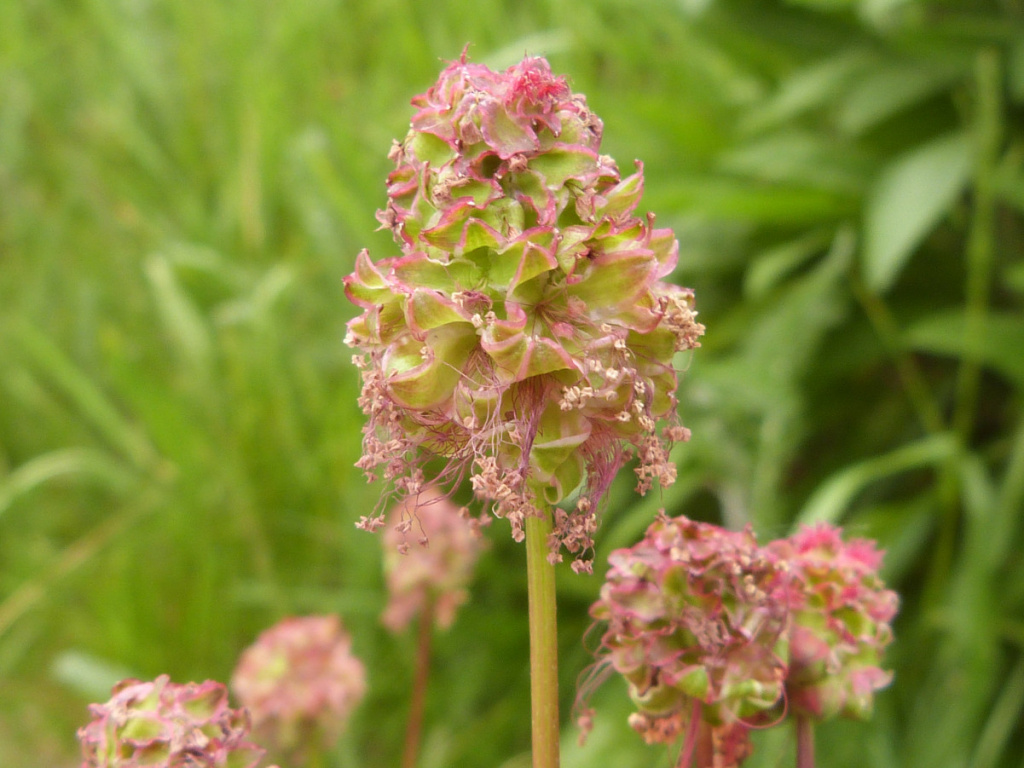
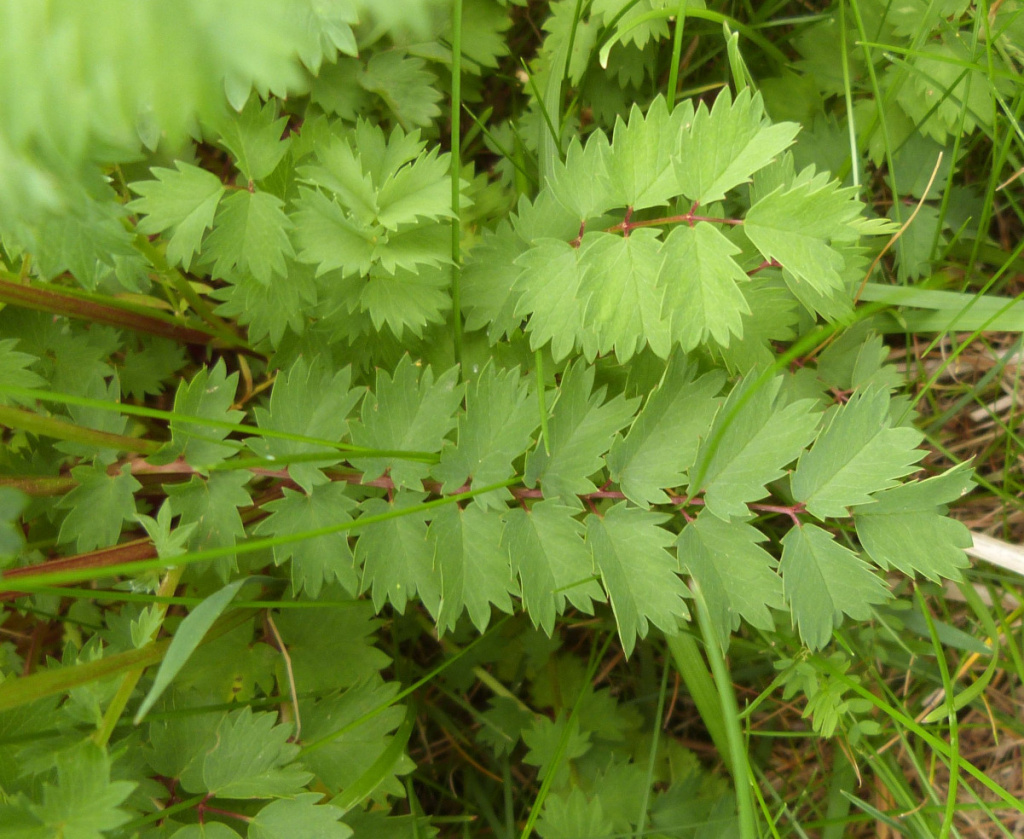
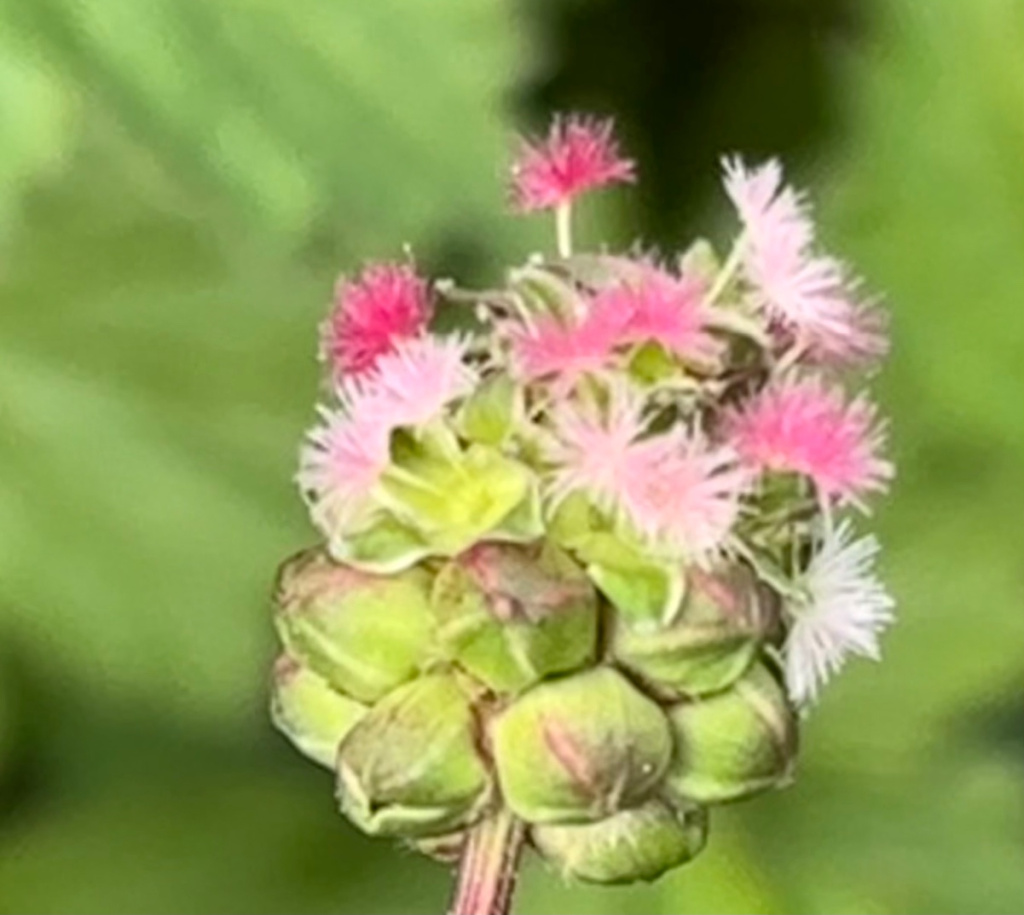
More leafy and robust than the true native, and often arising from wildflower seed. Leaves sharply toothed. The fruits are usually winged at the angles, and are often wrinkled. Intermediates occur.
Salad Burnet (true native speces) is a grassland speces of calcareous and occasionally neutral grasslands

photographs of plant in situ; note habitat
roadside verges, new open spaces, waste ground, grasslands
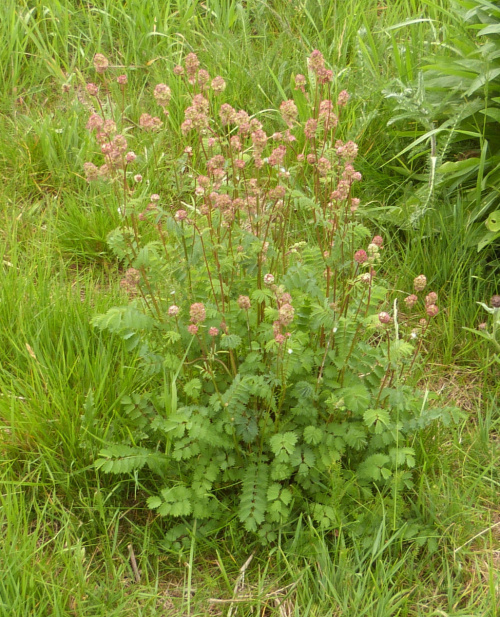 Graham Calow
Sapcote, field behind William Spencer Avenue
26 May 2025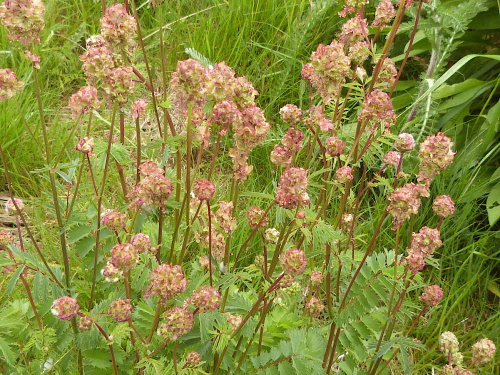 Graham Calow
Sapcote, field behind William Spencer Avenue
26 May 2025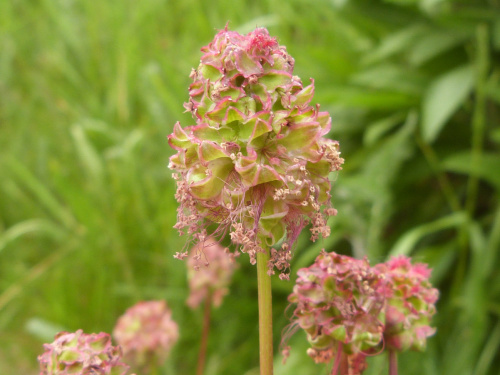 Graham Calow
Sapcote, field behind William Spencer Avenue
26 May 2025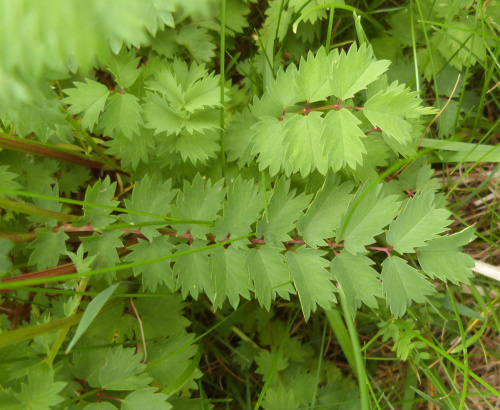 Graham Calow
Sapcote, field behind William Spencer Avenue
26 May 2025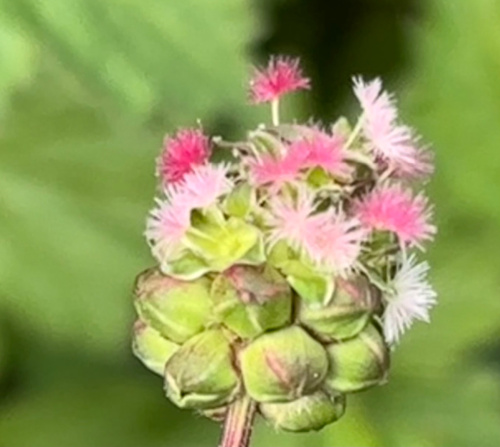 Dylan
Dylan
Melton Kirby Lane
10 May 2025
Leicestershire & Rutland Map
Enter a town or village to see local records
MAP KEY:
Yellow squares = NBN records (all known data)
Coloured circles = NatureSpot records: 2025+ | 2020-2024 | pre-2020
UK Map
Species profile
- Common names
- Fodder Burnet
- Species group:
- flowering plant
- Kingdom:
- Plantae
- Order:
- Rosales
- Family:
- Rosaceae
- Records on NatureSpot:
- 9
- First record:
- 23/04/2025 (Pugh, Dylan)
- Last record:
- 13/06/2026 (Calow, Graham)
Total records by month
% of records within its species group
10km squares with records
The latest images and records displayed below include those awaiting verification checks so we cannot guarantee that every identification is correct. Once accepted, the record displays a green tick.
In the Latest Records section, click on the header to sort A-Z, and again to sort Z-A. Use the header boxes to filter the list.
Latest images
Latest records
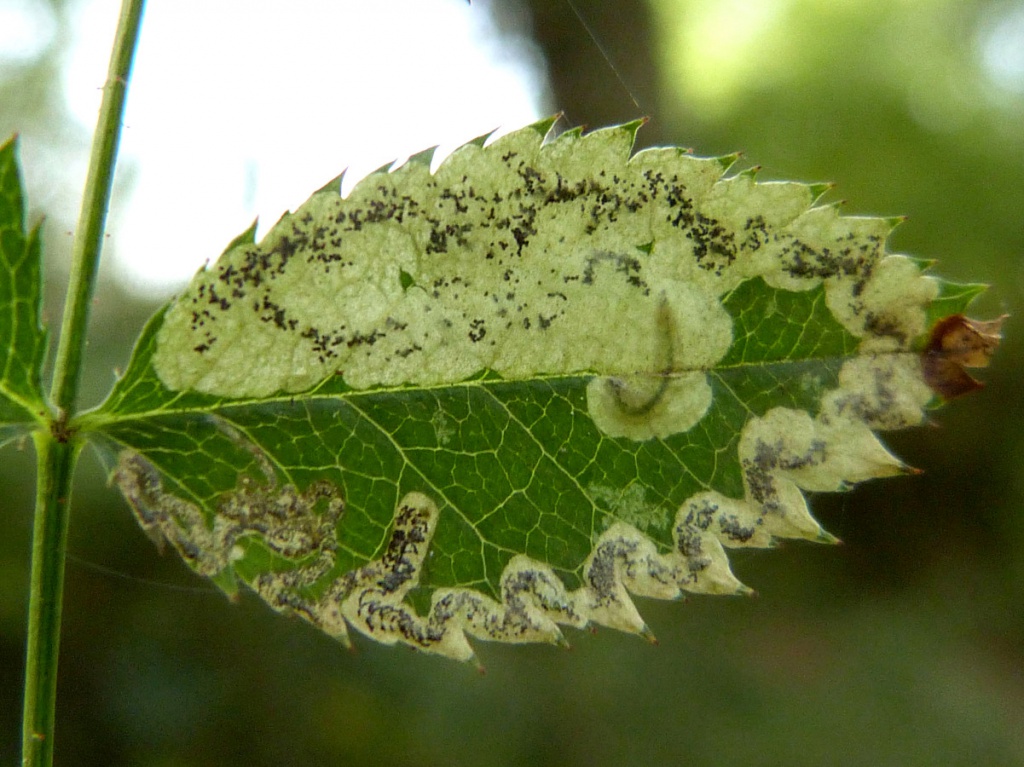
Ectoedemia angulifasciella
The larva of the moth Ectoedemia angulifasciella mines the leaves of rose species and sometimes Salad Burnet beginning as a contorted gallery filled with brownish frass and then widening into a blotch with central or dispersed blackish frass.
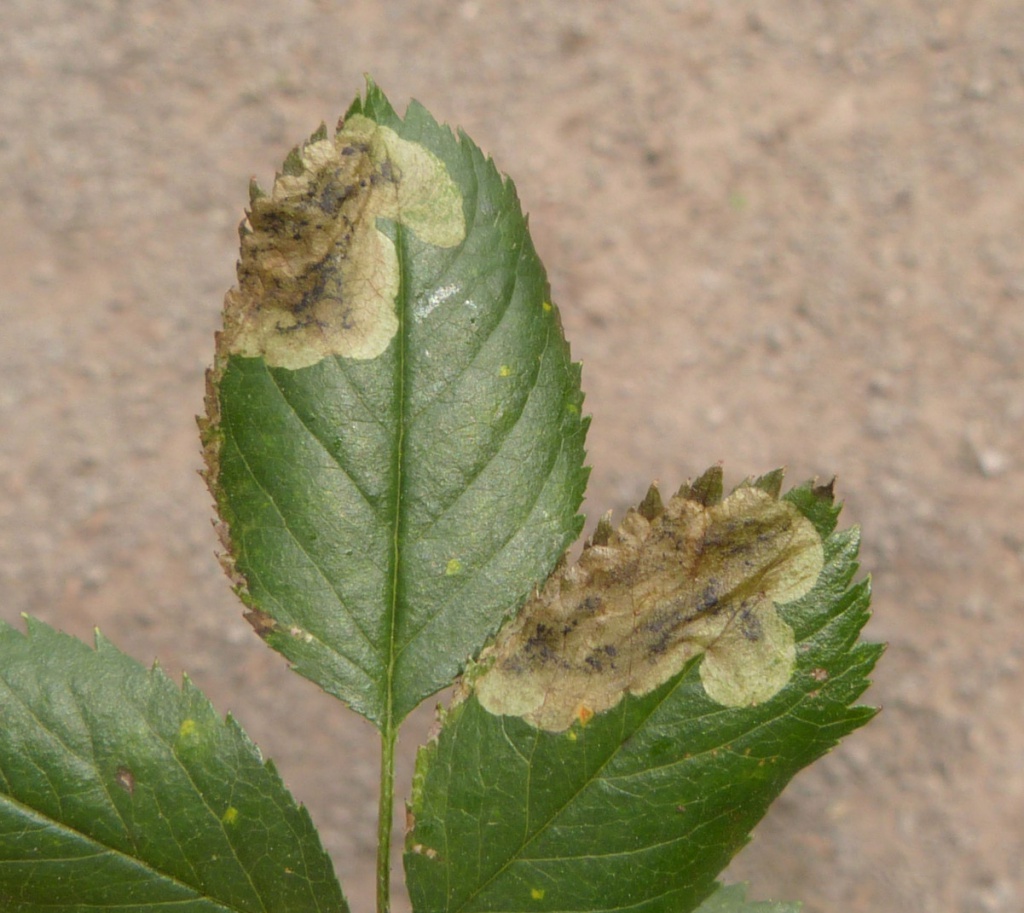
Agromyza sulfuriceps
The larva of the Agromyzid fly Agromyza sulfuriceps mines the leaves of various species in the Rosaceae family including Roses, Meadowsweet, Strawberry, Silverweed, Cinquefoil, Raspberry and Burnets. The mine starts as a long corridor, its initial part often along the leaf margin or a thick vein. Rather suddenly the corridor widens into a broad blotch. The corridor contains much frass, often in two distinct patches or lines.
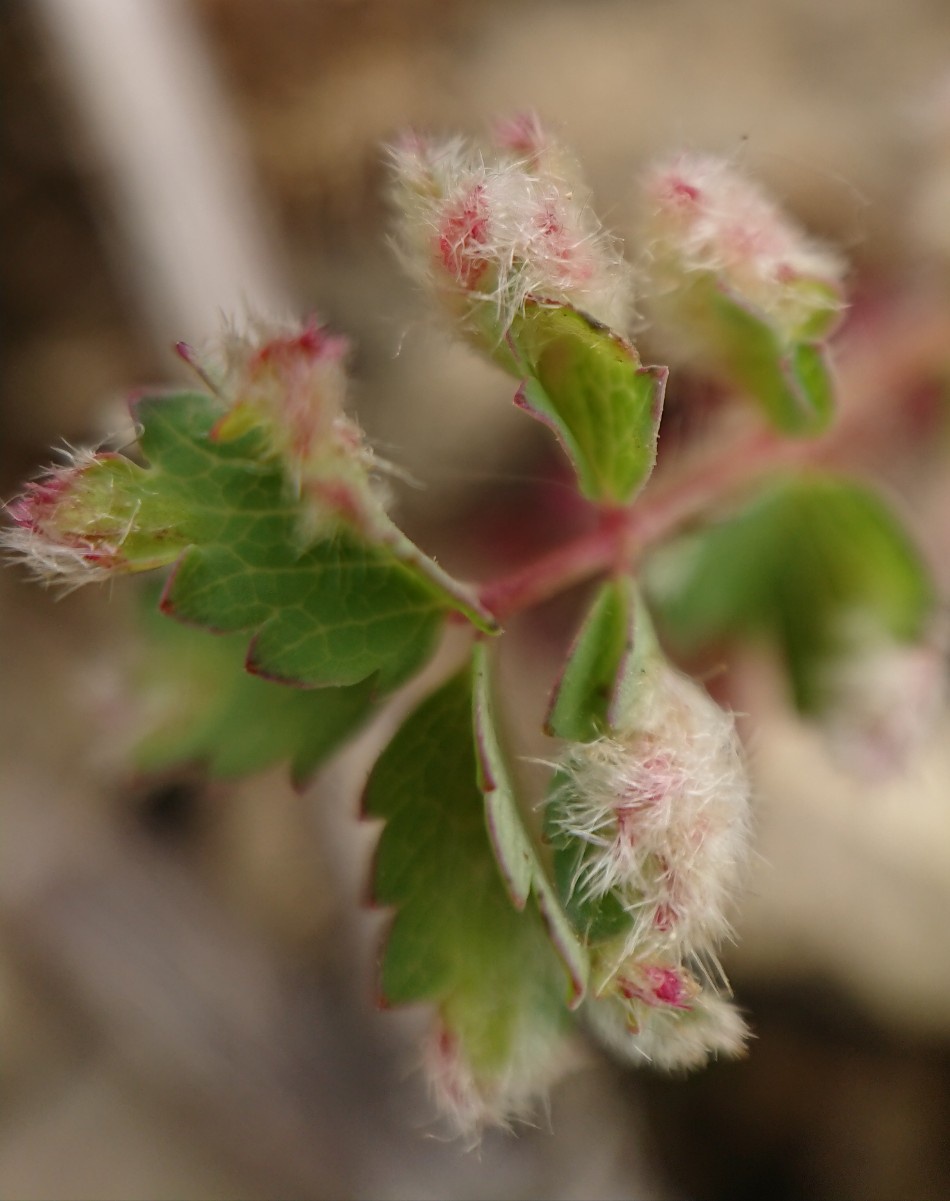
Aceria sanguisorbae
The mite Aceria sanguisorbae causes galls to form on various Sanguisorba/Poterium species. The leaves, stems and sometimes the flower buds are covered in thick white, or yellow-white felt like erinea containing the mites.