Common Froghopper - Philaenus spumarius
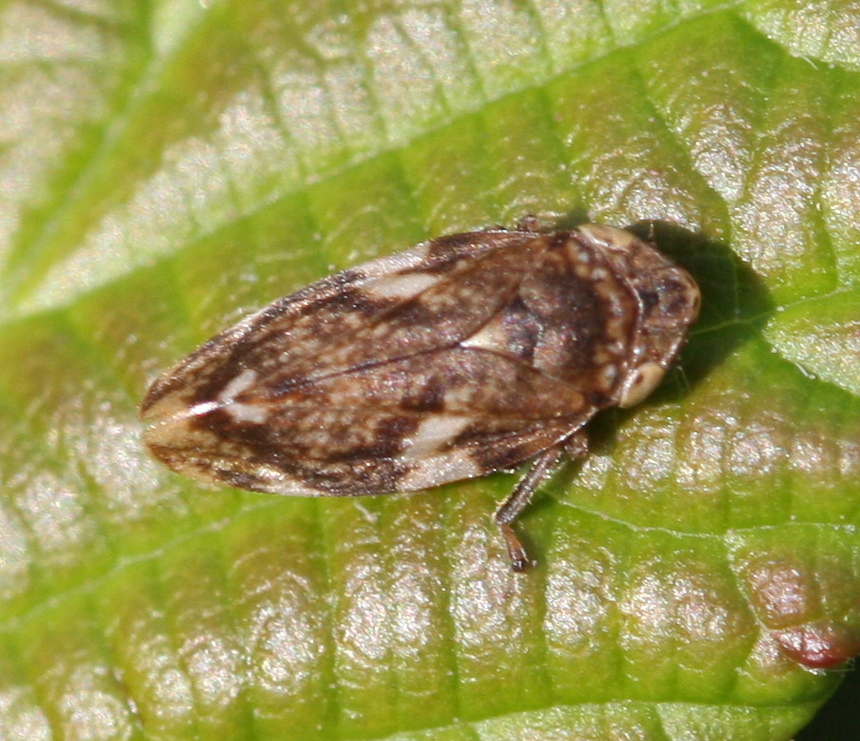
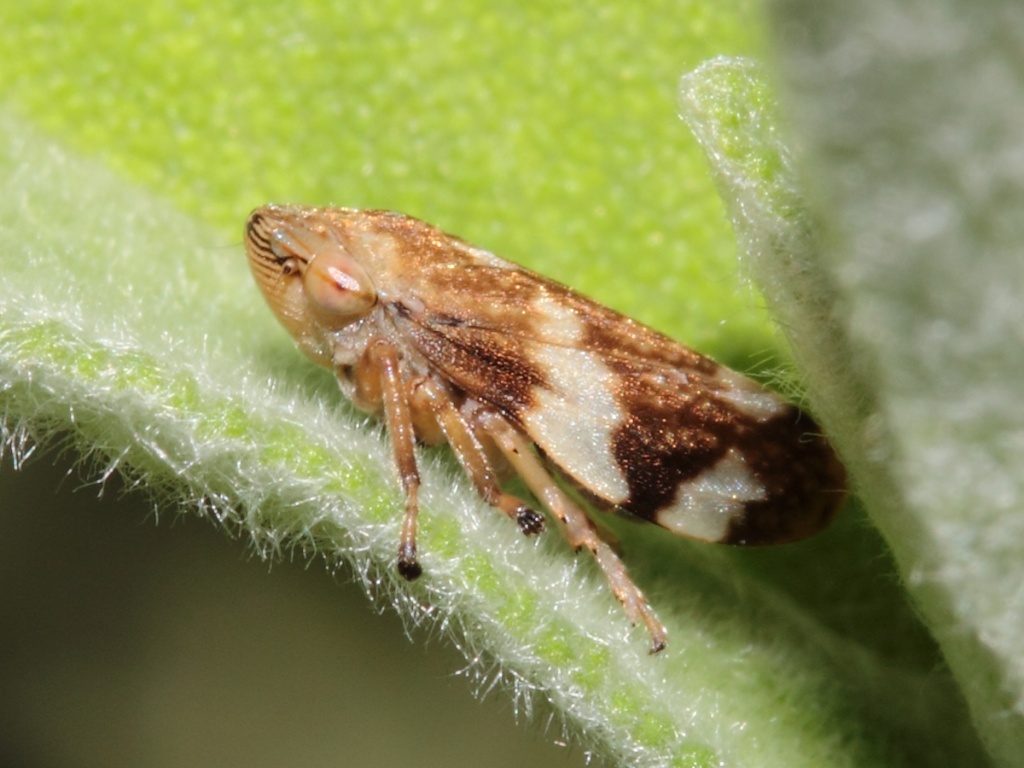
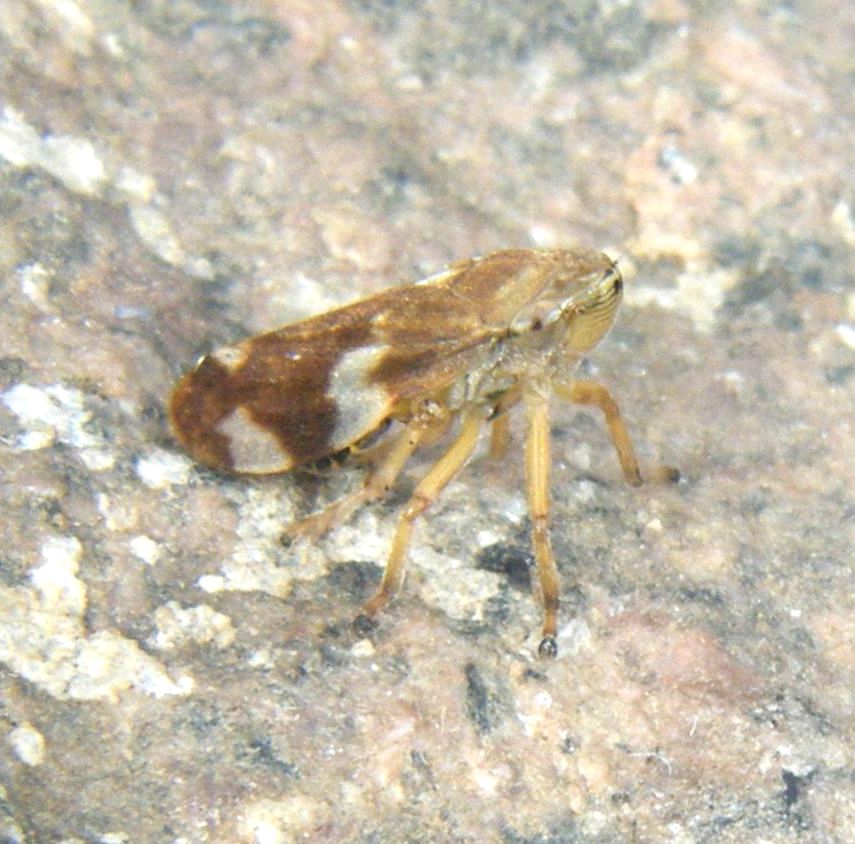
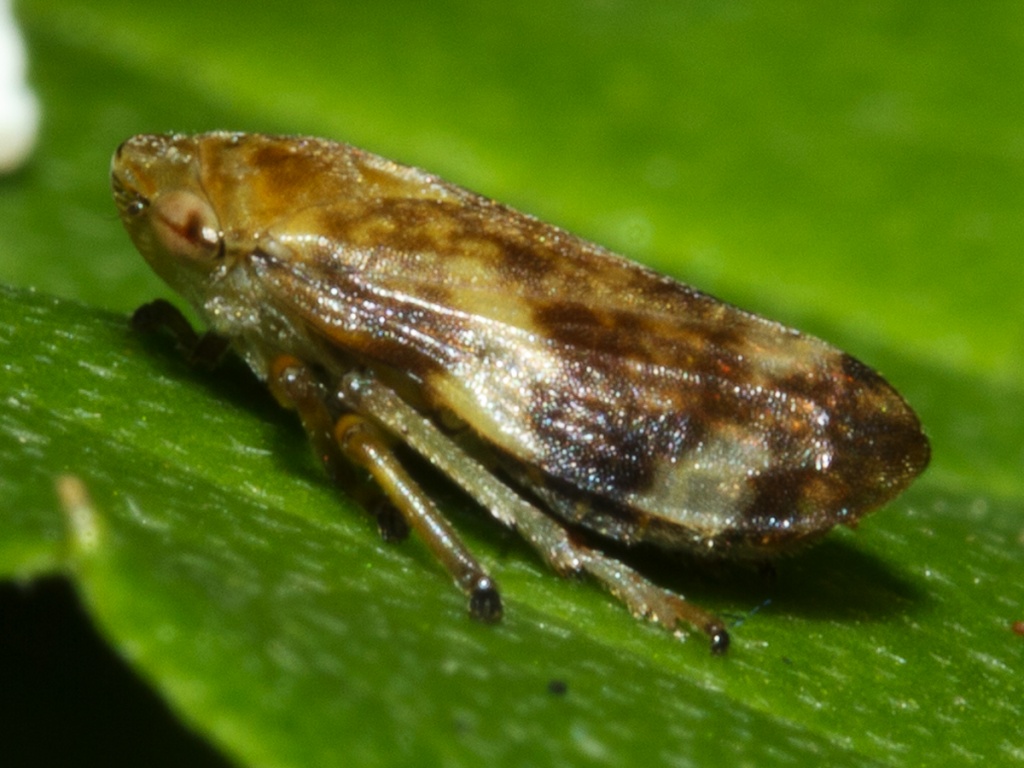
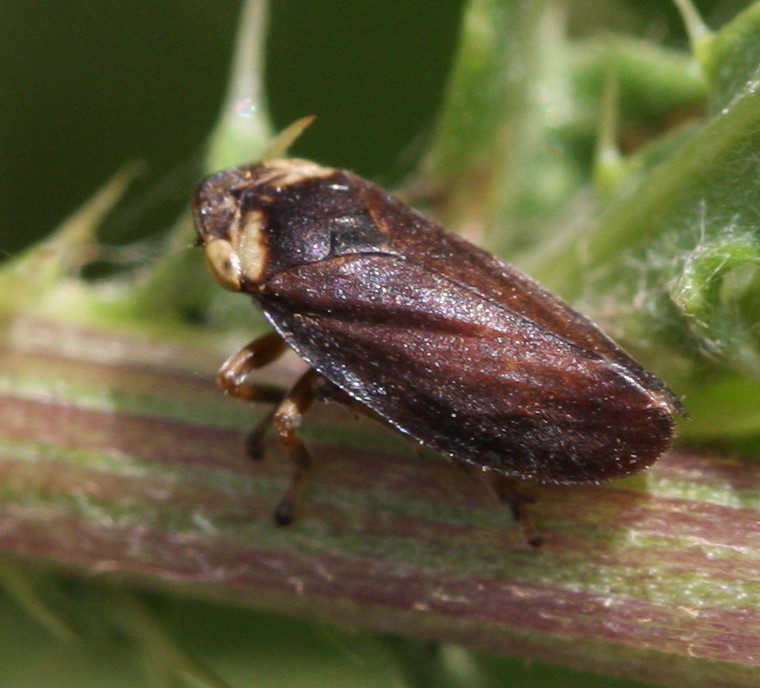
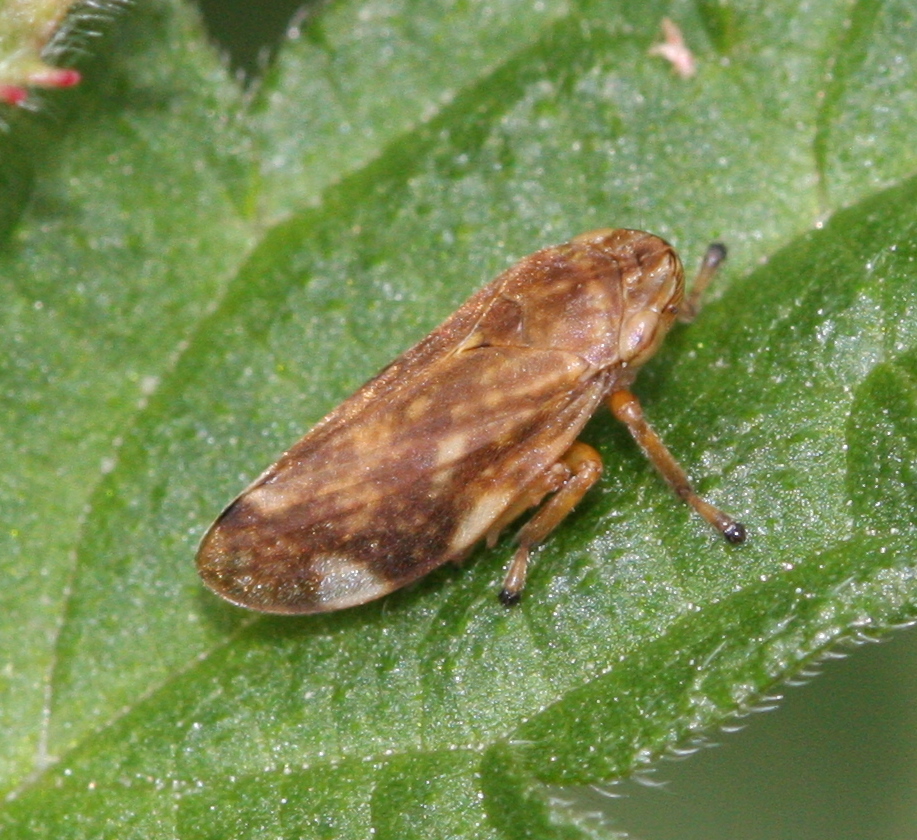
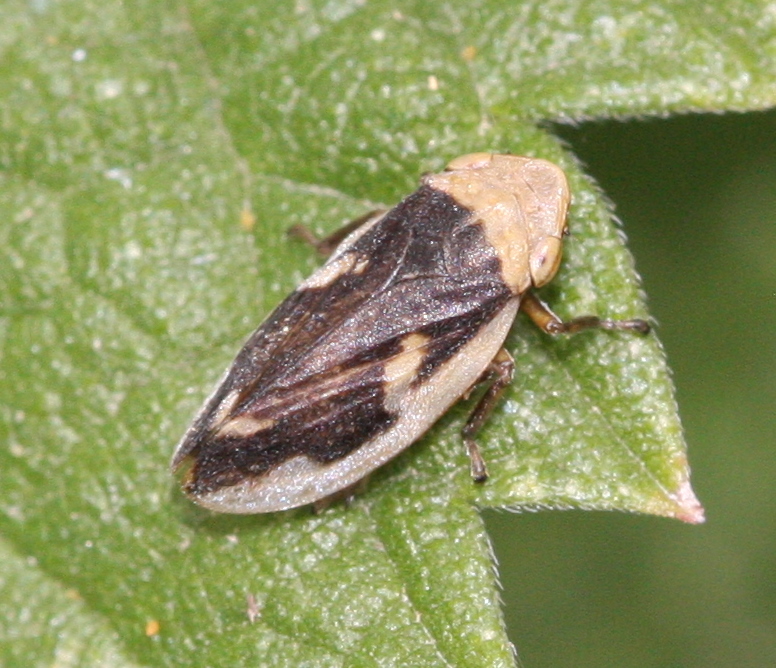
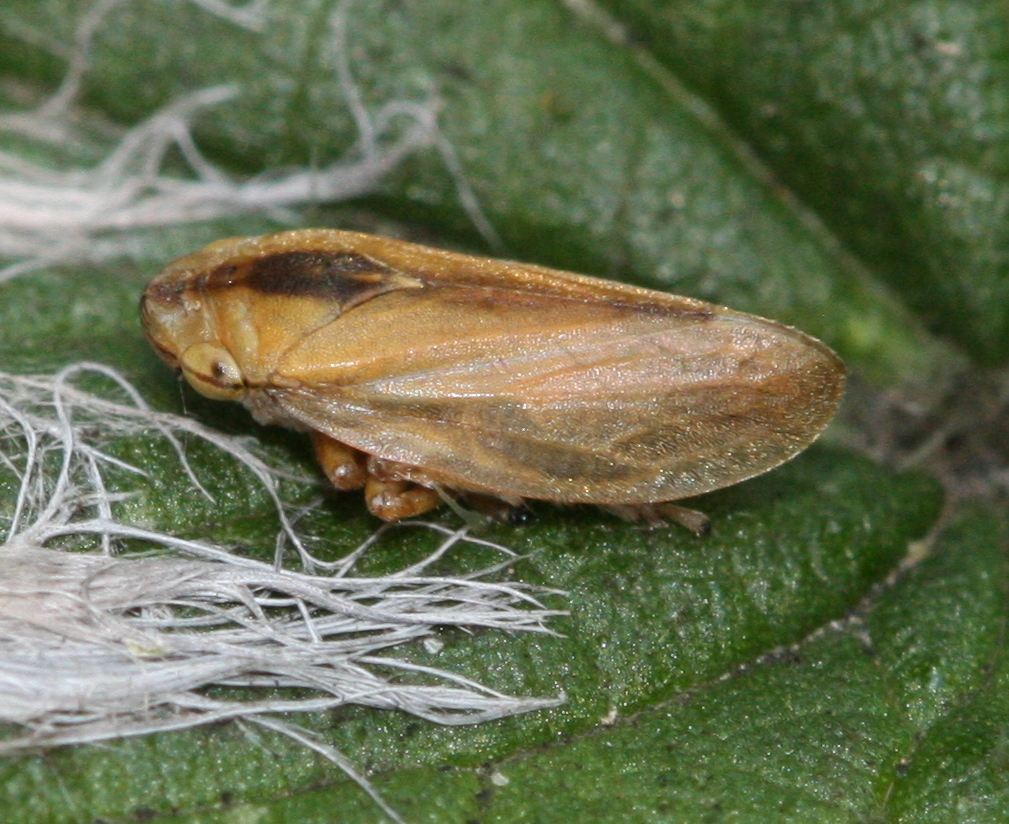
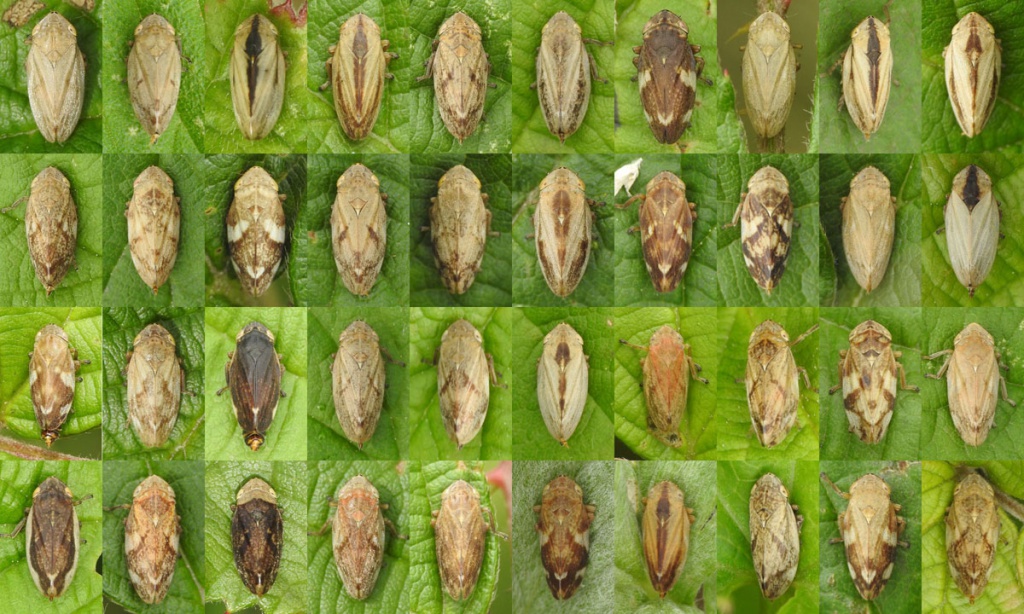
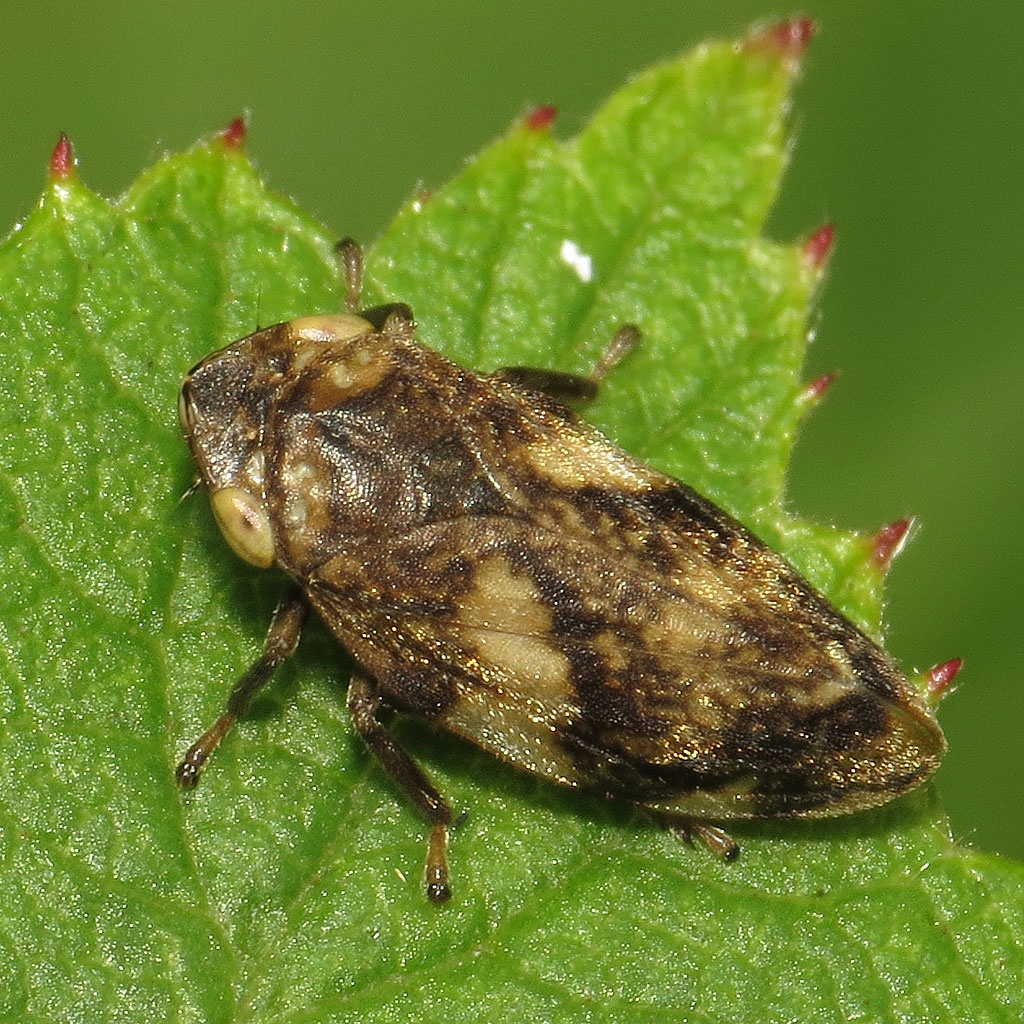
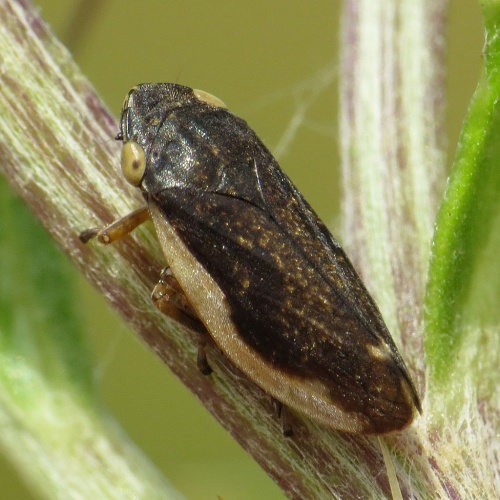
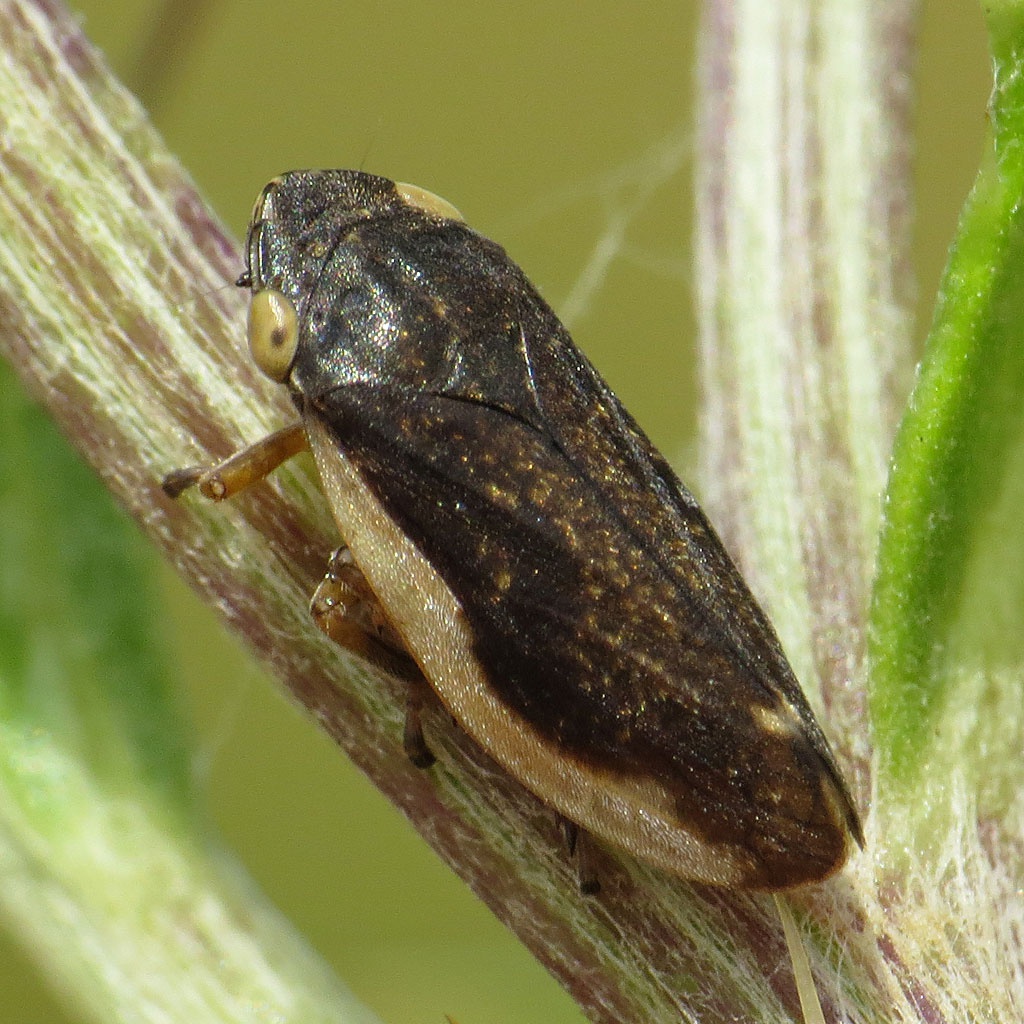
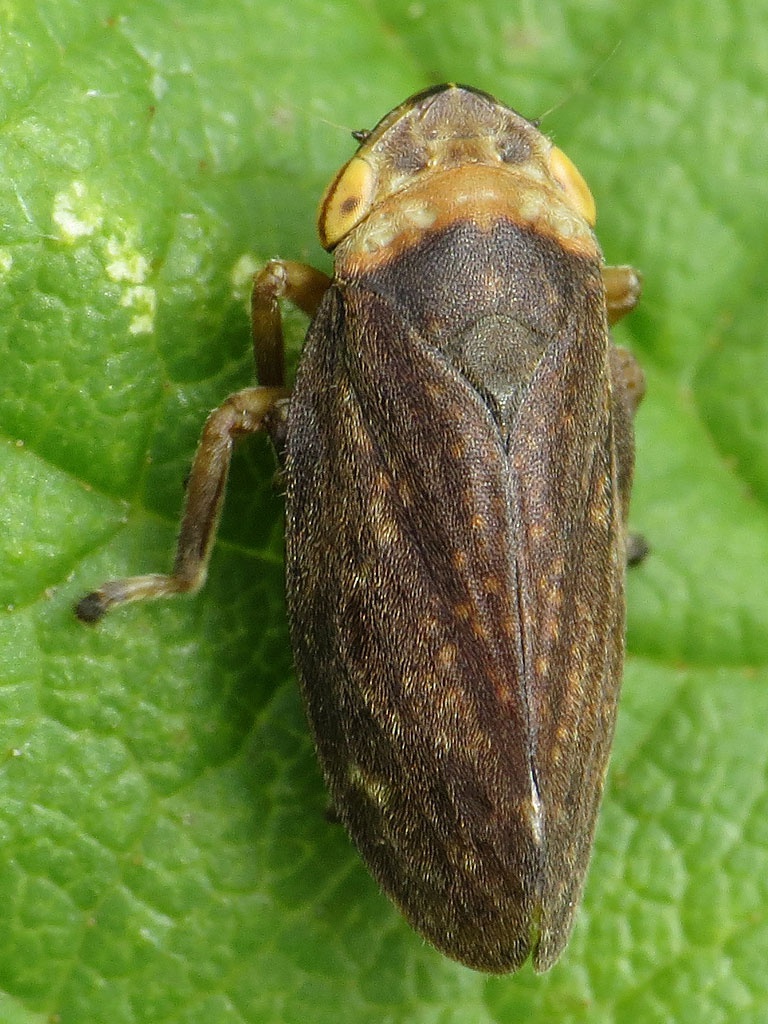
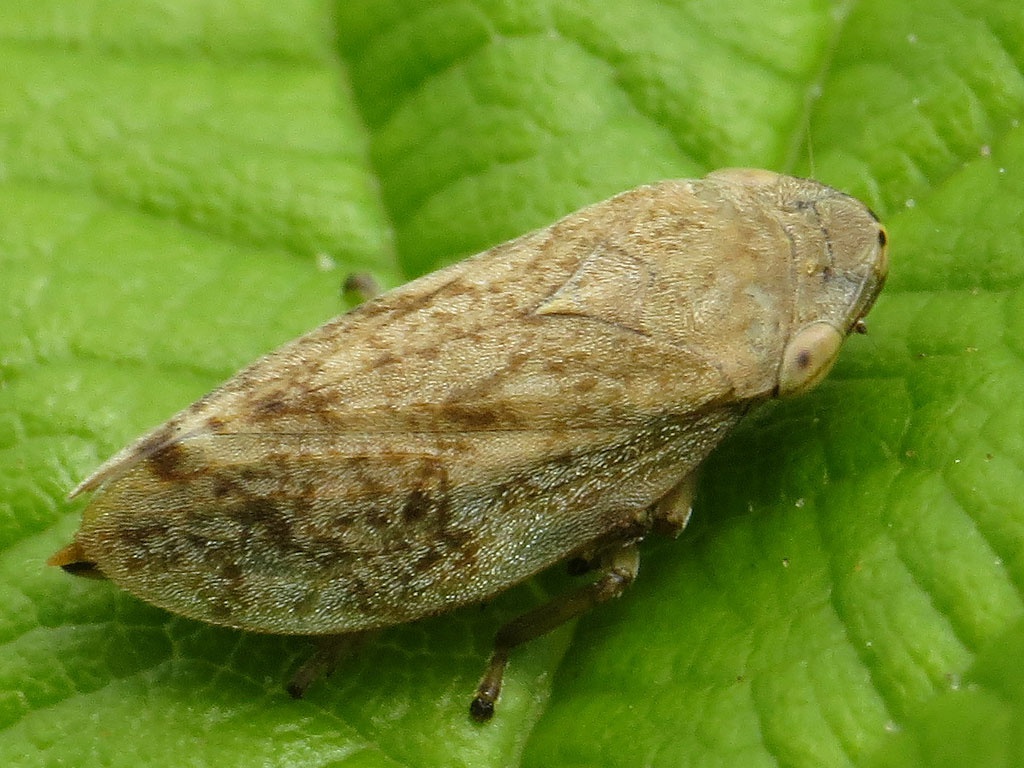
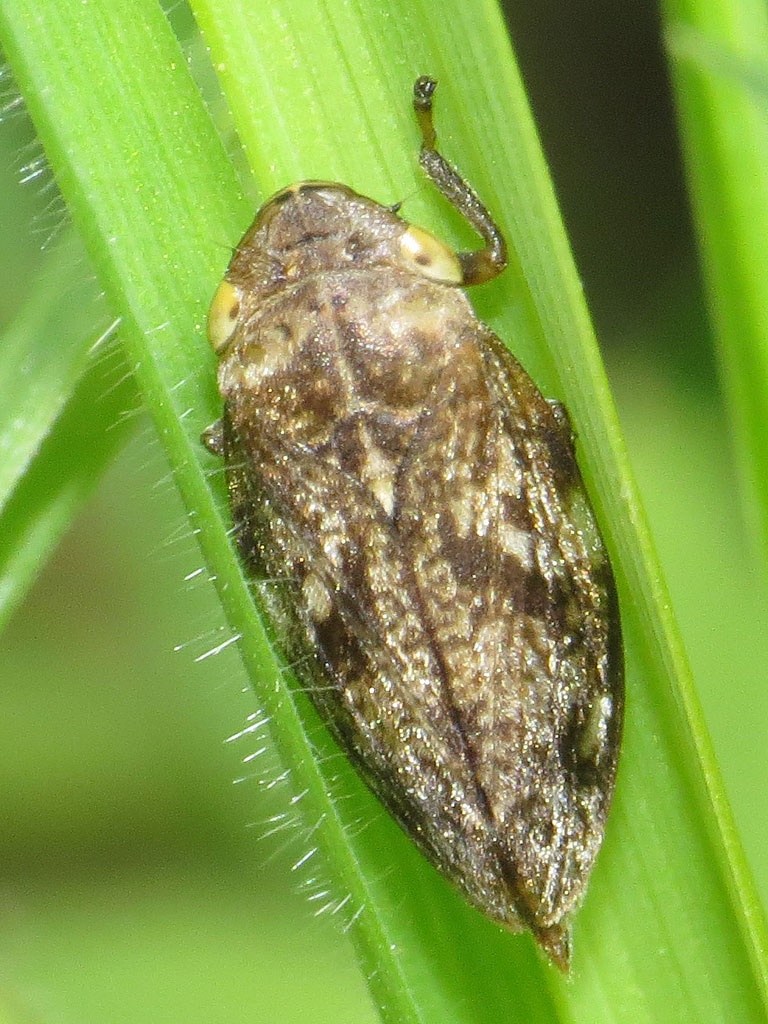
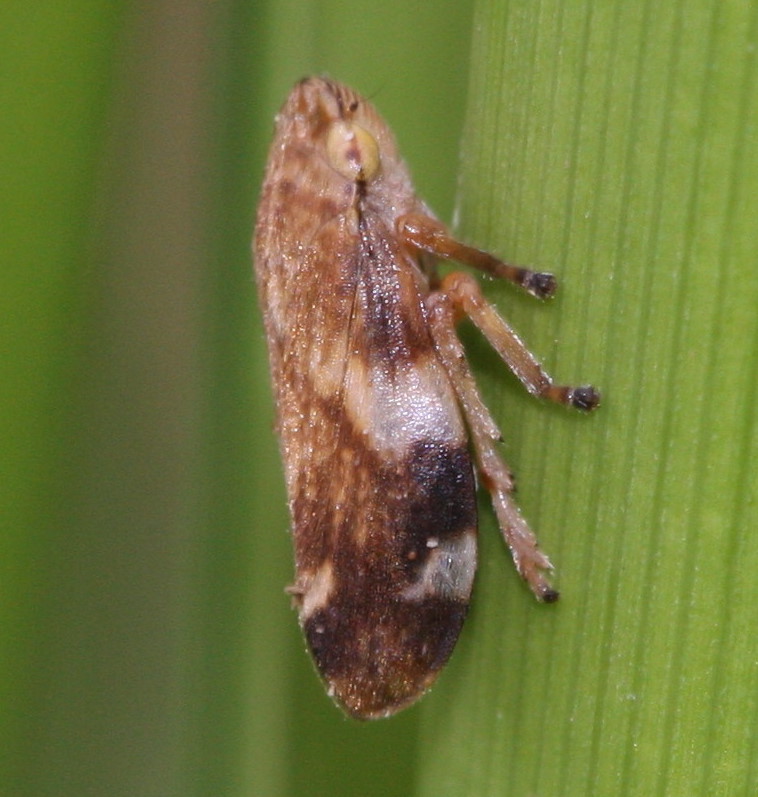
Length 5-7 mm. A very common but extremely variable species, with many different colour forms. Unlike Aphrophora, the pronotum does not have keel, and the head has fine hairs. Unlike Neophilaenus the vertex plate ('nose') does not have a median keel. The outer margin of the forewing is convex (smoothly curved, without a straight section).
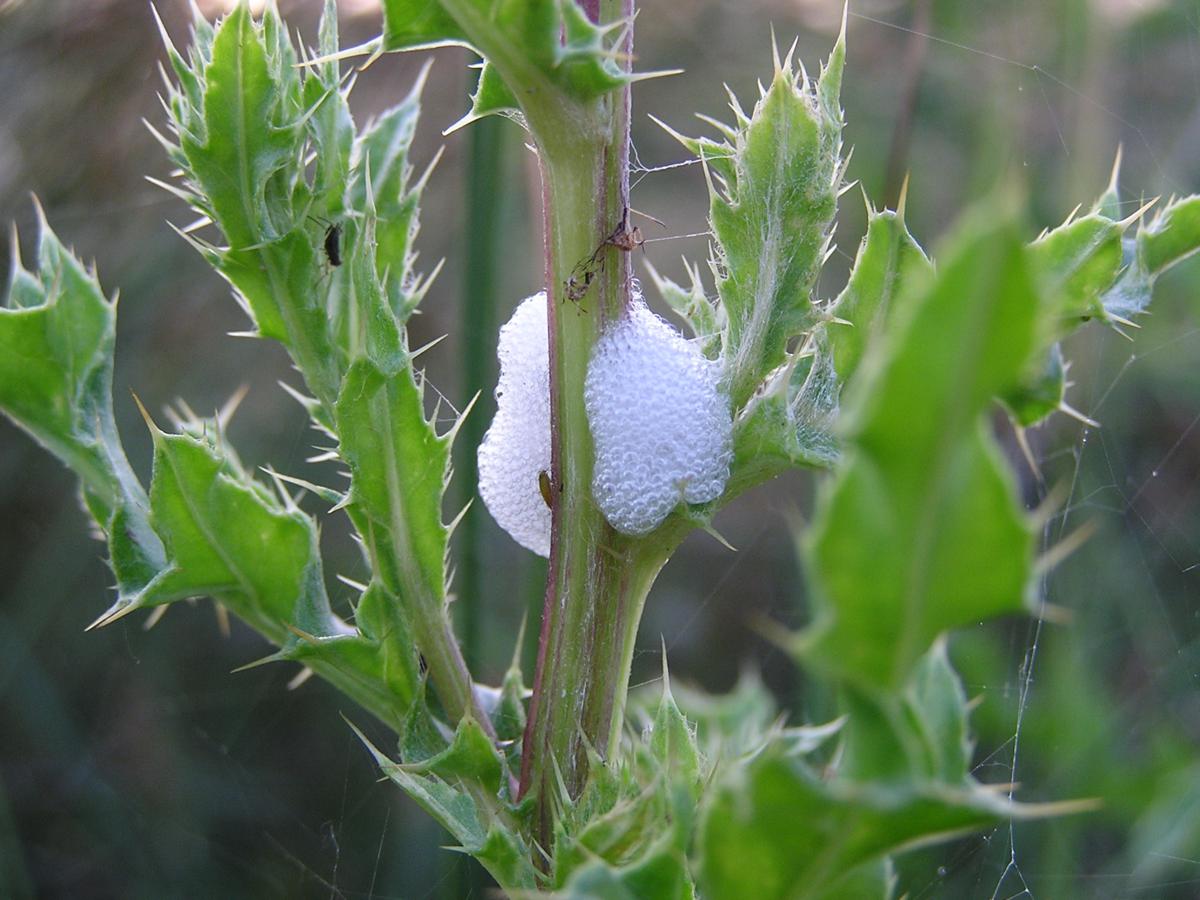
The green larva surround themselves in protective froth called 'cuckoo-spit'. It prevents dehydration and protects the nymph from predators such as ants. https://www.nhm.ac.uk/discover/cuckoo-spit-and-fascinating-froghoppers-spittlebugs.html
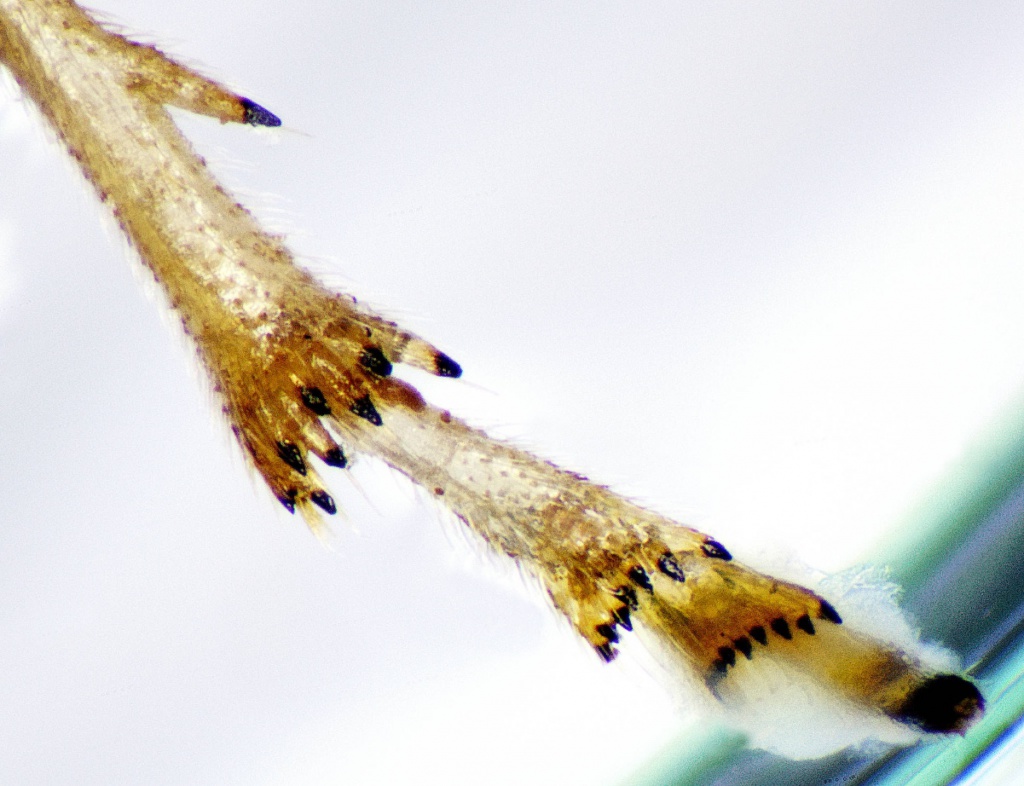
There are <10 spines on hind tarsi (c.f. >10 for Neophilaenus campestris) [reference needed].
Neophilaenus and Aphrophora

Good quality photographs, preferably one from directly above and one from the side.
Usually on vegetation such as bushes in grassy areas.
Adult: June to September.
An extremely common species on a wide range of plants across the UK. (ref.: British Bugs website)
Very common in Leicestershire and Rutland.
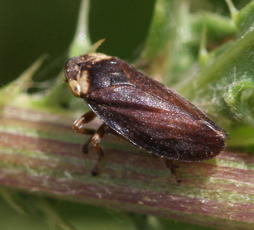 David Nicholls
Cossington NR
08 July 2010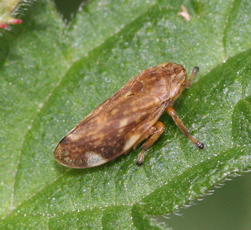 David Nicholls
Burbage Common
01 July 2011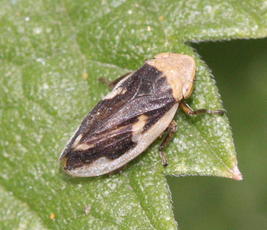 David Nicholls
Burbage Common
01 July 2011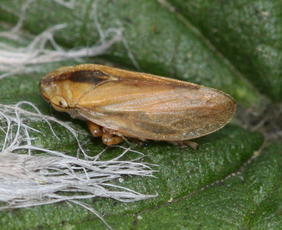 David Nicholls
Ratby Village Pond
09 July 2011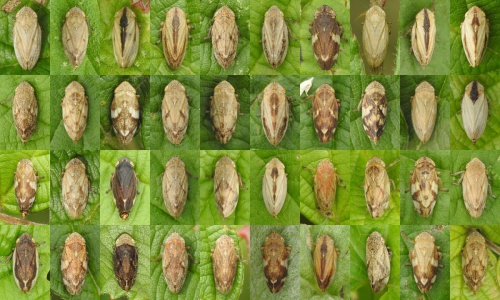 David Gould
The Spearwort Fields
29/07/2017
40 individuals showing variability (one day, one site)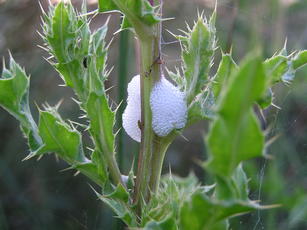 David Nicholls
Ratby
24 June 2003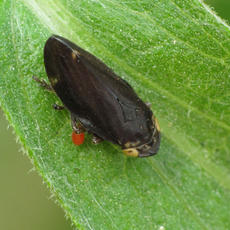 David Gould
Narborough Bog NR
06 July 2010
dark form, with attached mite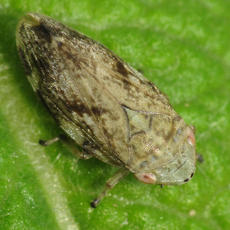 David Gould
Leicester Garden
11 June 2011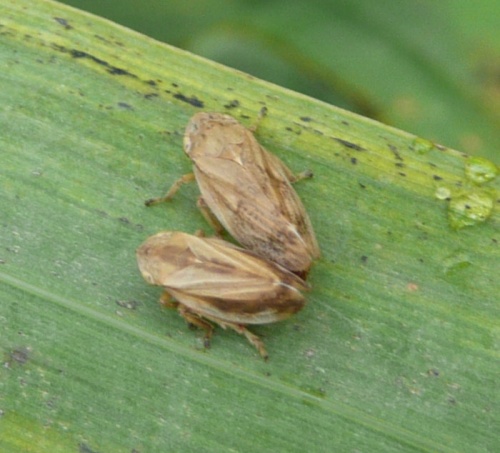 Barbara Cooper
Long Clawson
17 July 2012
mating pair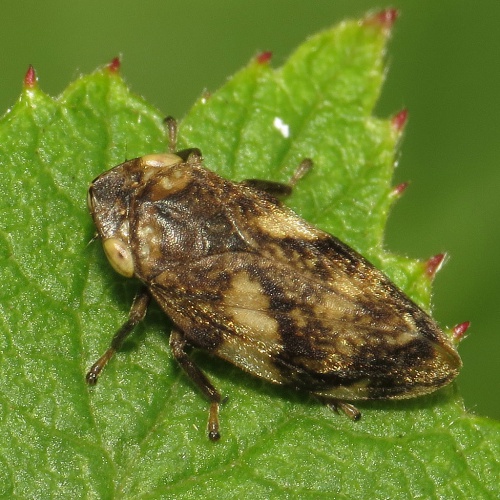 David Gould
The Spearwort Fields
14 August 2013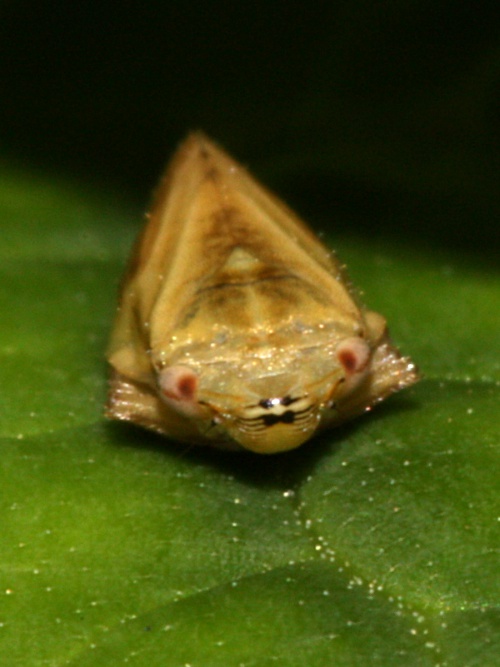 Mike Higgott
Anstey garden
18 June 2016


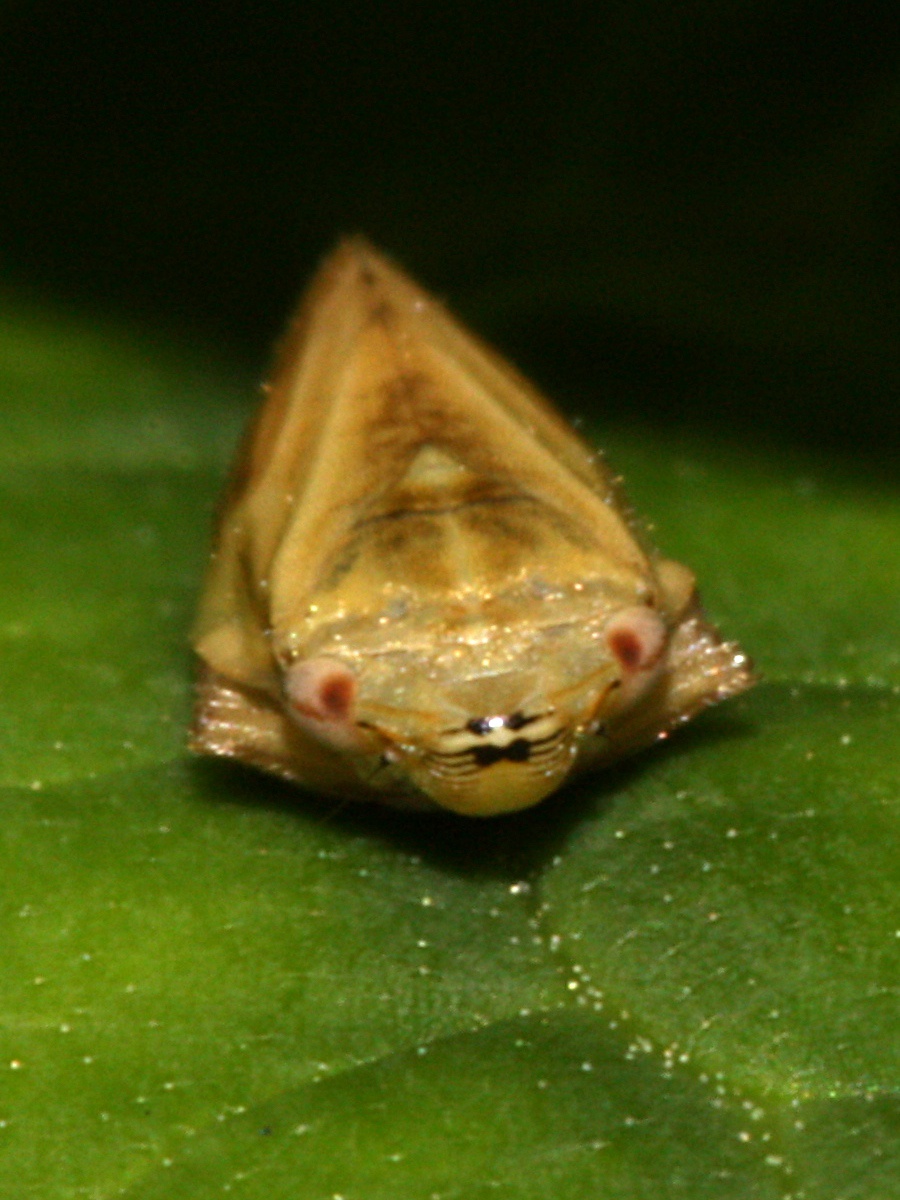
Leicestershire & Rutland Map
Enter a town or village to see local records
MAP KEY:
Yellow squares = NBN records (all known data)
Coloured circles = NatureSpot records: 2025+ | 2020-2024 | pre-2020
UK Map
Species profile
- Species group:
- insect - true bug (Hemiptera)
- Kingdom:
- Animalia
- Order:
- Hemiptera
- Family:
- Aphrophoridae
- Records on NatureSpot:
- 602
- First record:
- 24/06/2003 (Nicholls, David)
- Last record:
- 18/06/2026 (Pugh, Dylan)
Total records by month
% of records within its species group
10km squares with records
The latest images and records displayed below include those awaiting verification checks so we cannot guarantee that every identification is correct. Once accepted, the record displays a green tick.
In the Latest Records section, click on the header to sort A-Z, and again to sort Z-A. Use the header boxes to filter the list.
Latest images
Latest records
 David Gould
The Spearwort Fields
06 July 2014 David Gould
The Spearwort Fields
10 August 2013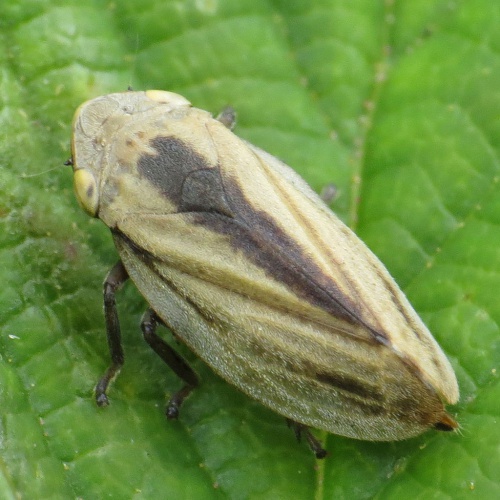 David Gould
The Spearwort Fields
10 August 2013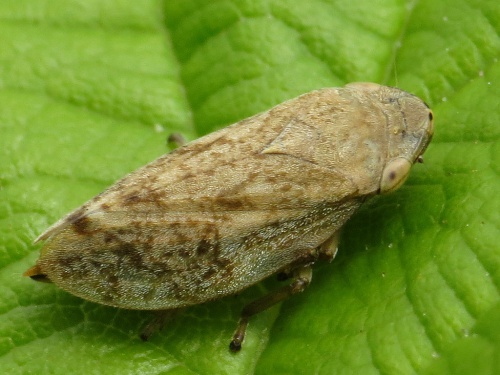 David Gould
The Spearwort Fields
10 August 2013 David Gould
The Spearwort Fields
10 August 2013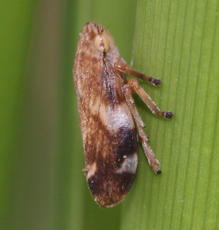 David Nicholls
Cossington NR
08 July 2010 M69 Island Sapcote SP 4635 9382 (taken 1.7.2009),.JPG) Graham Calow
Graham Calow
M69 Island, Sapcote
01 July 2009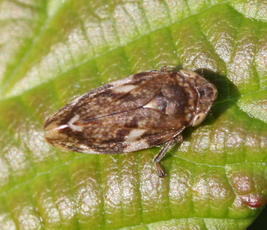 David Nicholls
County Hall, Glenfield
01 September 2010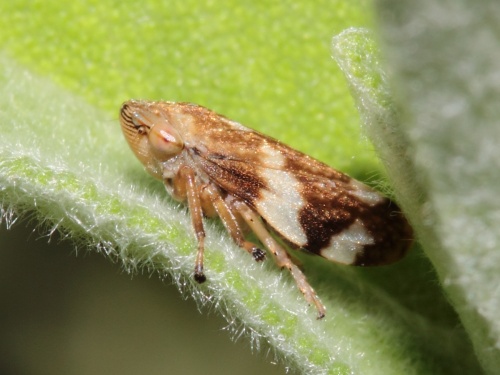 HAPeacock
Leicester Garden
17 July 2012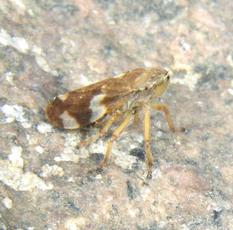 Graham Calow
Broughton Astley
24 June 2011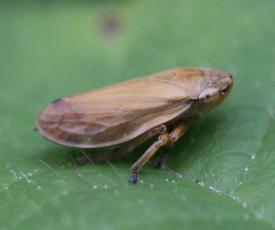 David Nicholls
Ulverscroft NR
12 July 2008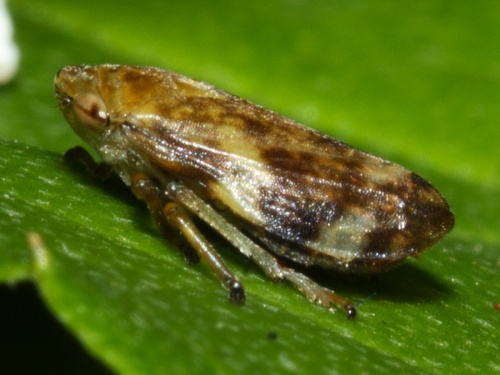 HAPeacock
Leicester Garden
05 July 2012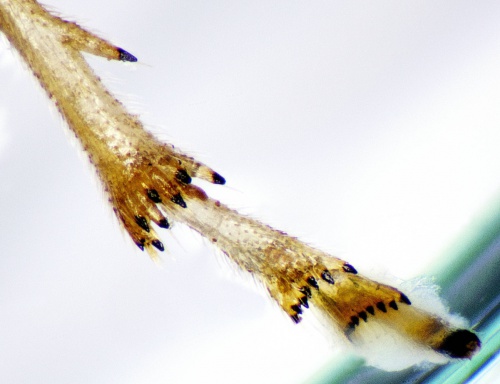 AJ Cann
Priors Coppice
26 July 2020
Hind tarsi AJ Cann
Priors Coppice
26 July 2020
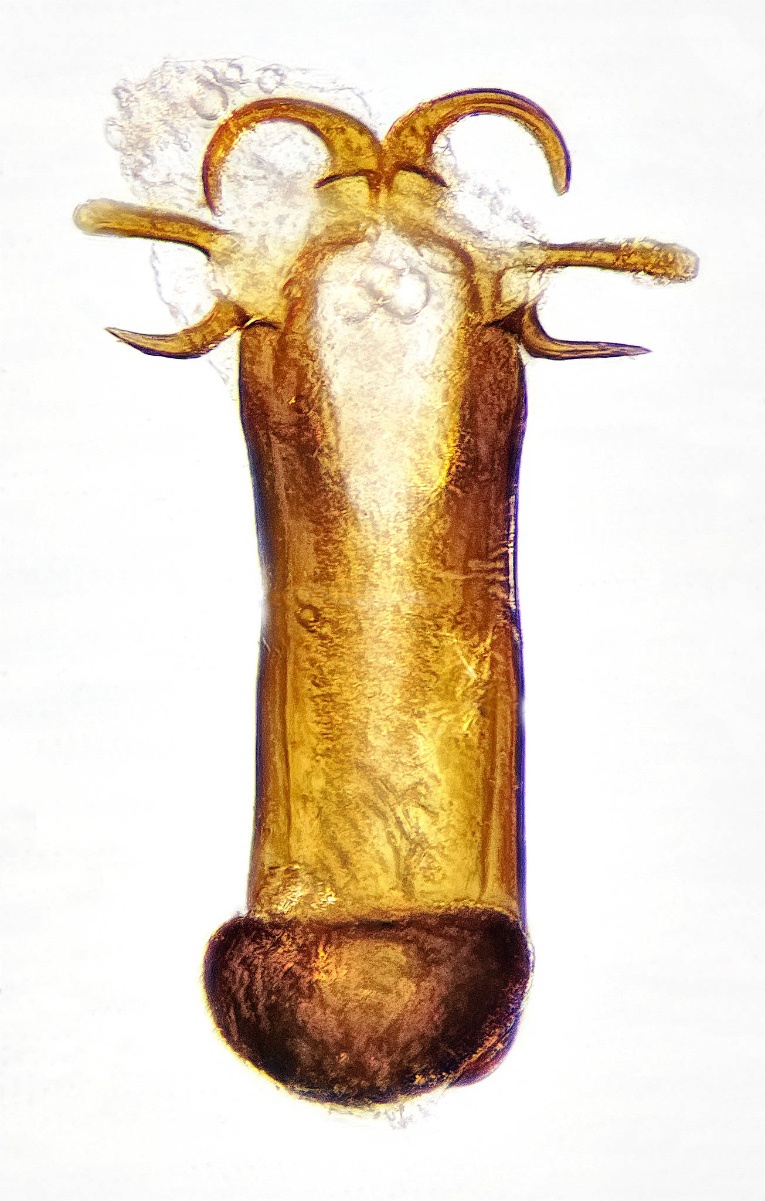
Aedeagus

 M69 Island Sapcote SP 4635 9382 (taken 1.7.2009),.JPG)