

Des Etangs' St John's-wort - Hypericum perforatum x maculatum = H. x desetangsii
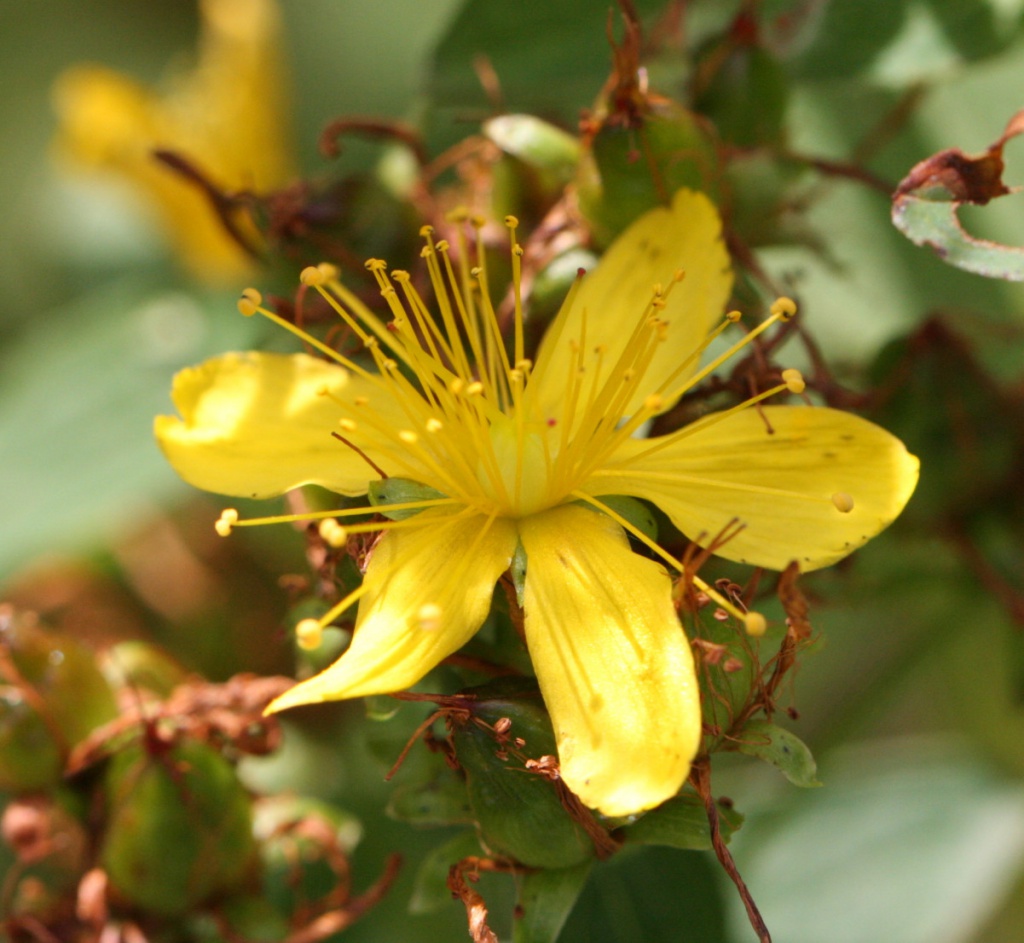
A cross between Perforate and Imperforate St John's-wort, close examination is needed for accurate identification.
Other St.John's-worts

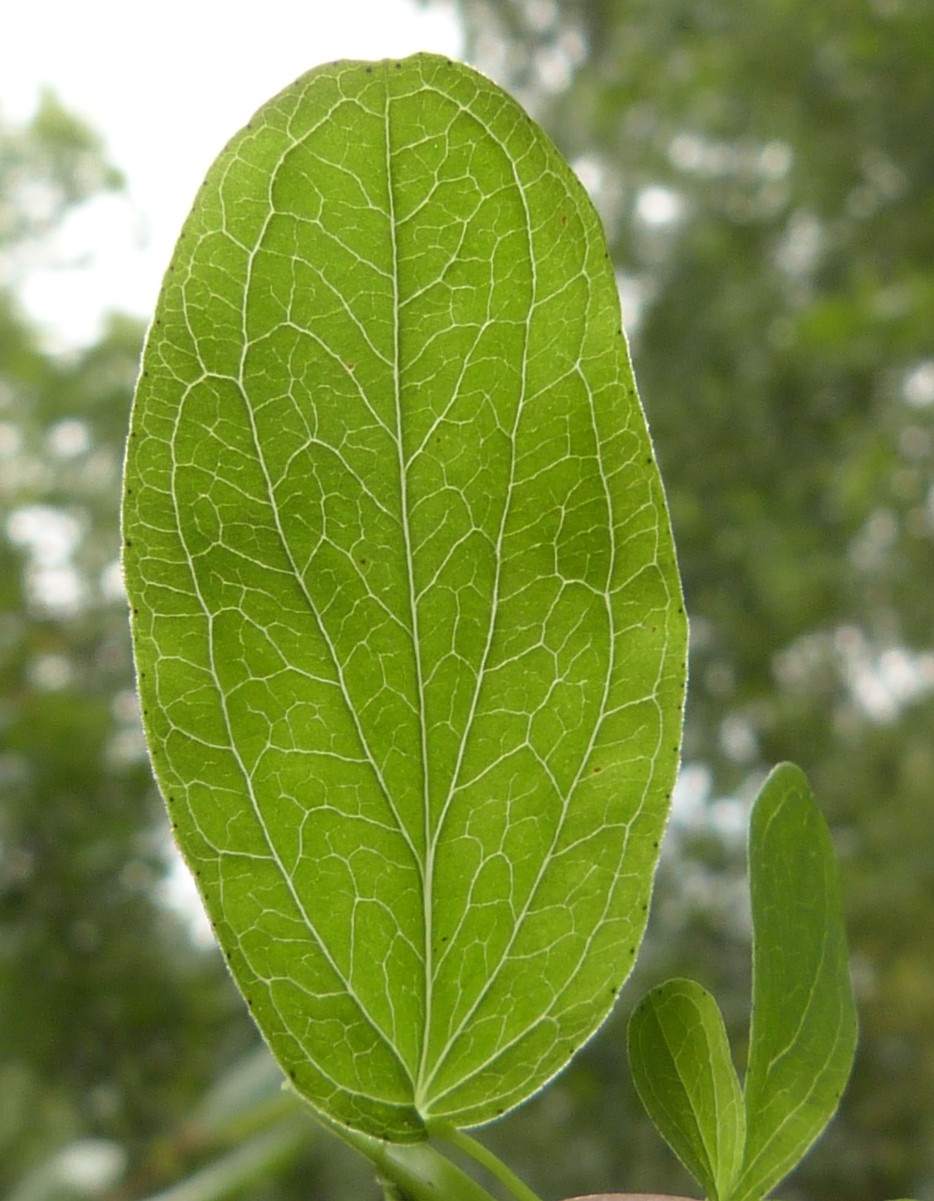
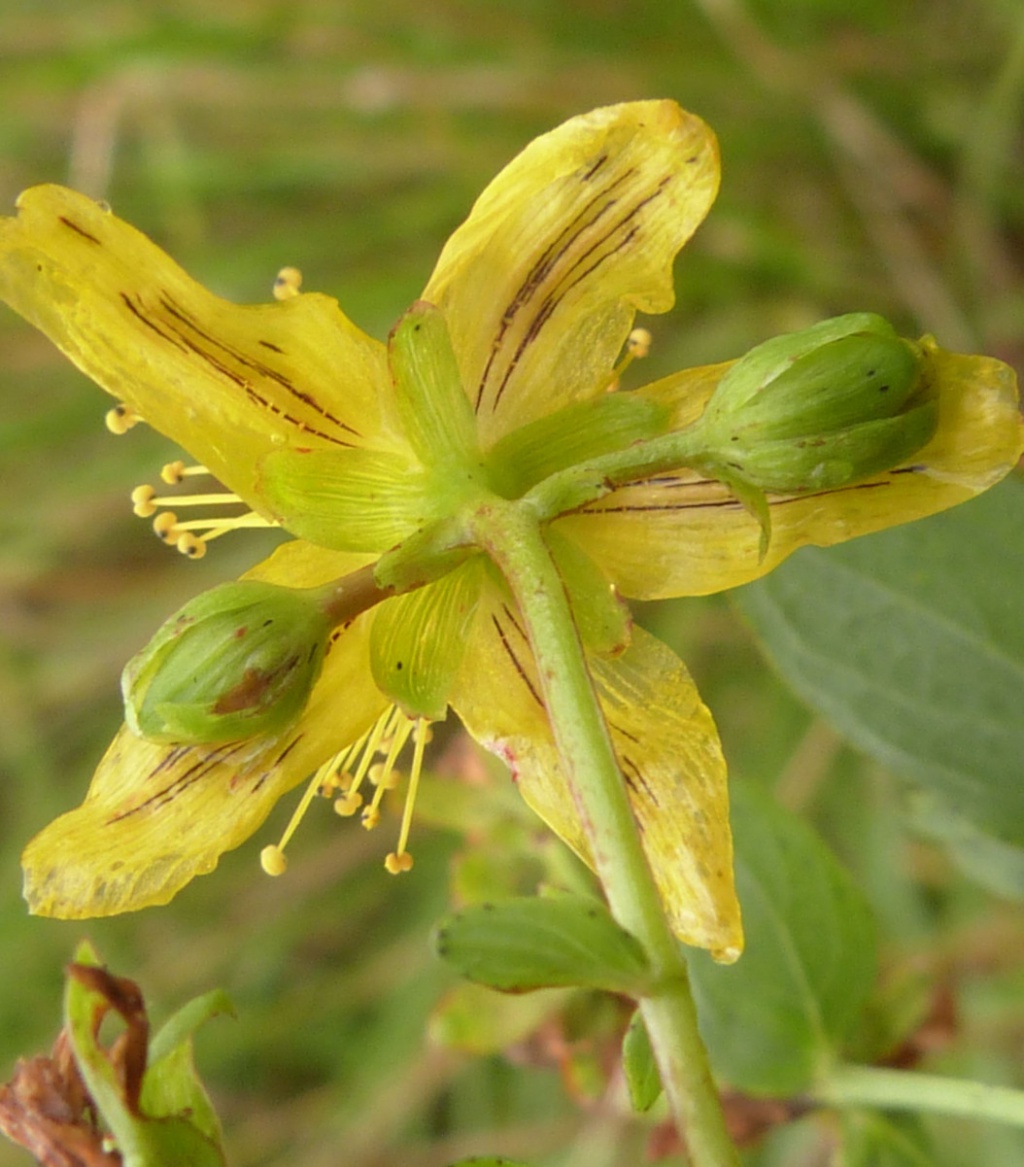
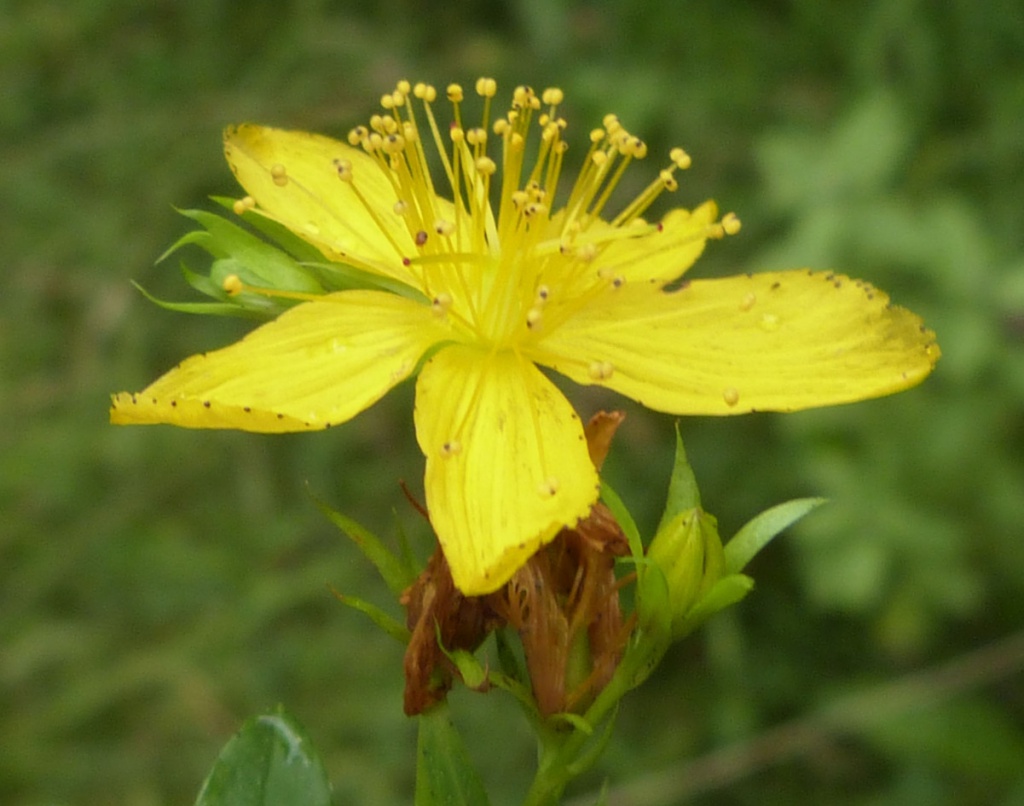
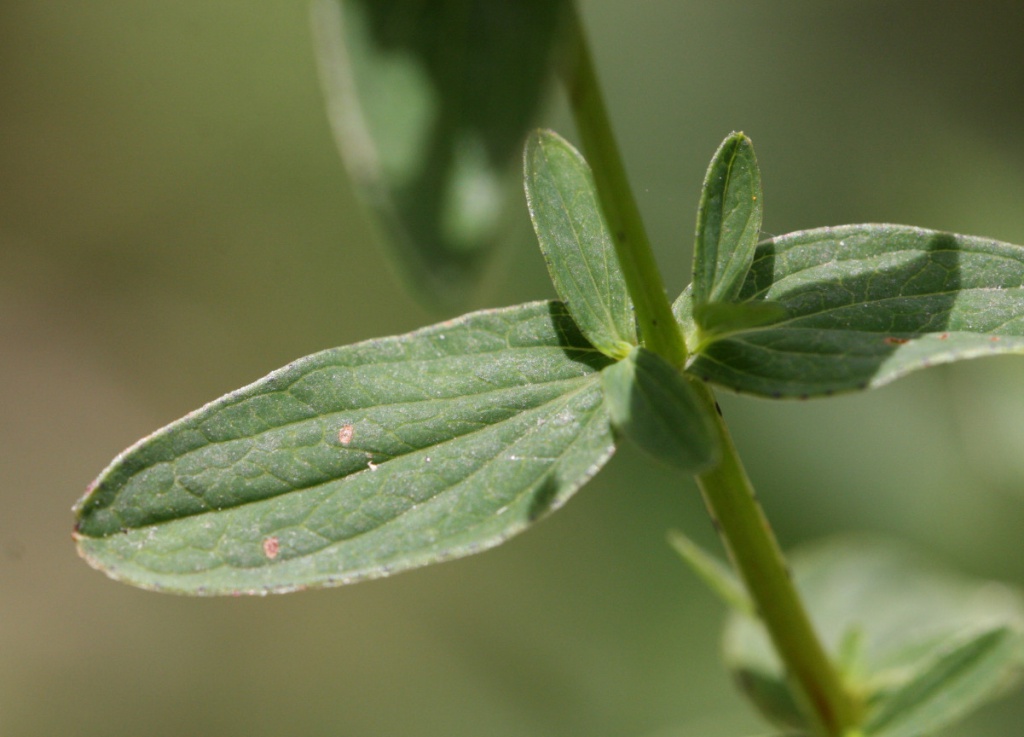
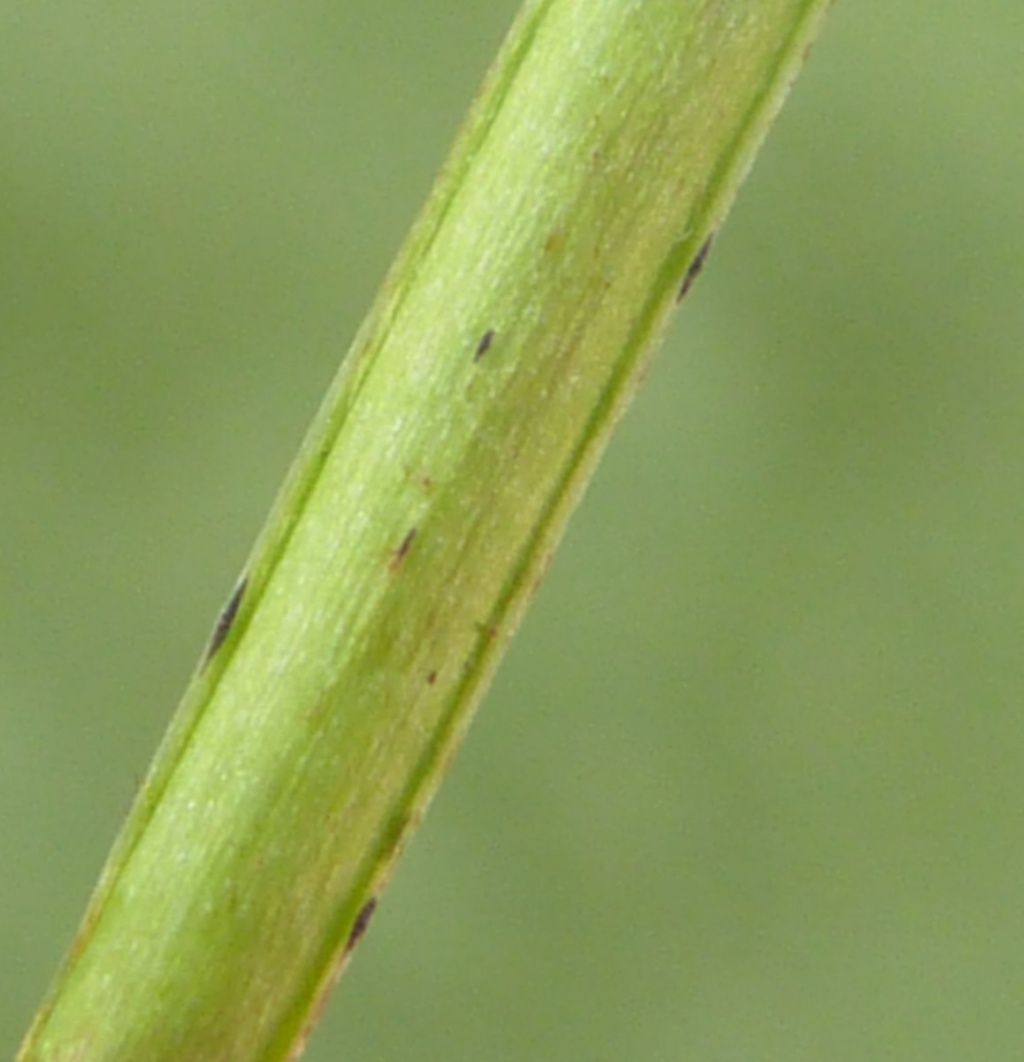
A range of intermediates between the two parent species. 2-4 stem ridges, sometimes 2 weak and 2 strong ridges; few translucent leaf glands.
The County Recorder has asked for a specimen of this plant to be retained for verification
Waysides, rough grasslands and waste places. It is often associated with disused railway lines.
Flowering June to September.
Perennial.
Widespread in England and Wales.
Rarely recorded in Leicestershire and Rutland. It was not recorded in the 1979 Flora survey of Leicestershire.
In the current checklist (Jeeves 2011), it is listed as Native; rarely recorded.
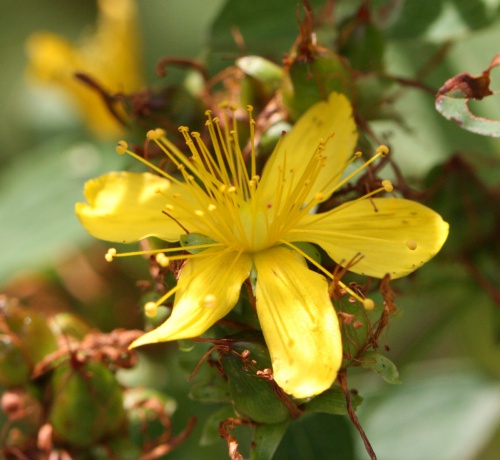 David Nicholls
Priory Water
13 August 2016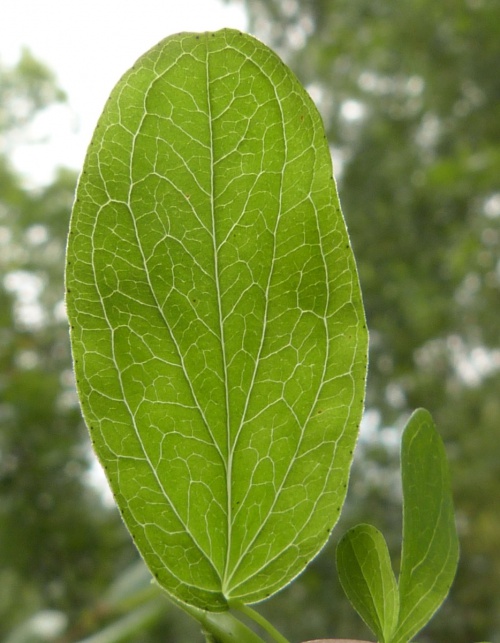 Graham Calow
Disused railway near Lutterworth Road
23 August 2017
no perforations in leaf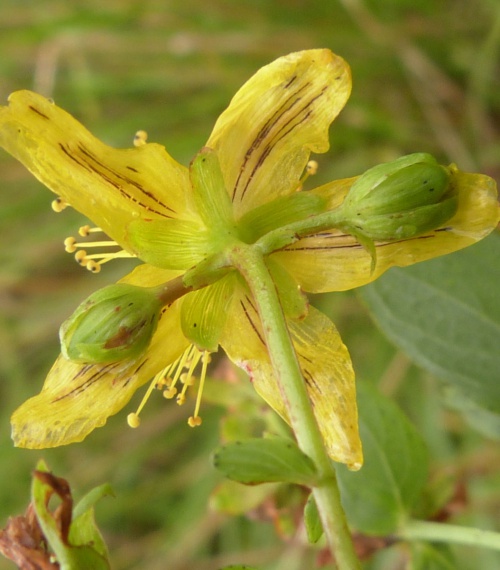 Graham Calow
Thurlaston, Croft Lane
15 August 2019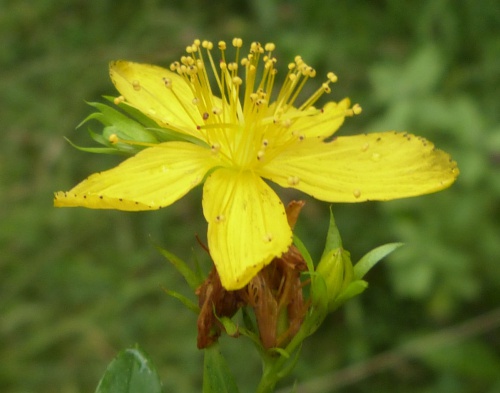 Graham Calow
Disused railway near Lutterworth Road
23 August 2017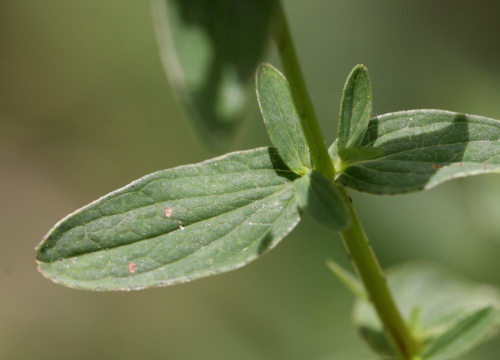 David Nicholls
Priory Water
13 August 2016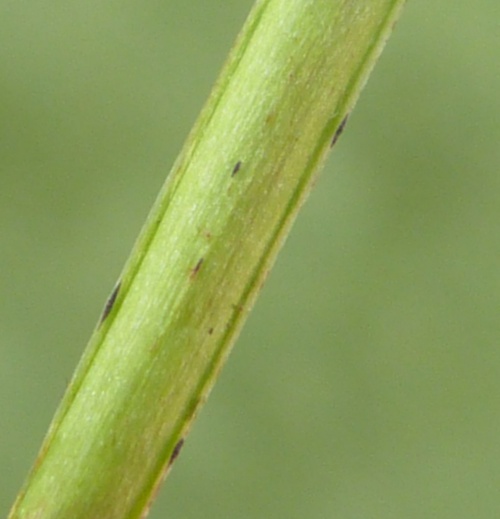 Graham Calow
Thurlaston, Croft Lane
15 August 2019
Leicestershire & Rutland Map
Enter a town or village to see local records
MAP KEY:
Yellow squares = NBN records (all known data)
Coloured circles = NatureSpot records: 2025+ | 2020-2024 | pre-2020
UK Map
Species profile
- Common names
- Des Etangs' St John's-wort, Des Etangs' St. John's-Wort
- Species group:
- flowering plant
- Kingdom:
- Plantae
- Order:
- Malpighiales
- Family:
- Hypericaceae
- Records on NatureSpot:
- 6
- First record:
- 13/08/2016 (Nicholls, David)
- Last record:
- 02/09/2020 (Bell, Melinda)
Total records by month
% of records within its species group
10km squares with records
The latest images and records displayed below include those awaiting verification checks so we cannot guarantee that every identification is correct. Once accepted, the record displays a green tick.
In the Latest Records section, click on the header to sort A-Z, and again to sort Z-A. Use the header boxes to filter the list.
Latest images
Latest records
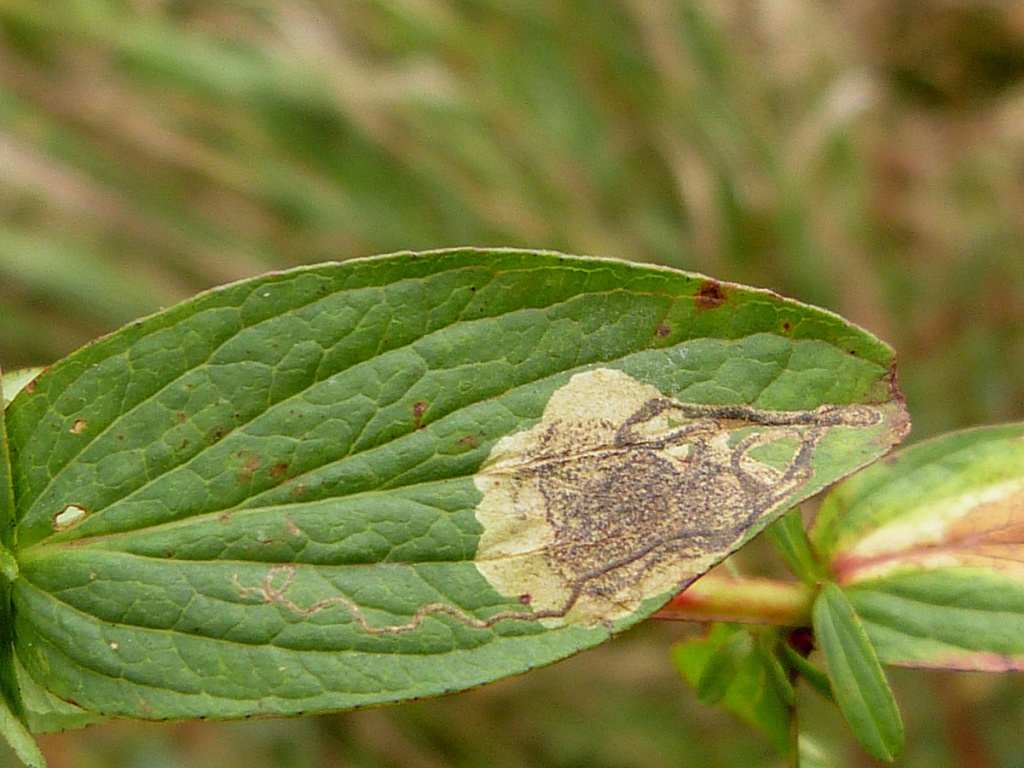
Fomoria septembrella
The larva of the moth Fomoria septembrella mines the leaves of Hypericum species, most commonly Perforate St John's-wort at first in a narrow gallery, later becoming a blotch mine.
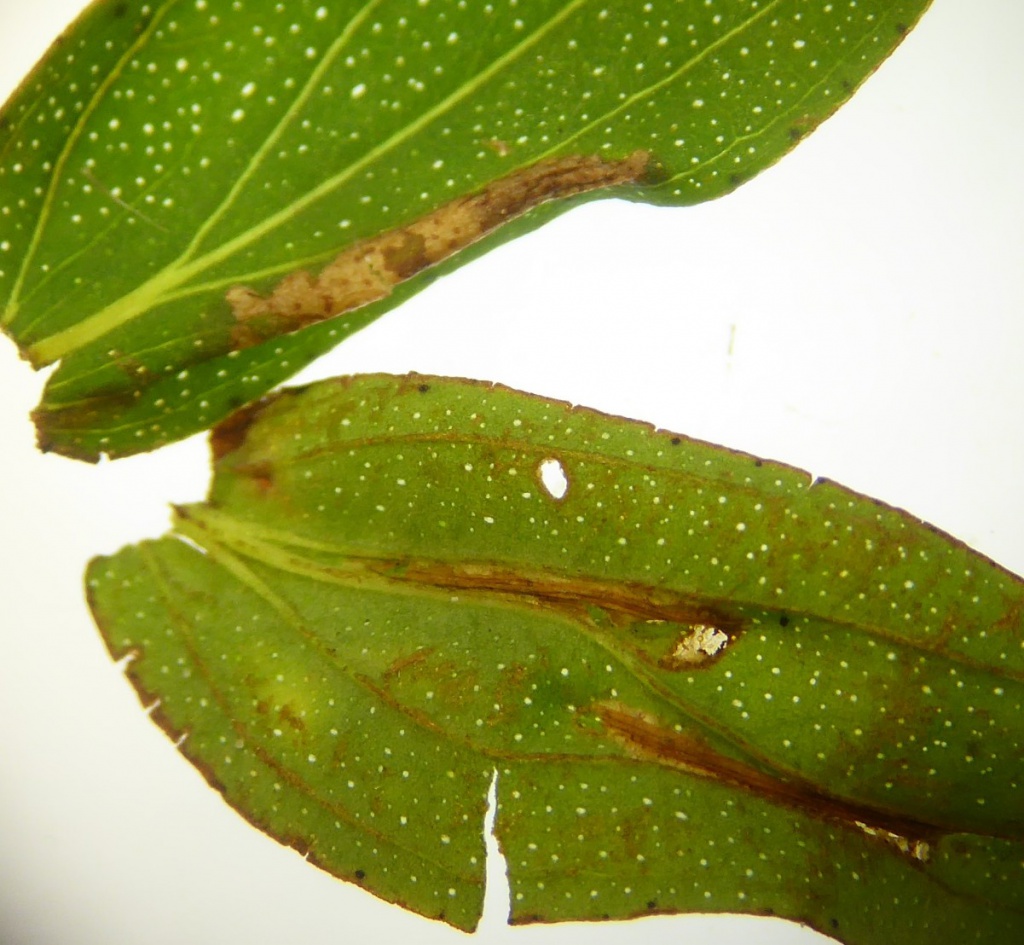
Euspilapteryx auroguttella
The larva of the moth Euspilapteryx auroguttella mines the leaves of various Hypericum species such as St John's-worts initially in a lower surface gallery and then into a blotch, becoming a small narrow tentiform mine lined with silk. Later on the larva feeds and pupates in a leaf margin folded down.