

Spreading Mouse-ear-Hawkweed - Pilosella flagellaris subsp. flagellaris
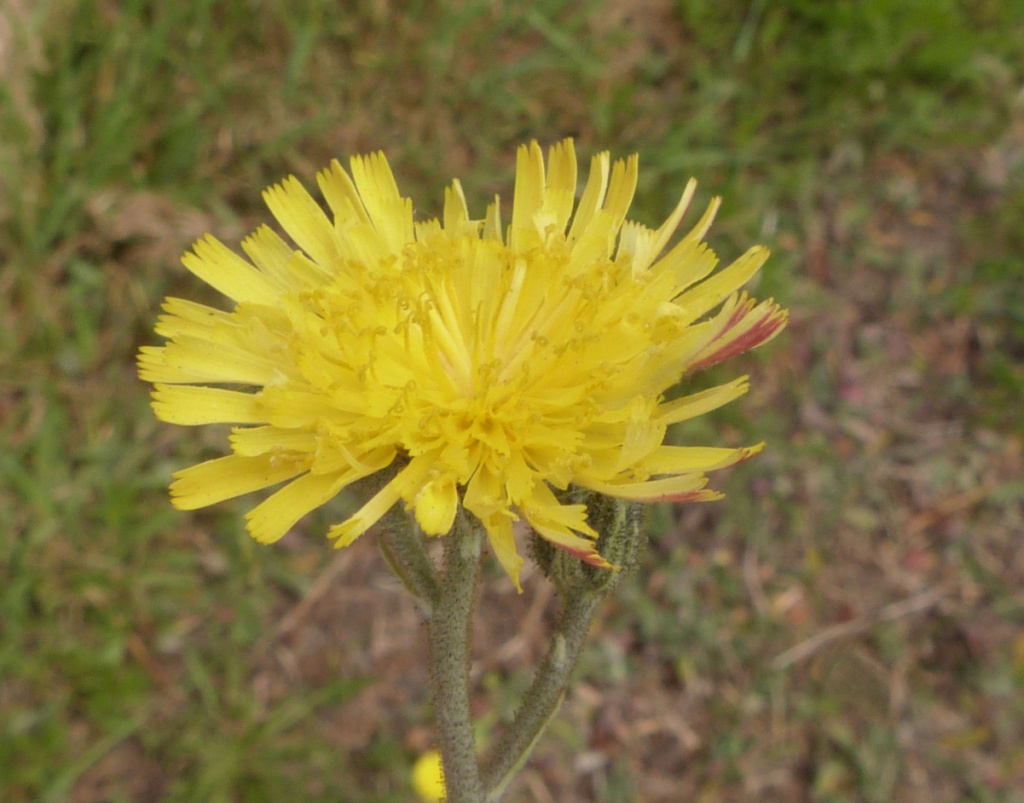
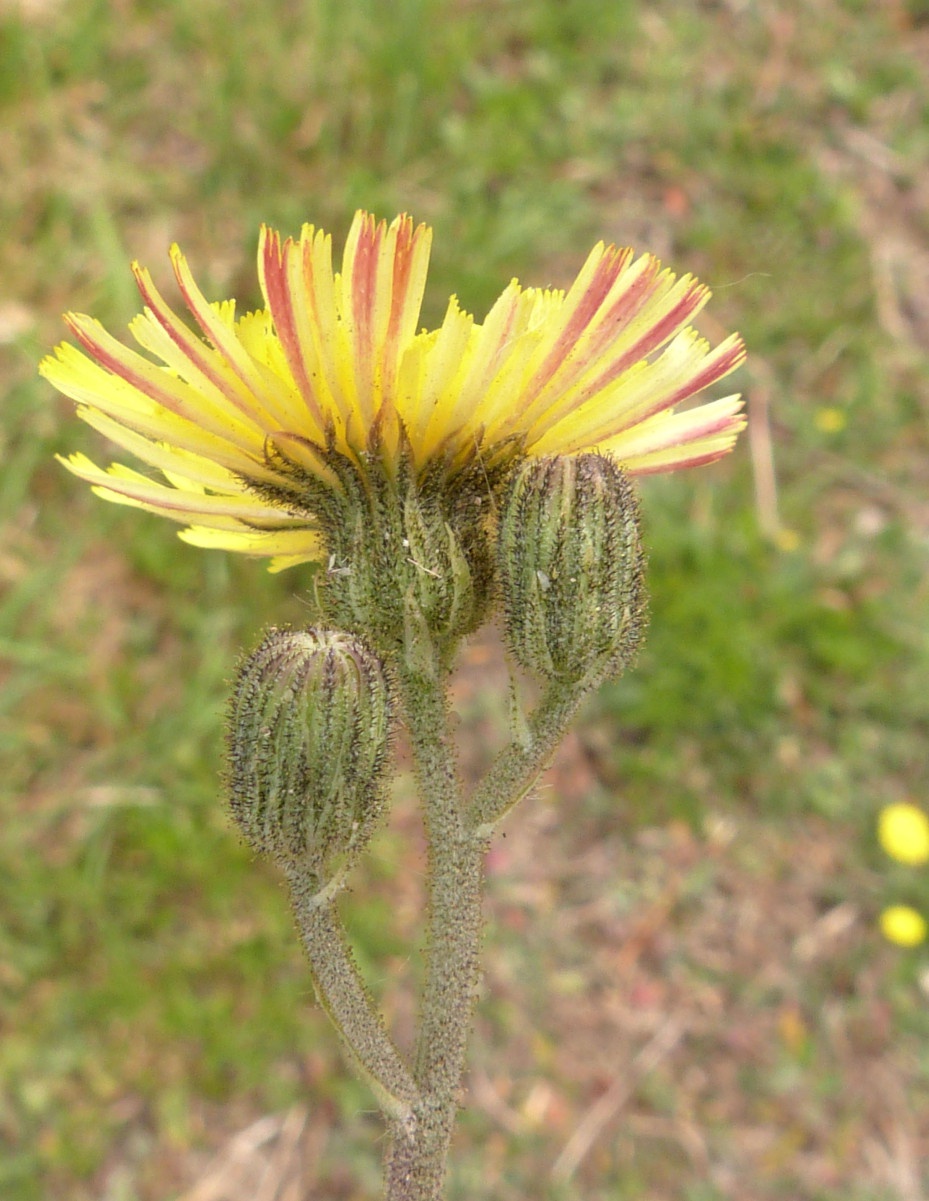
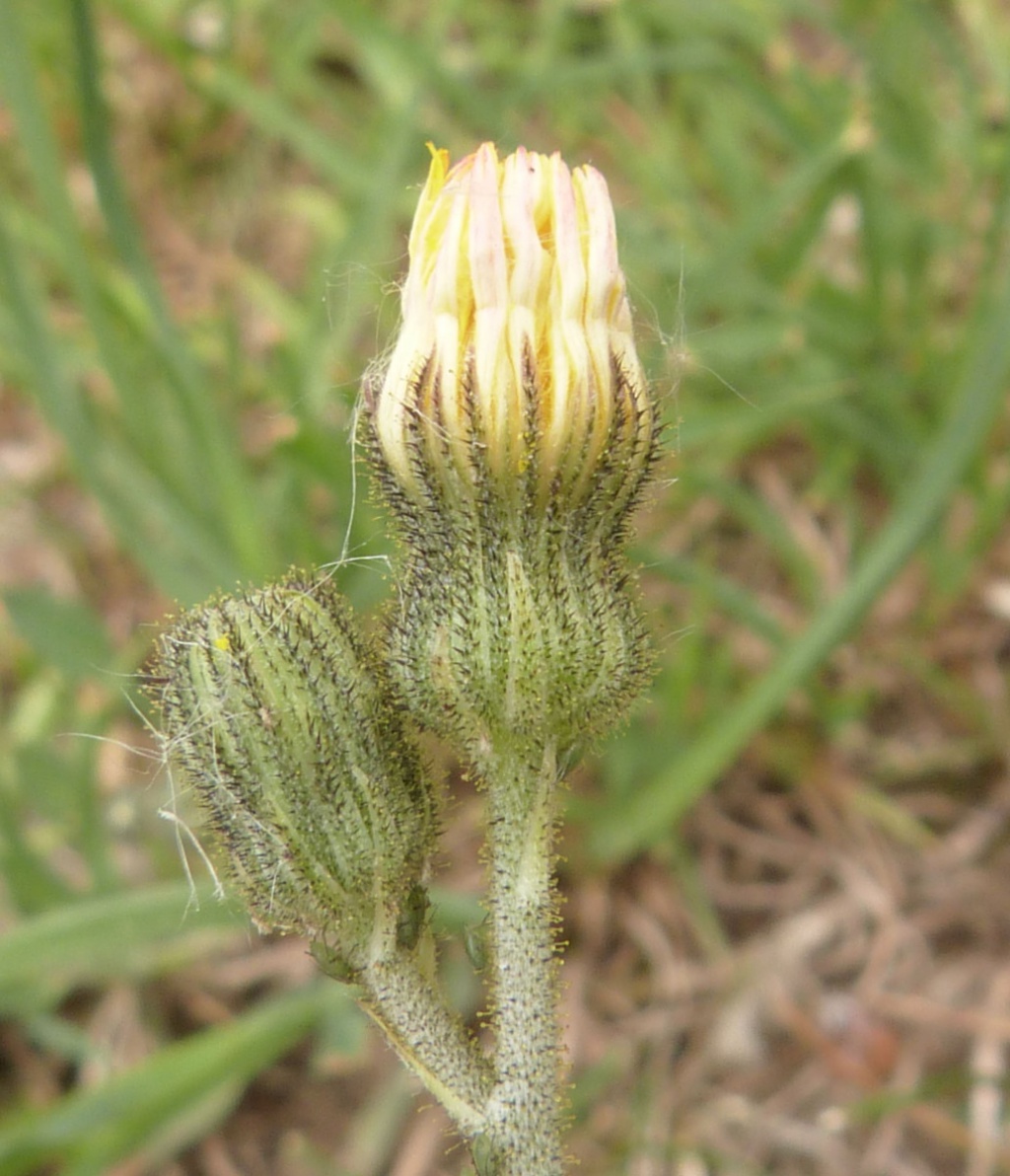
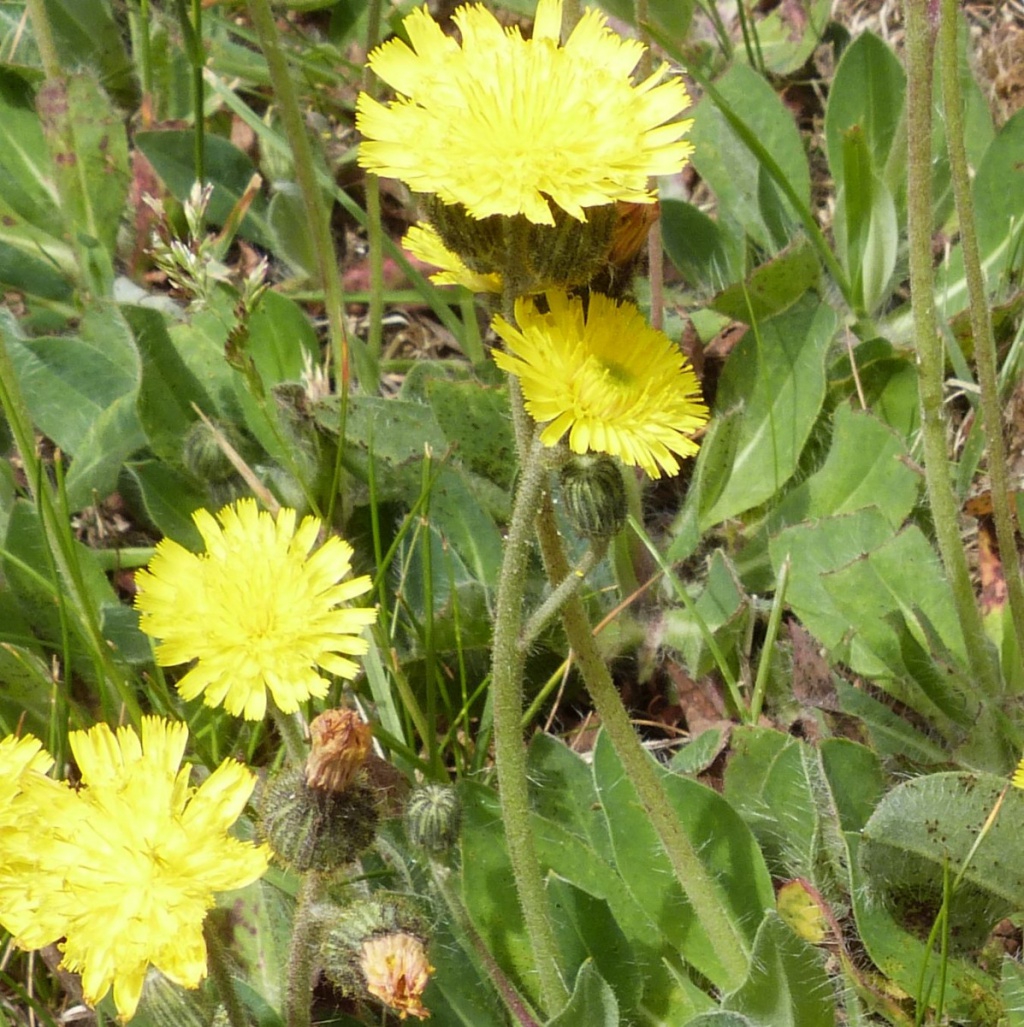
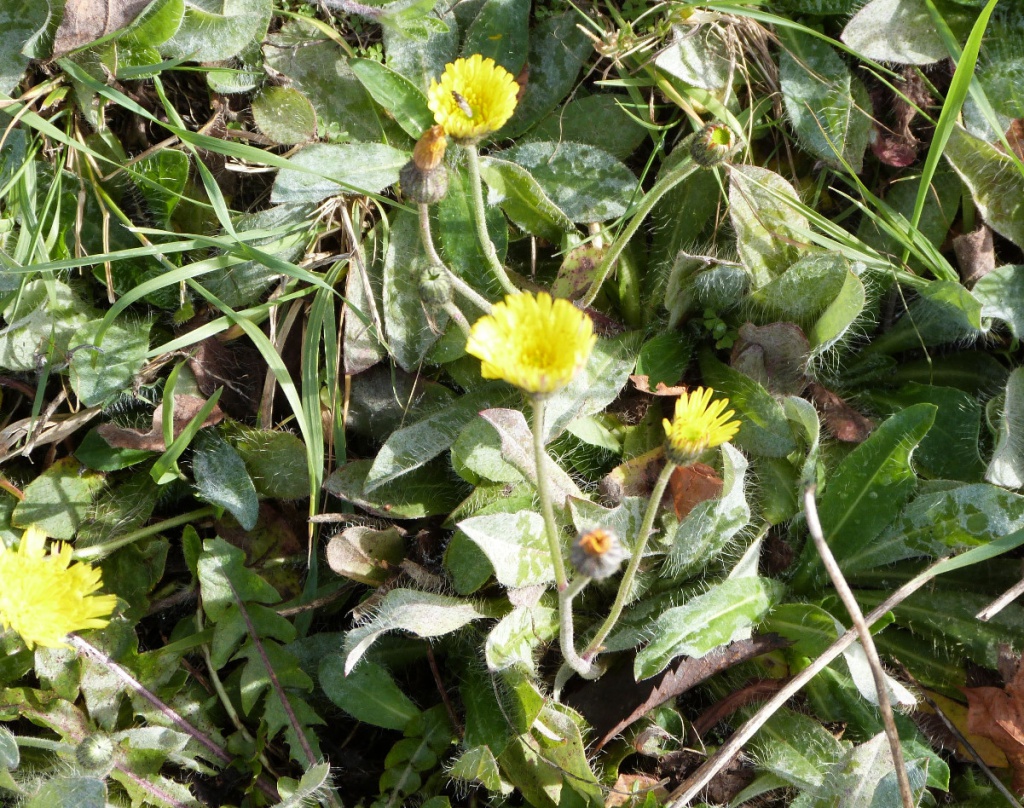
Very similar to the more common Mouse-ear-hawkweed (Pilosella officinarum), but distinguished because Pilosella flagellaris subsp flagellaris can have two or more flower heads produced from one stem. The subspecies flagellaris is believed to be the only subspecies found in VC55.
Pilosella officinarum known as Mouse-ear-hawkweed is similar but only has solitary flowerheads
subsp. bicapitata now called Shetland Mouse-ear-hawkweed is very similar, but not thought to occur in VC55
There are other similar garden escapes with multiple flowerheads.

The County Recorder has asked for a specimen of this plant to be retained for verification
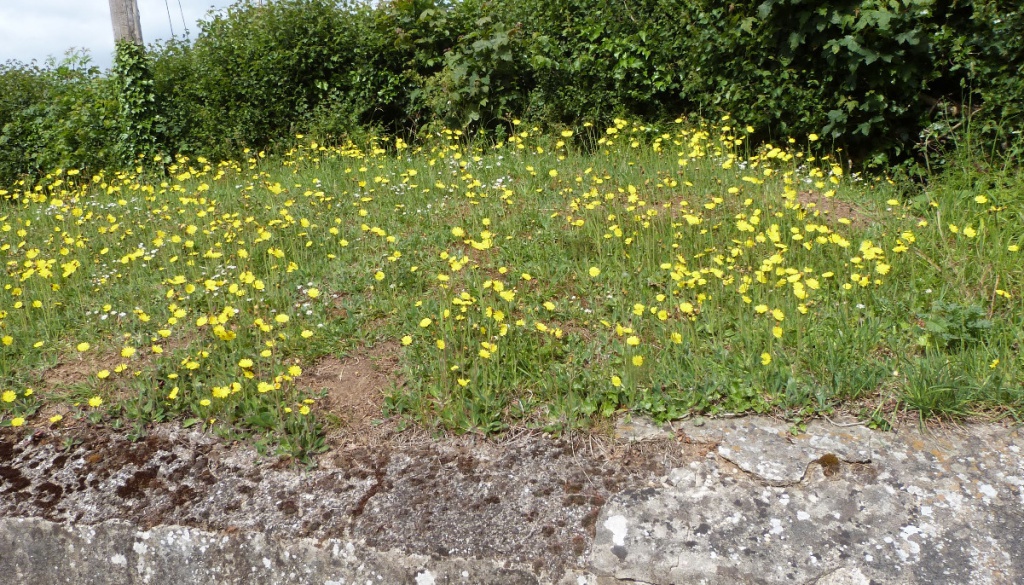
subsp. flagellaris is found on grassy roadside and railway banks; an escape from cultivation
Flowers May to July.
Perennial.
There are two subspecies: subsp flagellaris (Spreading Mouse-ear Hawkweed) is a garden escape and is occasionally naturalised (our plant is probably this) Subsp. bicapitata is a very rare native species found in a few locations in Shetland.
Rare in Leicestershire and Rutland. In the 1979 Flora survey of Leicestershire it was found in 1 of the 617 tetrads.
In the current checklist (Jeeves 2011) subsp. flagellaris is listed as Alien; disturbed ground; rare
 Leicester Road junction with B4114 Sapcote SP 5028 9306 (taken 24.5.2007).JPG) Graham Calow
Graham Calow
Leicester Road, Sapcote
24 May 2007
two flowerheads per stem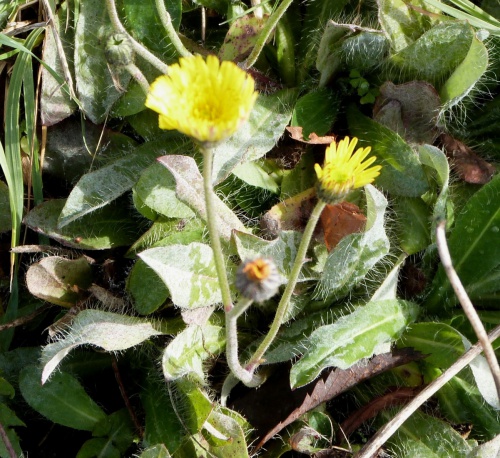 Graham Calow
Nock Verges Cemetery, Stoney Stanton
07 October 2018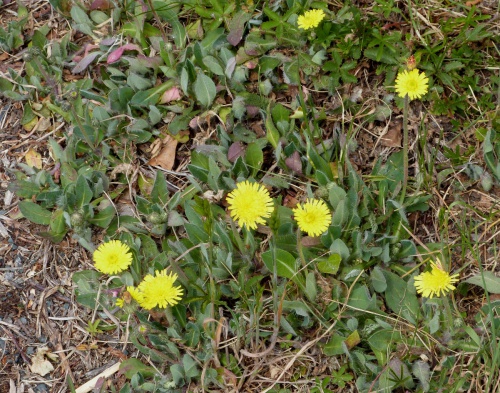 Graham Calow
Sapcote, Leicester Road near B4114
17 May 2020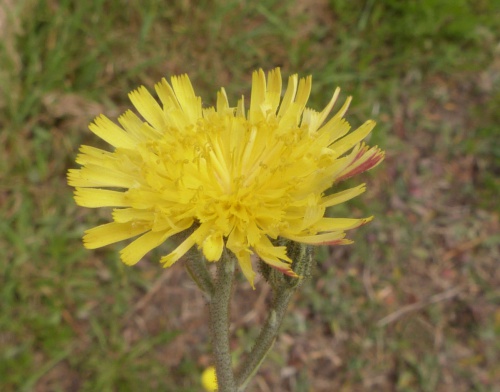 Graham Calow
Sapcote, Leicester Road near B4114
17 May 2020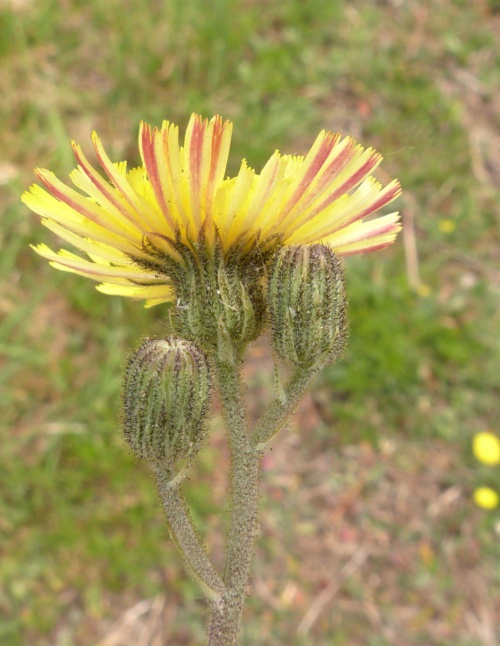 Graham Calow
Sapcote, Leicester Road near B4114
17 May 2020
multiple flowerheads on same stem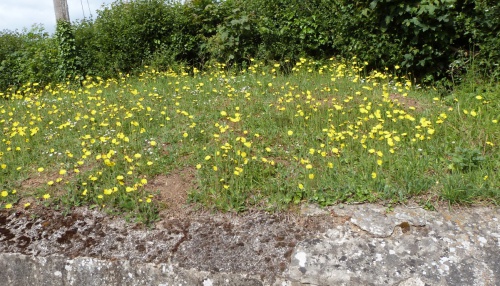 Graham Calow
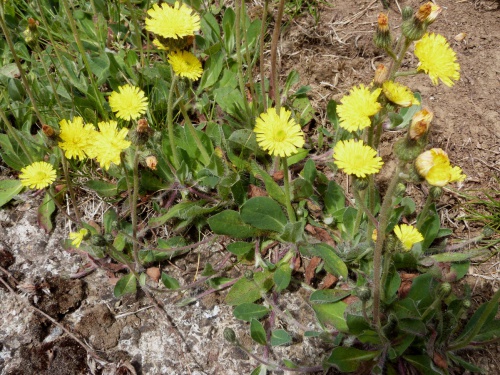
Huncote, St James the Greater Churchyard
03 June 2019
subsp. flagellaris Spreading Mouse-ear-hawkweed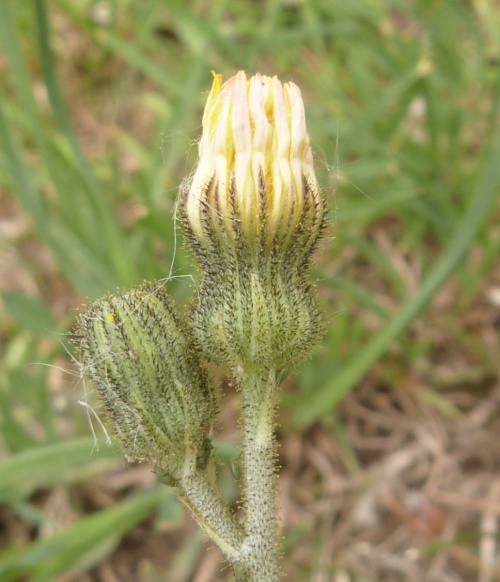 Graham Calow
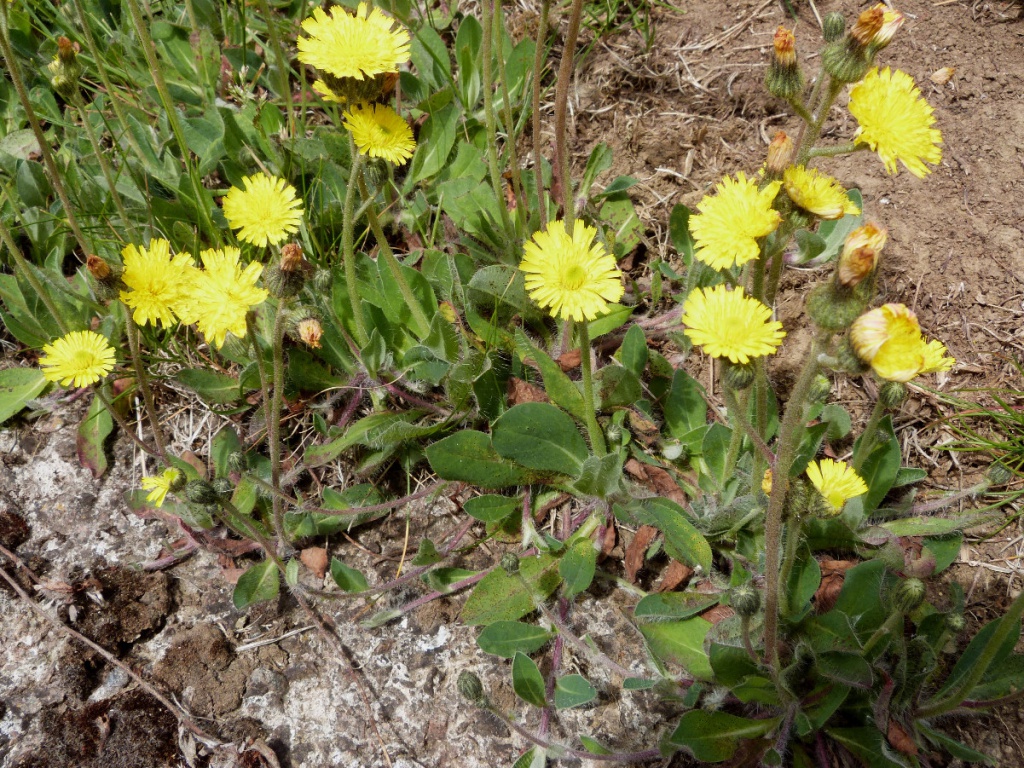
Huncote, St James the Greater Churchyard
03 June 2019
subsp. flagellaris Spreading Mouse-ear-hawkweed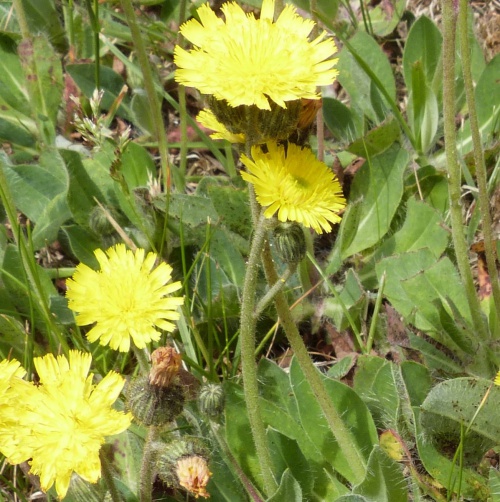 Graham Calow
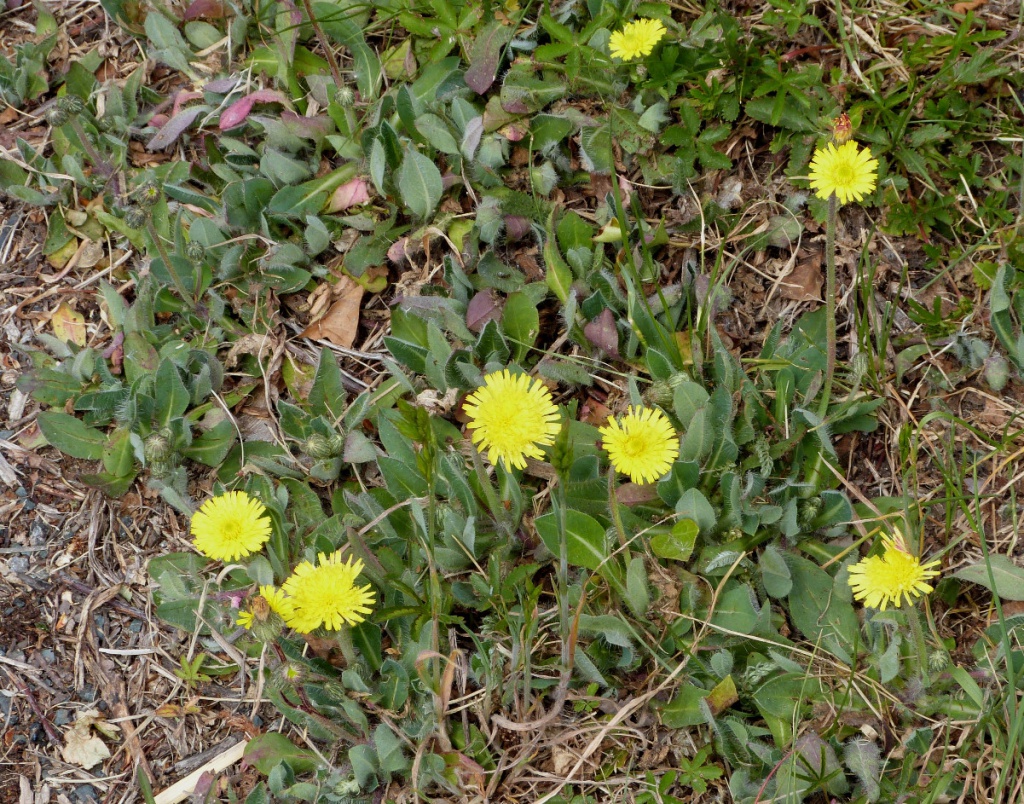
Huncote, St James the Greater Churchyard
03 June 2019
subsp. flagellaris Spreading Mouse-ear-hawkweed
 Leicester Road junction with B4114 Sapcote SP 5028 9306 (taken 24.5.2007).JPG)

Leicestershire & Rutland Map
Enter a town or village to see local records
MAP KEY:
Yellow squares = NBN records (all known data)
Coloured circles = NatureSpot records: 2025+ | 2020-2024 | pre-2020
UK Map
Species profile
- Species group:
- flowering plant
- Kingdom:
- Plantae
- Order:
- Asterales
- Family:
- Asteraceae
- Records on NatureSpot:
- 5
- First record:
- 24/05/2007 (Calow, Graham)
- Last record:
- 13/06/2023 (Nicholls, David)
Total records by month
% of records within its species group
10km squares with records
The latest images and records displayed below include those awaiting verification checks so we cannot guarantee that every identification is correct. Once accepted, the record displays a green tick.
In the Latest Records section, click on the header to sort A-Z, and again to sort Z-A. Use the header boxes to filter the list.
Latest images
Latest records
 Graham Calow
Huncote, St James the Greater Churchyard
03 June 2019
subsp. flagellaris Spreading Mouse-ear-hawkweed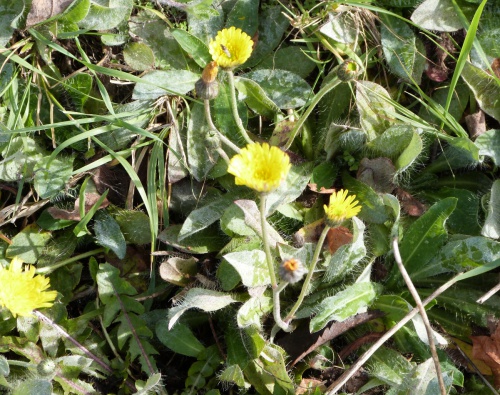 Graham Calow
Nock Verges Cemetery, Stoney Stanton
07 October 2018
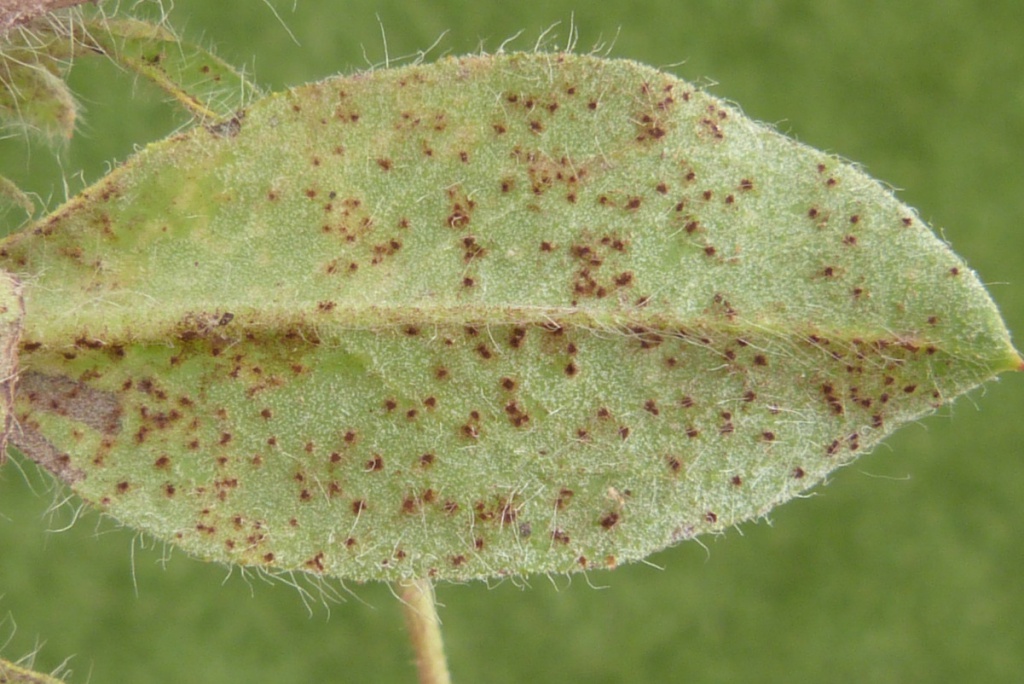
Puccinia hieracii var. piloselloidearum
The rust fungus Puccinia hieracii var. piloselloidearum affects only Mouse-ear-hawkweed (Pilosella) species. It can cause severely affected plants to become weaker and is a gall-causer.