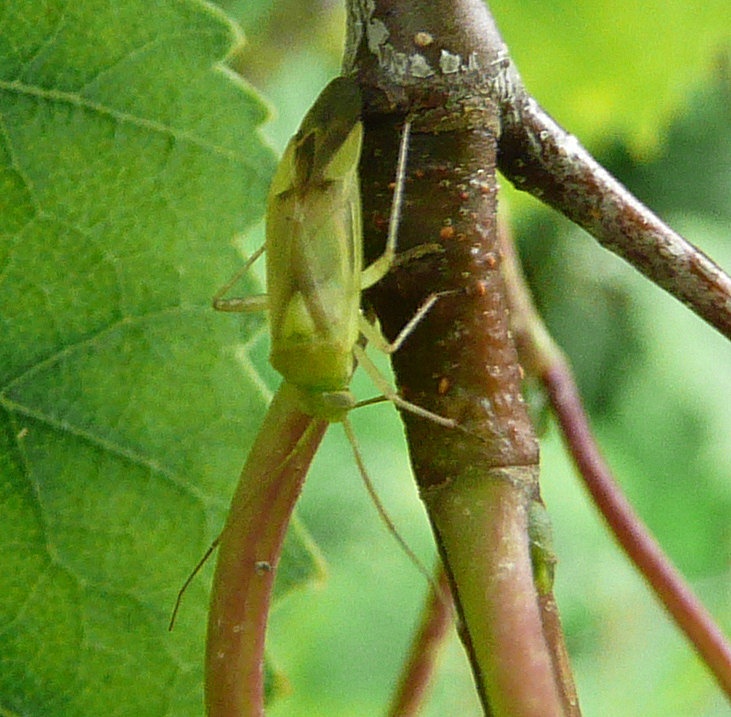
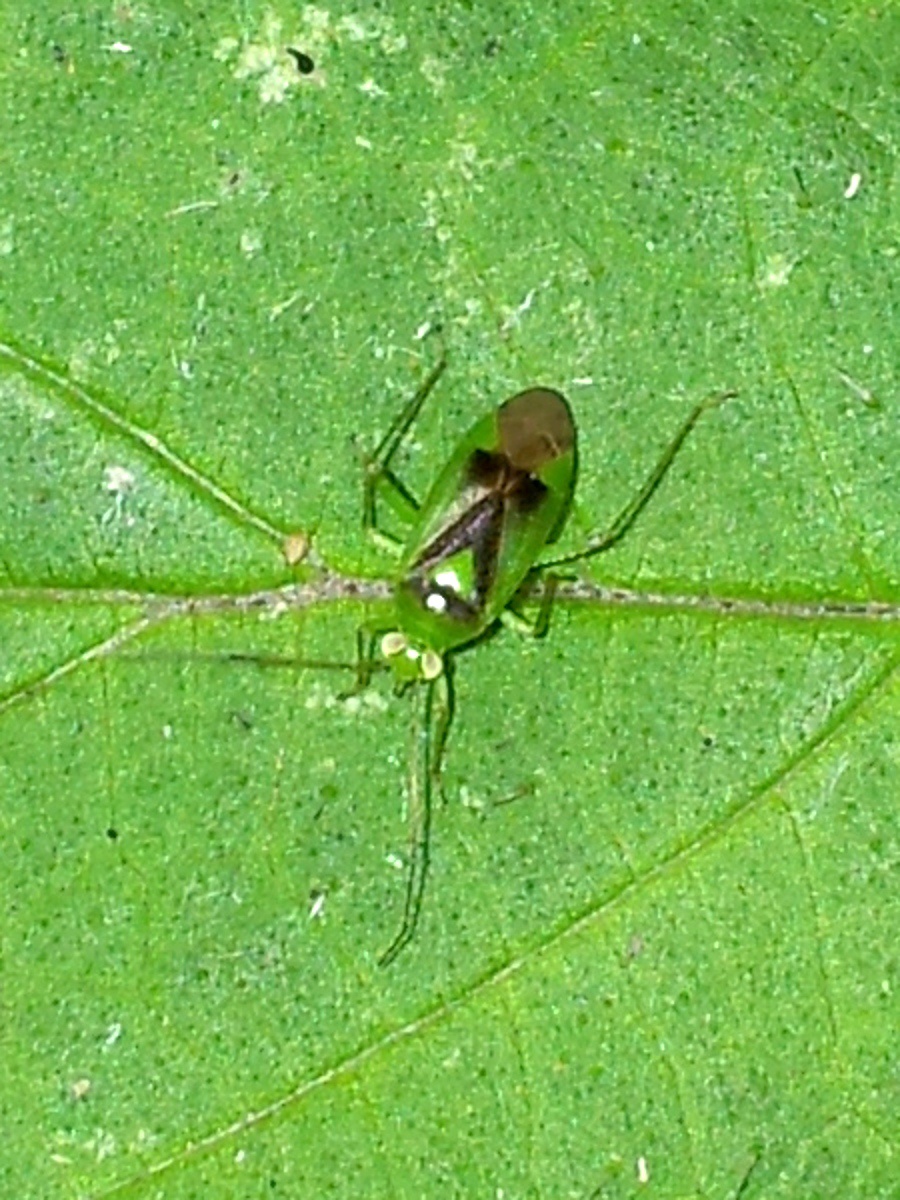
Neolygus viridis
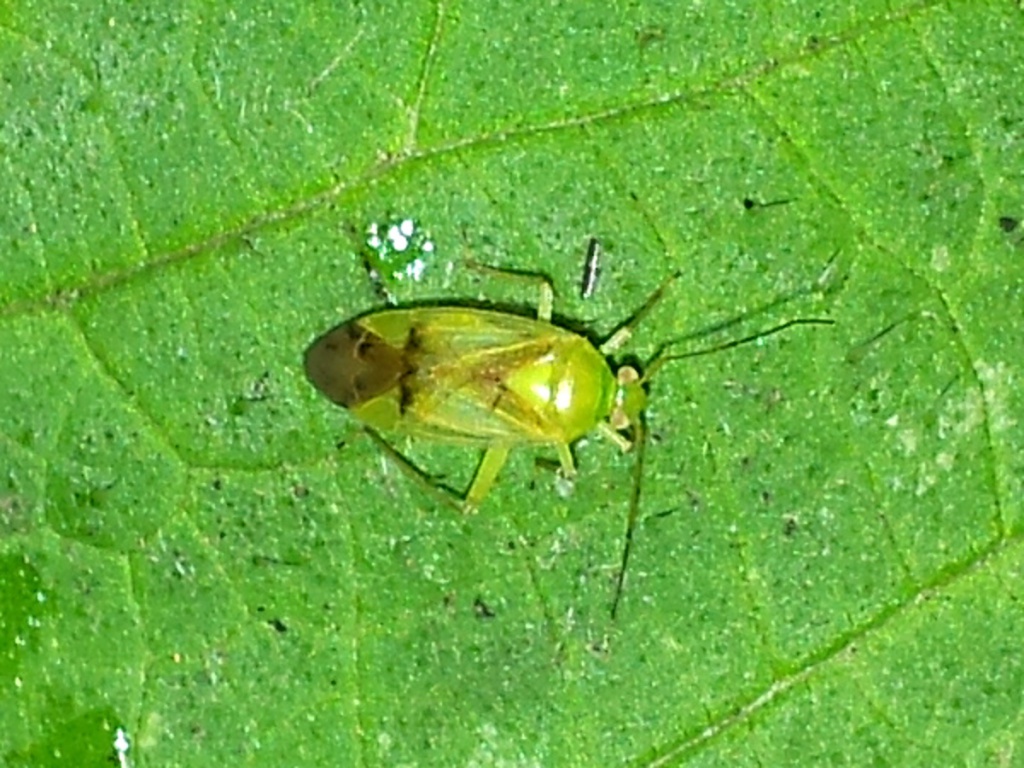
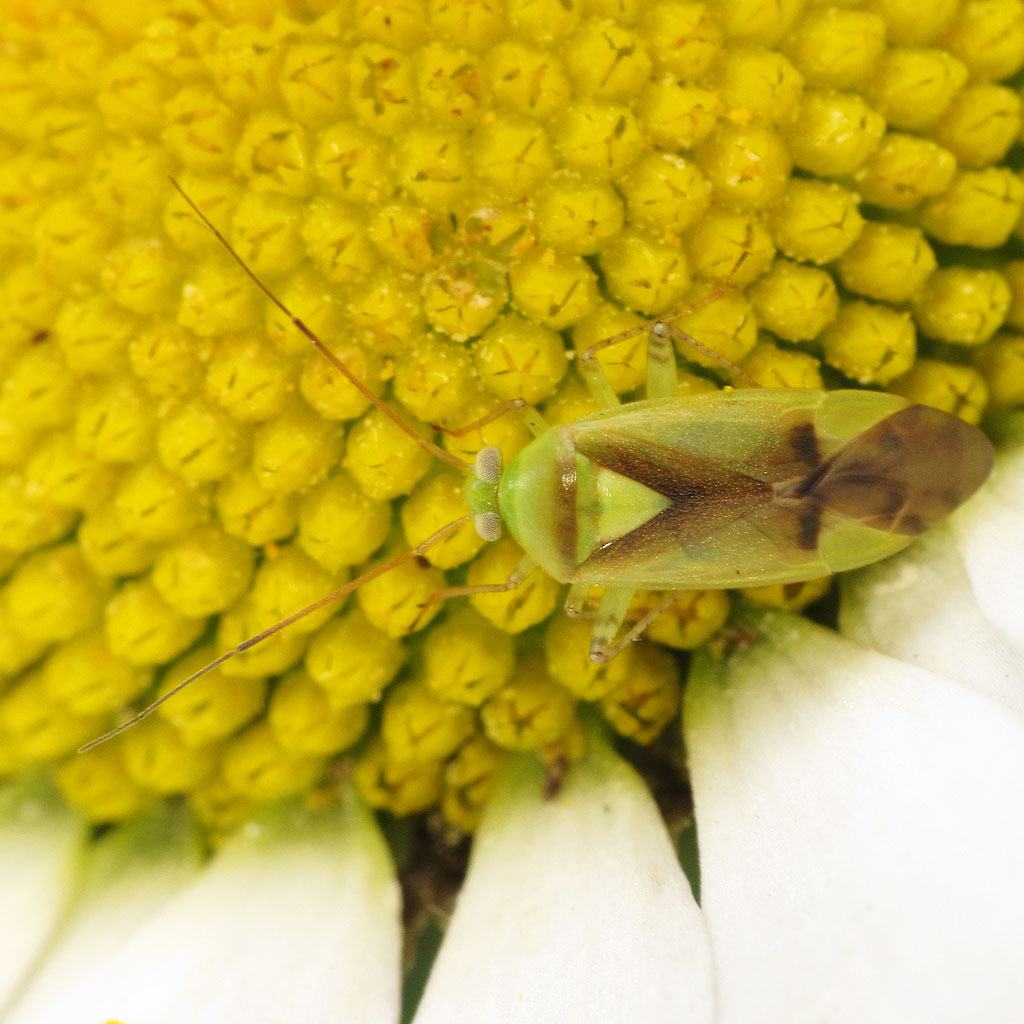
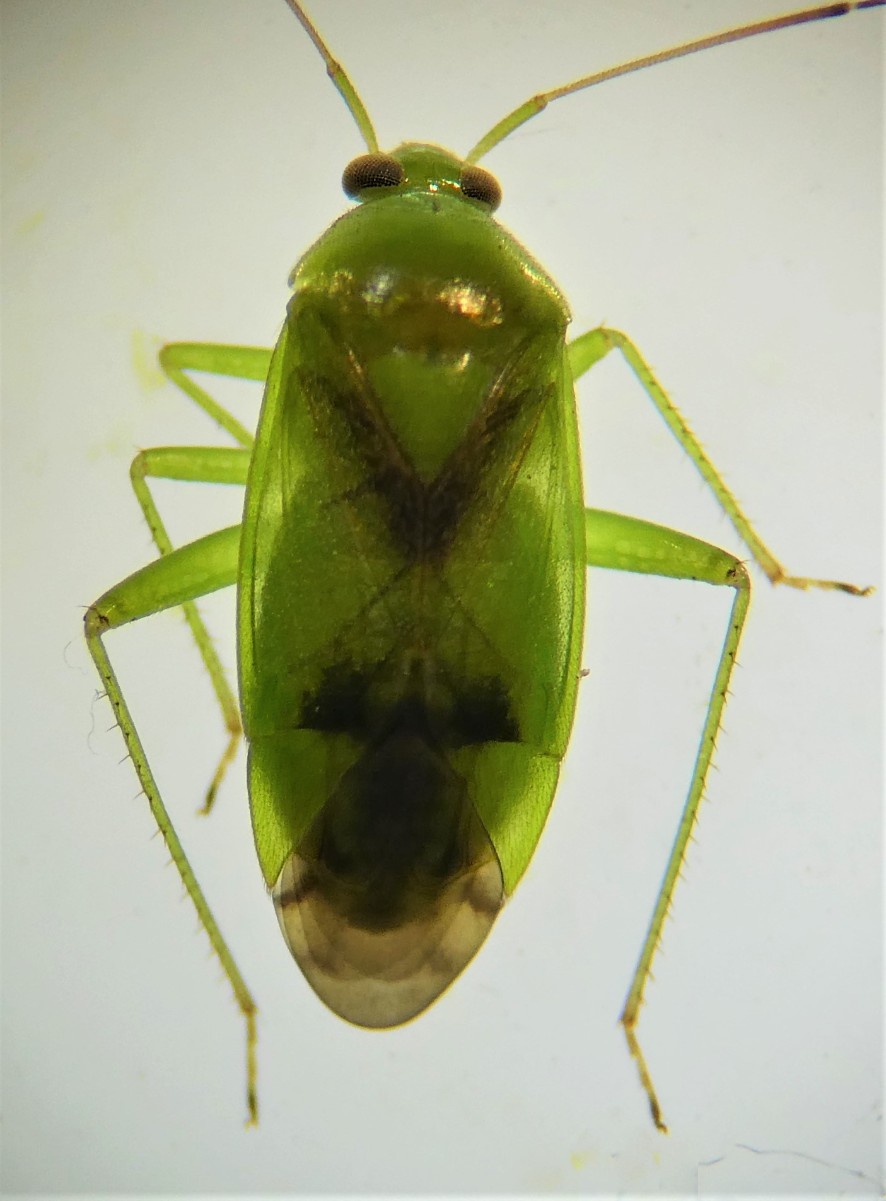
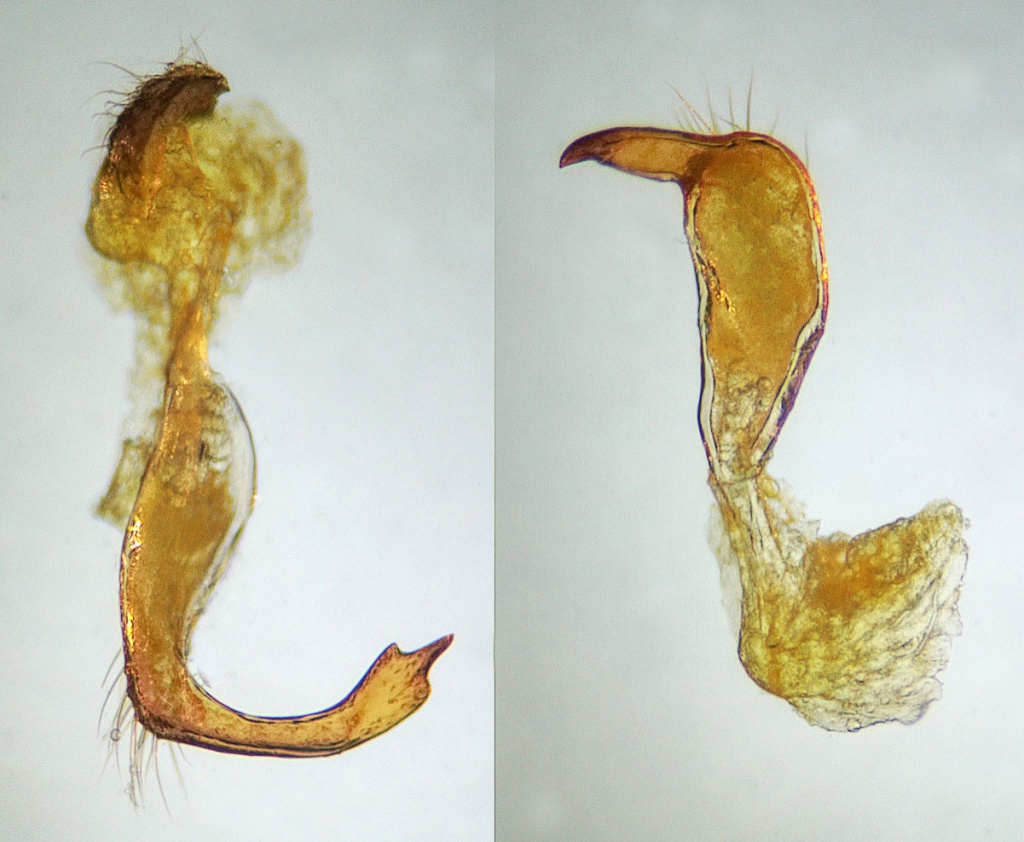
One of many similar green bugs found on various deciduous trees during summer. Length approximately 6 mm. The brown tibial spines arise from black spots and the 2nd antennal segment is longer than the width of the pronotum at the base. The clavus is partly or entirely darkened and it usually has two dark marks above the cuneus. Some individuals are less clearly marked. Males are easier to identfy than females, with a narrow vertex and large eyes. Associated with a range of deciduous tree species, especially lime
Nymphs of this species cannot be identifed with confidence.
Orthops campestris can look very similar, but has much shorter antennae and is smaller

Detailed examination of the specimen is needed to identify the species.
Found on a range of deciduous trees, in particular Lime.
Adult: June-September.
A widespread and common bug throughout Britain.
Common in Leicestershire and Rutland.
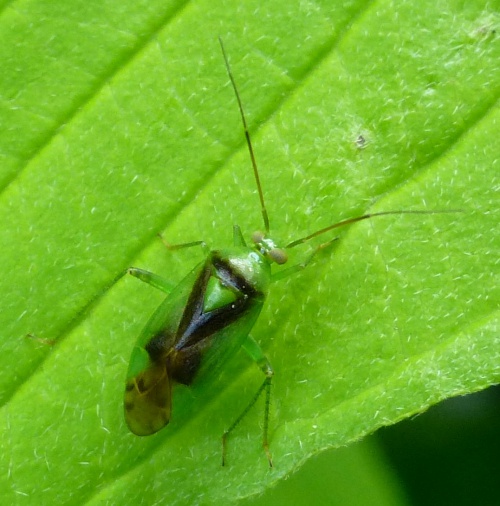 Kate Nightingale
Cropston garden
22 July 2016 Kate Nightingale
Cropston garden
22 July 2016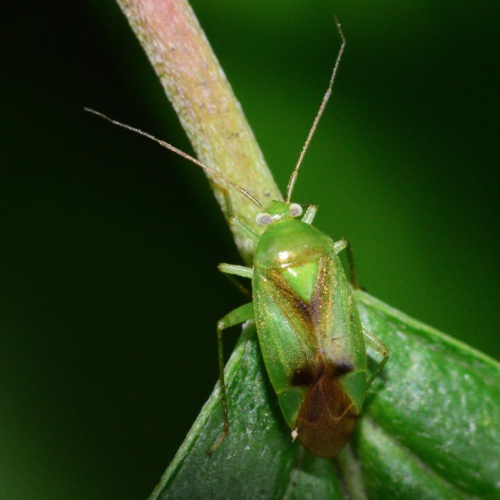 Laverock
Leicester, St Augustine Road
27 July 2023 Donkey Lane Sapcote SP 4858 9298 (taken 21.6.2009).JPG) Graham Calow
Graham Calow
Sapcote
21 June 2009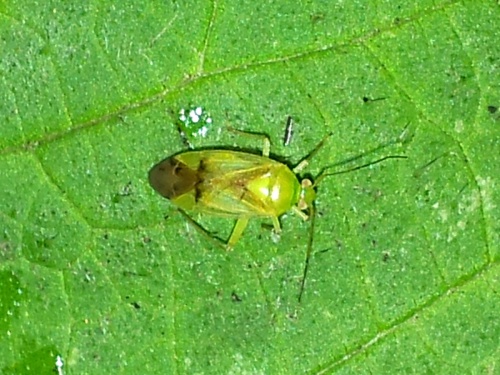 Mike Higgott
County Hall
07 July 2015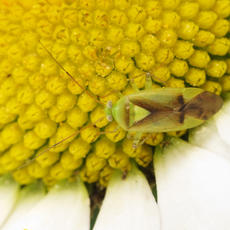 David Gould
Leicester Garden
28 May 2011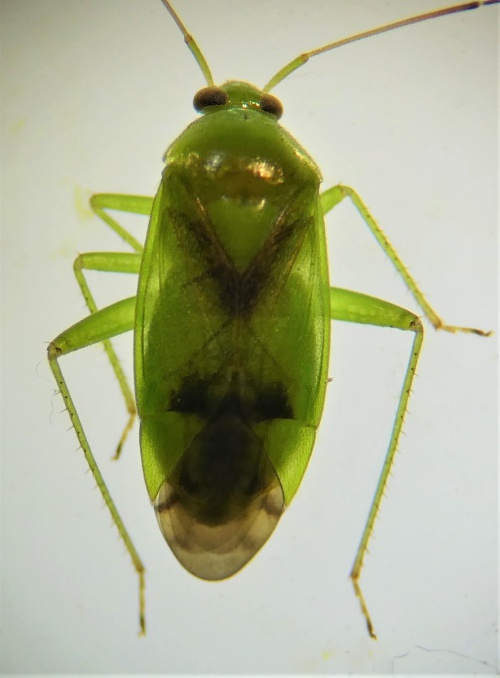 sue
sue
Ratcliffe Culey, Pinwall Lane, near Pinwall Lodge
02 July 2023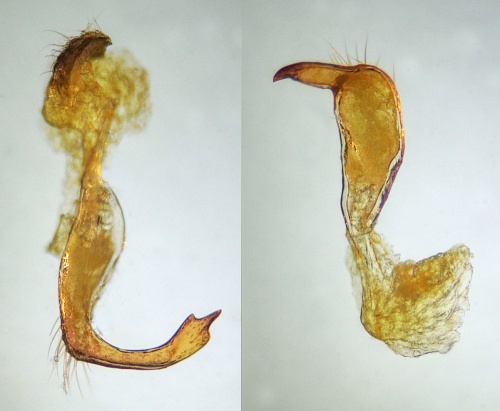 AJ Cann
Priors Coppice
30 June 2023
claspers
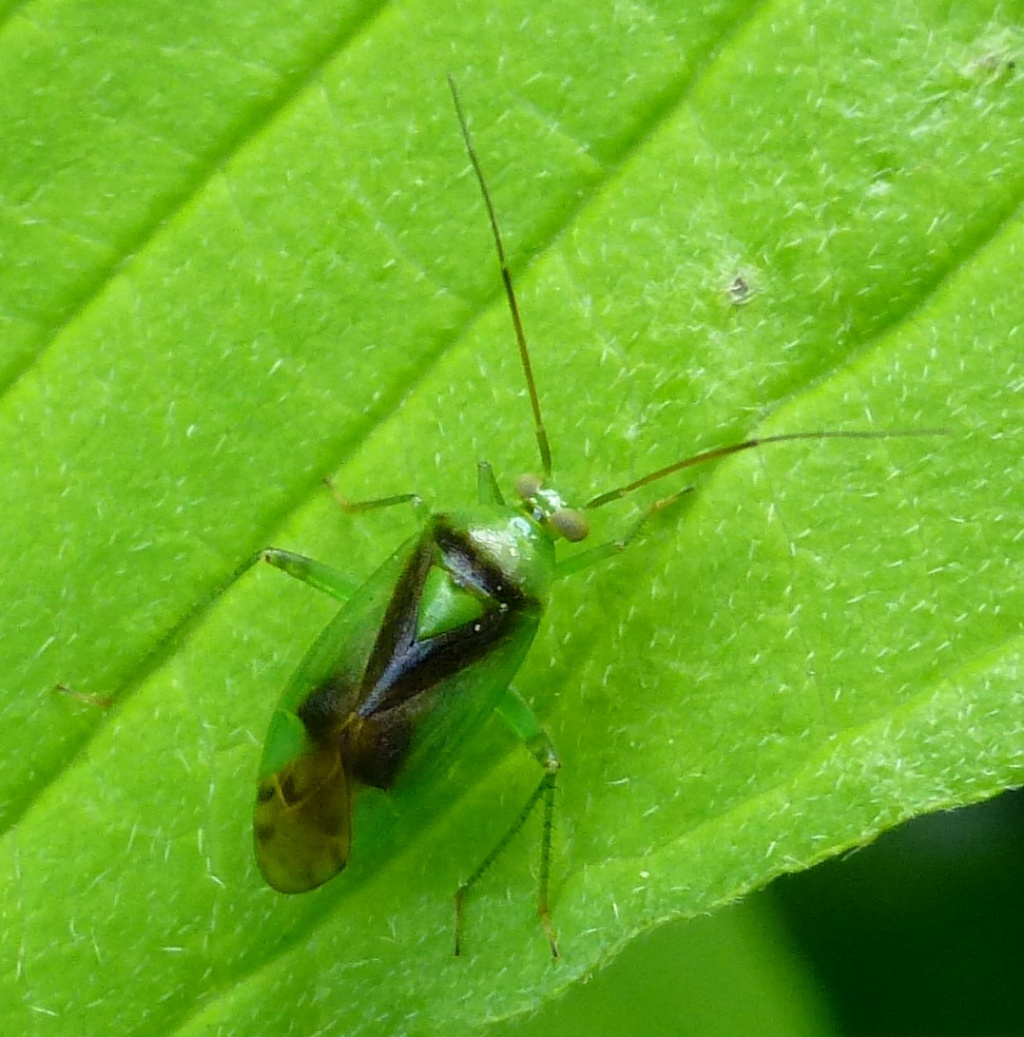
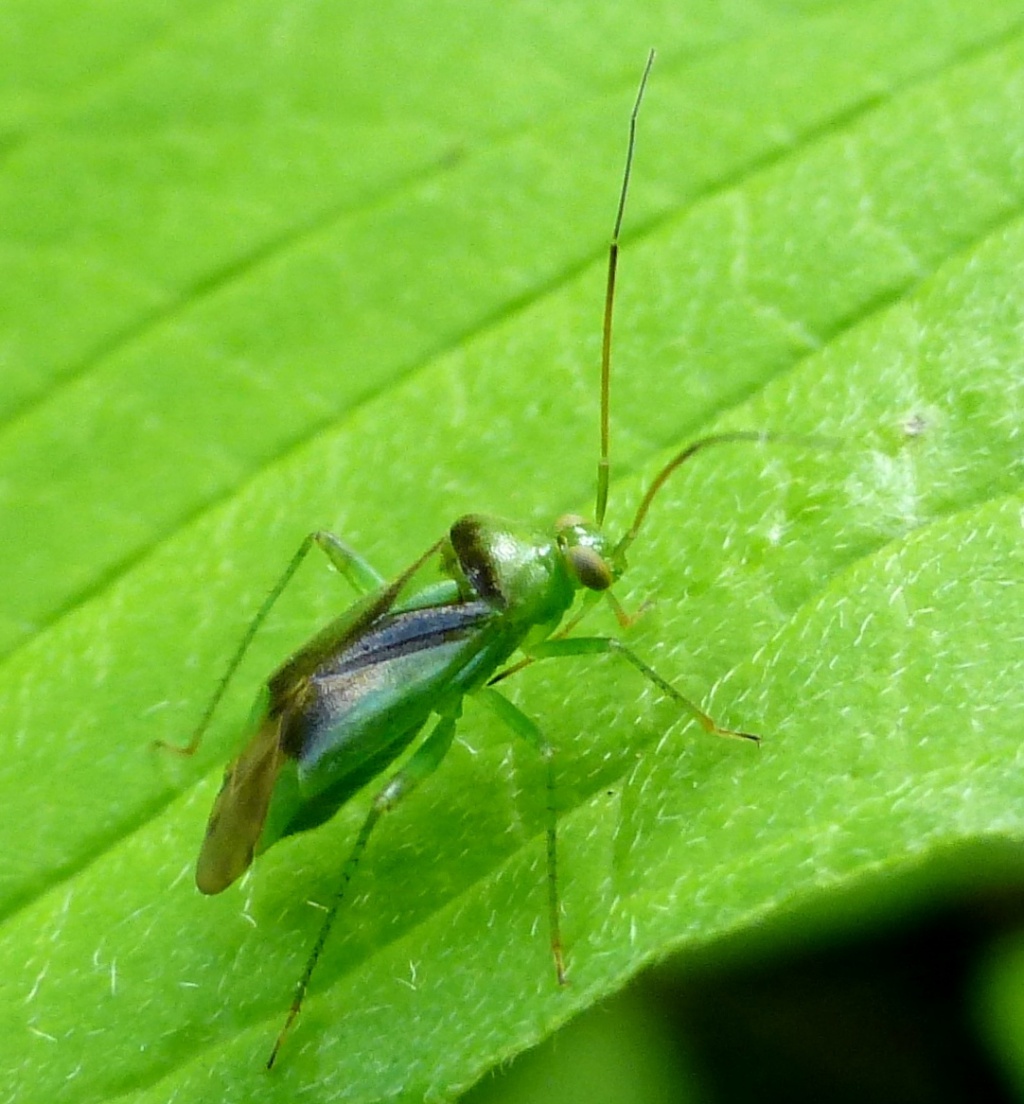
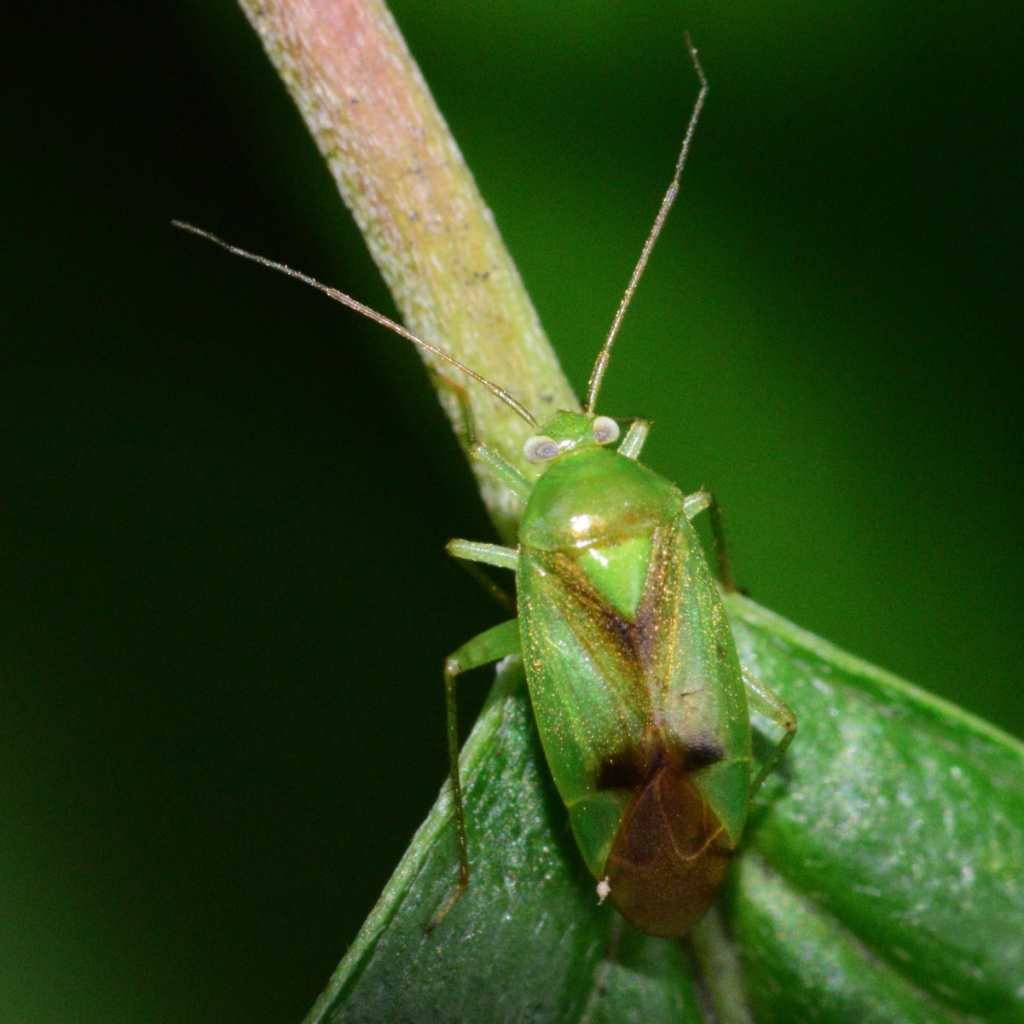
 Donkey Lane Sapcote SP 4858 9298 (taken 21.6.2009).JPG)
Leicestershire & Rutland Map
Enter a town or village to see local records
MAP KEY:
Yellow squares = NBN records (all known data)
Coloured circles = NatureSpot records: 2025+ | 2020-2024 | pre-2020
UK Map
Species profile
- Species group:
- insect - true bug (Hemiptera)
- Kingdom:
- Animalia
- Order:
- Hemiptera
- Family:
- Miridae
- Records on NatureSpot:
- 30
- First record:
- 21/06/2009 (Calow, Graham)
- Last record:
- 27/07/2025 (Timms, Sue)
Total records by month
% of records within its species group
10km squares with records
The latest images and records displayed below include those awaiting verification checks so we cannot guarantee that every identification is correct. Once accepted, the record displays a green tick.
In the Latest Records section, click on the header to sort A-Z, and again to sort Z-A. Use the header boxes to filter the list.
Latest images
Latest records
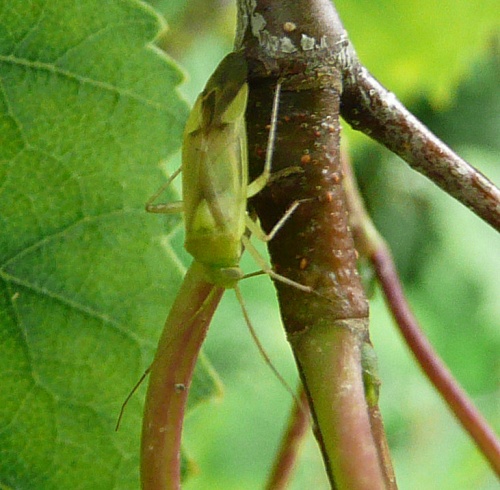 Barbara Cooper
Long Clawson
23 June 2012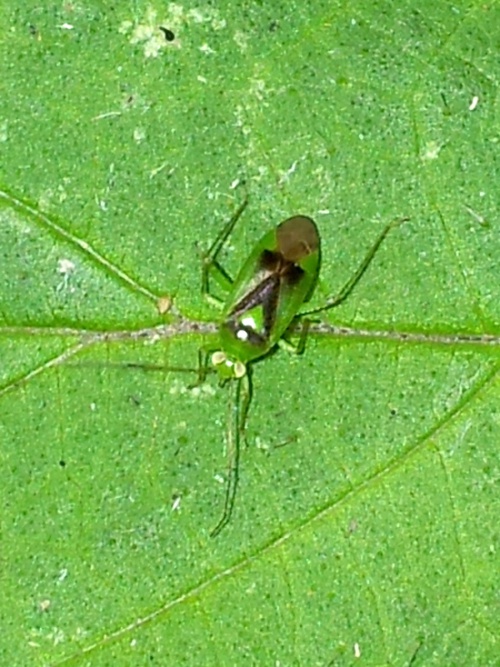 Mike Higgott
County Hall
16 July 2015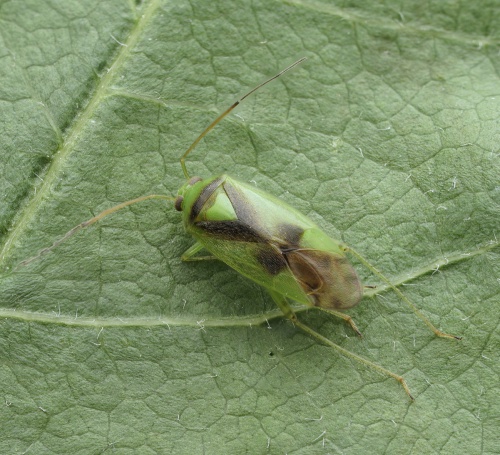 AJ Cann
Priors Coppice
30 June 2023
male