

Common Meadow-rue - Thalictrum flavum
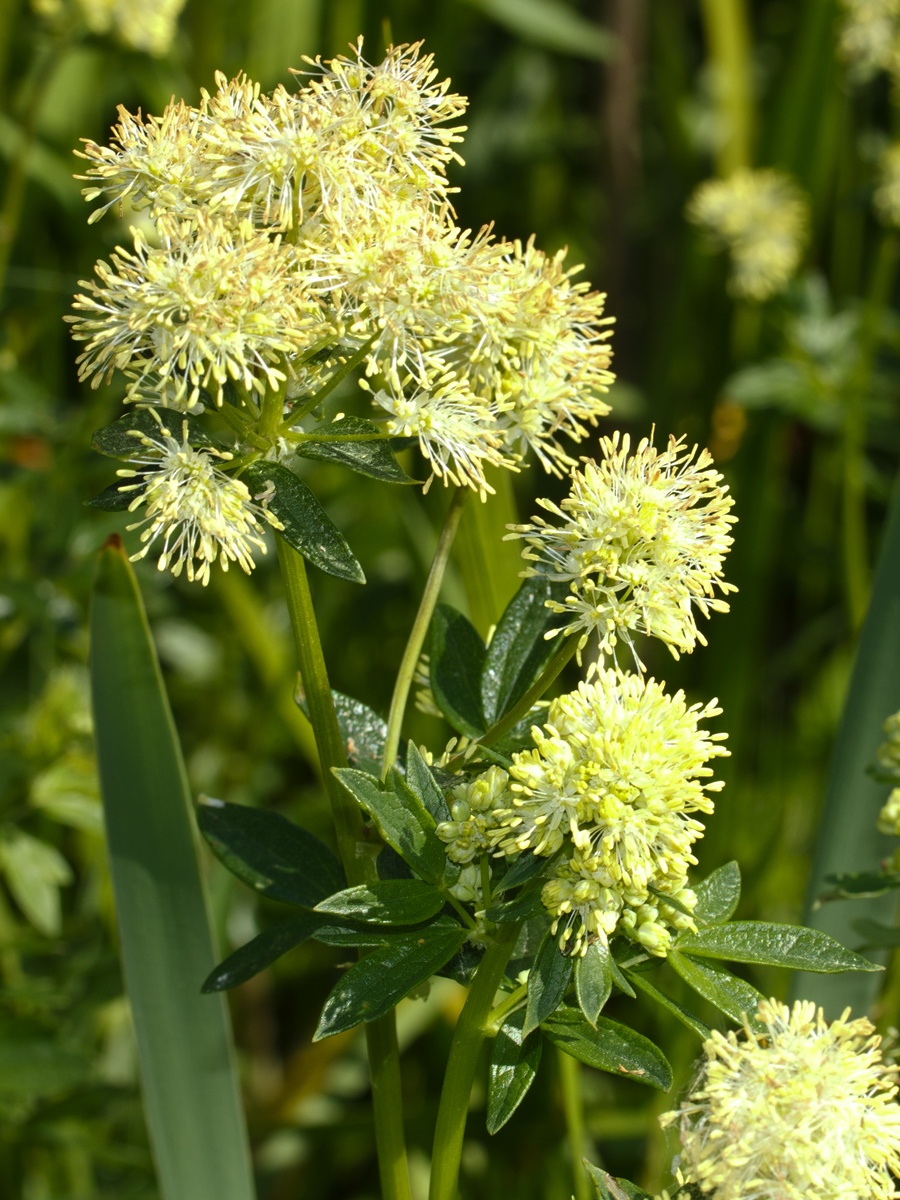
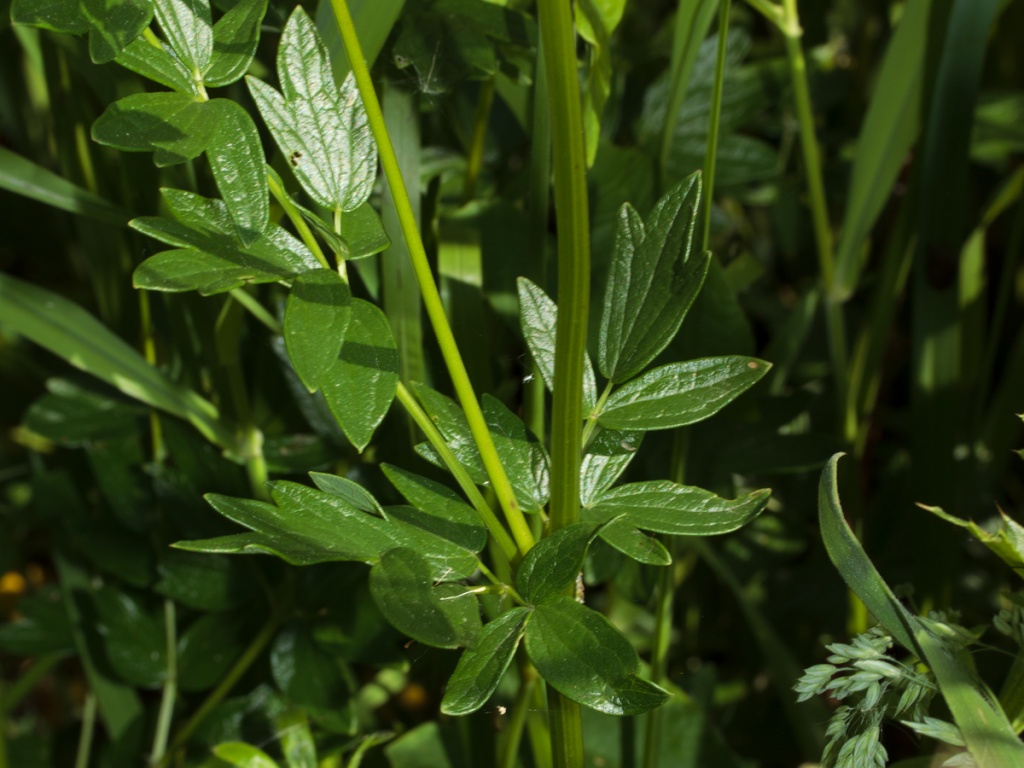
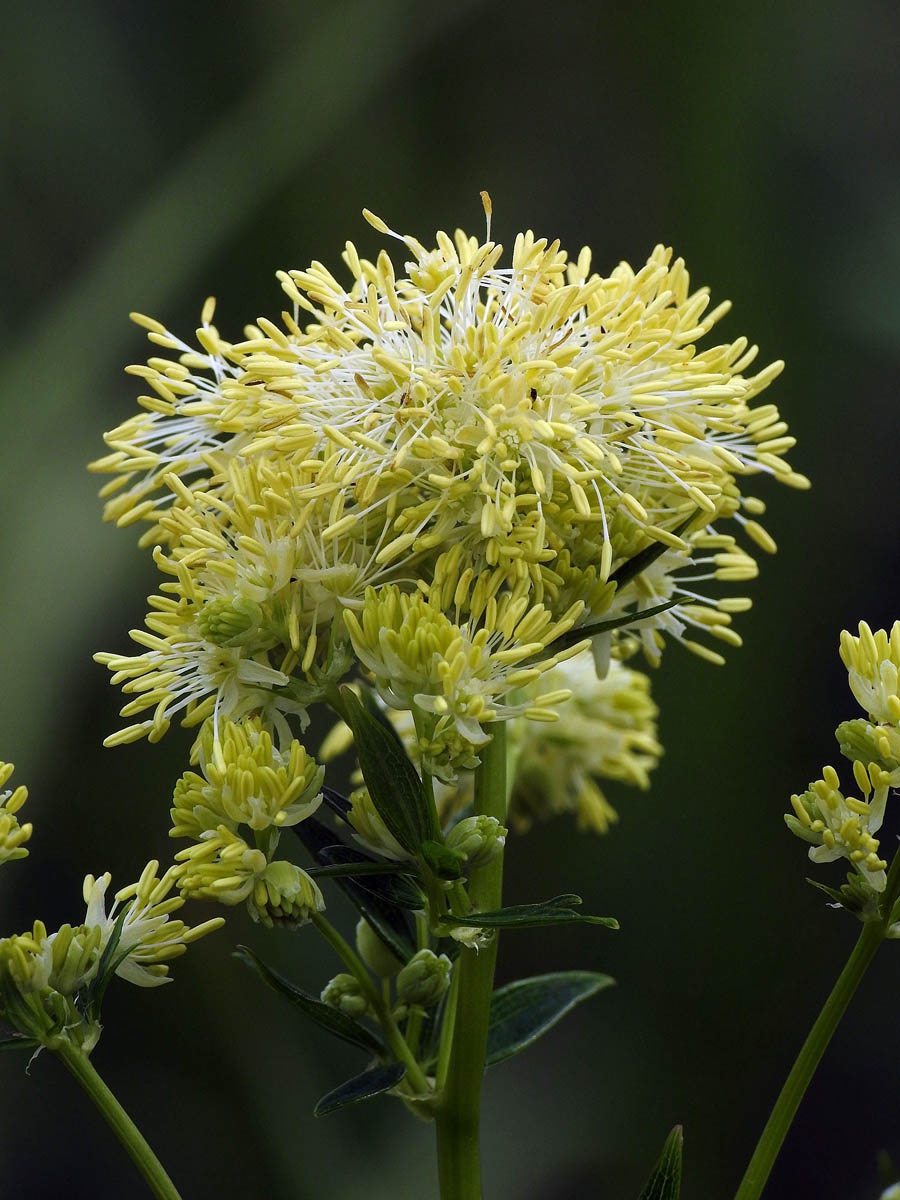
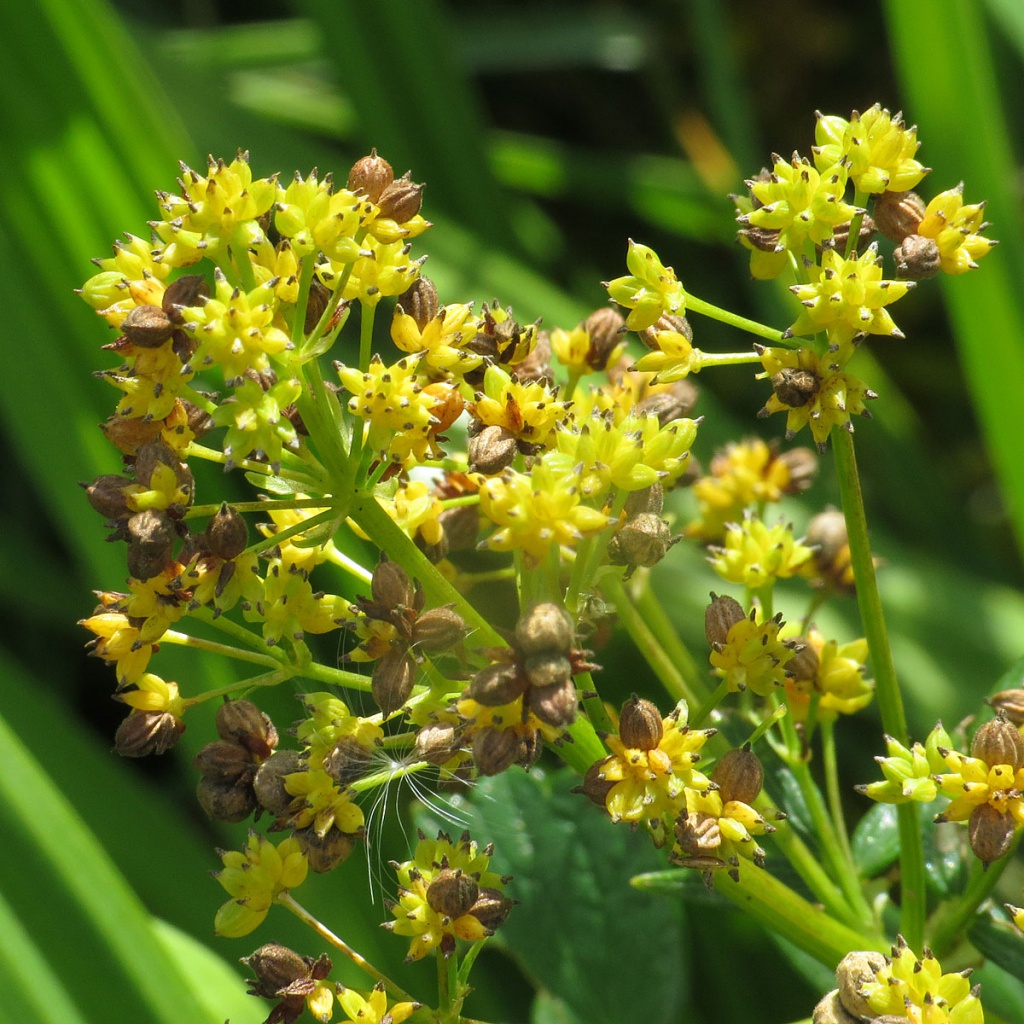
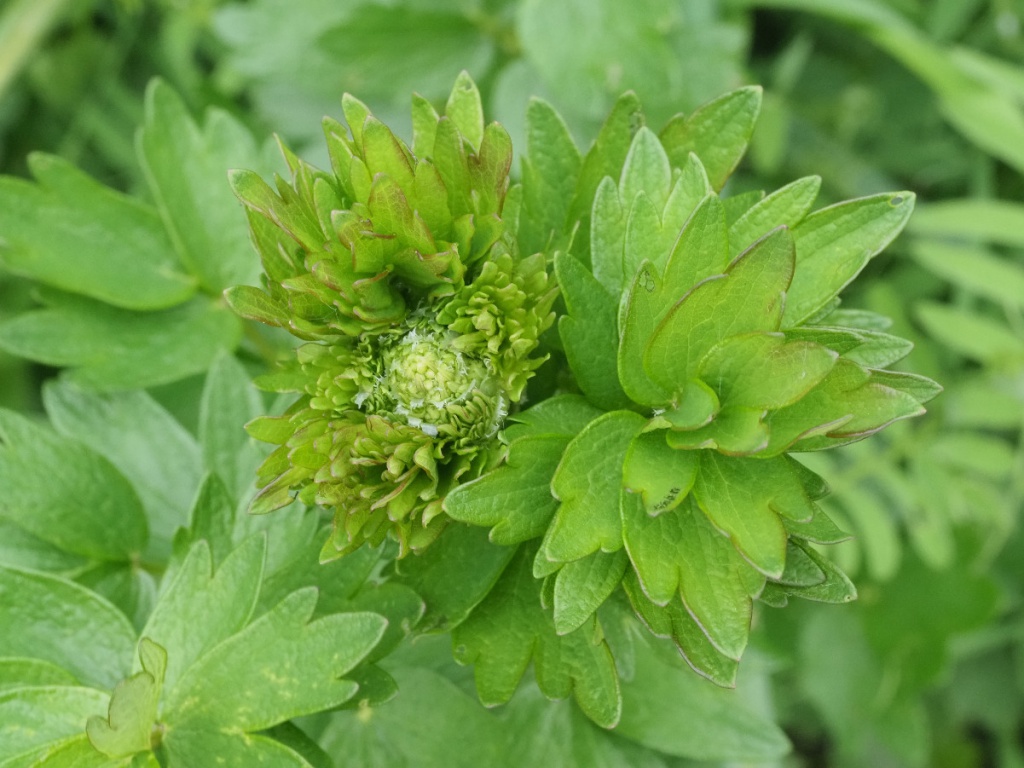
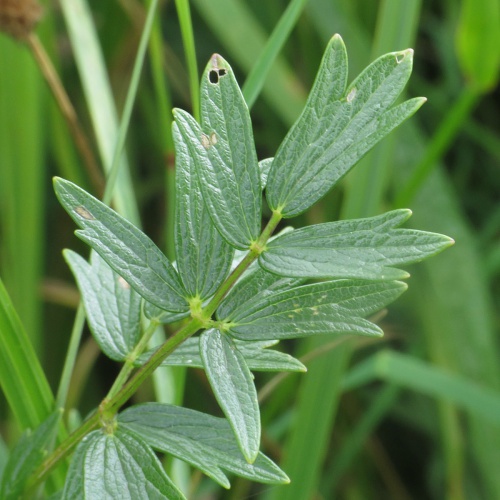
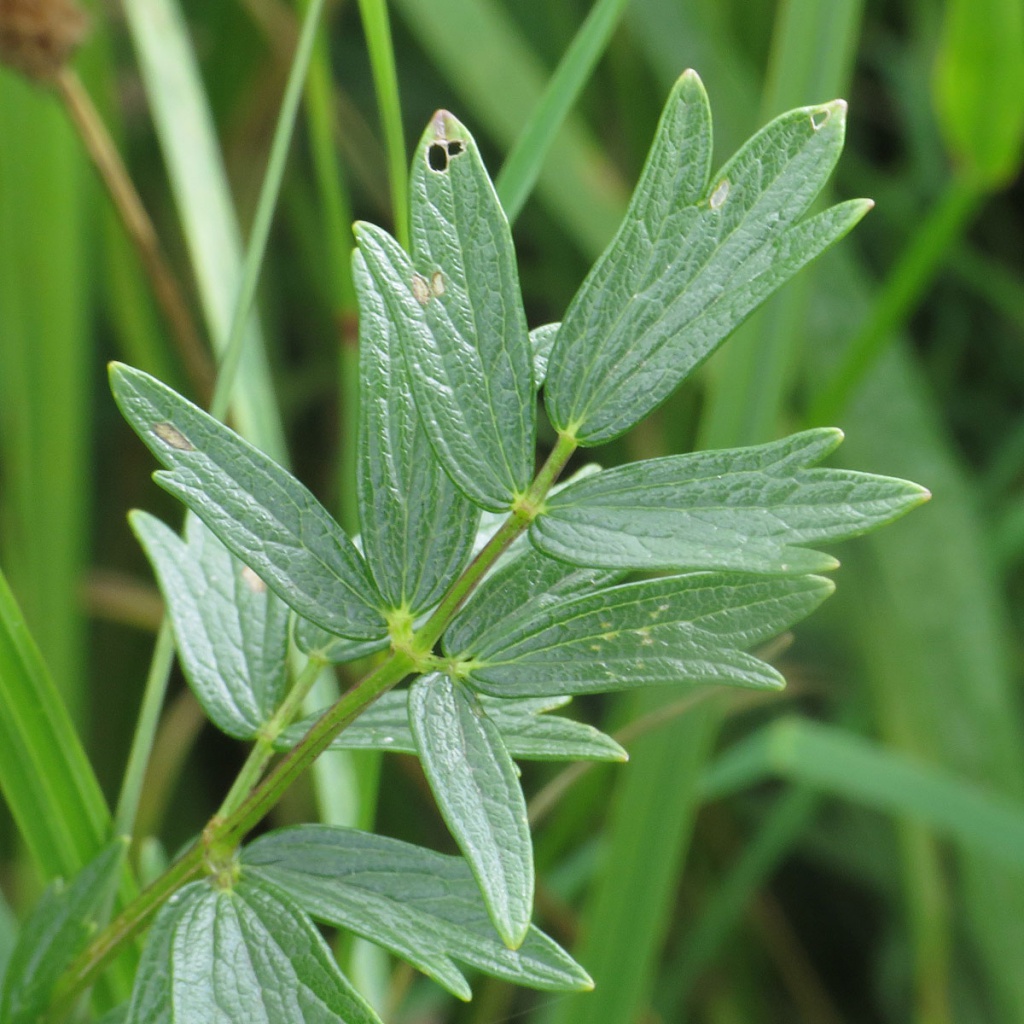
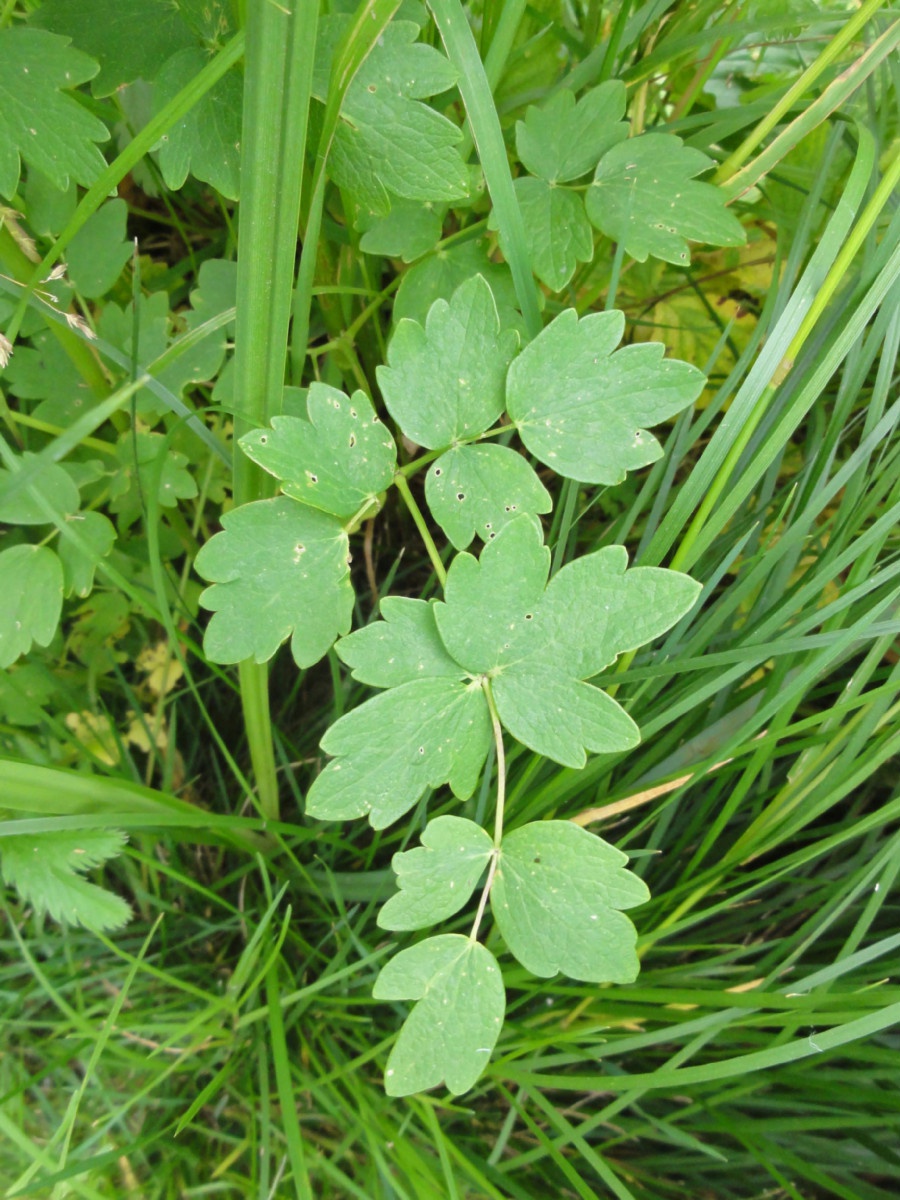
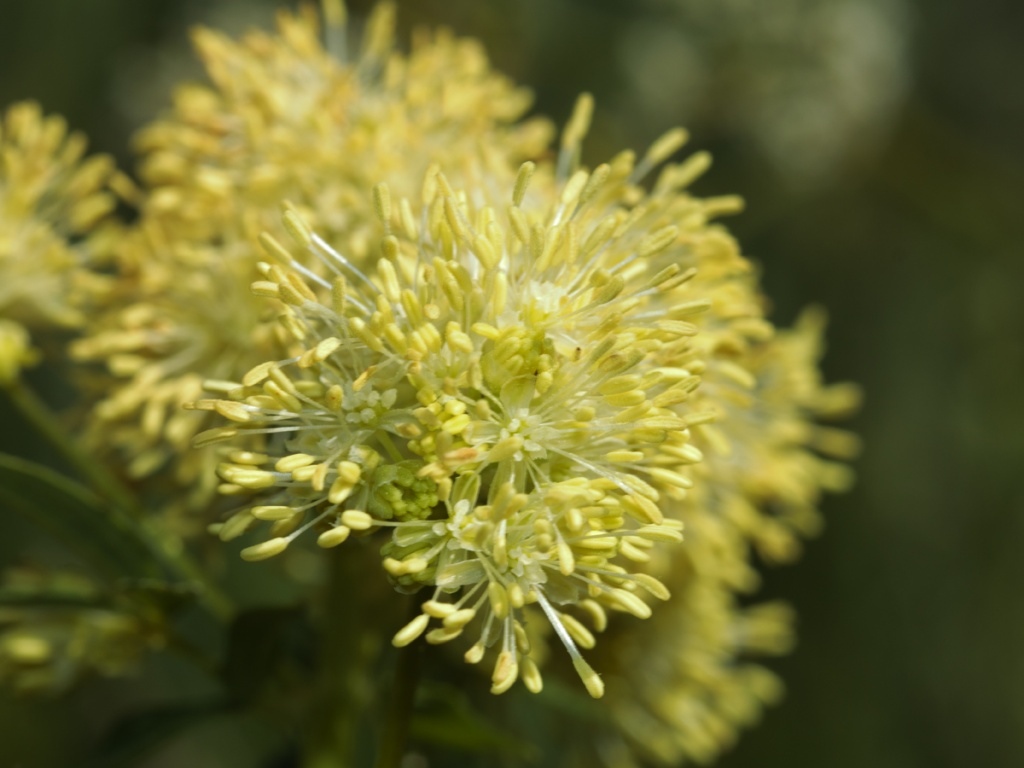
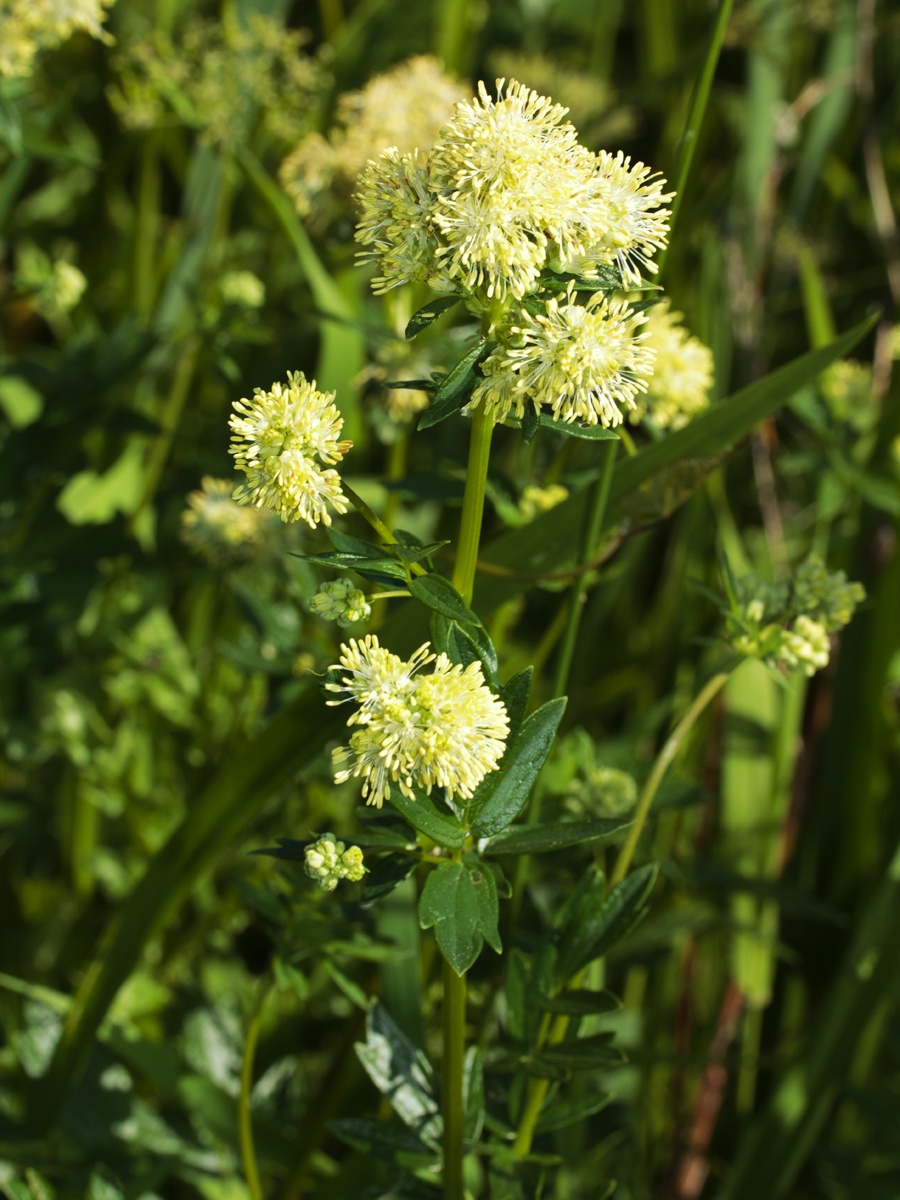
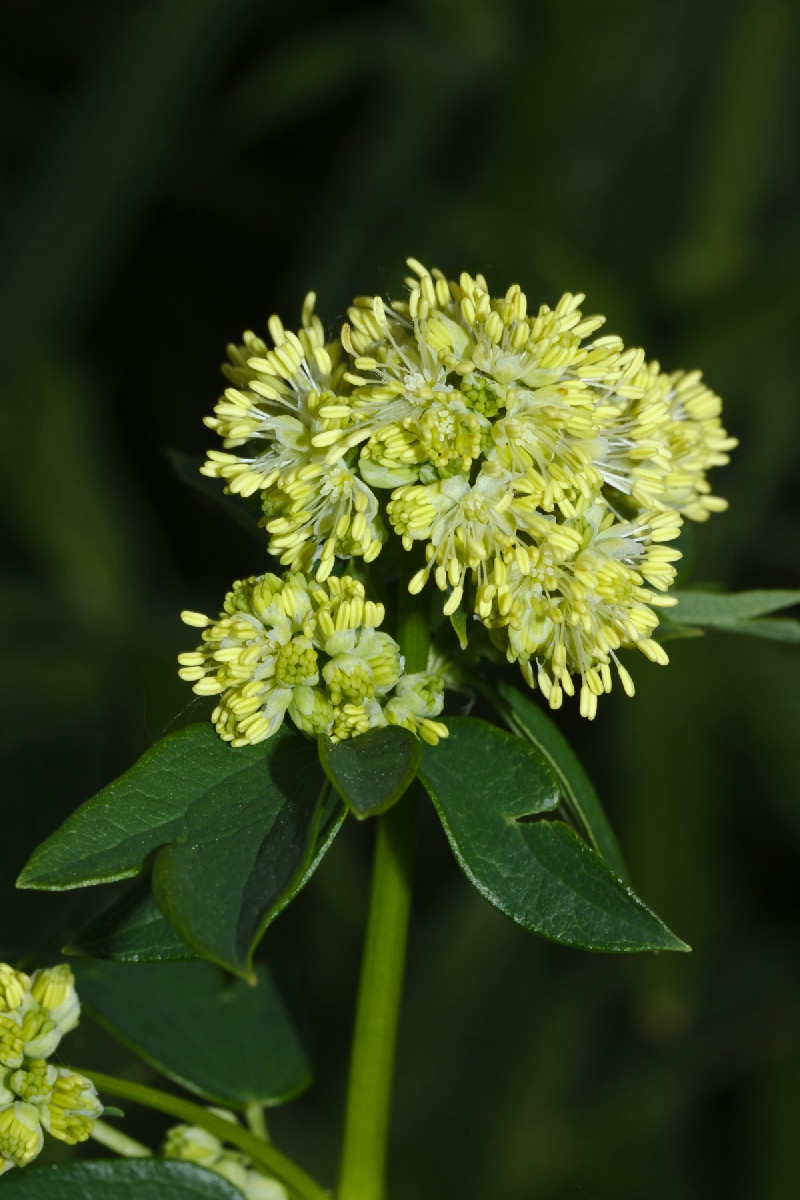
This plant reaches 50 to 100 cm in height and has a far reaching, rhizomatous stock. Leaves are 2 or 3 pinnate and the leaflets are oblong-wedge-shaped 3 or 4 lobed. Flowers are creamy yellow in dense panicles, stamens erect.

Wet grassy habitats, marshes and river and stream margins.
June to August.
Perennial.
Fairly widespread but local in Britain as far north as Inverness.
Local and sparsely distributed in Leicestershire and Rutland. In the 1979 Flora survey of Leicestershire it was found in 31 of the 617 tetrads.
If the plant is in fruit, keep an eye out for the galls of Ametrodiplosis thalictricola
 HAPeacock
River Soar - St Marys Mill
14 June 2012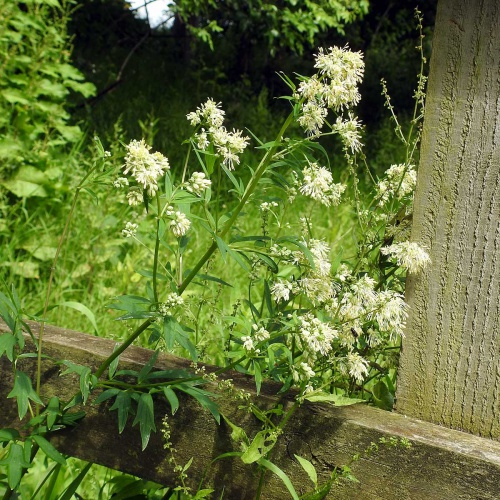 David Gould
Aylestone Meadows, Leicester.
18 June 2016 Peter Smith
Aylestone Meadows
10 July 2013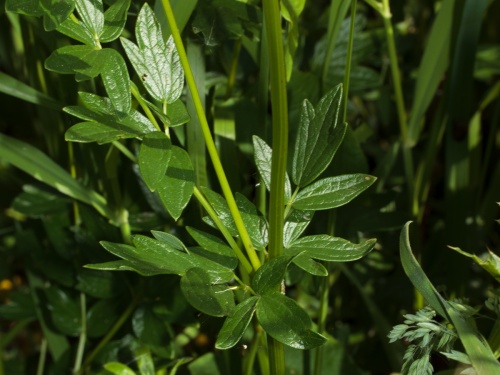 HAPeacock
River Soar - St Marys Mill
14 June 2012
leaves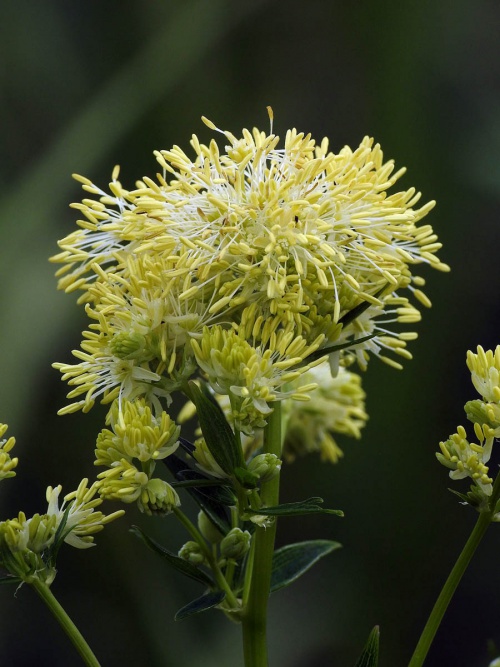 David Gould
The Spearwort Fields
12 June 2016 David Gould
The Spearwort Fields
16 August 2015
fruit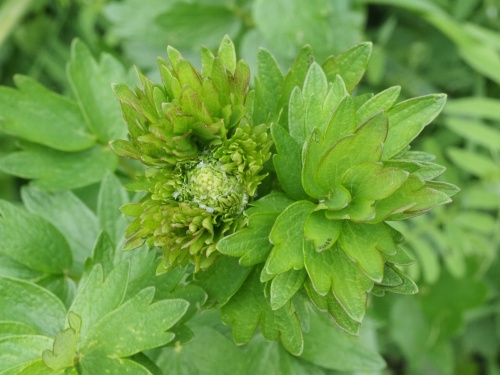 David Nicholls
Aylestone Meadows, nr Pebble Beach
13 May 2023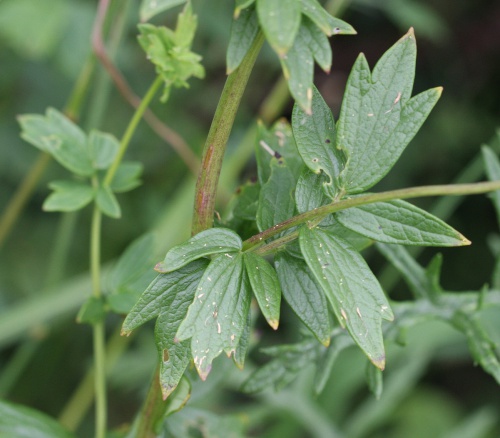 David Nicholls
Spearwort Fields
23 June 2017



Leicestershire & Rutland Map
Enter a town or village to see local records
MAP KEY:
Yellow squares = NBN records (all known data)
Coloured circles = NatureSpot records: 2025+ | 2020-2024 | pre-2020
UK Map
Species profile
- Common names
- Common Meadow-rue
- Species group:
- flowering plant
- Kingdom:
- Plantae
- Order:
- Ranunculales
- Family:
- Ranunculaceae
- Records on NatureSpot:
- 20
- First record:
- 14/06/2012 (Peacock, H A)
- Last record:
- 02/05/2026 (Smith, Peter)
Total records by month
% of records within its species group
10km squares with records
The latest images and records displayed below include those awaiting verification checks so we cannot guarantee that every identification is correct. Once accepted, the record displays a green tick.
In the Latest Records section, click on the header to sort A-Z, and again to sort Z-A. Use the header boxes to filter the list.
Latest images
Latest records
 David Gould
The Spearwort Fields
16 August 2015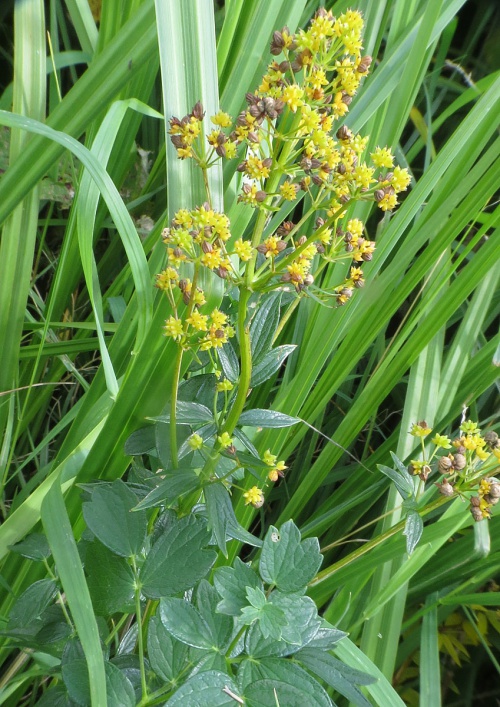 David Gould
The Spearwort Fields
16 August 2015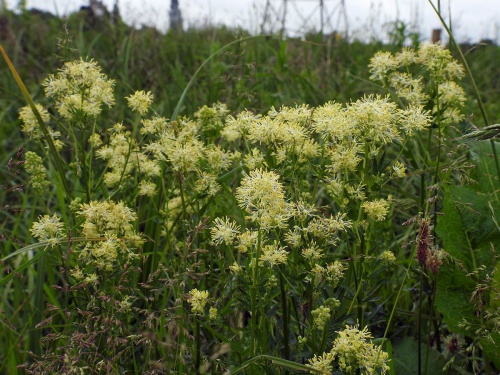 David Gould
The Spearwort Fields
12 June 2016 Peter Smith
Aylestone Meadows
10 July 2013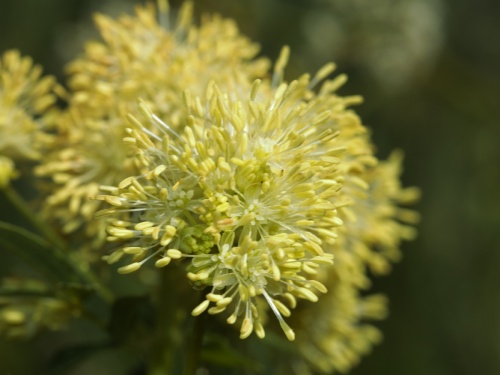 HAPeacock
River Soar - St Marys Mill
14 June 2012 HAPeacock
River Soar - St Marys Mill
14 June 2012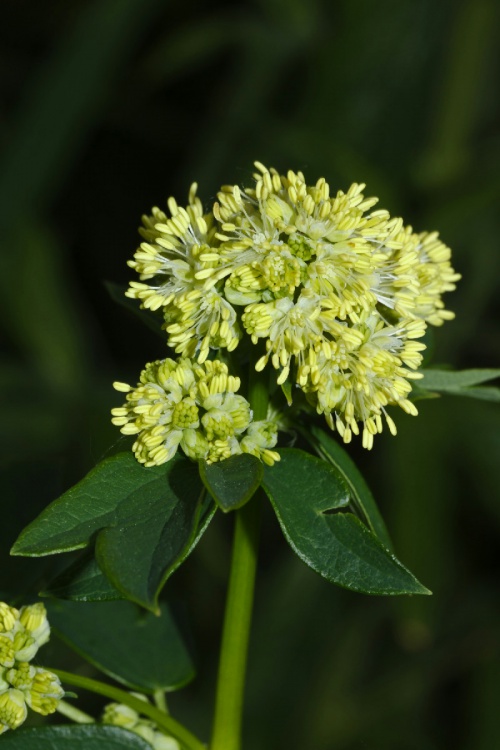 HAPeacock
River Soar - St Mary's Mills
02 July 2013 AJ Cann
The Spearwort Fields
02 July 2016


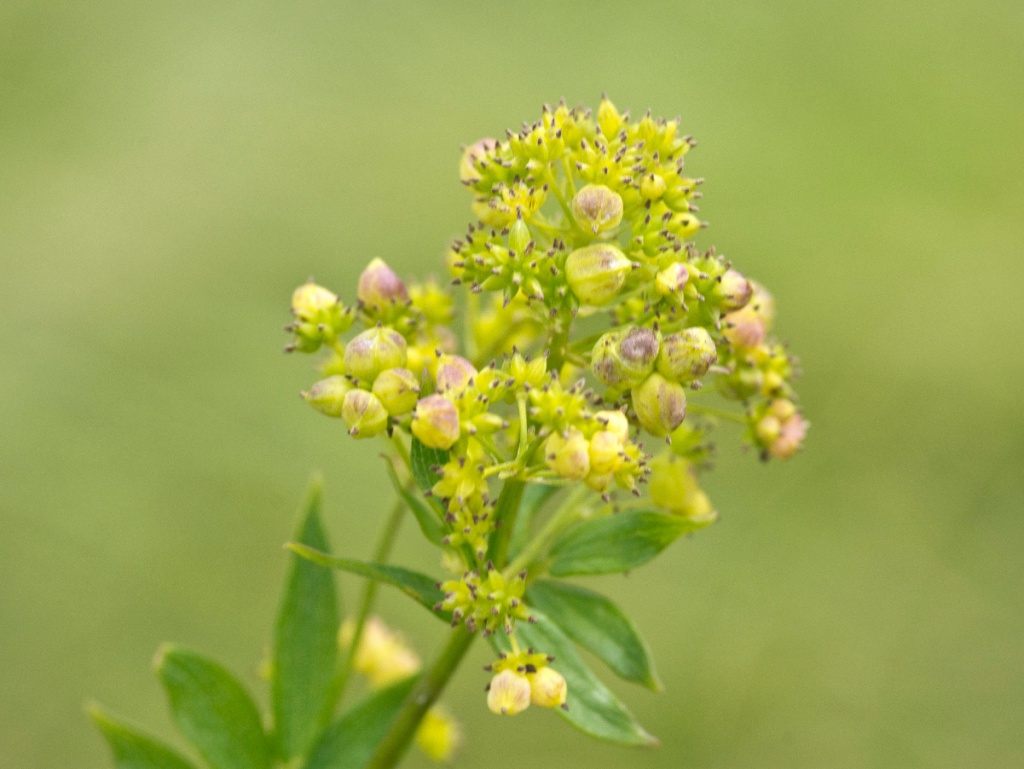
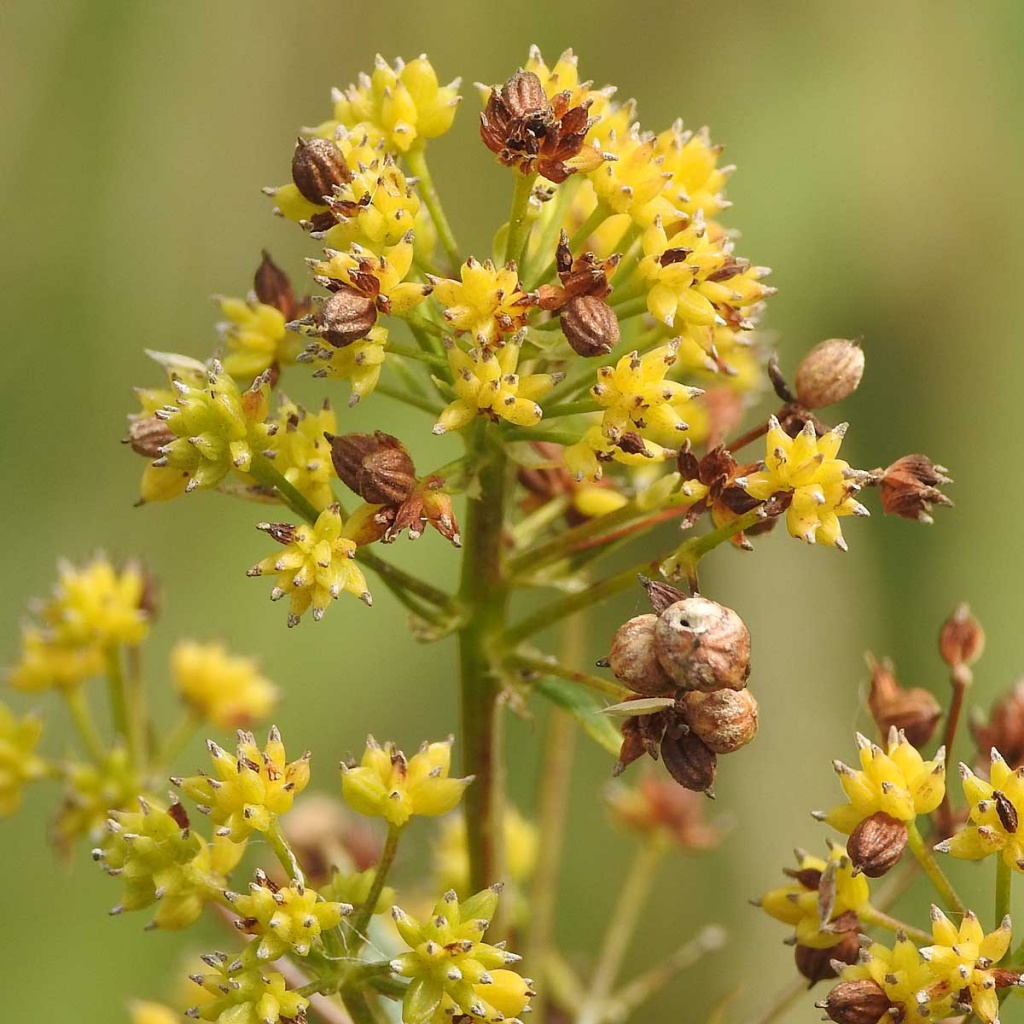
Ametrodiplosis thalictricola
The larvae of the midge Ametrodiplosis thalictricola cause galls on the fruits of Common Meadow-rue (Thalictrum flavum). The fruits become swollen and egg-shaped with a thickened wall, they are ribbed and pointed and contain one or two yellow larvae instead of seeds.
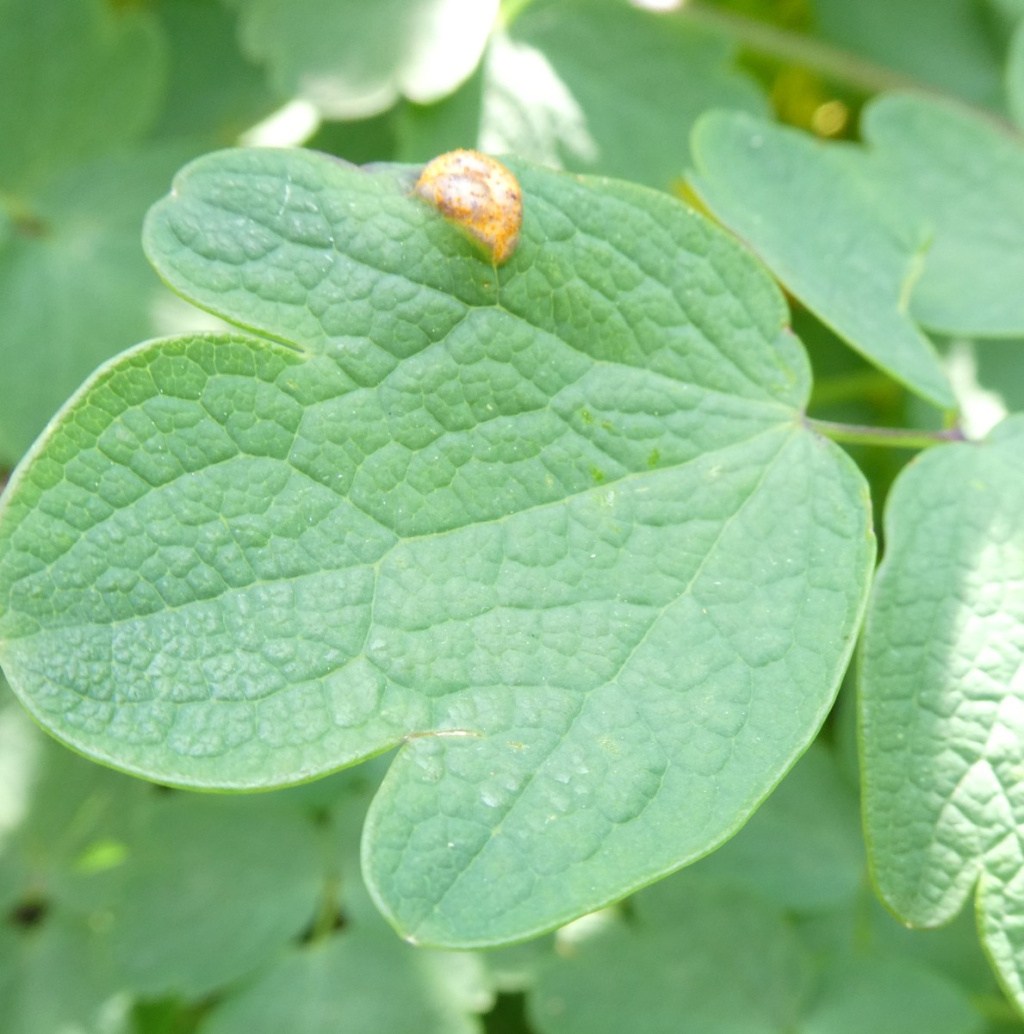
Puccinia recondita s. lat.
The aecial stage of the rust fungus Puccinia recondita causes galls on plants in various families including Ranunculaceae and Boraginaceae (e.g on Common Meadow-rue (Thalictrum flavum), or Bugloss Anchusa arvensis and Viper's Bugloss Echium vulgare). The orange aecia are borne on swollen or raised areas on the leaves.