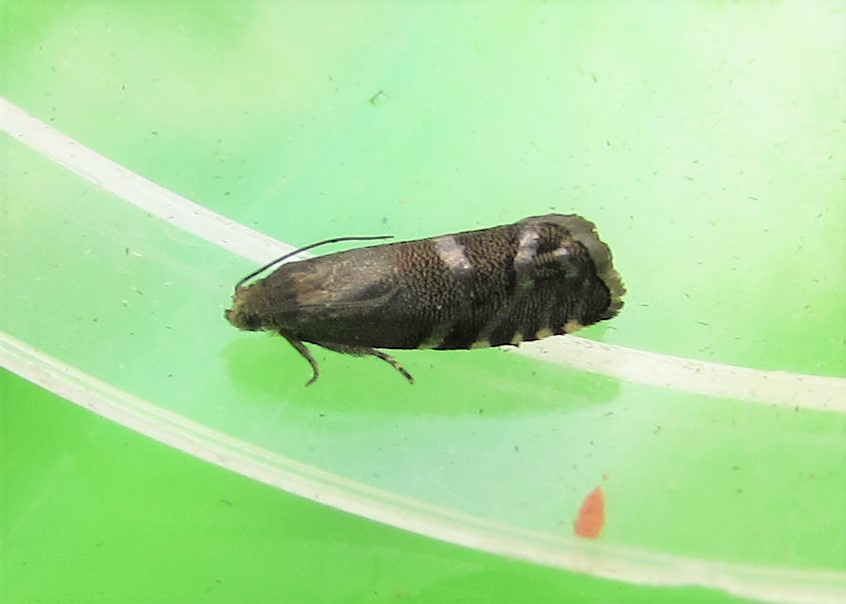
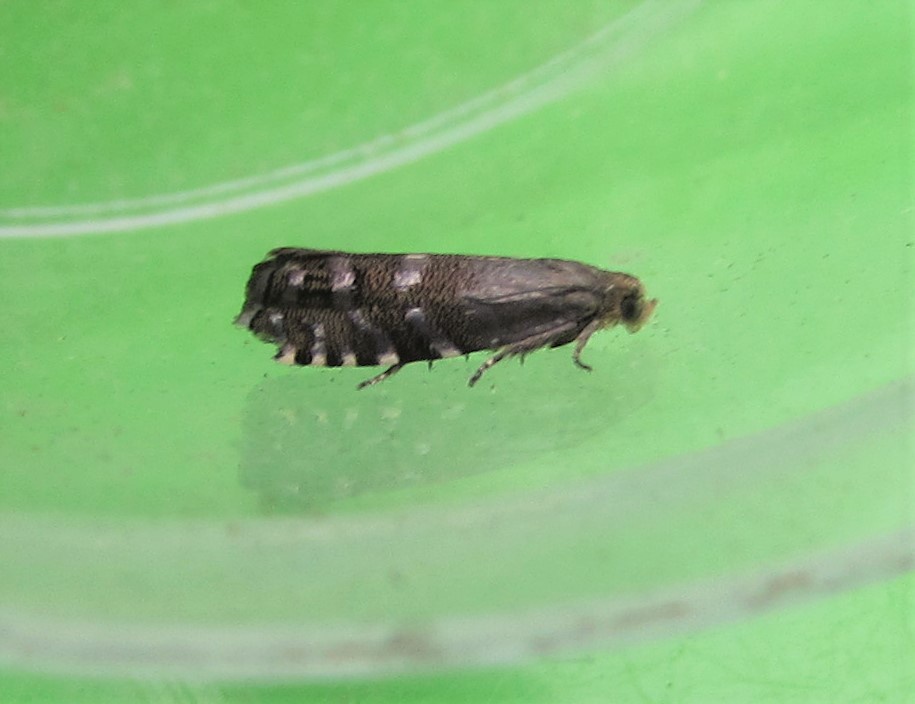
Cydia conicolana
Pine-cone Piercer
Wingspan about 11mm. Sometimes a small exit hole in a pine cone can be observed and indicates that the larva has overwintered in it and the adult moth has emerged.

Very good quality photographs required and if possible the specimen should be retained as gen det may be necessary.
Associated with areas of Pine, especially Scots Pine.
The adult moths fly in May and June and are active during morning, afternoon and dusk.
The larva bores into a young cone of Pine, especially Scots Pine and feeds internally on the seeds, overwintering. The only external evidence that a cone is occupied is the small exit hole once the moth has emerged.
An uncommon species found mainly in south and south-east England. In the Butterfly Conservation's Microlepidoptera Report 2011 this species was classified as Nationally Scarce B
Rarely recorded in Leicestershire and Rutland. The Leicester Forest East record of 21st May 2020 is believed to be only the second for VC55.
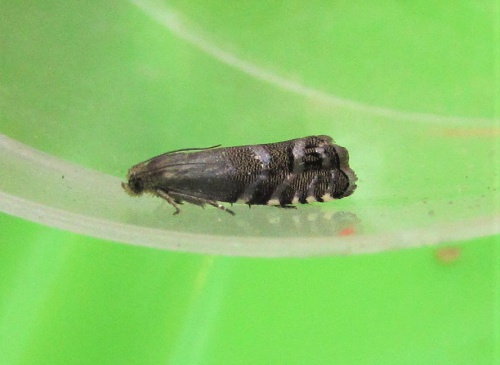 Dave Gamble
Leicester Forest East garden
21 May 2020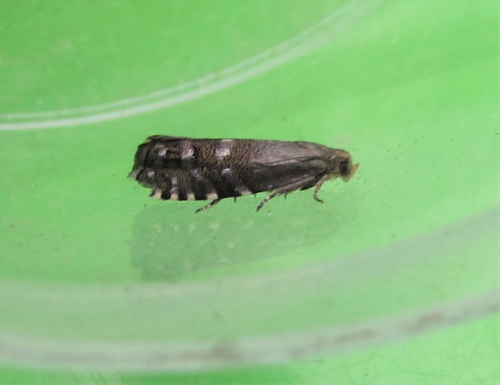 Dave Gamble
Leicester Forest East garden
21 May 2020
Leicestershire & Rutland Map
Enter a town or village to see local records
MAP KEY:
Yellow squares = NBN records (all known data)
Coloured circles = NatureSpot records: 2025+ | 2020-2024 | pre-2020
UK Map
Species profile
- Common names
- Pine-cone Piercer
- Species group:
- insect - moth
- Kingdom:
- Animalia
- Order:
- Lepidoptera
- Family:
- Tortricidae
- Records on NatureSpot:
- 3
- First record:
- 21/05/2020 (Gamble, David)
- Last record:
- 26/05/2020 (Leonard, Pete)
Total records by month
% of records within its species group
10km squares with records
The latest images and records displayed below include those awaiting verification checks so we cannot guarantee that every identification is correct. Once accepted, the record displays a green tick.
In the Latest Records section, click on the header to sort A-Z, and again to sort Z-A. Use the header boxes to filter the list.
Latest images
Latest records
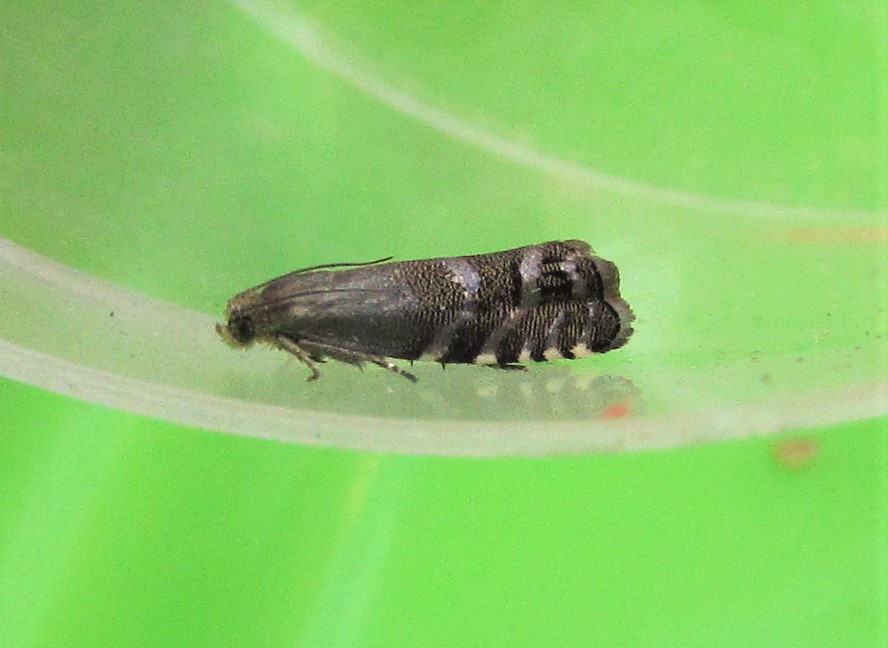
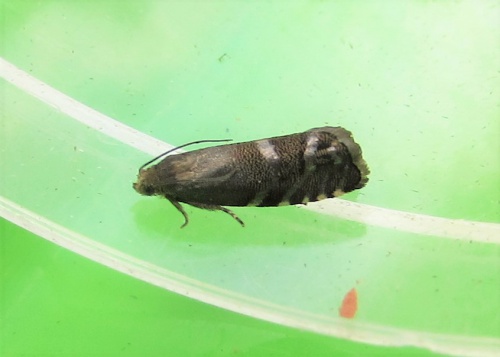 Dave Gamble
Leicester Forest East garden
21 May 2020