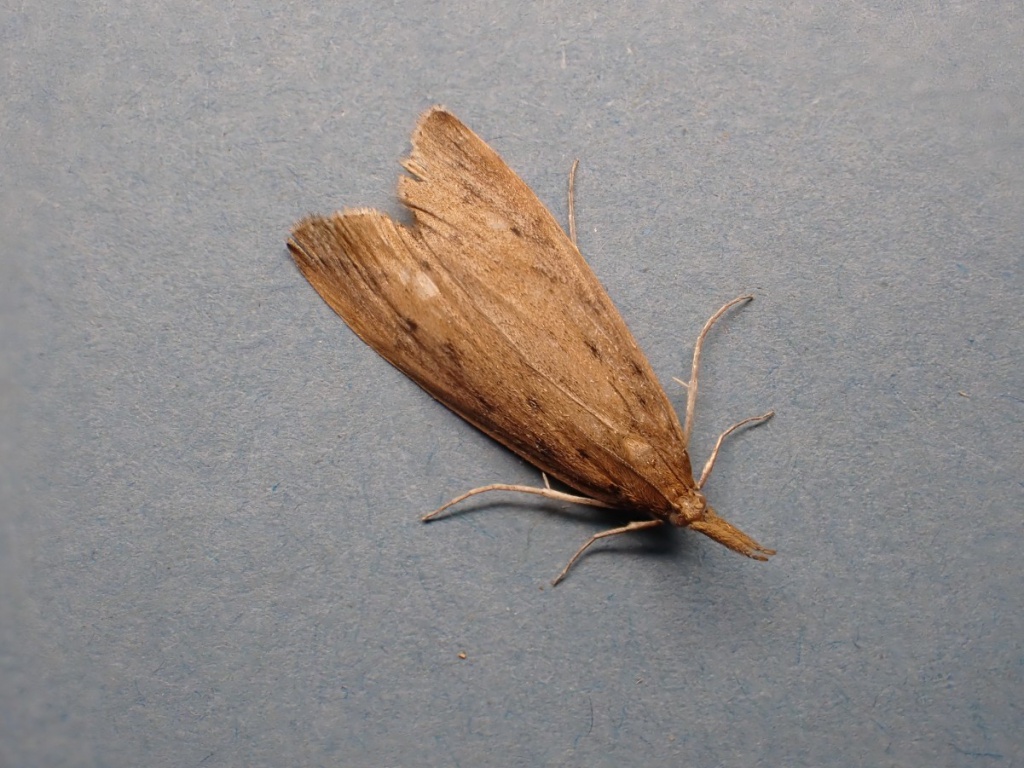
Schoenobius gigantella
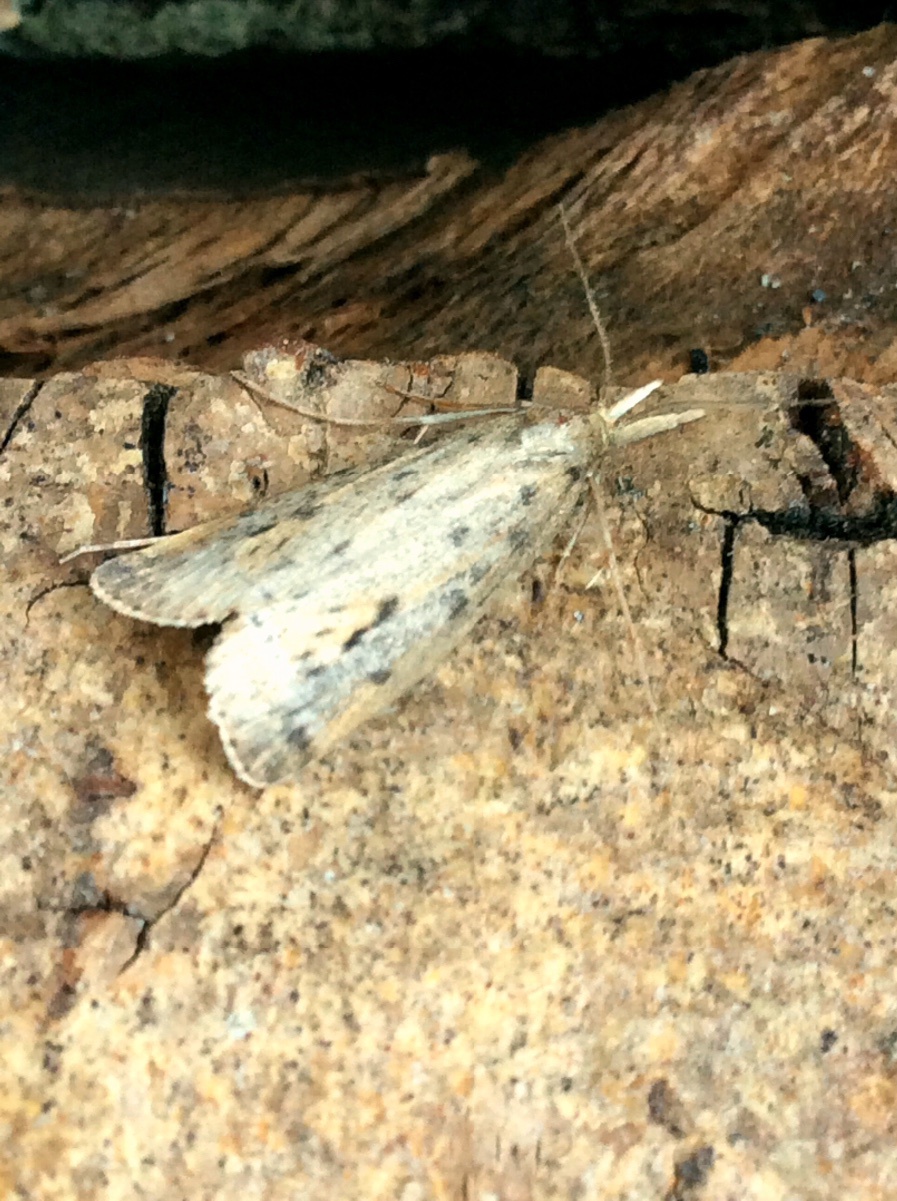
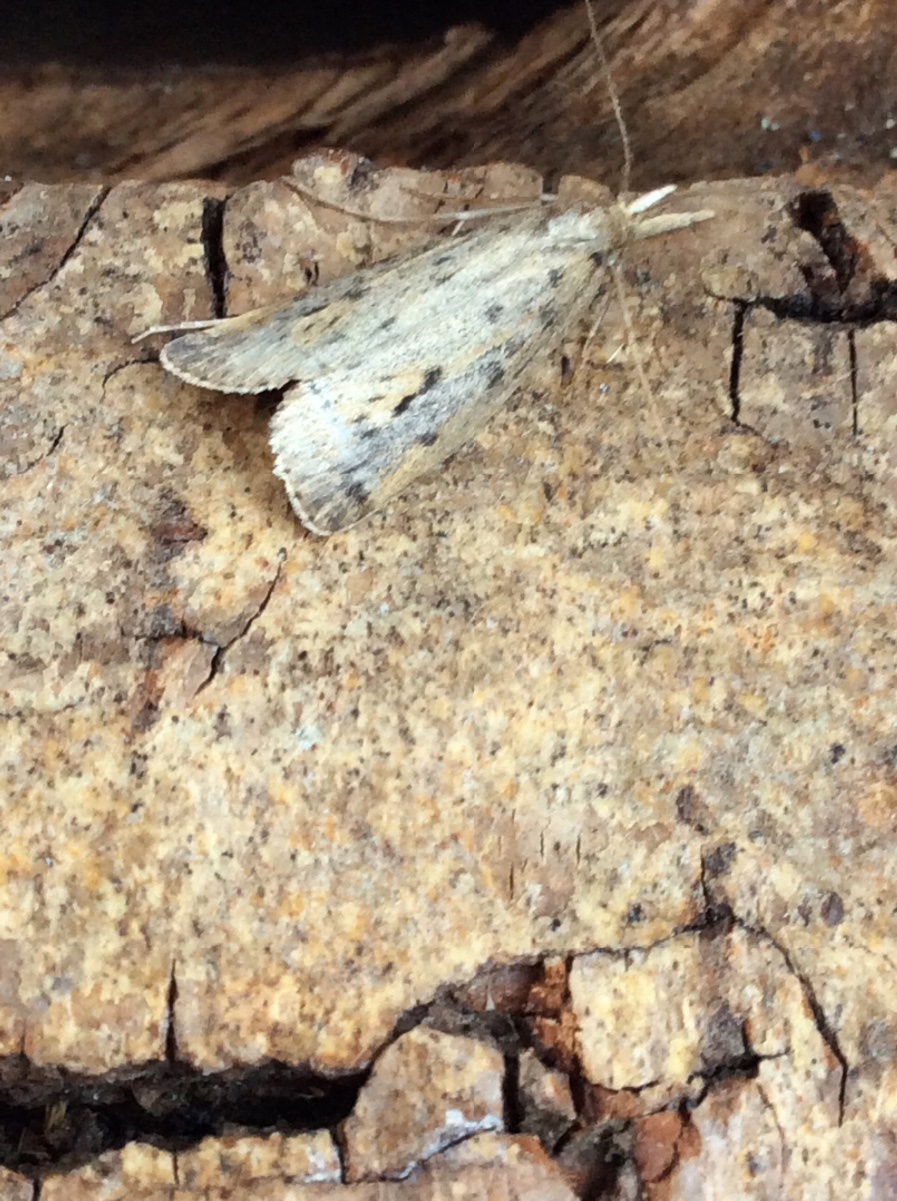
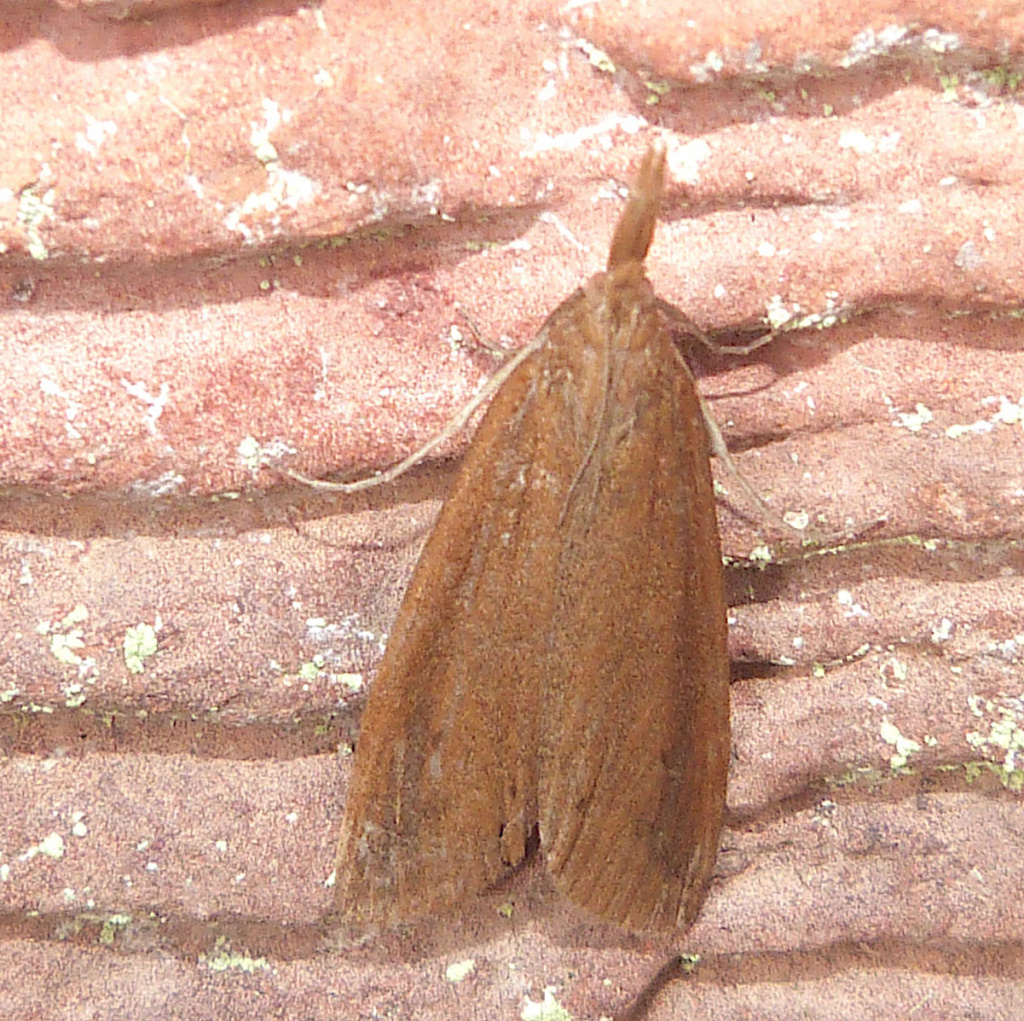
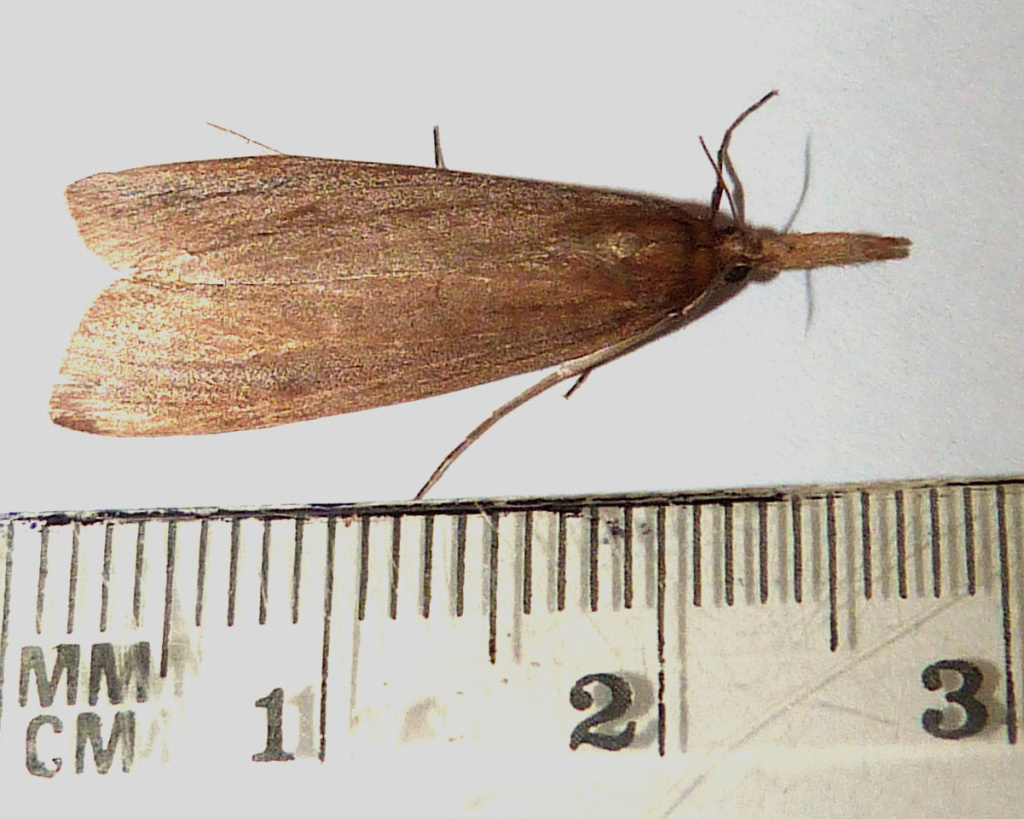
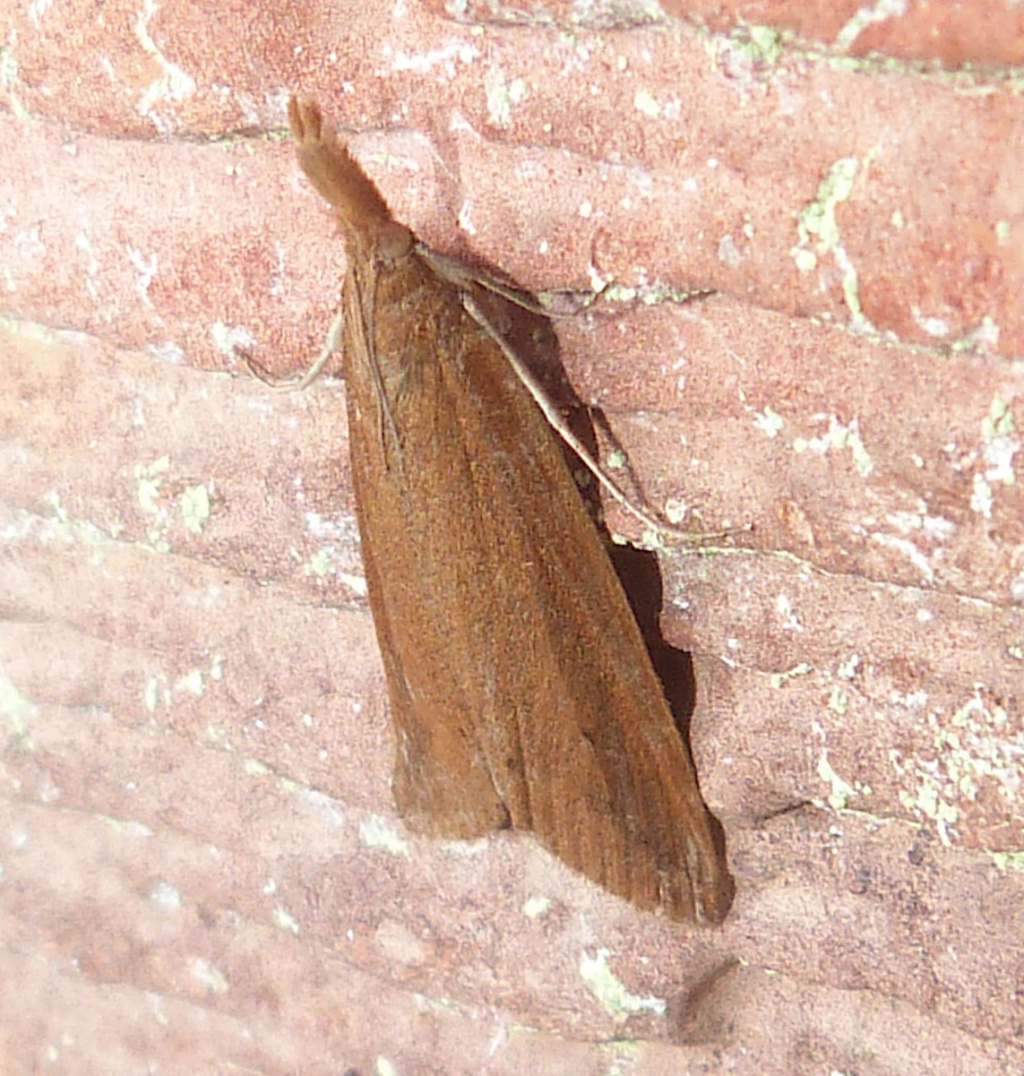
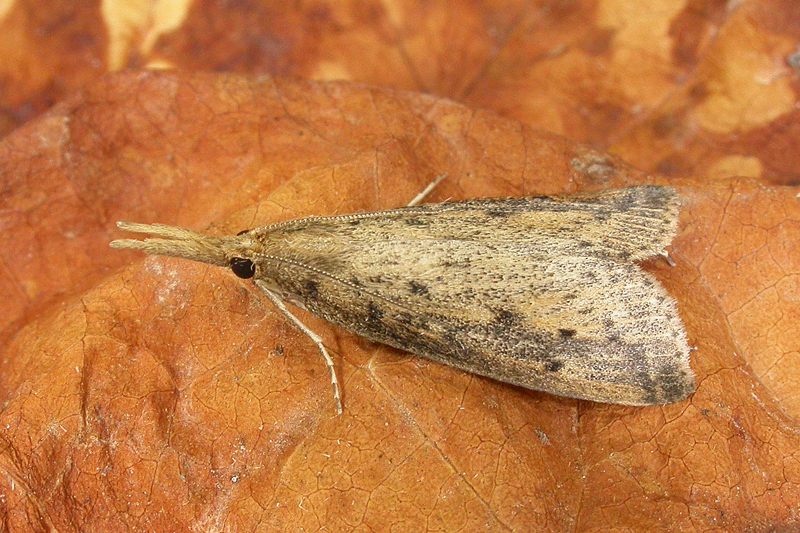
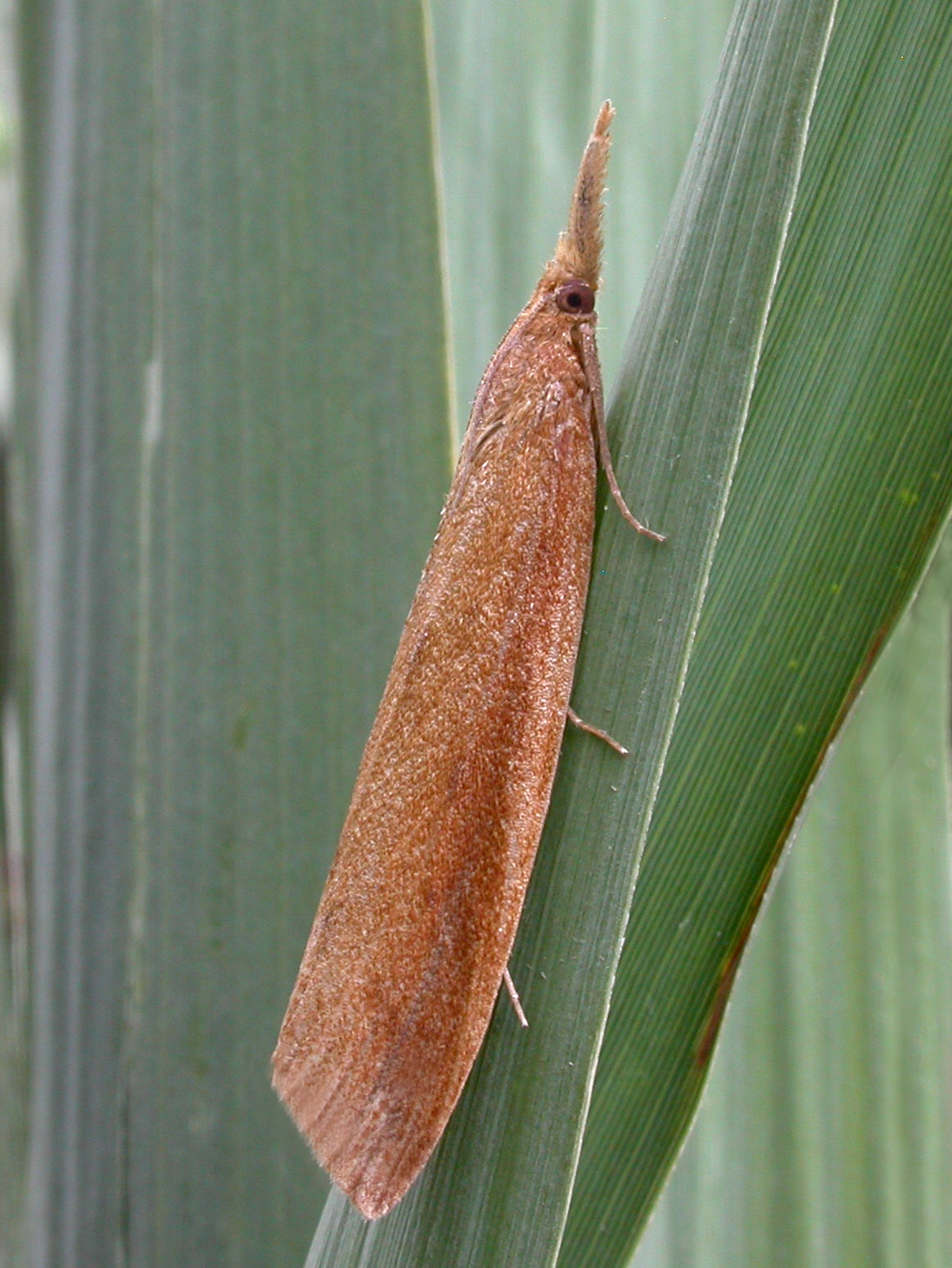
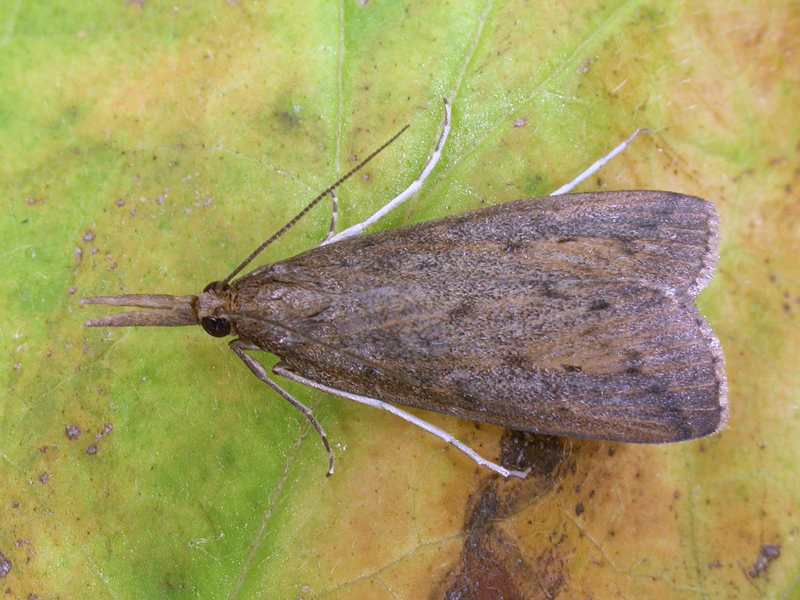
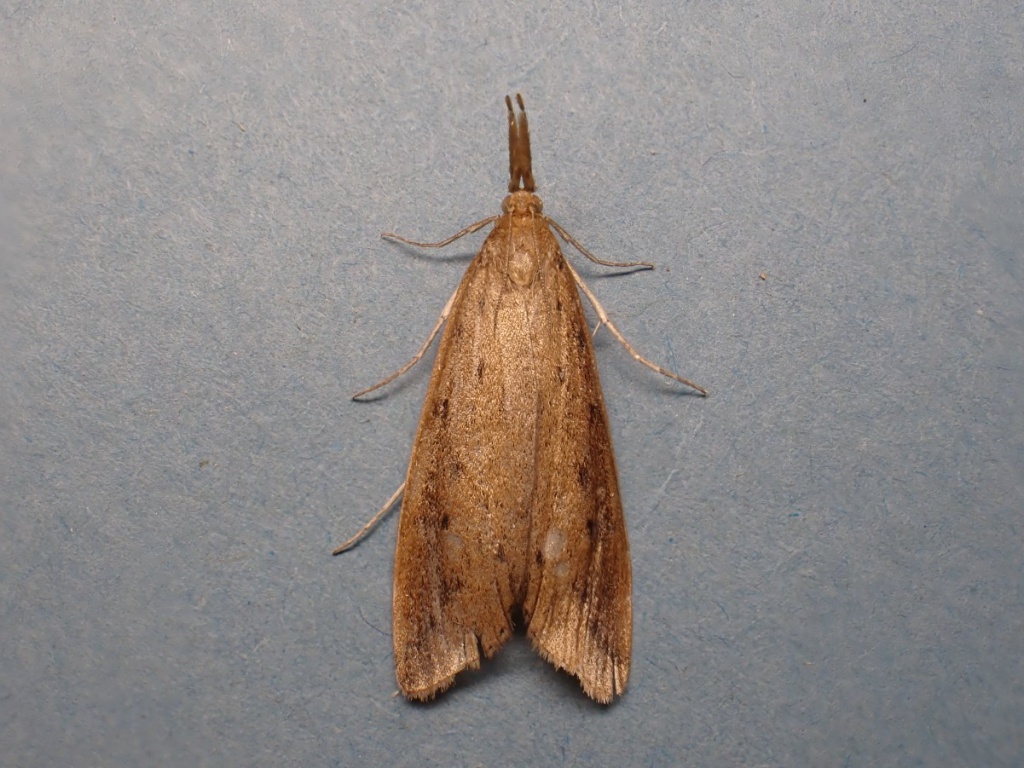
Wingspan 25 to 46 mm. Sexually dimorphic, the females being generally much larger and plainer in appearance than the males.

Reedbeds, often coastal reedbeds.
The moths fly in July and sometimes in August, and can be attracted to light, though the males are quite sedentary.
The larvae feed internally on the stems of Common Reed (Phragmites australis) and Reed Sweet-grass (Glyceria maxima).
It is locally distributed in the southern half of England. In the Butterfly Conservation’s Microlepidoptera Report 2011 this species was classified as local.
It appears to be uncommon in Leicestershire and Rutland, where there are few records. L&R Moth Group status = D (rare or rarely recorded).
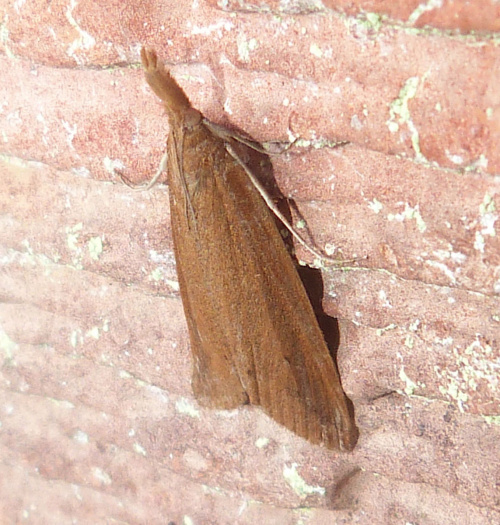 Graham Calow
Sapcote, Harecroft Crescent
15 June 2025
female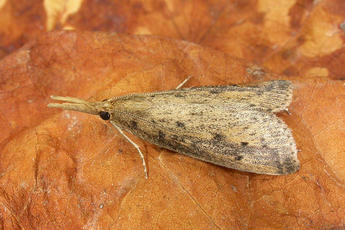 Mark Skevington
Watermead CP South
02 September 2011
male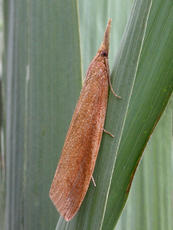 Adrian Russell
Watermead Park South
07 August 2009
female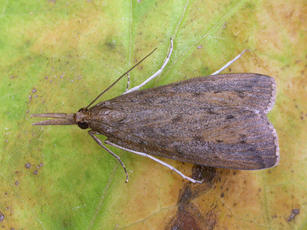 Mark Skevington
Luffenham Heath Golf Course
01 July 2006
male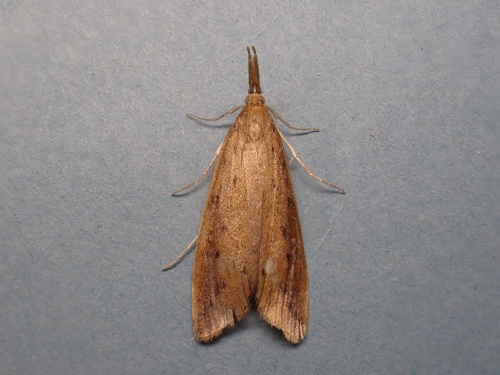 Elspeth Cranston
Shepshed Garden
10 June 2023
Leicestershire & Rutland Map
Enter a town or village to see local records
MAP KEY:
Yellow squares = NBN records (all known data)
Coloured circles = NatureSpot records: 2025+ | 2020-2024 | pre-2020
UK Map
Species profile
- Common names
- Giant Water-veneer
- Species group:
- insect - moth
- Kingdom:
- Animalia
- Order:
- Lepidoptera
- Family:
- Crambidae
- Records on NatureSpot:
- 17
- First record:
- 01/07/2006 (Skevington, Mark)
- Last record:
- 16/06/2025 (Johnson, Andrew)
Total records by month
% of records within its species group
10km squares with records
The latest images and records displayed below include those awaiting verification checks so we cannot guarantee that every identification is correct. Once accepted, the record displays a green tick.
In the Latest Records section, click on the header to sort A-Z, and again to sort Z-A. Use the header boxes to filter the list.
Latest images
Latest records
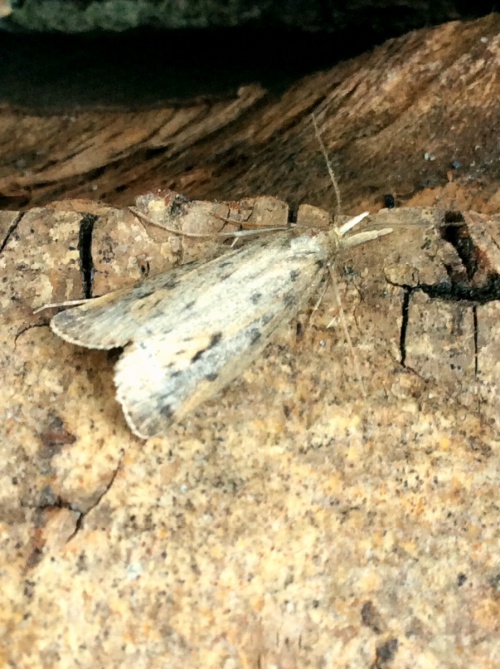 MFBraker
Watermead north
02 July 2018
Schoenobius gigantella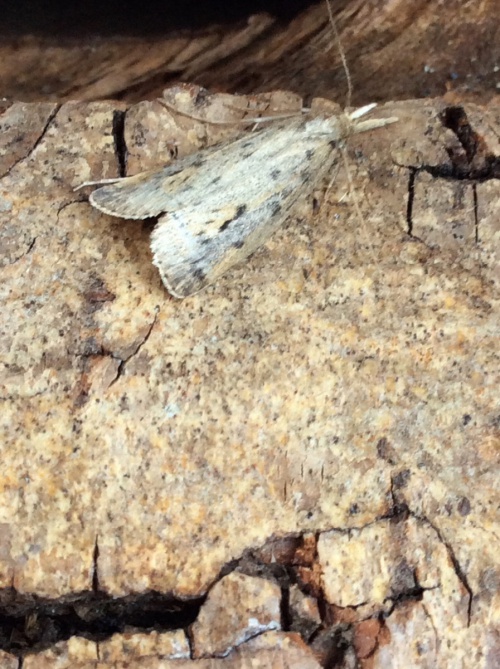 MFBraker
Watermead north
02 July 2018
Schoenobius gigantella giant water veneer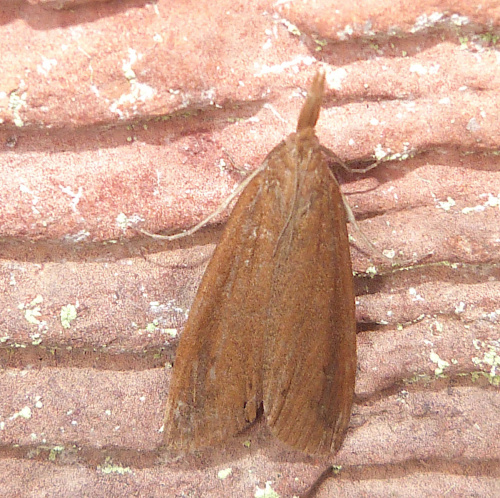 Graham Calow
Sapcote, Harecroft Crescent
15 June 2025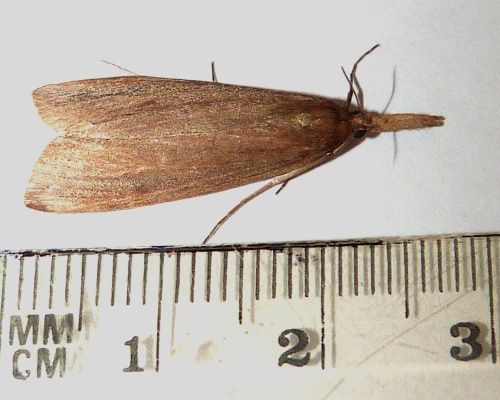 Graham Calow
Sapcote, Harecroft Crescent
15 June 2025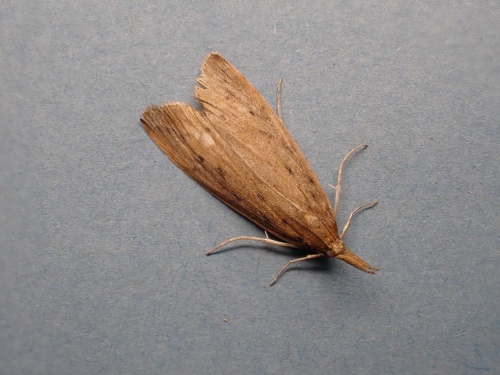 Elspeth Cranston
Shepshed Garden
10 June 2023