

Bulbous Buttercup - Ranunculus bulbosus
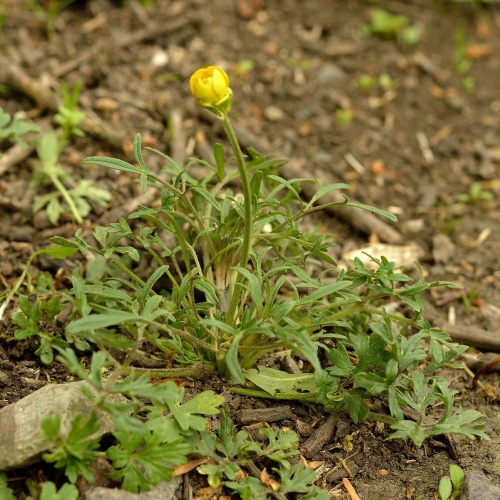
Short to medium hairy plant with a swollen corm-like base. The flowers are golden yellow 20 to 30 mm on furrowed stems, sepals down-turned.
Often confused with R repens and R acris - all are common in grassland

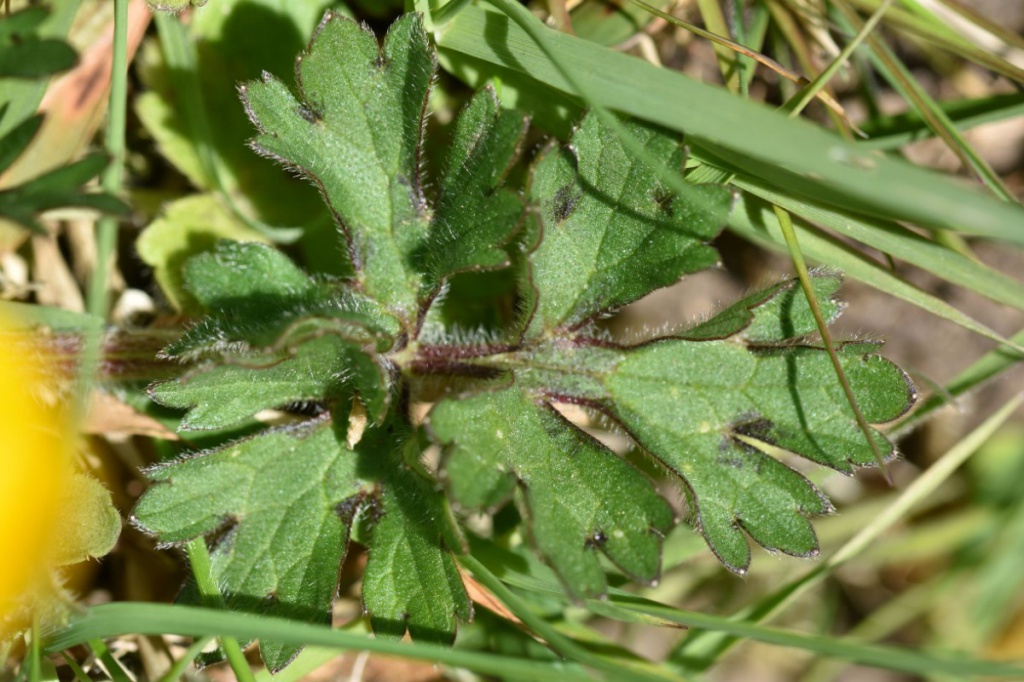
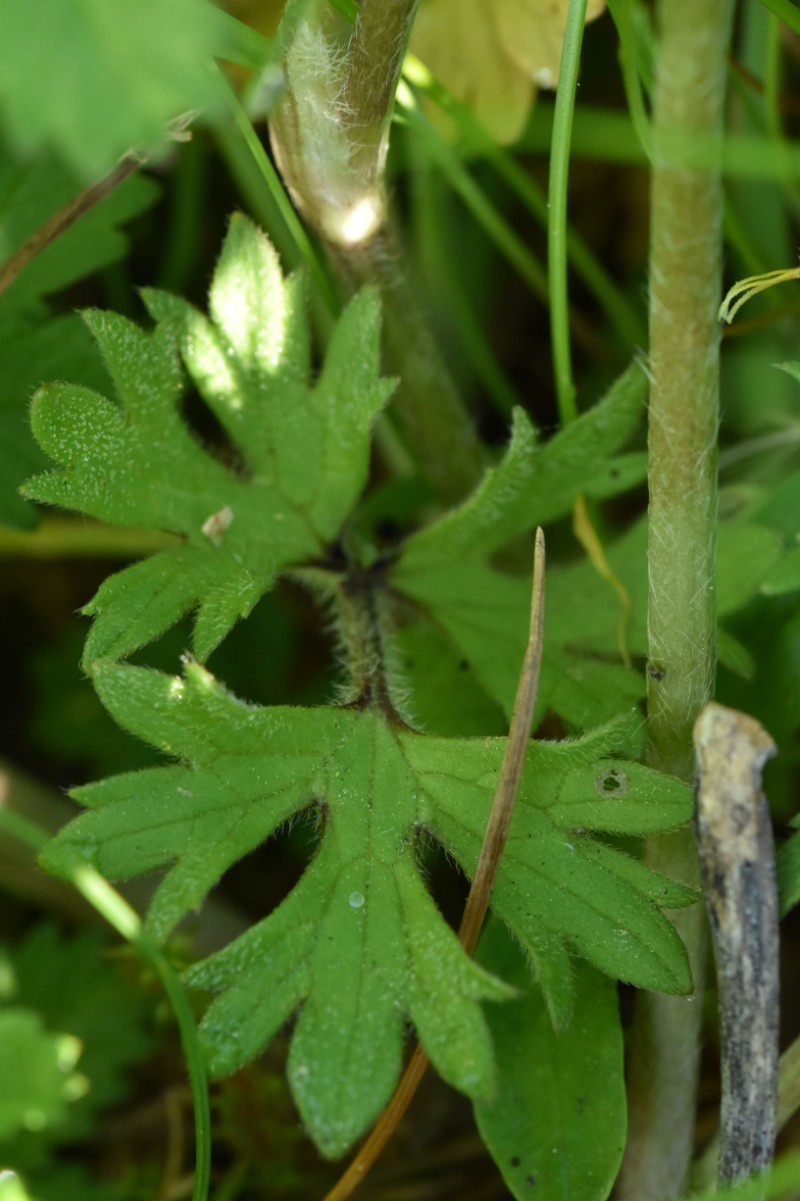
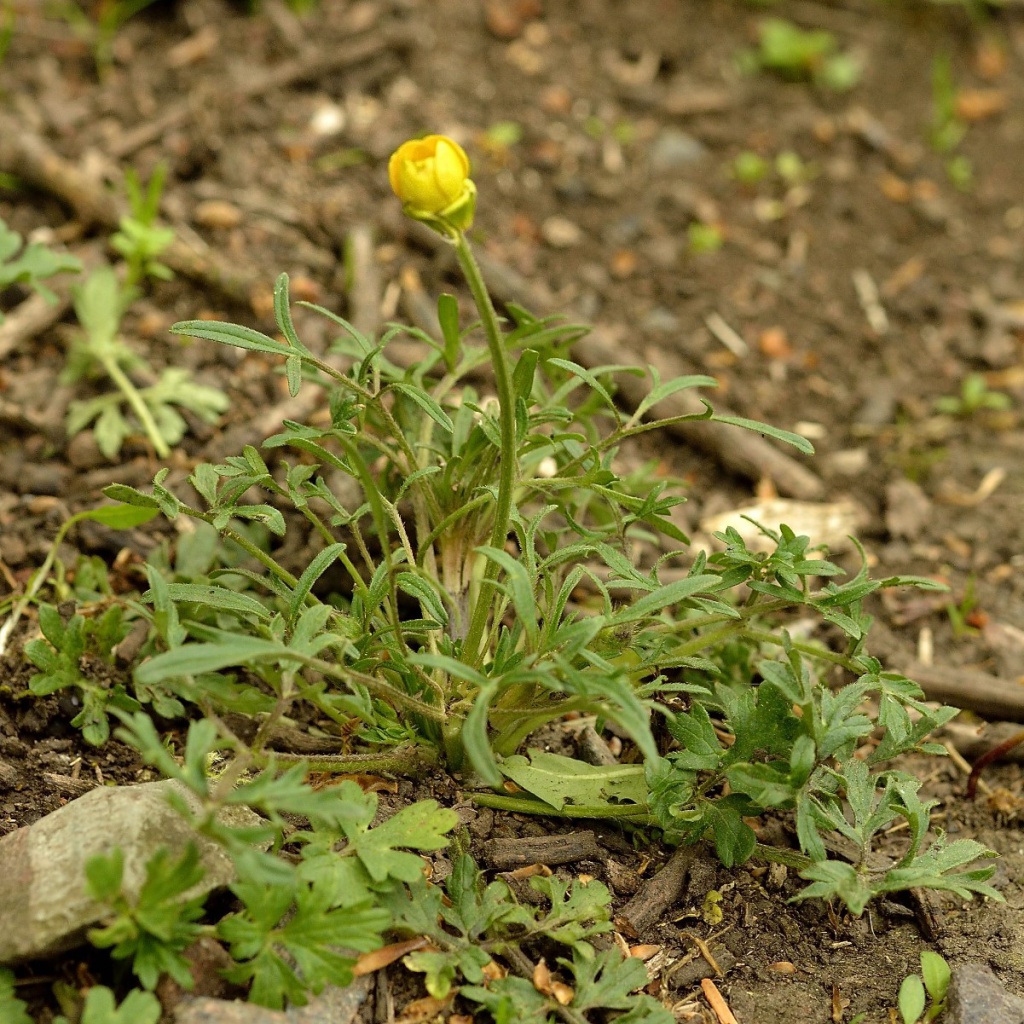
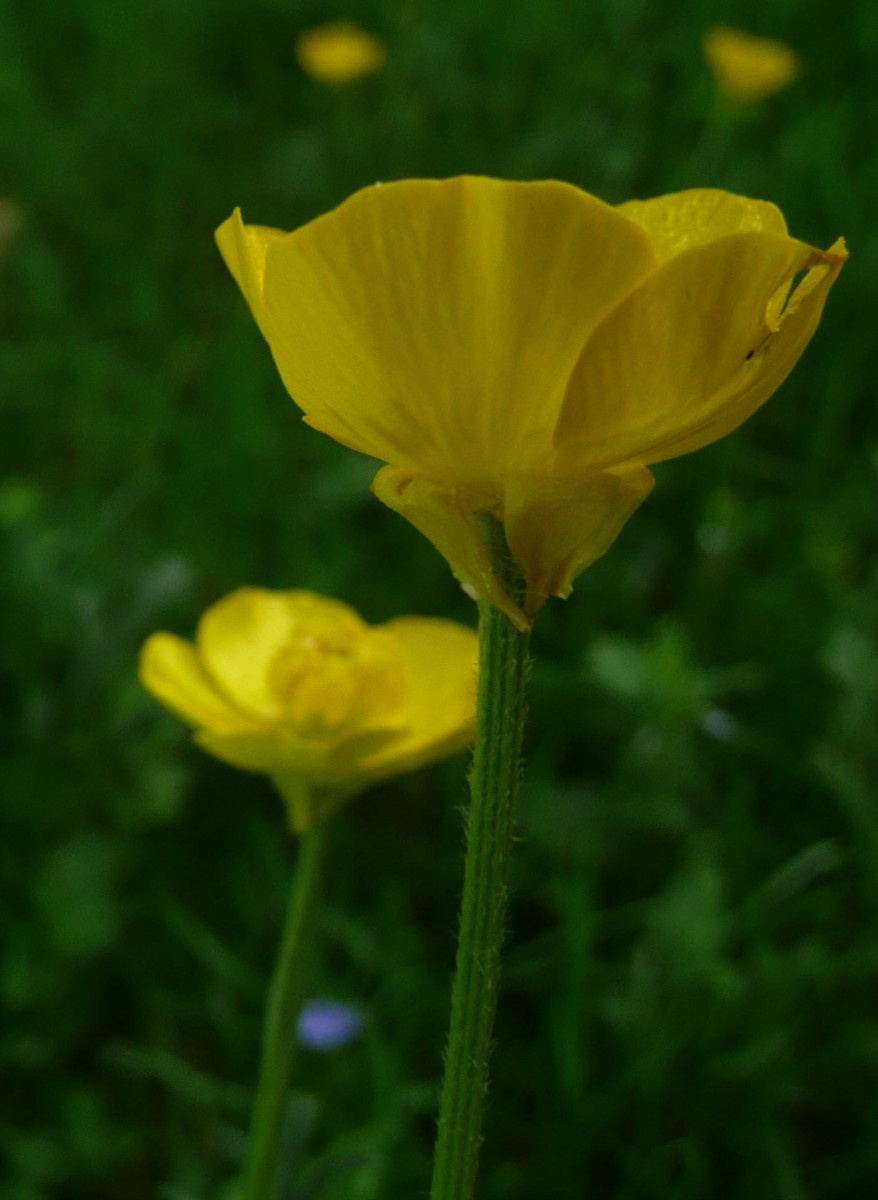
Basal leaves - a short section of stalk separates final leaf lobe from two basal side-lobes. Sepals turn downwards ('reflexed') alongside the flower stalk; this distinguishes it from R repens
Photos of basal leaves and sepals (a side-on view of flower, not 'full face')
Grassy habitats on well drained calcareous or slightly acid soils. Meadows, pastures, road verges, etc.
March to July.
Perennial.
Very common throughout Britain.
Very common also in Leicestershire and Rutland. In the 1979 Flora survey of Leicestershire it was found in 482 of the 617 tetrads. It is listed as Native and Locally Abundant in the current Checklist (Jeeves, 2011)
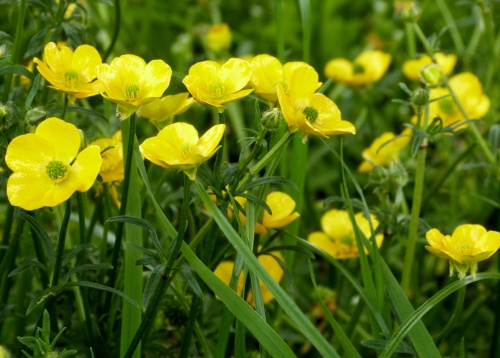 Graham Calow
Countesthorpe Road, Cosby
20 May 2016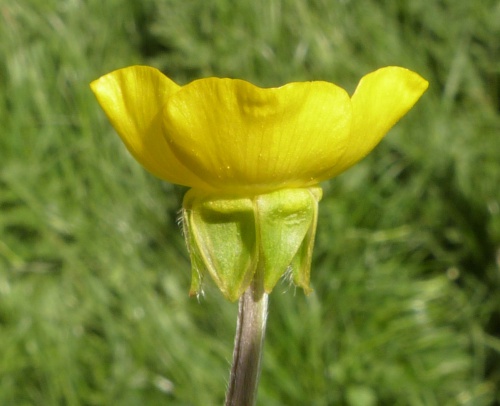 Graham Calow
The Grange Fields, Broughton Astley
04 May 2015
sepals down-turned All Saints Church Yard Sapcote SP 4882 9321 (taken 6.5.2006)..JPG) Graham Calow
Graham Calow
All Saints Chuch, Sapcote
06 May 2006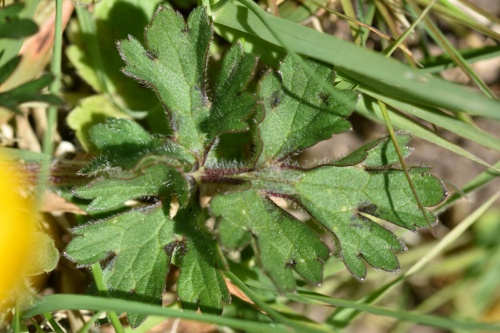 stepgray4
Wymeswold Meadows
26 April 2021
Top basal leaf has a short stem stepgray4
Wymeswold Burton Lane Verge
05 June 2021
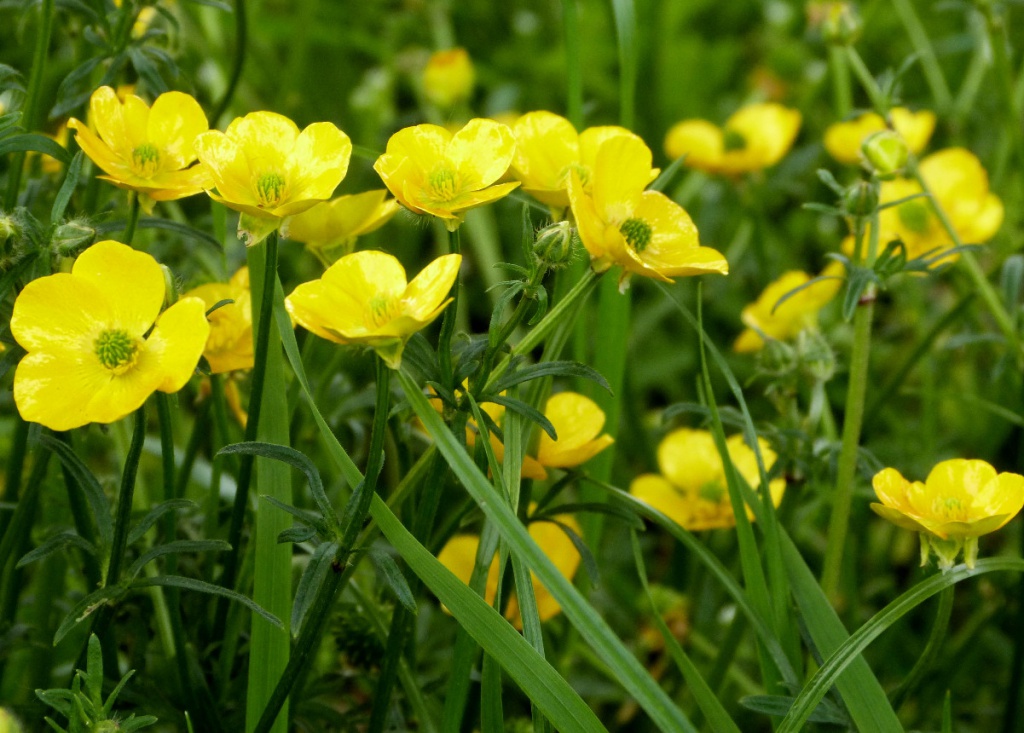
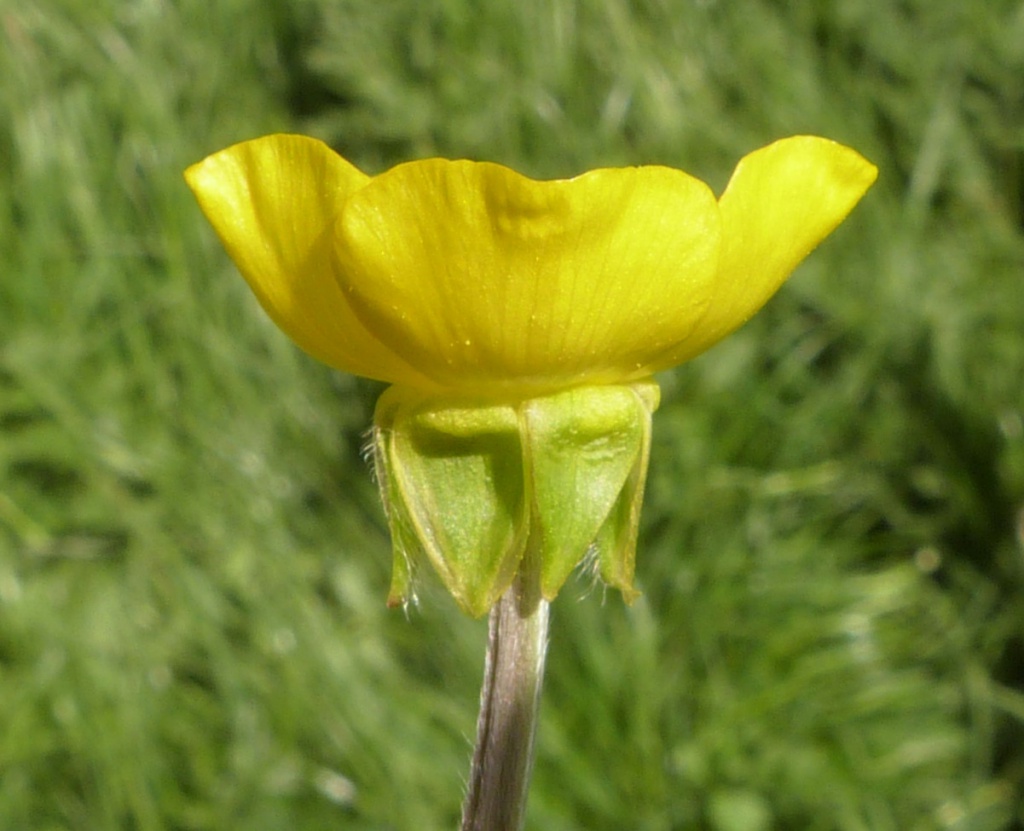
 All Saints Church Yard Sapcote SP 4882 9321 (taken 6.5.2006)..JPG)
Leicestershire & Rutland Map
Enter a town or village to see local records
MAP KEY:
Yellow squares = NBN records (all known data)
Coloured circles = NatureSpot records: 2025+ | 2020-2024 | pre-2020
UK Map
Species profile
- Common names
- Bulbous Buttercup
- Species group:
- flowering plant
- Kingdom:
- Plantae
- Order:
- Ranunculales
- Family:
- Ranunculaceae
- Records on NatureSpot:
- 212
- First record:
- 05/05/2006 (Calow, Graham)
- Last record:
- 20/05/2026 (Nicholls, David)
Total records by month
% of records within its species group
10km squares with records
The latest images and records displayed below include those awaiting verification checks so we cannot guarantee that every identification is correct. Once accepted, the record displays a green tick.
In the Latest Records section, click on the header to sort A-Z, and again to sort Z-A. Use the header boxes to filter the list.
Latest images
Latest records
 Barbara Cooper
The Outwoods
14 May 2015 underside Grace Road Sapcote SP 4916 9378 (taken 5.5.2006).JPG) Graham Calow
Graham Calow
Sapcote
05 May 2006
Sepals curl downwards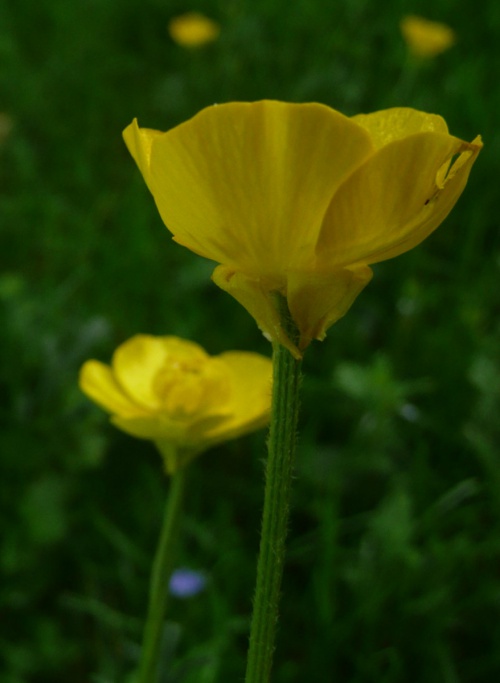 Barbara Cooper
Long Clawson churchyard
09 June 2013
sepals turn down
 underside Grace Road Sapcote SP 4916 9378 (taken 5.5.2006).JPG)
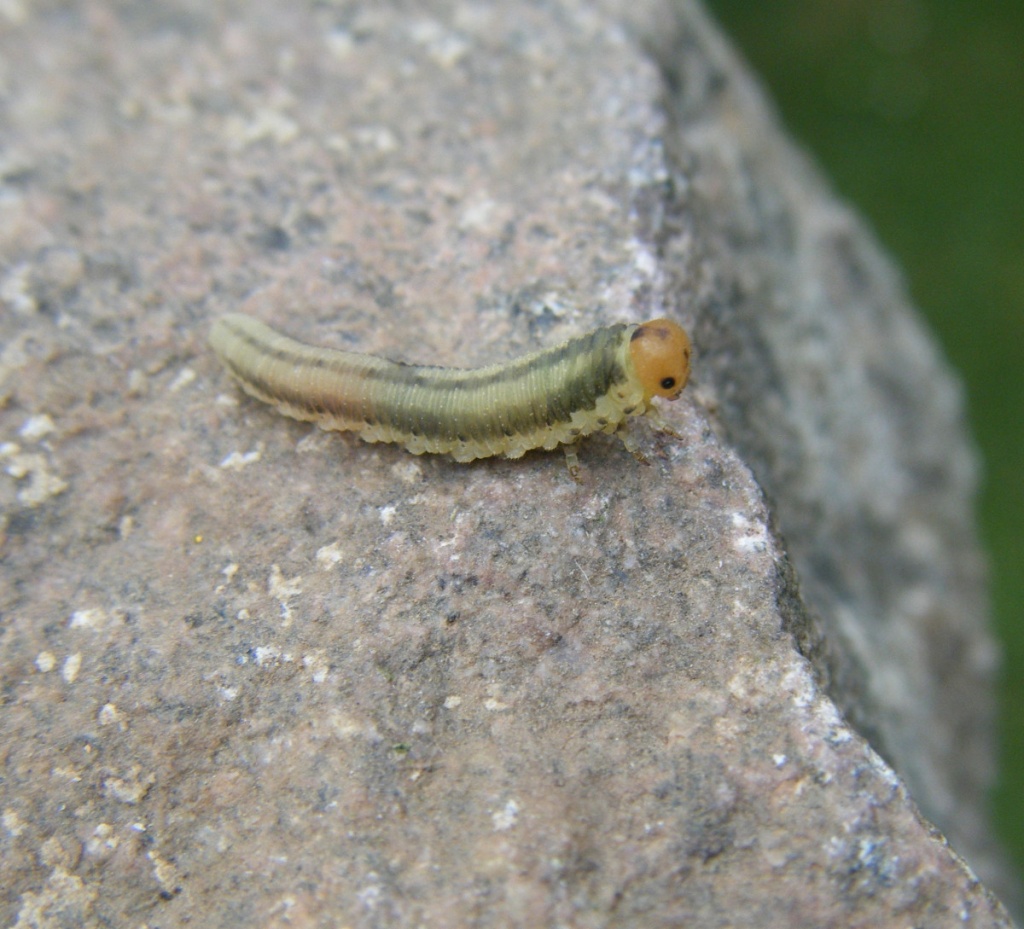
Sciapteryx consobrina
The larvae of the sawfly Sciapteryx consobrina feed on members of the Ranunculus family and on Moschatel . Sciapteryx consobrina larvae are highly variable both in colour and black patterning. The ground colour can vary from yellow, grey, green to absolutely black with the complete pattern of the black spots on the one hand to the specimens with the black spots completely missing on the other hand. Likewise, the black head pattern is also highly variable varying from black headed larvae to the quite orange headed larvae with all conceivable intermediate variants between them.
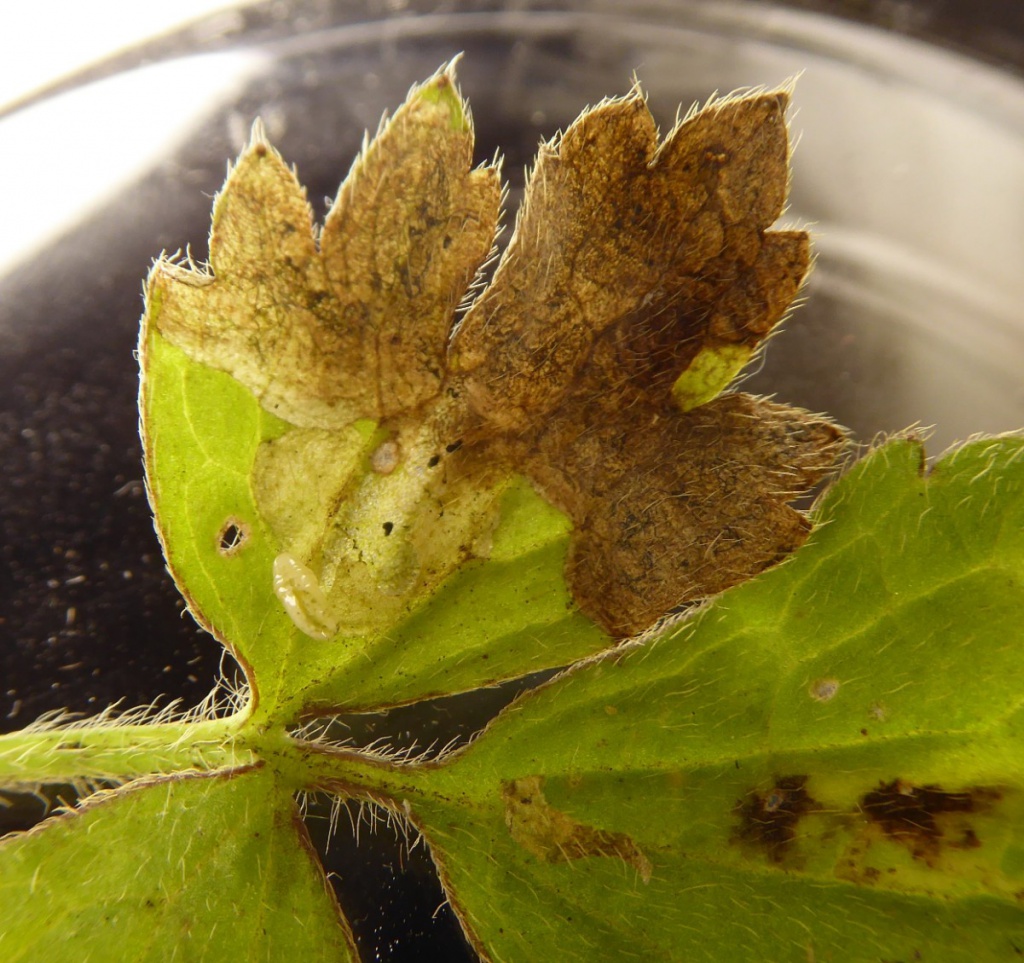
Phytomyza fallaciosa
The larva of the Agromyzid fly Phytomyza fallaciosa mines the leaves of various members of the Buttercup family. A brown blotch is eventually formed, without green patches. Primary and secondary feeding lines are generally clear. Pupation occurs within the mine.
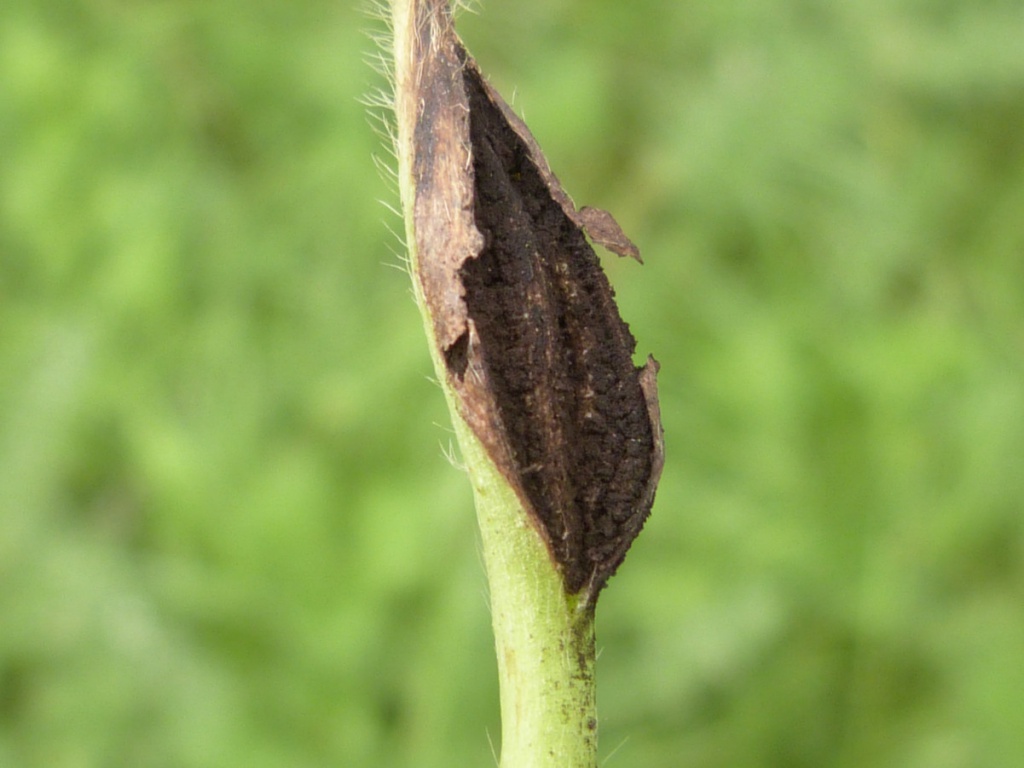
Urocystis ranunculi
Urocystis ranunculi is a smut fungus which affects certain Buttercup species causing stems etc. to blister and eventually erupt, exposing a mass of dark spores.
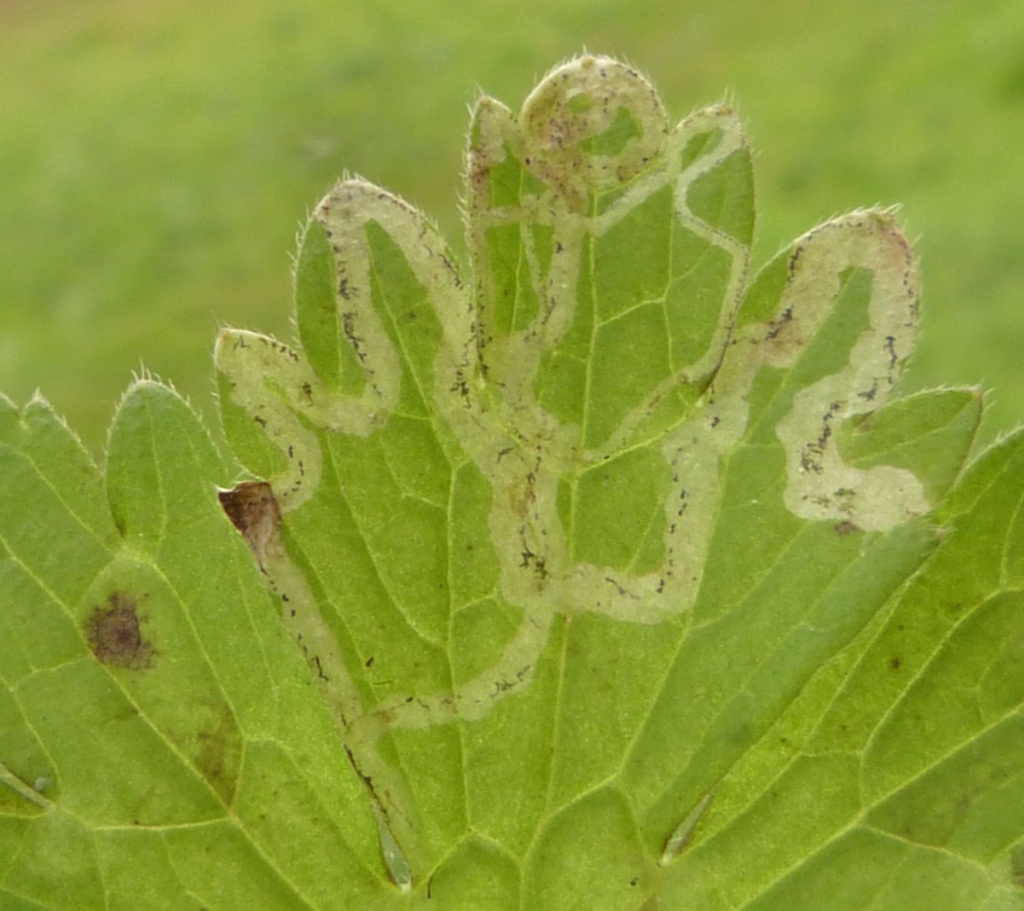
Phytomyza ranunculi
The larva of the Agromyzid fly Phytomyza ranunculi mines the leaves of various members of the Buttercup family including Lesser Celandine. In this species the grains of frass are closely adjoining or grouped. Identification is more difficult when the mine is in the stem.
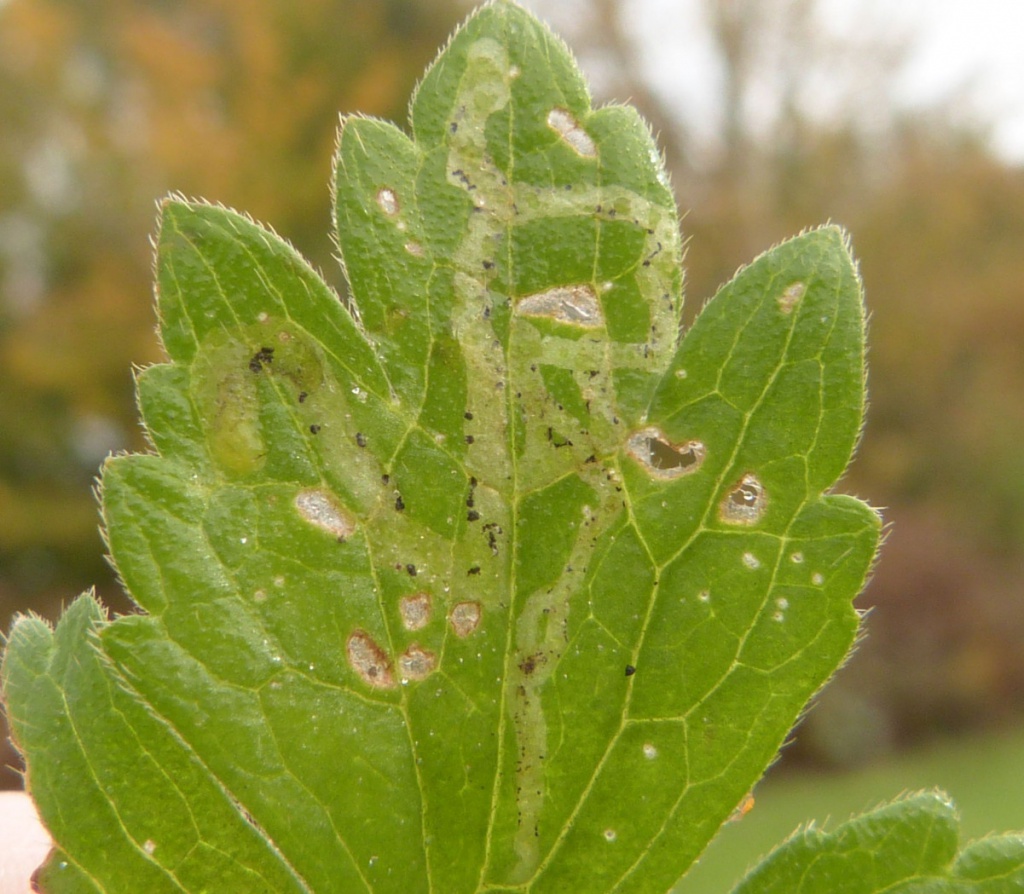
Phytomyza ranunculivora
The larva of the Agromyzid fly Phytomyza ranunculivora mines the leaves of various members of the Buttercup family of plants. In this species the mine is linear, whitish, with frass in widely spaced grains.