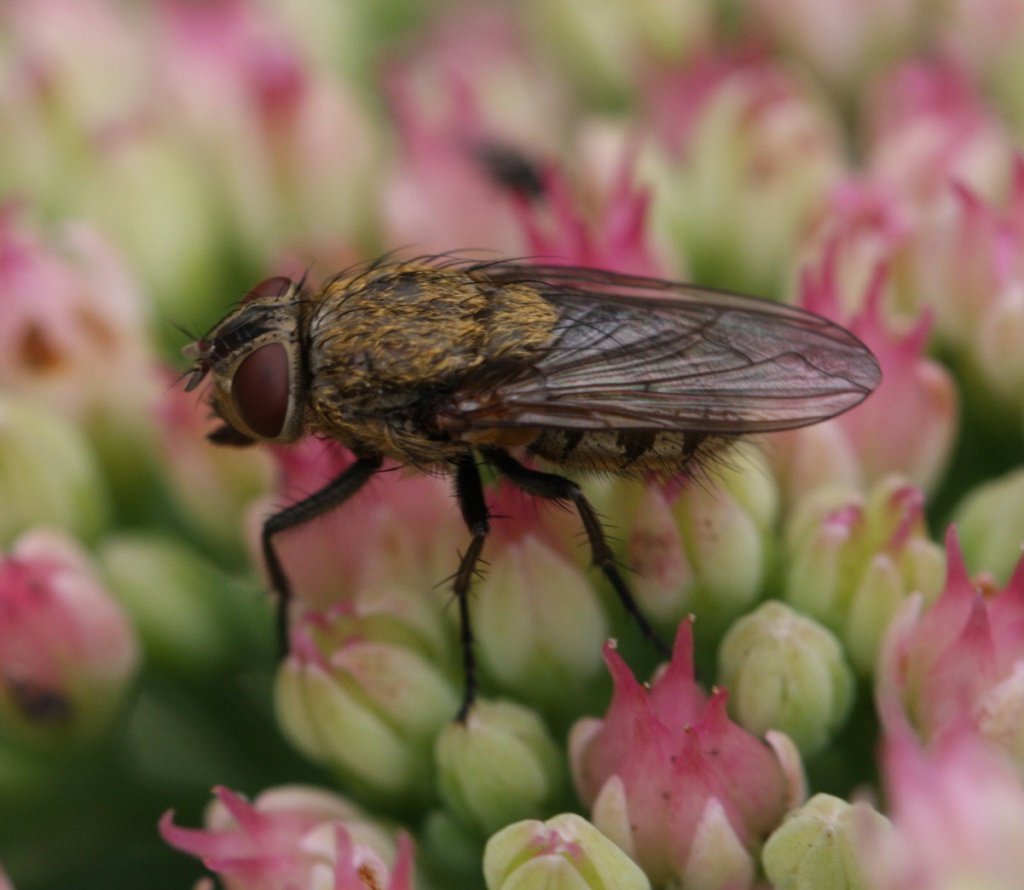
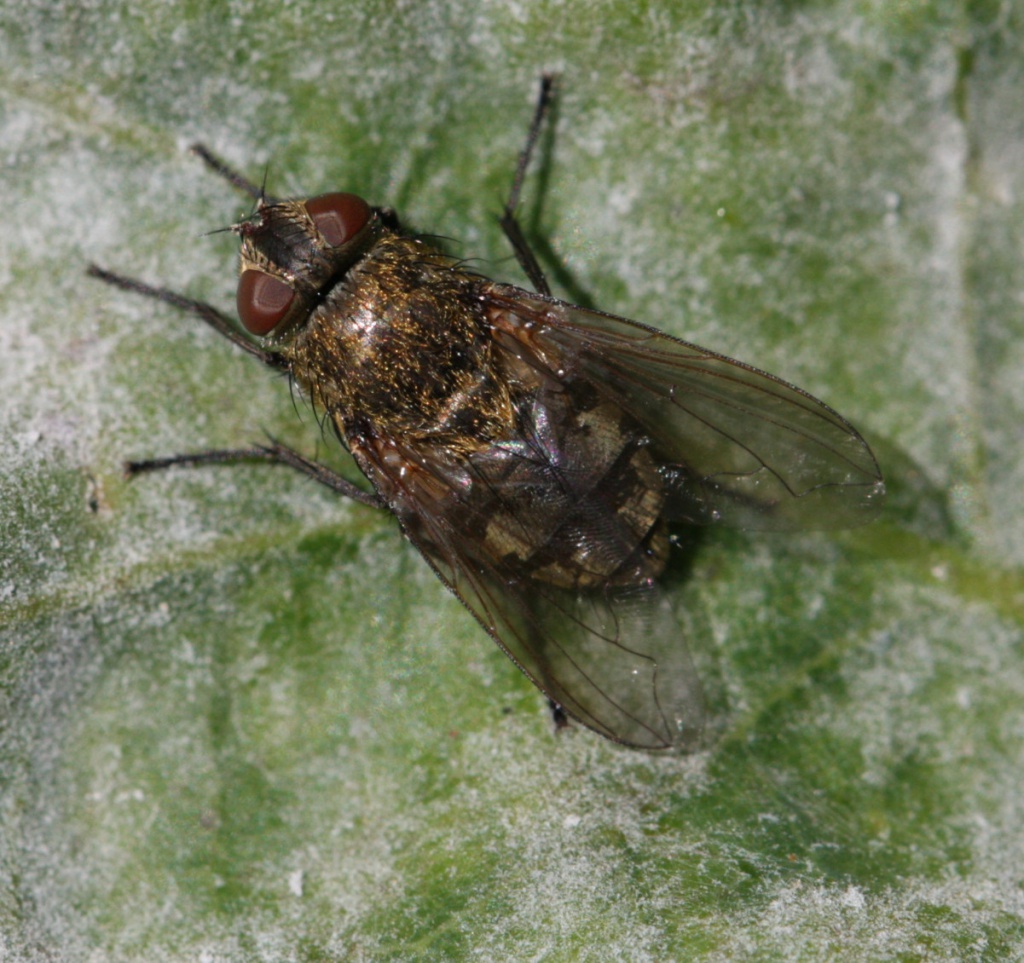
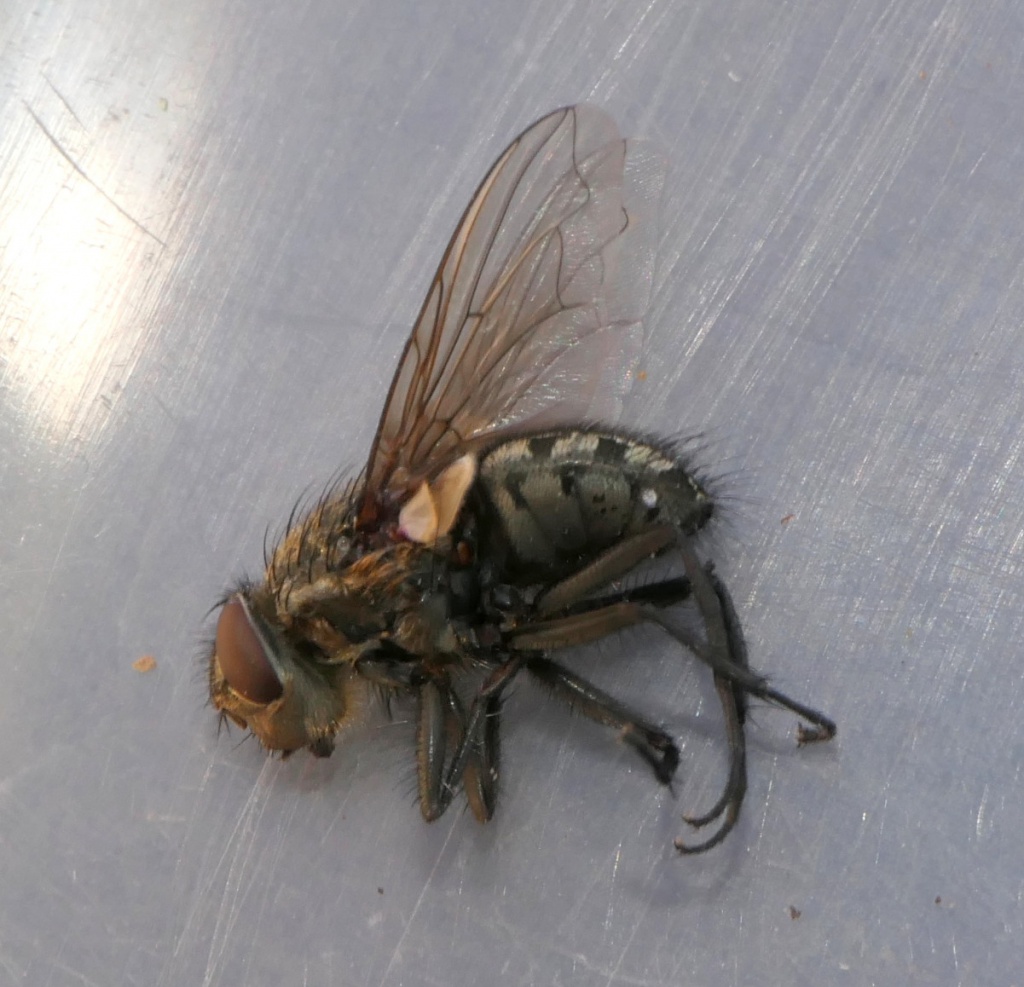
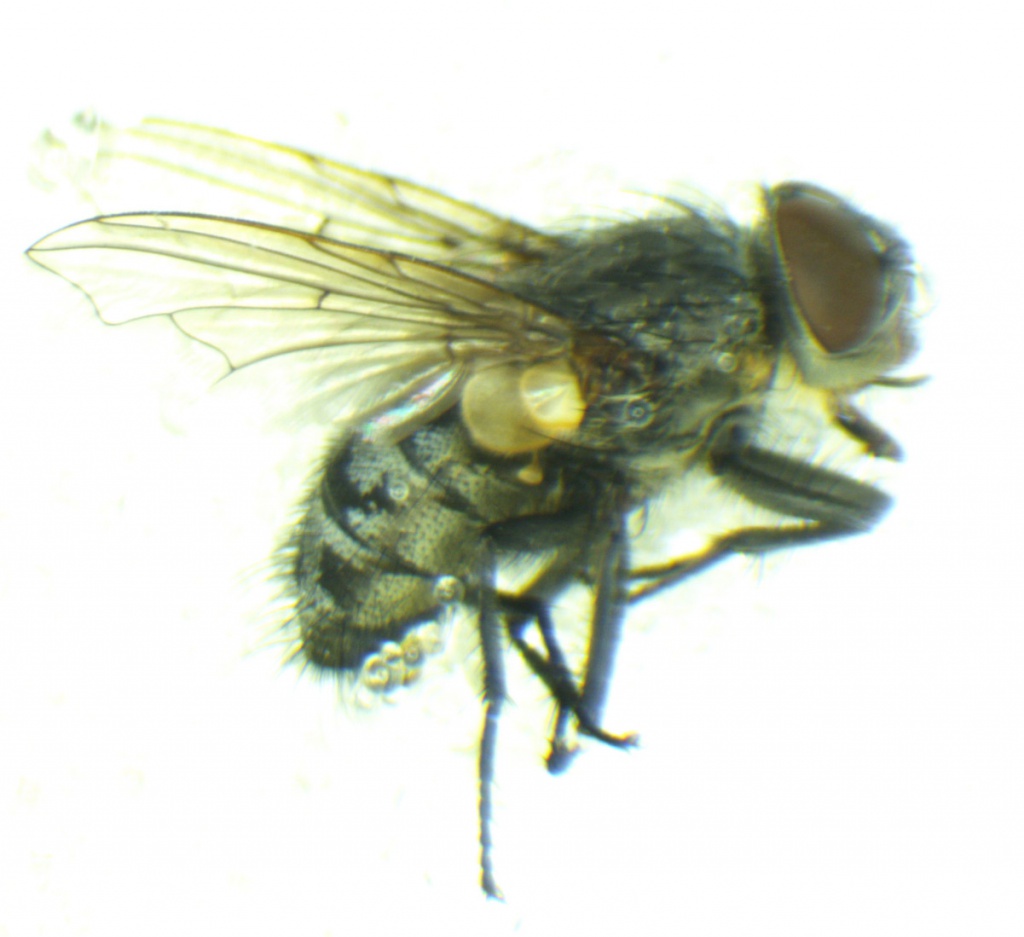
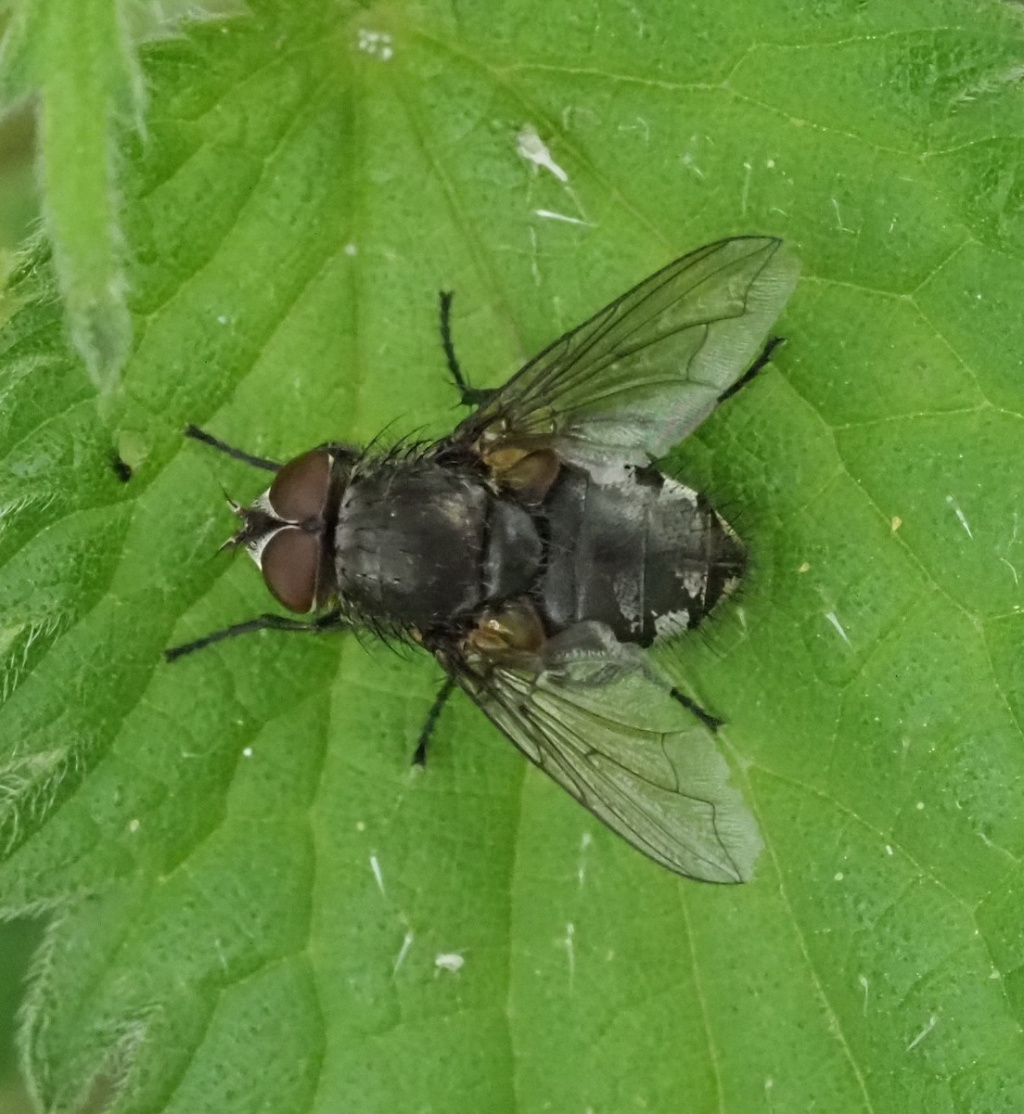
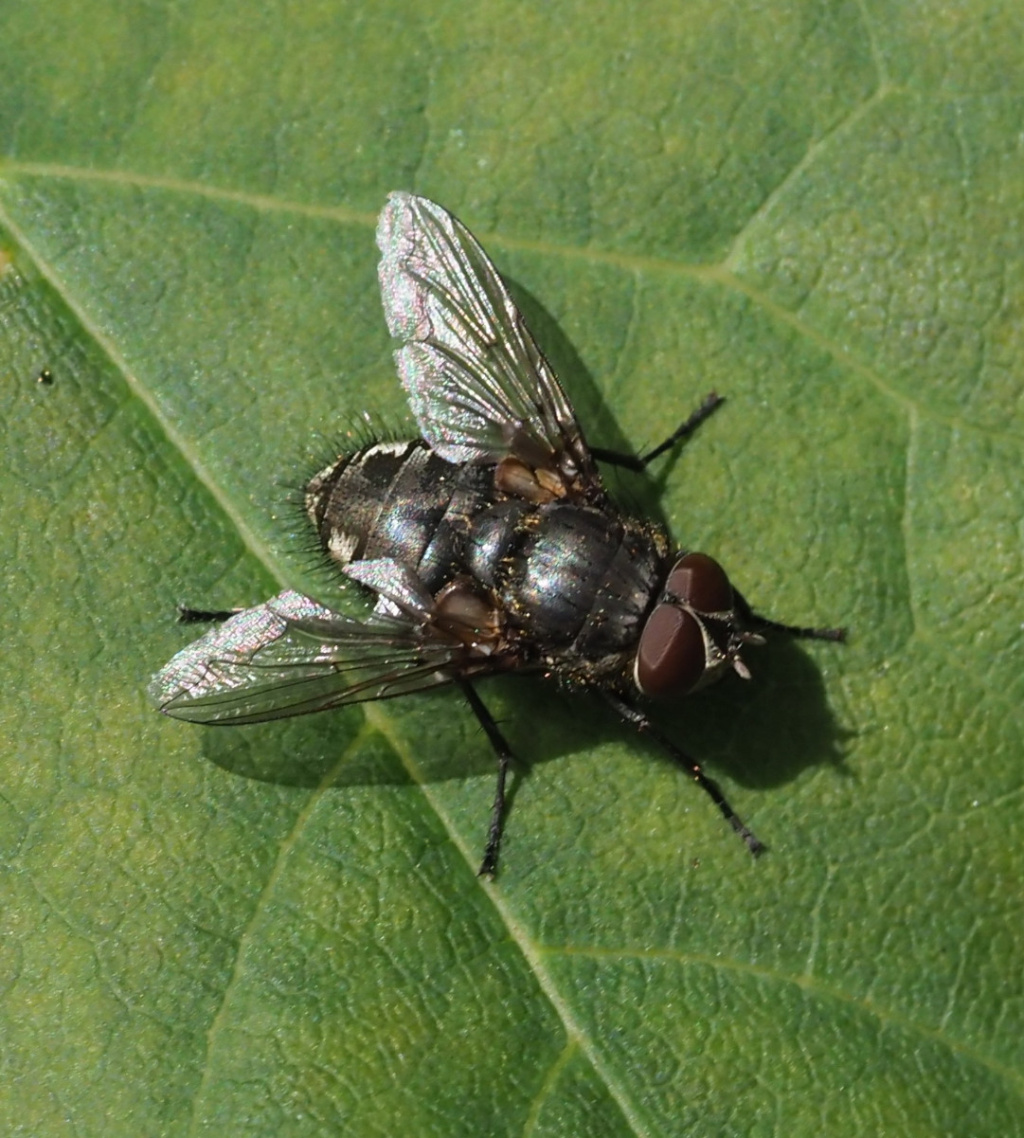
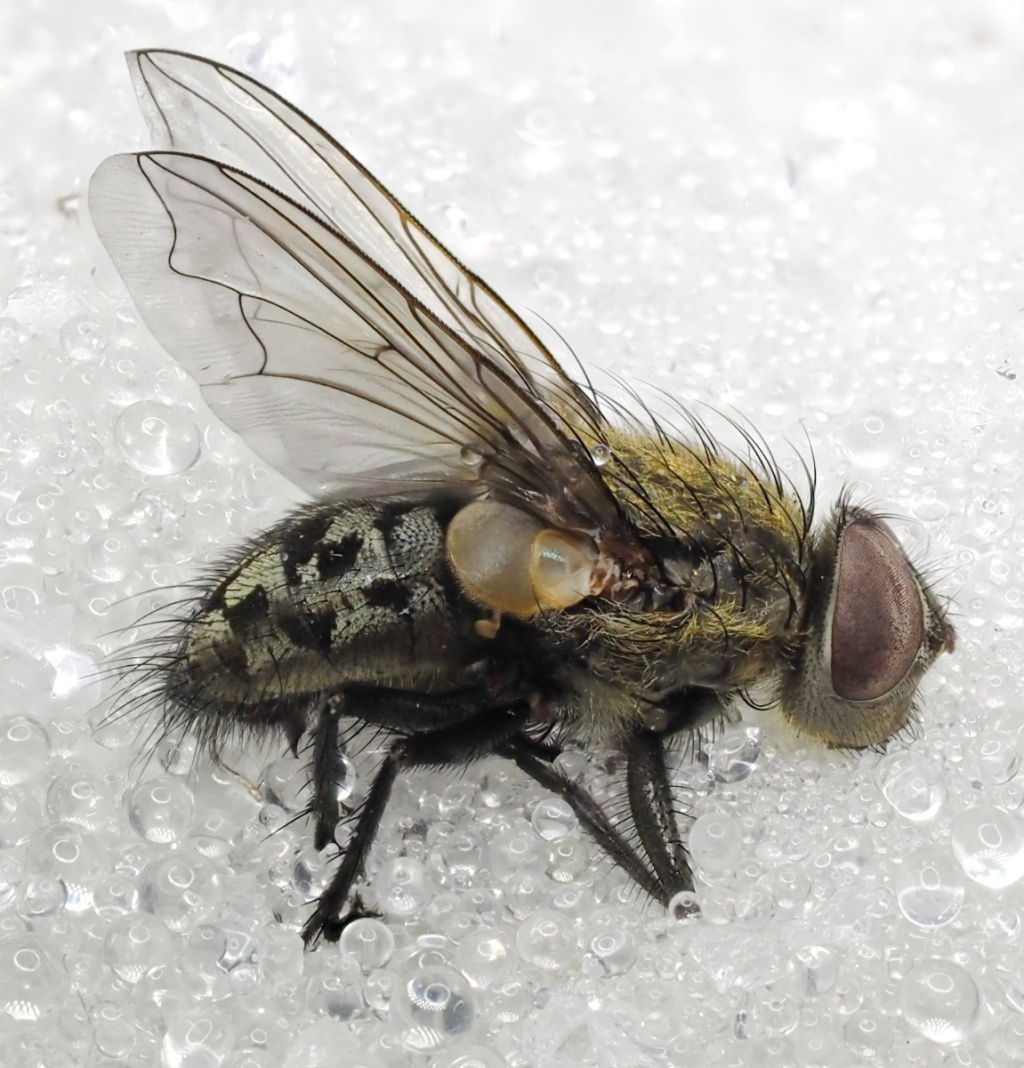
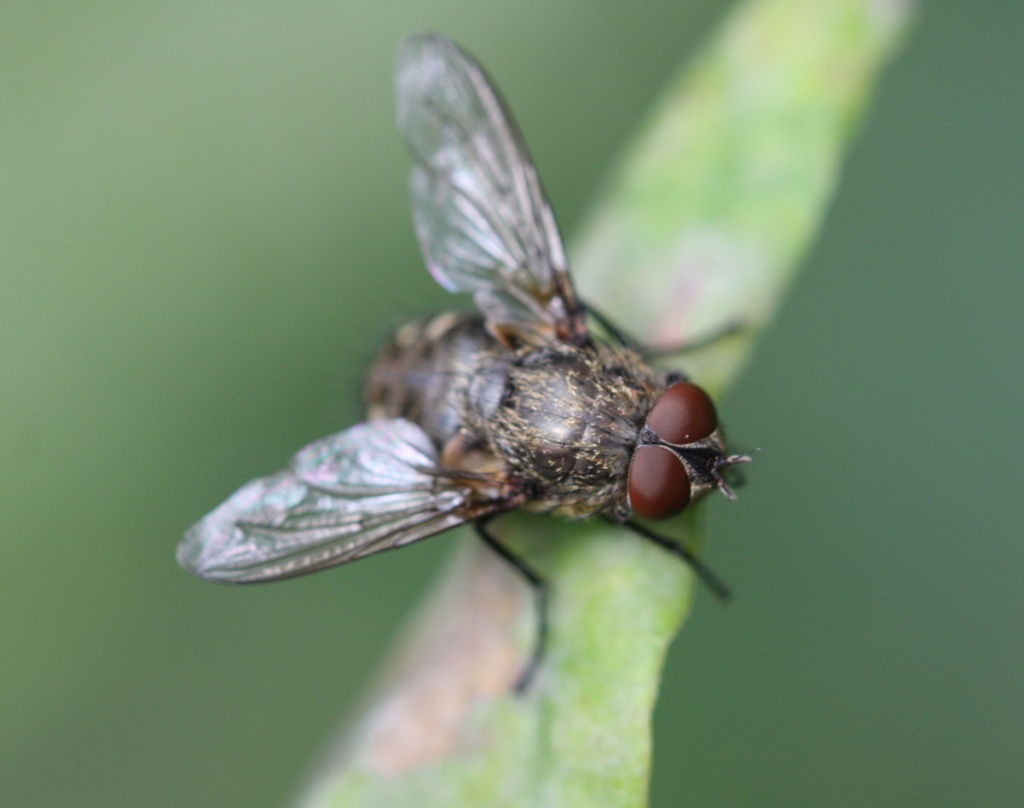
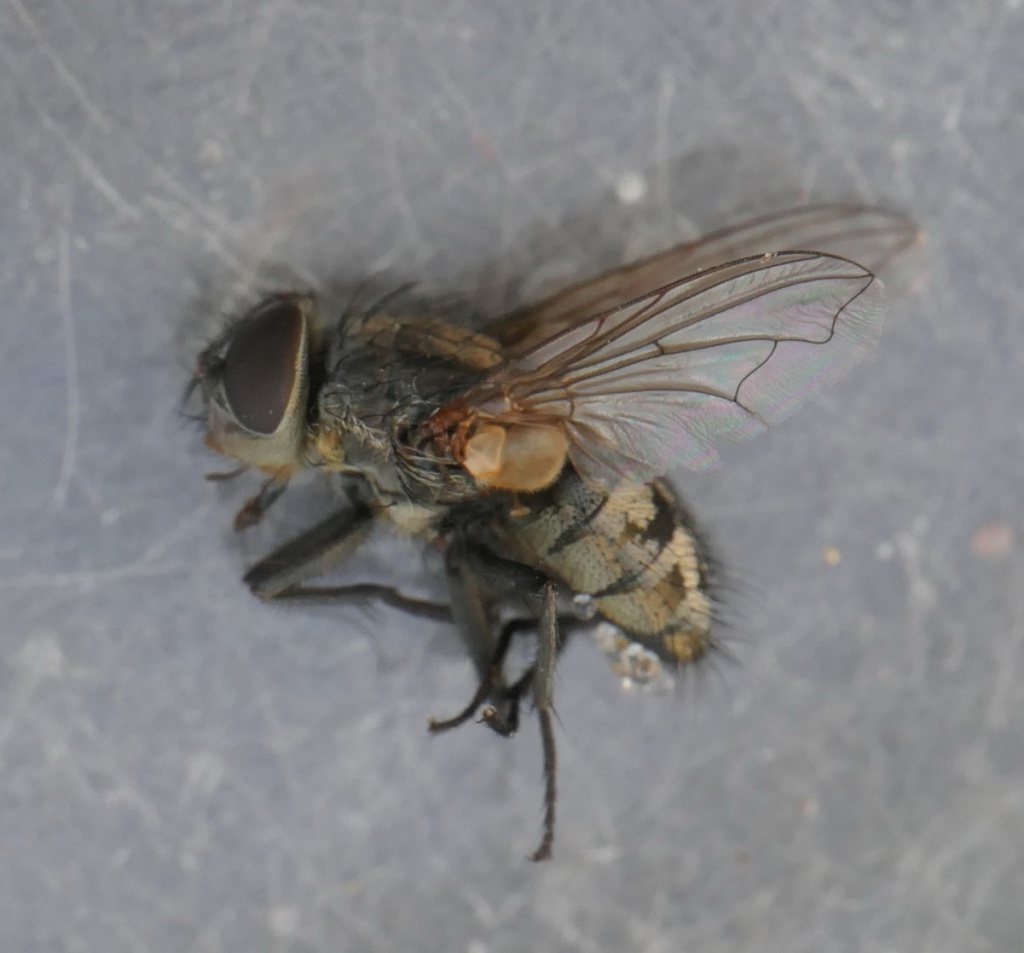
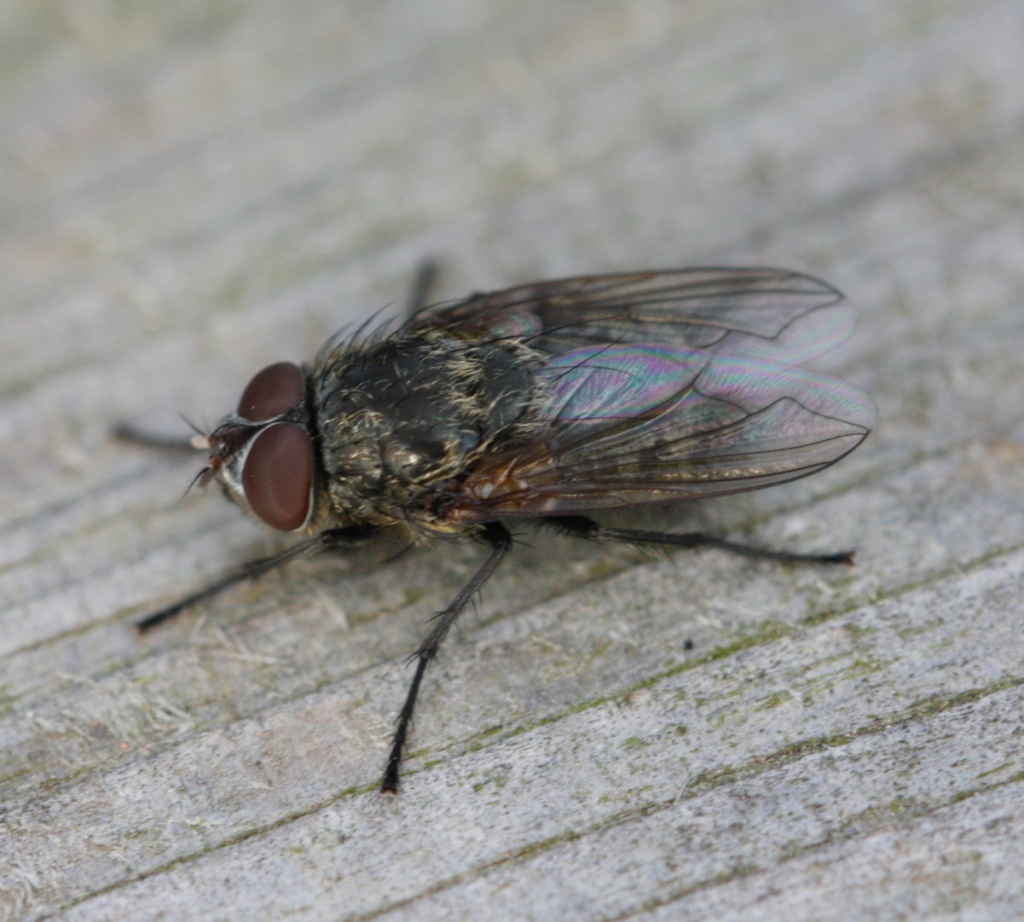
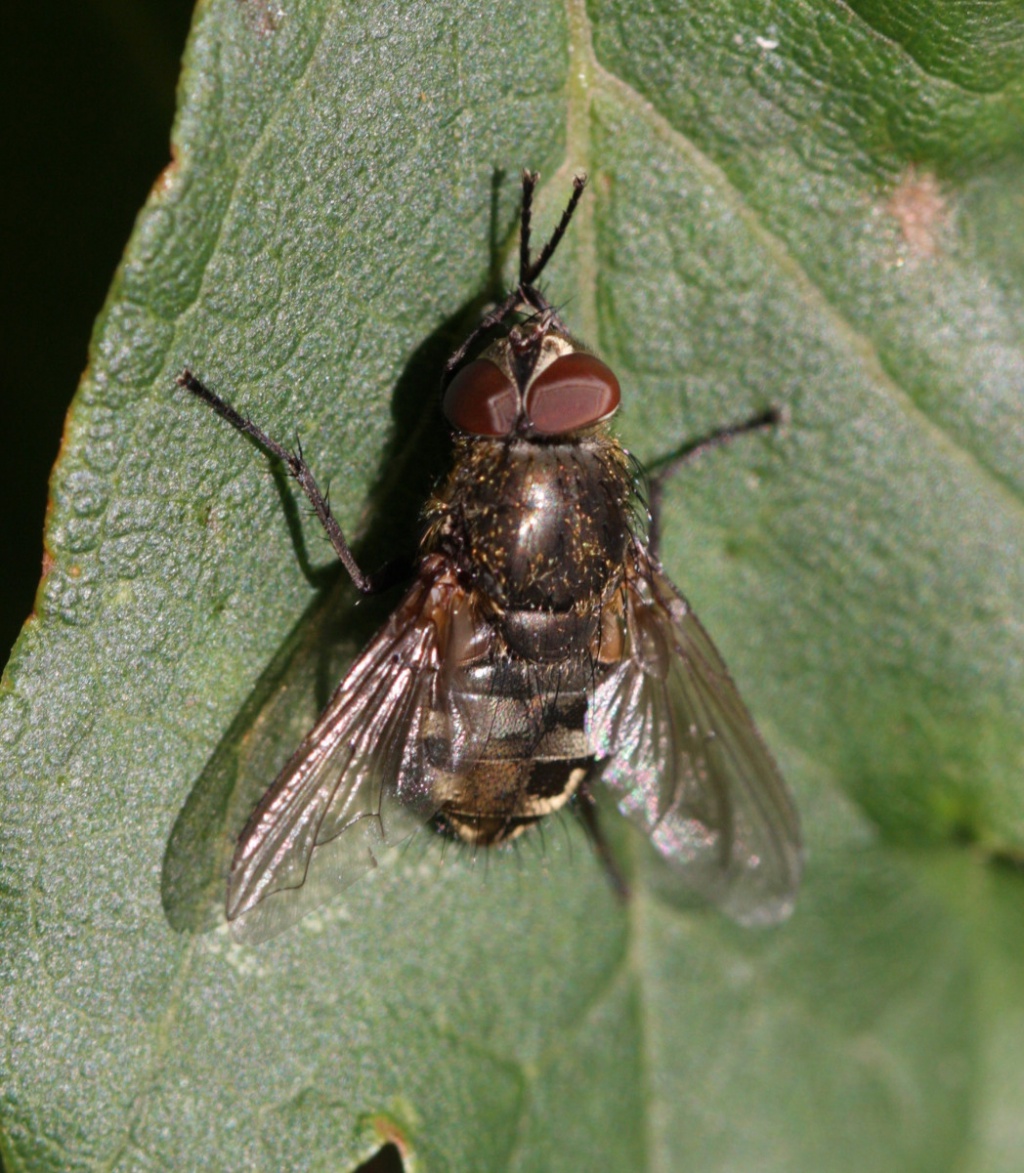
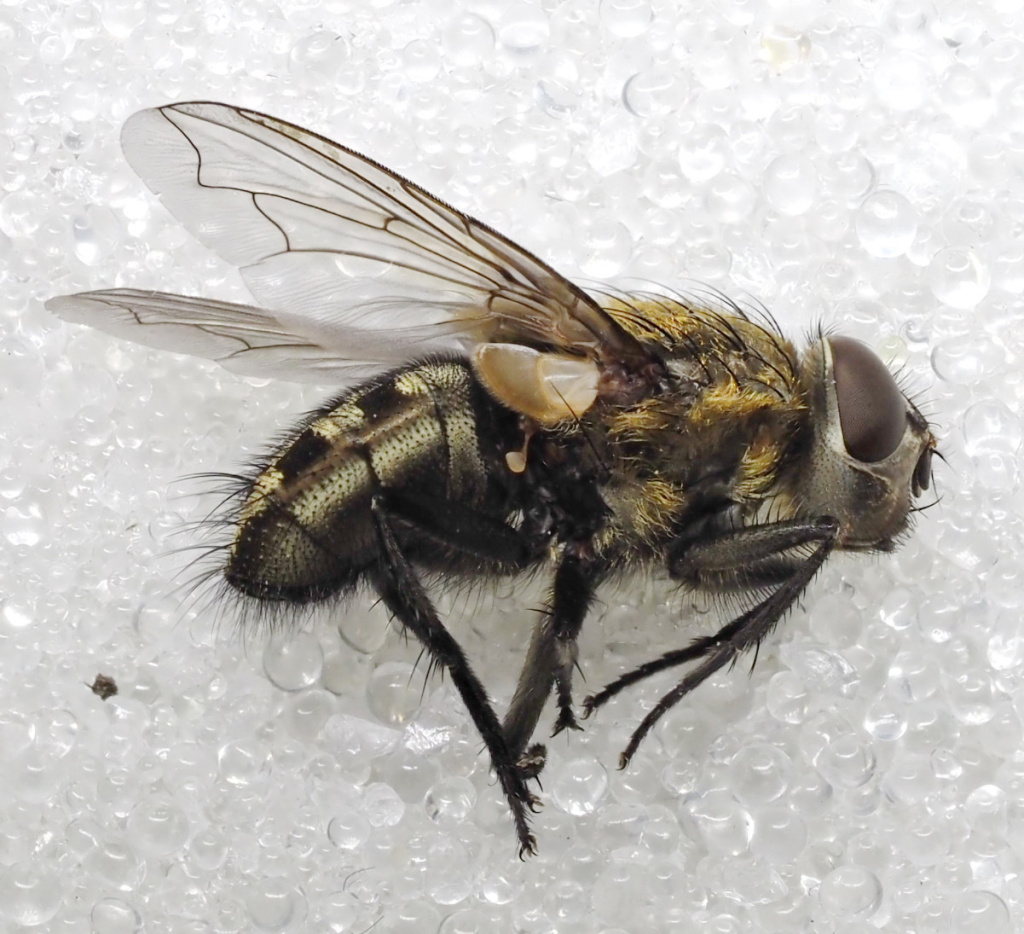
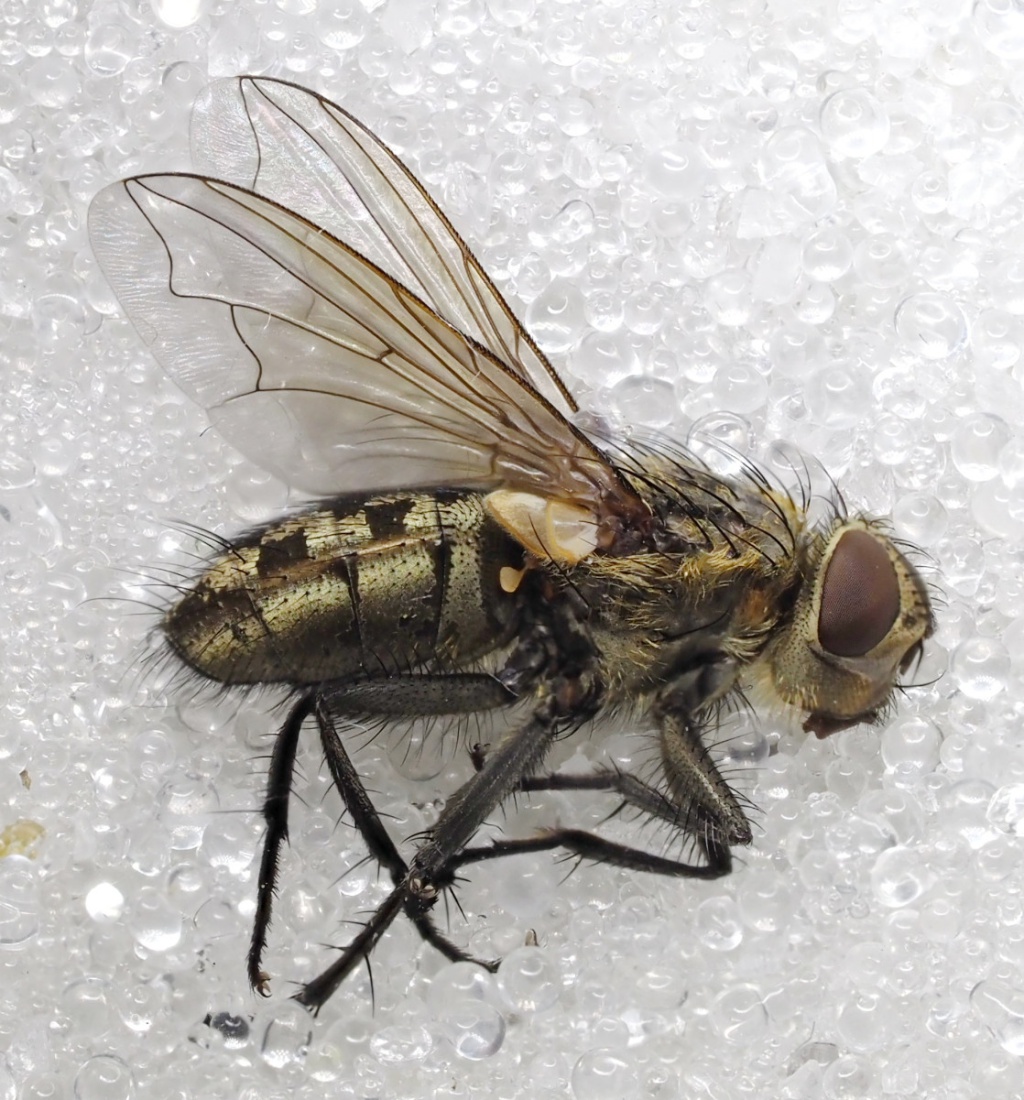
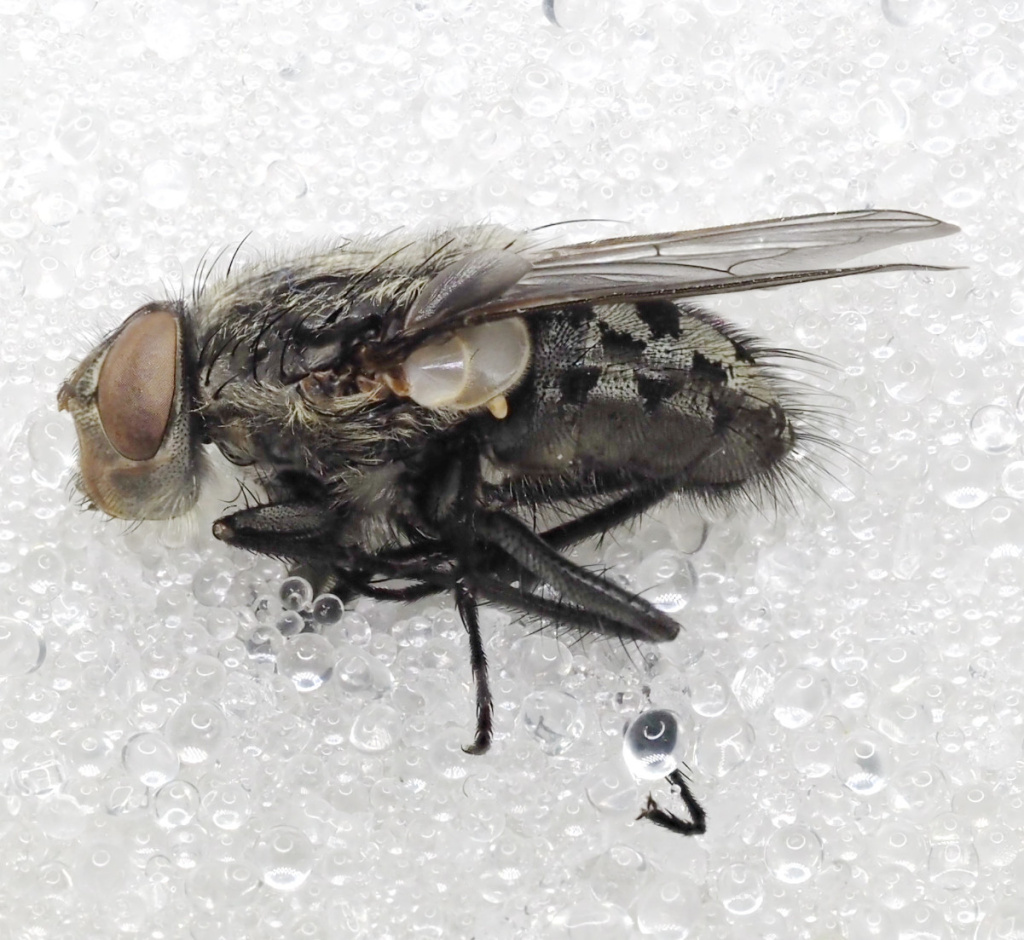
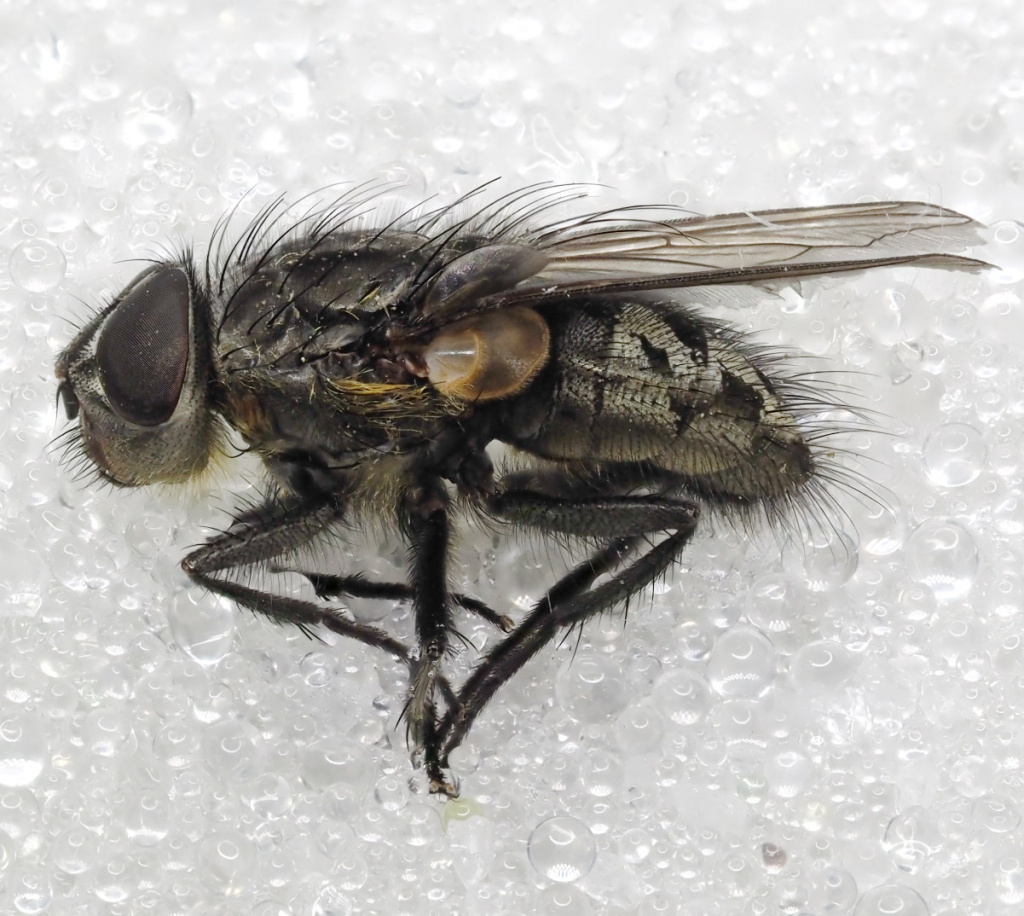
Narrow-cheeked Clusterfly - Pollenia angustigena
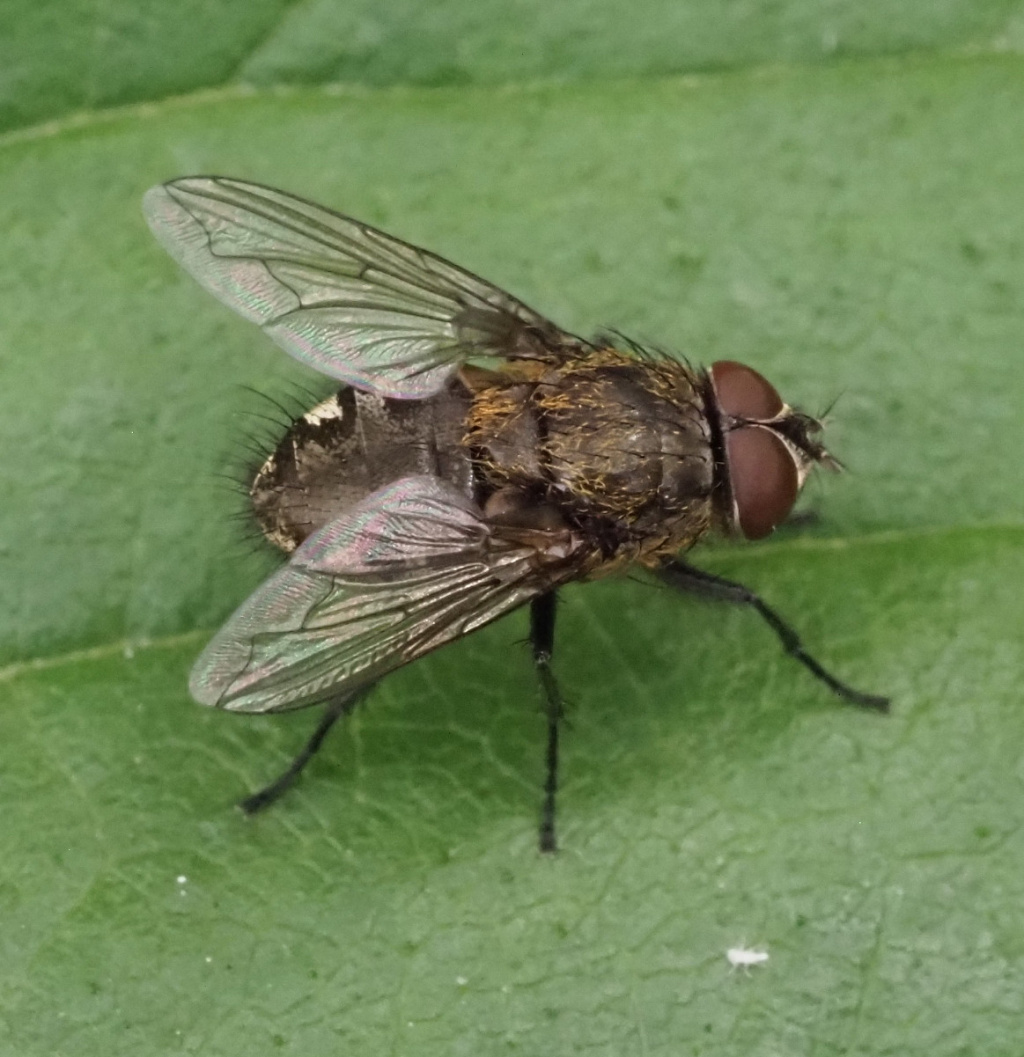
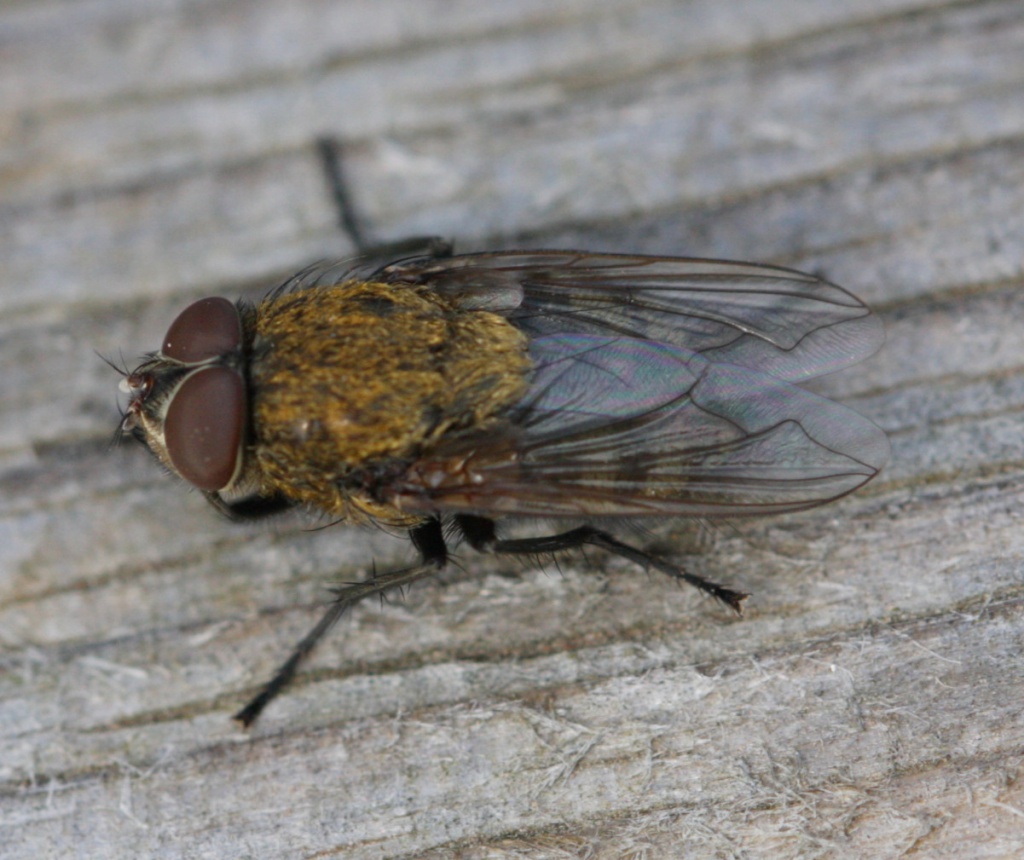
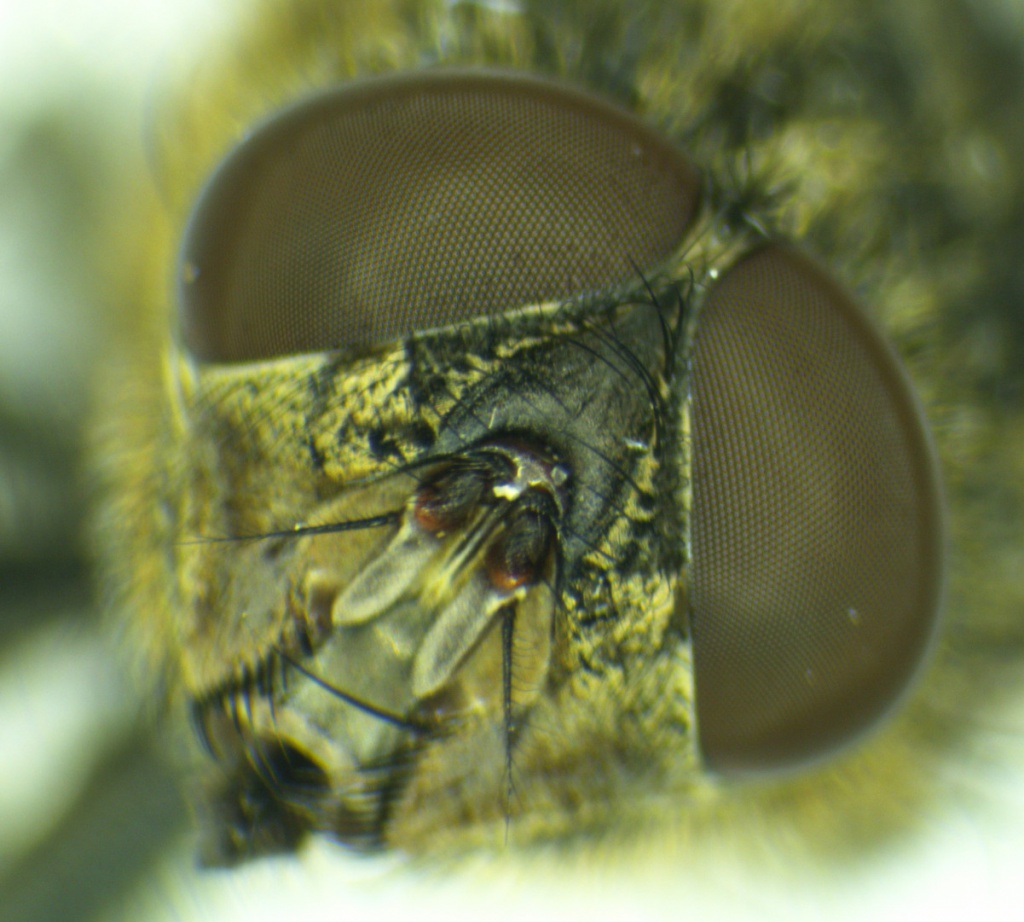
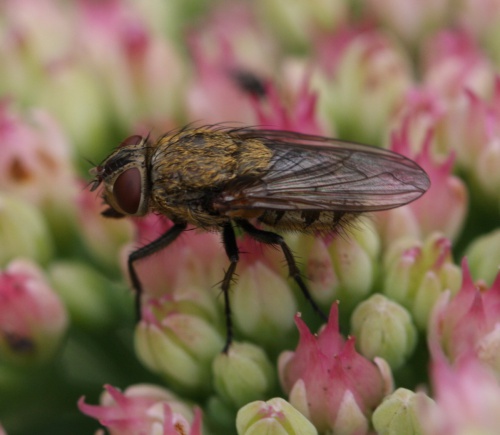
It has the golden thoracic hairs, typical of the Pollenia genus, and generally looks the same as the common clusterfly - Pollenia rudis. Both sexes have the jowls below the eyes slightly narrower than in P. rudis and average a little smaller and slimmer.
There are 8 Pollenia species in Britain, most of which require microscopic examination to key out. See ID Aids below. Pollenia rudis is generally the most common species though some of the others are also common.

- no pale hairs on the underside of the wing (at the base of the humeral crossvein)
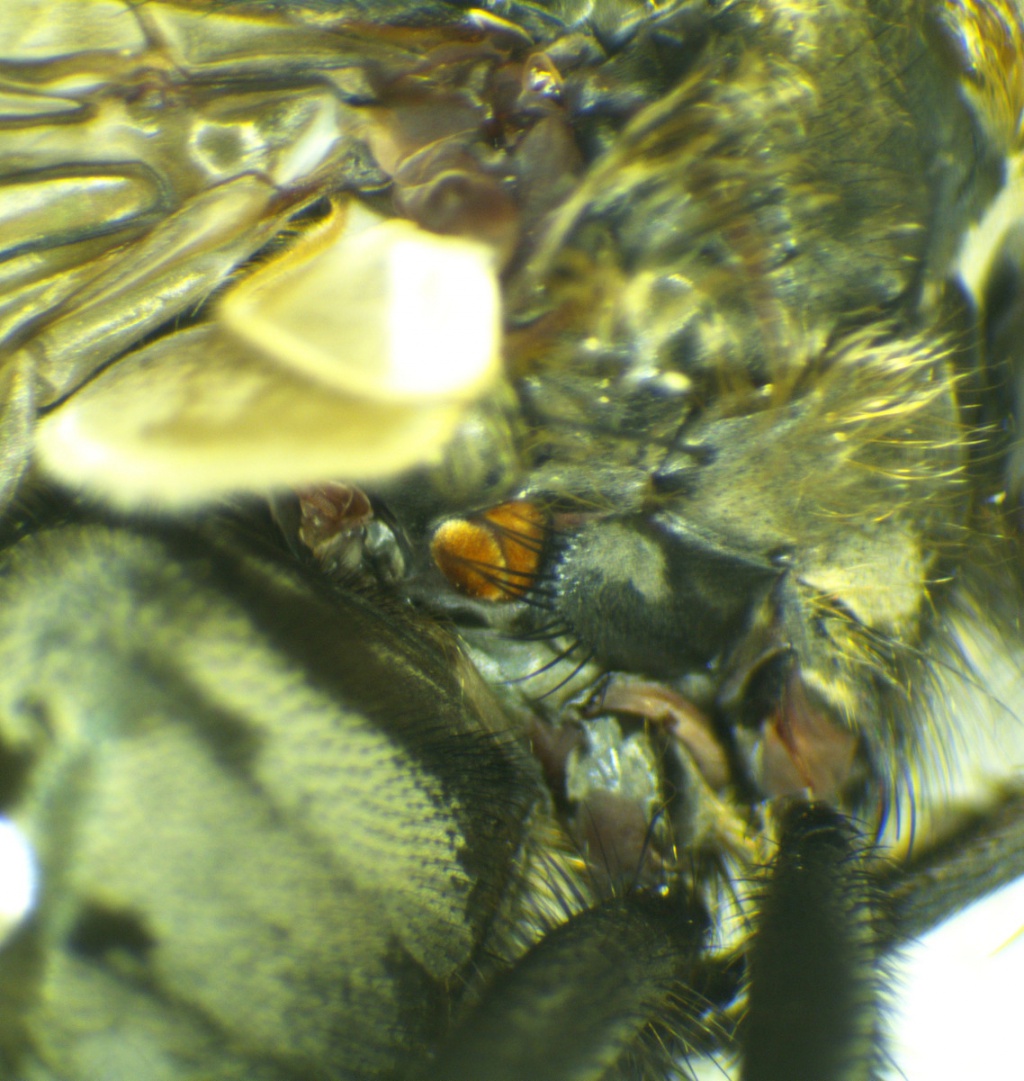
- yellow rear spiracle
- facial keel present (between the palps)
- palps dark
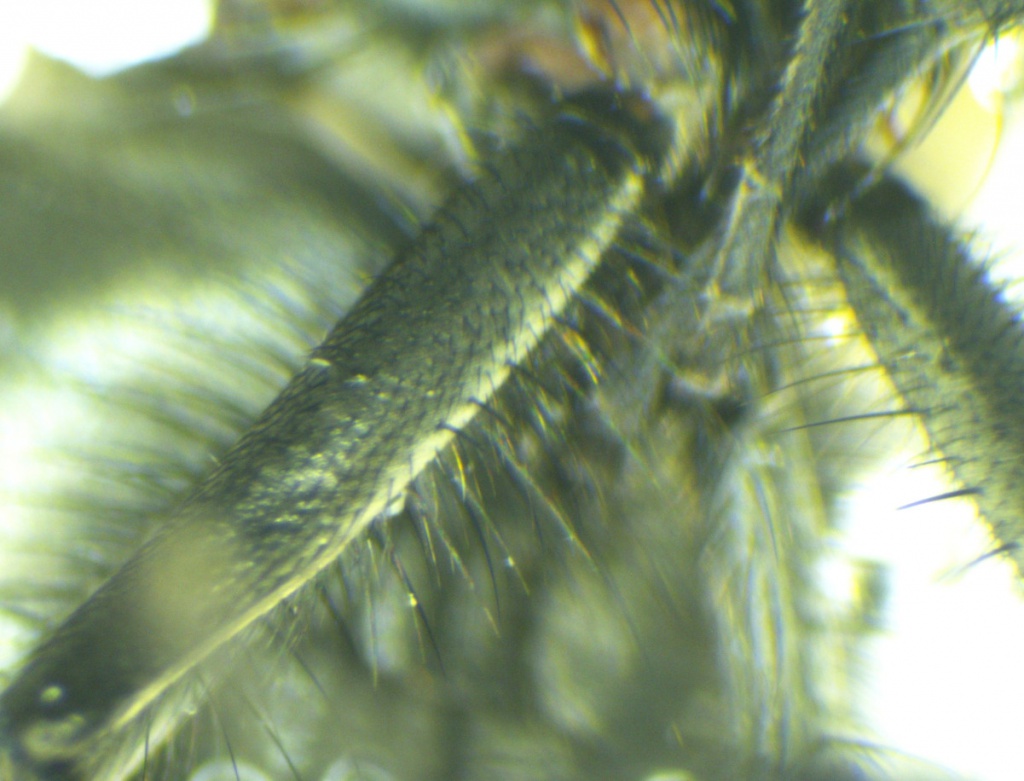
- mid-tibia with one anterodorsal seta
- hind femur with pale yellowish setulae on posteroventral surface
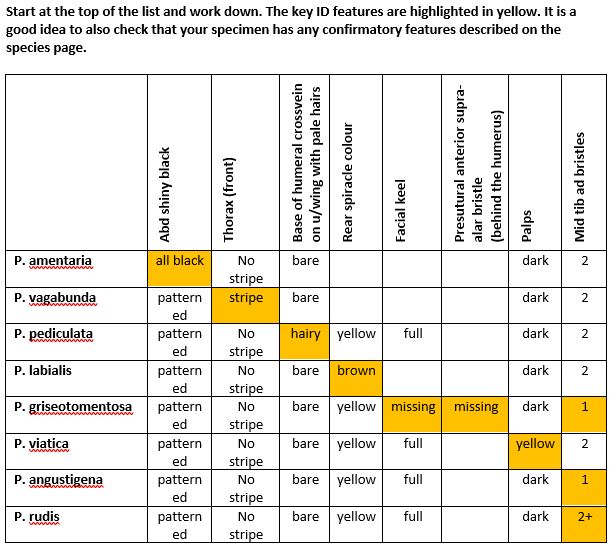
Unless identified by a recognised expert, a photo is required and the specimen should be examined with a microscope. In the comments box, state the key or ID method used and describe the size and identifying characters.
It can be found sunning on sheltered fences and tree trunks.
Spring to autumn, and tends to be earlier than Pollenia rudis.
The larvae attack earthworms, though host preferences appear to be unknown.
Widespread, and locally common species in Britain, which can be the most abundant clusterfly in many districts, especially in spring.
Status in Leicestershire and Rutland not known.
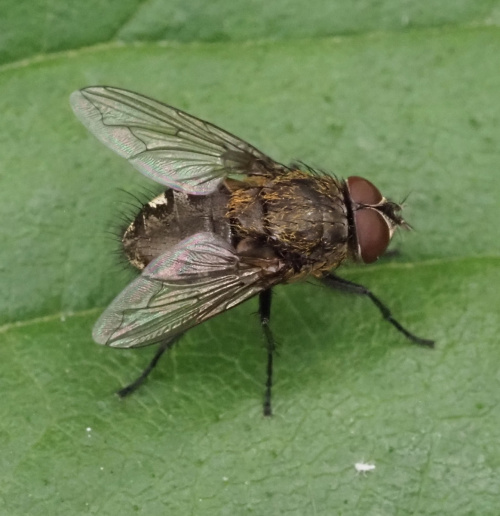 David Nicholls
North Kilworth, Millennium Green
17 June 2023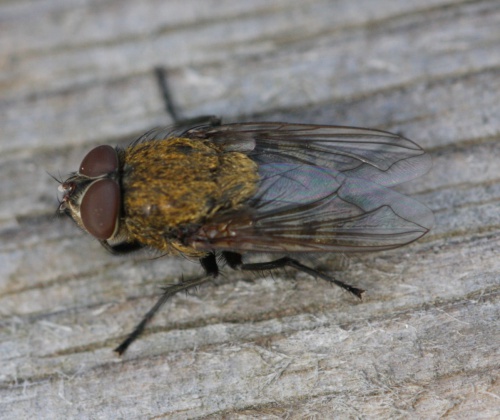 David Nicholls
Ratby, Burroughs Wood
24 August 2020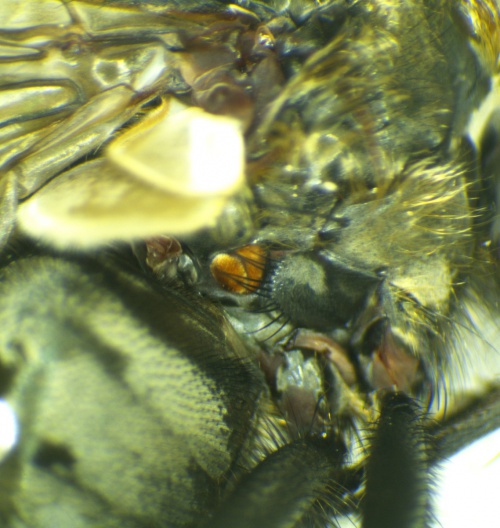 David Nicholls
Ratby garden
23 March 2020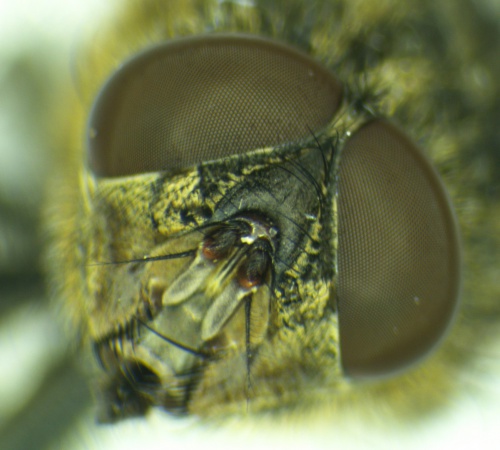 David Nicholls
Ratby garden
23 March 2020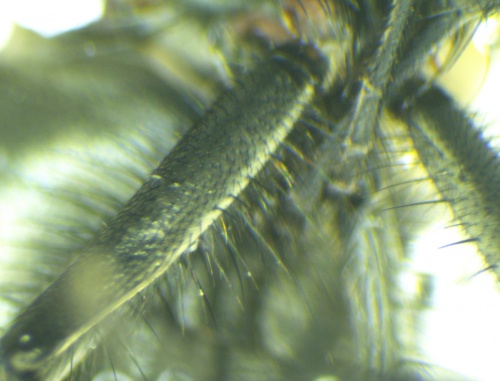 David Nicholls
Ratby garden
23 March 2020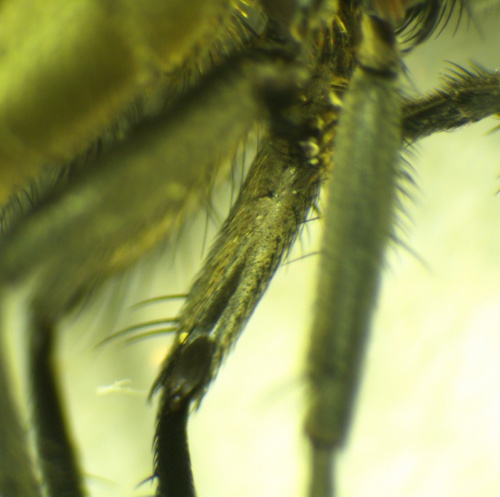 David Nicholls
Thornton, Browns Wood
20 September 2021
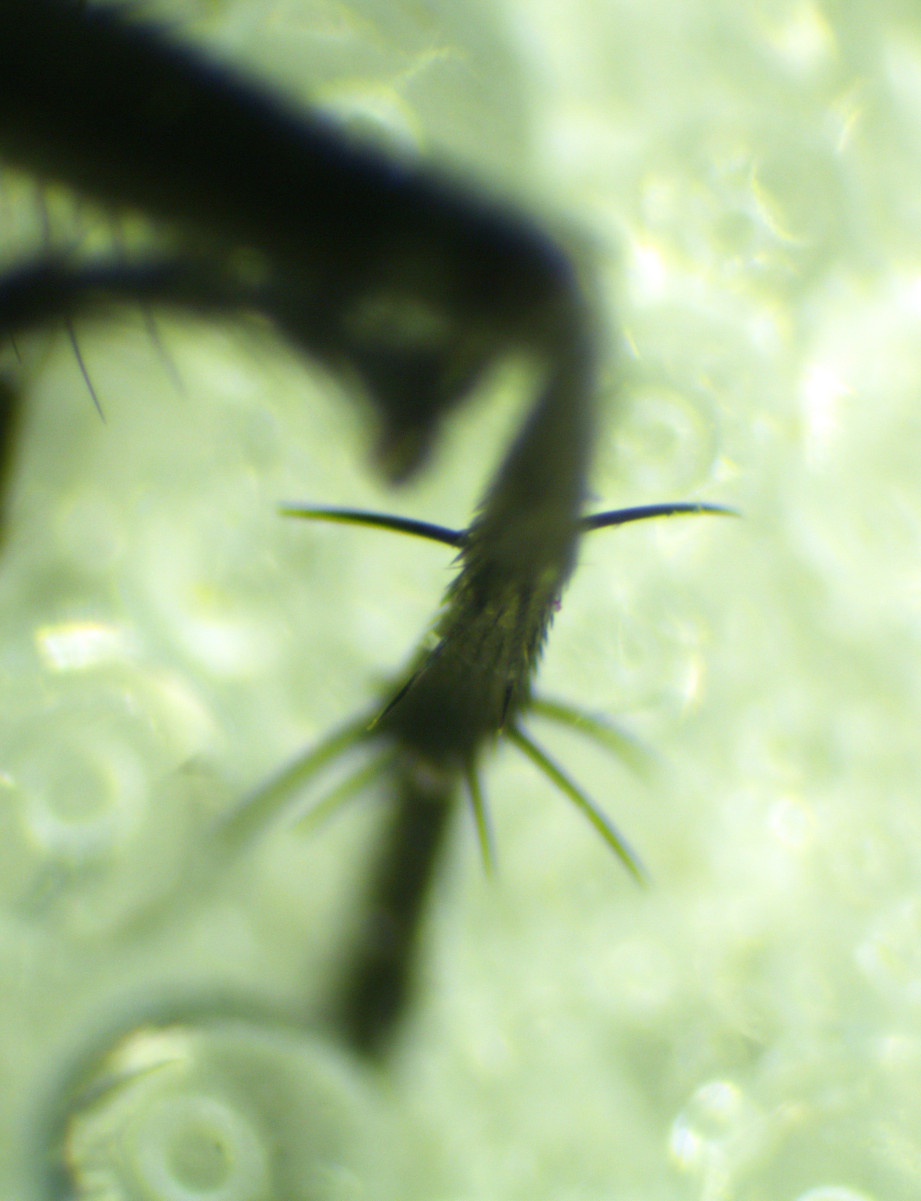
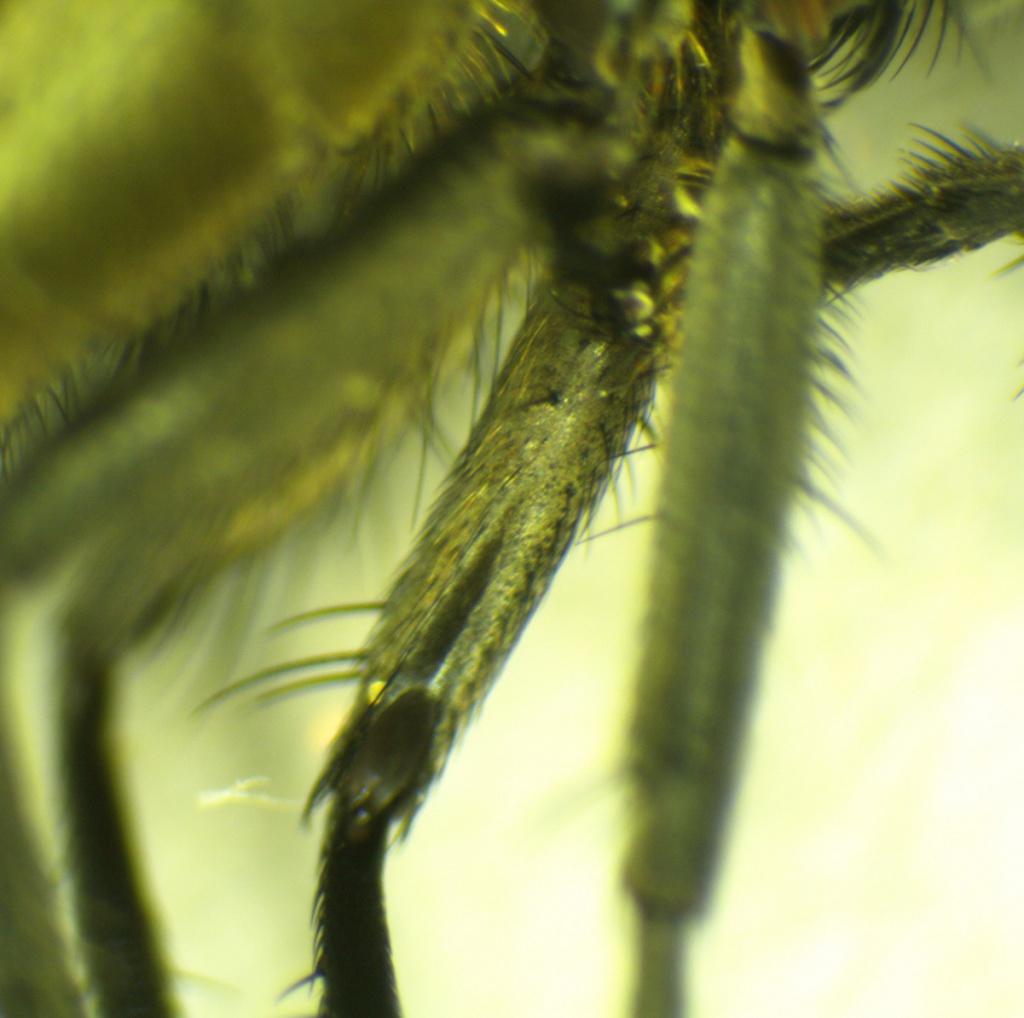
yellow hairs on mid+hind femora
Leicestershire & Rutland Map
Enter a town or village to see local records
MAP KEY:
Yellow squares = NBN records (all known data)
Coloured circles = NatureSpot records: 2025+ | 2020-2024 | pre-2020
UK Map
Species profile
- Species group:
- insect - true fly (Diptera)
- Kingdom:
- Animalia
- Order:
- Diptera
- Family:
- Polleniidae
- Records on NatureSpot:
- 49
- First record:
- 23/03/2020 (Nicholls, David)
- Last record:
- 20/04/2026 (Nicholls, David)
Total records by month
% of records within its species group
10km squares with records
The latest images and records displayed below include those awaiting verification checks so we cannot guarantee that every identification is correct. Once accepted, the record displays a green tick.
In the Latest Records section, click on the header to sort A-Z, and again to sort Z-A. Use the header boxes to filter the list.
Latest images
Latest records
 David Nicholls
Ratby garden
22 August 2020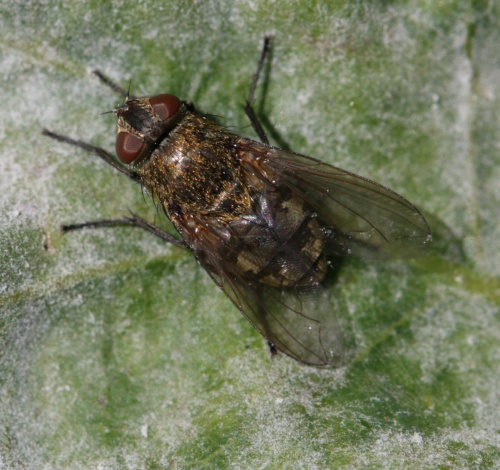 David Nicholls
Ratby, Burroughs Wood
24 August 2020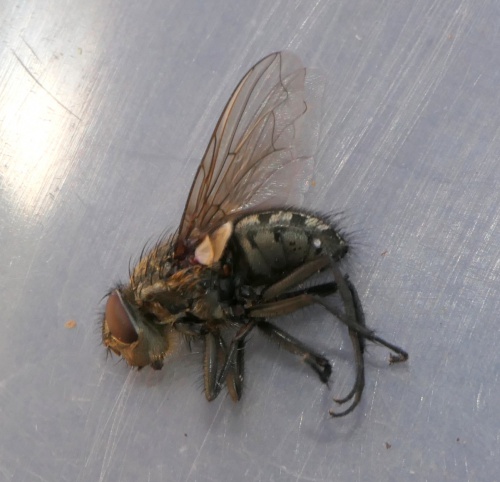 David Nicholls
Ratby garden
23 March 2020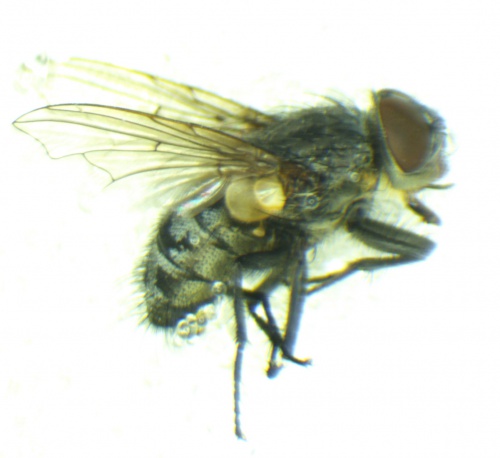 David Nicholls
Sheet Hedges Wood
08 April 2020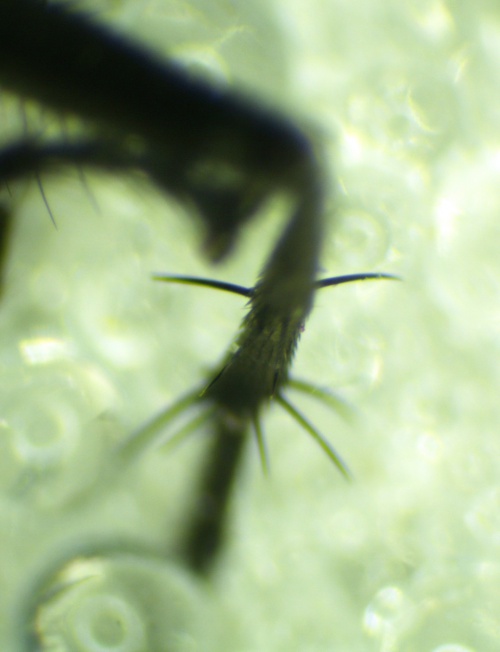 David Nicholls
Ratby garden
22 August 2020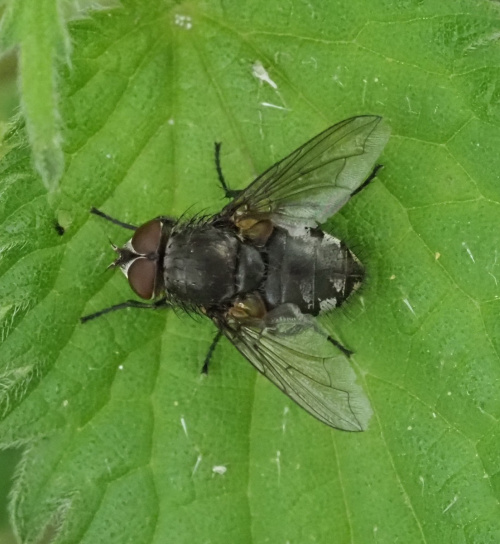 David Nicholls
Barkby, Queniborough Rd Verge
24 June 2023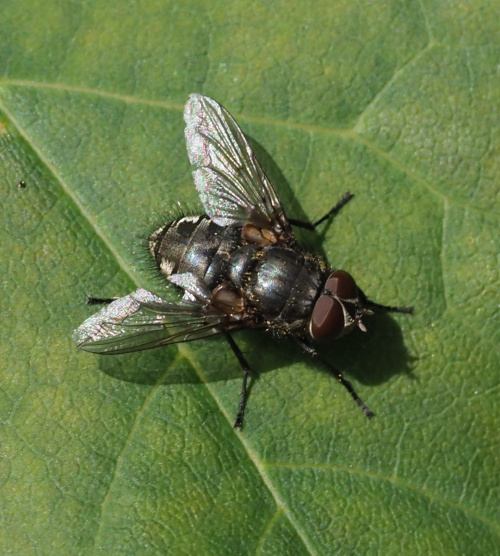 David Nicholls
Charnwood Water
29 June 2024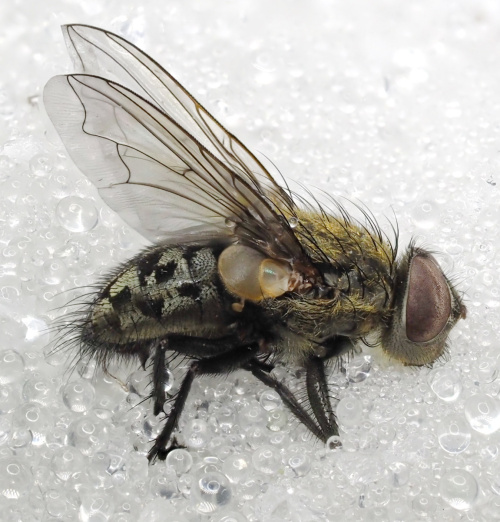 David Nicholls
Billa Barra
15 September 2021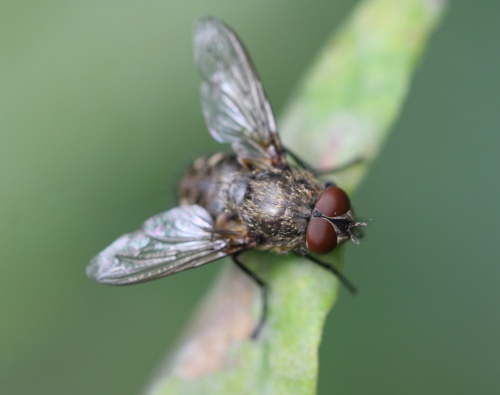 David Nicholls
Ratby, Burroughs Wood
24 August 2020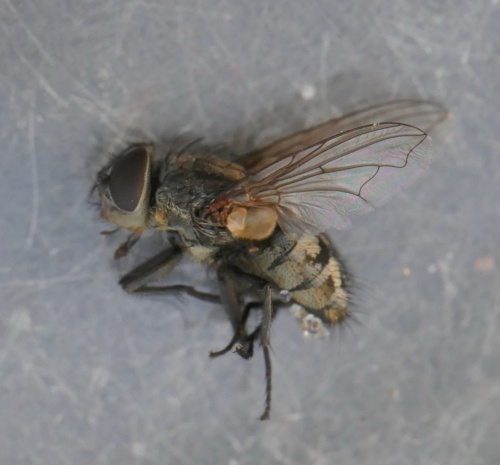 David Nicholls
Sheet Hedges Wood
08 April 2020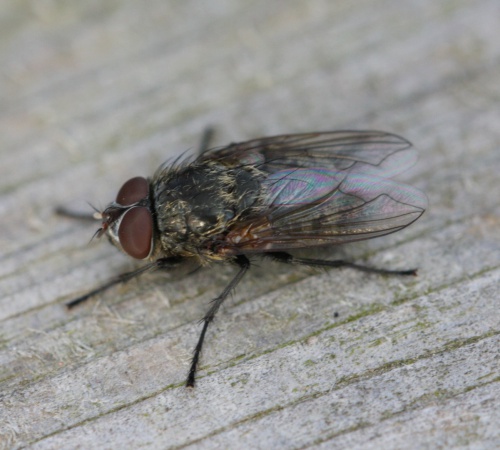 David Nicholls
Ratby, Burroughs Road
24 August 2020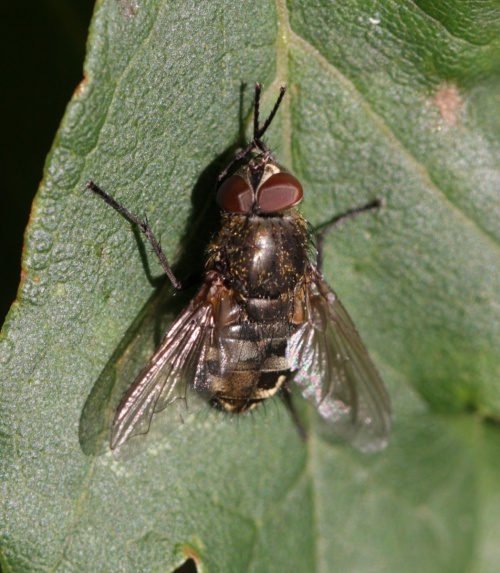 David Nicholls
Ratby, Burroughs Road
24 August 2020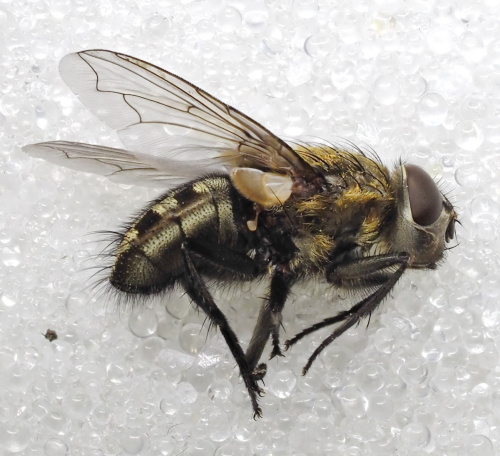 David Nicholls
Ratby, Wirlybones Wood
25 October 2023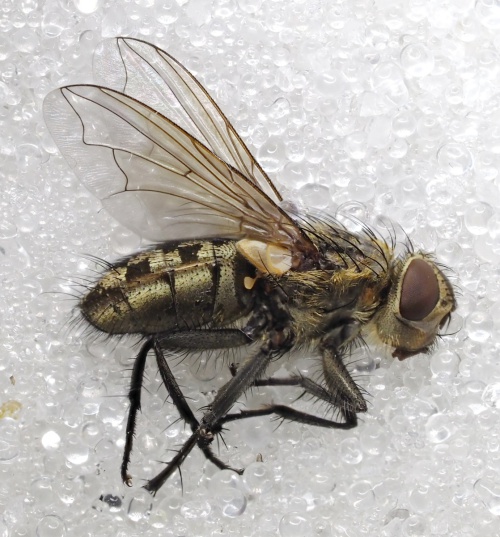 David Nicholls
Rutland Water, Egleton
14 October 2023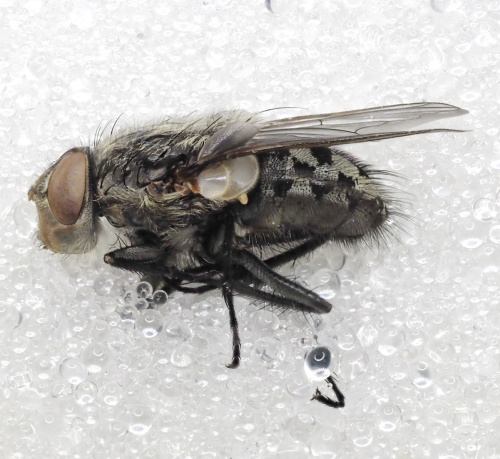 David Nicholls
Brascote, silt lagoons
17 September 2021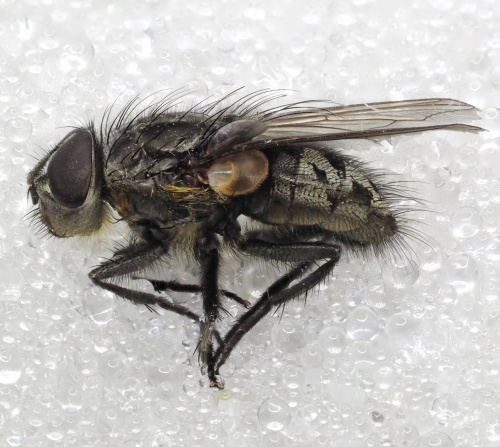 David Nicholls
Barkby, Queniborough Rd Verge
24 June 2023