

Osier - Salix viminalis
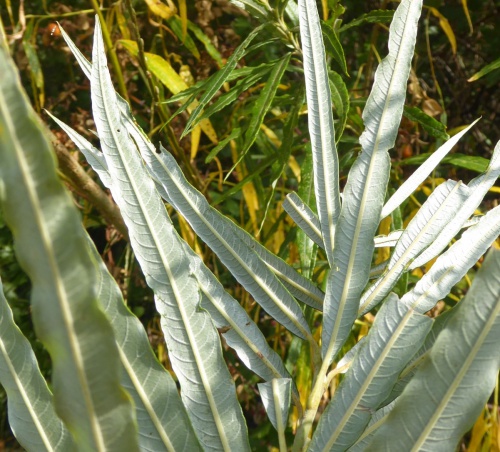
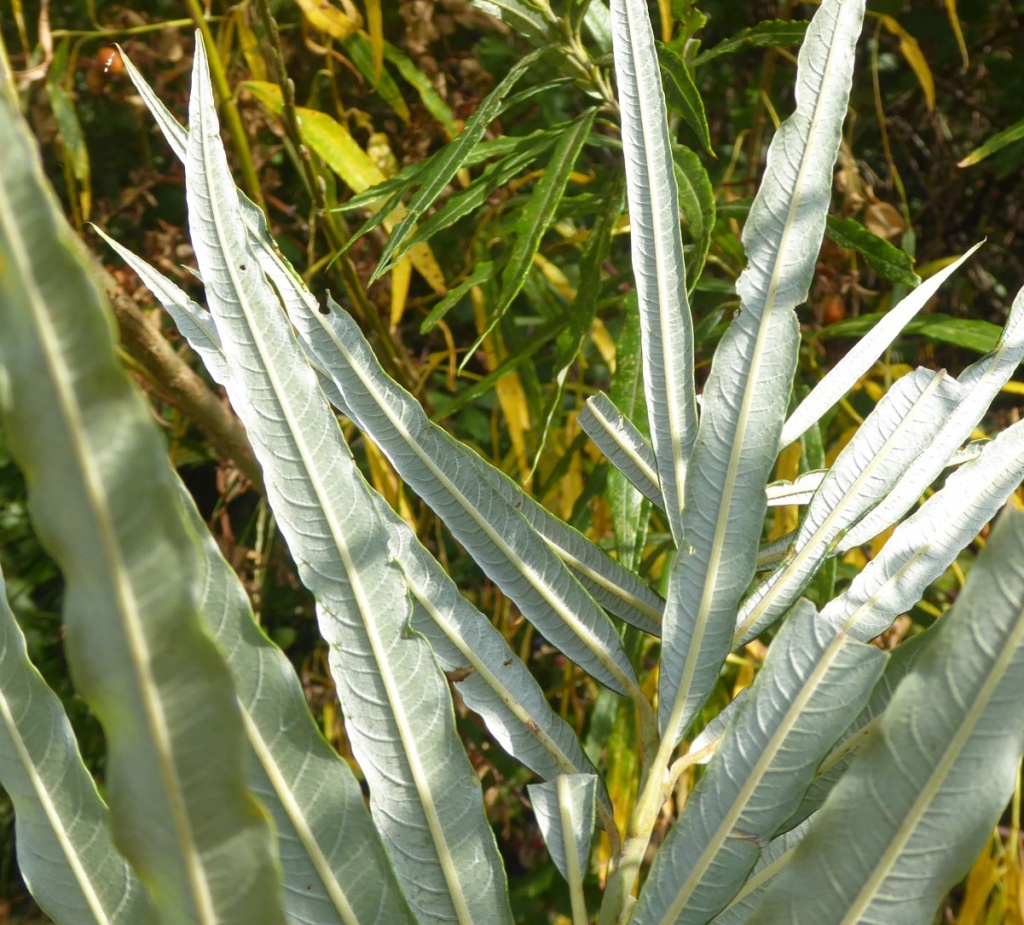
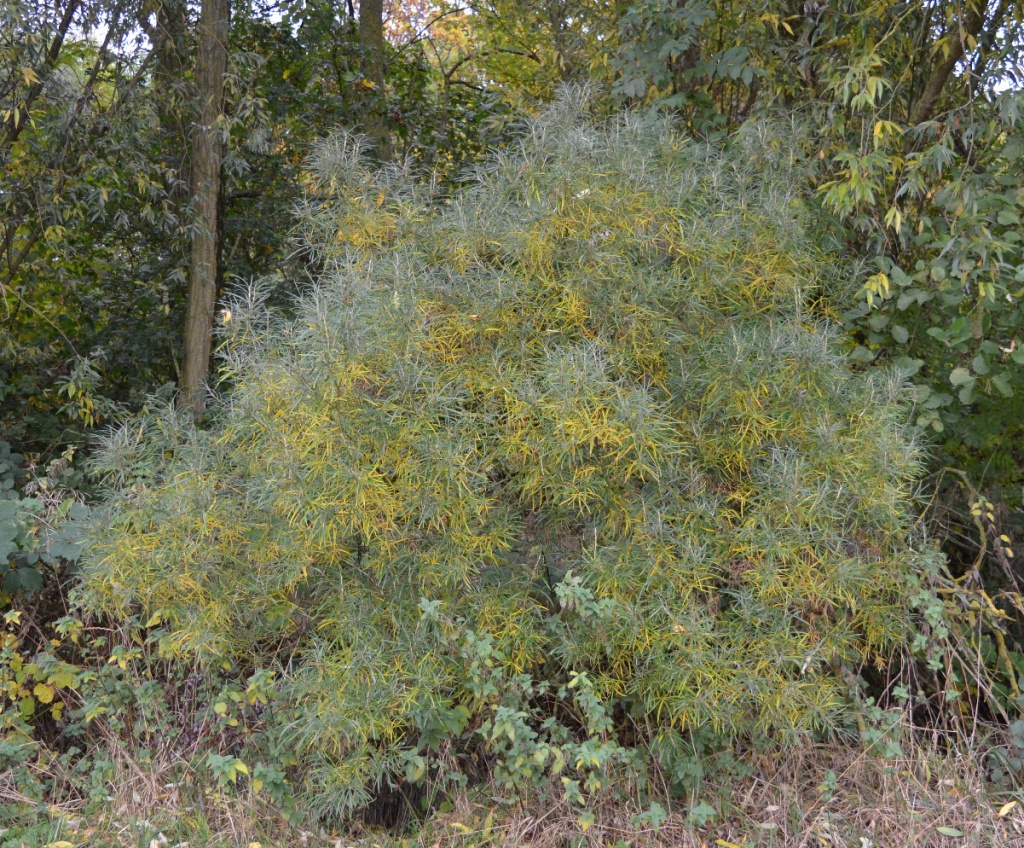
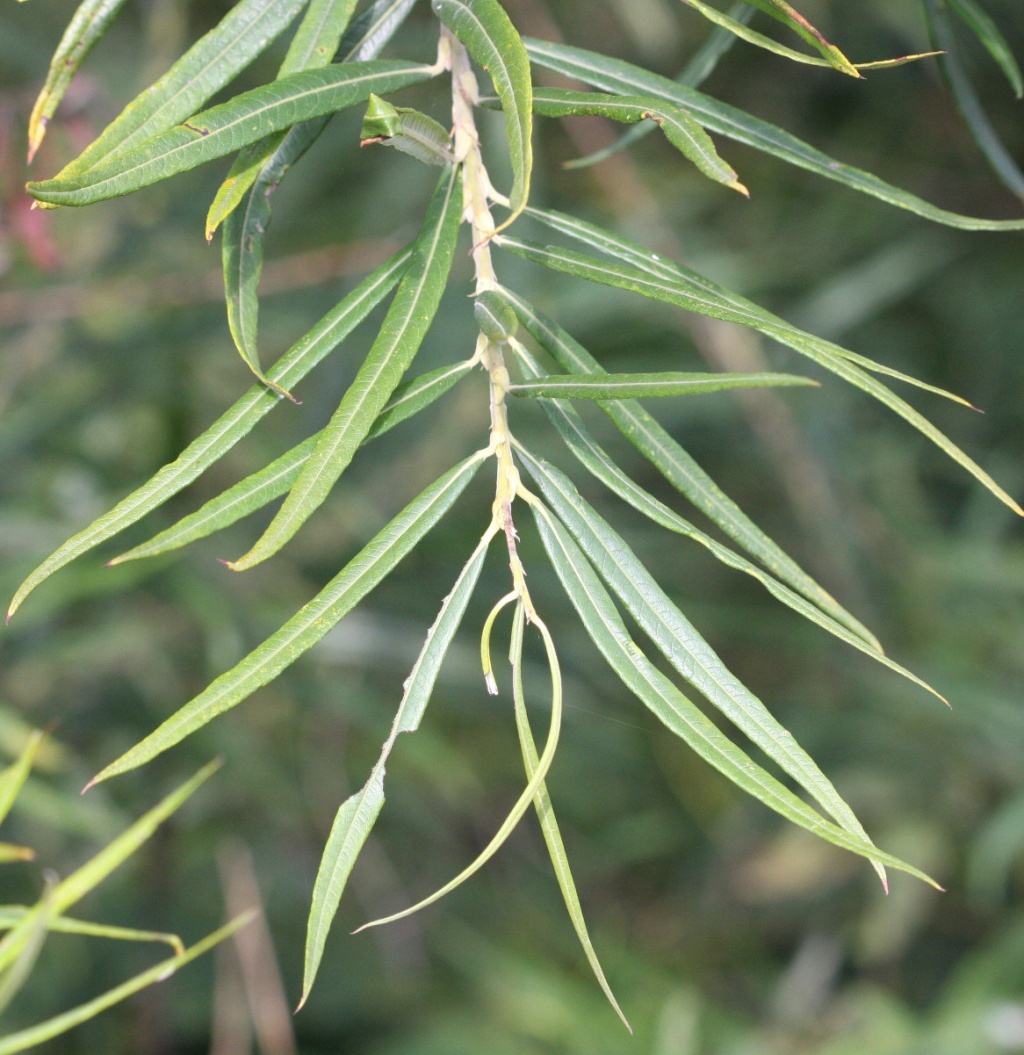
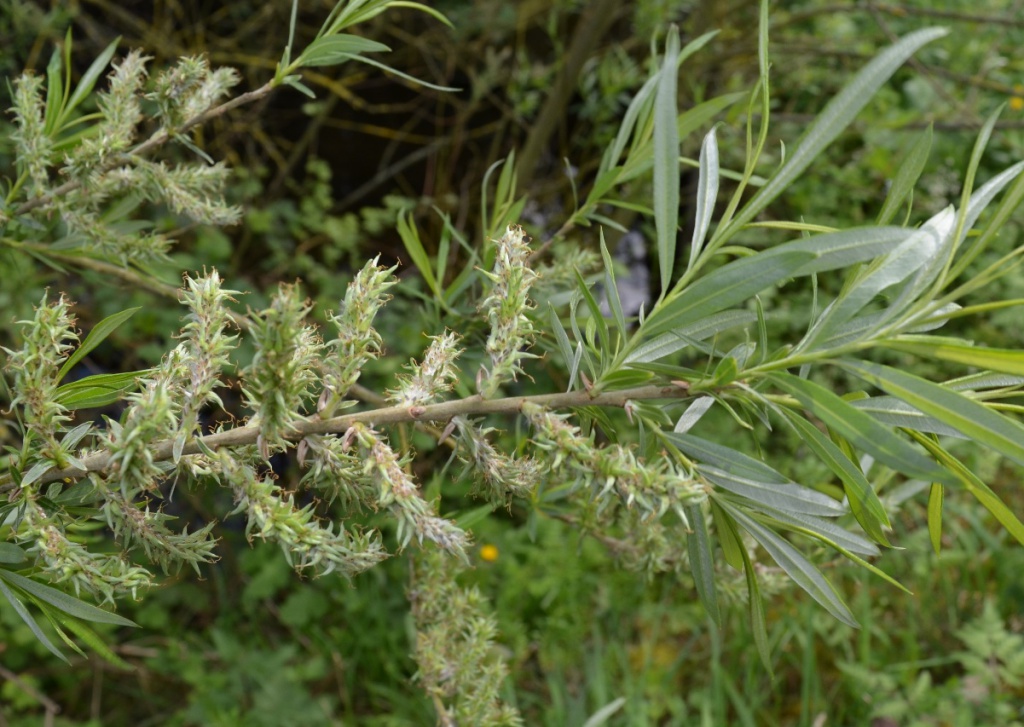
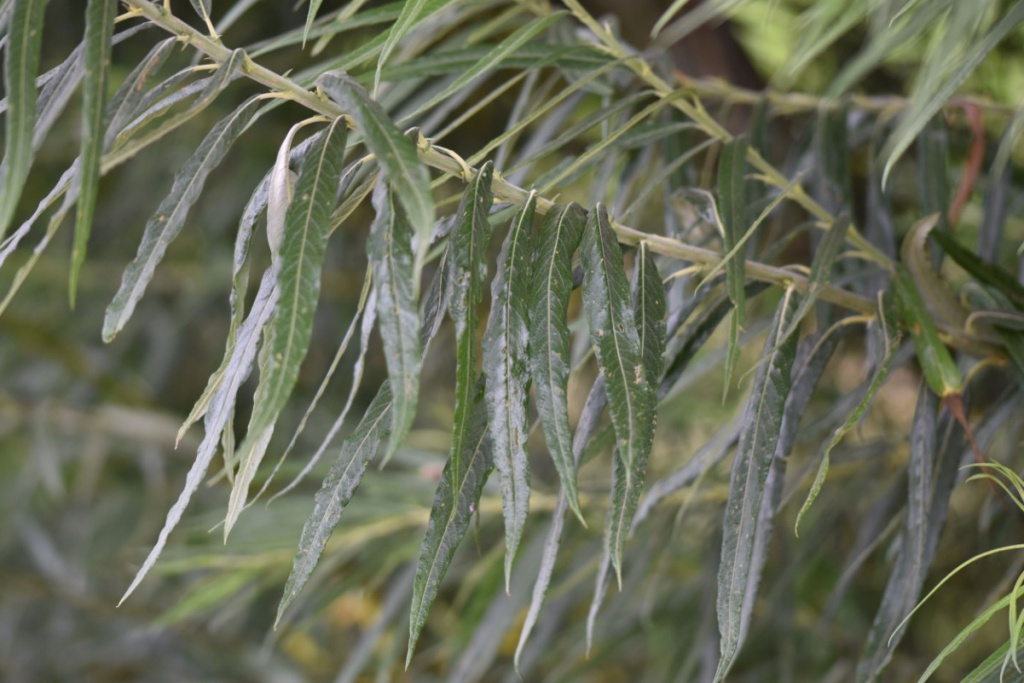
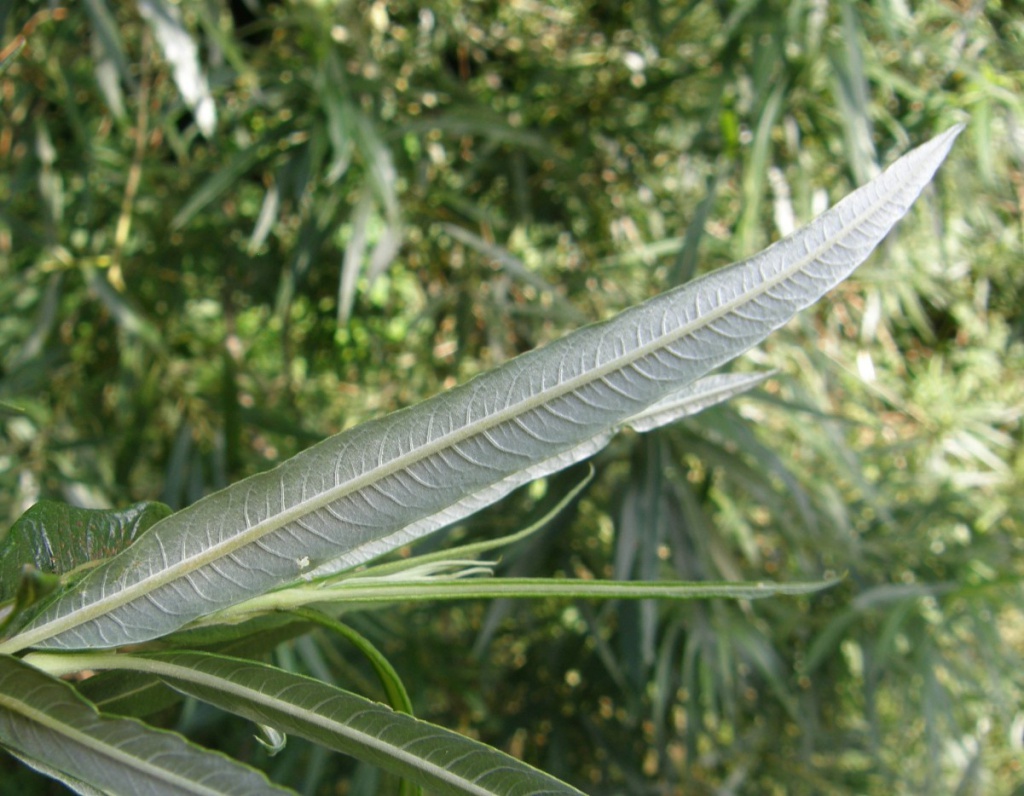
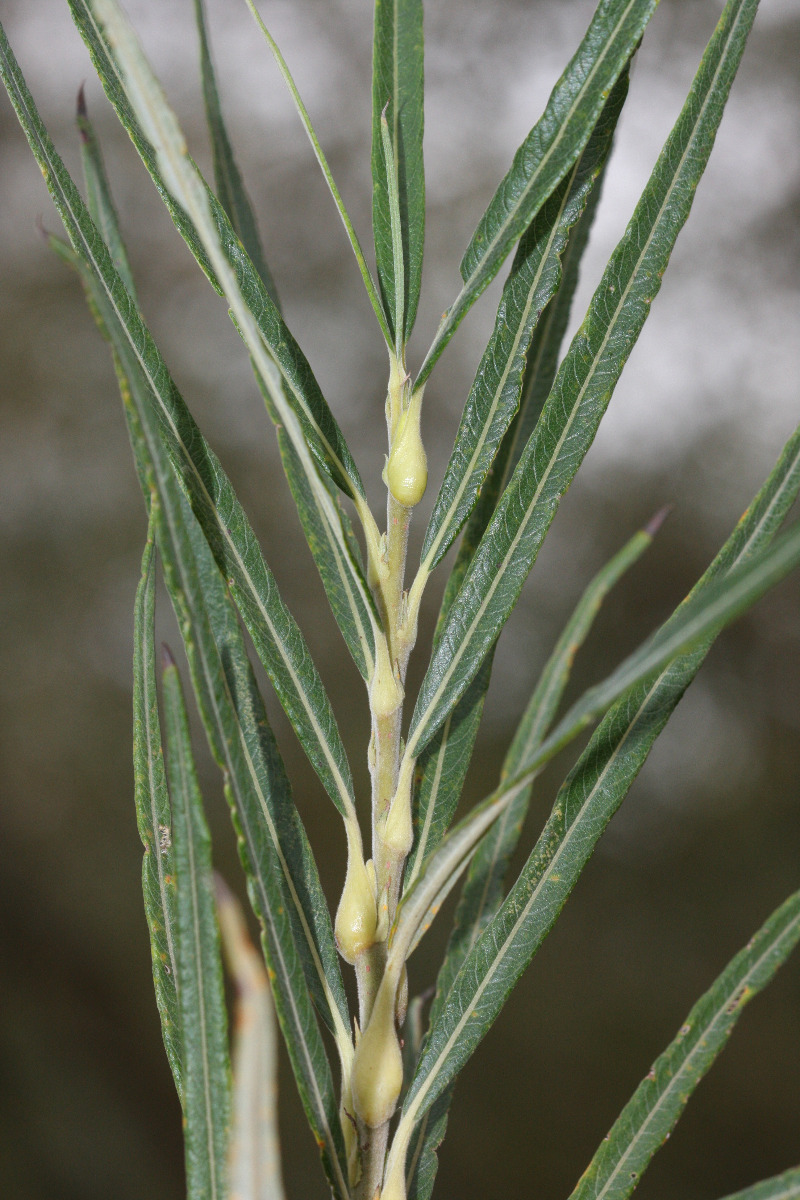
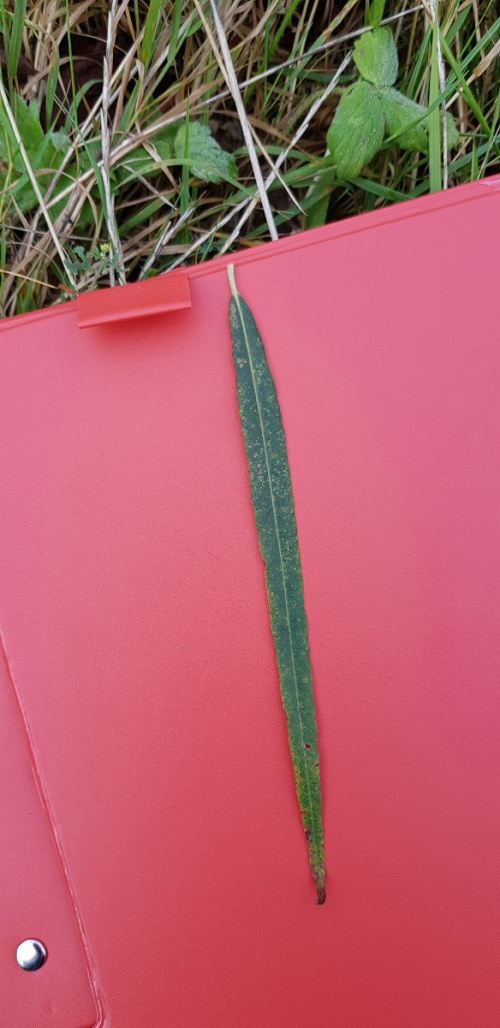
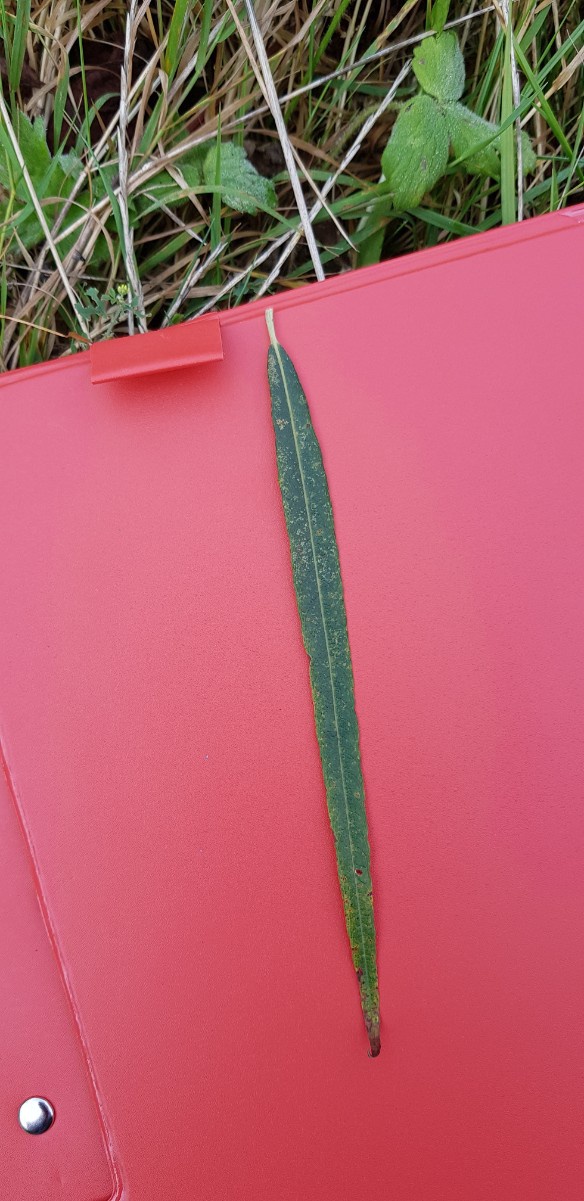
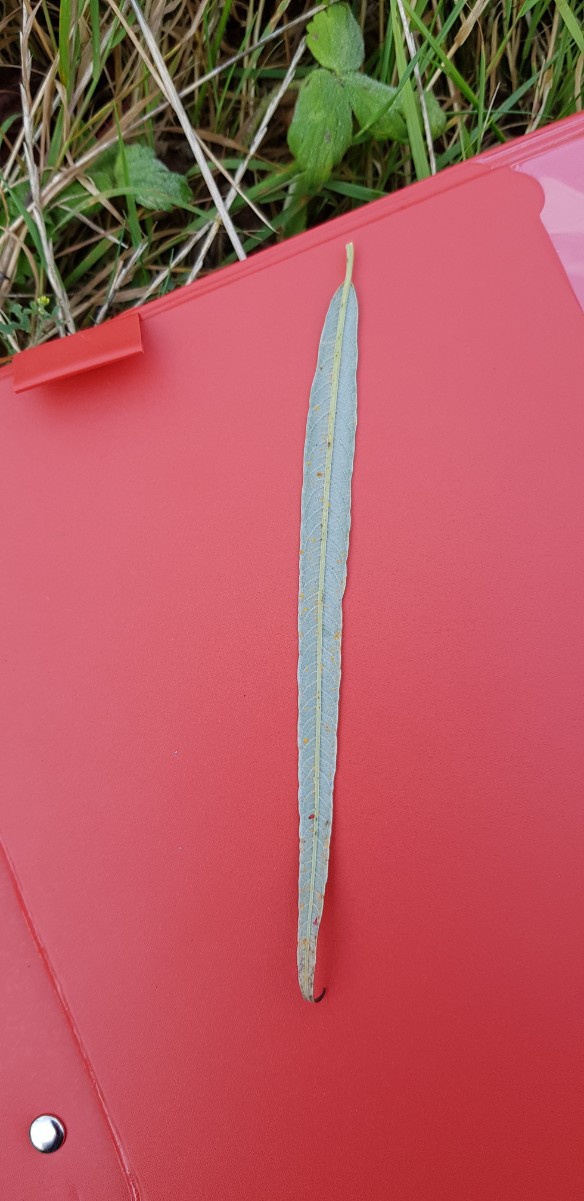
A shrub or small tree to 5 metres. Shoots long and flexible, shiny and yellow brown when mature. Leaves long and narrow, untoothed, green above, silvery and shiny beneath, the edges turned down slightly. Catkins narrow, 1.5 to 3cm appearing before the leaves and crowded at the shoot tips.

Water margins and wet places.
March and April.
Deciduous.
Quite common throughout lowland Britain.
Fairly common in Leicestershire and Rutland. In the 1979 Flora survey of Leicestershire it was found in 193 of the 617 tetrads.
 Saharima Roenisch
Knighton Park
20 September 2020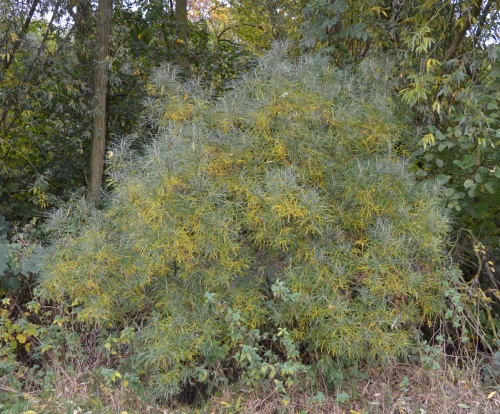 Steve Mathers
Watermead Park (South)
28 October 2016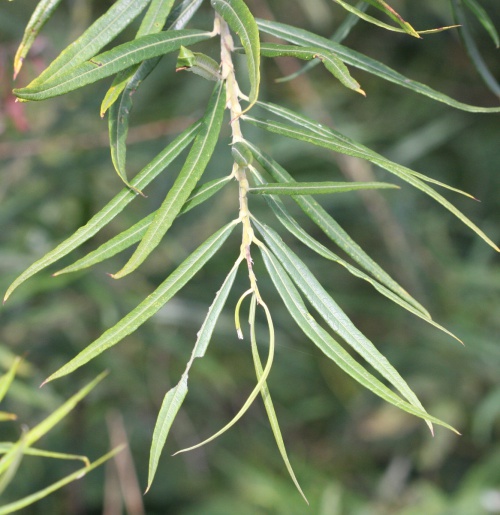 David Nicholls
Watermead Country Park
27 September 2013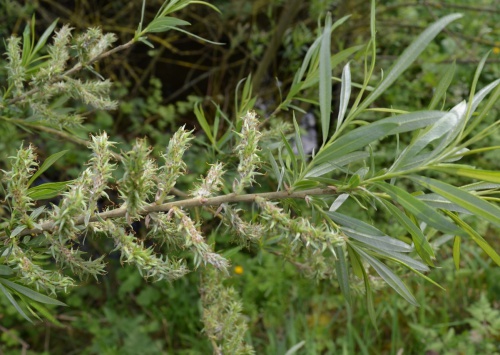 Steve Mathers
Grantham Canal (Hose to Harby)
18 April 2017 at Stoney Bridge Old Fosse Sapcote SP 5035 9296 (taken 6.4. 2008).JPG) Graham Calow
Graham Calow
Sapcote
06 April 2008
Catkins. In Copse by Stoney Bridge Sapcote SP 5028 9292 (taken 25.3.2008)..JPG) Graham Calow
Graham Calow
Sapcote
25 March 2008
Winter plant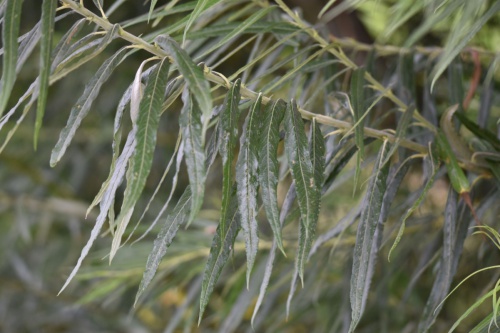 stepgray4
Footpath off Station Rd, Old Dalby
24 July 2021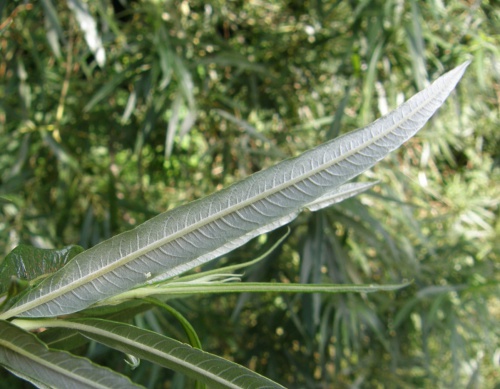 Saharima Roenisch
Leicester Victoria Park, Eco-area
08 August 2019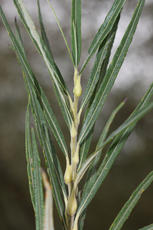 David Nicholls
Cossington
11 October 2011
 at Stoney Bridge Old Fosse Sapcote SP 5035 9296 (taken 6.4. 2008).JPG)
. In Copse by Stoney Bridge Sapcote SP 5028 9292 (taken 25.3.2008)..JPG)
Leicestershire & Rutland Map
Enter a town or village to see local records
MAP KEY:
Yellow squares = NBN records (all known data)
Coloured circles = NatureSpot records: 2025+ | 2020-2024 | pre-2020
UK Map
Species profile
- Common names
- Osier, Common Osier
- Species group:
- flowering plant
- Kingdom:
- Plantae
- Order:
- Malpighiales
- Family:
- Salicaceae
- Records on NatureSpot:
- 88
- First record:
- 01/07/1998 (John Mousley)
- Last record:
- 01/09/2025 (Nicholas Humphreys)
Total records by month
% of records within its species group
10km squares with records
The latest images and records displayed below include those awaiting verification checks so we cannot guarantee that every identification is correct. Once accepted, the record displays a green tick.
In the Latest Records section, click on the header to sort A-Z, and again to sort Z-A. Use the header boxes to filter the list.
Latest images
Latest records
 AnnGleave
Bath St to river LEV
21 September 2021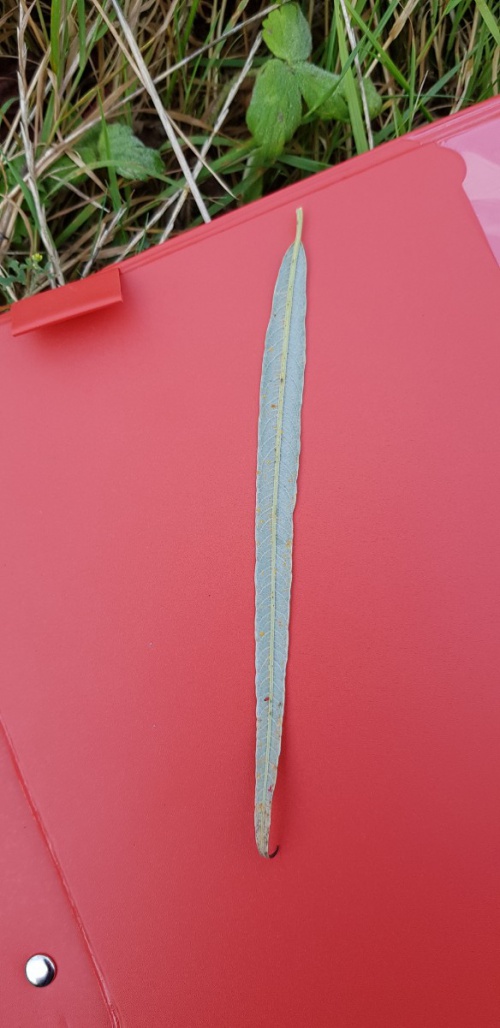 AnnGleave
Bath St to river LEV
21 September 2021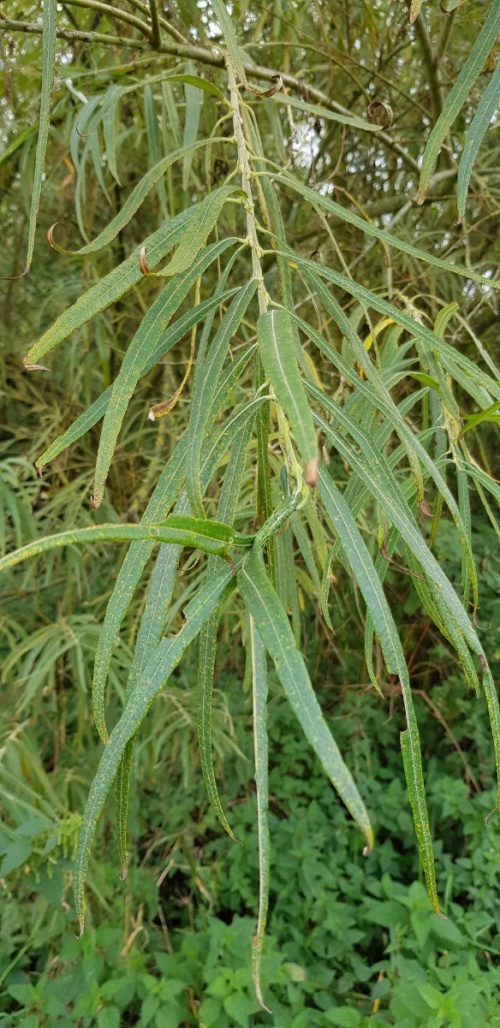 AnnGleave
Bath St to river LEV
21 September 2021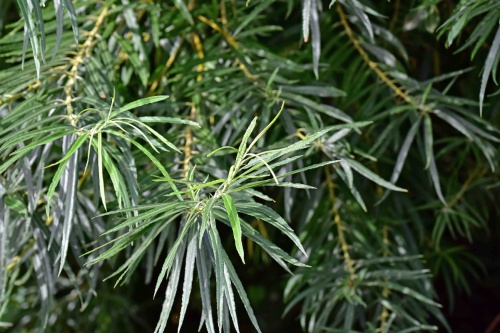 Andy's Rutland
Love's Lane-Empingham
17 August 2018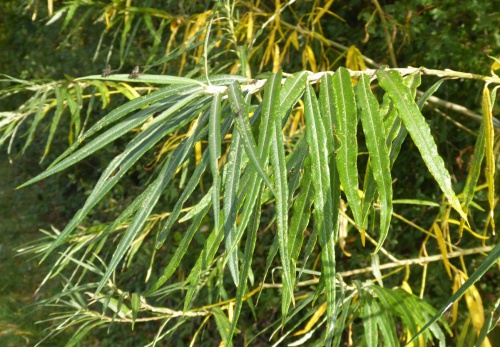 Saharima Roenisch
Knighton Park
20 September 2020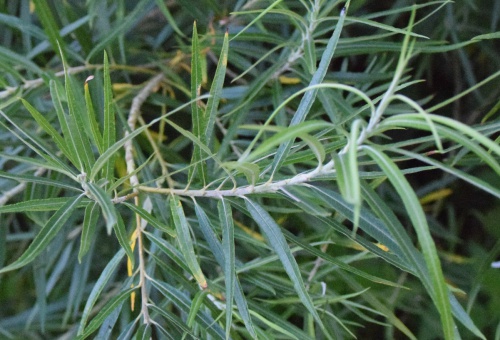 Steve Mathers
Grantham Canal (Hose to Harby)
01 August 2016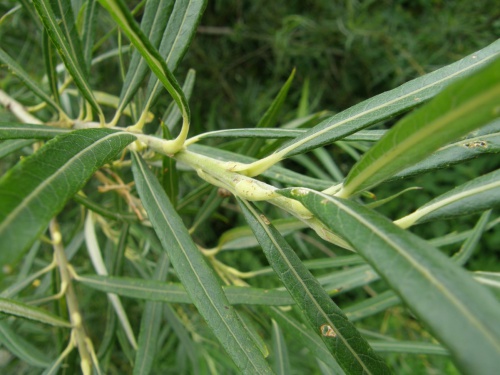 Saharima Roenisch
Leicester Ellis Medaows
14 July 2019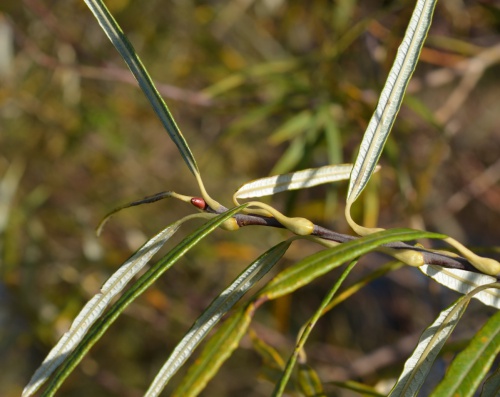 Steve Mathers
River Soar (south of Ratcliffe on Soar)
19 November 2016. In Copse by Stoney Bridge Sapcote SP 5028 9292 (taken 4.5. 2008).JPG) Graham Calow
Graham Calow
Sapcote
04 May 2008
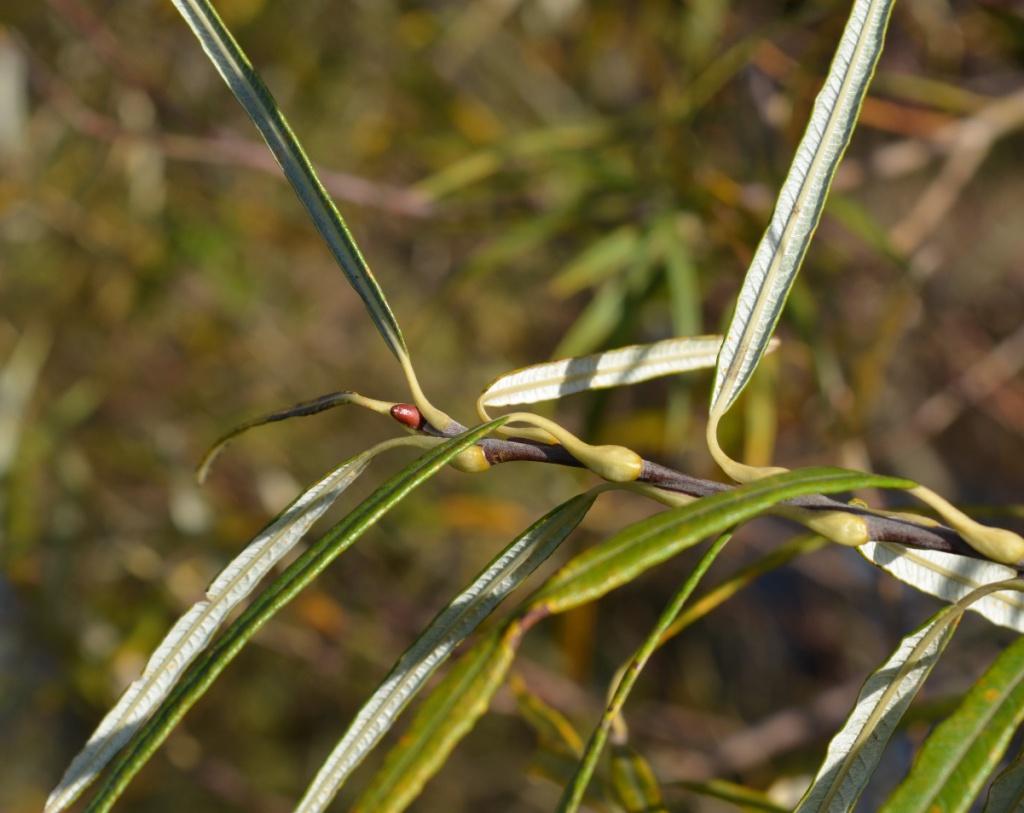
Leaves
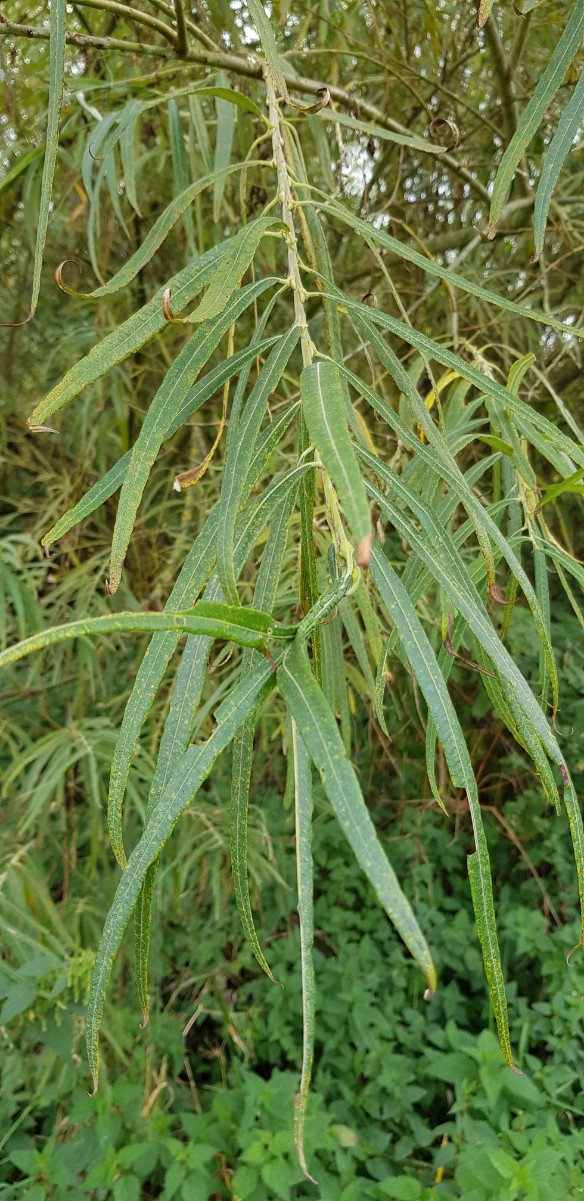
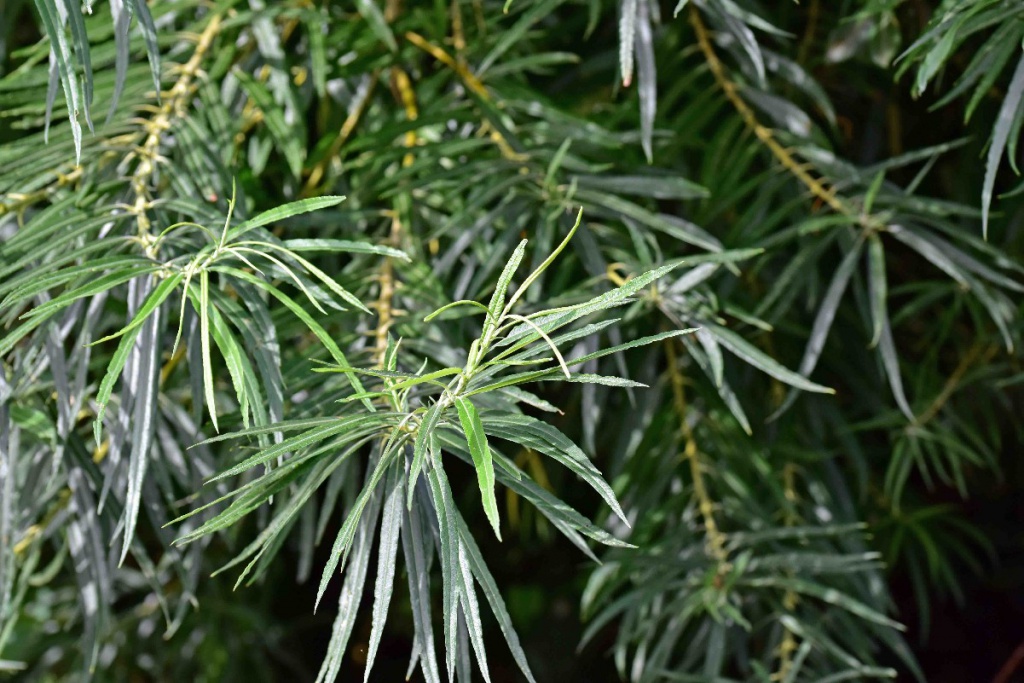
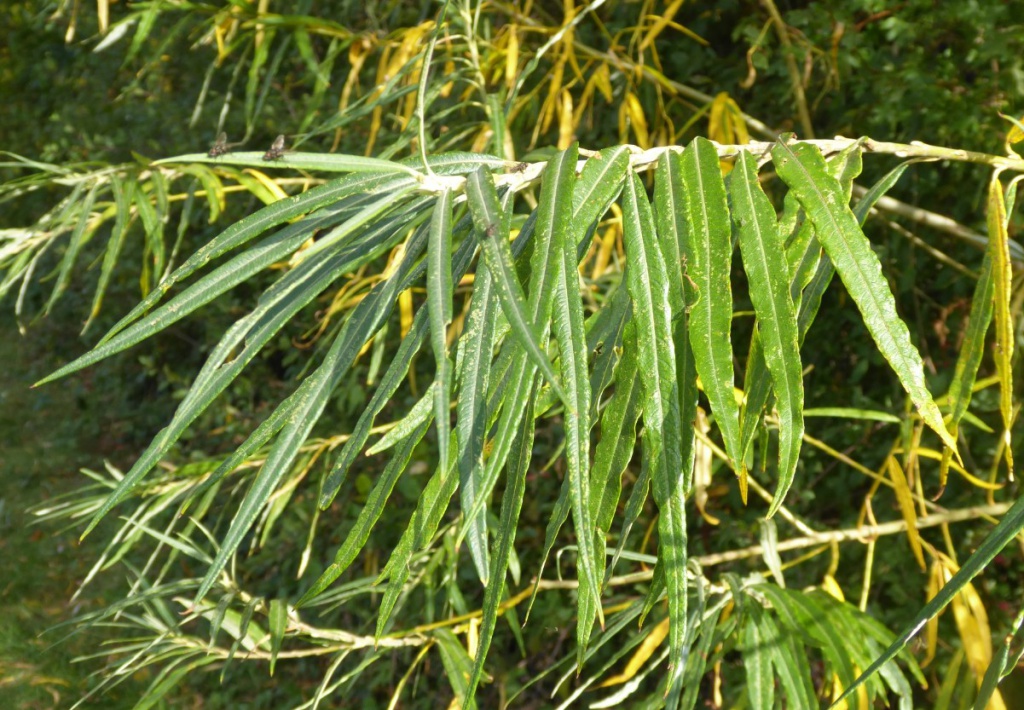
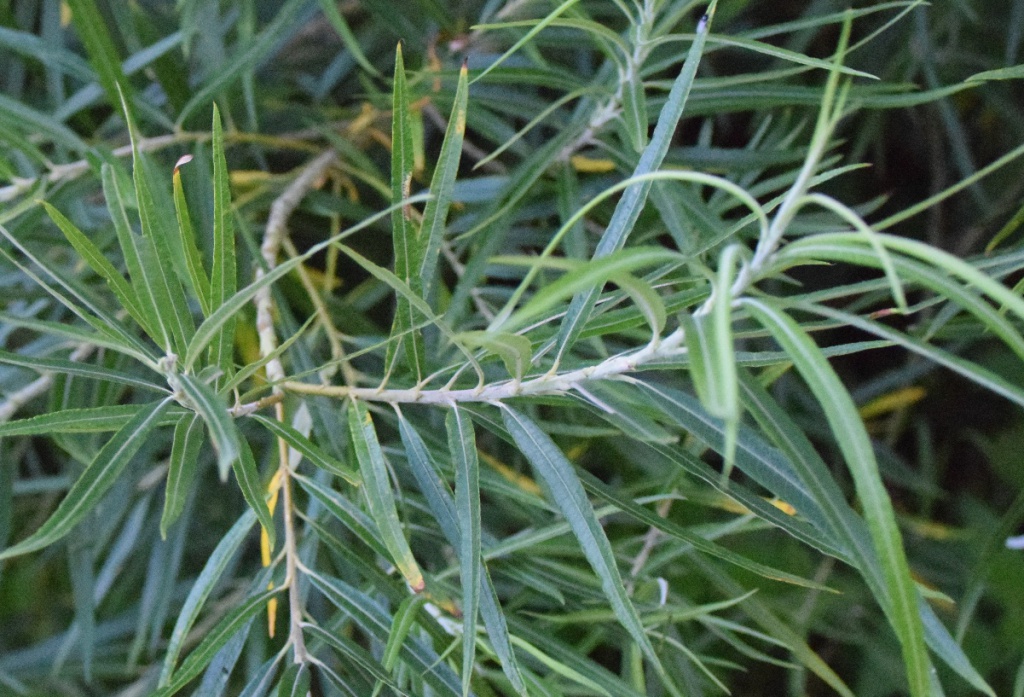
. In Copse by Stoney Bridge Sapcote SP 5028 9292 (taken 4.5. 2008).JPG)
%20on%20salix%20purpurea%20Marsh%20along%20Old%20Fosse%20Sapcote%20SP%204936%209203%20(taken%204.10.2009)_gall.JPG)
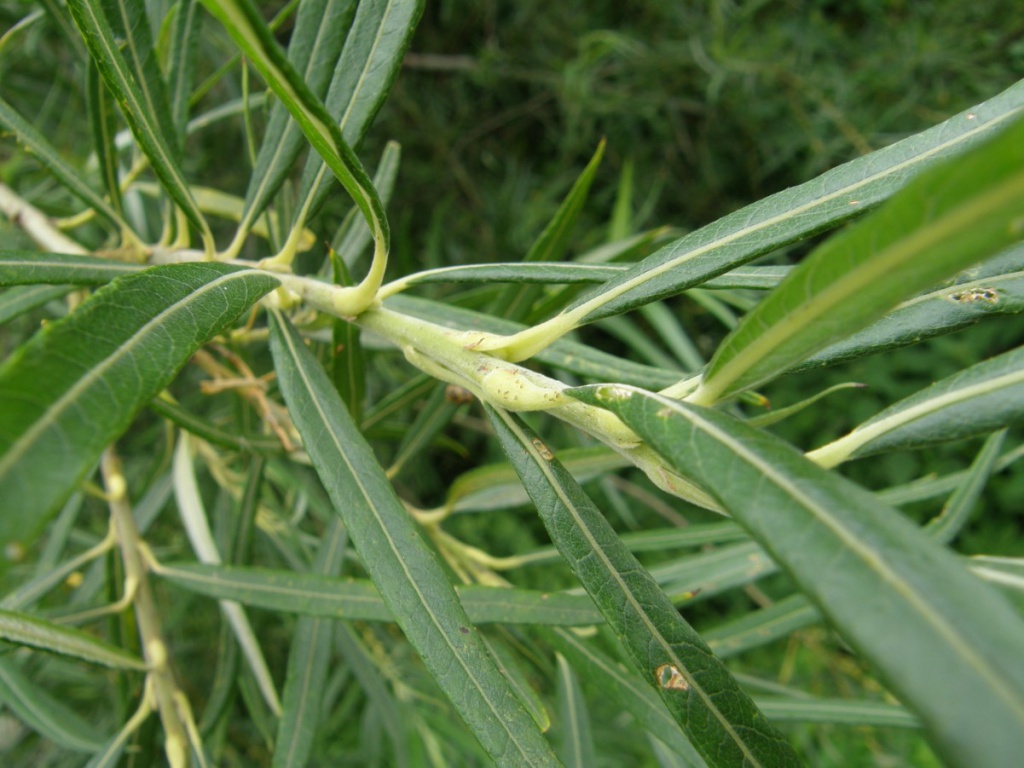
Pea Gall Sawfly
The larva of the Pea Gall Sawfly (Euura viminalis) produces a gall on Purple Willow and on Osier (Salix viminalis). The gall in on the leaf underside, with brownish warts, and is not hairy.
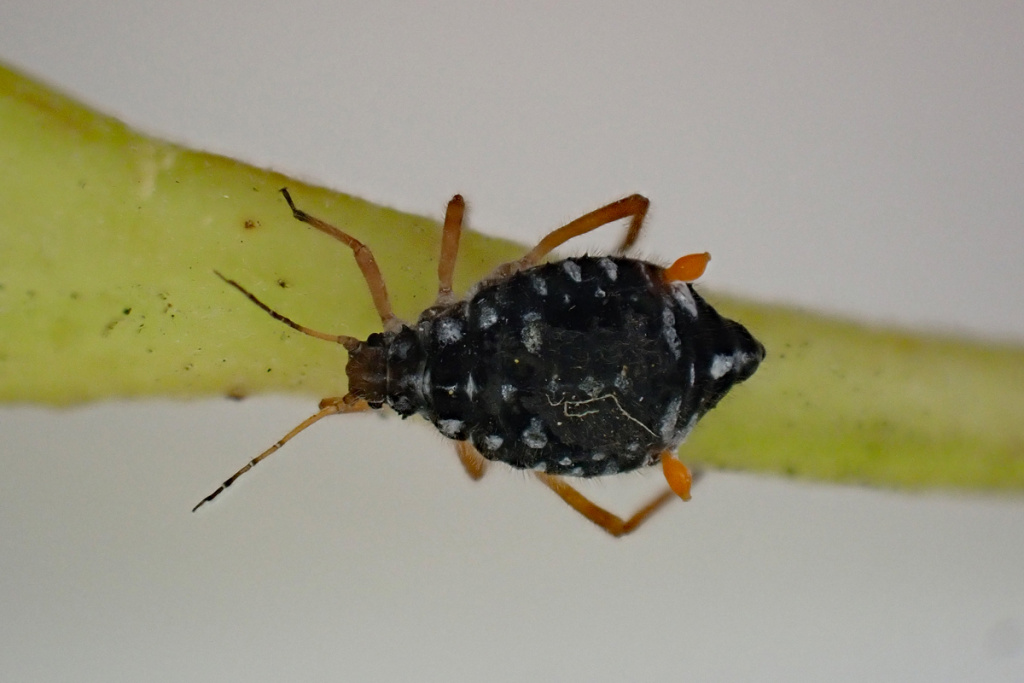
Black Willow Bark Aphid
Black Willow Bark Aphid (Pterocomma salicis) uses a variety of Salix species including Osier, White Willow, Goat Willow, Grey Willow, and Hybrid Crack-willow. These are large greenish black to black aphids 3.2 - 4.5 mm in length with pale grey spots of waxy powder. The siphunculi are bright orange. The legs and antennae are pinkish-brown.
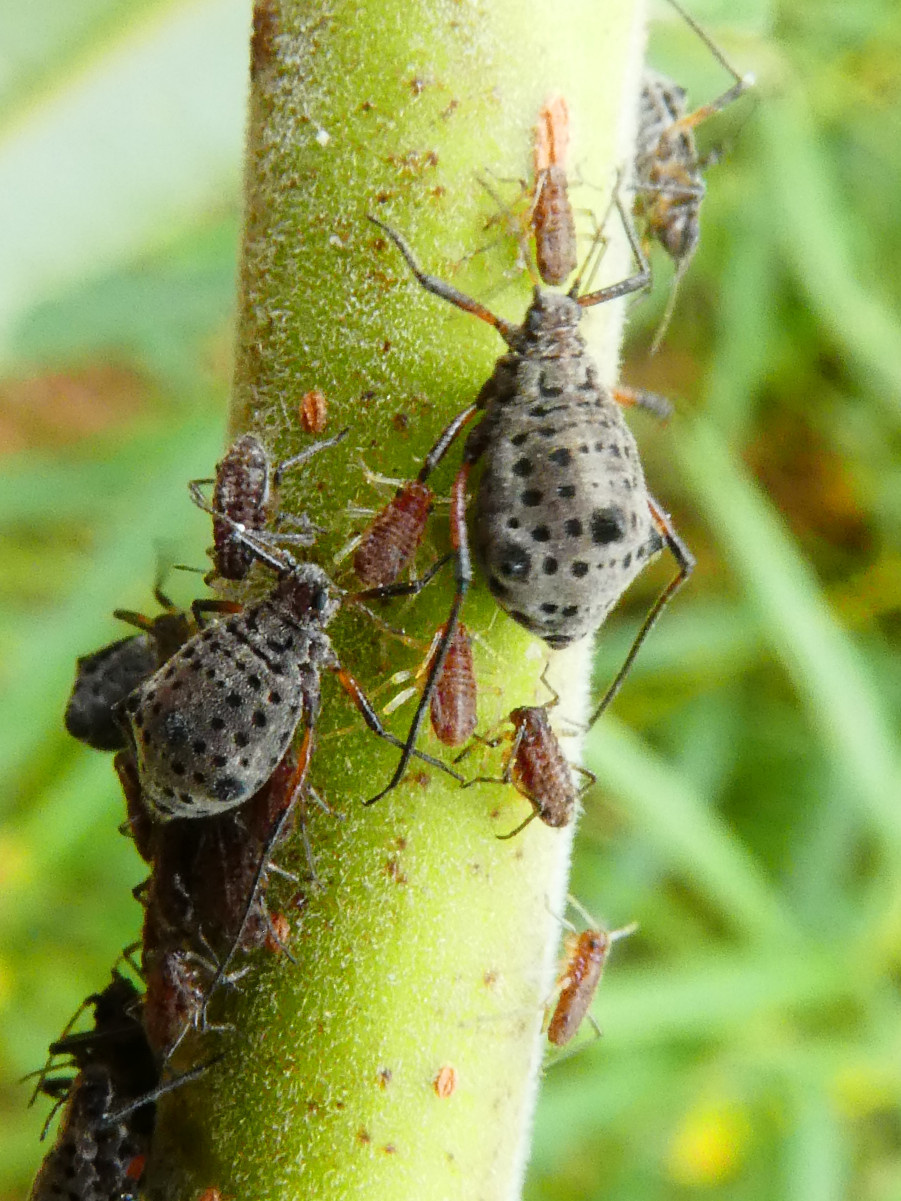
Giant Willow Aphid
The Giant Willow Aphid (Tuberolachnus salignus) is found primarily in large colonies on the trunks and branches of willow and sallow trees. Giant Willow Aphids are dark brown with a peppering of black spots but can appear grey from a white dust which forms on them. It is an unusually large aphid, measuring up to 6mm long. Adults of the species have a thorn-like tubercle which protrudes from its back. As with other species of aphid, some giant willow aphids are winged; an adaptation believed to emerge in reaction to environmental pressures. The aphids splay their back legs and kick in response to potential threats.
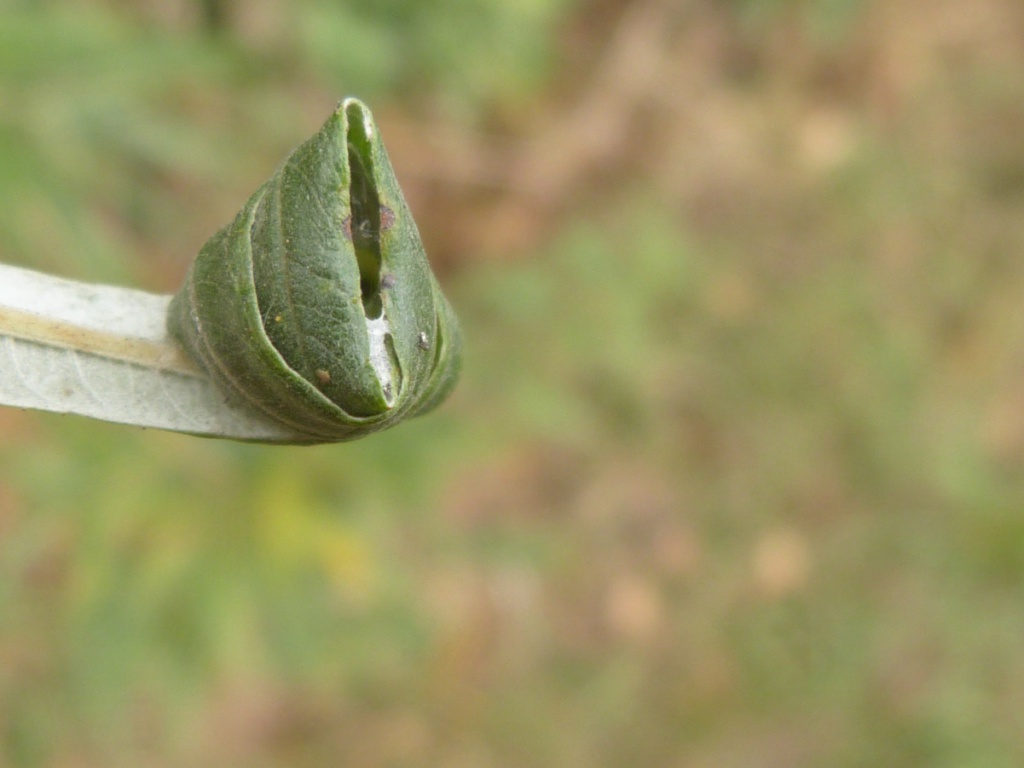
Caloptilia stigmatella
The larva of the moth Caloptilia stigmatella mines the leaves of willows and poplars, intially in a long narrow corridor usually on the undersurface of the leaf, then in a silvery blotch that developes into a tentiform mine with a brown epidermis. Finally the larva leaves the mine to live in a folded leaf margin or leaf-tip.
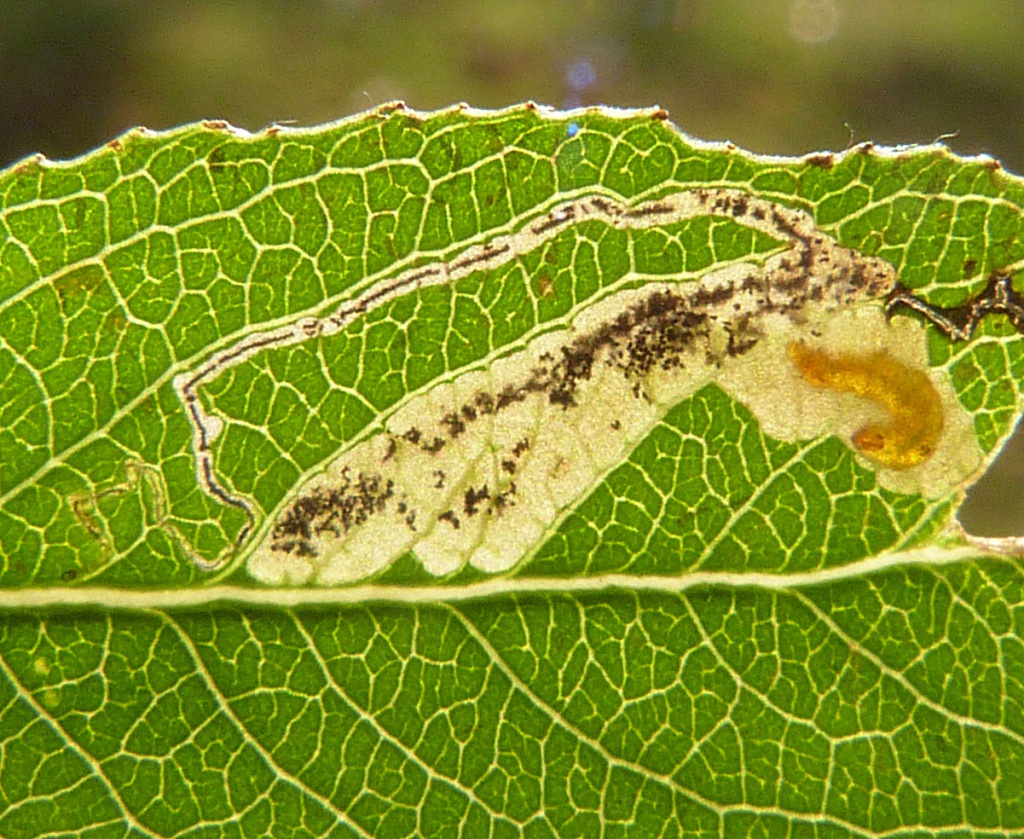
Stigmella obliquella
The larva of the moth Stigmella obliquella mines the leaves of various smooth-leaved willows including Weeping Willow, Purple Willow, Osier, White Willow and Hybrid Crack-willow causing an angular gallery mine
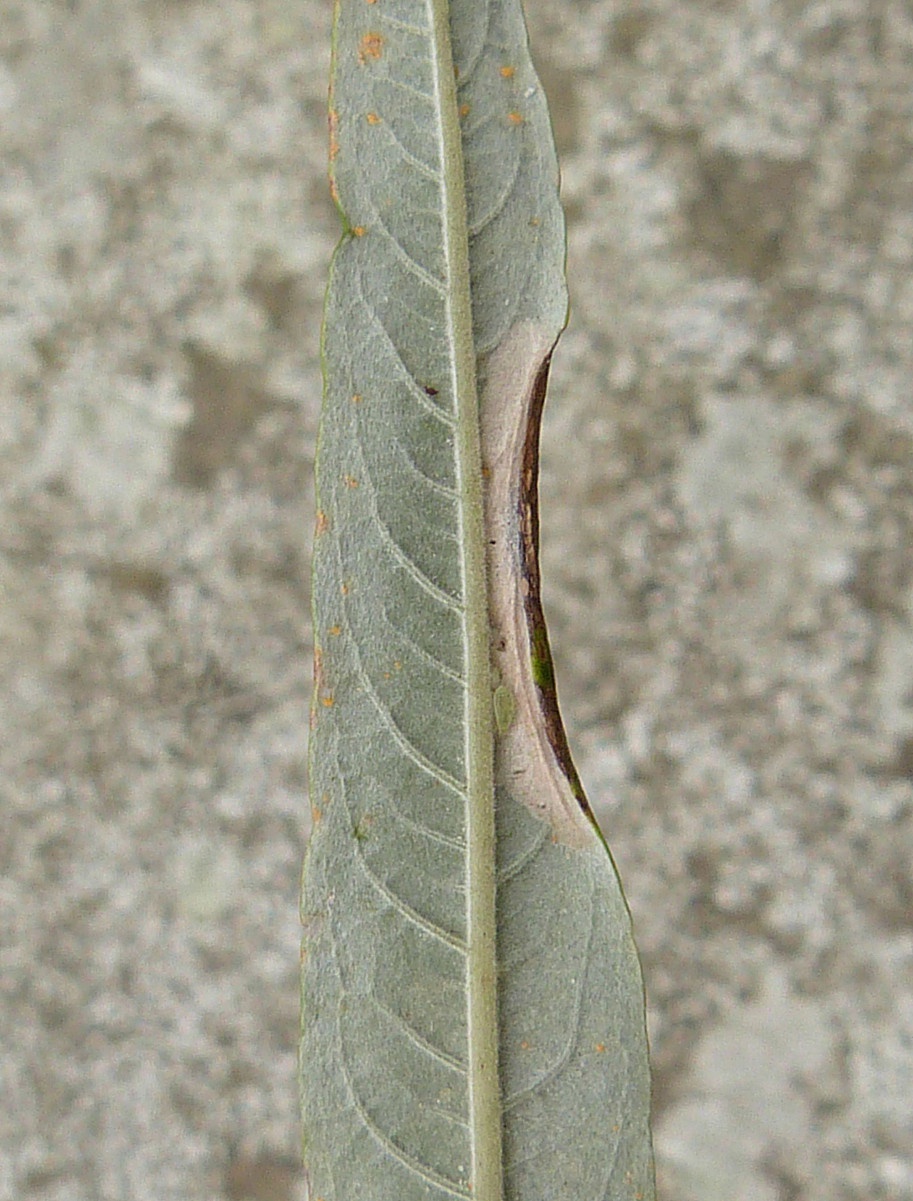
Phyllonorycter viminiella
The larva of the moth Phyllonorycter viminiella mine the leaves of willow species, especially Osier causing the leaf edge to fold over a tentiform mine with many creases on the under-surface. To be certain of ID, check the pupa; this is in a cocoon and has 2 pairs of spines on the cremaster, the inner pair pointing inwards.
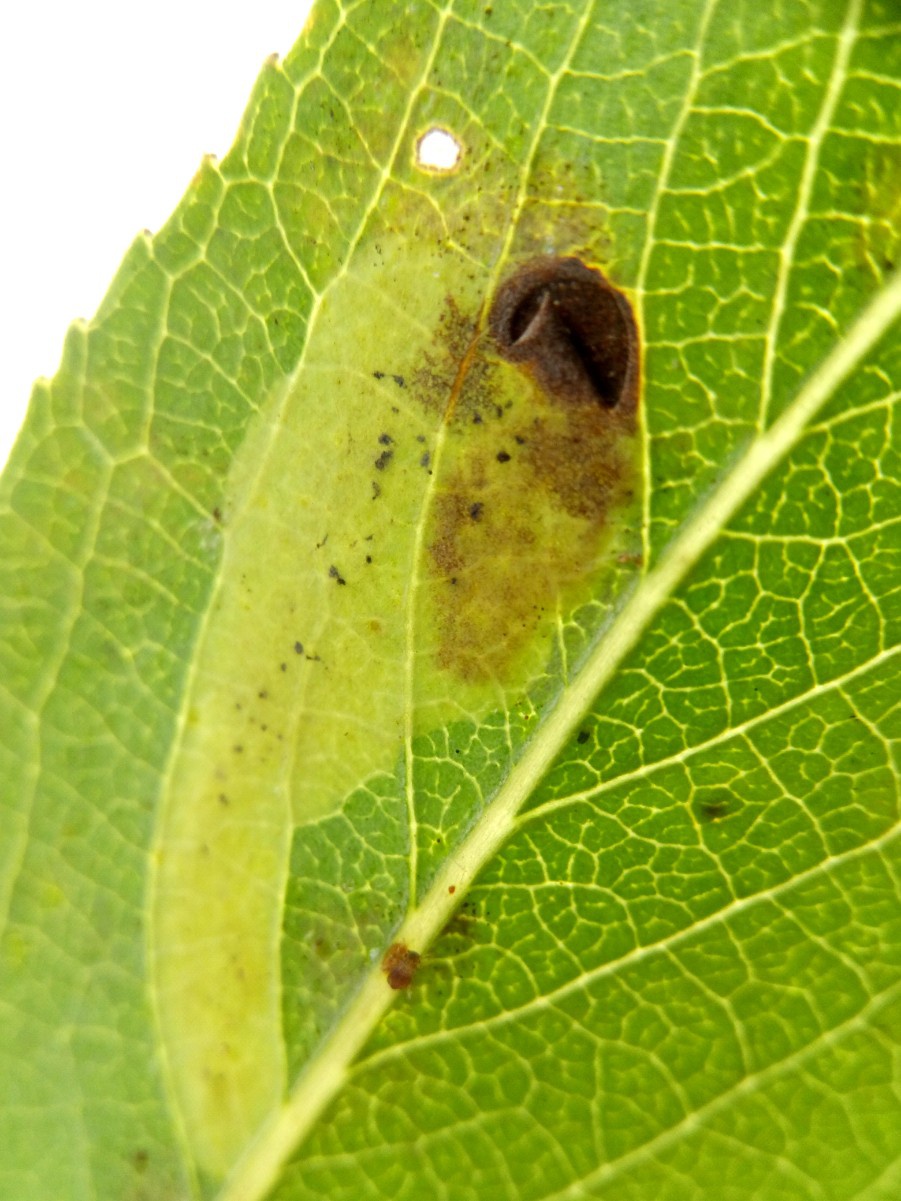
Aulagromyza tridentata
The larva of the Agromyzid fly Aulagromyza tridentata mines the leaves of willows such as Hybrid Crack-willow and Osier producing an elongated yellowish blotch mine.
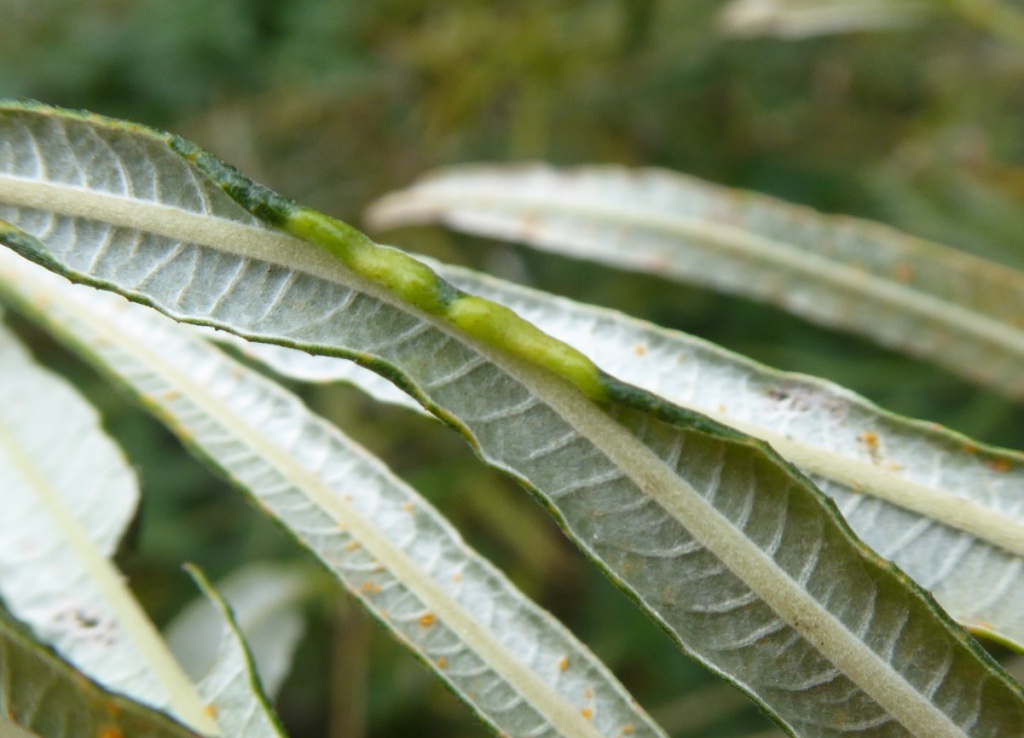
Rabdophaga marginemtorquens
The larvae of the midge Rabdophaga marginemtorquens cause galling in the leaves of Osier (Salix viminalis). The edges of the leaves roll inwards creating a tube, which may be short or long, this contains one or several orange larvae.