

Dog-rose - Rosa canina
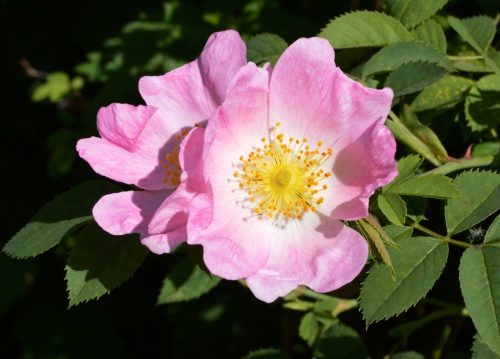
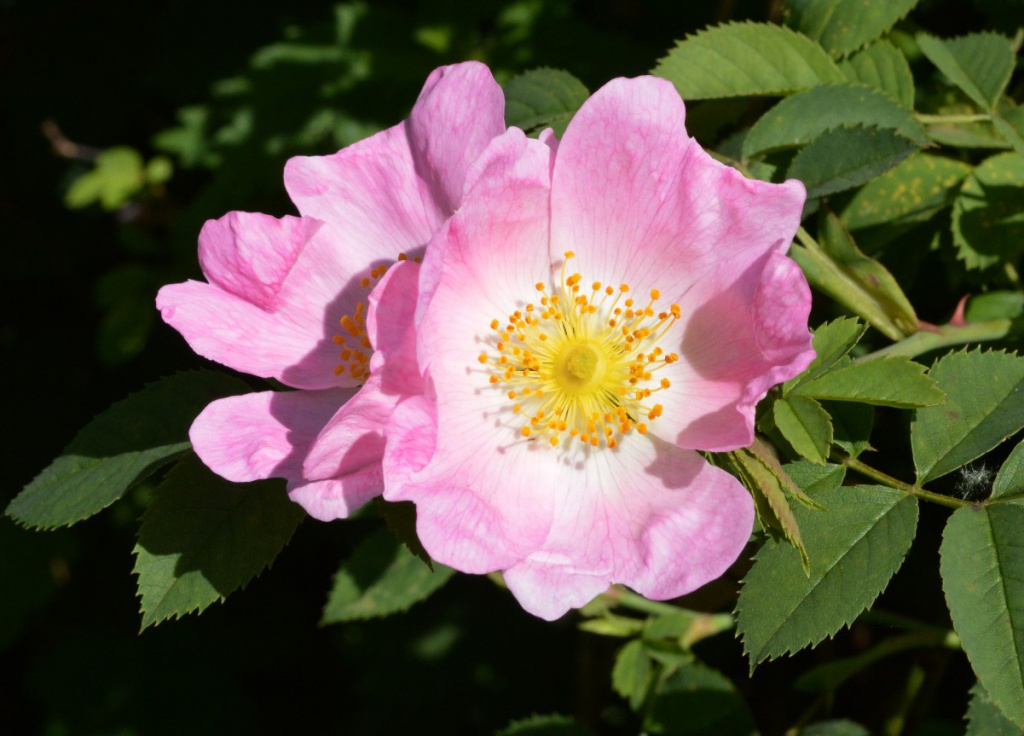
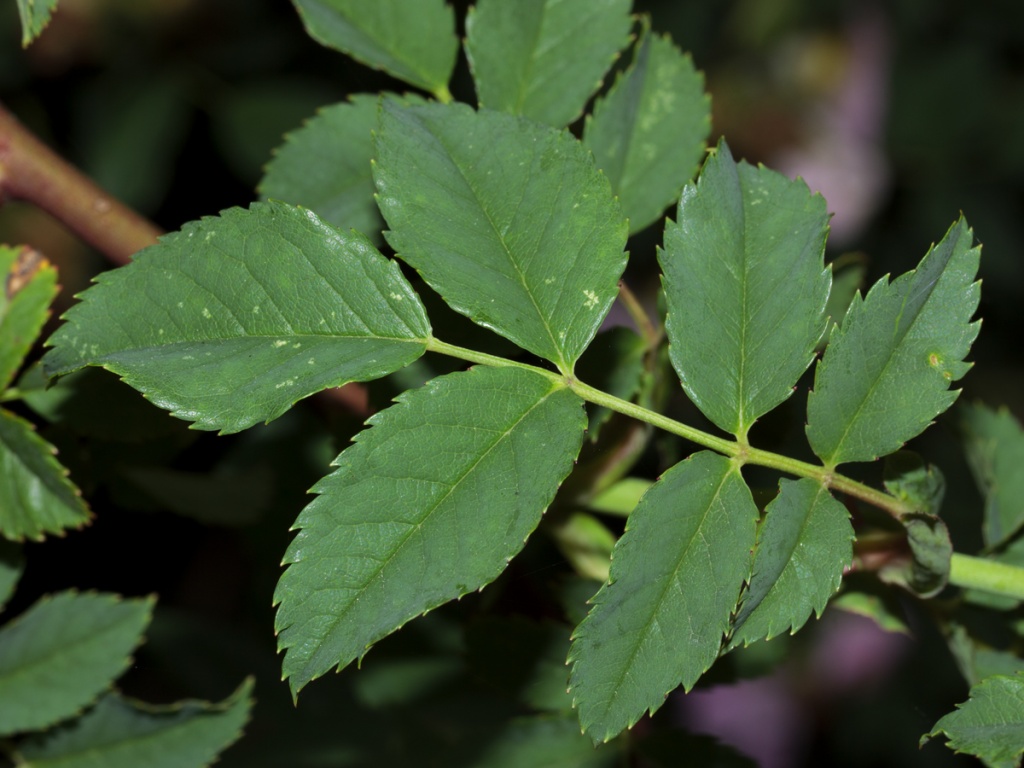
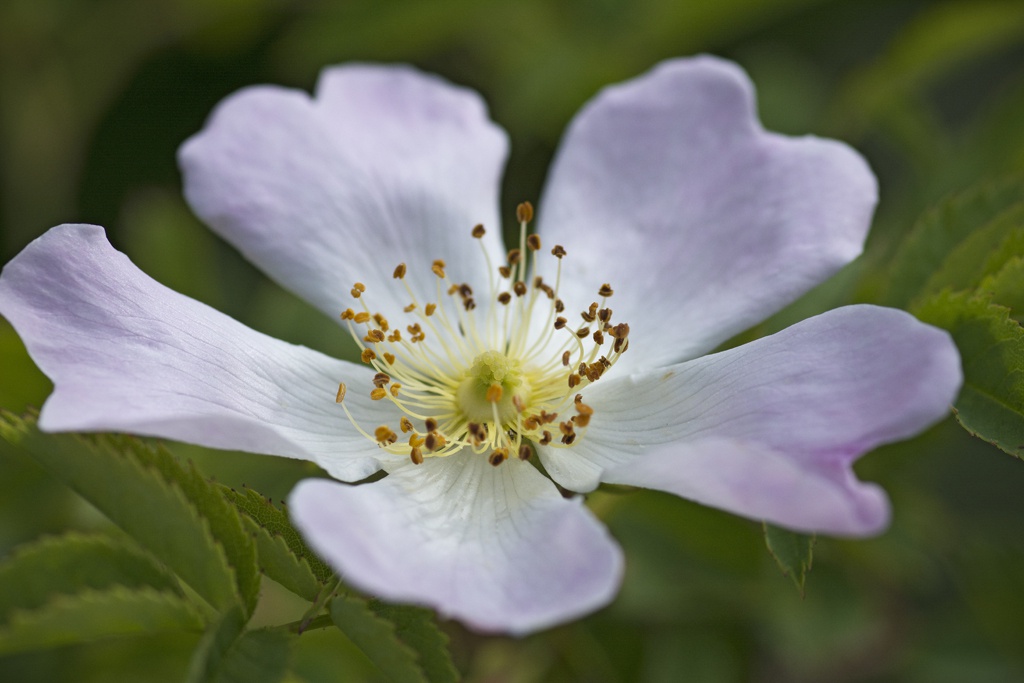
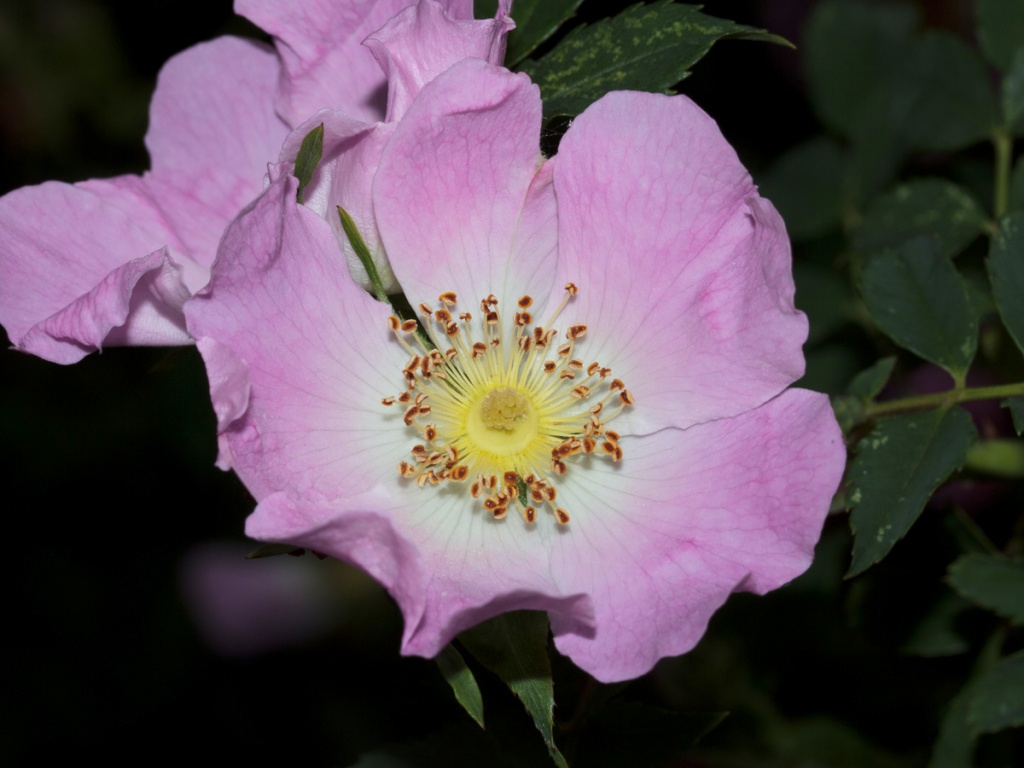
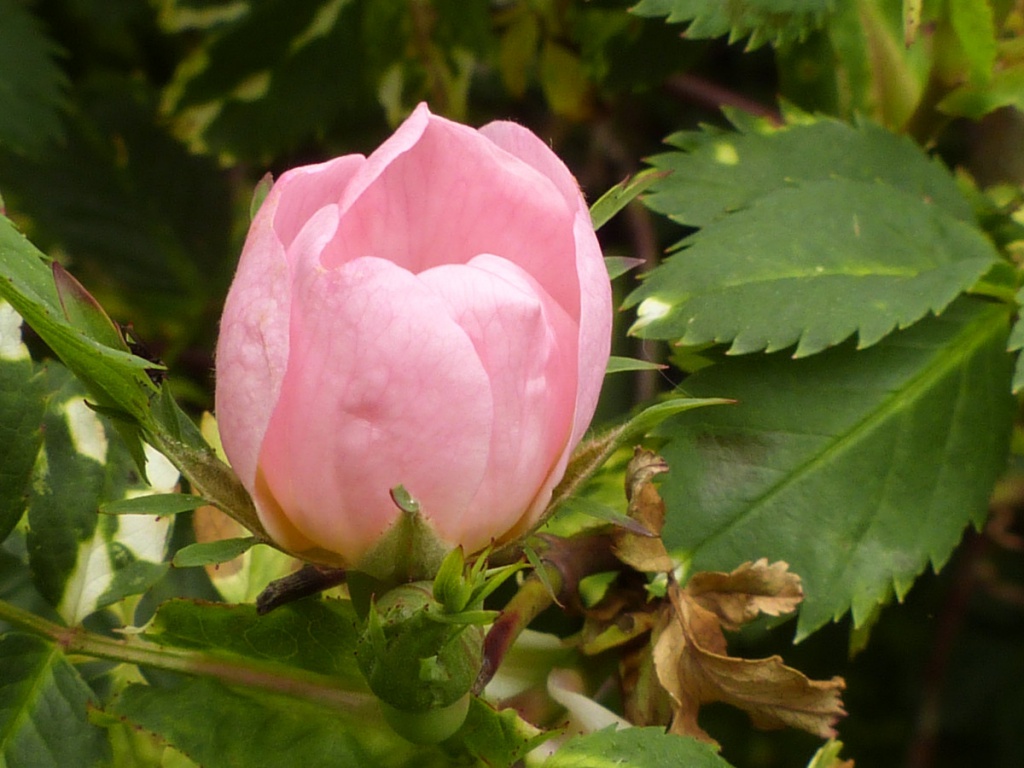
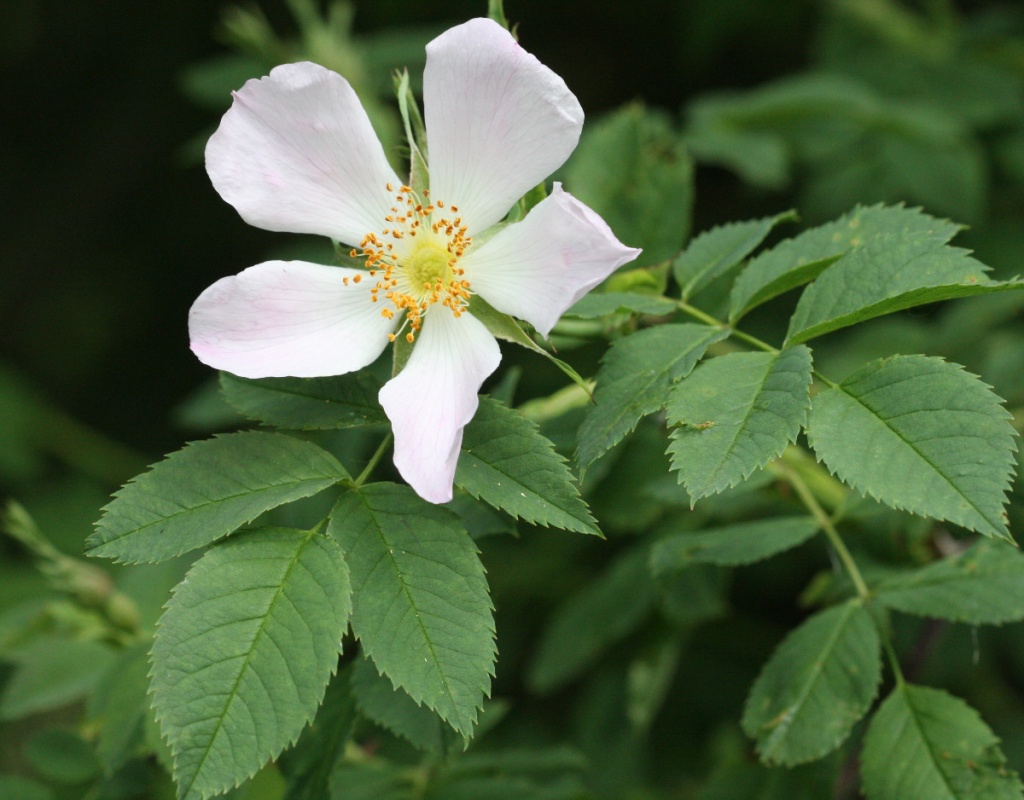
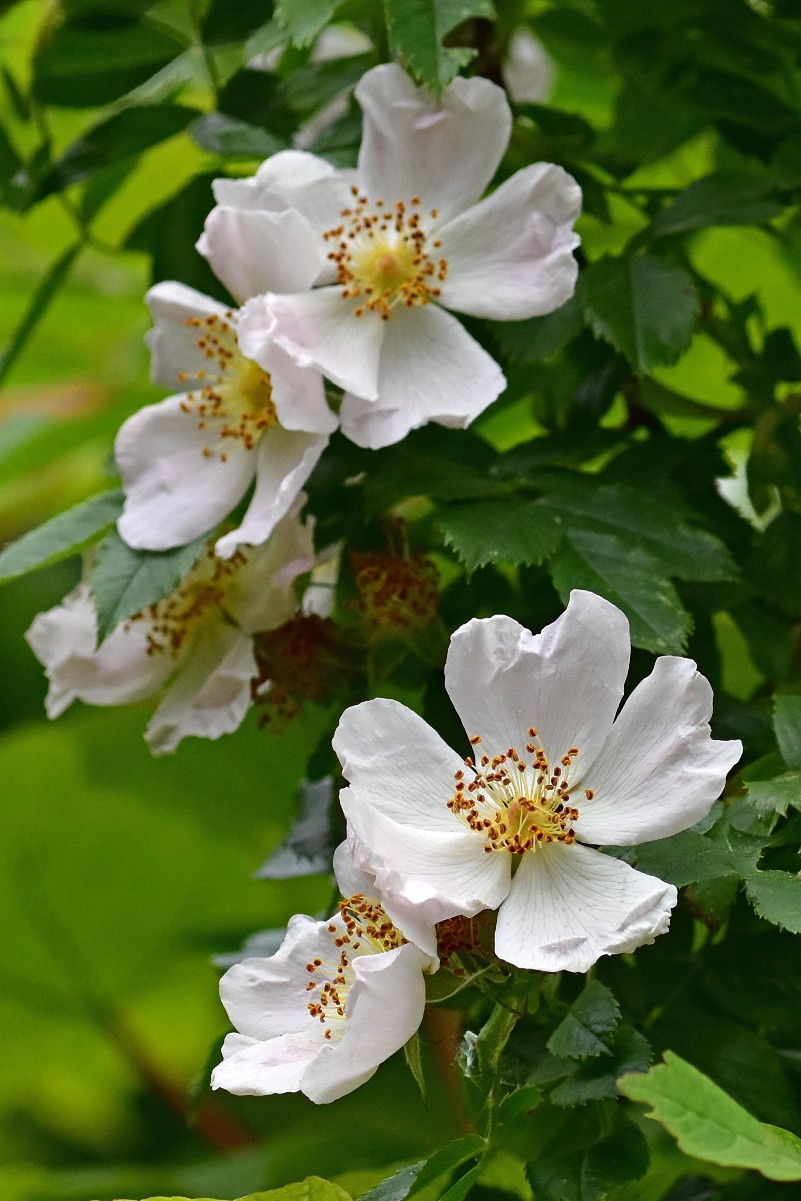
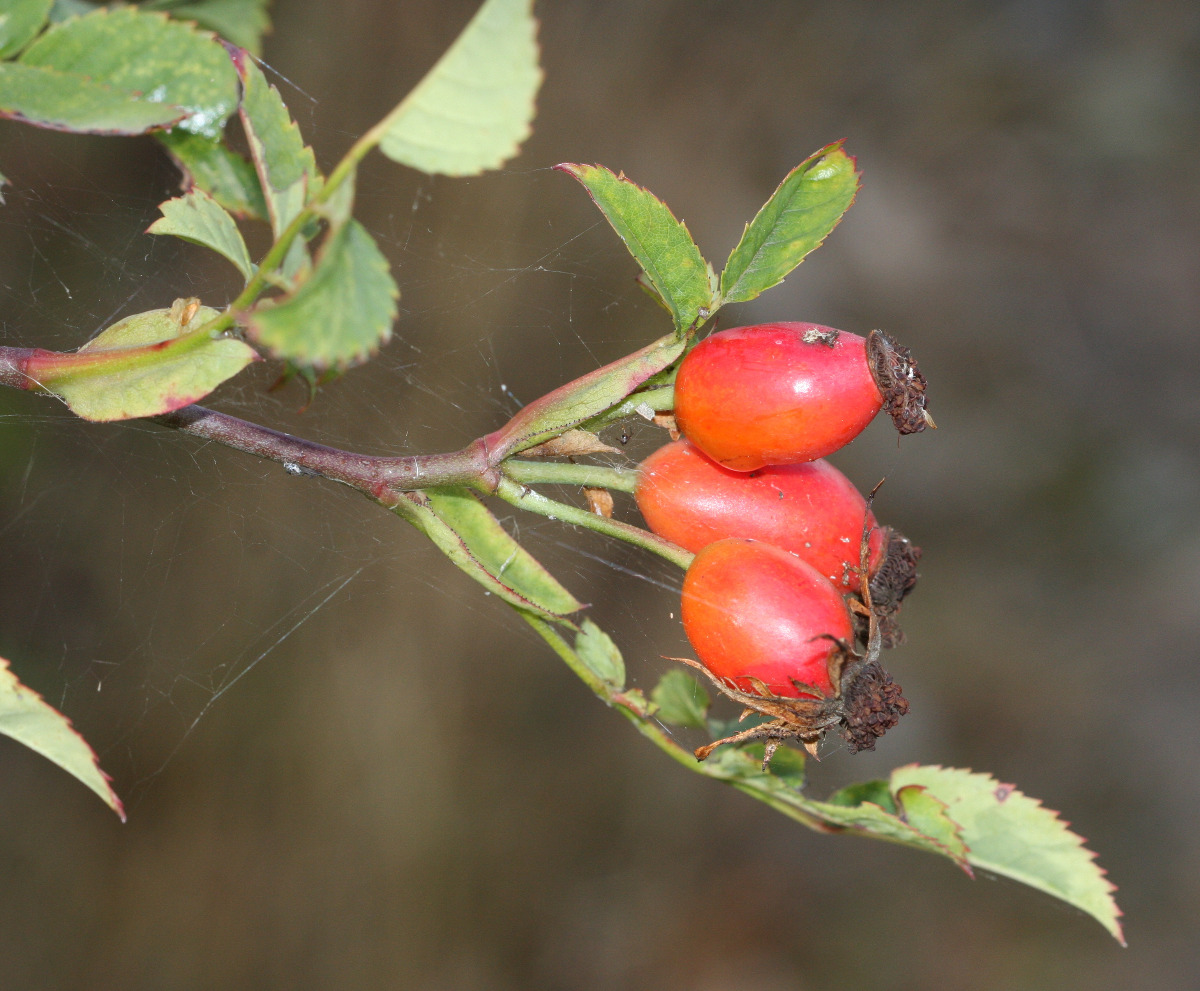
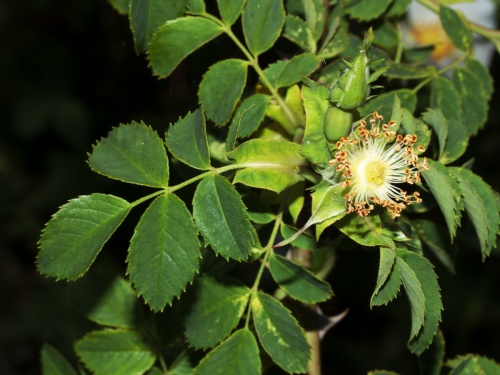
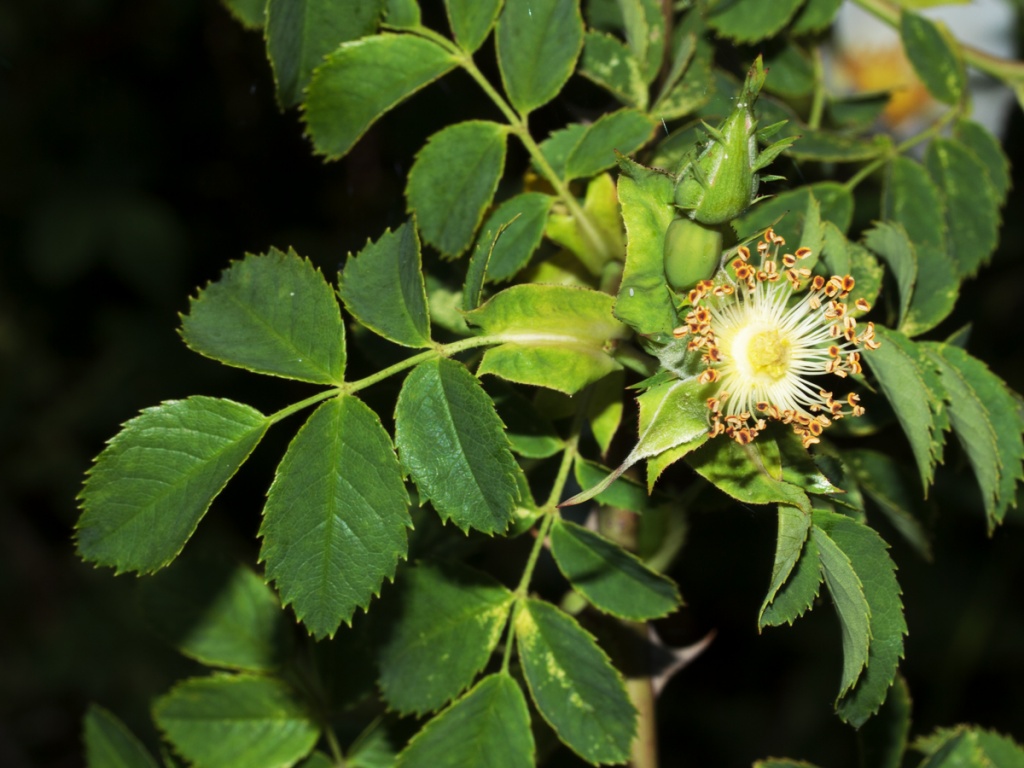
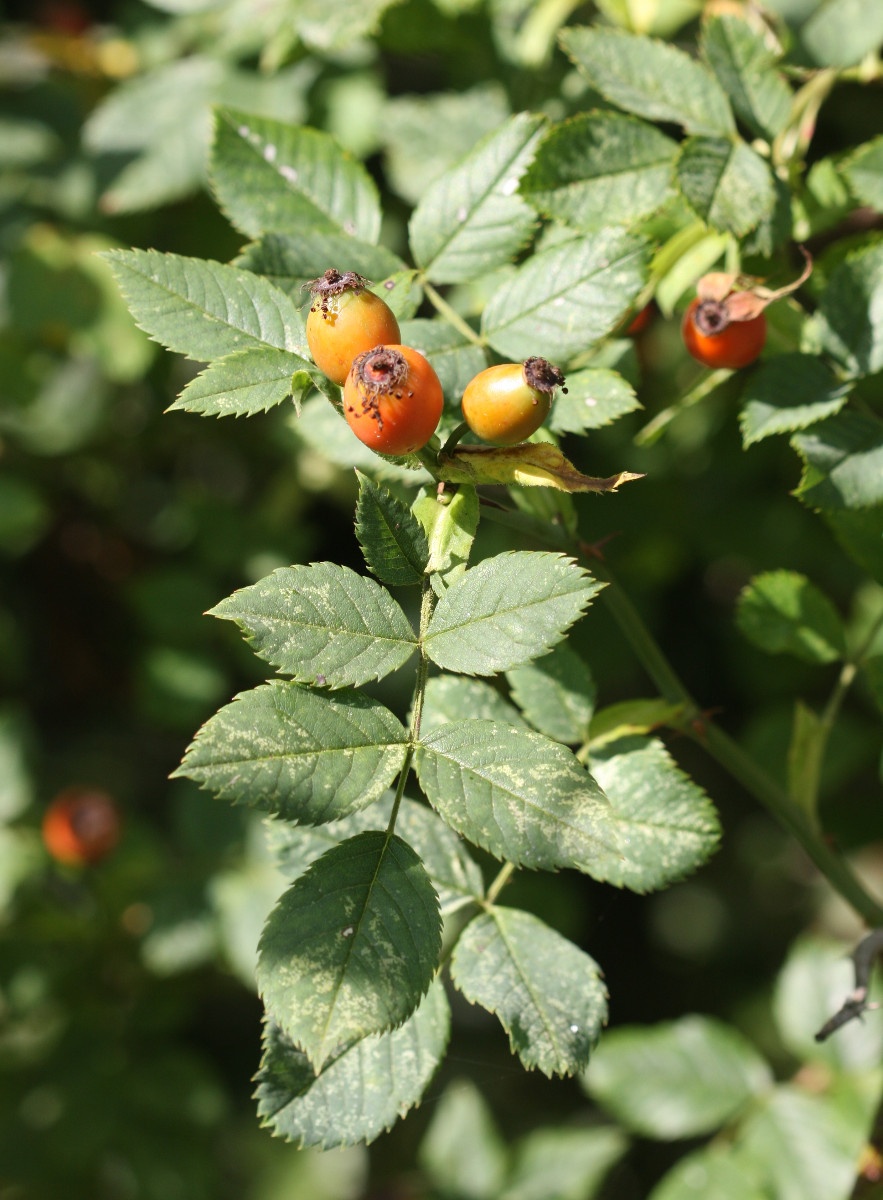
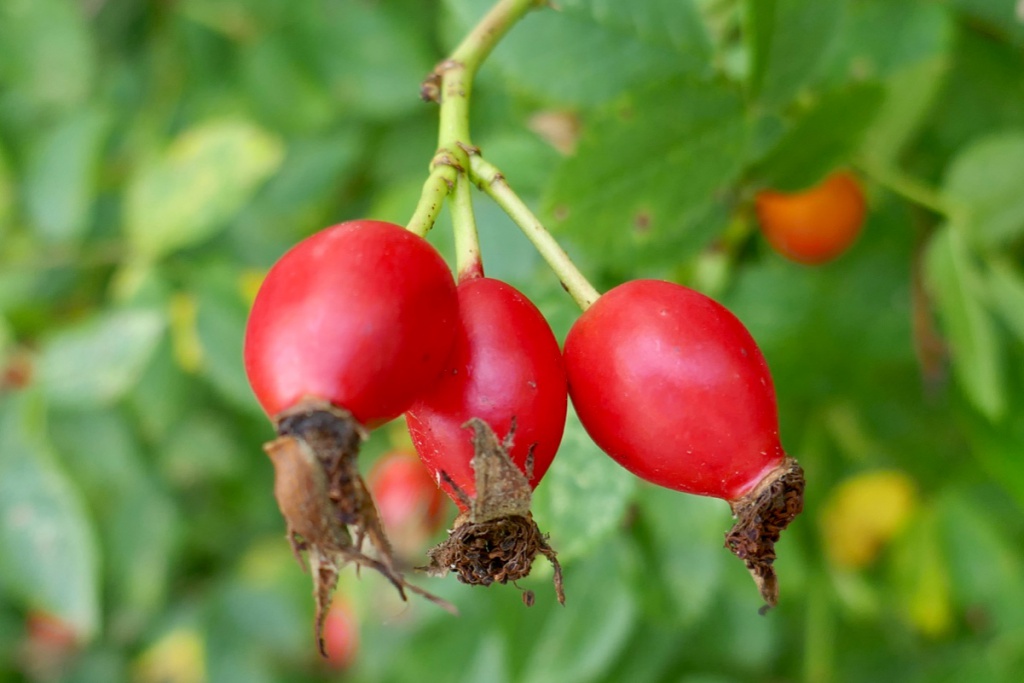
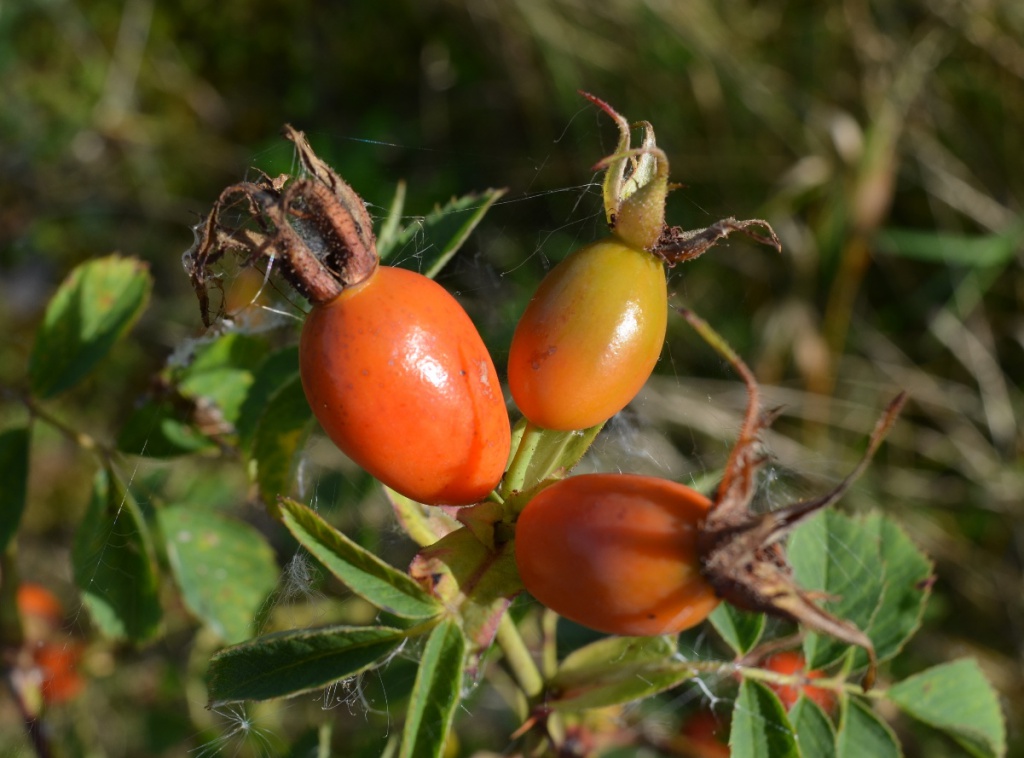
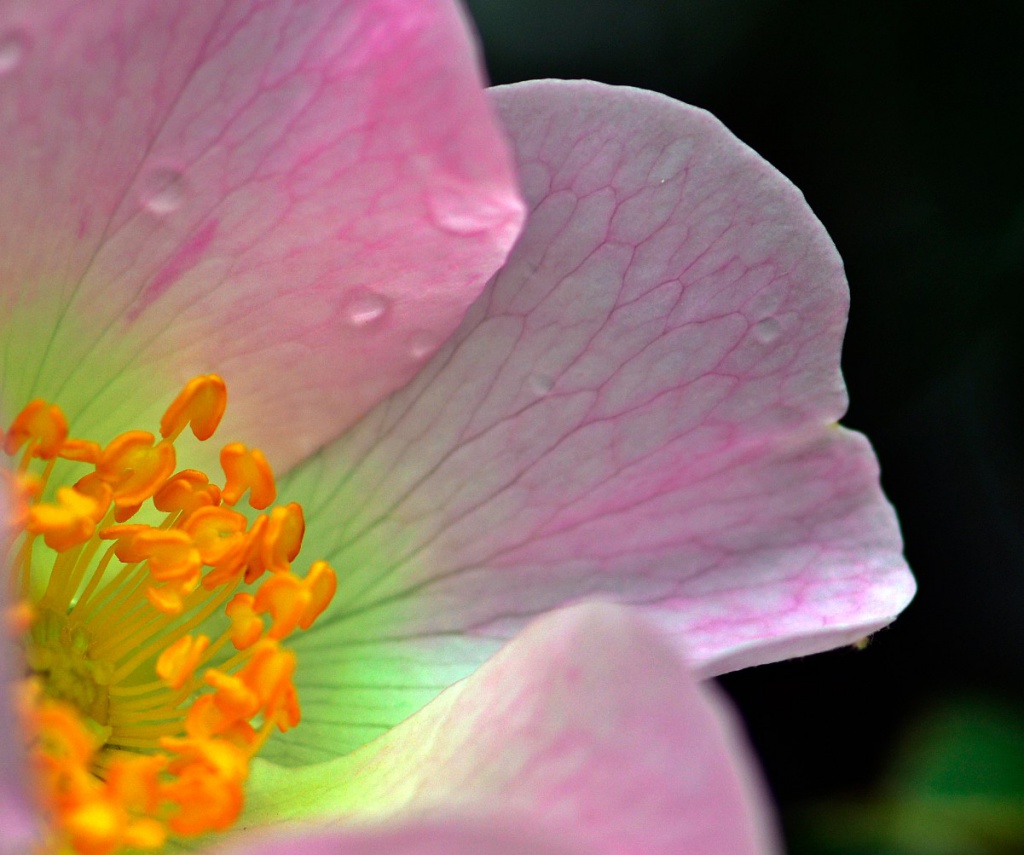
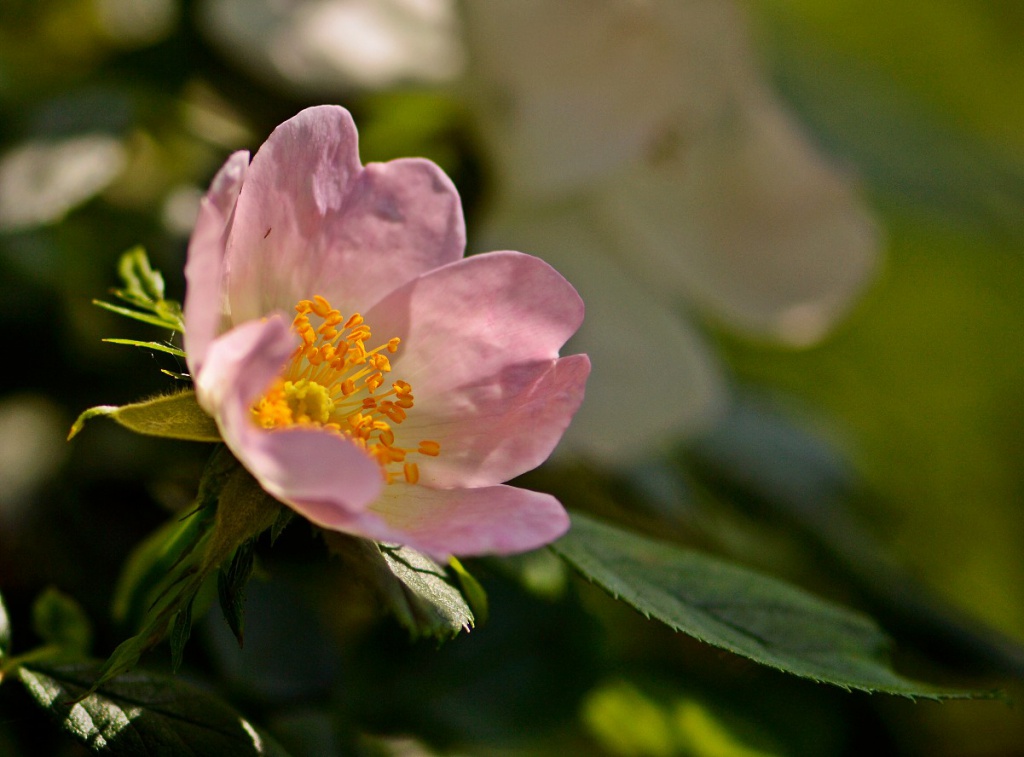
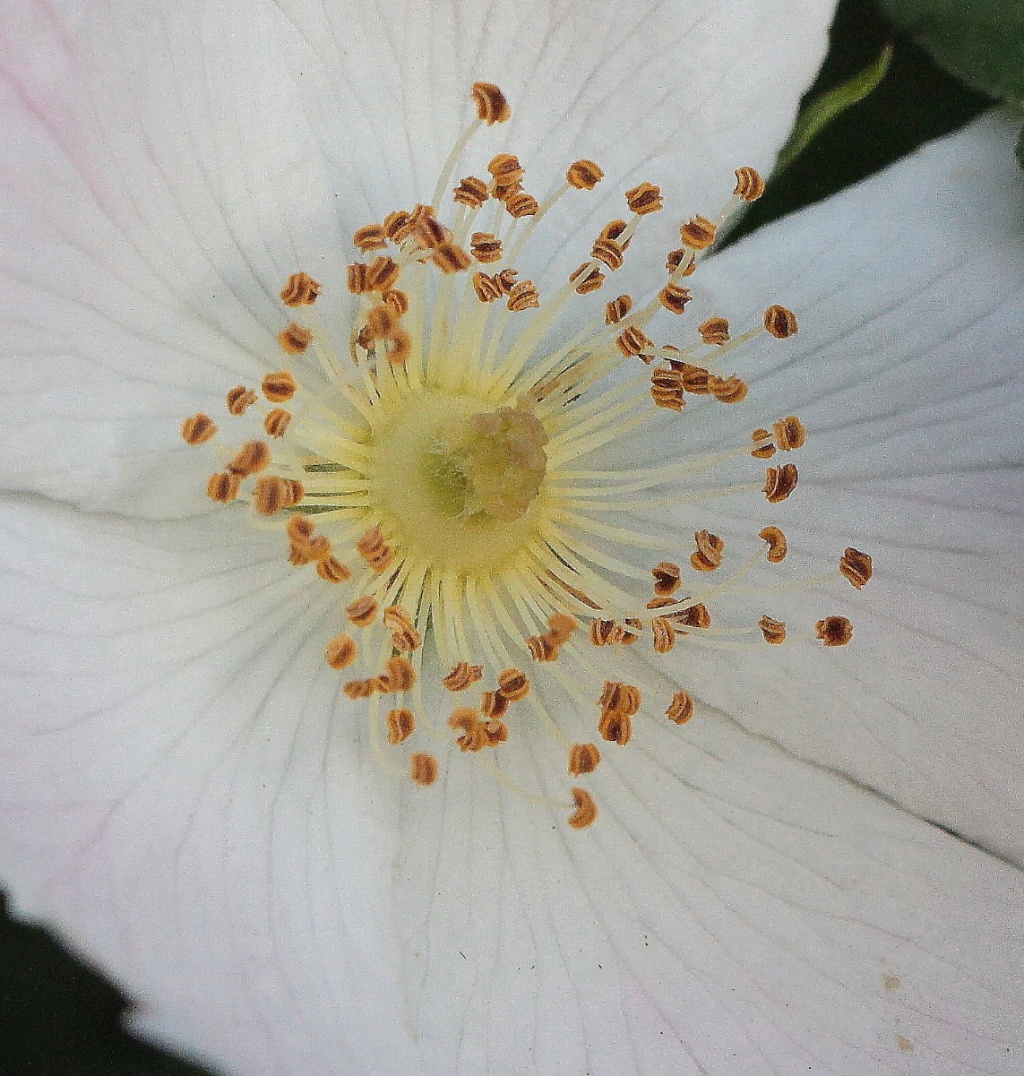
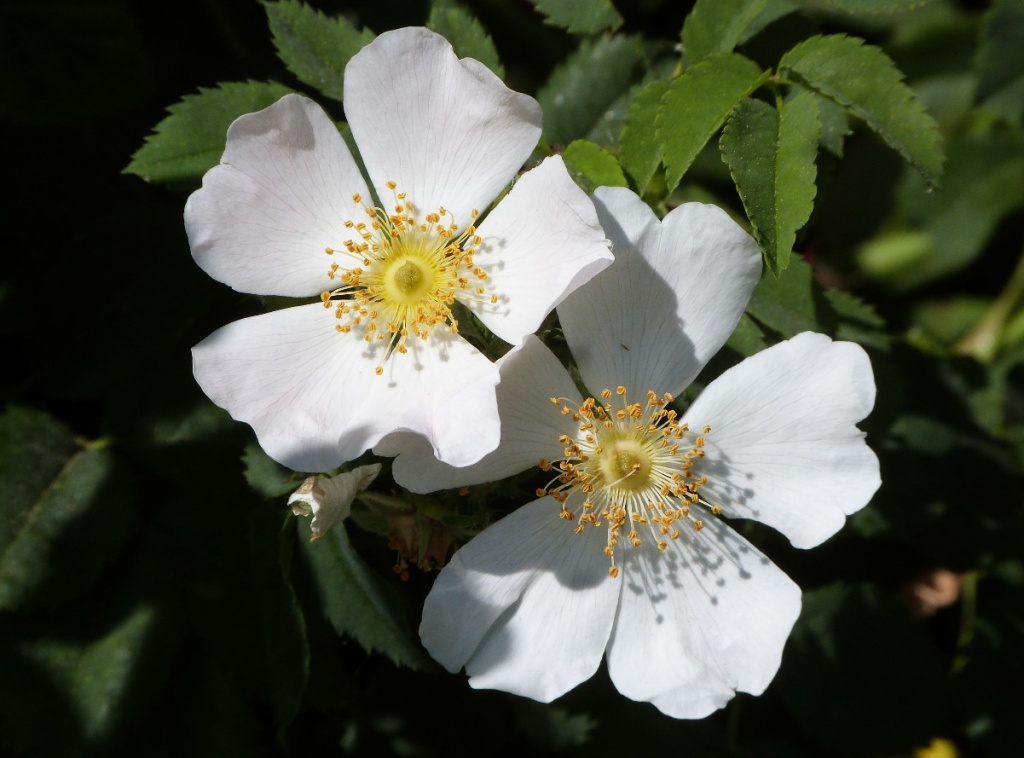
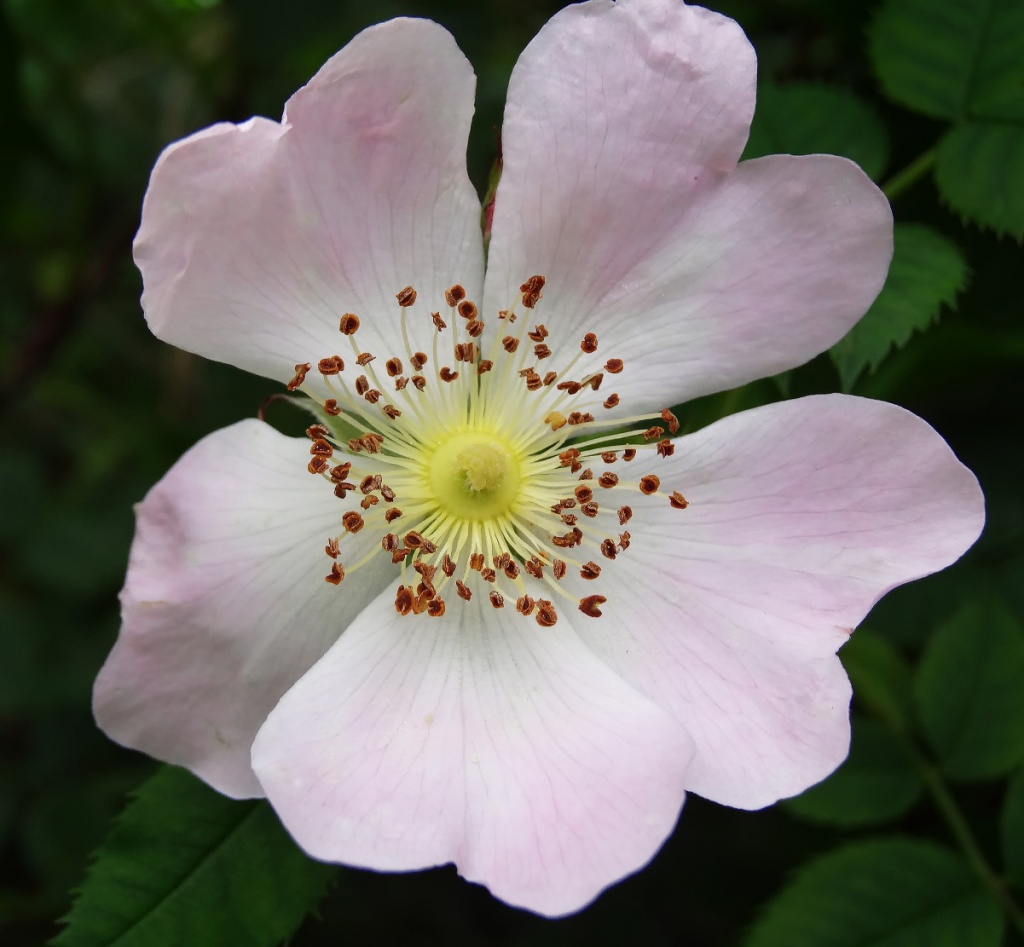
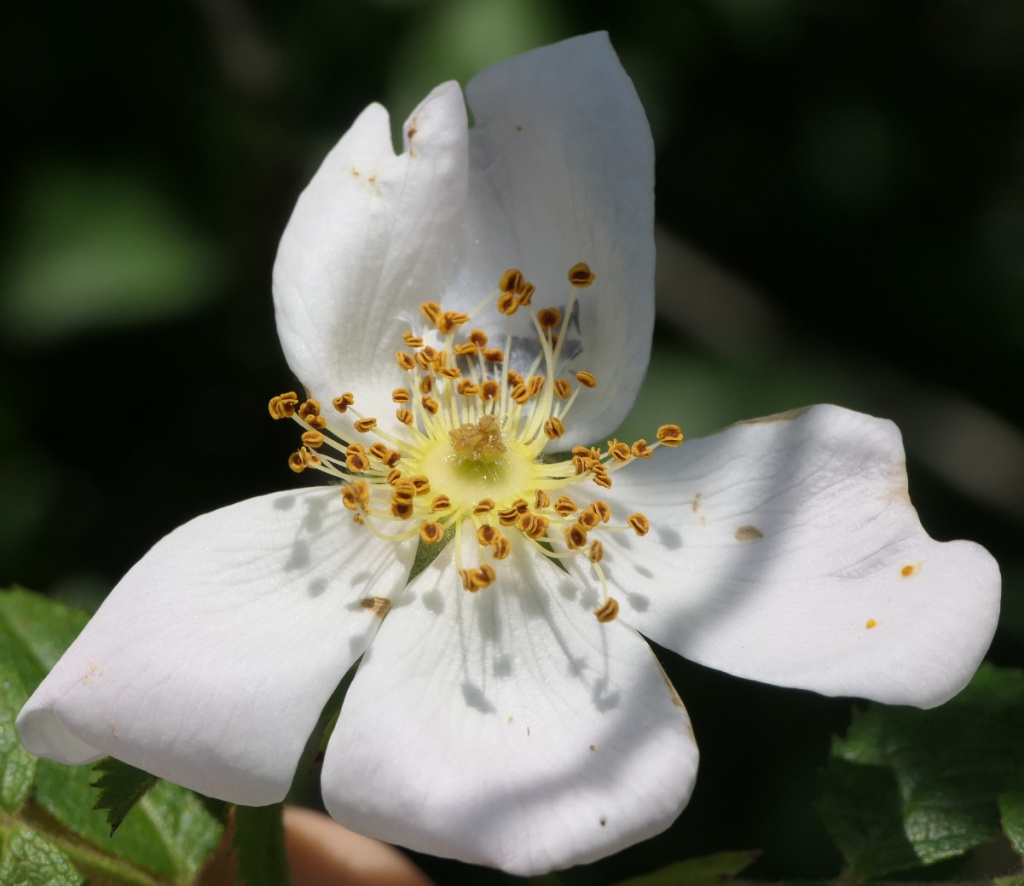
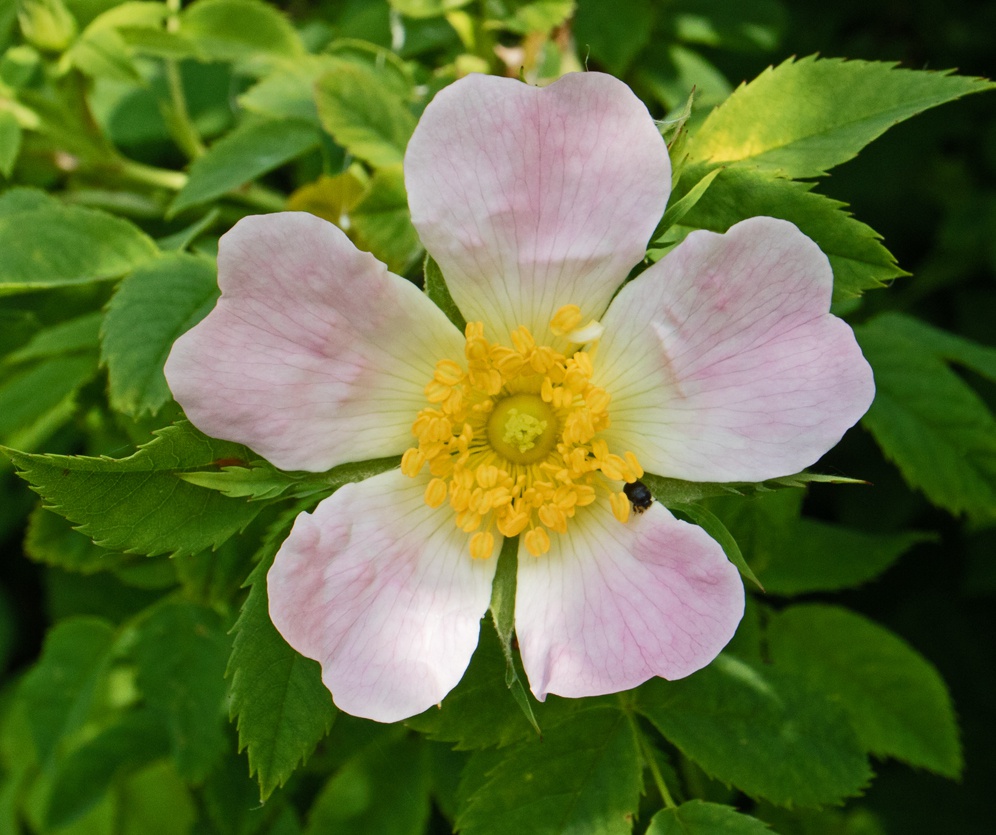
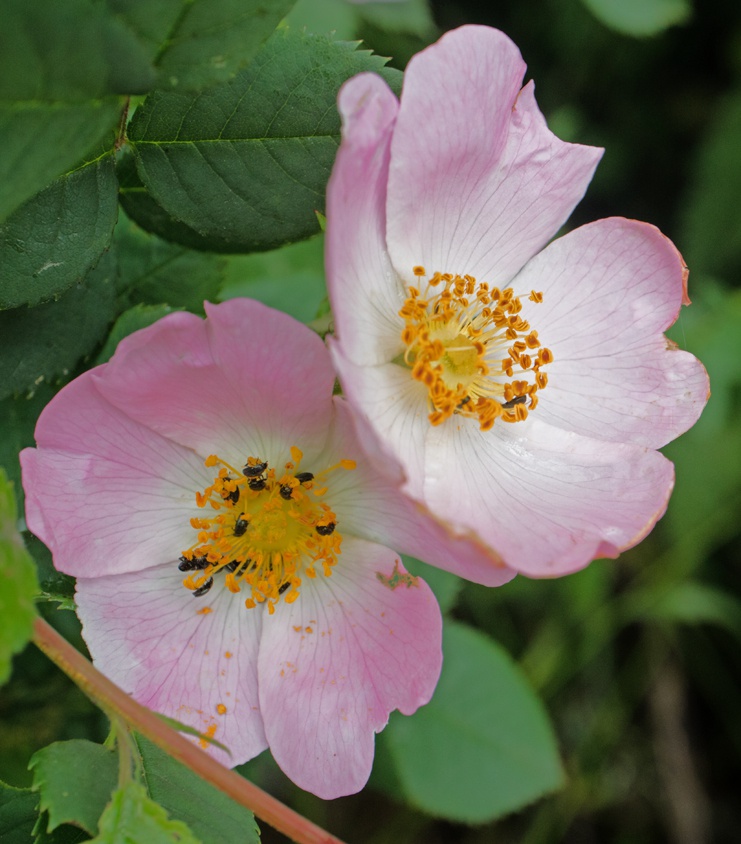
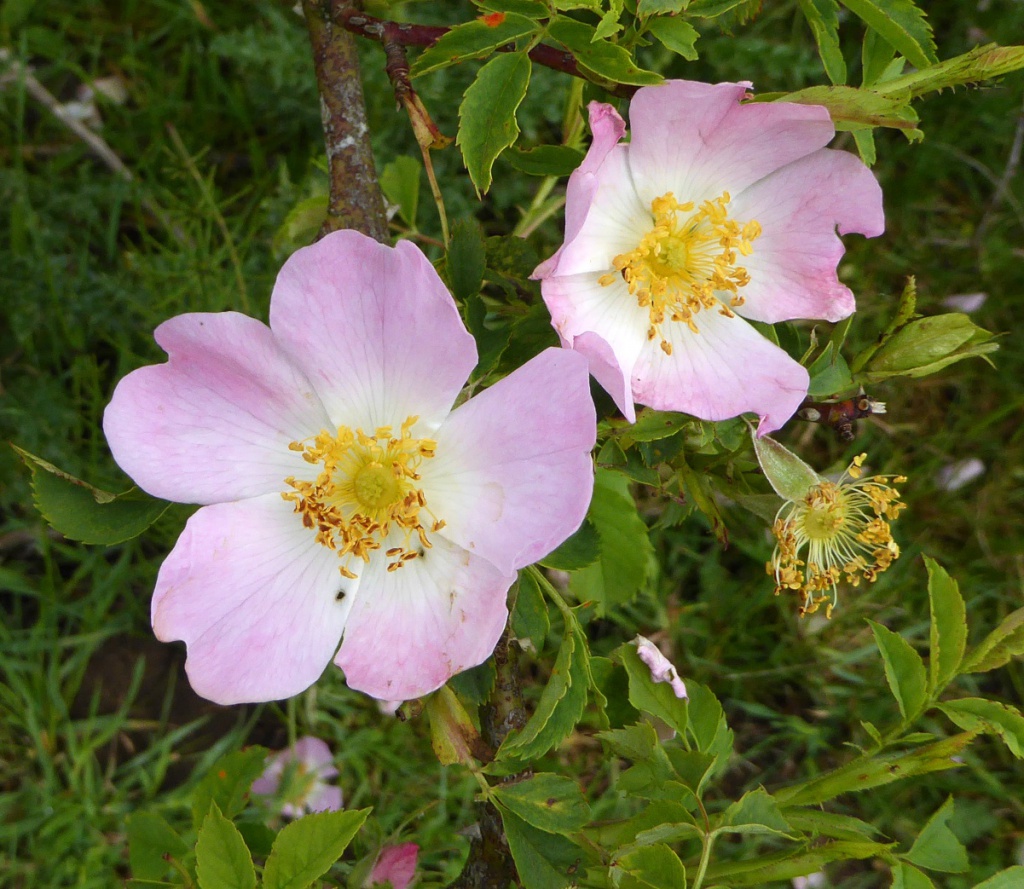
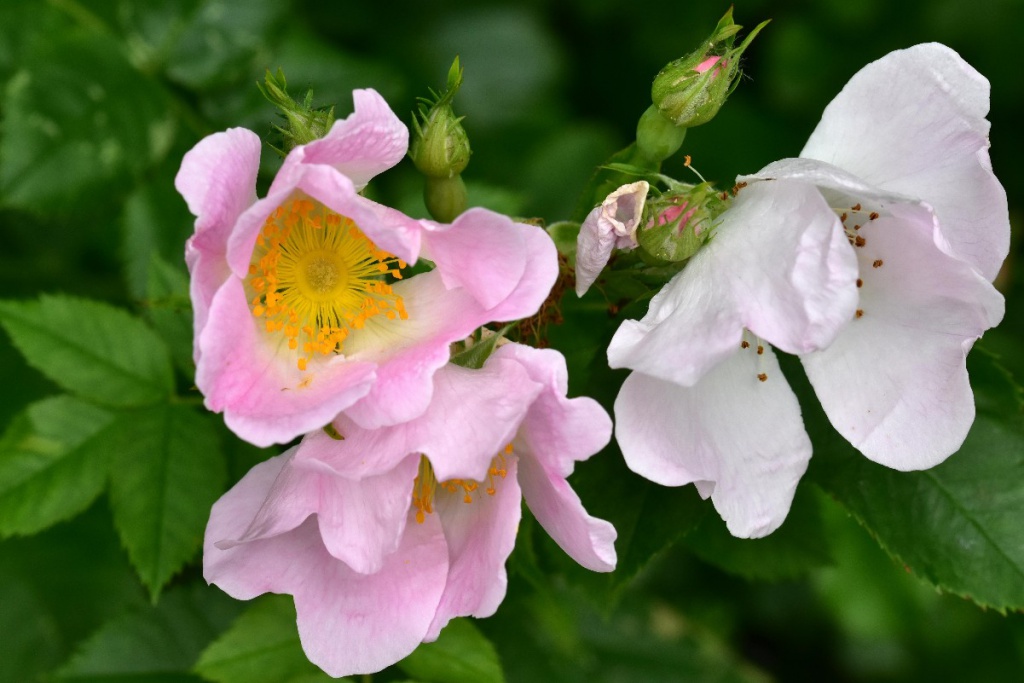
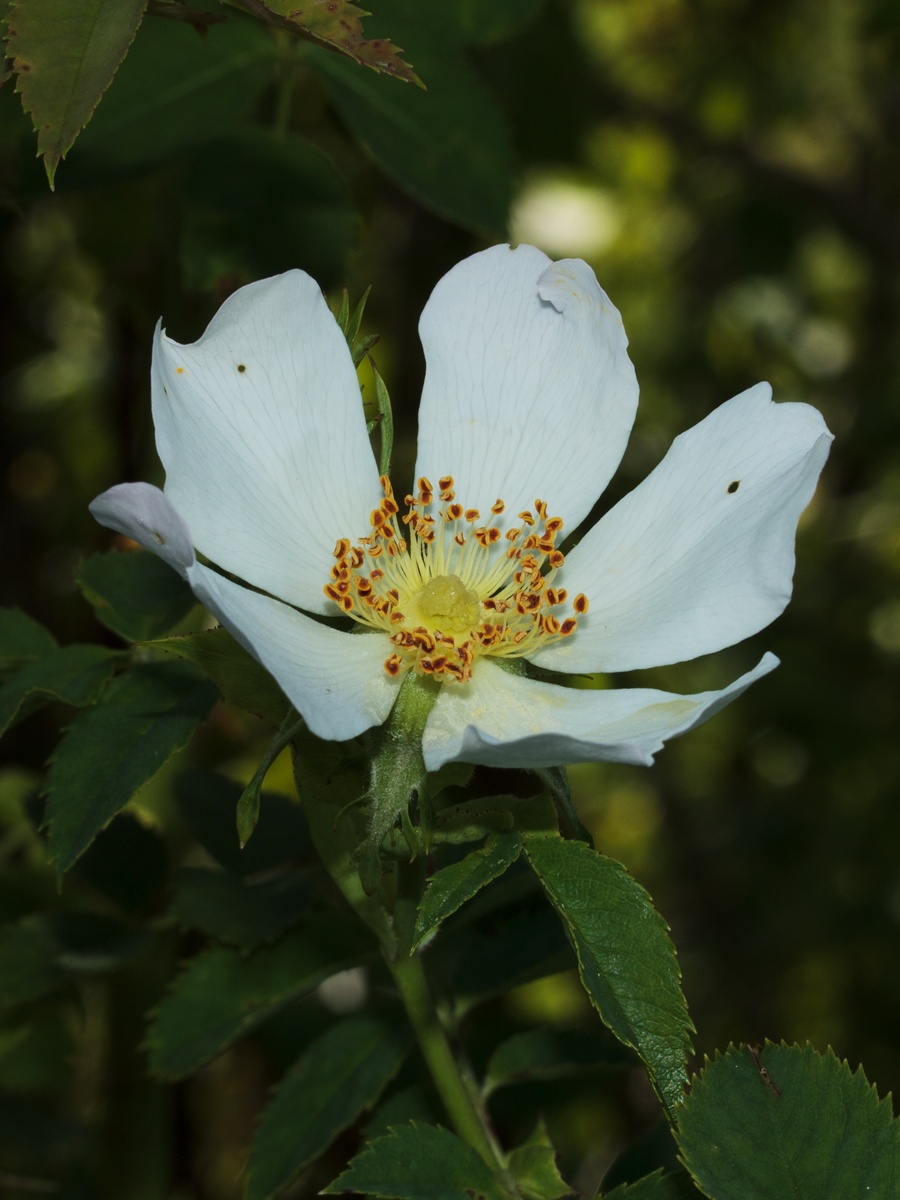
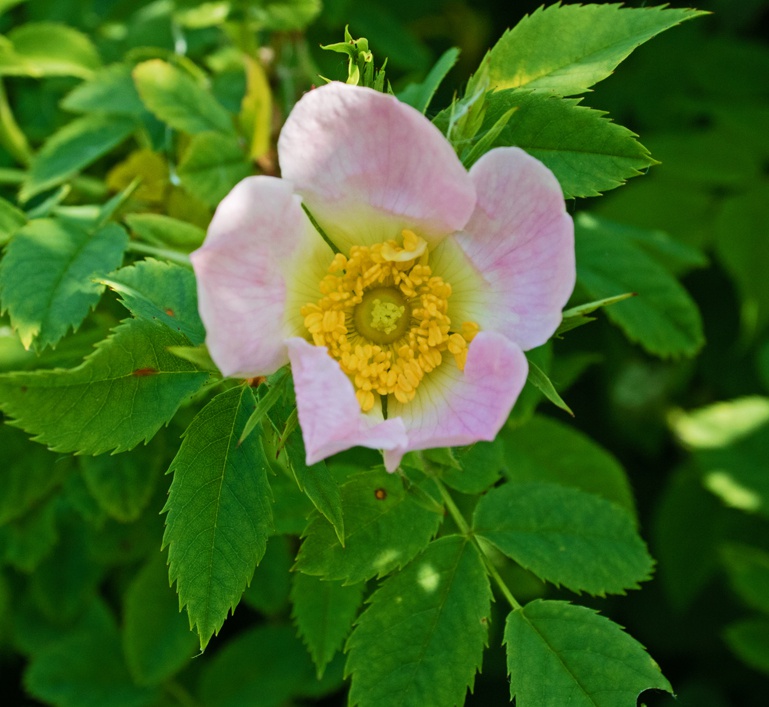
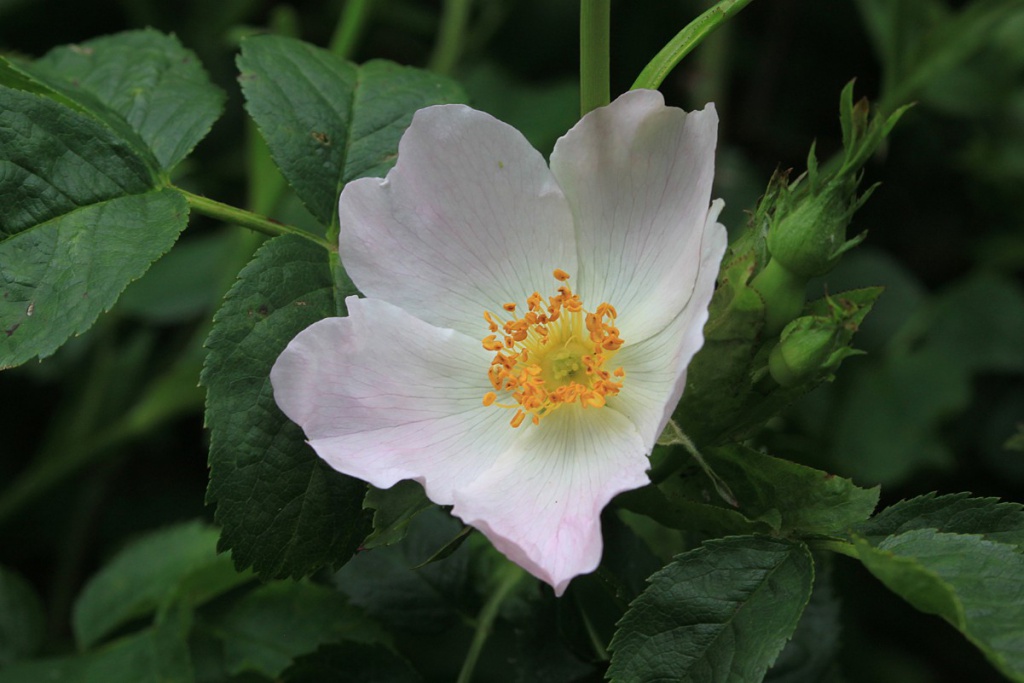
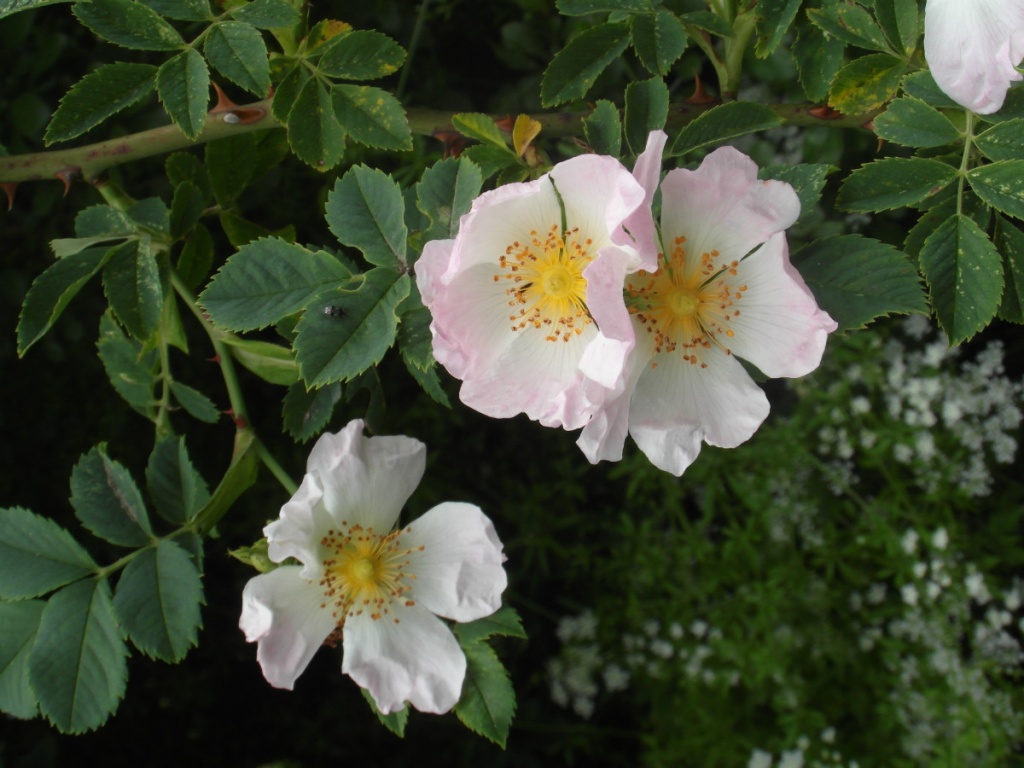
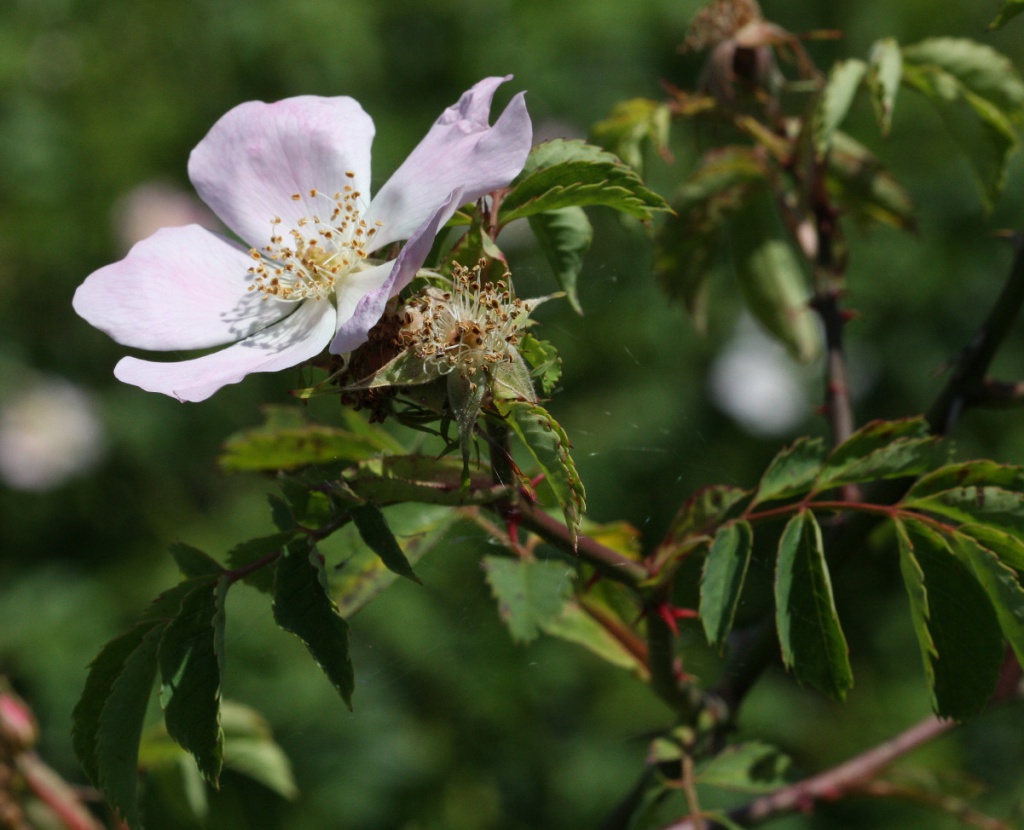
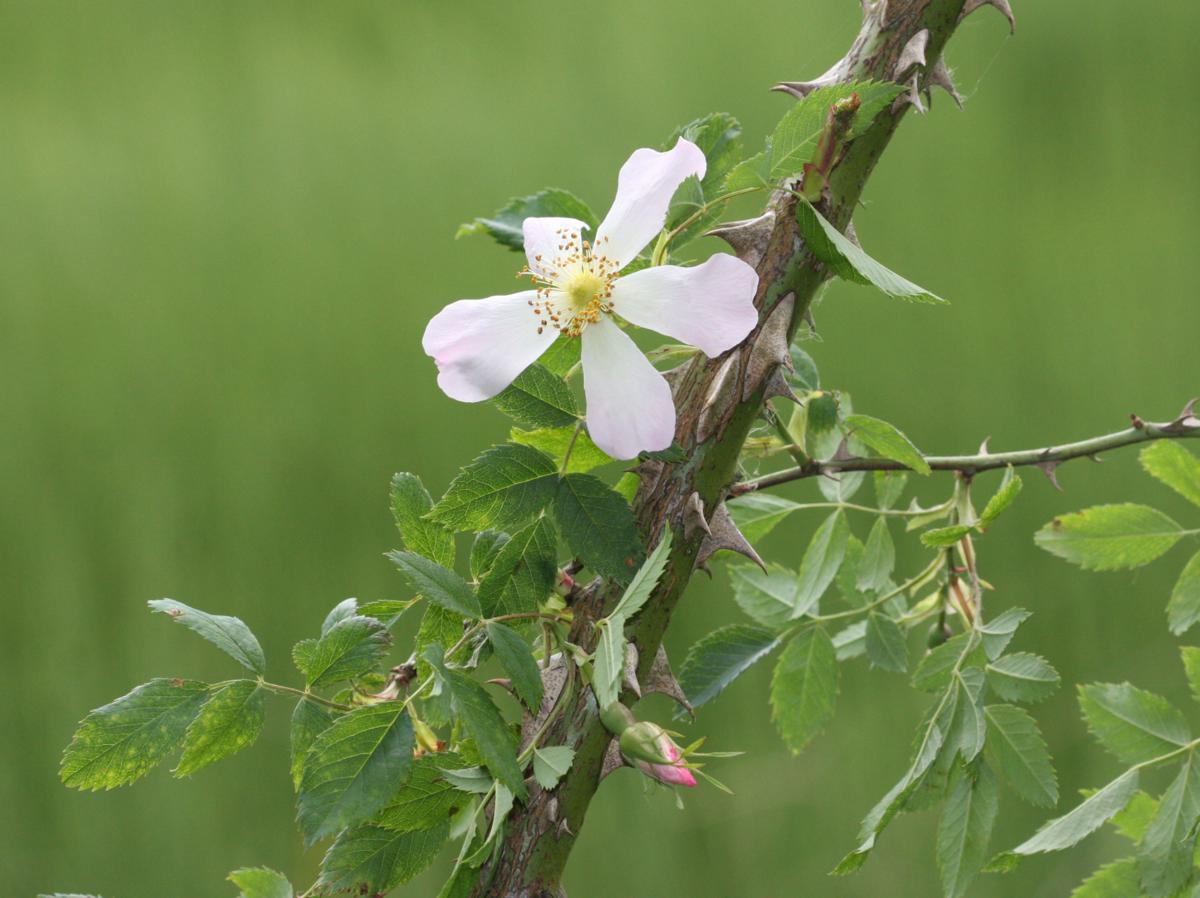
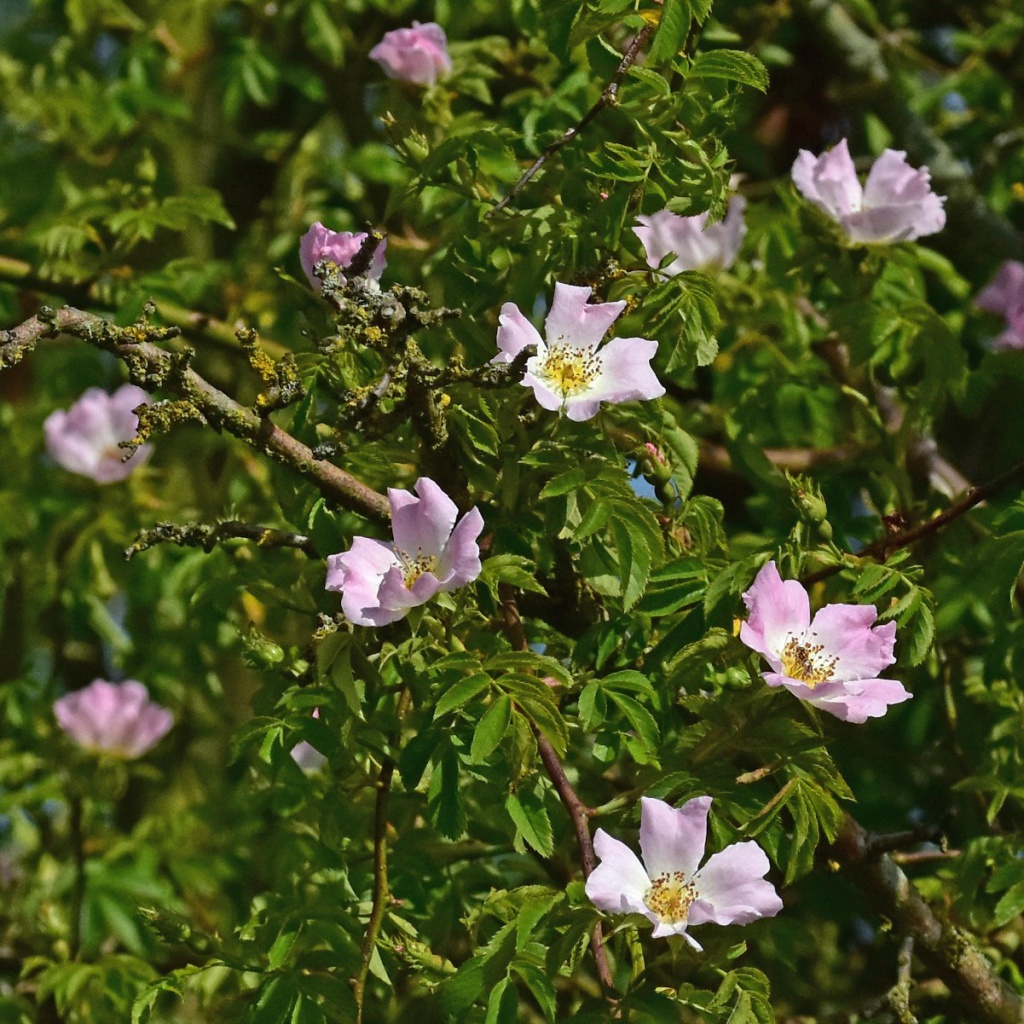
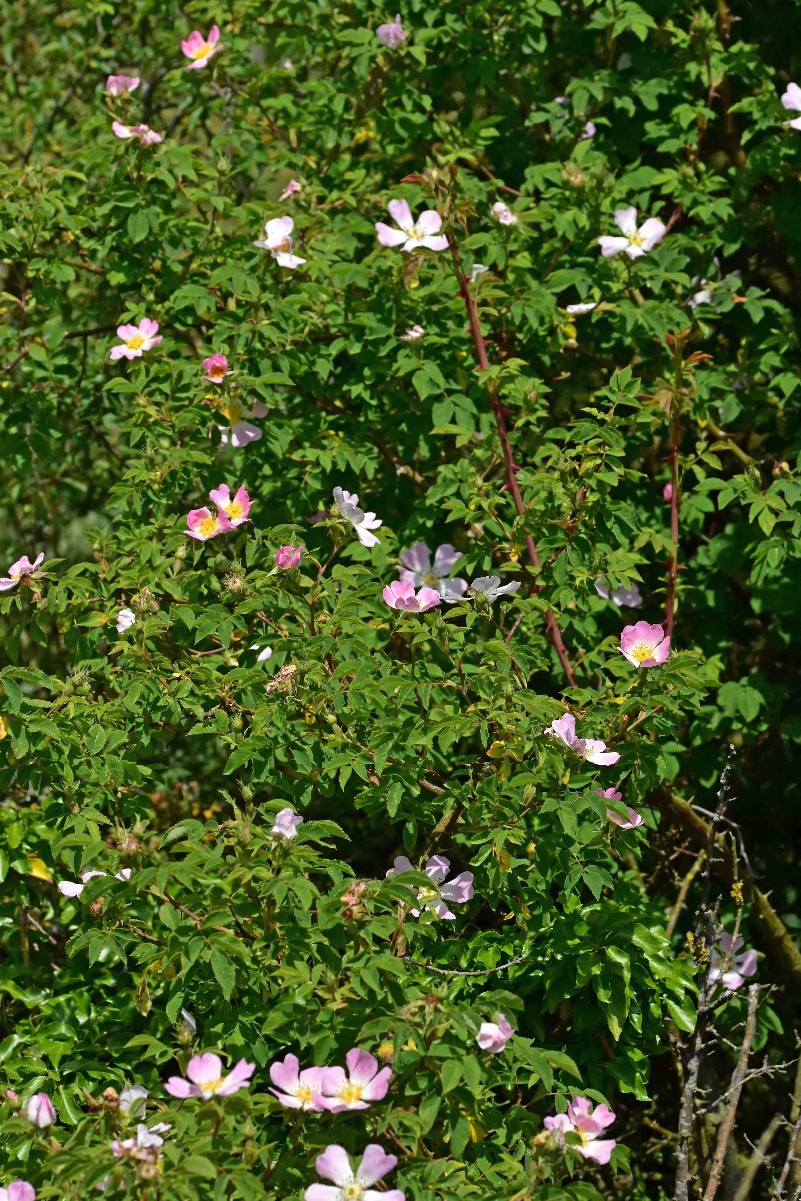
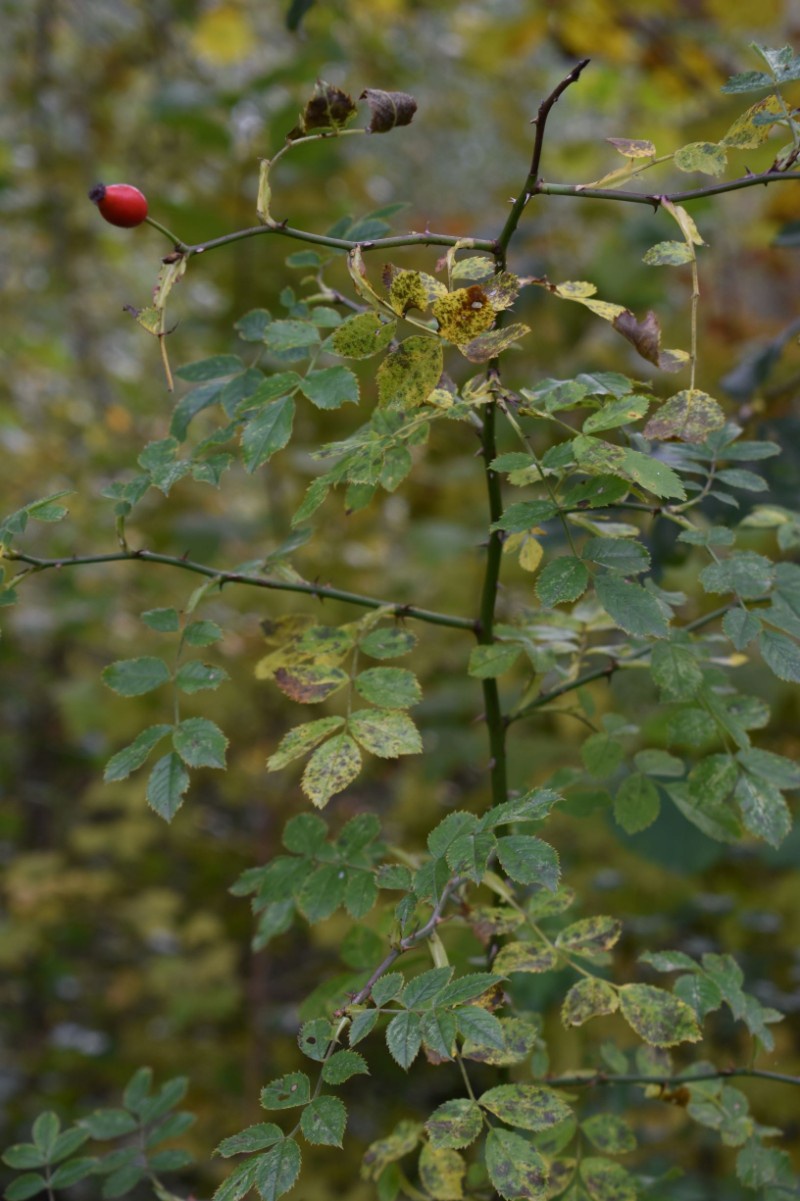
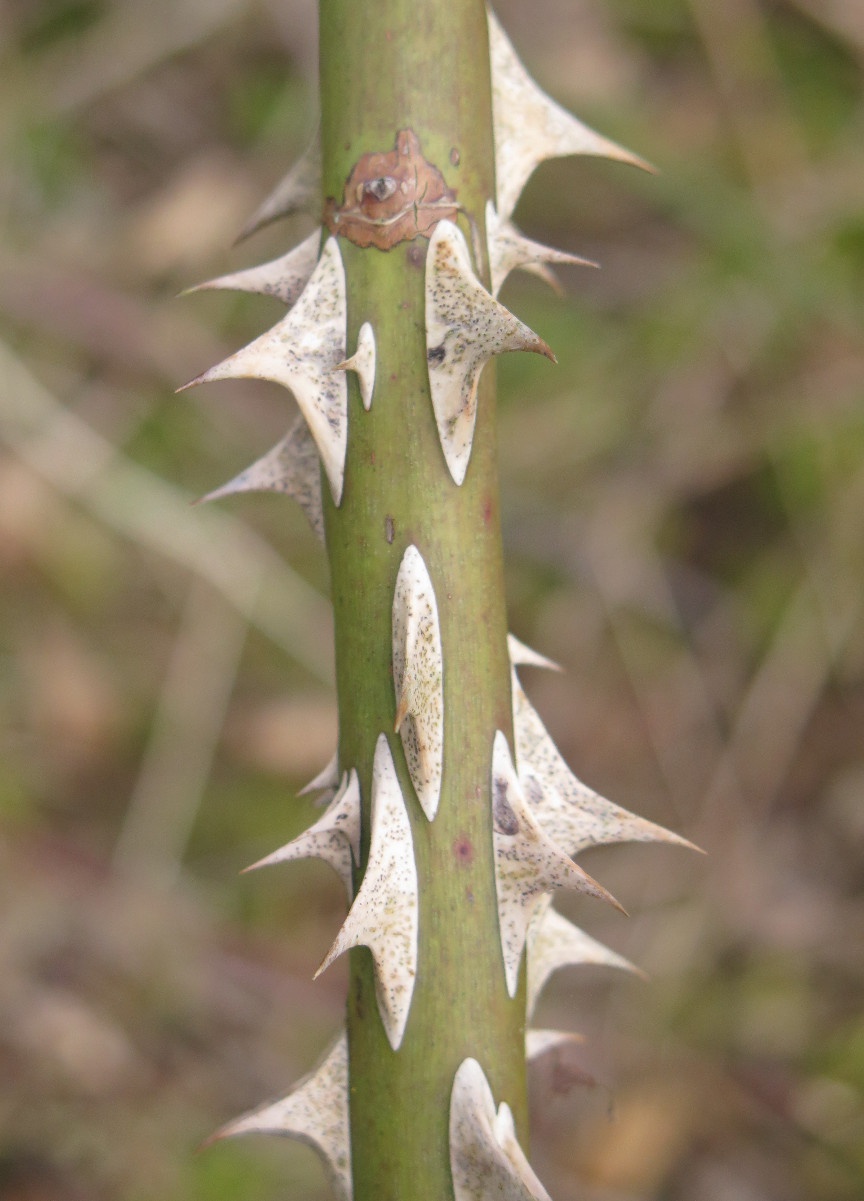
Dog Rose is a name used to describe a group of numerous similar hybrids which need expert identification. Rosa canina is often the most common wild Rose and is used to represent the group. Stems arching to 5 metres long with prickly thorns. Flowers usually pink (occasionally white). 45 to 50 mm in clusters of 2 to 5 on hairless stalks, styles not joined into column. Hip smooth orangey red without sepals when ripe.

Woodland margins, hedgerows, waysides and rough grassy places.
June and July.
Deciduous.
Common as a group throughout Britain.
Common as a group in Leicestershire and Rutland. In the 1979 Flora survey of Leicestershire it was sub-divided so no figure can be given.
 Barbara Cooper
Goadby Marwood
10 June 2018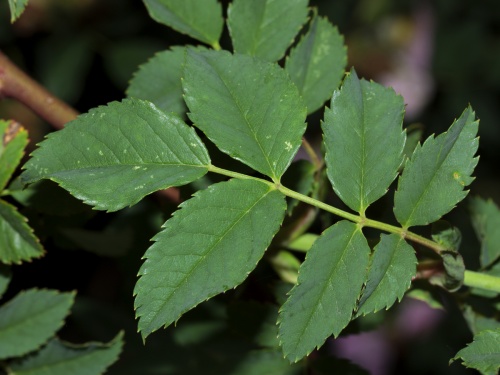 HAPeacock
The Orchards
26 June 2012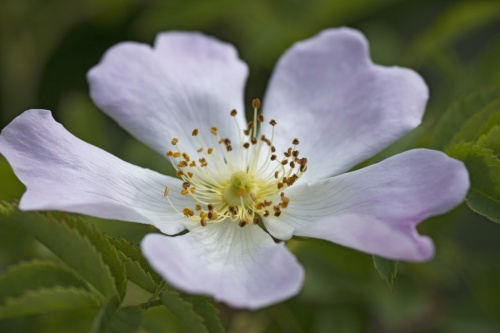 AJ Cann
Ketton Quarry
21 June 2015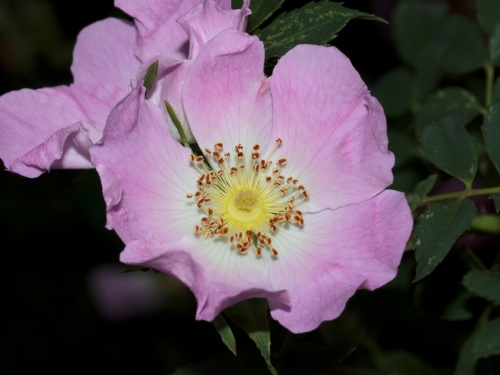 HAPeacock
The Orchards
26 June 2012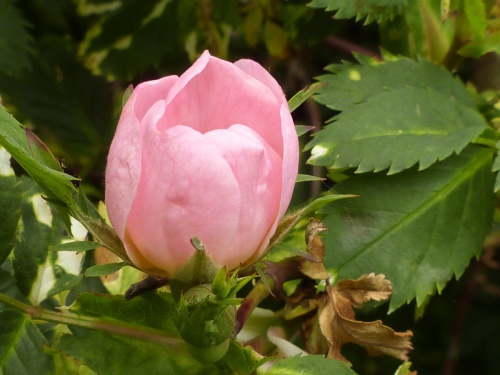 Graham Calow
Sapcote
08 June 2013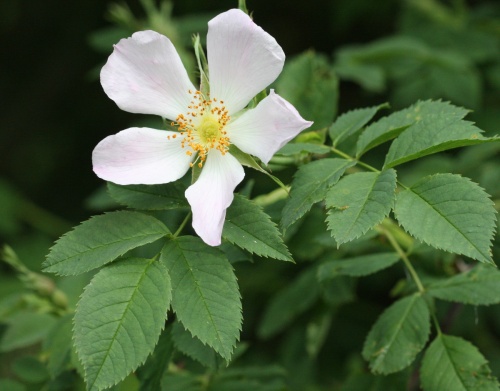 David Nicholls
New Lount
14 June 2012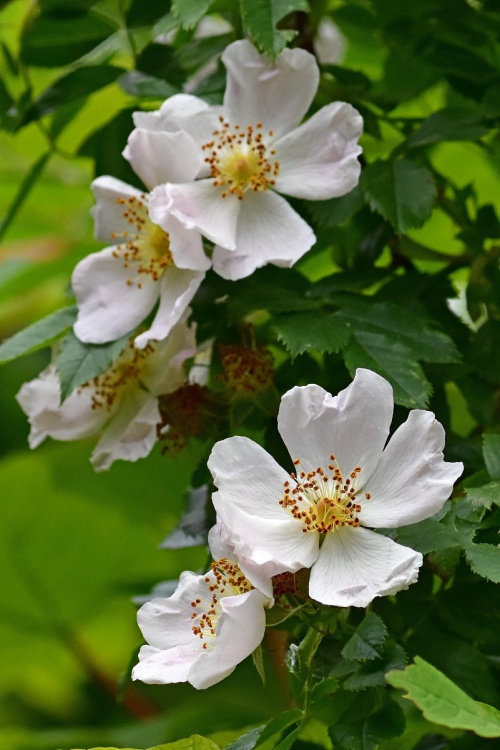 Andy's Rutland
Bottom of Exton Road up to Highfield Close-Empingham
12 June 2018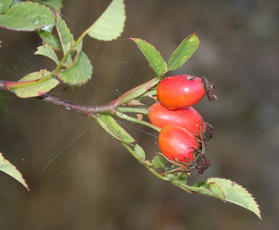 David Nicholls
Bagworth Heath
17 September 2011
fruit - 'hips'
Leicestershire & Rutland Map
Enter a town or village to see local records
MAP KEY:
Yellow squares = NBN records (all known data)
Coloured circles = NatureSpot records: 2025+ | 2020-2024 | pre-2020
UK Map
Species profile
- Common names
- Dog-rose
- Species group:
- flowering plant
- Kingdom:
- Plantae
- Order:
- Rosales
- Family:
- Rosaceae
- Records on NatureSpot:
- 445
- First record:
- 11/05/1992 (John Mousley;Steve Grover)
- Last record:
- 27/05/2026 (Nicholls, David)
Total records by month
% of records within its species group
10km squares with records
The latest images and records displayed below include those awaiting verification checks so we cannot guarantee that every identification is correct. Once accepted, the record displays a green tick.
In the Latest Records section, click on the header to sort A-Z, and again to sort Z-A. Use the header boxes to filter the list.
Latest images
Latest records
 HAPeacock
The Orchards
19 June 2012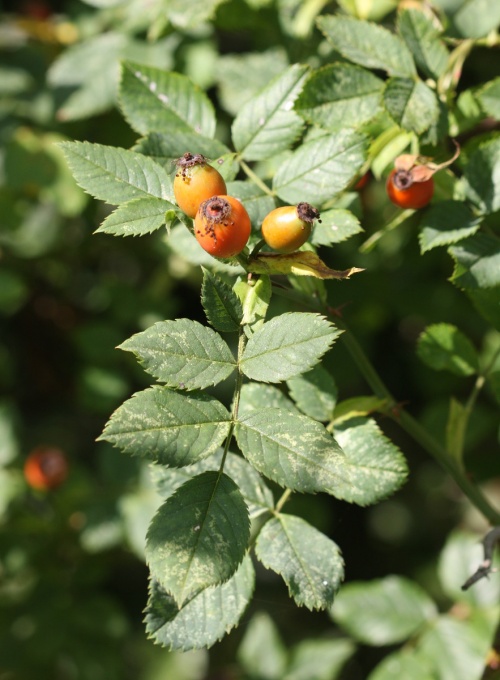 David Nicholls
Ashby Canal, Shackerstone
15 September 2012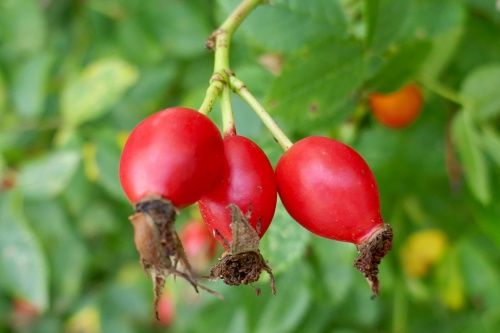 granniejo
Billesdon Woodland Pool
18 September 2019
Hips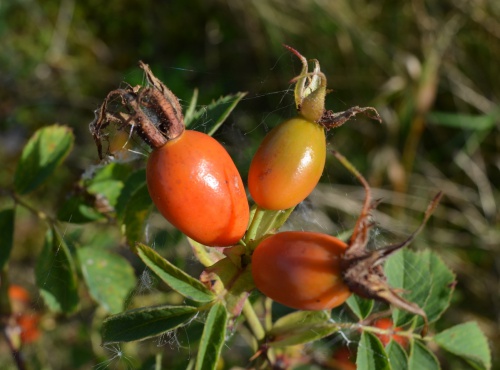 Steve Mathers
Holwell North Quarry NR
13 September 2016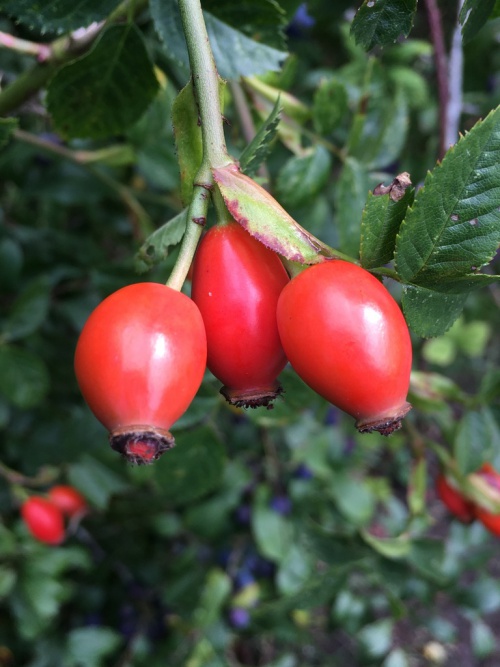 CAPochin
GUCanal,Bridges 50-47
30 August 2020 (fruit - 'Hips')Near Leicester Road Quarry Sapcote SP 4966 9335 (taken 30.8.2010).JPG) Graham Calow
Graham Calow
Leicester Road Quarry, Sapcote
30 August 2010
fruit - 'Hips'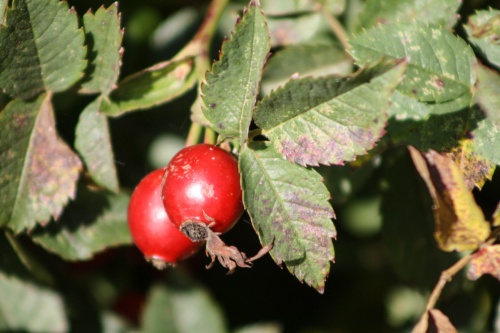 Ray Pearce
Dishley Pool
13 October 2020 Alan Semper
Harby canal side
20 September 2008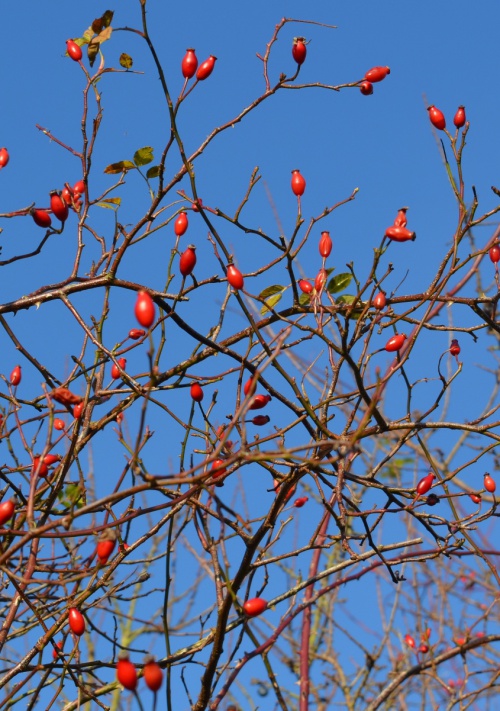 Steve Mathers
Grantham Canal (Long Clawson west to County Boundary)
01 December 2016
Hips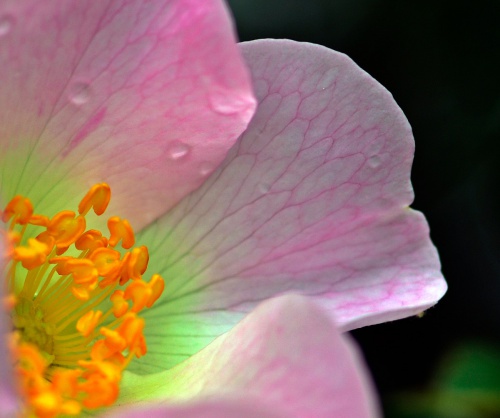 Lostash
Whetstone GCR Footpath
24 May 2015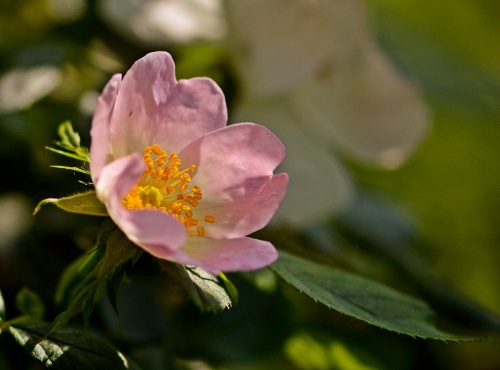 Lostash
Aylestone Meadows
09 June 2016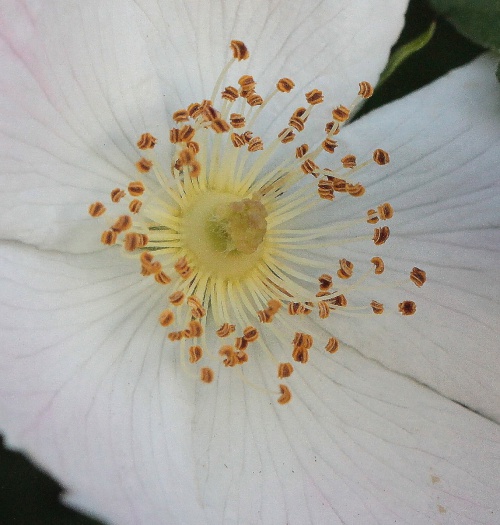 Craig Mabbett
Barley Lane Peatling Magna
12 June 2018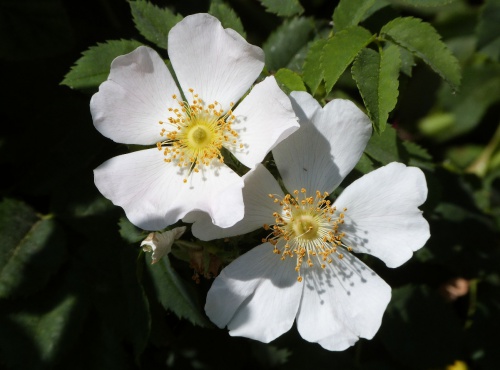 Graham Calow
Sapcote, Sharnford Road
02 June 2020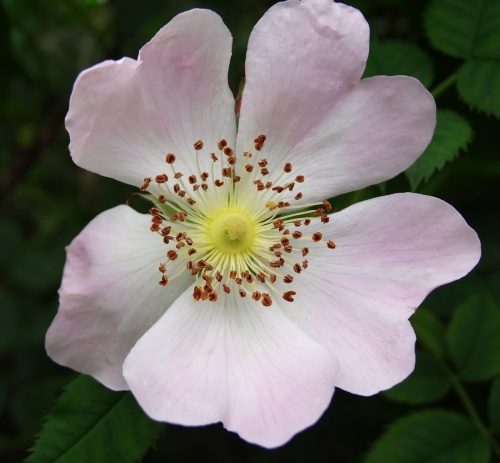 AJ Cann
St Mary Magdelen Knighton
25 June 2016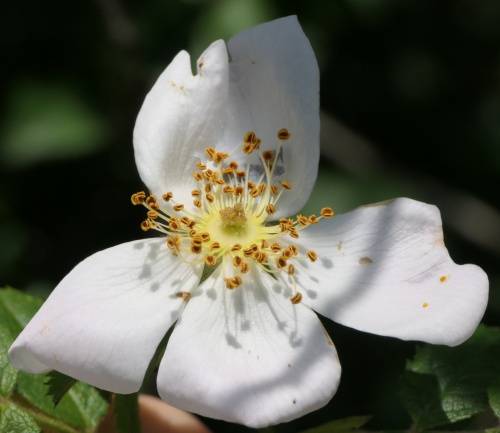 David Nicholls
Ratcliffe Culey, Main Rd. hedge northA
04 July 2019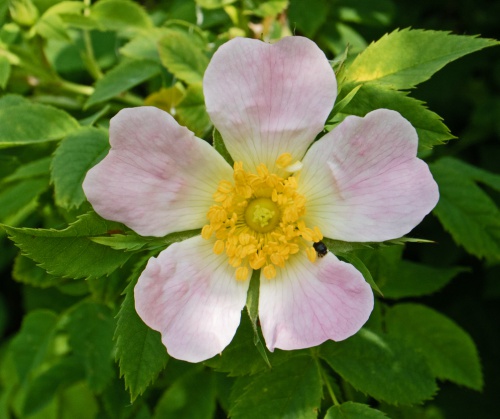 irturner
Nature Alive
27 May 2018 Granitethorpe Footpath Sapcote SP 4942 9354 (taken 5.6.2006)....JPG) Graham Calow
Graham Calow
Sapcote
05 June 2006
flower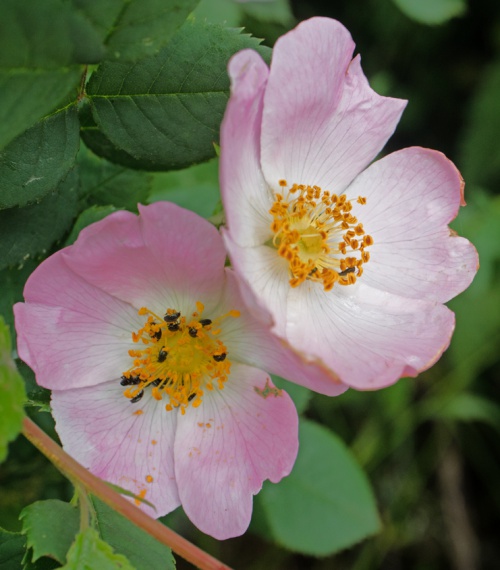 irturner
Kelham Bridge
16 June 2018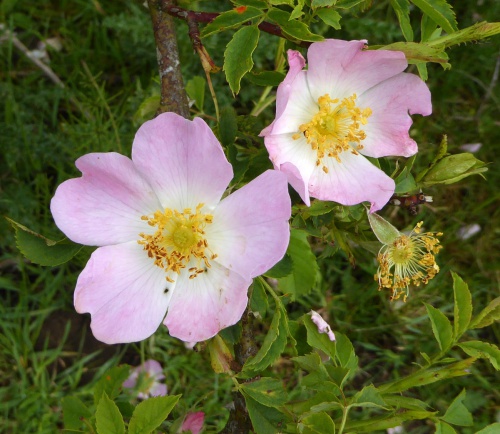 AJ Cann
Saddington Reservoir
15 June 2019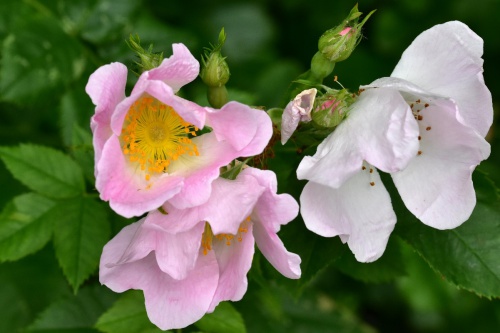 Andy's Rutland
Headland/Footpath-Love's Lane-Gunnel Lane Meadow
08 June 2018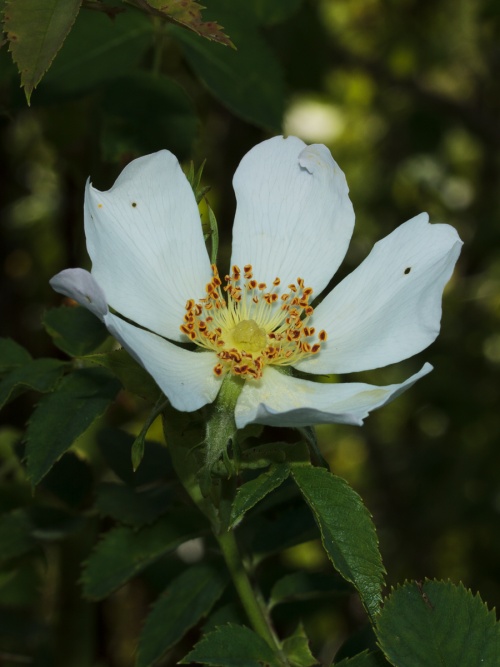 HAPeacock
The Orchards
19 June 2012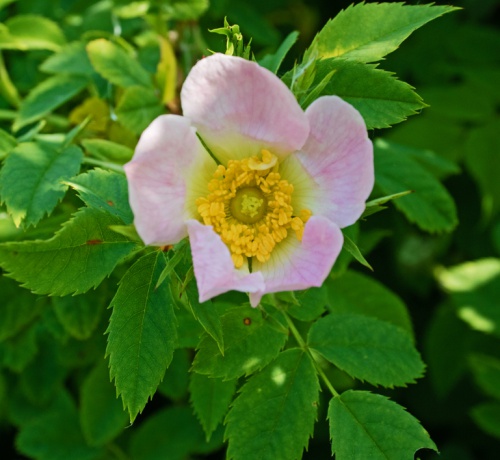 irturner
Nature Alive
27 May 2018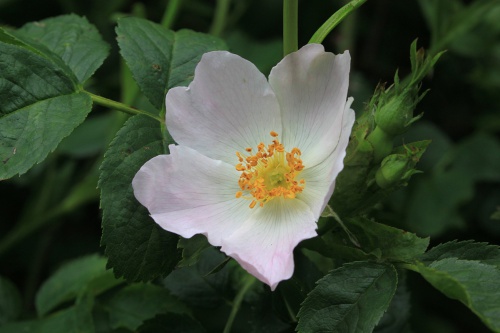 Paul Ruddoch
Melton Country Park
02 June 2015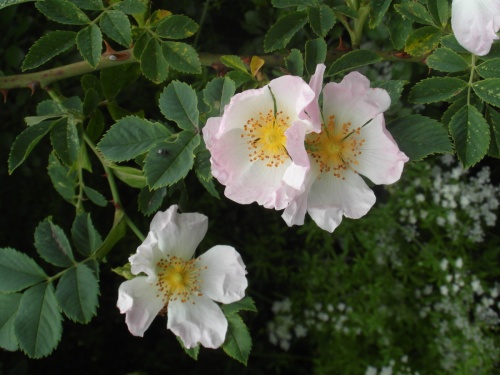 Alan Semper
Harby, footpath G55A
27 June 2012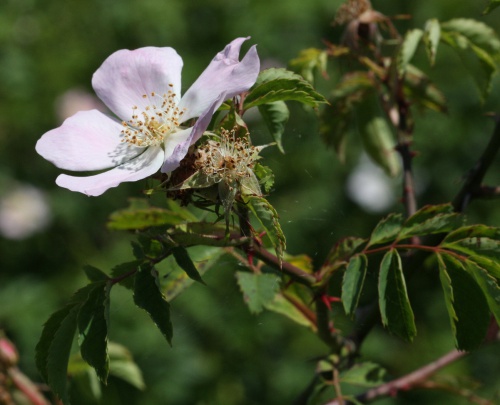 David Nicholls
Ketton Quarry
13 June 2014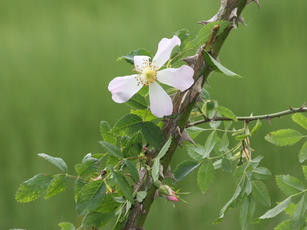 David Nicholls
New Lount
09 June 2011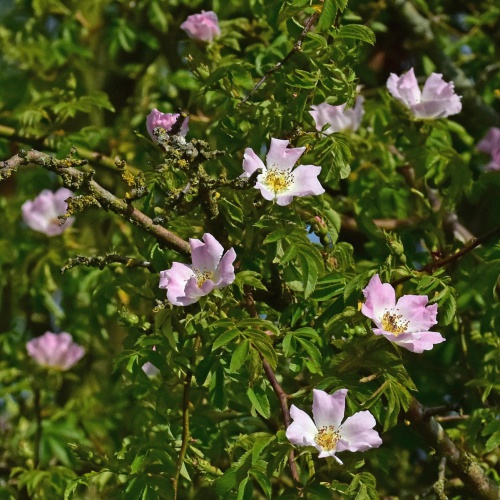 Andy's Rutland
Gunnel Lane Meadow
05 June 2018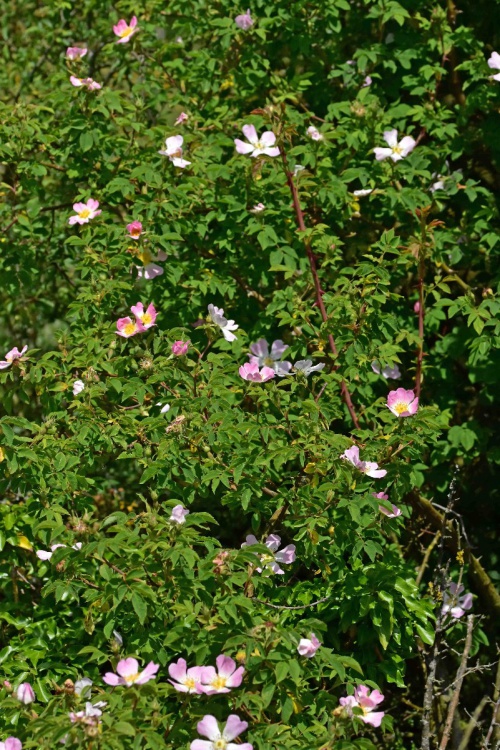 Andy's Rutland
A606-Public Footpath above south side of River Gwash to Footbridge Mill Lane-Empingham
10 June 2018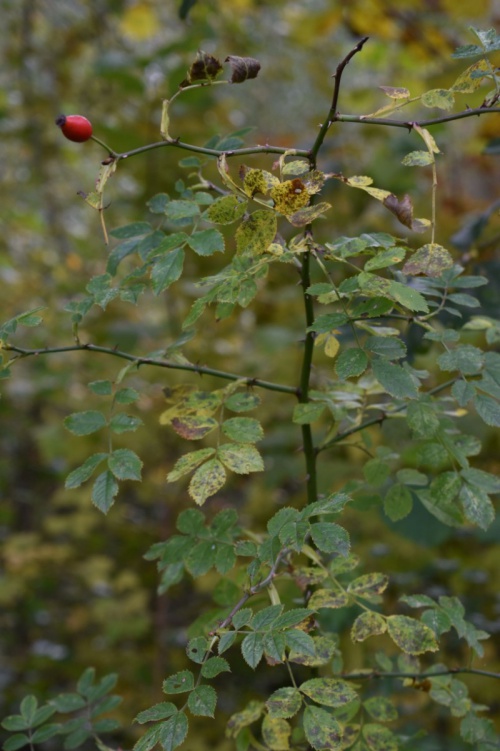 stepgray4
Cloud Wood
17 October 2020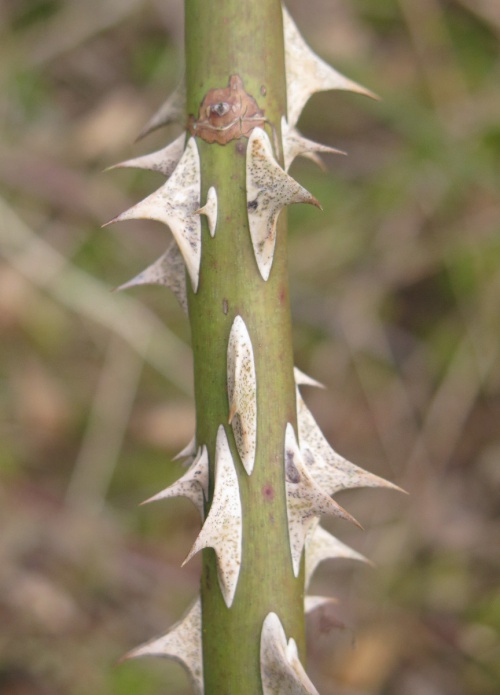 David Nicholls
Bagworth Heath
08 April 2015
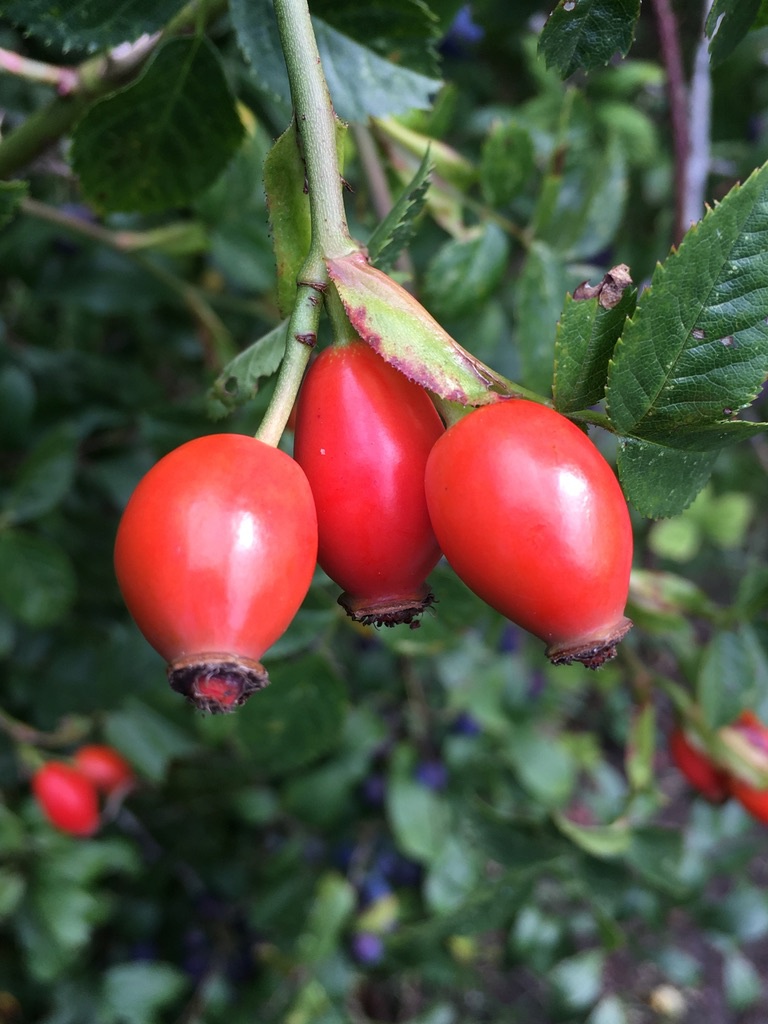
 (fruit - 'Hips')Near Leicester Road Quarry Sapcote SP 4966 9335 (taken 30.8.2010).JPG)
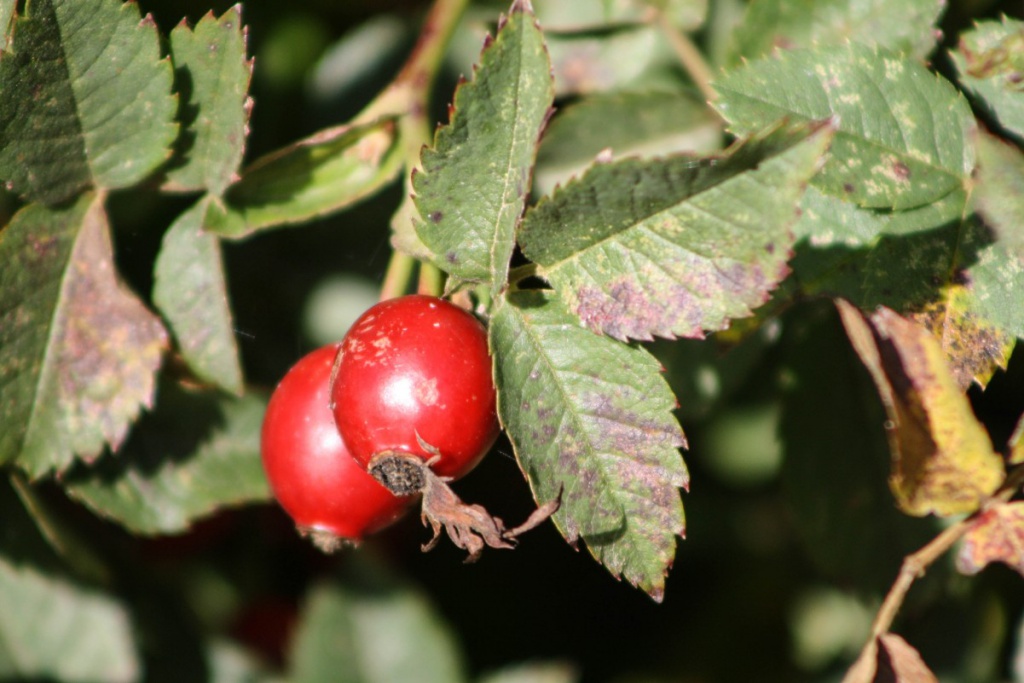
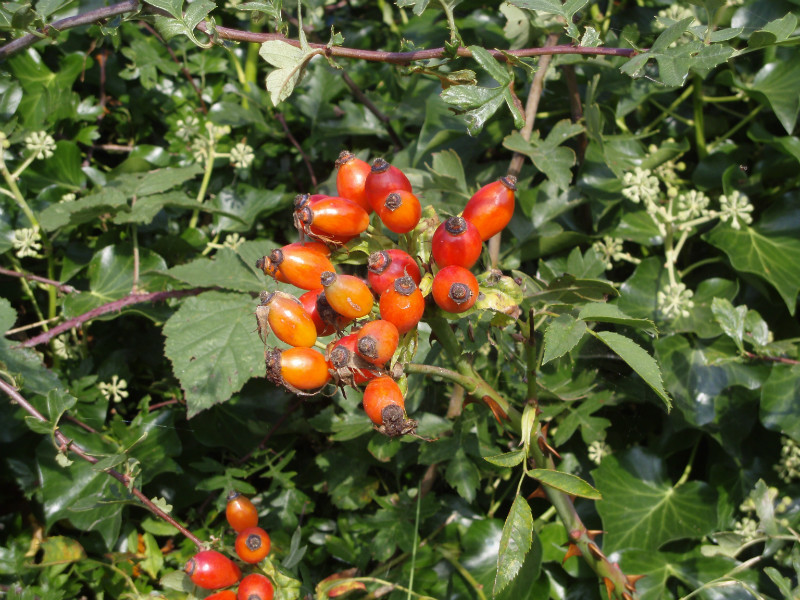
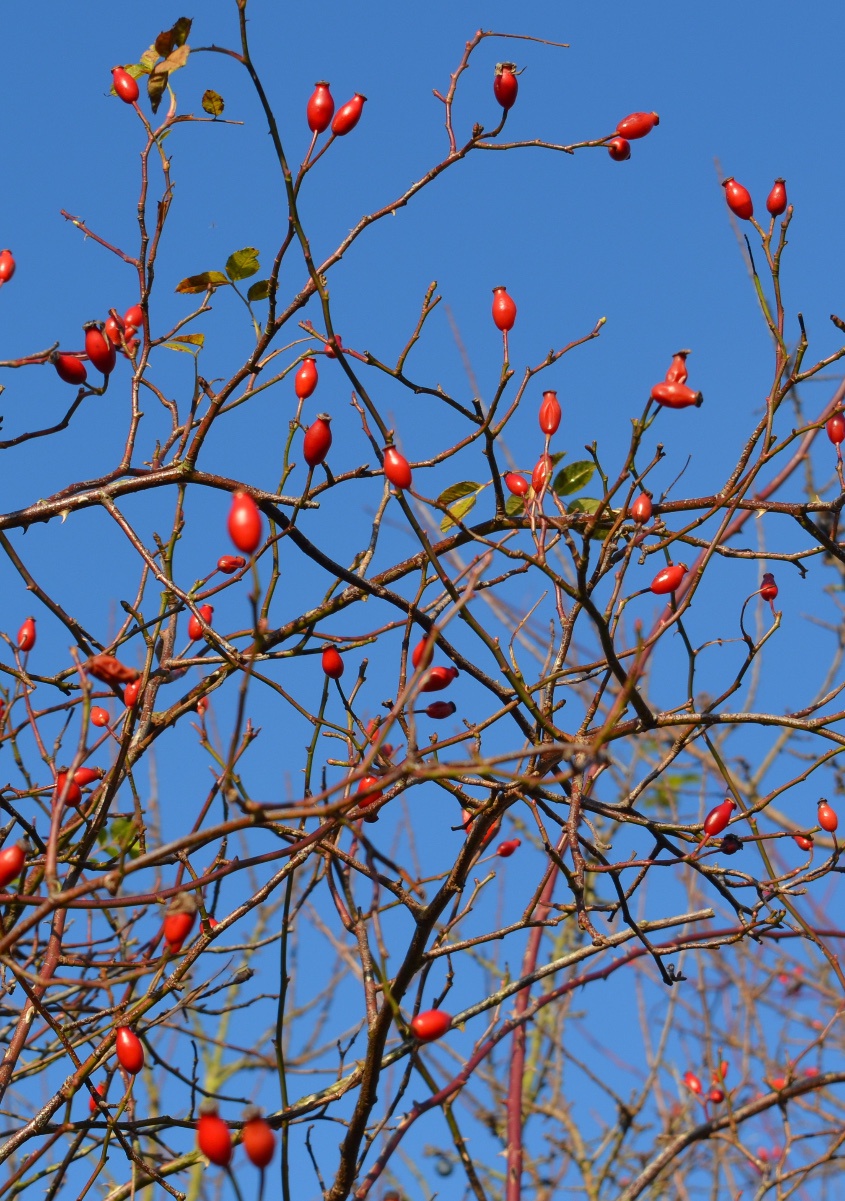
 Granitethorpe Footpath Sapcote SP 4942 9354 (taken 5.6.2006)....JPG)
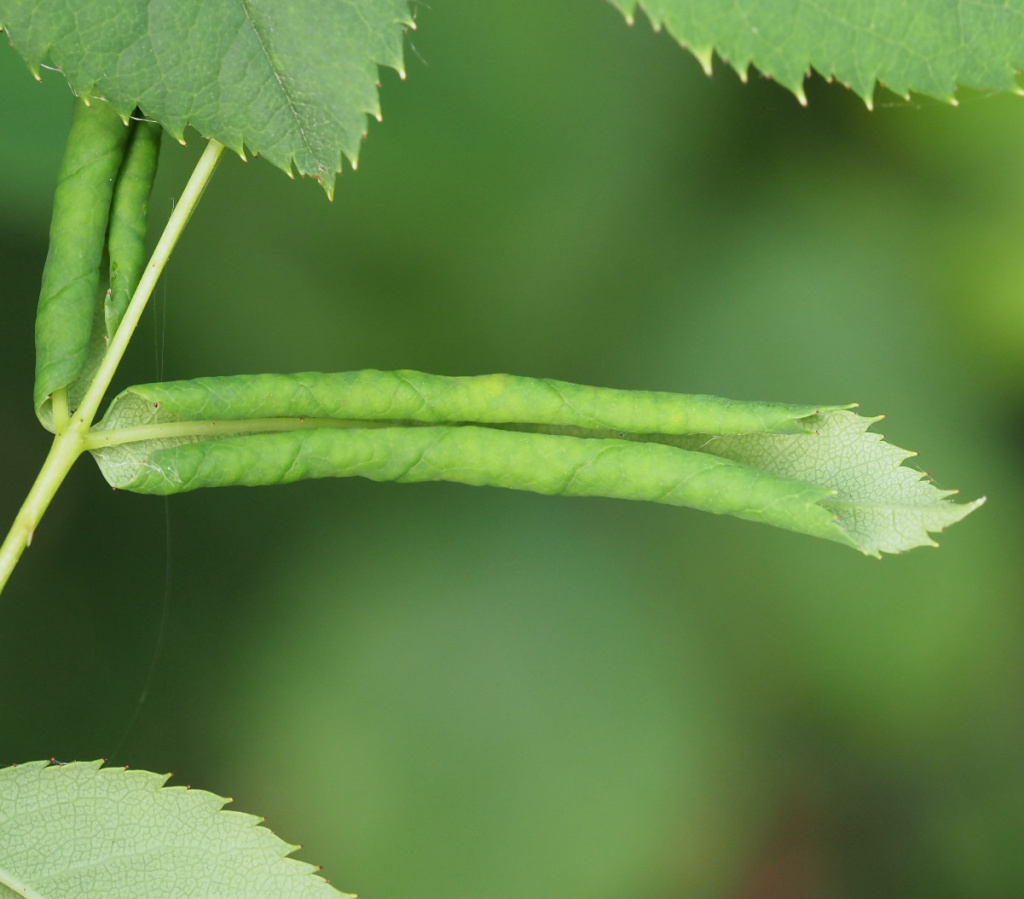
Blennocampa phyllocolpa
The larvae of the sawfly Blennocampa phyllocolpa gall the leaves of rose (Rosa) species causing both sides of the leaflet to roll downwards to the main vein, forming loose tubes, often spirally twisted. These may contain the green sawfly larvae, and may not be true galls.
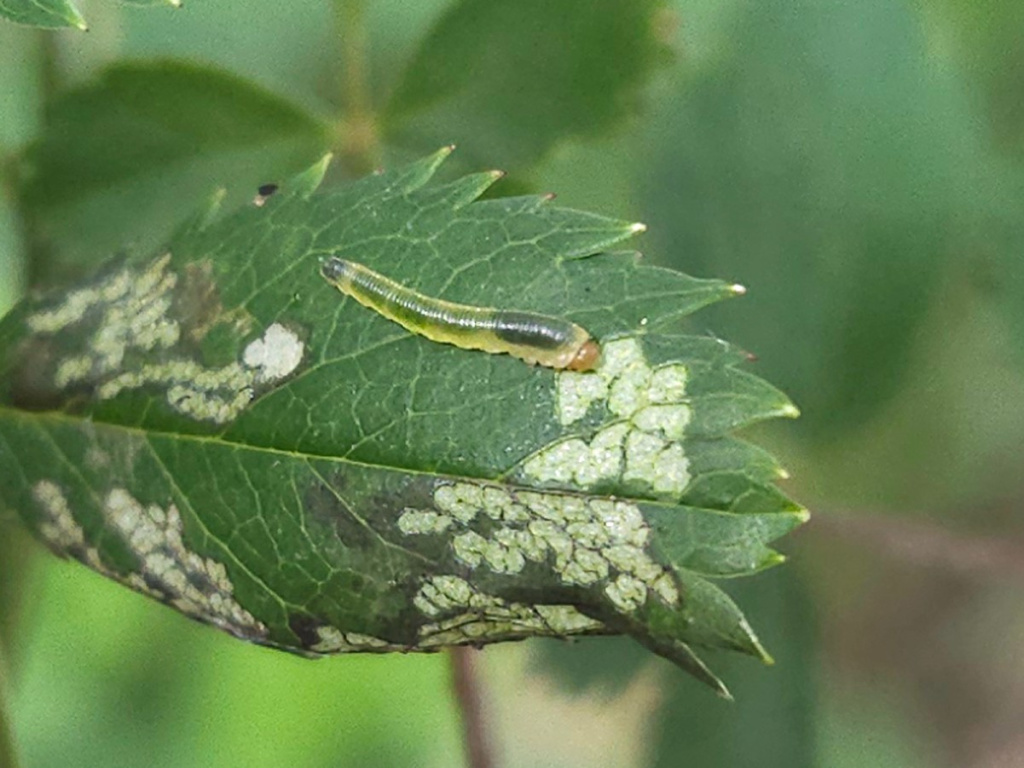
Endelomyia aethiops
The larva of the sawfly Endelomyia aethiops feeds on roses, skeletonising the leaves. The larva has a transparent yellow-green body and orangey-brown head

Potato Aphid
The Potato Aphid (Macrosiphum euphorbiae) feeds on a wide variety of plants including Potato and Dog-rose. The adult wingless form is large 1.7 to 3.6mm and an elongated pear shape. It ranges from light green, yellowish green to pinkish red. It often has a darker stripe down the centre of its back, especially in immature nymphs. This species has noticeably long legs and two long tubes (siphunculi) at the rear end. The tail (cauda) is also long and finger shaped. The winged form has a much less distinct central stripe. The antennae and siphunculi are darker than in the wingless forms.
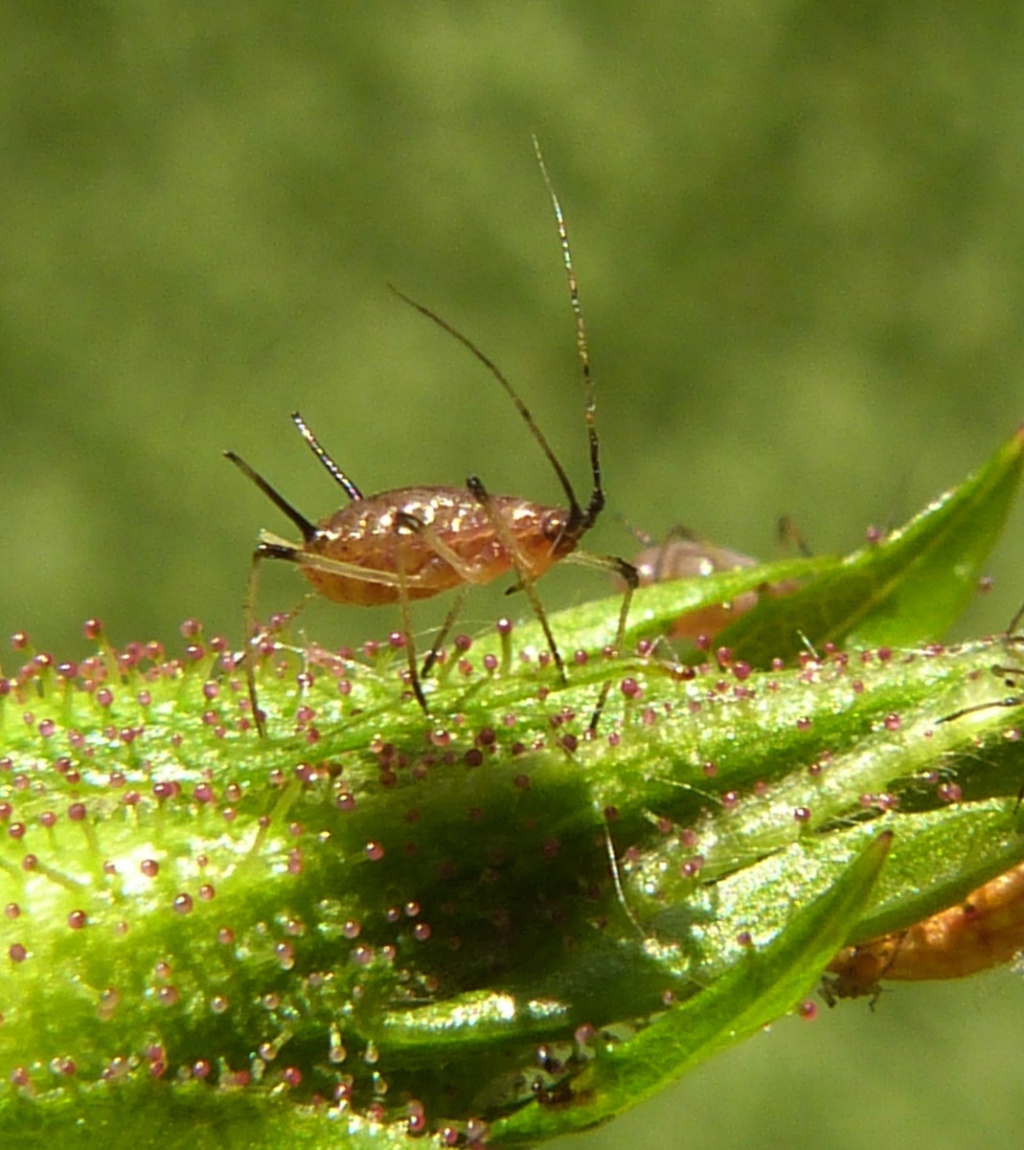
Rose Aphid
The Rose Aphid (Macrosiphum rosae) as the name suggests is to be found on various types of rose (Rosaceae sp) and mainly colonises tender flower buds, young shoots and lower surface of young leaves. The wingless aphids are medium-sized to rather large, broadly spindle-shaped, shiny, and pale to dark green or deep pink to red-brown or magenta, with shiny black head. Antennae and legs bicoloured, yellow and black. The cauda is pale yellow. The adult aptera of Macrosiphum rosae is 1.7 to 3.6 mm long.
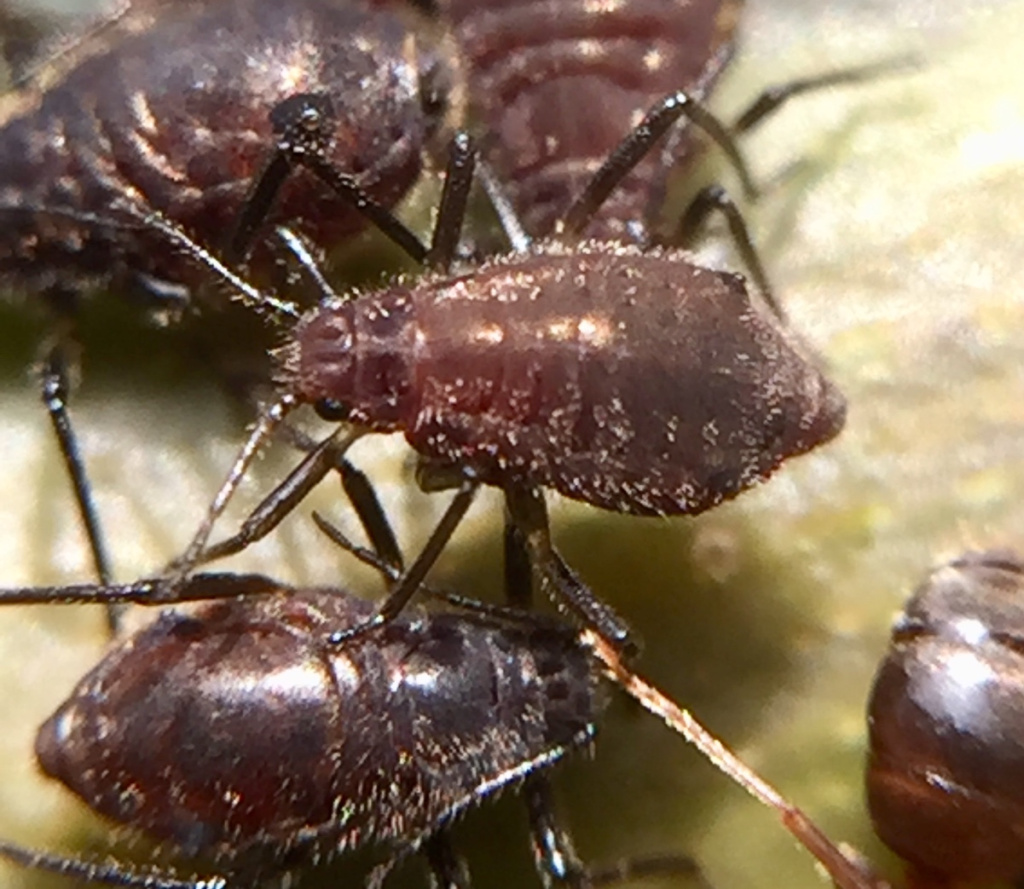
Rose Stem Aphid
The Rose Stem Aphid (Maculolachnus submacula) is a brown aphid, covered in short hairs and with very short siphuncules. Alates have a dark spot on the wing. It usually feeds on the lower stems or roots of roses, including garden varieties, but can occasionally be found on other species in the rose and geranium families. It is often attended by ants.
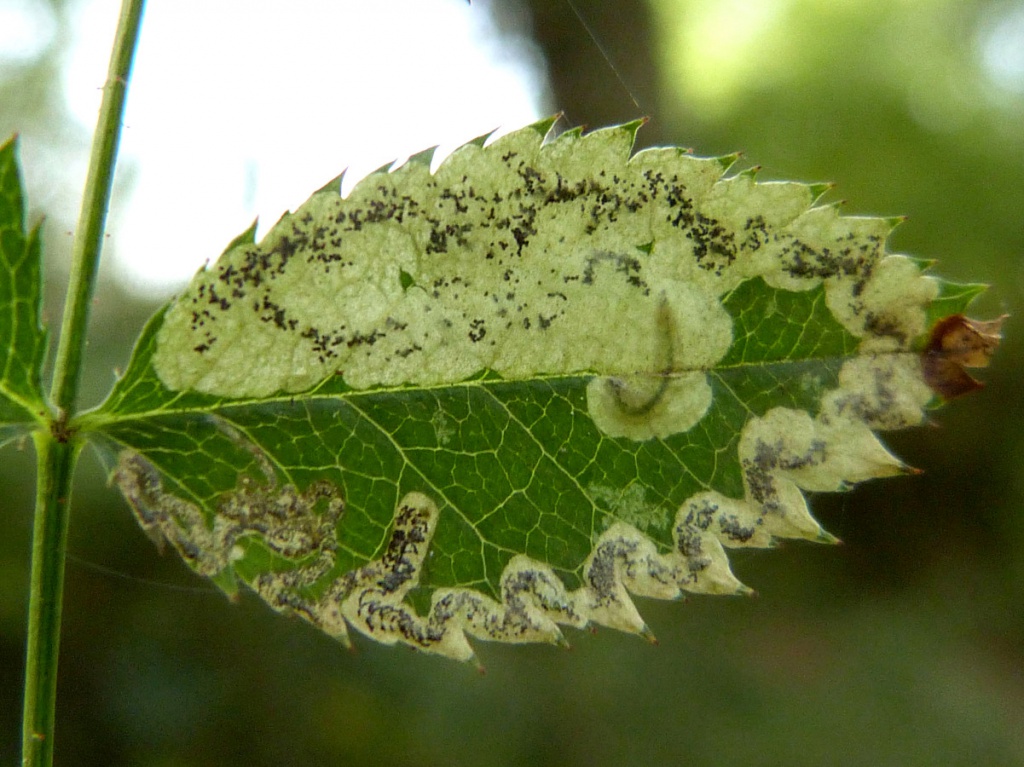
Ectoedemia angulifasciella
The larva of the moth Ectoedemia angulifasciella mines the leaves of rose species and sometimes Salad Burnet beginning as a contorted gallery filled with brownish frass and then widening into a blotch with central or dispersed blackish frass.
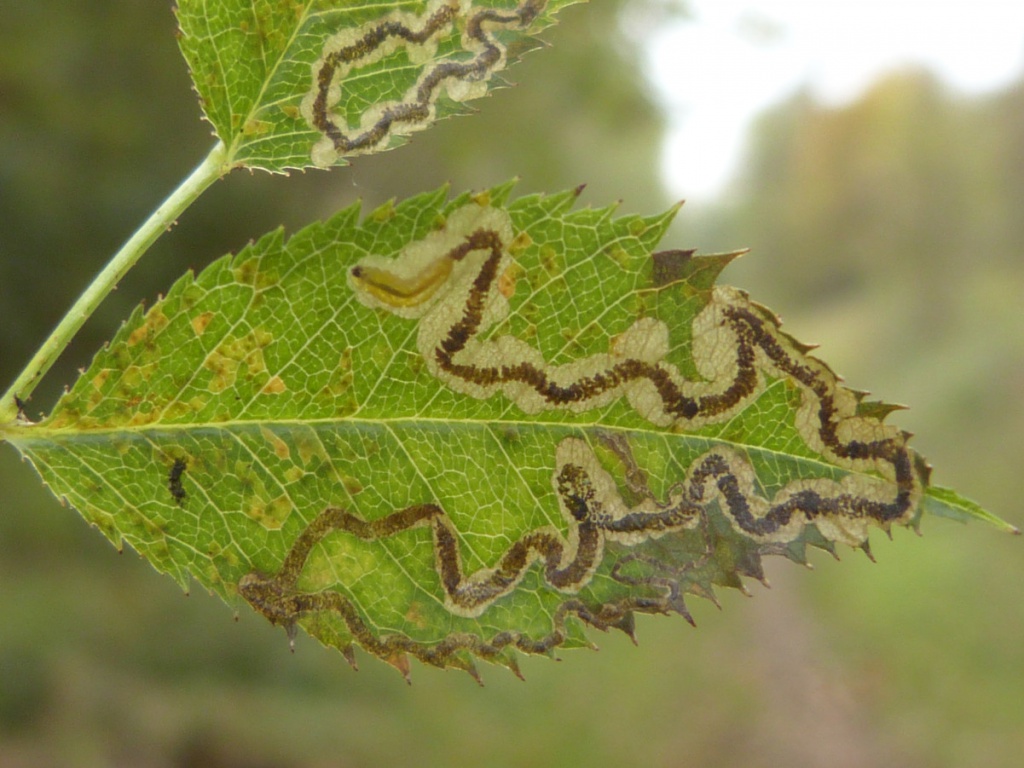
Rose Leaf Miner
The larva of the Rose Leaf Miner moth (Stigmella anomalella) mines the leaves of rose species. The mine is a long, sinuous gallery which often crosses back over itself. The frass is initially green and cloudy, filling the mine, but later is a thick black central line. The transition between the two stages is very marked.
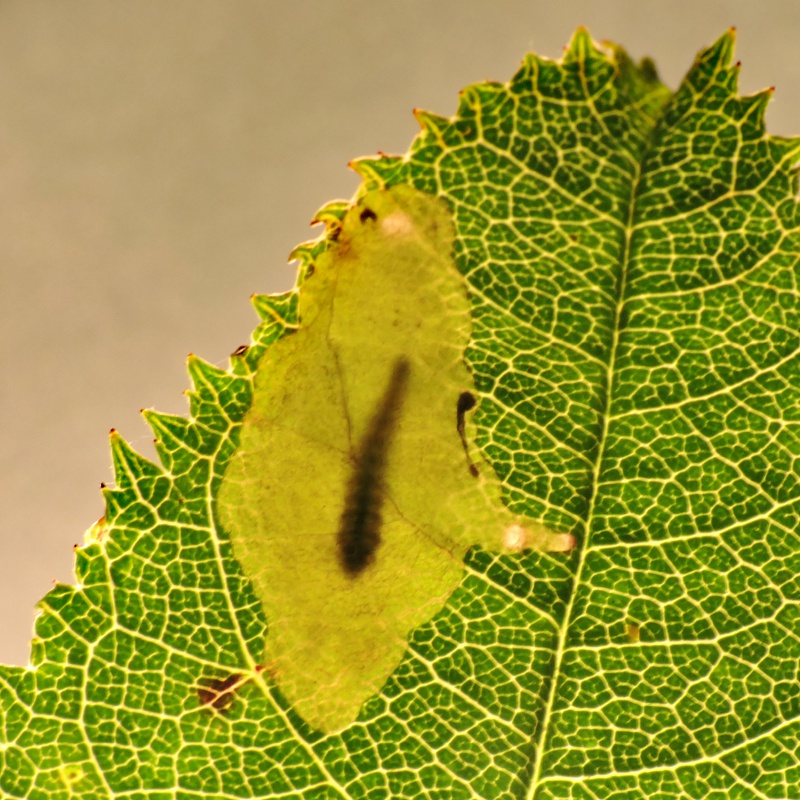
Coptotriche angusticollella
The larva of the moth Coptotriche angusticollella mines the leaves of various rose species and produce a pale, papery blotch mine on the upperside of the leaves. The mine often contorts the leaf causing it to fold upwards and may conceal the mine.
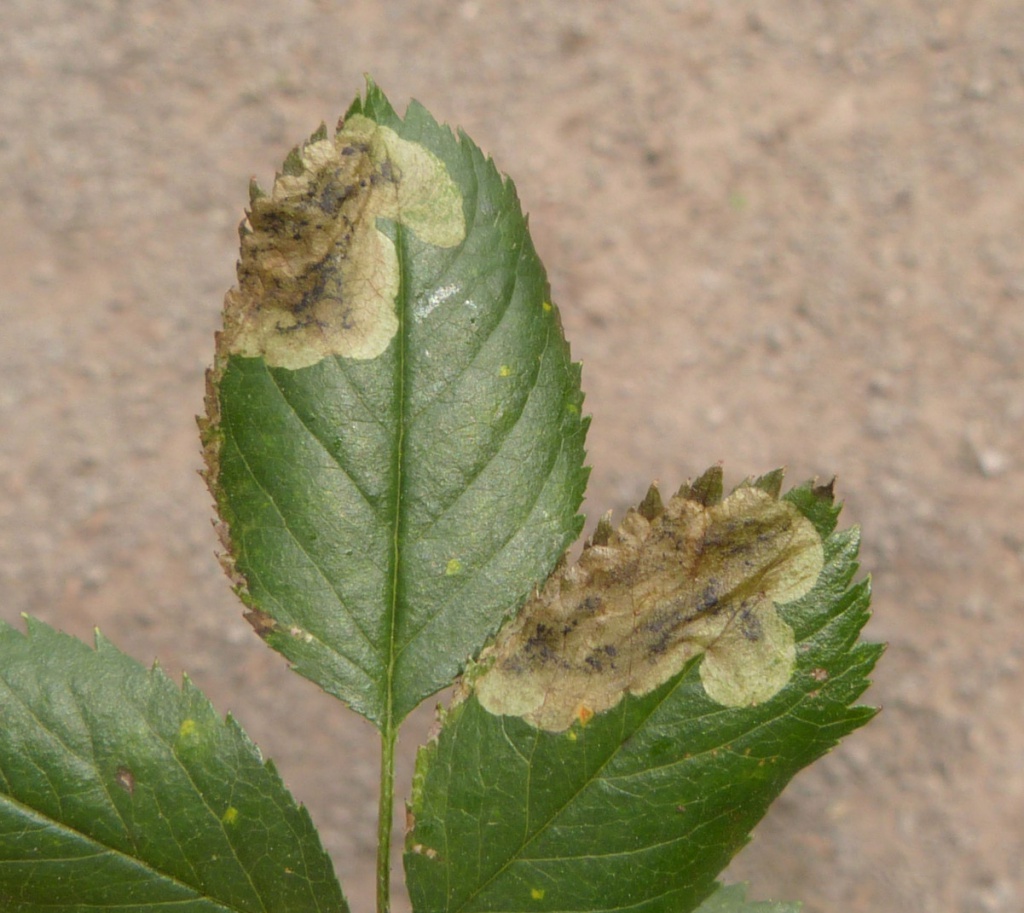
Agromyza sulfuriceps
The larva of the Agromyzid fly Agromyza sulfuriceps mines the leaves of various species in the Rosaceae family including Roses, Meadowsweet, Strawberry, Silverweed, Cinquefoil, Raspberry and Burnets. The mine starts as a long corridor, its initial part often along the leaf margin or a thick vein. Rather suddenly the corridor widens into a broad blotch. The corridor contains much frass, often in two distinct patches or lines.
%20on%20host%20Rosa%20Canina%20%20Granitethorpe%20Sapcote%20SP%204955%209361(taken%204.7.2009)_gall.JPG)
Smooth Pea Gall Wasp
The Smooth Pea Gall is caused either by cynipid wasp Diplolepis nervosa or by Diplolepis eglanteriae on the leaves of the Dog-rose. The galls are identical and adults have to be bred and keyed out in order to record to species level, otherwise they should be recorded as Diplolepis eglanteriae/nervosa.
Diplolepis nervosa also produces spiked galls (sometimes known as sputnik galls) on Dog-rose, and these can be determined to species.
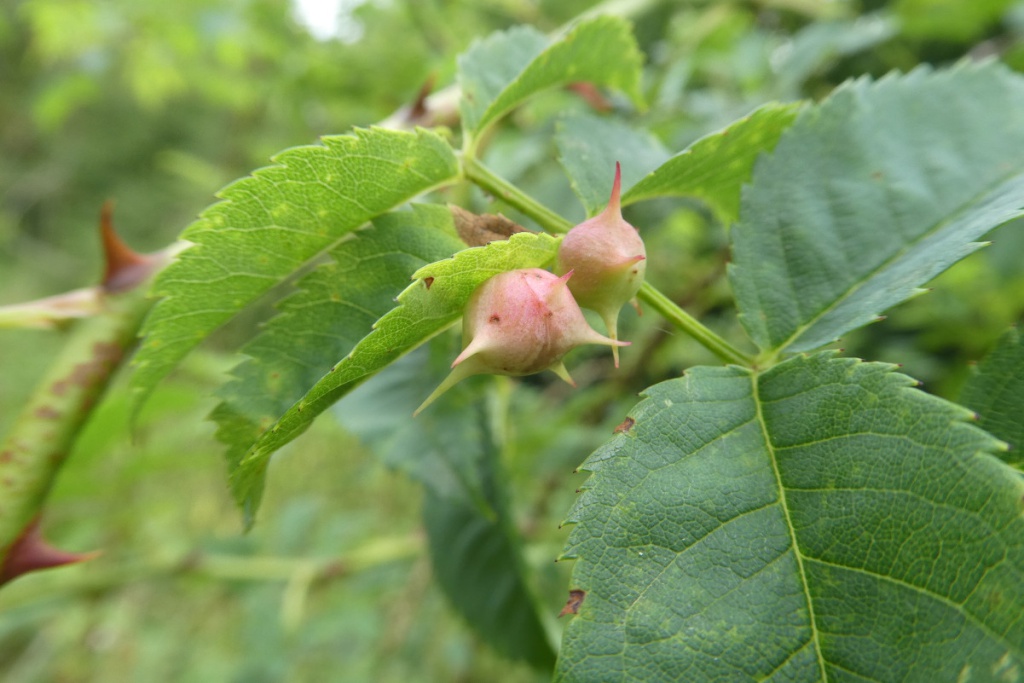
Sputnik Gall Wasp
The Sputnik Gall Wasp Diplolepis nervosa causes spiked 'sputnik' galls on the petioles, midrib or leaf blades of wild roses, usually underside but occasionally on the upper surface.
Diplolepis nervosa also forms smooth pea-galls, but these cannot be distinguished from those of Diplolepis eglanteriae unless bred through and the adult keyed out. If smooth galls are not bred through they should be recorded as Diplolepis eglanteriae/nervosa.
%20on%20host%20Rosa%20canina%20Leicester%20Road%20Sapcote%20SP%204963%209335%20(taken%2011.8.2008)_gall.JPG)
Bedeguar Gall Wasp
The Bedeguar Gall Wasp (Diplolepis rosae) causes galls to form on Dog-rose. The galls usually develop on a bud, forming a large mass of long stiff branched hairs, green at first then red, and can be very numerous. There are usually several chambers inside, and they are often attacked by inquilines or parasitoids. Occasionally small galls develop on leaves or hips.
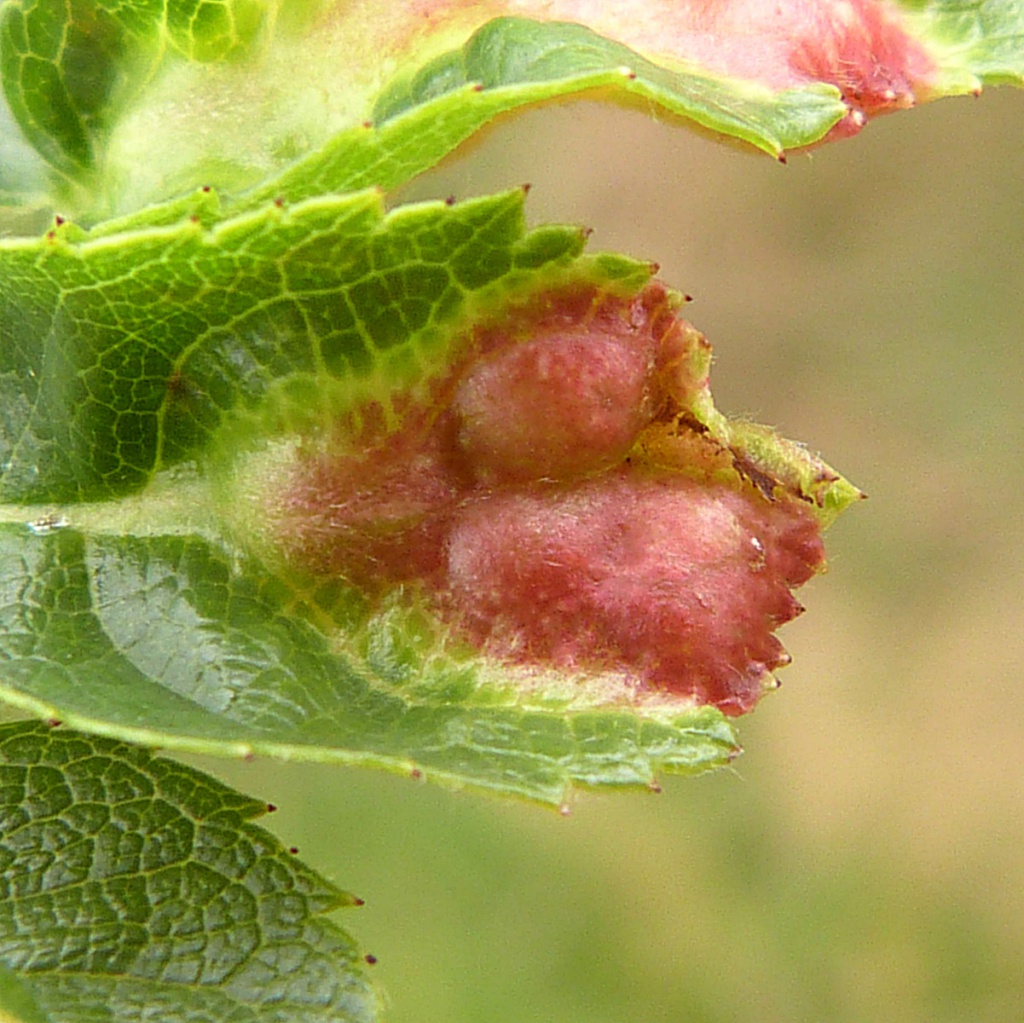
Diplolepis spinosissimae
The larvae of the gall wasp cause Diplolepis spinosissimae cause galls to form on various rose species, being most frequent on Burnet Rose (Rosa spinosissima), but also found on other rose species including Dog-rose and Sweet-briar. The galls are smooth, reddish-green, ovoid in shape and may occur on the leaf petiole or protruding from both sides of the leaf but quite often the galls coalesce. Each gall contains a single white larva.
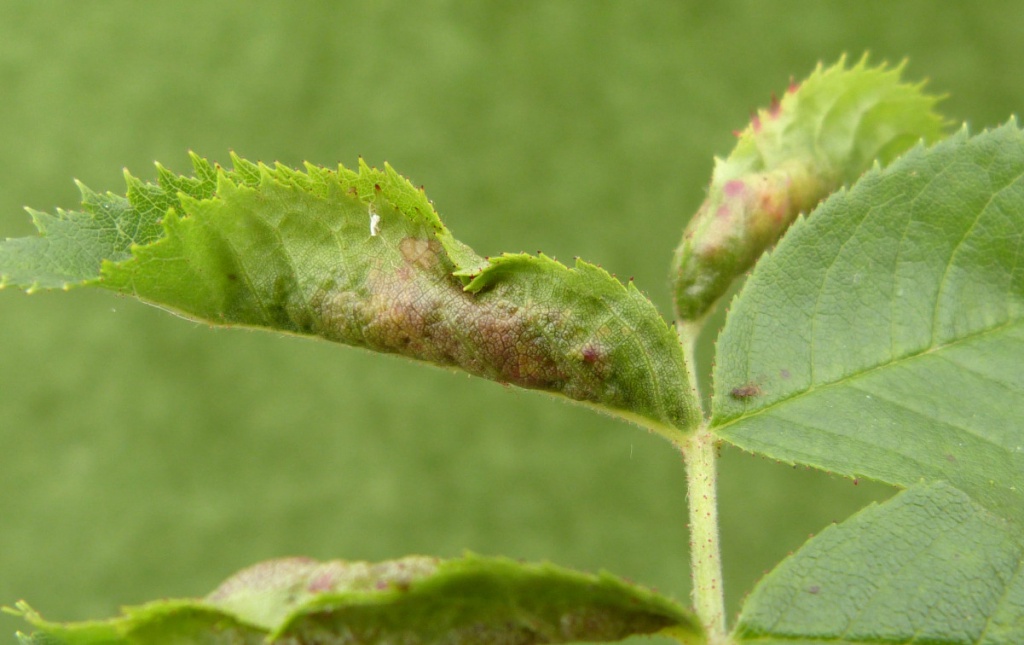
Dasineura rosae
The larvae of the midge Dasineura rosae causes galls on the leaves of various rose (Rosa) species such as Dog-rose. The leaflet is folded upwards along the main vein, thickened and pod like. This fold contains many larvae.
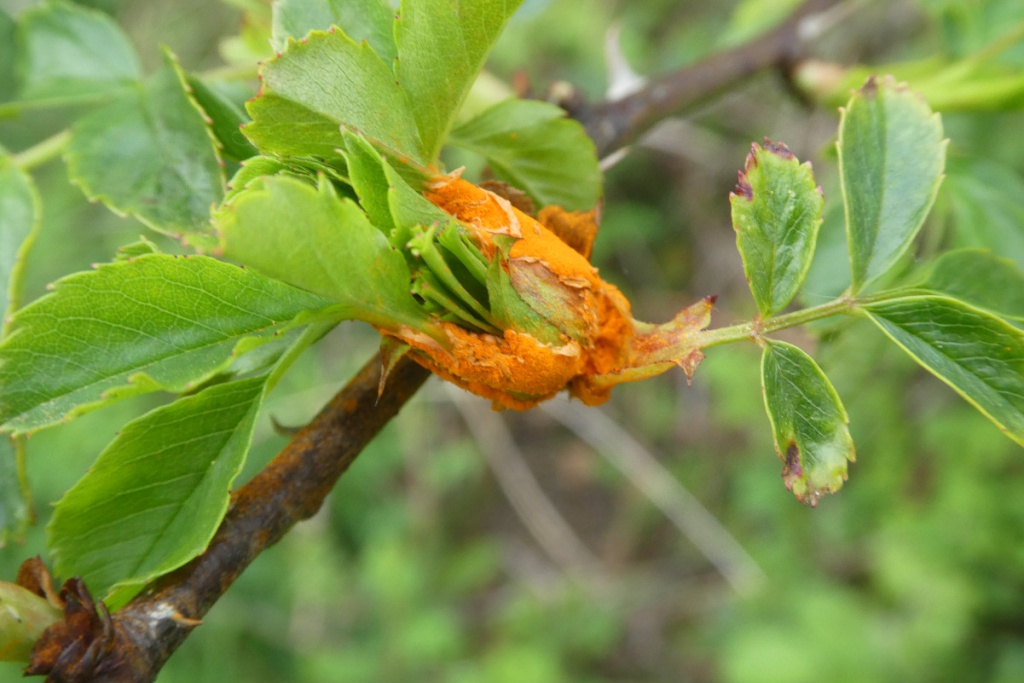
Rose Rust
Rose Rust (Phragmidium mucronatum) is a gall-causing rust that affects Rosa species in cluding Dog-rose; there is no host-plant alternation. In spring bright orange aecia appear on the leafstalks, branches, leaf underside and any remaining hips. During summer yellow-orange uredinia then develop on the undersides of leaves, becoming interspersed with black telia in late summer/early autumn. It usually overwinters in the form of teliospores associated with fallen leaves.

Coleophora gryphipennella
The cased larva of the moth Coleophora gryphipennella feeds on Dog-rose. Cases and small circular transparent mines are commonly found on dog-rose. The mines often have a small hole in the middle where the case was attached and through which the larva feeds.