

Holly - Ilex aquifolium
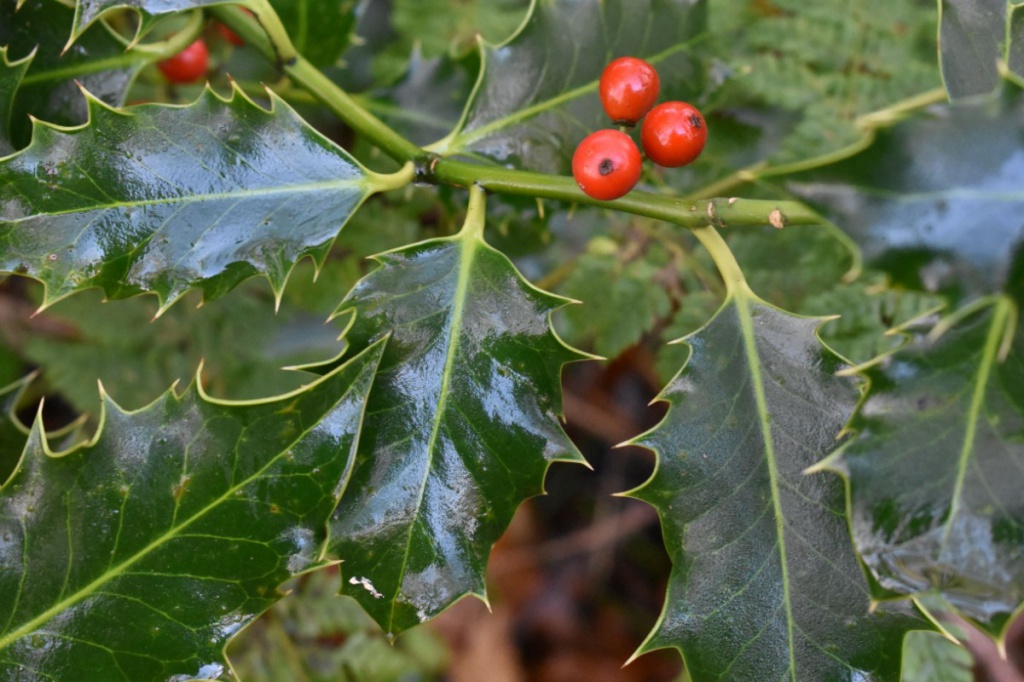
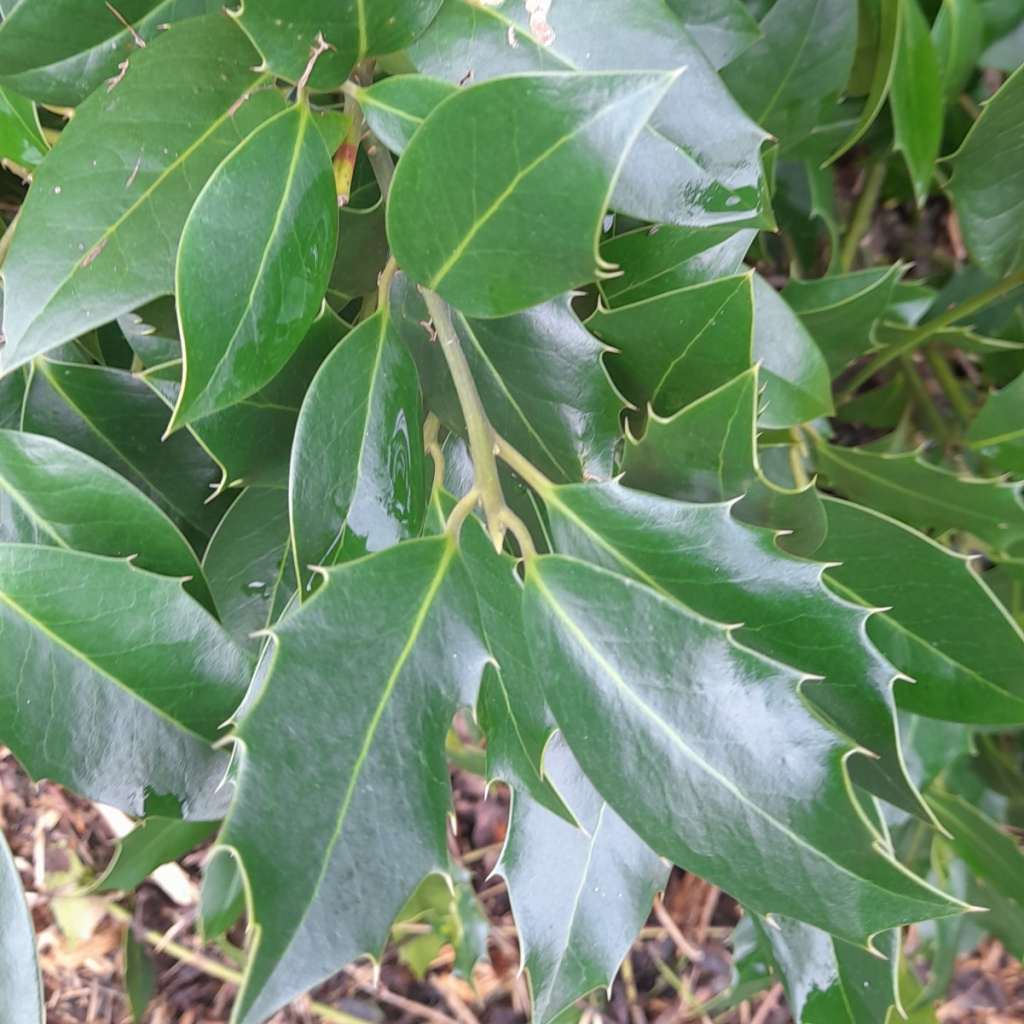
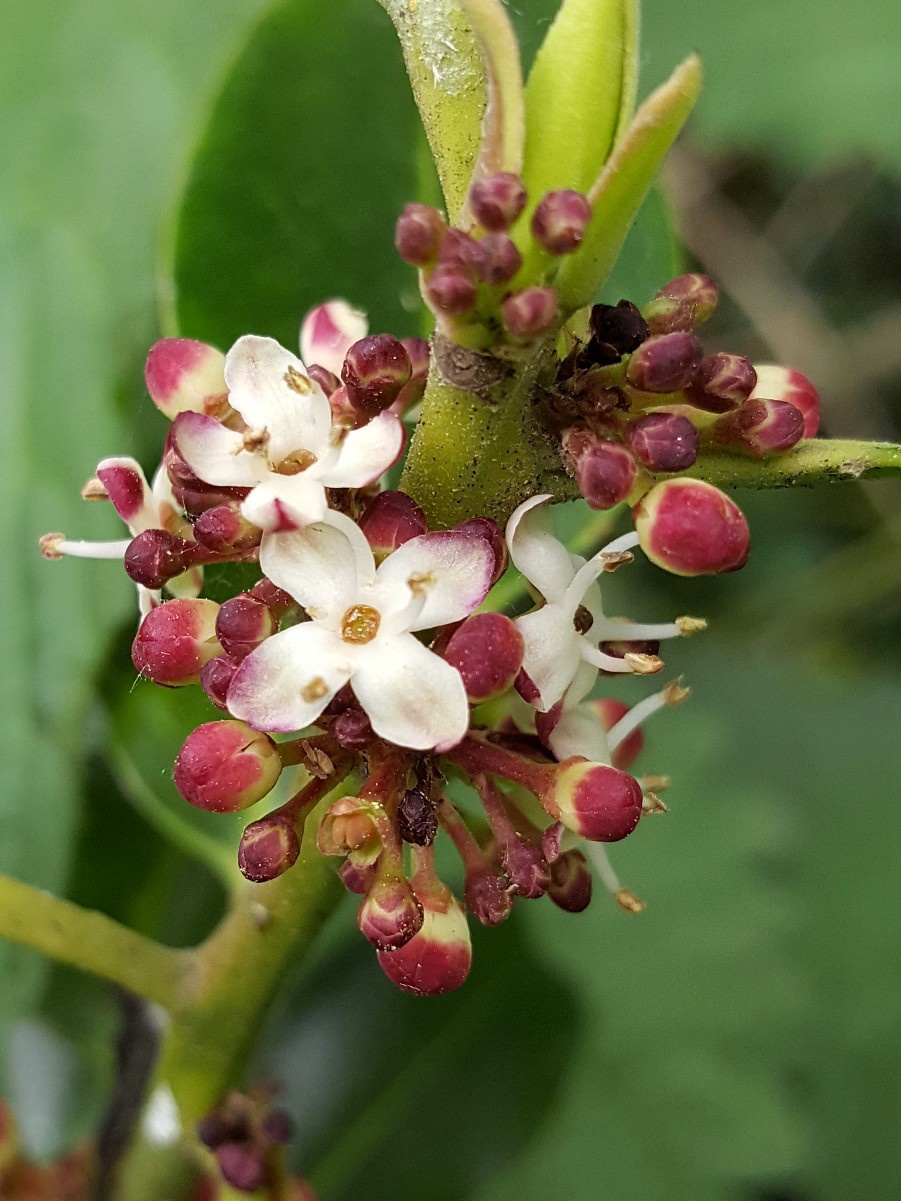
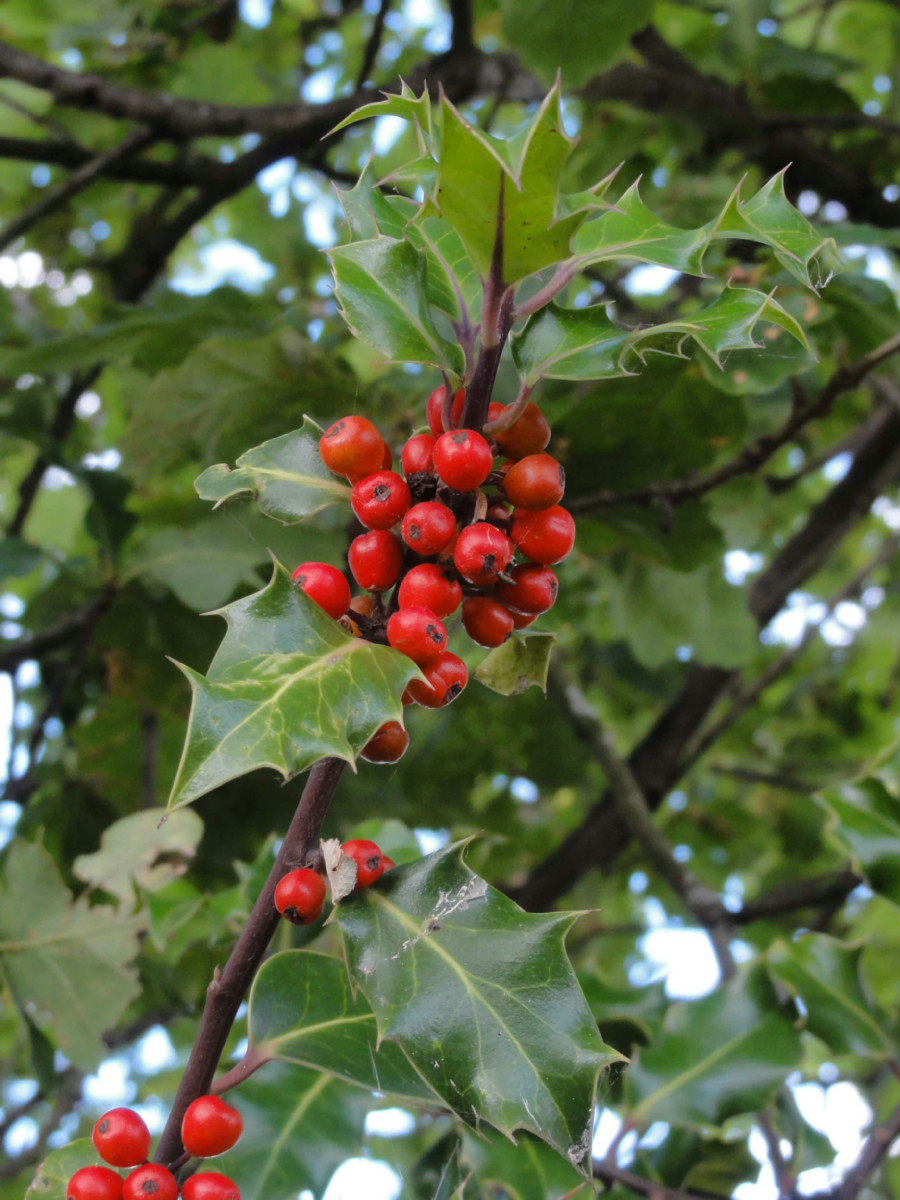
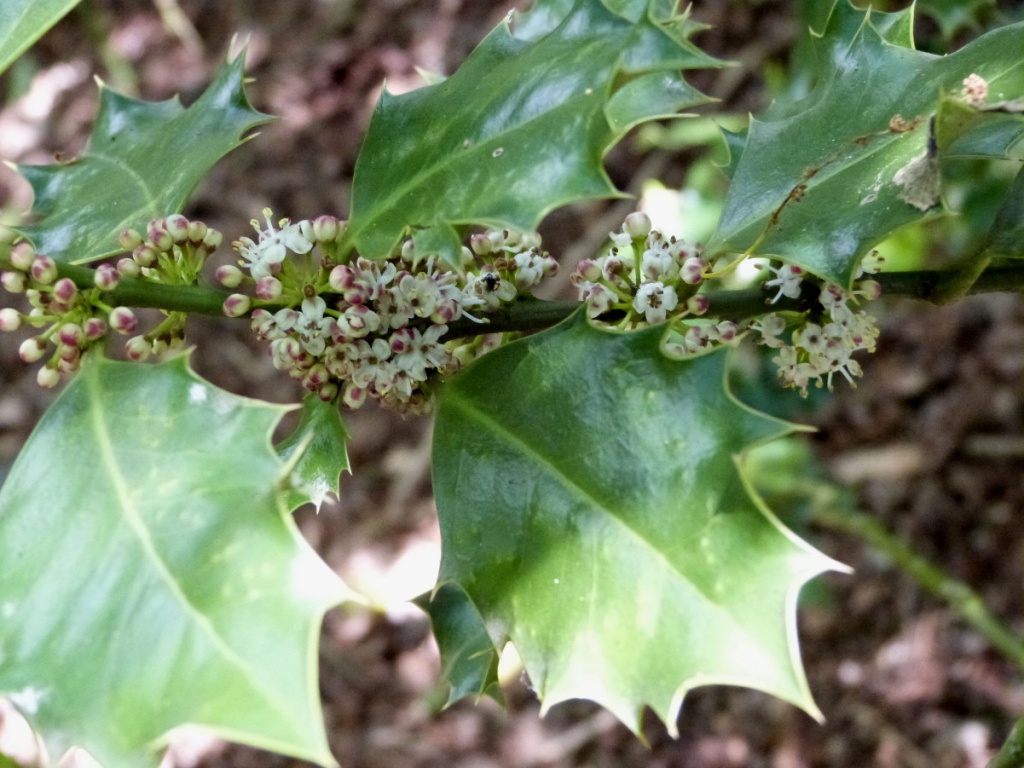
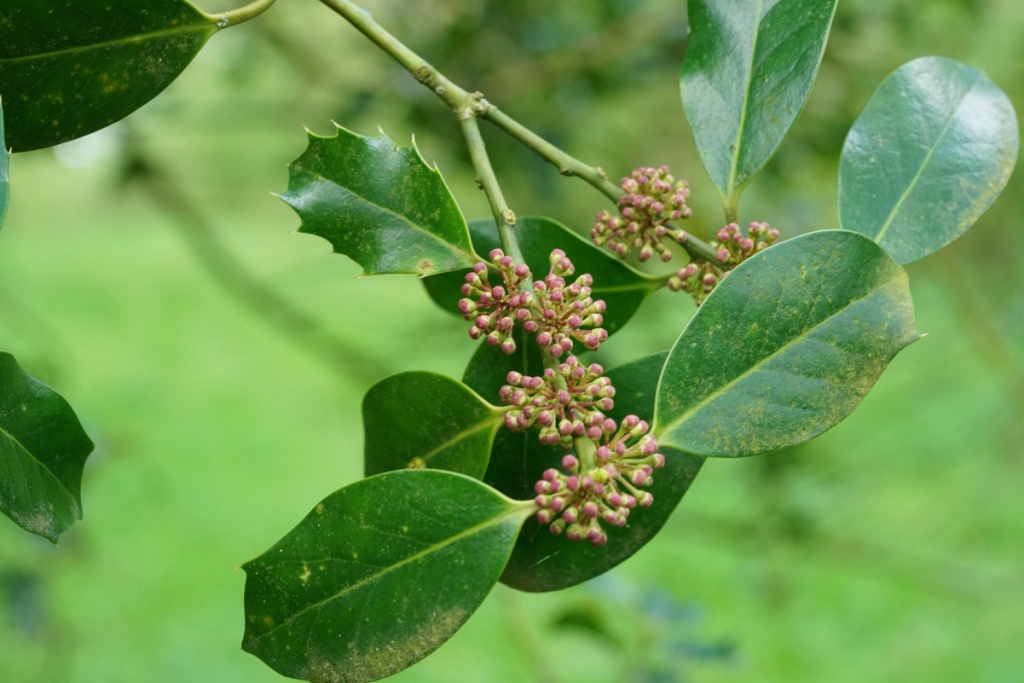
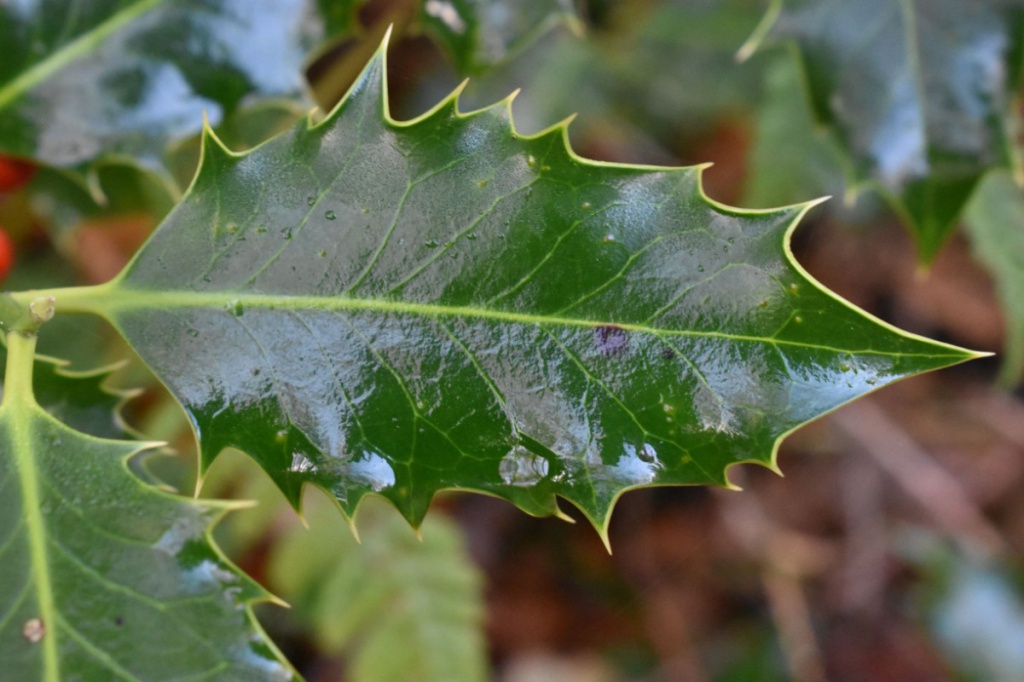
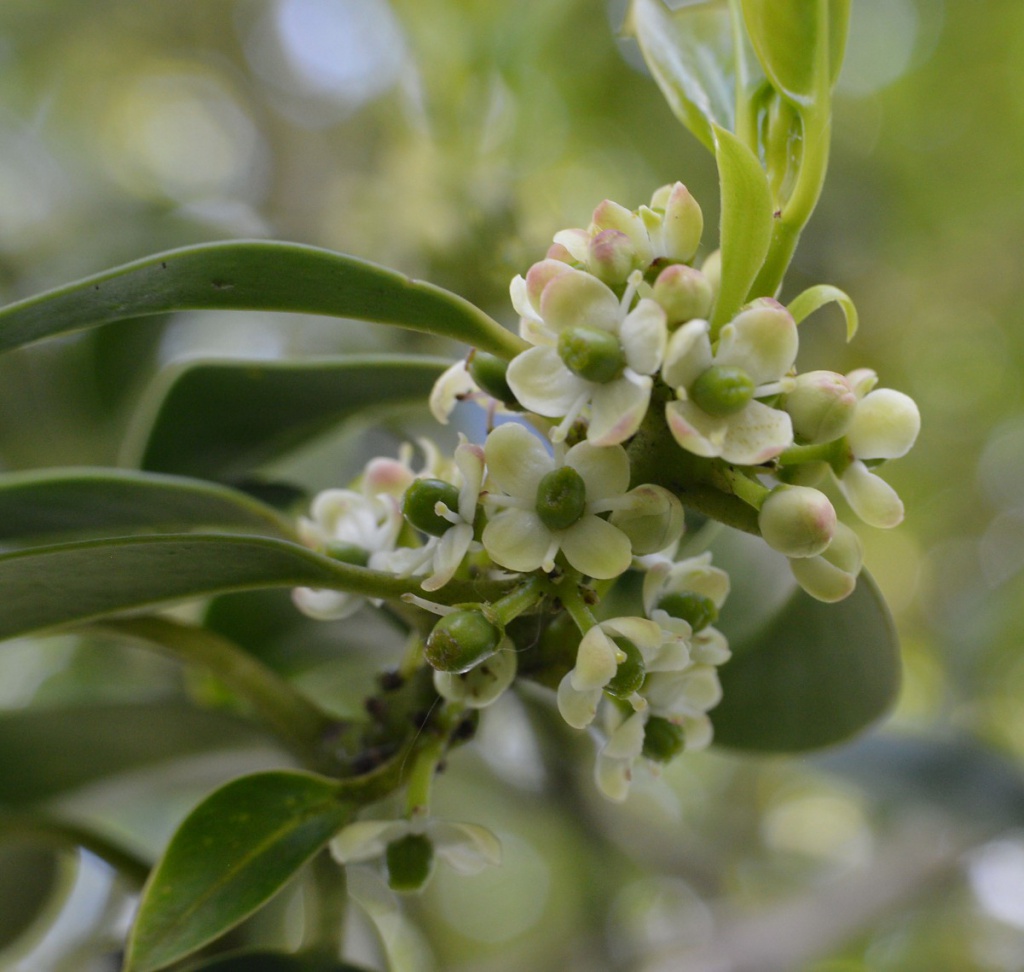
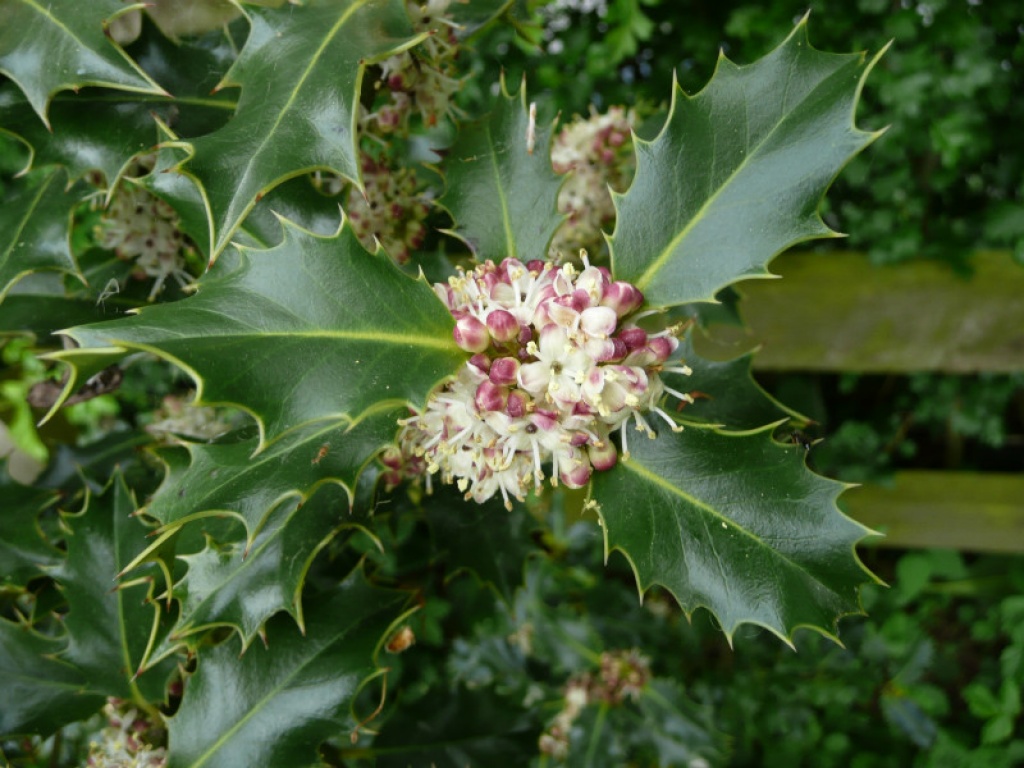
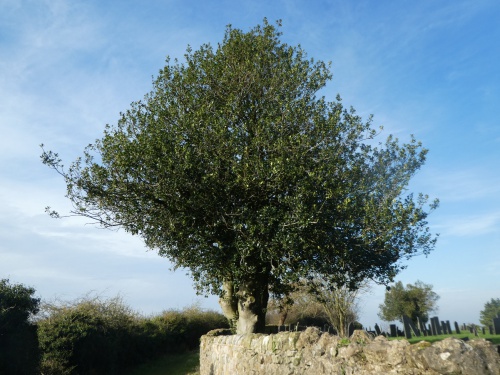
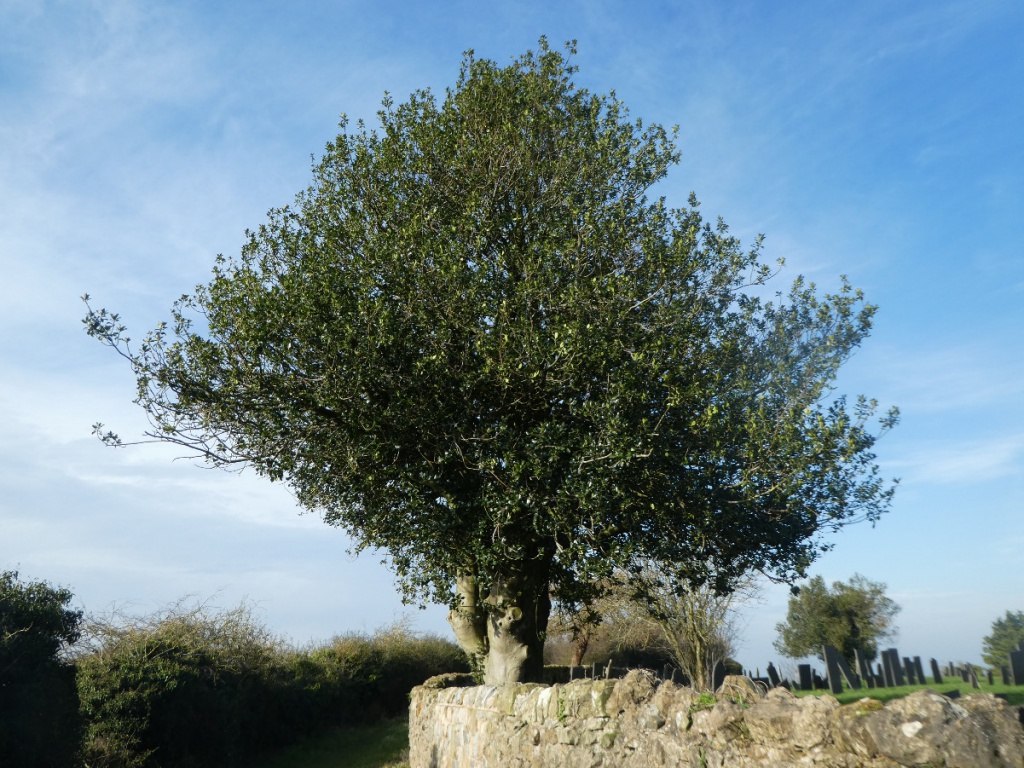
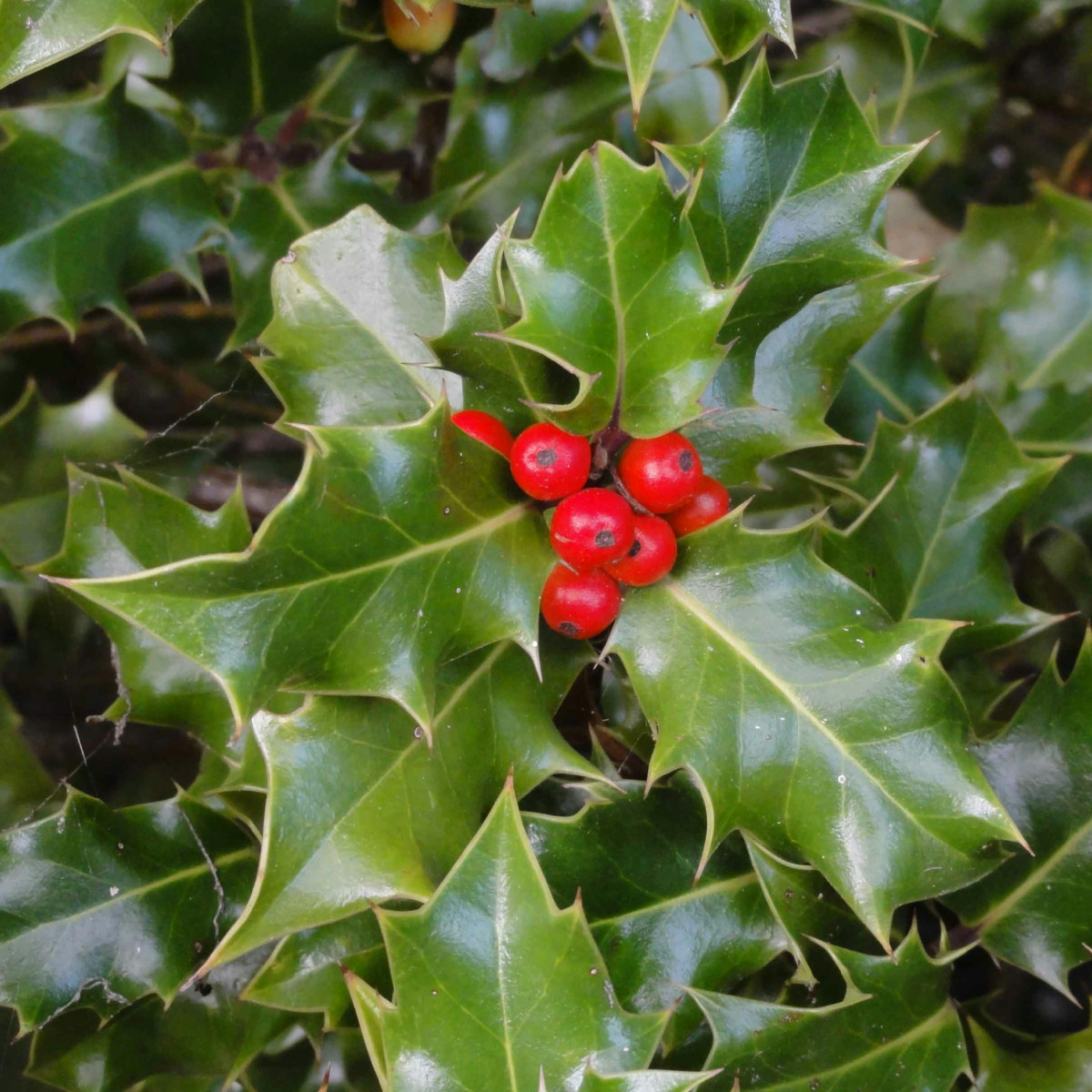
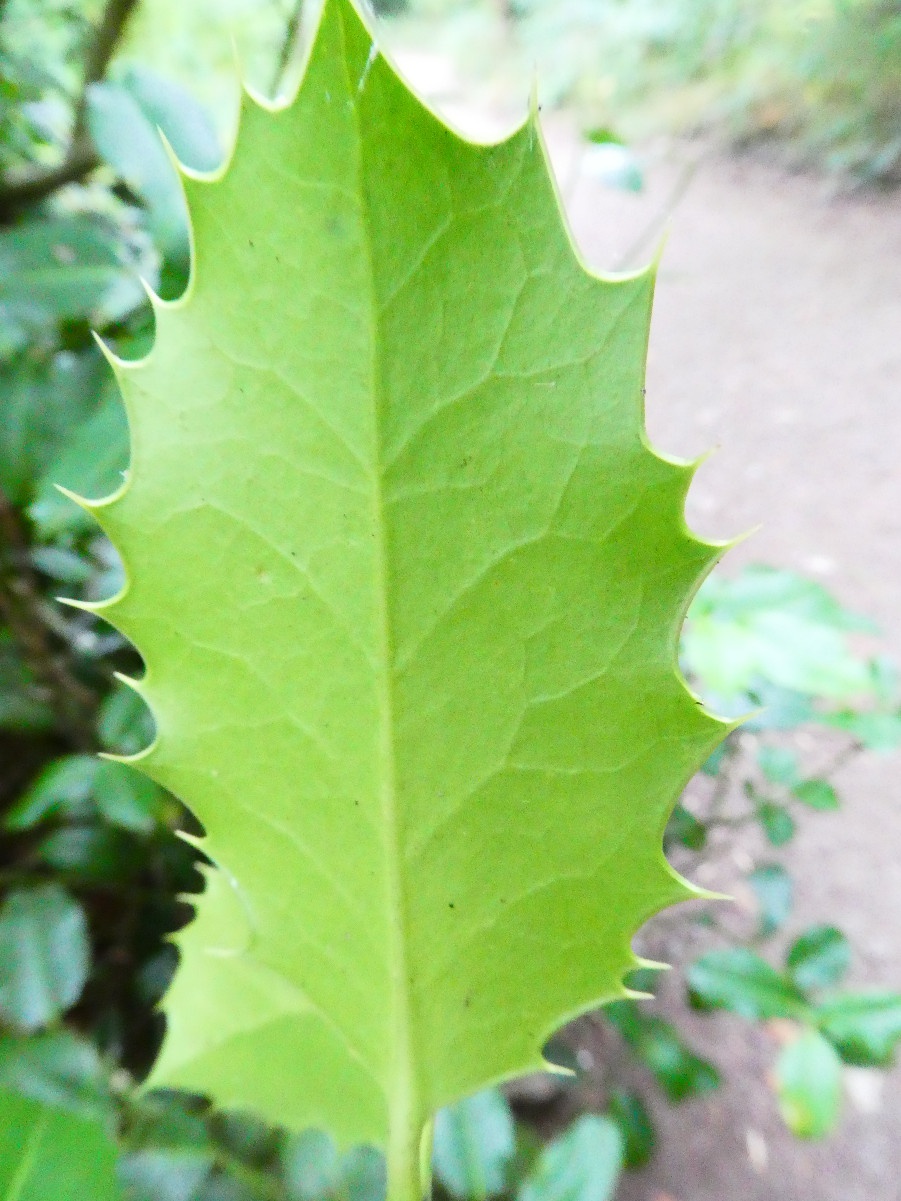
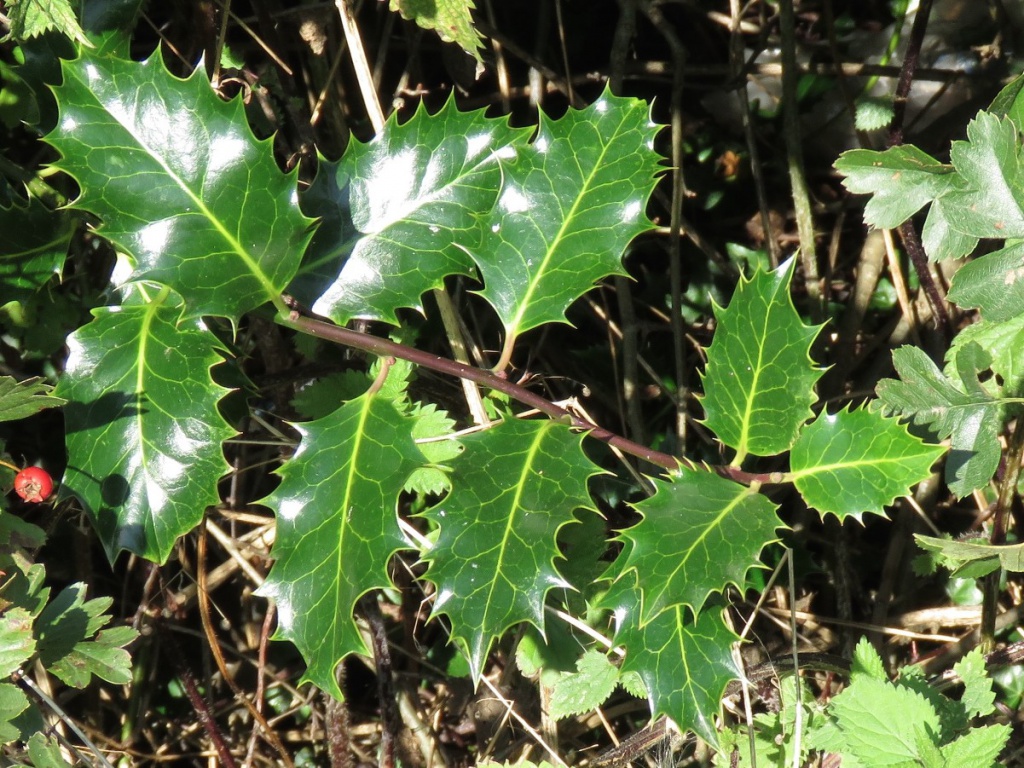
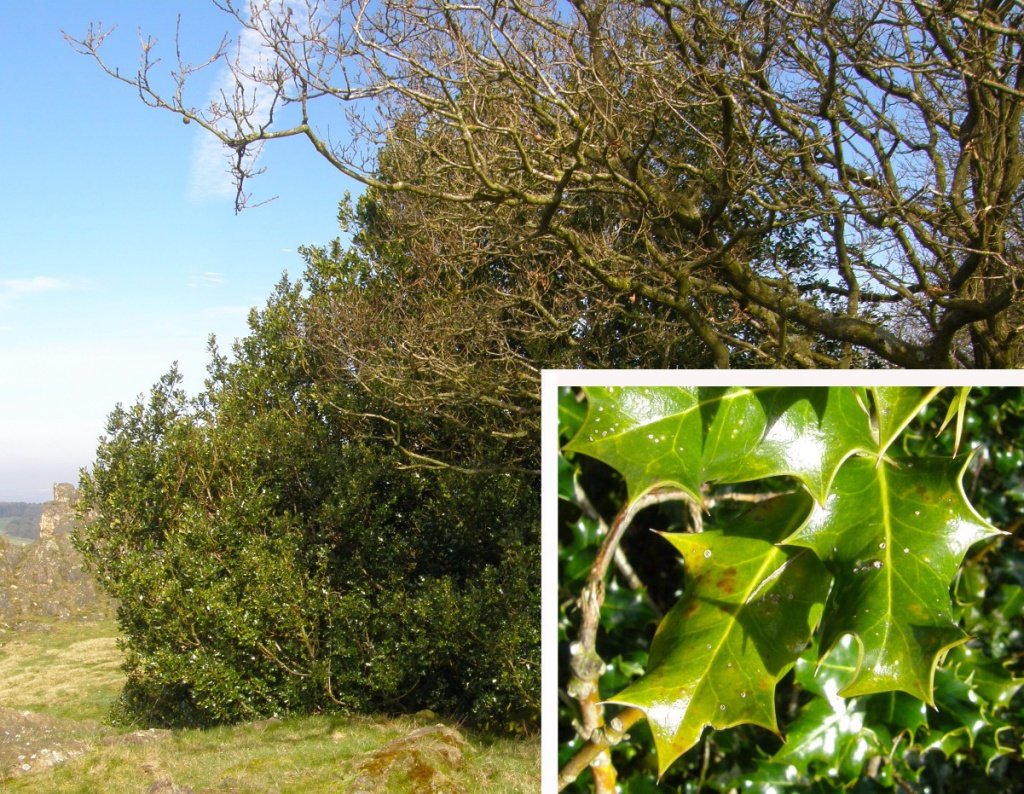
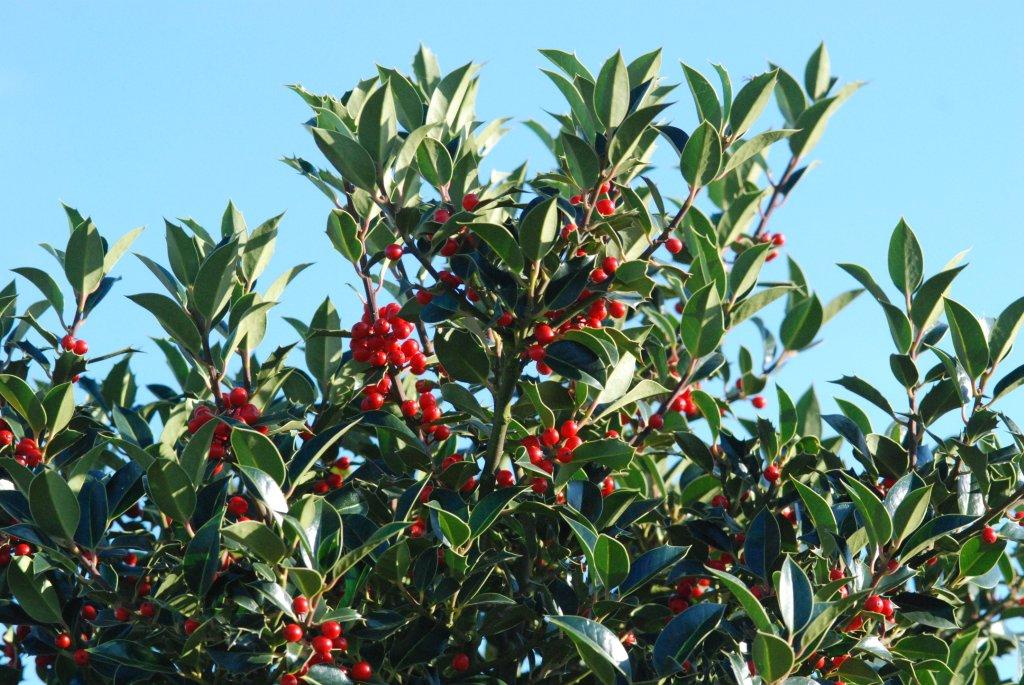
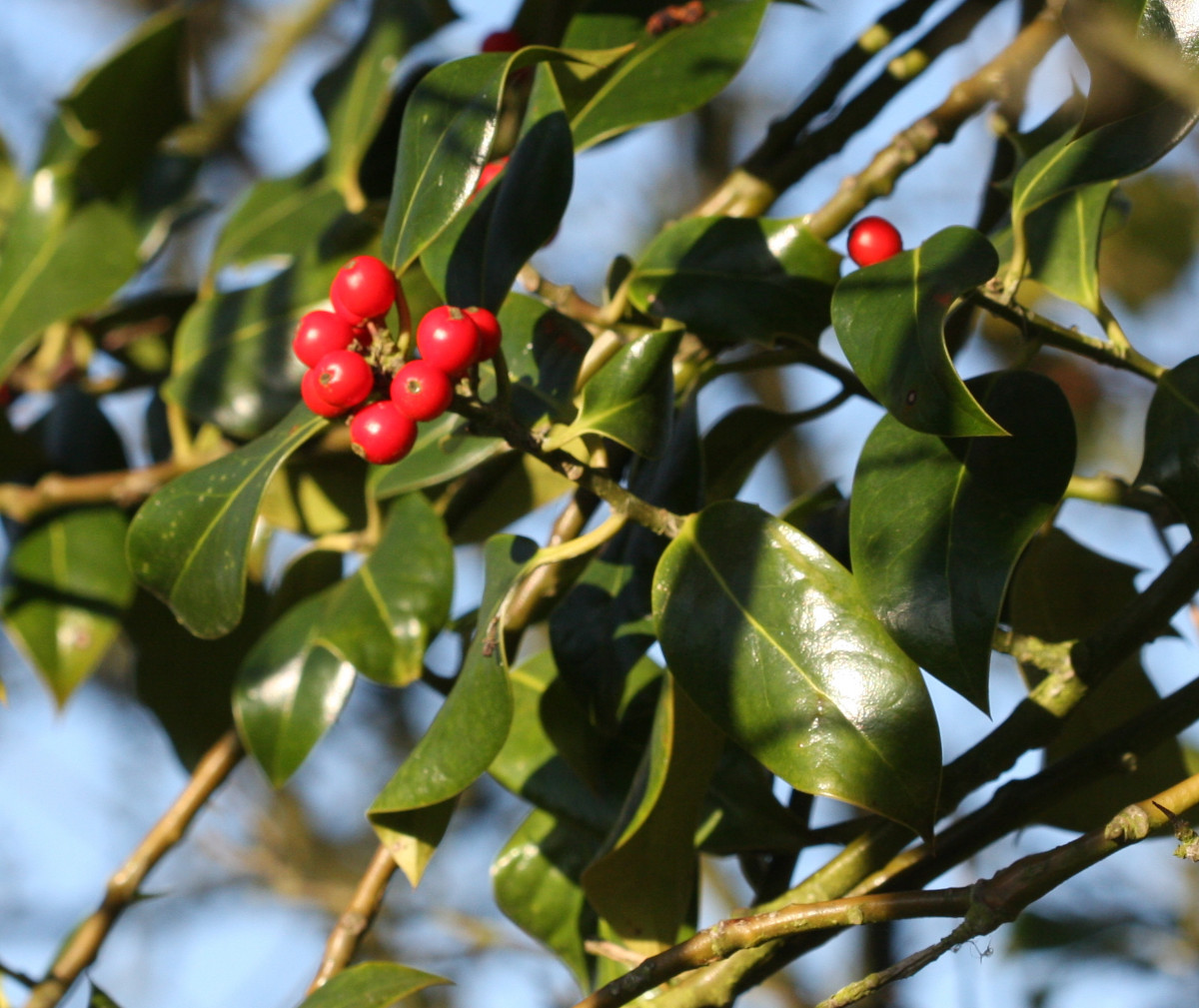
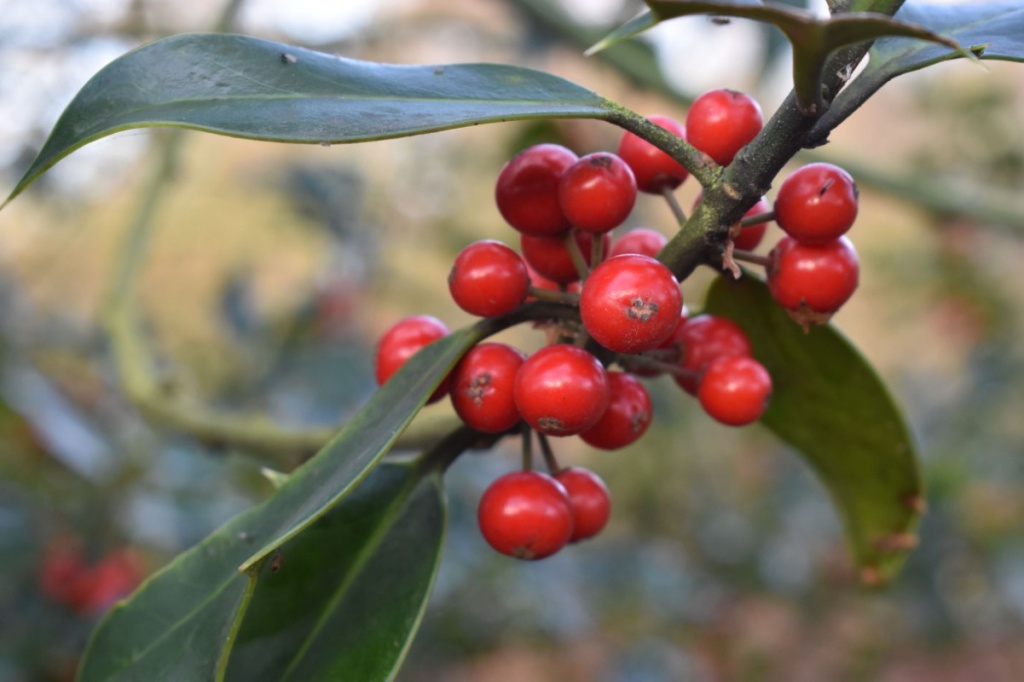
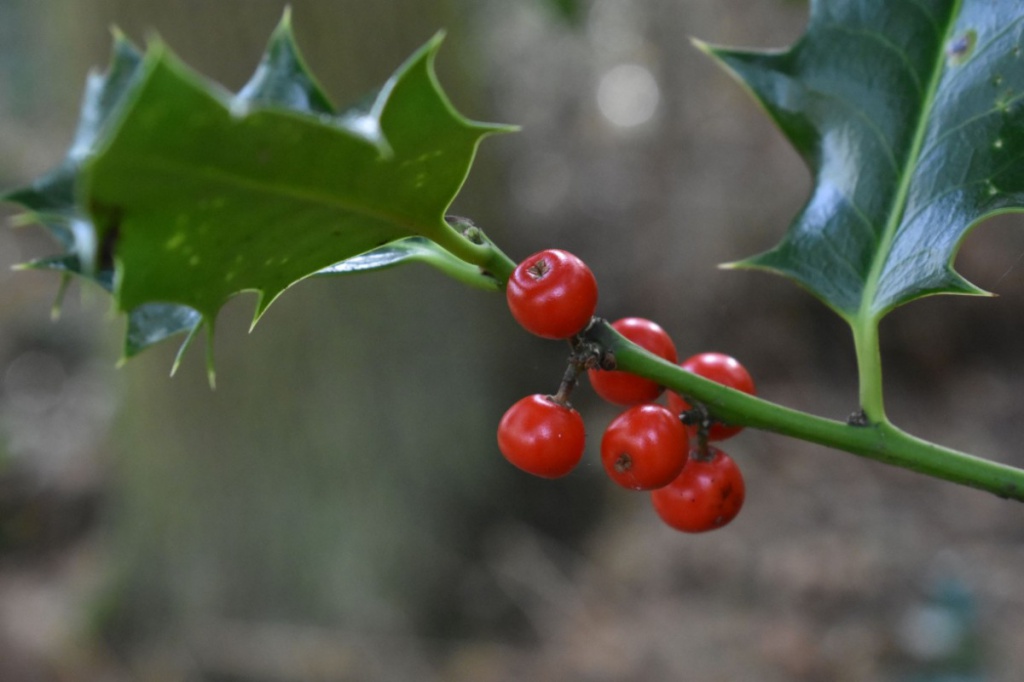
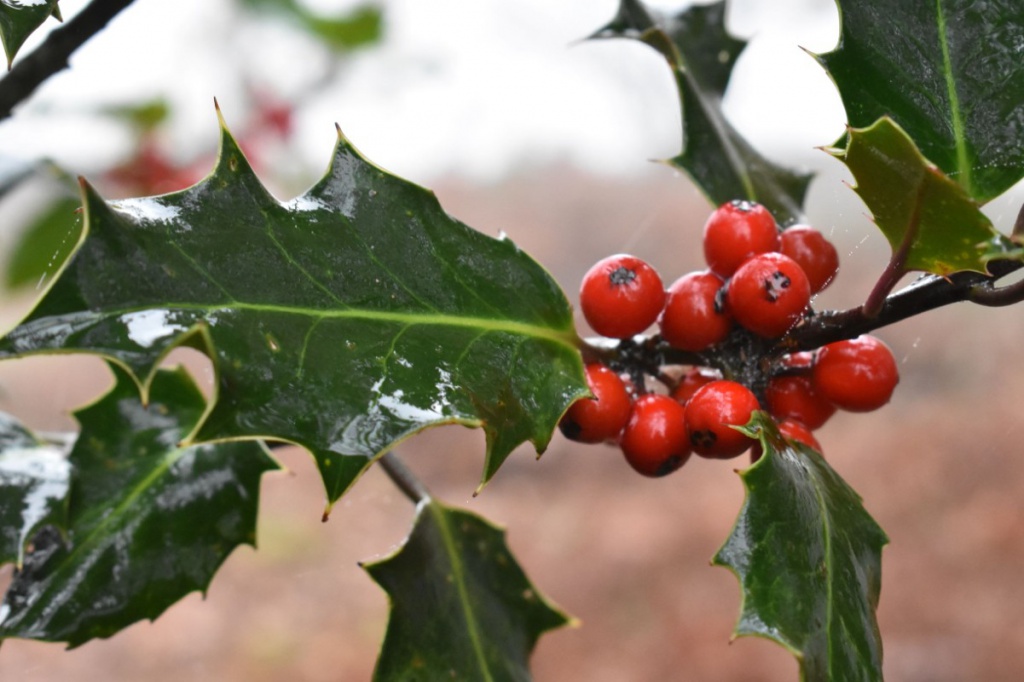
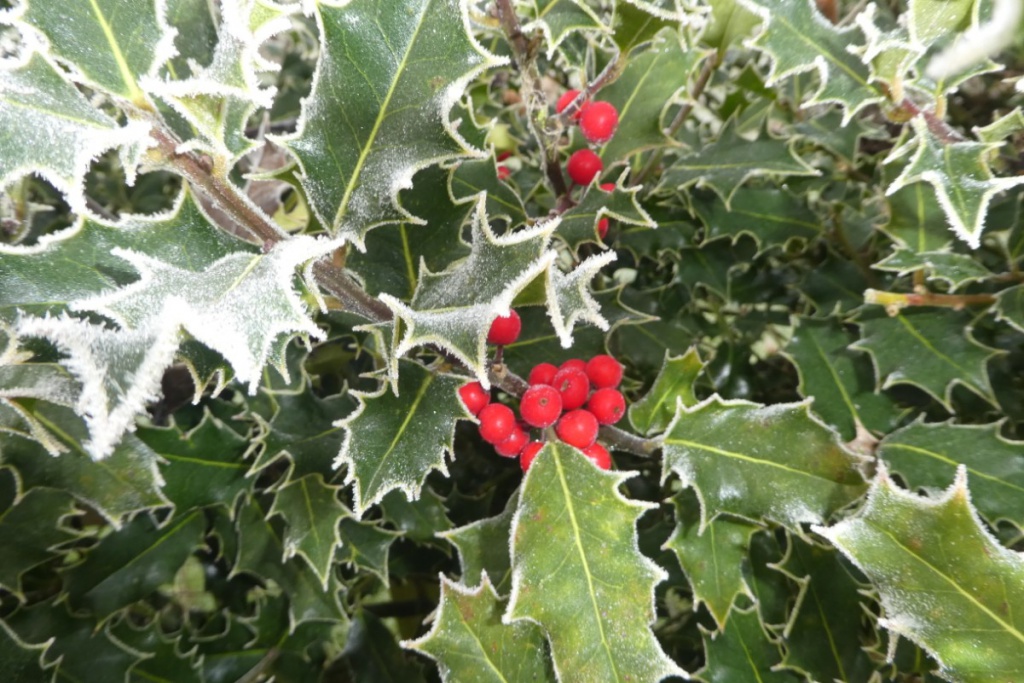
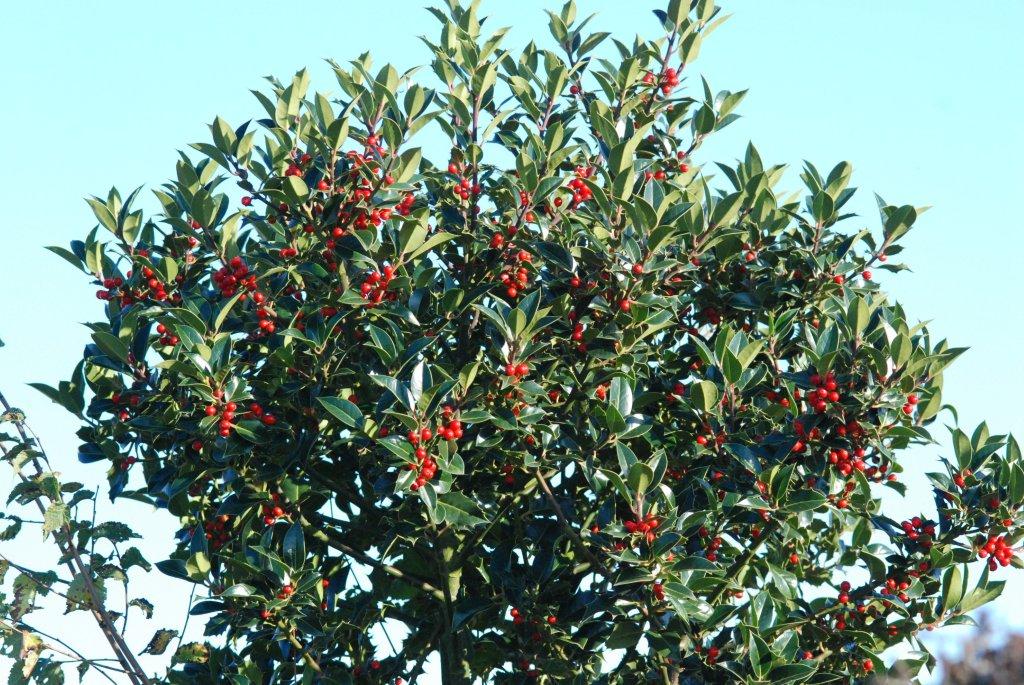
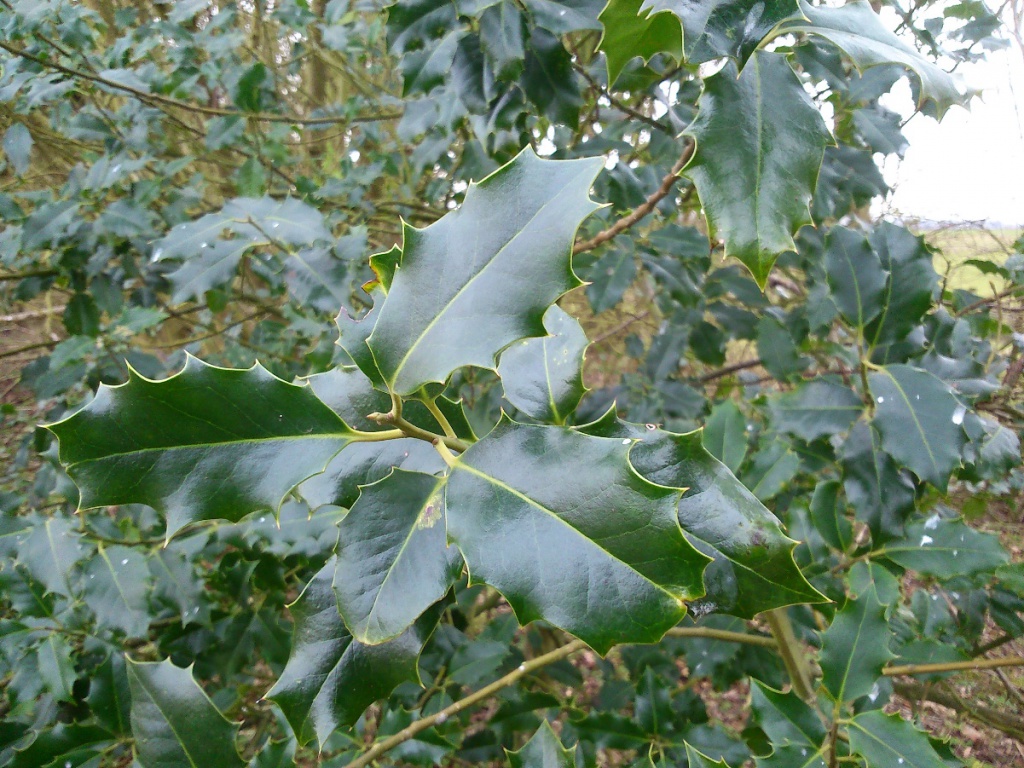
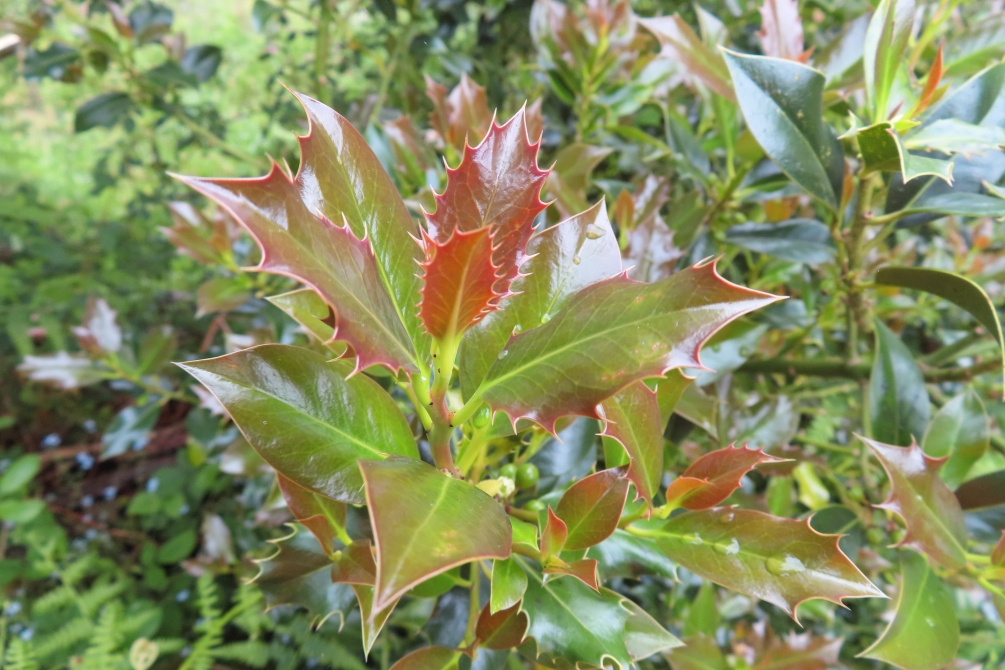
Shrub or small tree to 10 metres. Leaves ovate with undulate spiny margins shiny dark green. Flowers white 6 to 7 mm in small lateral clusters, the male and female on separate plants. Berry bright red when ripe.

Woodland, scrub and hedgerows.
April to June.
Evergreen.
Fairly common throughout Britain except the extreme north.
Quite common in Leicestershire and Rutland. In the 1979 Flora survey of Leicestershire it was found in 366 of the 617 tetrads.
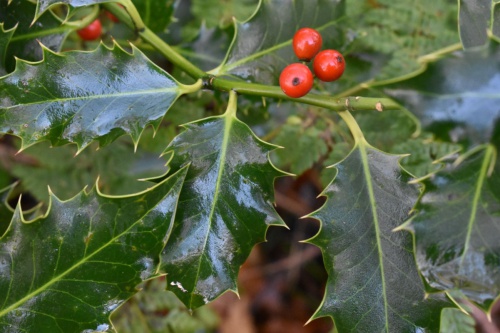 stepgray4
Charnwood Lodge
22 November 2020
Berries and leaves.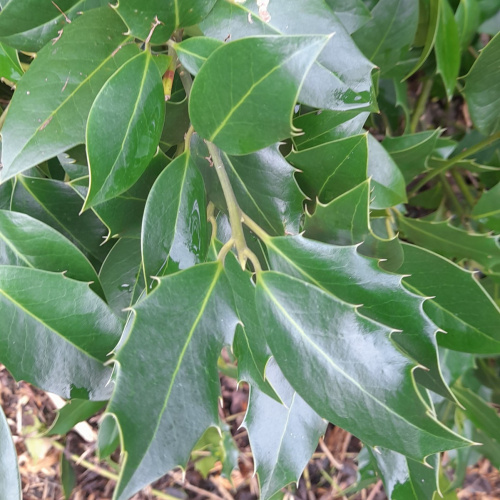 Kaye Axon
Glen Parva, Hopyard Close
15 February 2024
leaves in shade are less spiny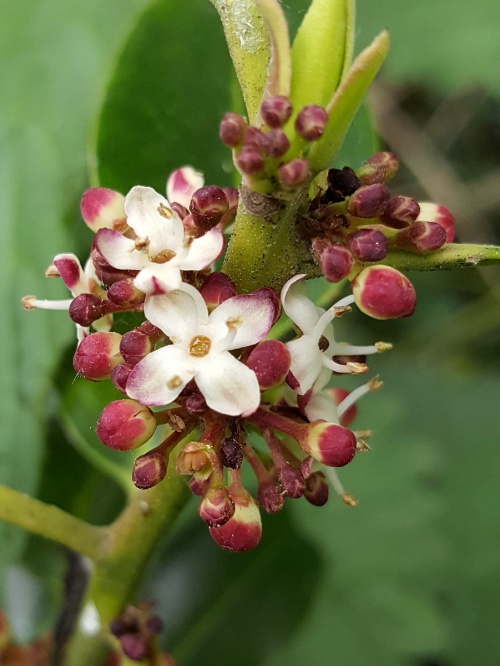 Mike Higgott
County Hall
08 May 2017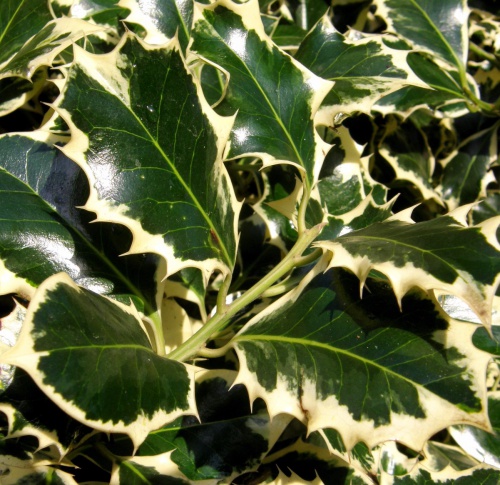 Saharima Roenisch
Abbey Park
16 February 2017
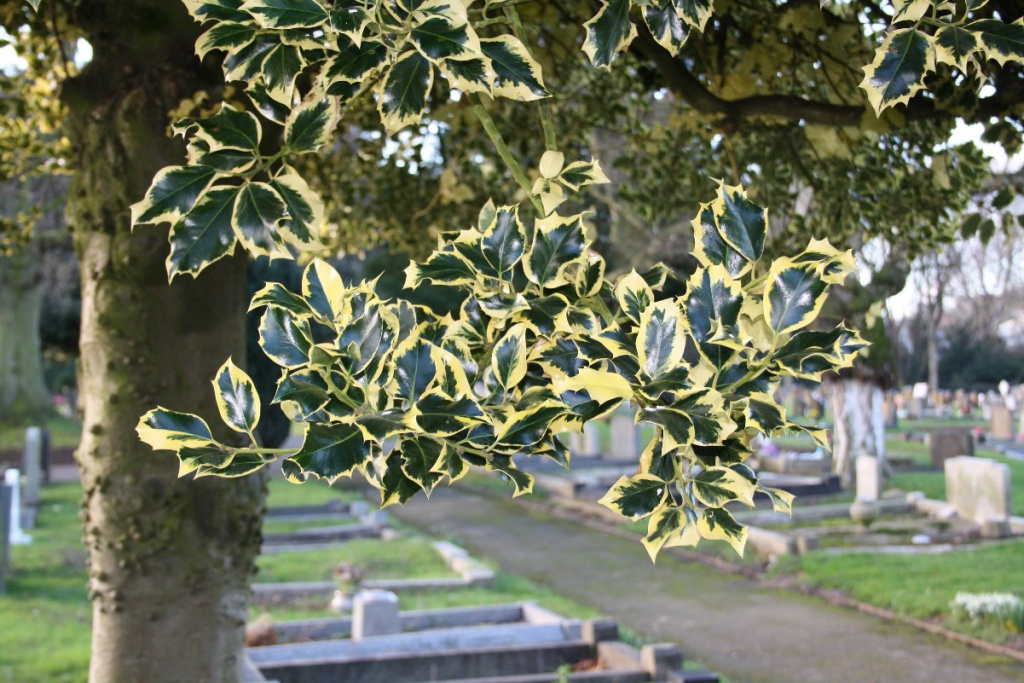
variegated form Wistow Leics (taken 16.5.2006).JPG) Graham Calow
Graham Calow
Wistow
16 May 2006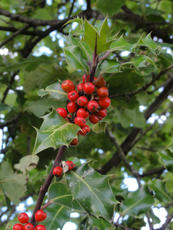 Peter Smith
near Beacon Hill
17 September 2011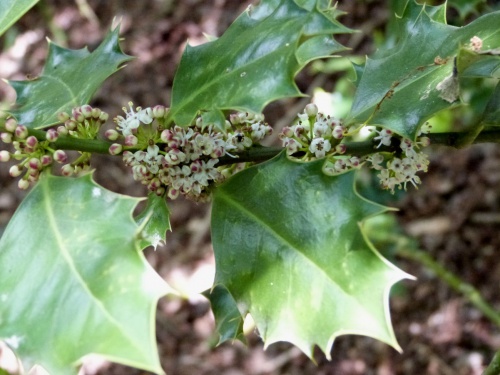 Graham Calow
Nailstone Colliery site
24 May 2016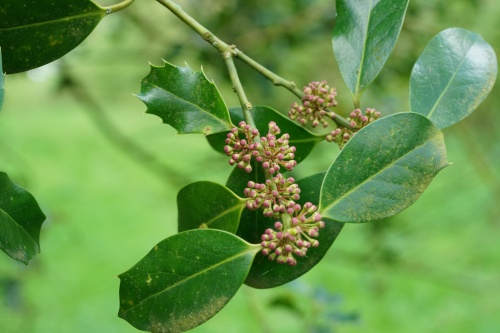 AJ Cann
Tugby
05 May 2018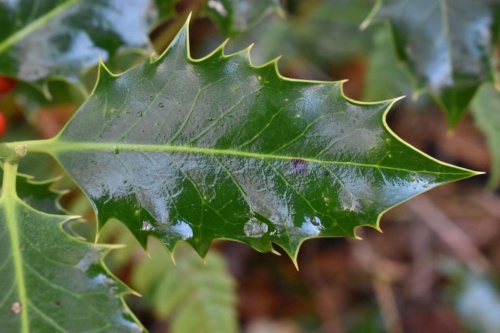 stepgray4
Charnwood Lodge
22 November 2020
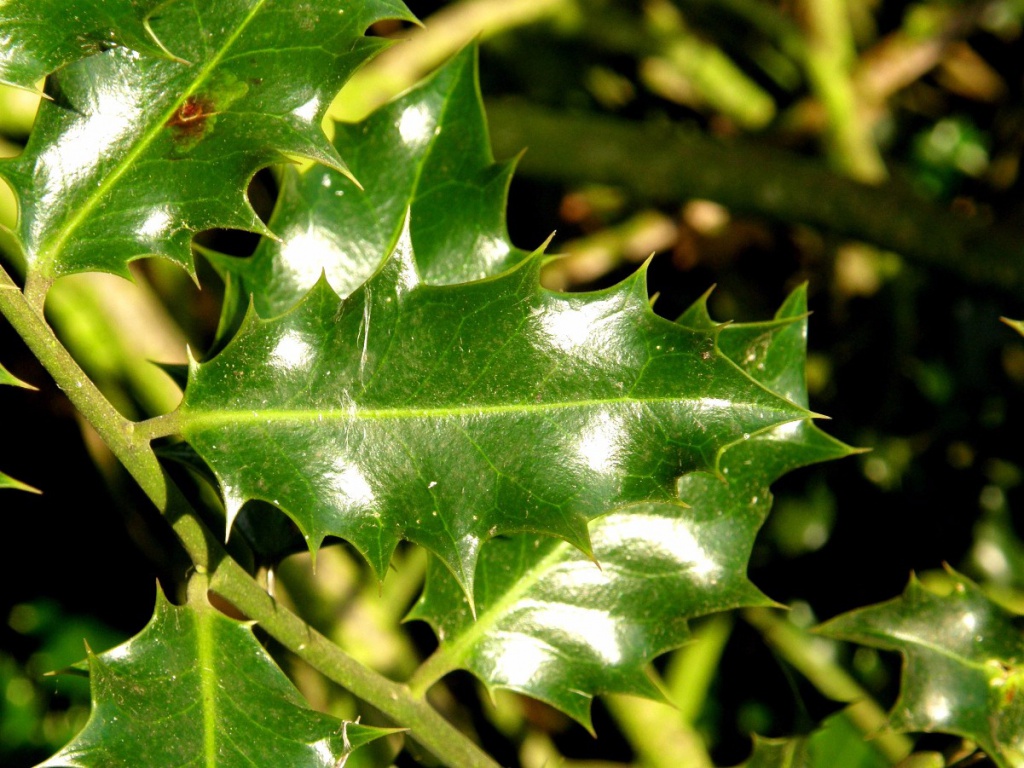
Glossy leaf with spiky edges.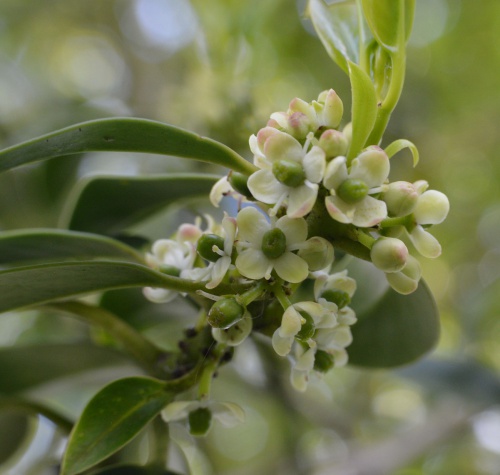 Barbara Cooper
Long Clawson
29 May 2021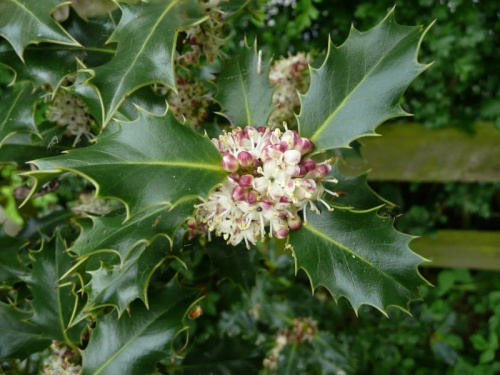 Barbara Cooper
Long Clawson
16 May 2012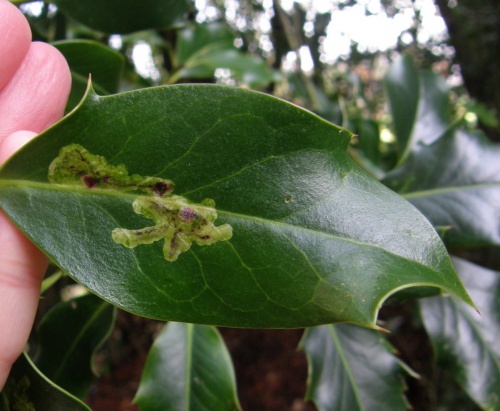 Saharima Roenisch
Leicester, Belgrave, St. Peters Churchyard
15 March 2019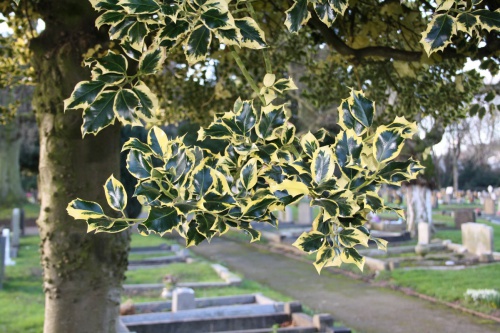 Ray Pearce
Shepshed Cemetery
05 February 2018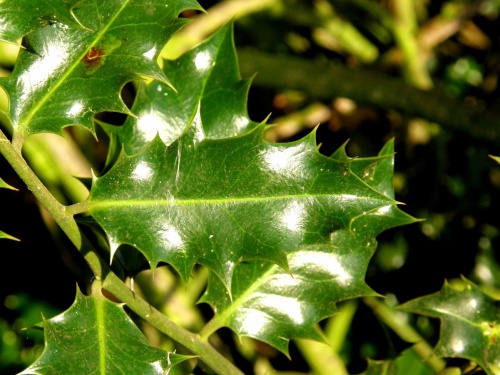 Saharima Roenisch
Evington Park
13 February 2017
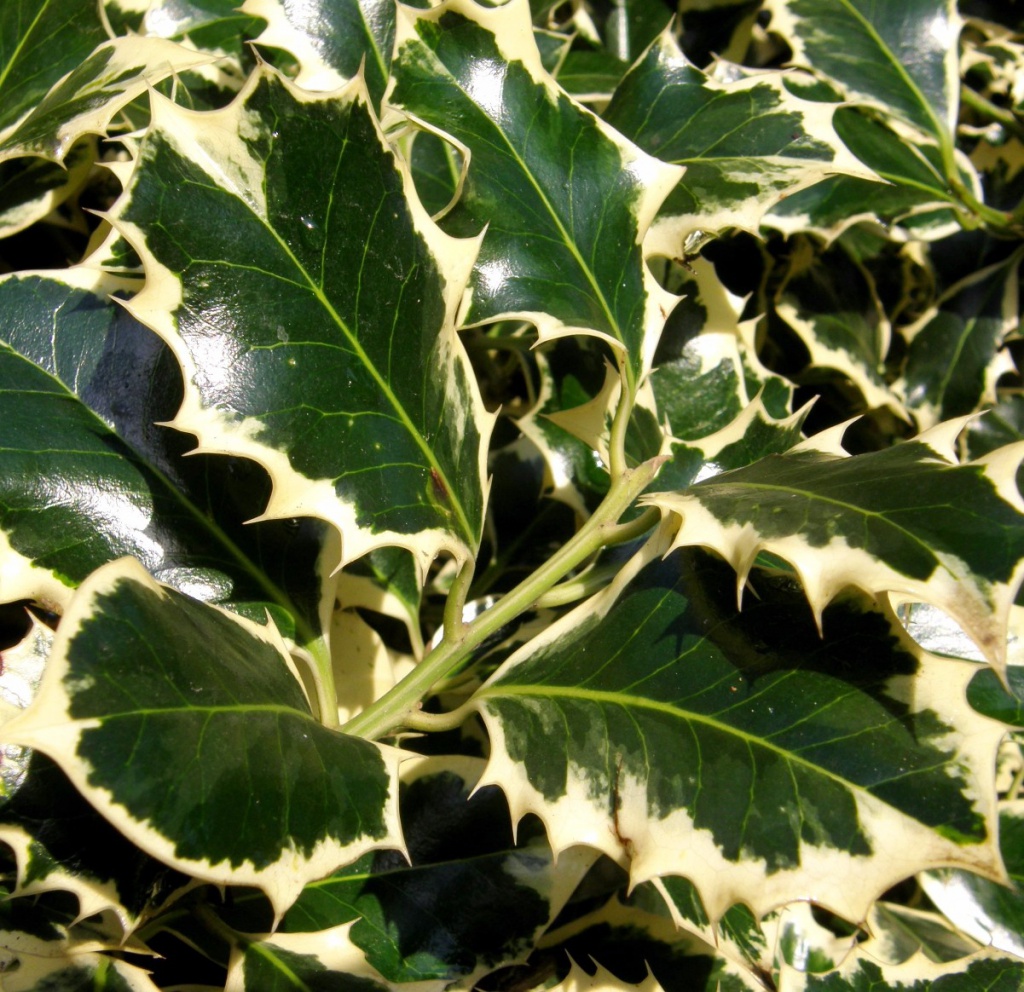
 Wistow Leics (taken 16.5.2006).JPG)
Leicestershire & Rutland Map
Enter a town or village to see local records
MAP KEY:
Yellow squares = NBN records (all known data)
Coloured circles = NatureSpot records: 2025+ | 2020-2024 | pre-2020
UK Map
Species profile
- Common names
- Holly
- Species group:
- Trees, Shrubs & Climbers
- Kingdom:
- Plantae
- Order:
- Aquifoliales
- Family:
- Aquifoliaceae
- Records on NatureSpot:
- 603
- First record:
- 11/05/1992 (John Mousley;Steve Grover)
- Last record:
- 10/03/2026 (Higgott, Mike)
Total records by month
% of records within its species group
10km squares with records
The latest images and records displayed below include those awaiting verification checks so we cannot guarantee that every identification is correct. Once accepted, the record displays a green tick.
In the Latest Records section, click on the header to sort A-Z, and again to sort Z-A. Use the header boxes to filter the list.
Latest images
Latest records
 Melinda Bell
Breedon, Breedon Hill
07 February 2020 Church Walk Sapcote SP 4895 9326 (taken 16.5.2006).JPG) Graham Calow
Graham Calow
Sapcote
16 May 2006
Flower and Leaves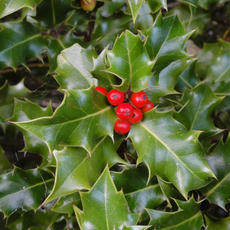 Peter Smith
Dean's Lane, nr Beacon Hill
17 September 2011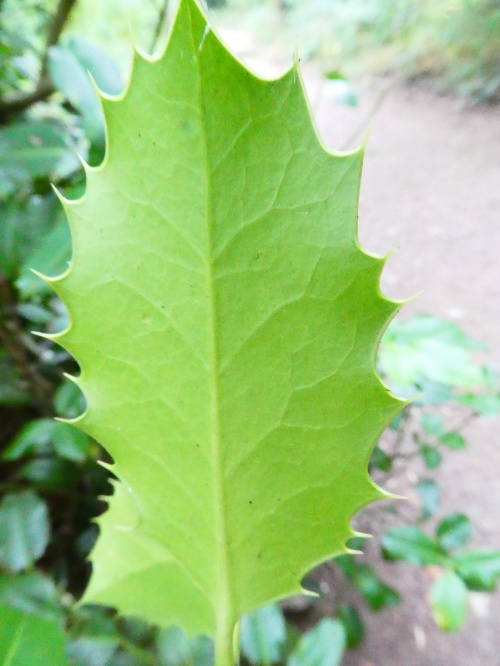 Melinda Bell
Burbage Woods
04 September 2021
not as dark green as Englishholly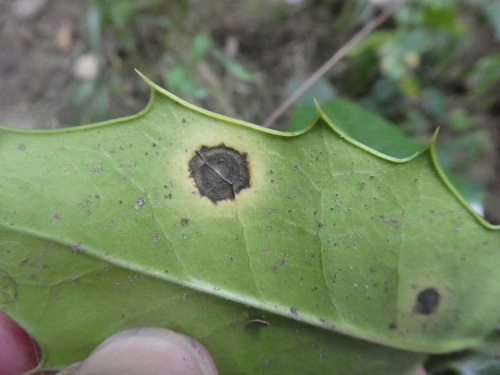 Melinda Bell
Burbage Woods
04 September 2021
all spines point outwards, margin flat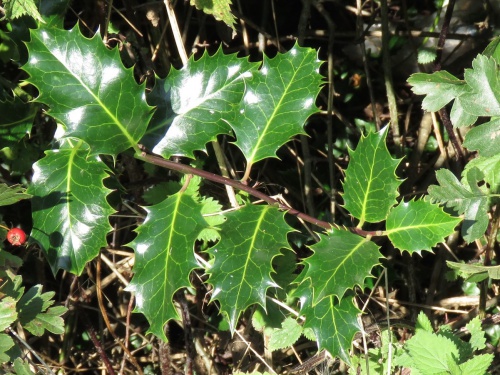 egaten
Normanton Turville
11 September 2015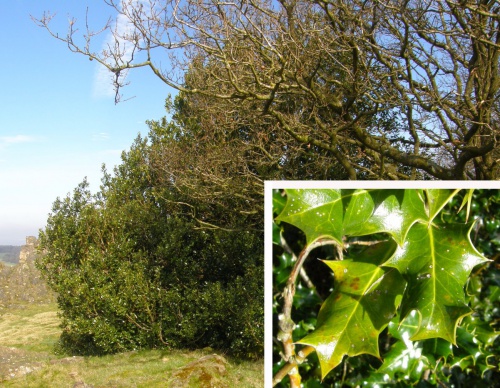 Saharima Roenisch
Beacon Hill Country Park
25 March 2017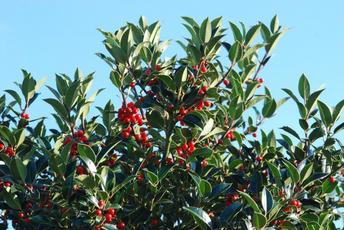 John Cranfield
Fleckney
17 November 2011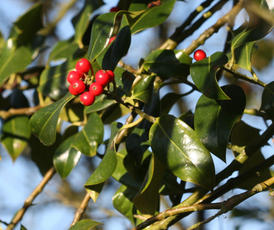 David Nicholls
Change Spinney, Ratby
17 November 2011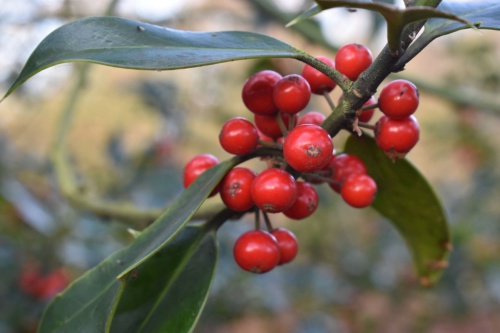 stepgray4
Charnwood Lodge
22 November 2020
Leaves and berries.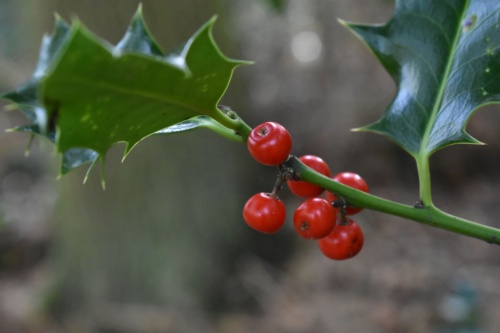 stepgray4
Charnwood Lodge
25 October 2020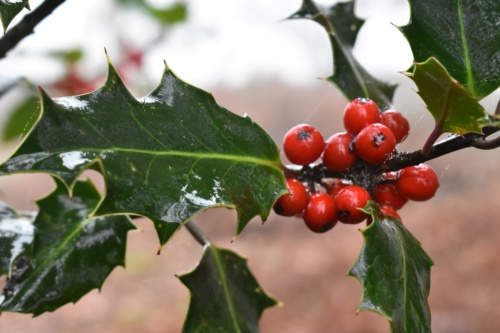 stepgray4
Ulverscroft NR
29 November 2020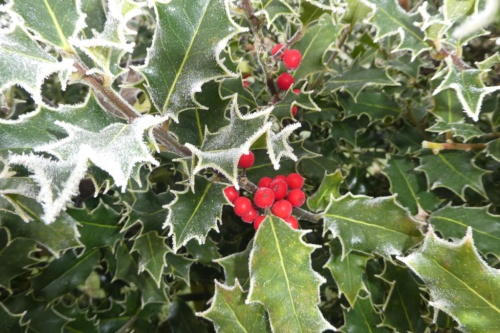 Frank Bedford
Ashby de la Zouch, Measham Road
07 January 2021
Holly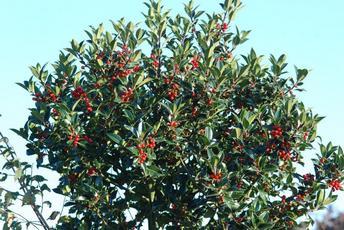 John Cranfield
Fleckney
17 November 2011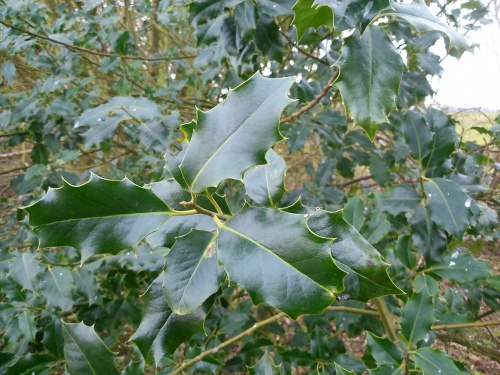 steven lewis
Welby
29 February 2016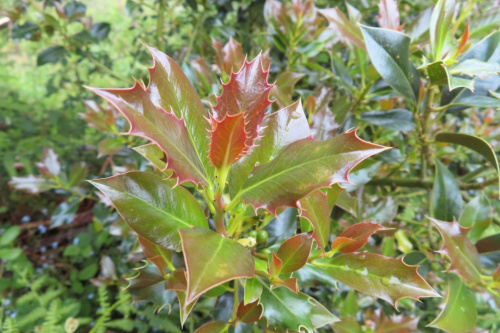 Groby John
Mountsorrel Heritage Centre
23 May 2024
 Church Walk Sapcote SP 4895 9326 (taken 16.5.2006).JPG)
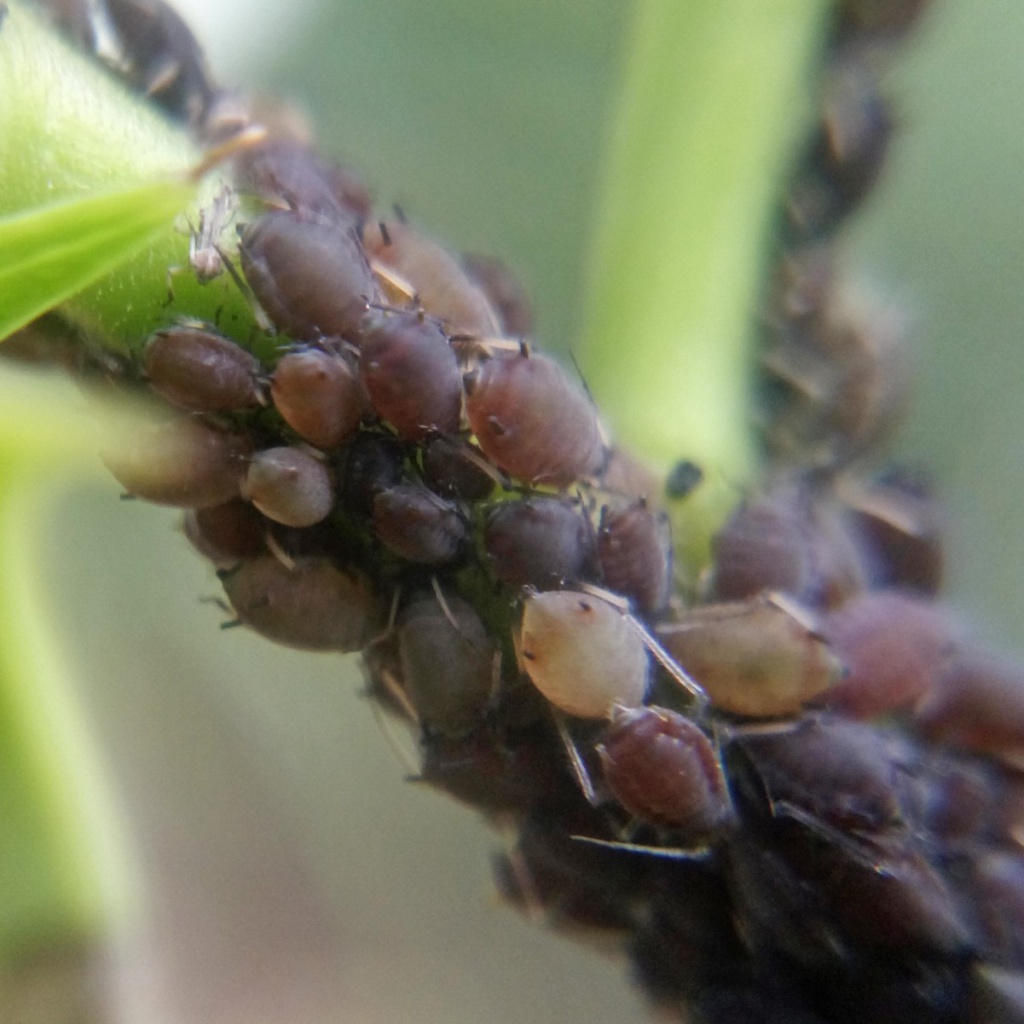
Aphis ilicis
The Holly Aphid (Aphis ilicis) lives in dense colonies on young shoots and undersides of young leaves of Holly. Attacked leaves curl towards their undersides. Later in the year, when the leaves have matured, aphids can be found colonizing the berry petioles. It is rare to find any species other than Aphis ilicis on Holly. Aphis ilicis apterae are dark olive-brown, reddish-brown or greyish-brown.
%20Church%20Walk%20Sapcote%20SP%204892%209320%20(taken%206.4.2010)_gall.JPG)
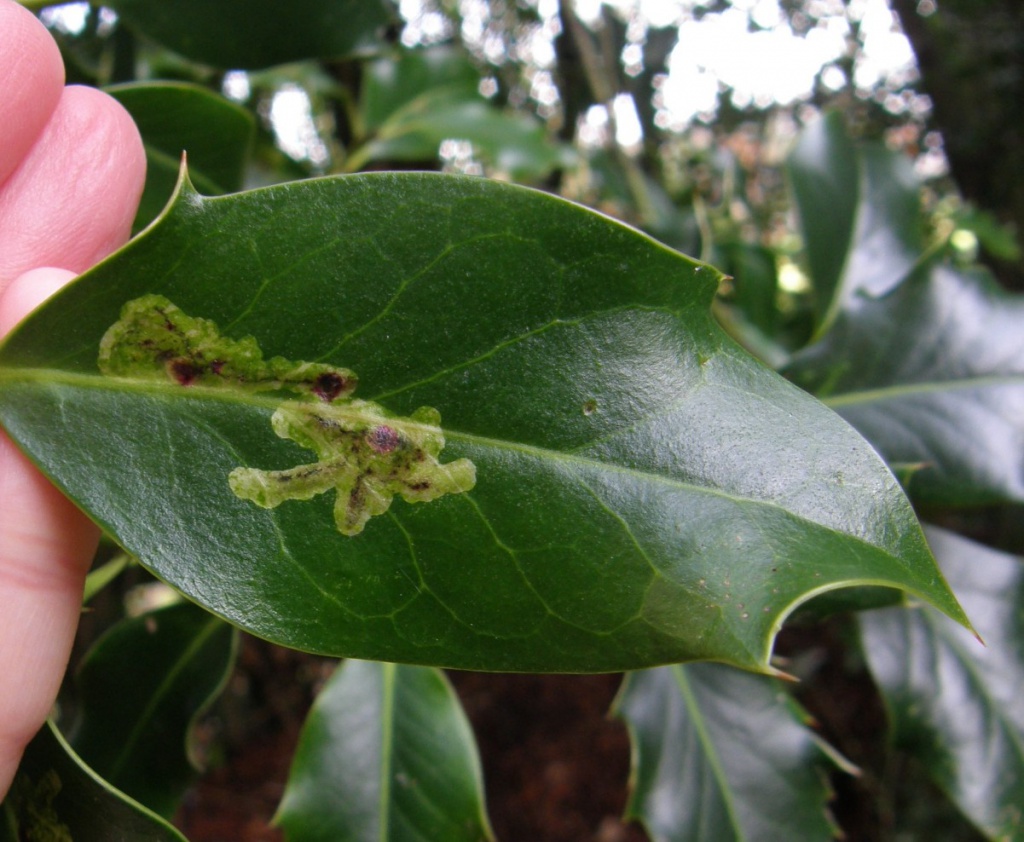
Holly Leaf Miner
The larvae of the Agromyzid fly Phytomyza ilicis mine the leaves of Holly producing a characteristic but irregular upper surface linear-blotch mine.
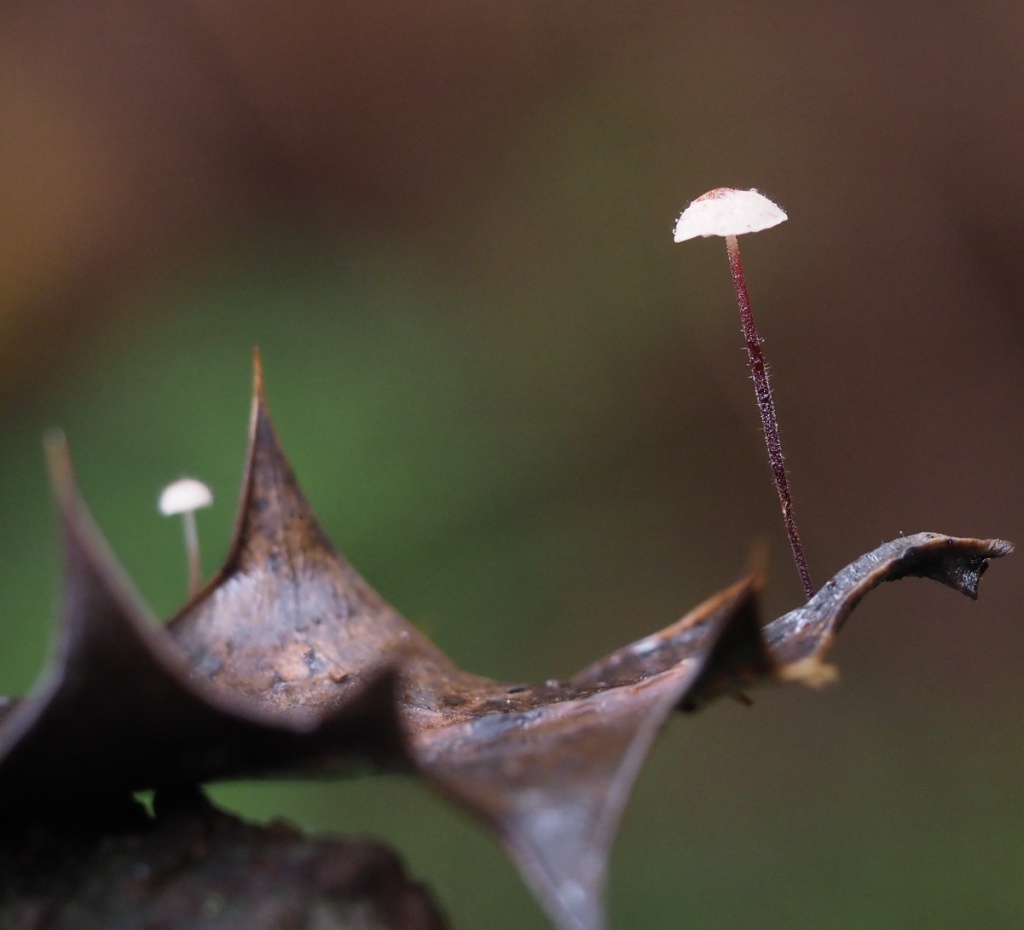
Holly Parachute
This tiny fungus appears on the dead leaves of Holly. To 15 mm with a thin, wiry red stem and a very small off-white cap (2-6mm). Both cap and stems are covered in projecting hairs.
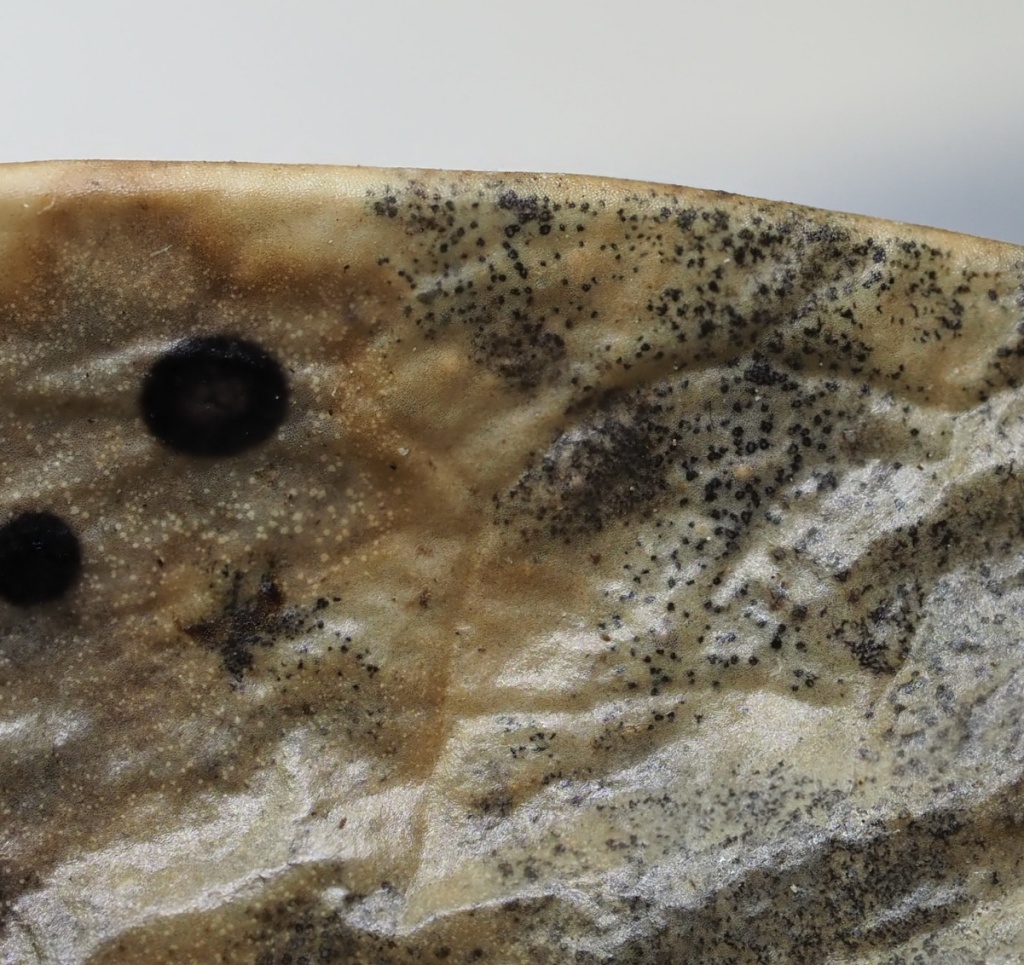
Microthyrium ciliatum
The fruit bodies of the fungus Microthyrium ciliatum are dark brown to blackish, circular, one cell thick, with central ostioles for spore release. Under the microscope they appear as a series of radiating cells, evenly coloured. They rest on the surface of their host with hyphae holding them in place.

Phacidium lauri
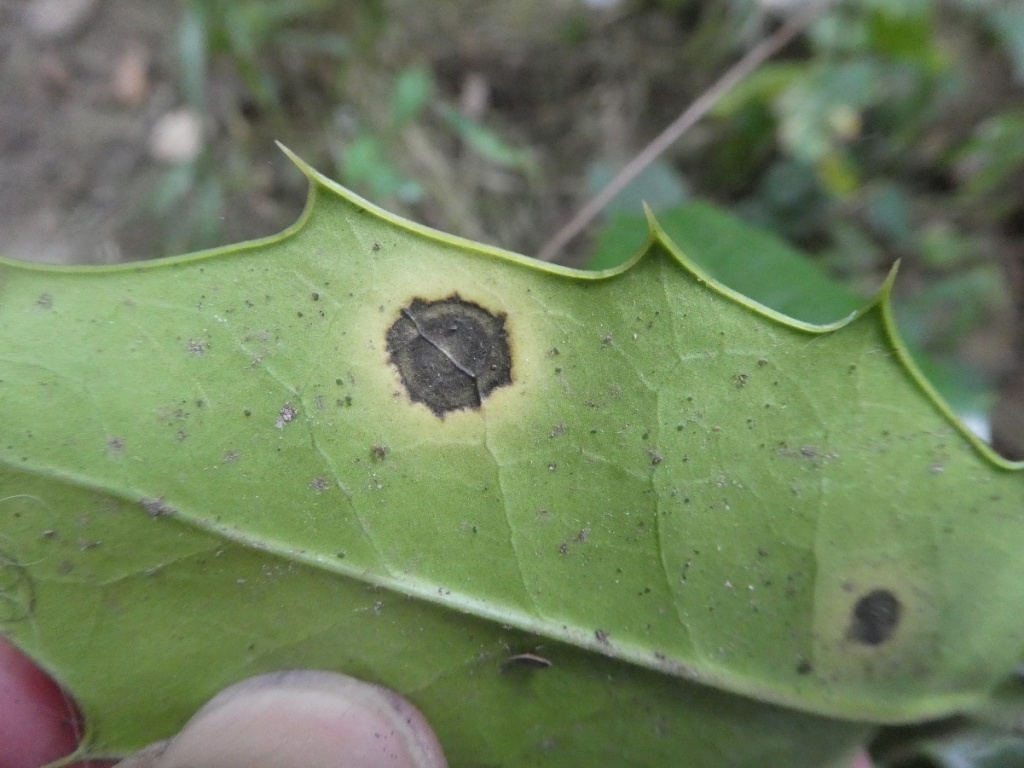
The round black pustules of the fungus Phacidium lauri are found on both surfaces of dead Holly leaves.
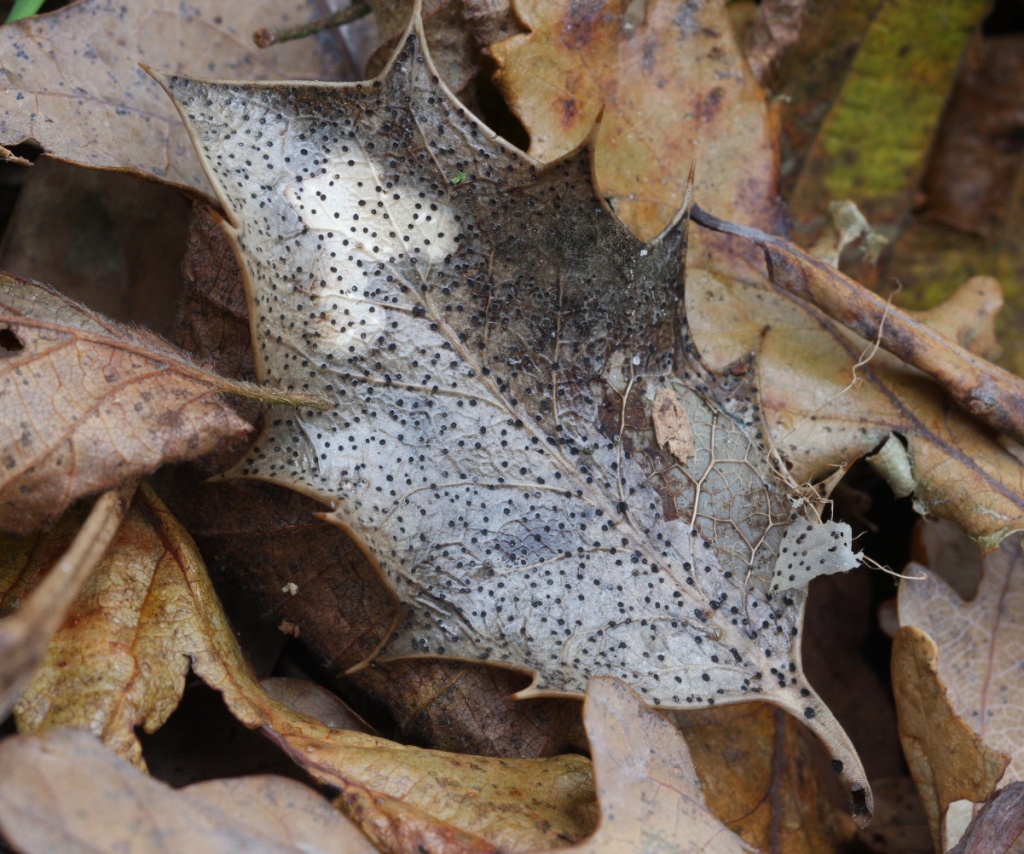
Holly Speckle
The dark speckling of the Holly Speckle fungus (Trochila ilicina) occurs only on the upper side of dead holly leaves.