

Norway Maple - Acer platanoides
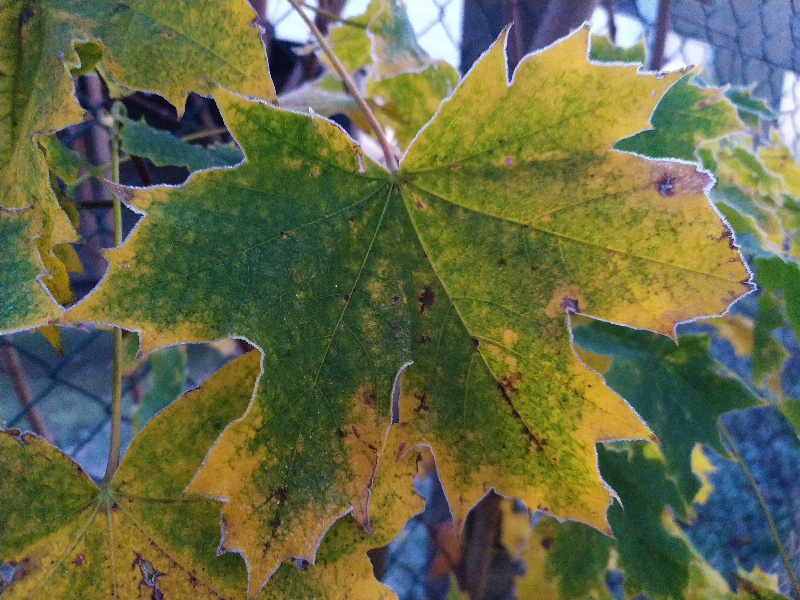
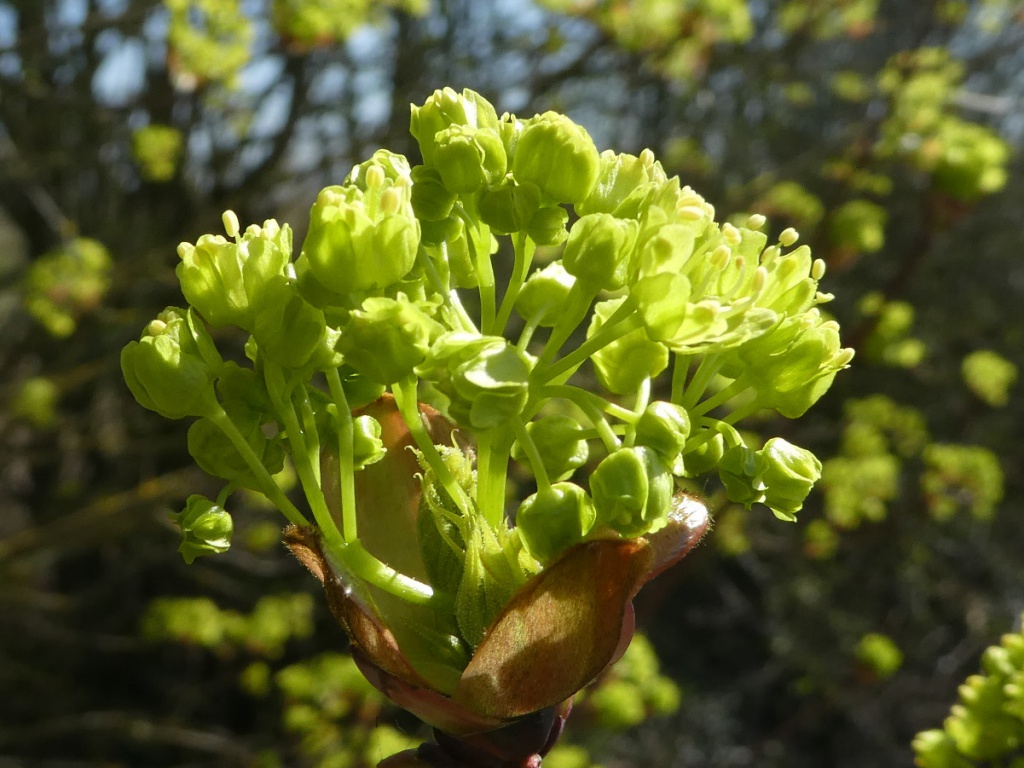
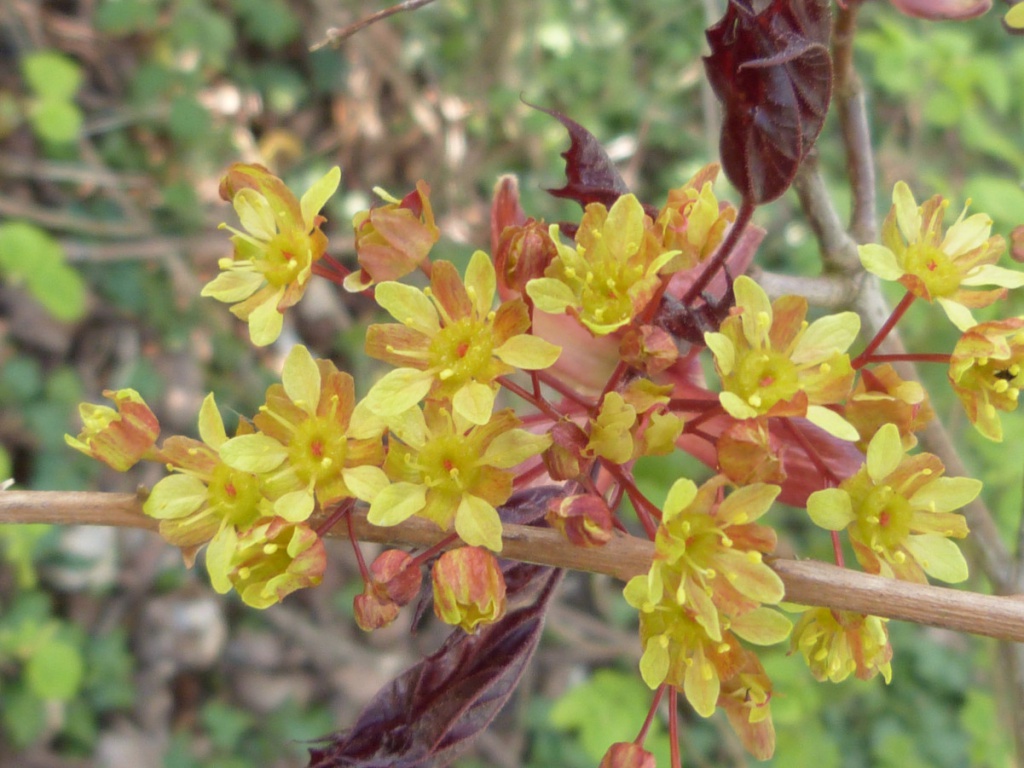
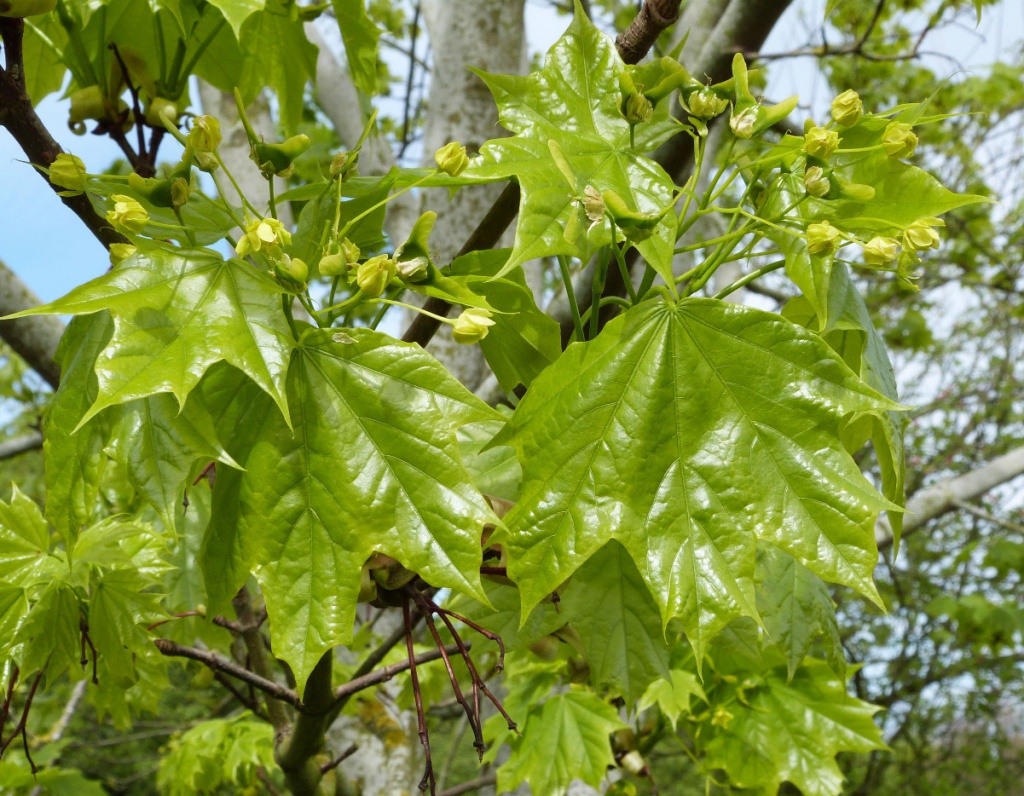
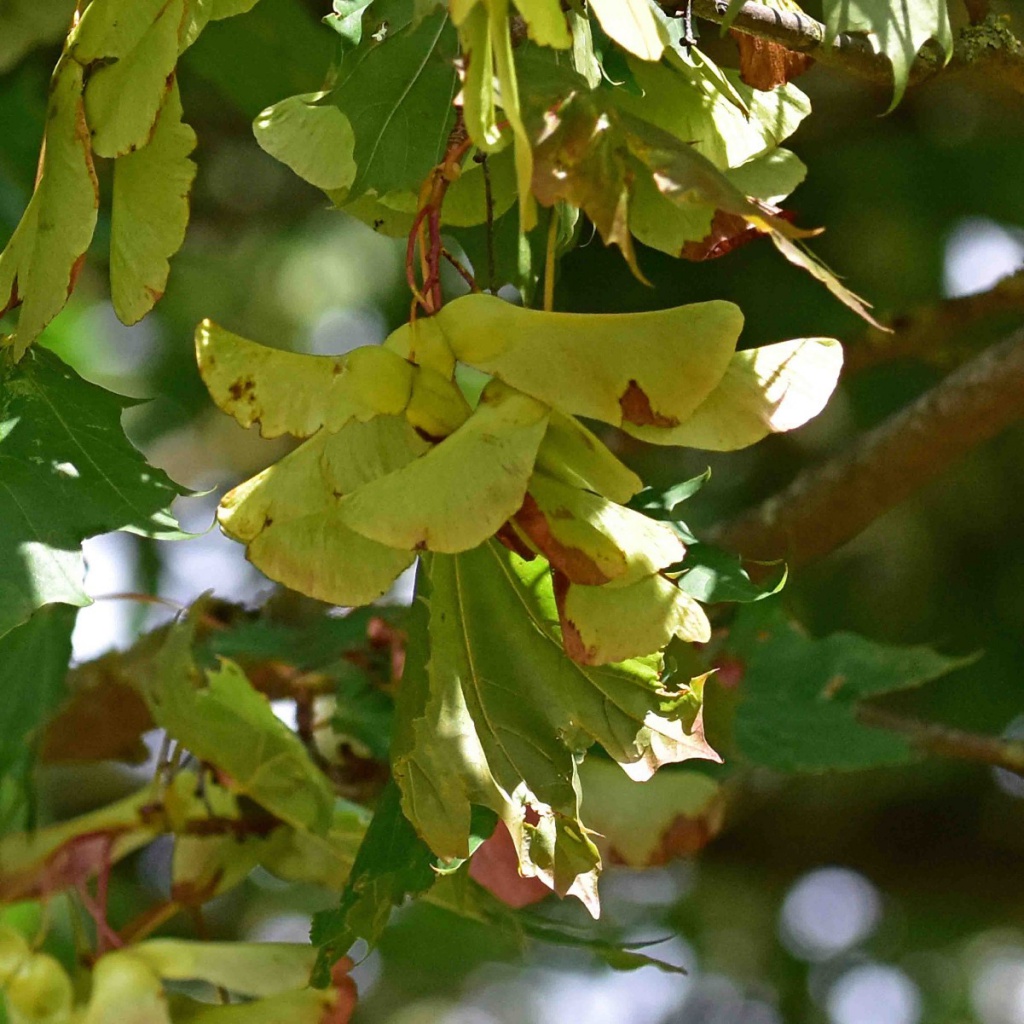
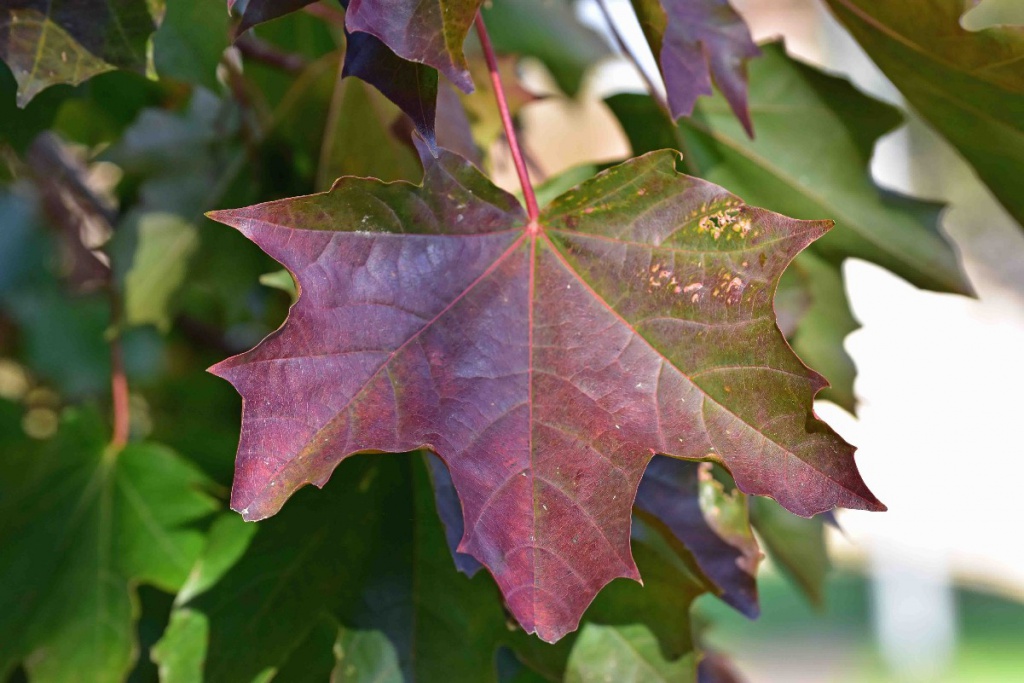
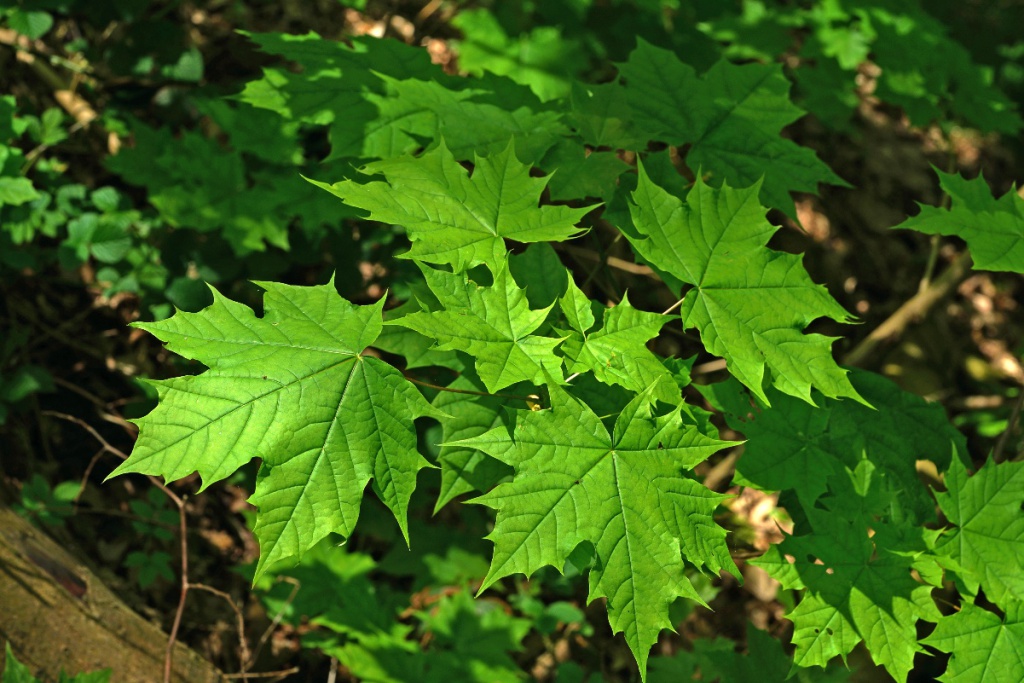
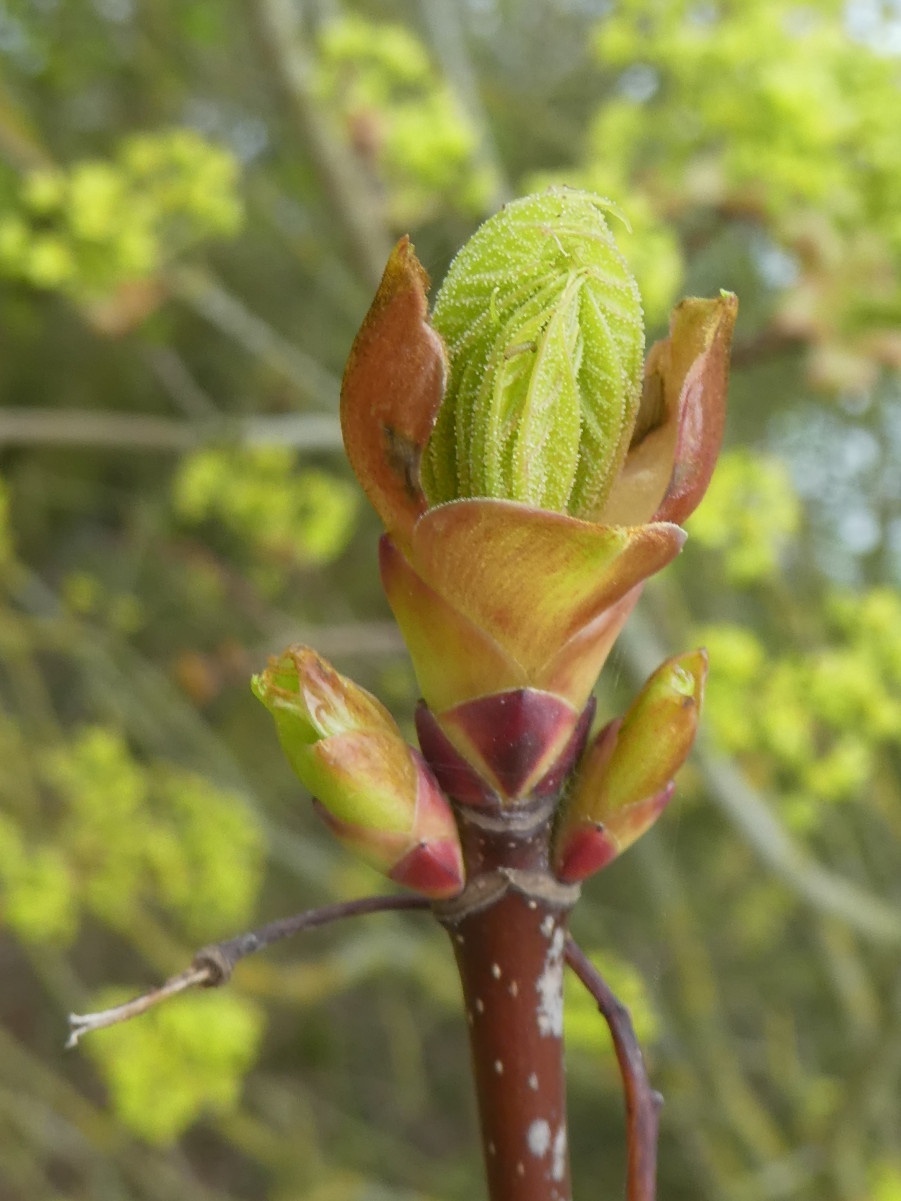
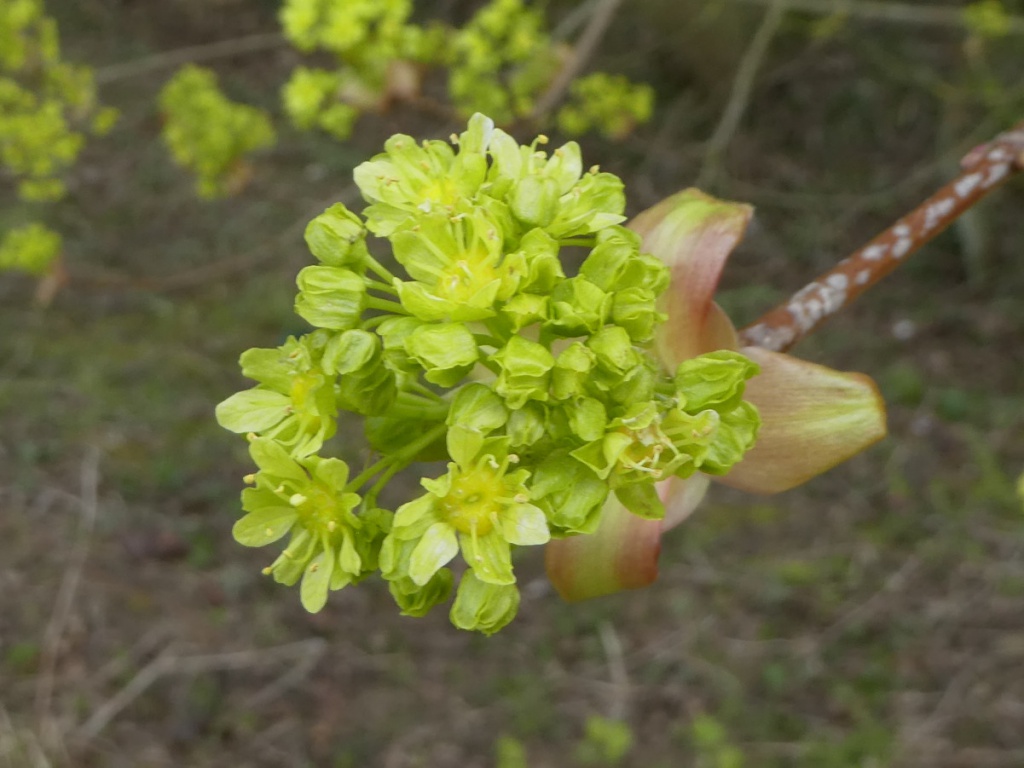
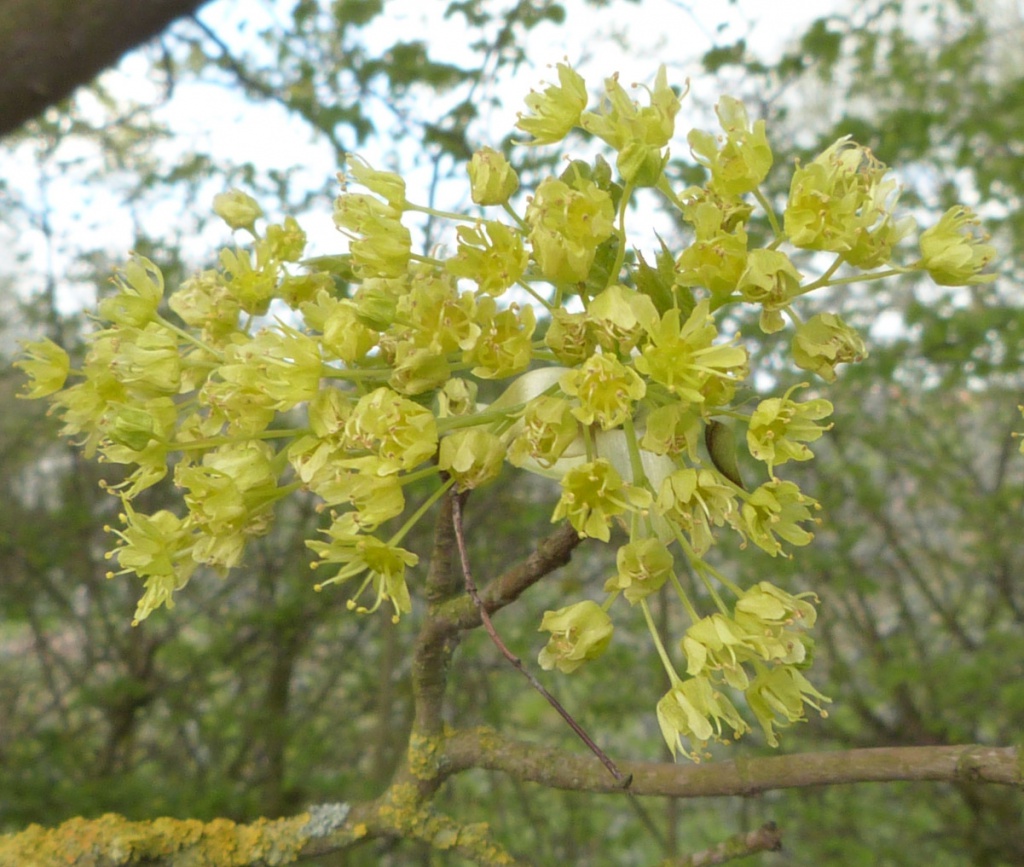
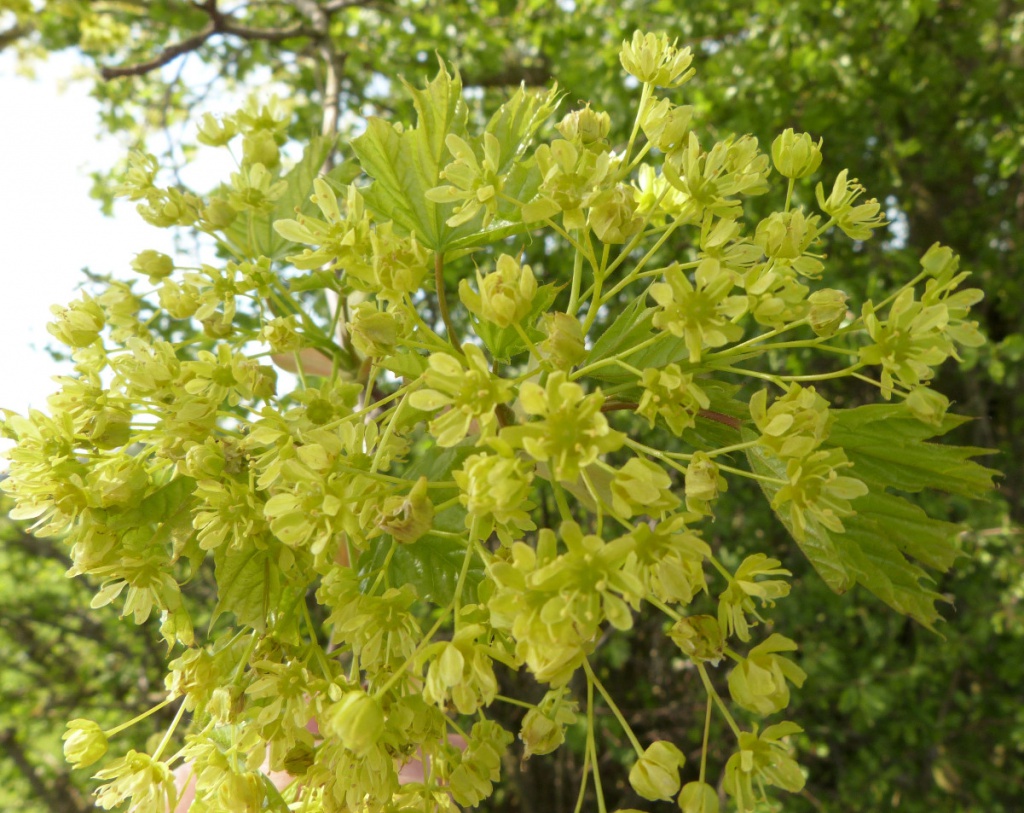
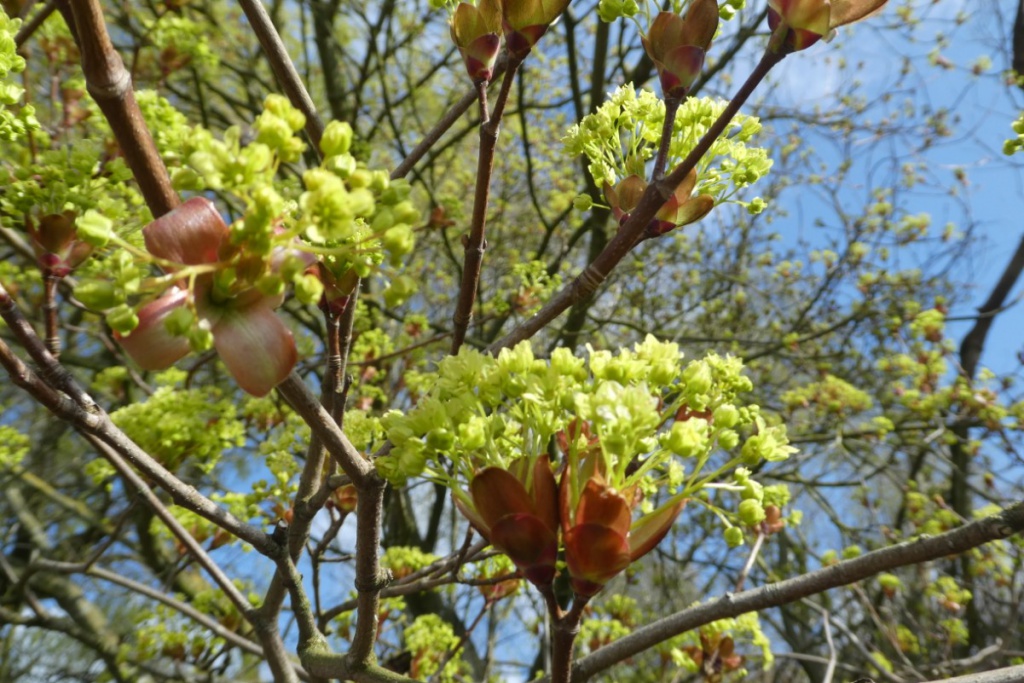
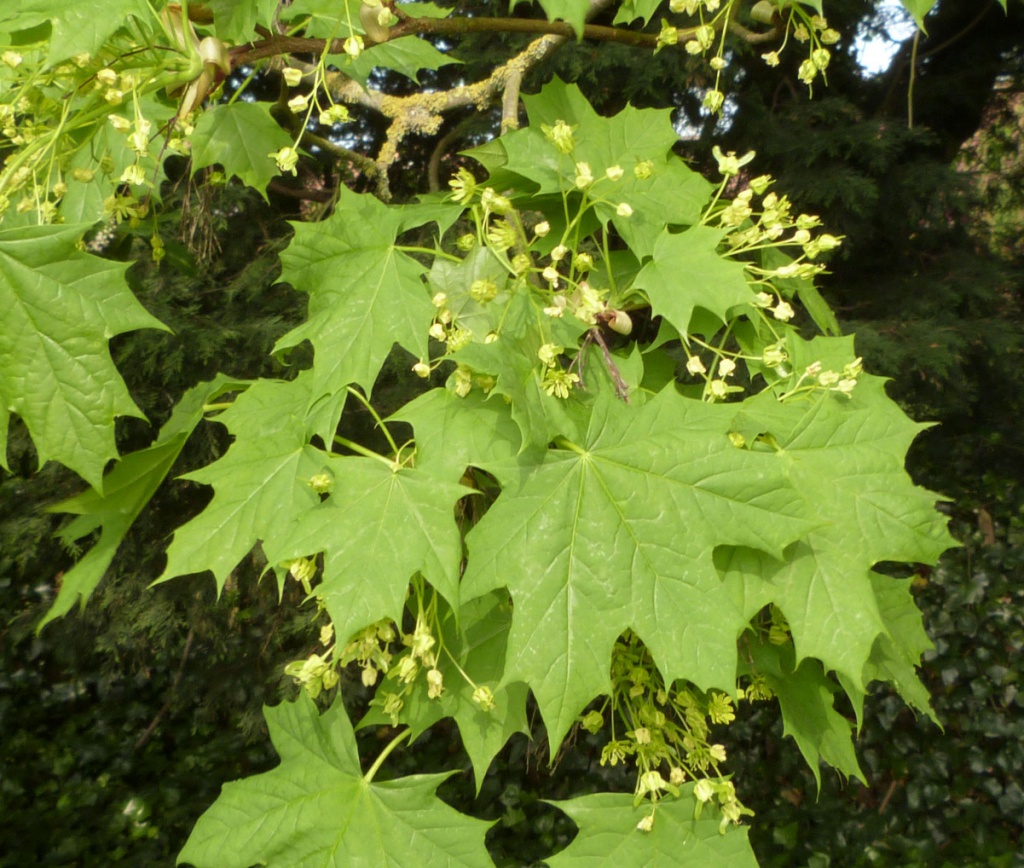
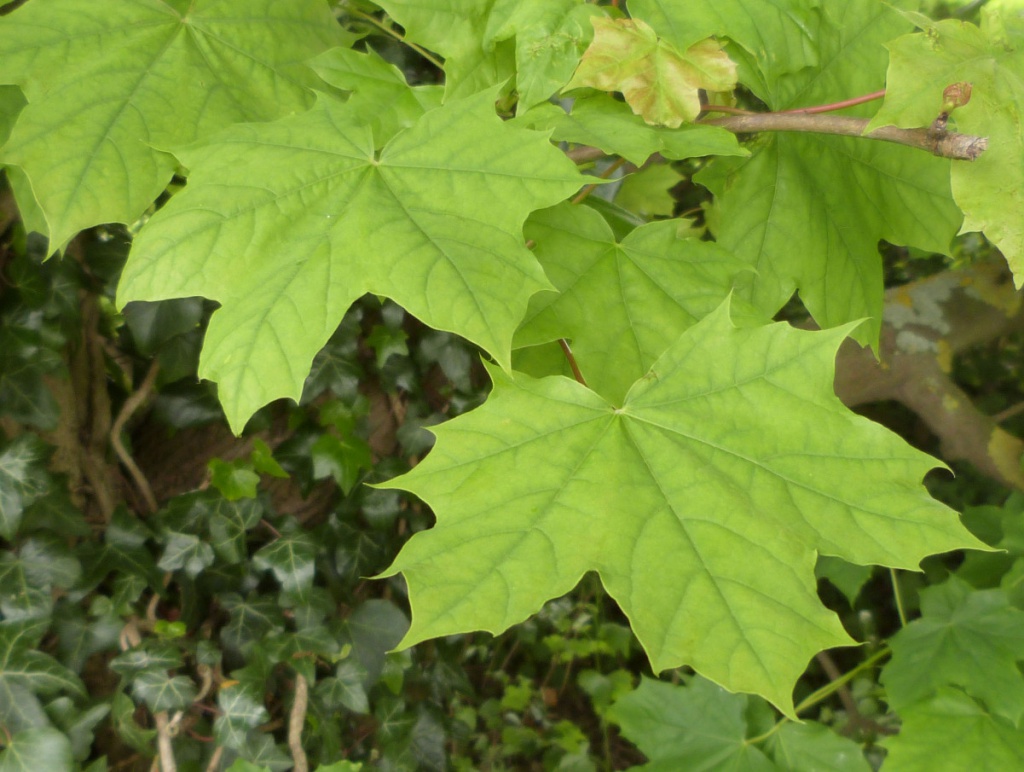
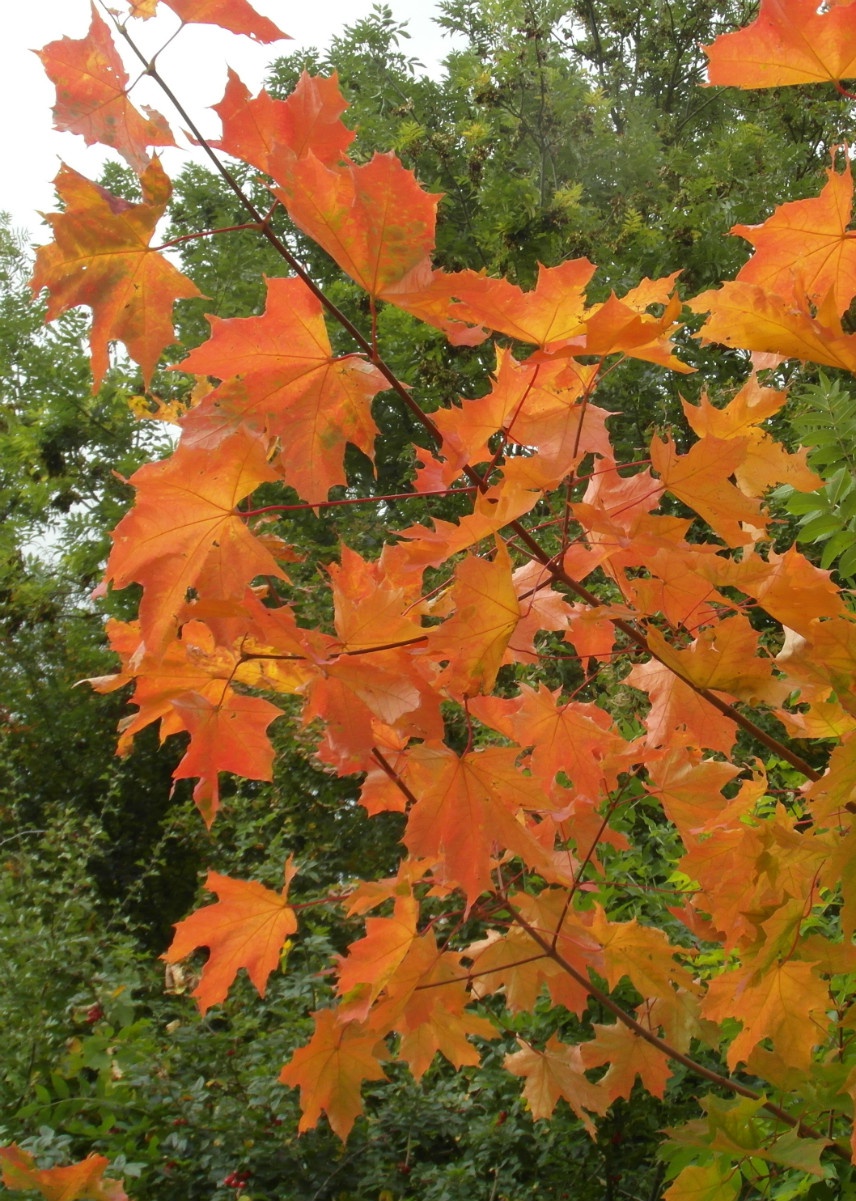
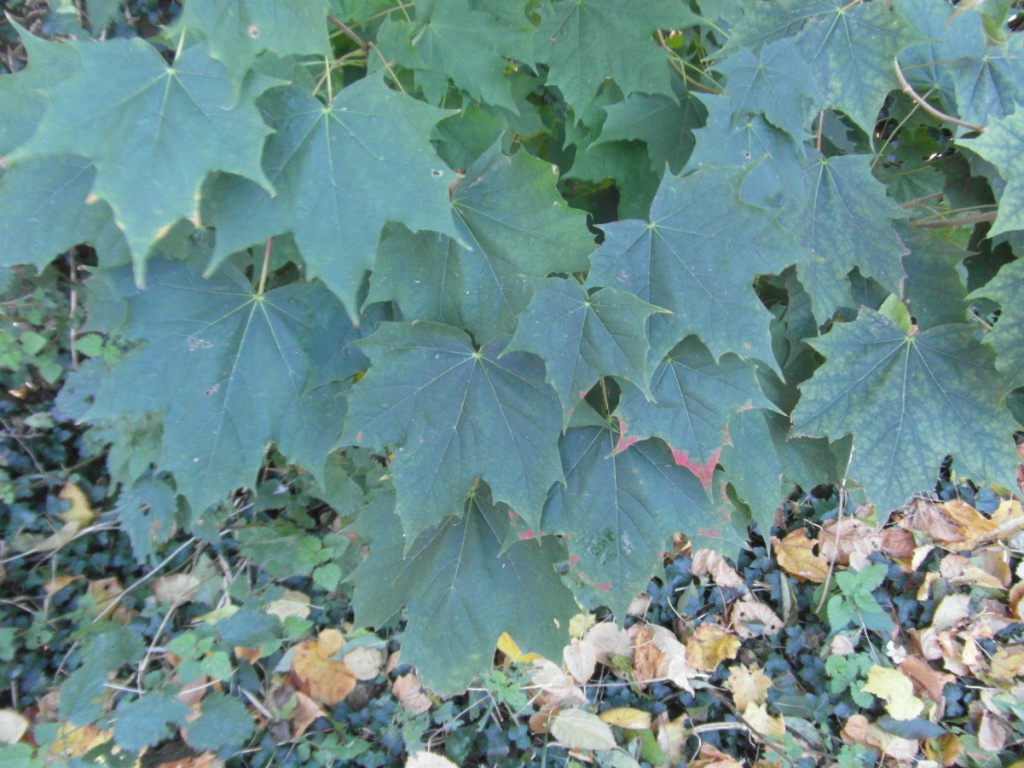
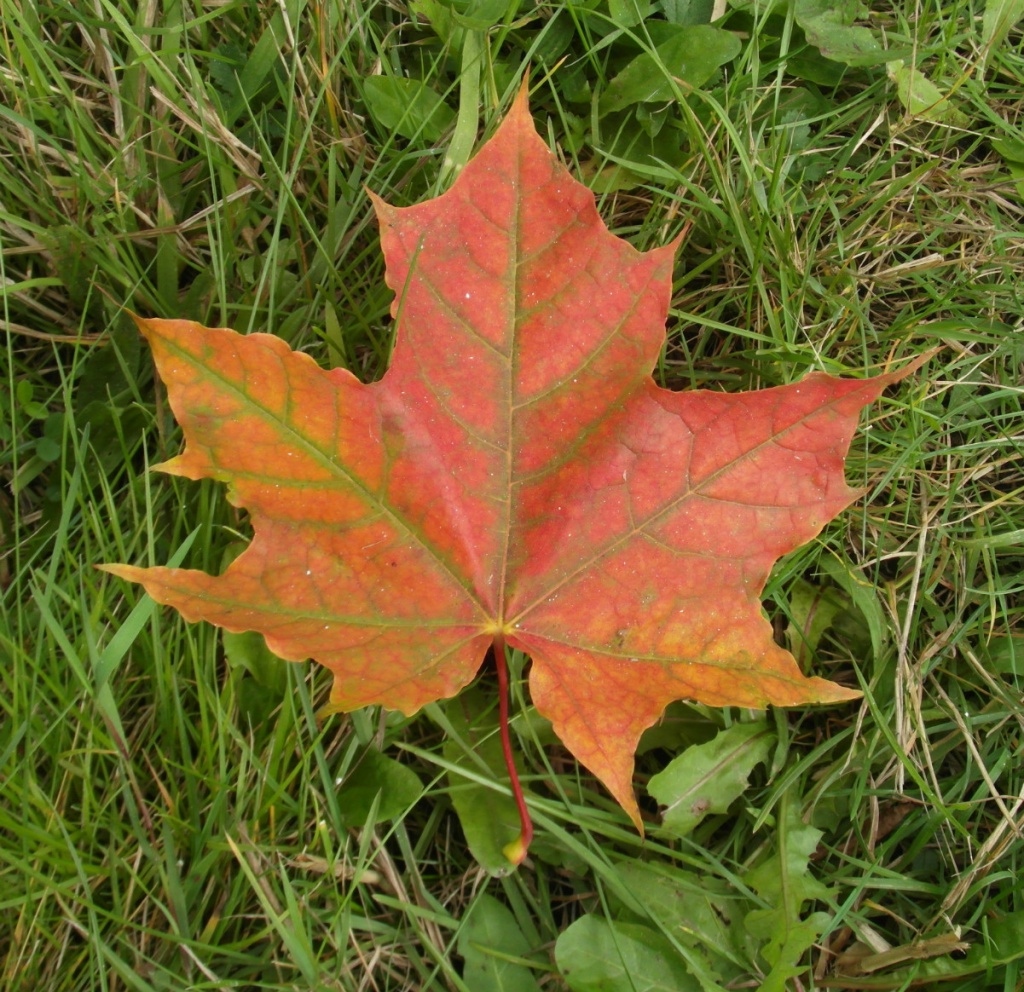
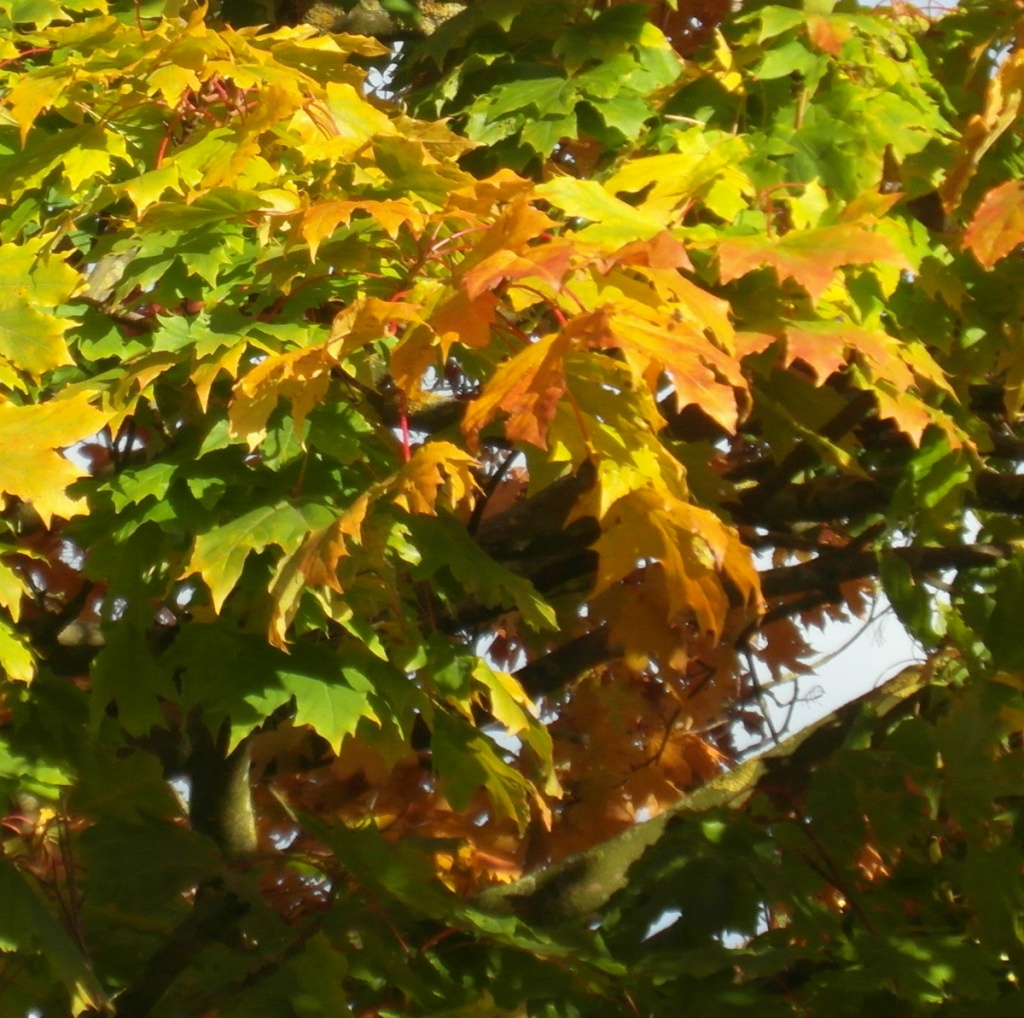
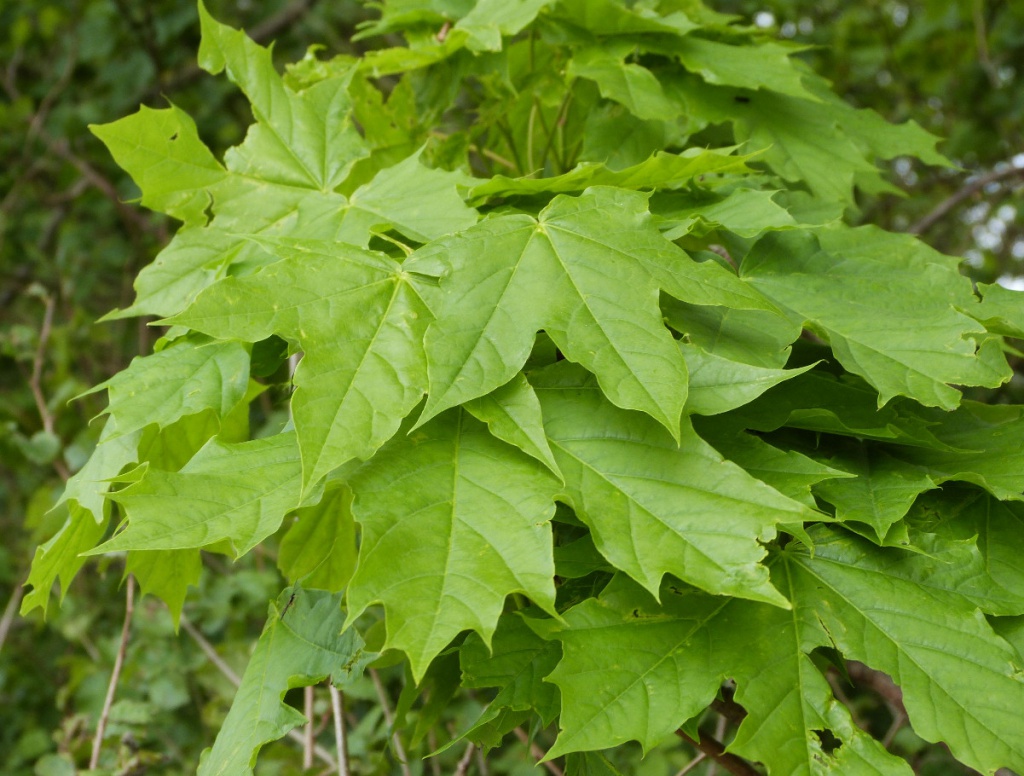
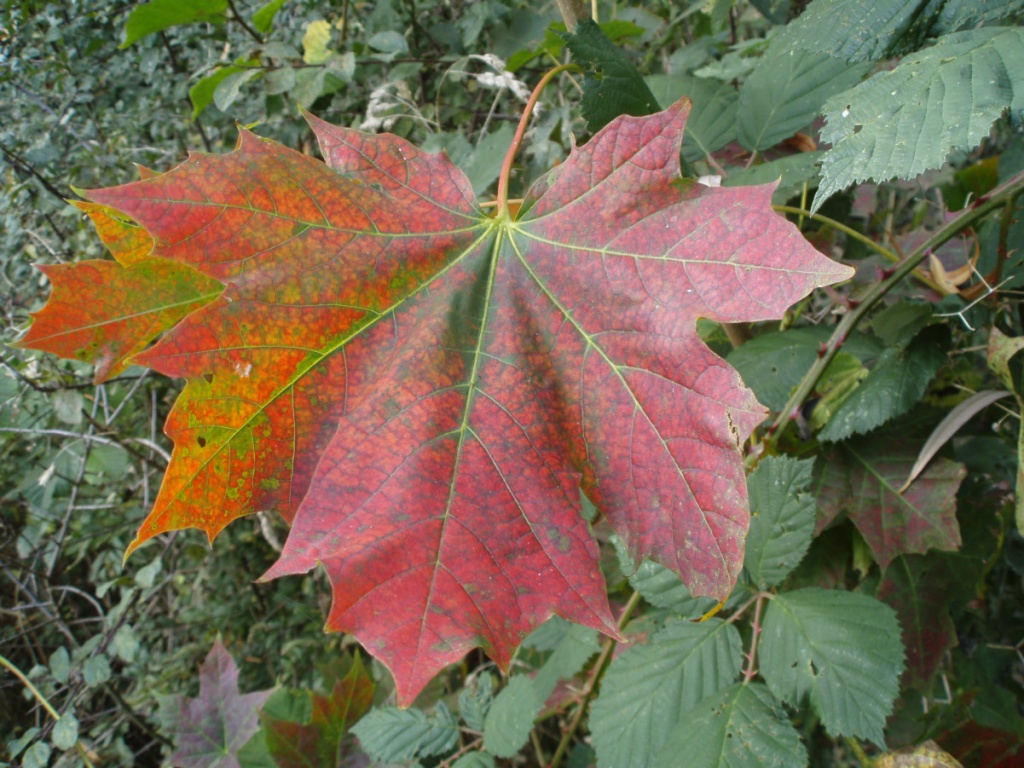
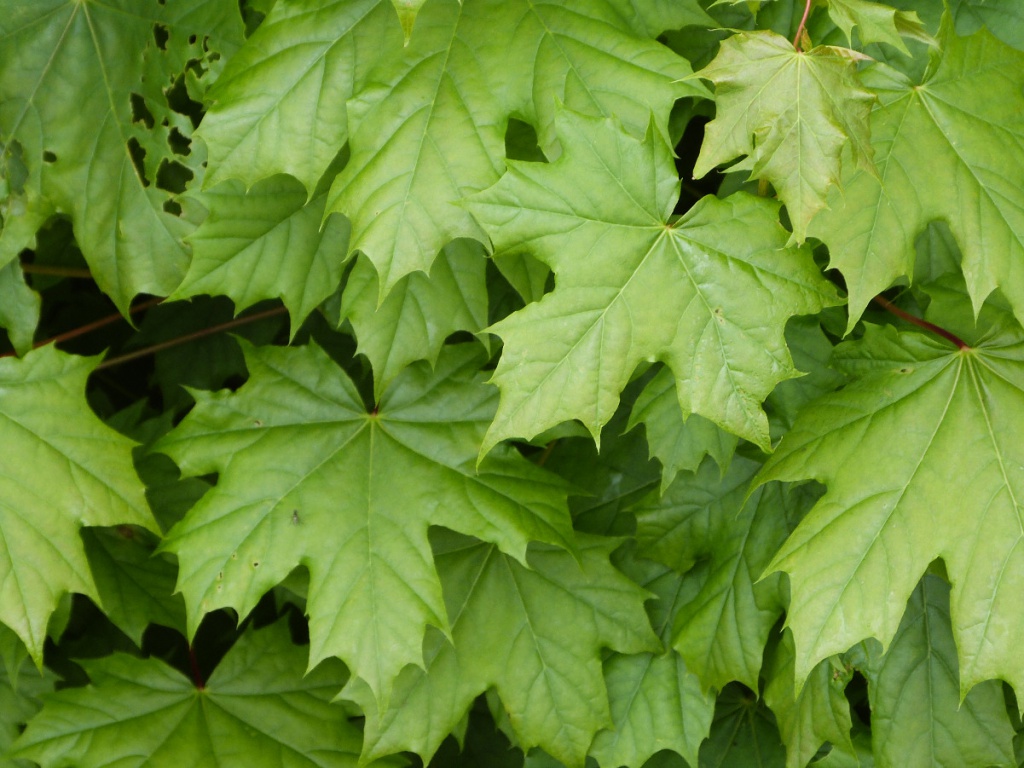
Large spreading tree to 30 metres. Leaves large, 10 to 15 cm across, palmately 5 to 7 lobed, the lobes long pointed with a few coarse teeth. Flowers yellowish green 7 to 8 mm in broad erect panicles, before the leaves. Fruit with horizontal wings. In Autumn the leaves often become very colourful, with pink, red, orange and yellow.
Sycamore (Acer pseudoplatanus) has a similarly shaped leaf but lacks the spiky edges.

Woods and hedgerows.
April and May.
Deciduous.
Local in Britain and probably mostly from planted stock.
Occasional in Leicestershire and Rutland. In the 1979 Flora survey of Leicestershire it was found in 30 of the 617 tetrads.
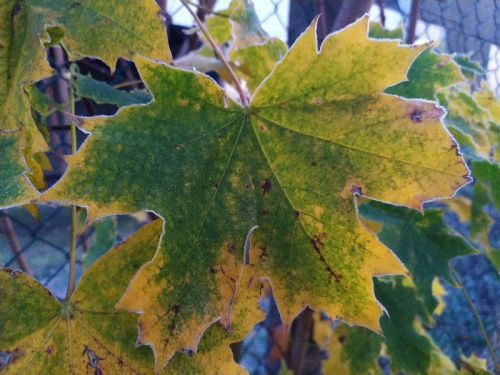 stepgray4
Aylestone Meadows
23 November 2020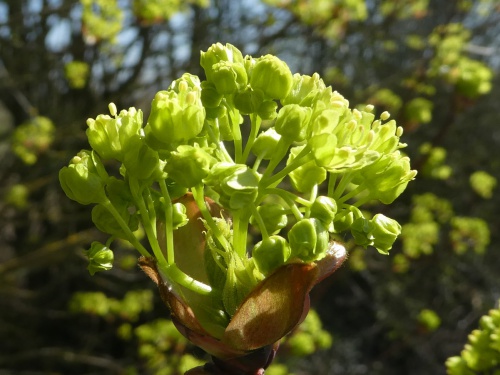 Melinda Bell
Heather, QEDJWood
04 April 2021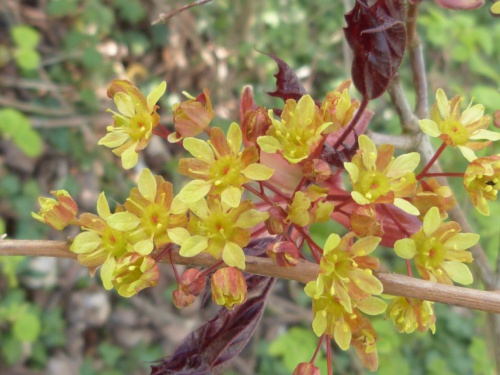 Graham Calow
Main Road, Claybrooke Magna
04 May 2016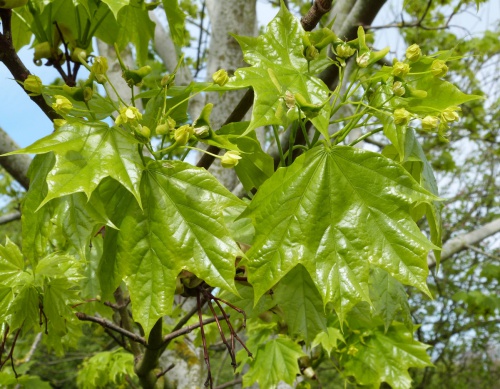 Graham Calow
Broughton Astley
15 April 2017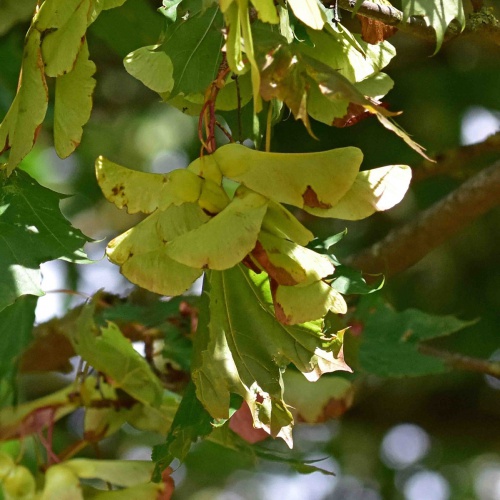 Andy's Rutland
Gunnel Lane Meadow-Empingham
30 August 2018
seed-pods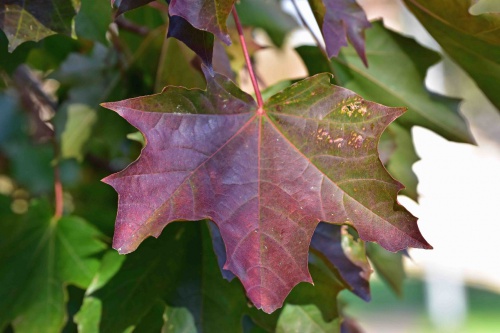 Andy's Rutland
Empingham village
31 October 2018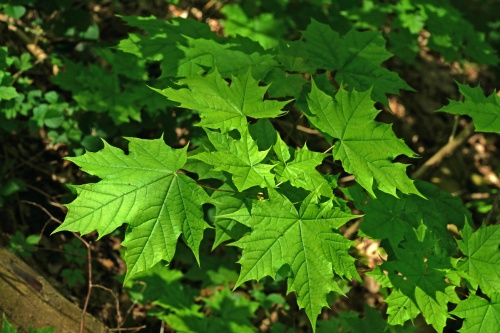 AJ Cann
Barkby Holt
07 May 2018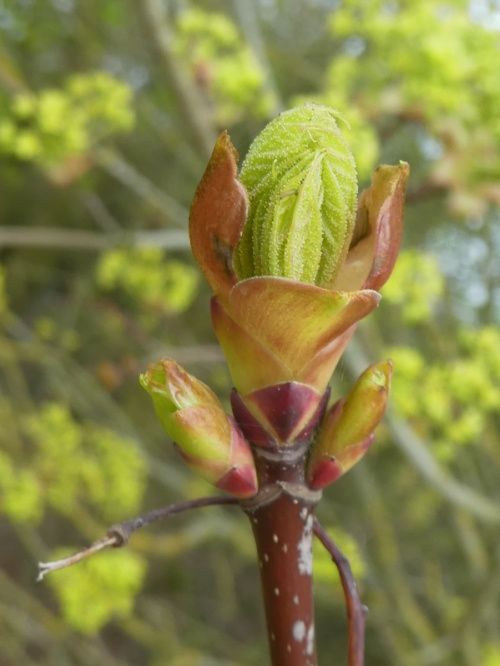 Melinda Bell
Queen Elizabeth Diamond Jubilee Wood
07 April 2019
Leicestershire & Rutland Map
Enter a town or village to see local records
MAP KEY:
Yellow squares = NBN records (all known data)
Coloured circles = NatureSpot records: 2025+ | 2020-2024 | pre-2020
UK Map
Species profile
- Common names
- Norway Maple, Norway Maple variety
- Species group:
- Trees, Shrubs & Climbers
- Kingdom:
- Plantae
- Order:
- Sapindales
- Family:
- Sapindaceae
- Records on NatureSpot:
- 124
- First record:
- 31/03/2008 (Calow, Graham)
- Last record:
- 15/10/2025 (Calow, Graham)
Total records by month
% of records within its species group
10km squares with records
The latest images and records displayed below include those awaiting verification checks so we cannot guarantee that every identification is correct. Once accepted, the record displays a green tick.
In the Latest Records section, click on the header to sort A-Z, and again to sort Z-A. Use the header boxes to filter the list.
Latest images
Latest records
 Granitethorpe Sapcote SP 4951 9361 (taken 31.3.2008),.JPG) Graham Calow
Graham Calow
Granitethorpe, Sapcote
31 March 2008
Flowers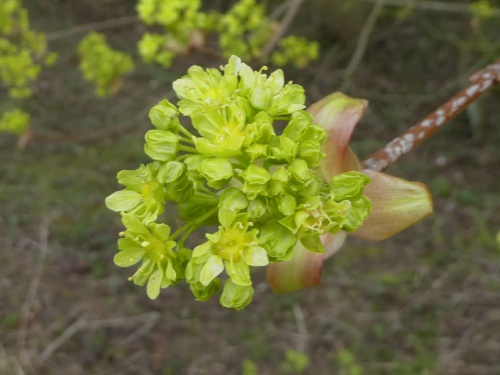 Melinda Bell
Queen Elizabeth Diamond Jubilee Wood
07 April 2019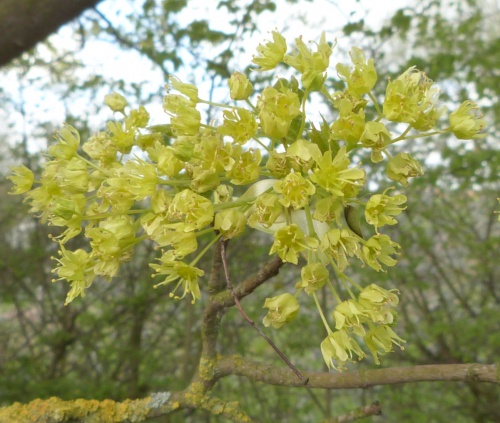 Graham Calow
Drive to Claybrooke Mill
03 May 2016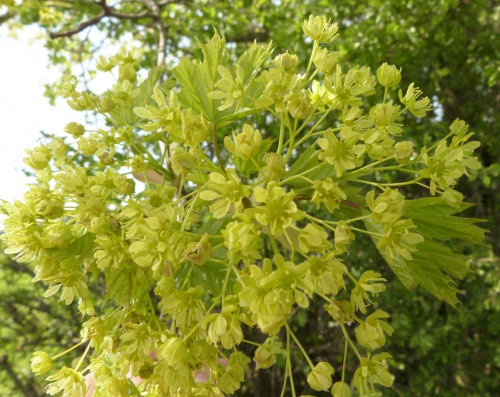 Graham Calow
Springwell Lane, near Whetsone
05 May 2016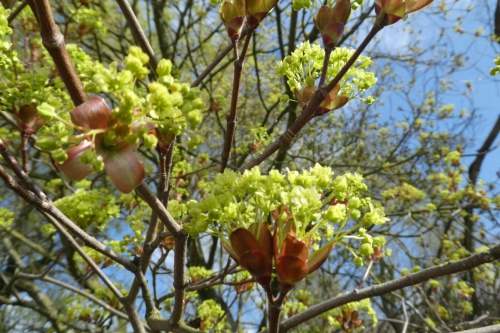 Frank Bedford
Ashby de la Zouch, Footpath to Packington off Packington Nook Lane
10 April 2021
Norway Maple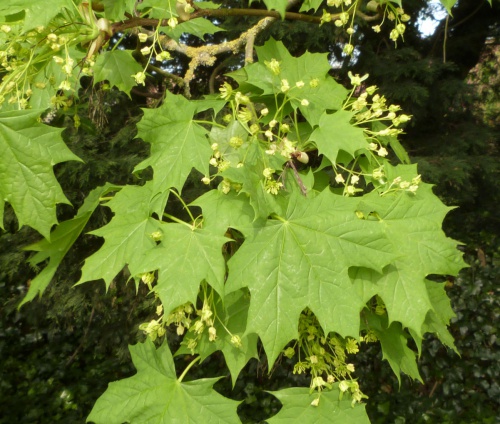 Graham Calow
Near High Cross
09 May 2016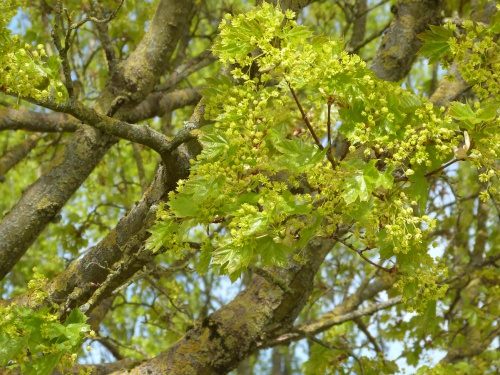 Graham Calow
Twycross Zoo
24 April 2021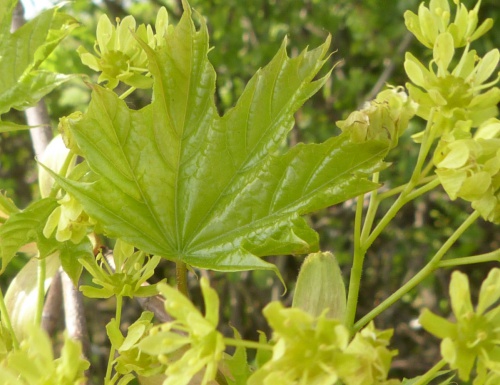 Graham Calow
Springwell Lane, near Whetsone
05 May 2016 Granitethorpe Sapcote SP 4951 9361 (taken 9.5.2008).JPG) Graham Calow
Graham Calow
Granitethorpe, Sapcote
09 May 2008
leaves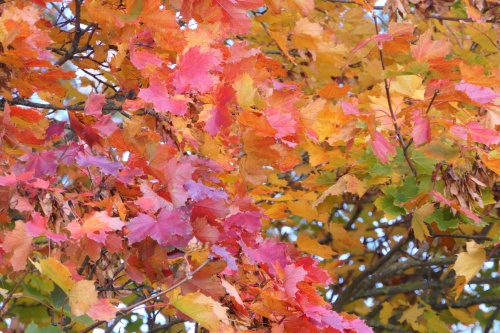 David Nicholls
Field Head
22 October 2020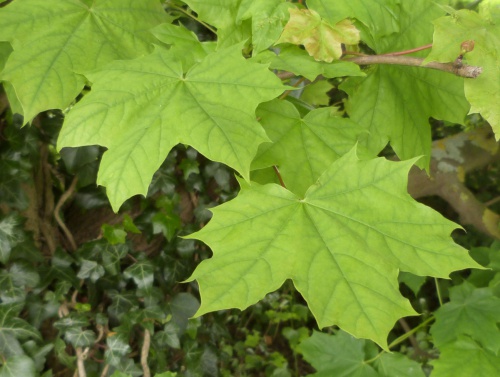 Graham Calow
Countesthorpe Road, Cosby
20 May 2016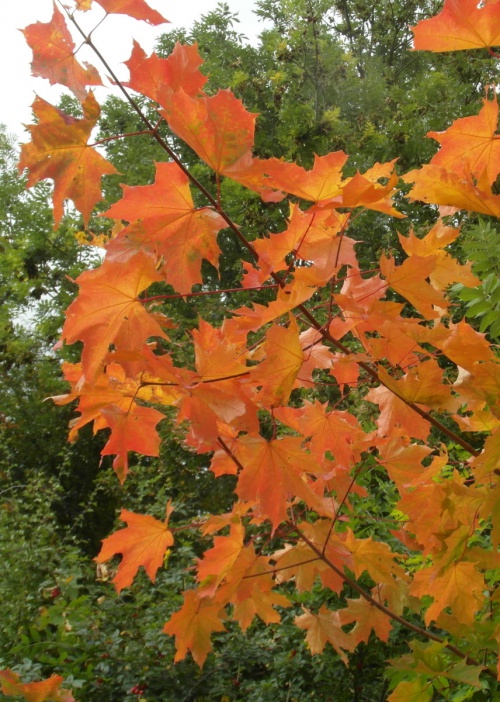 Alan Semper
Scalford
20 September 2015 stepgray4
Storkit Lane, Wymeswold
04 August 2021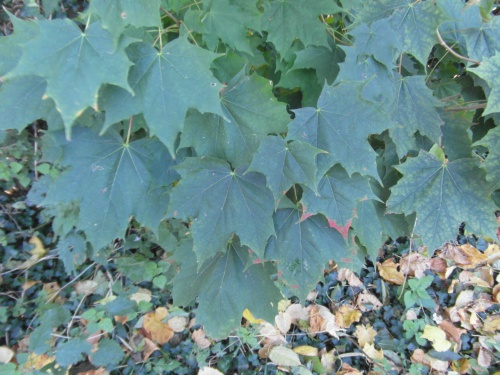 Alan Semper
Bottesford , riverside
27 October 2013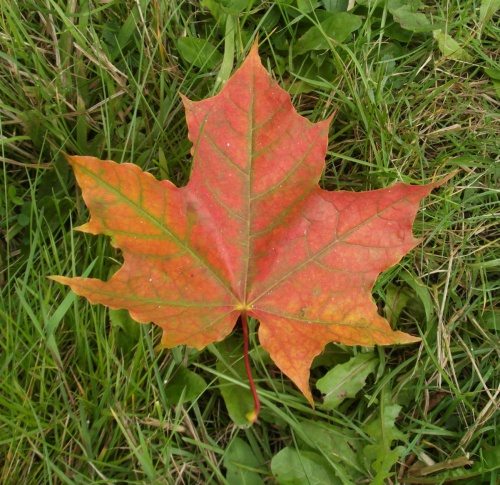 Alan Semper
Scalford roadside
20 September 2015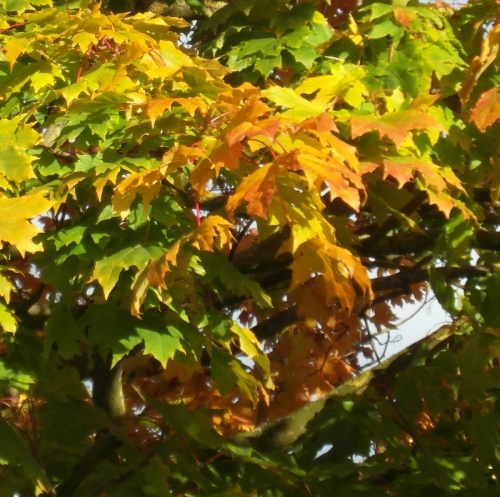 Alan Semper
Harby roadside hedge
14 October 2012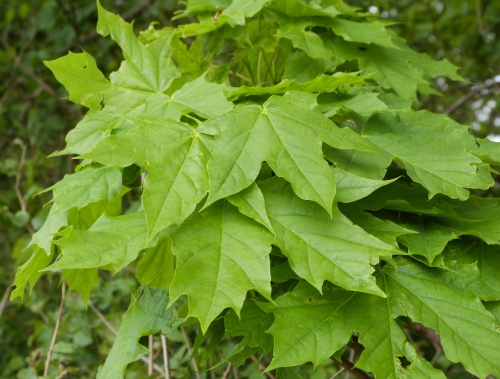 Graham Calow
Higham on the Hill
15 May 2015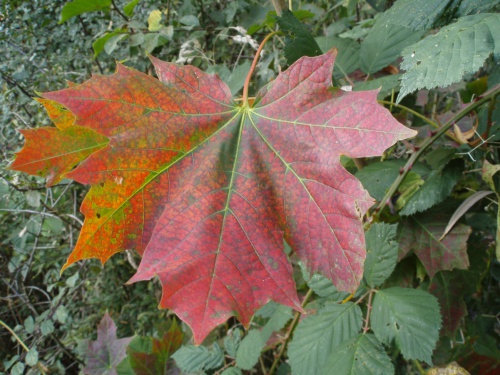 Alan Semper
Melton Country Park
01 October 2014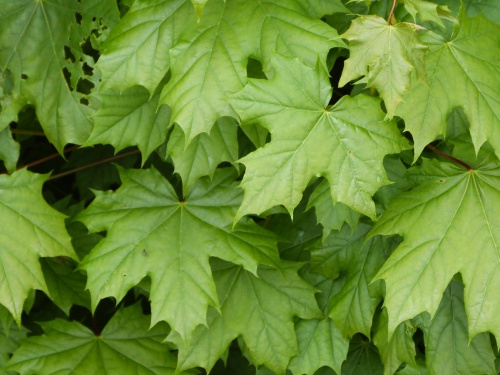 Graham Calow
Road to Hobbs Hayes Farm, Sapcote
26 May 2016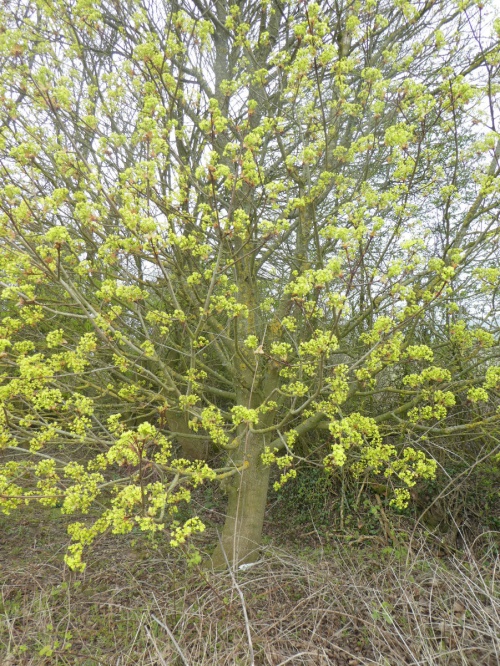 Melinda Bell
Queen Elizabeth Diamond Jubilee Wood
07 April 2019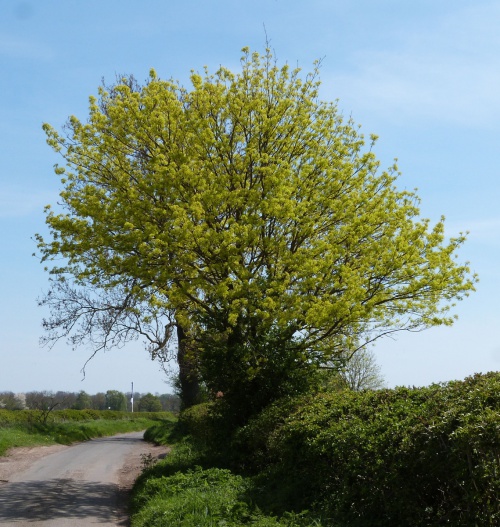 Graham Calow
Springwell Lane, near Whetsone
05 May 2016. Granitethorpe Sapcote Maple, Norway (Acer platanoides). Granitethorpe Sapcote SP 4951 9361 (taken 8.4.2010). (taken 8.4.2010)..JPG) Graham Calow
Graham Calow
Granitethorpe Quarry, Sapcote
08 April 2010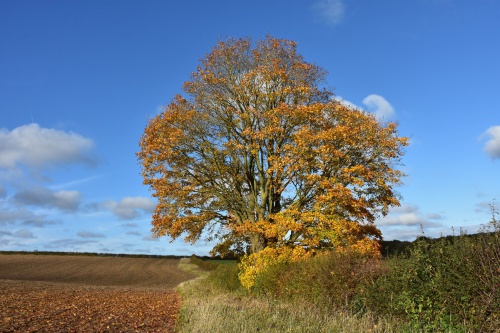 Andy's Rutland
Gunnel Lane Meadow-Empingham
10 November 2019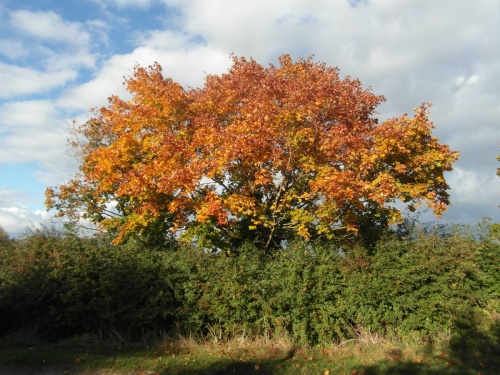 Alan Semper
Harby roadside hedge
14 October 2012
 Granitethorpe Sapcote SP 4951 9361 (taken 31.3.2008),.JPG)
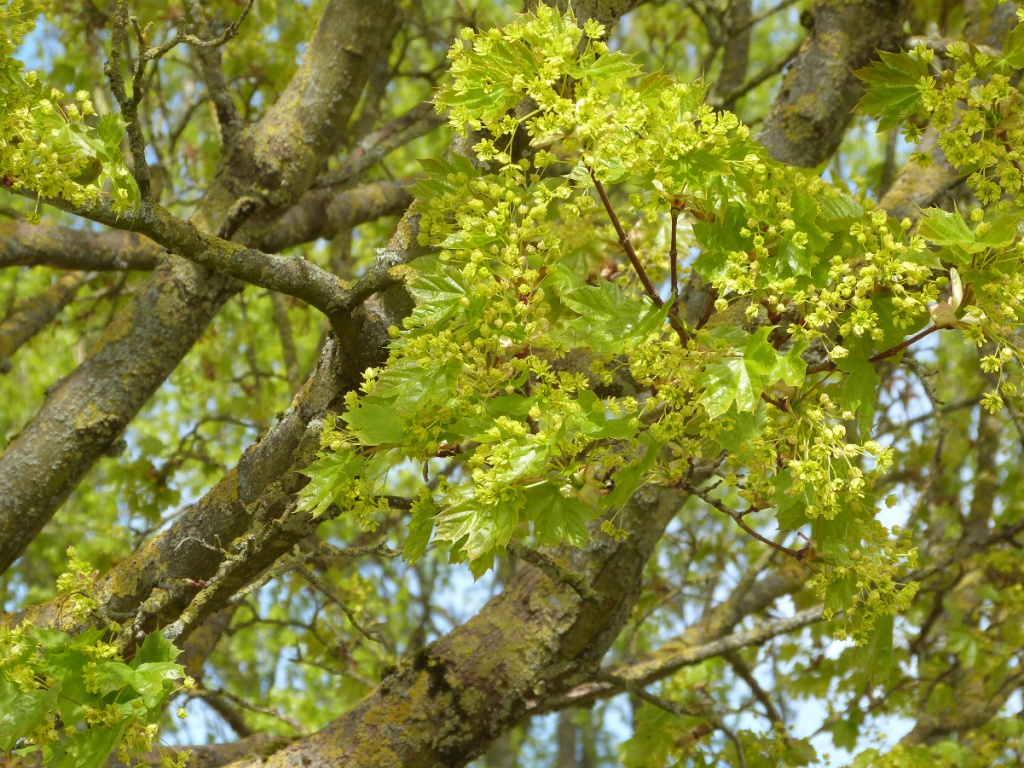
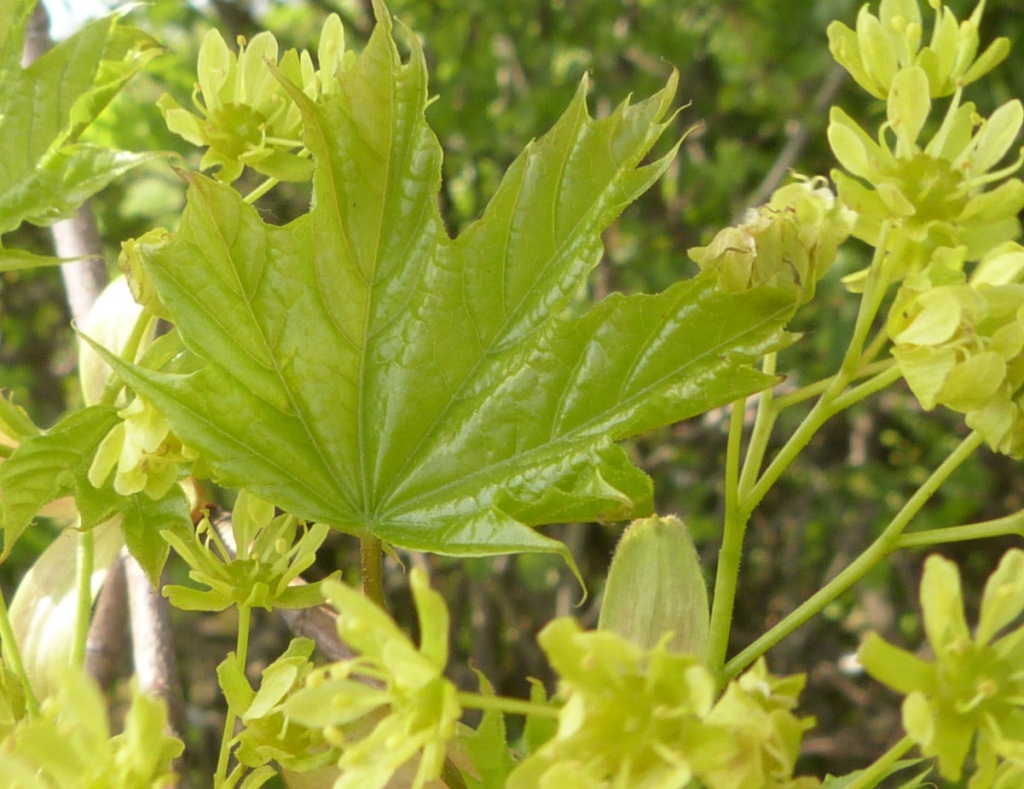
 Granitethorpe Sapcote SP 4951 9361 (taken 9.5.2008).JPG)
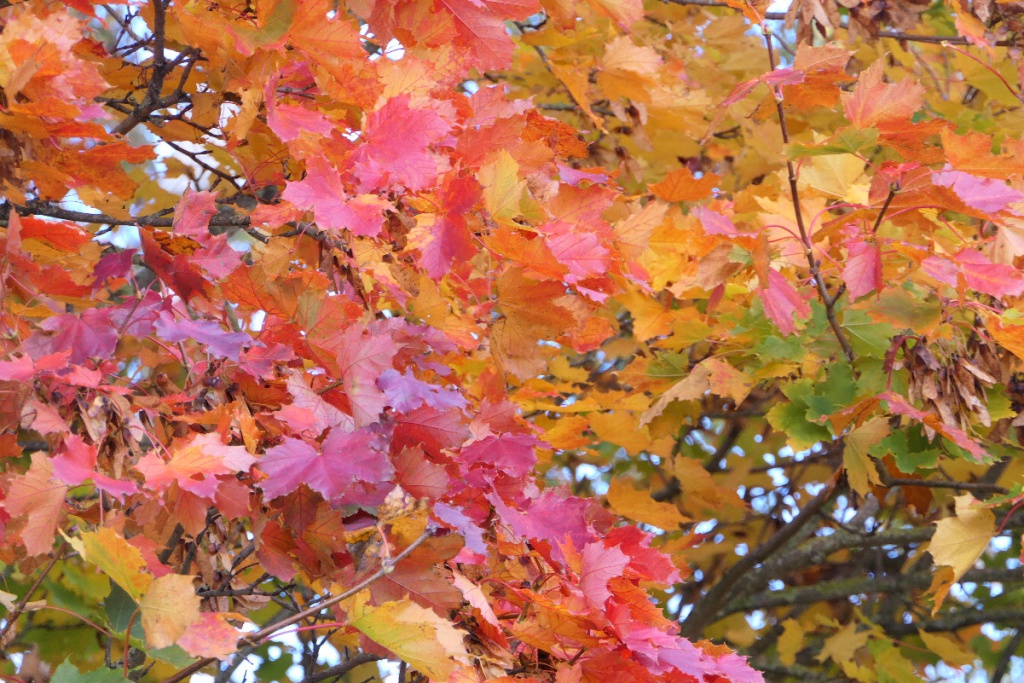

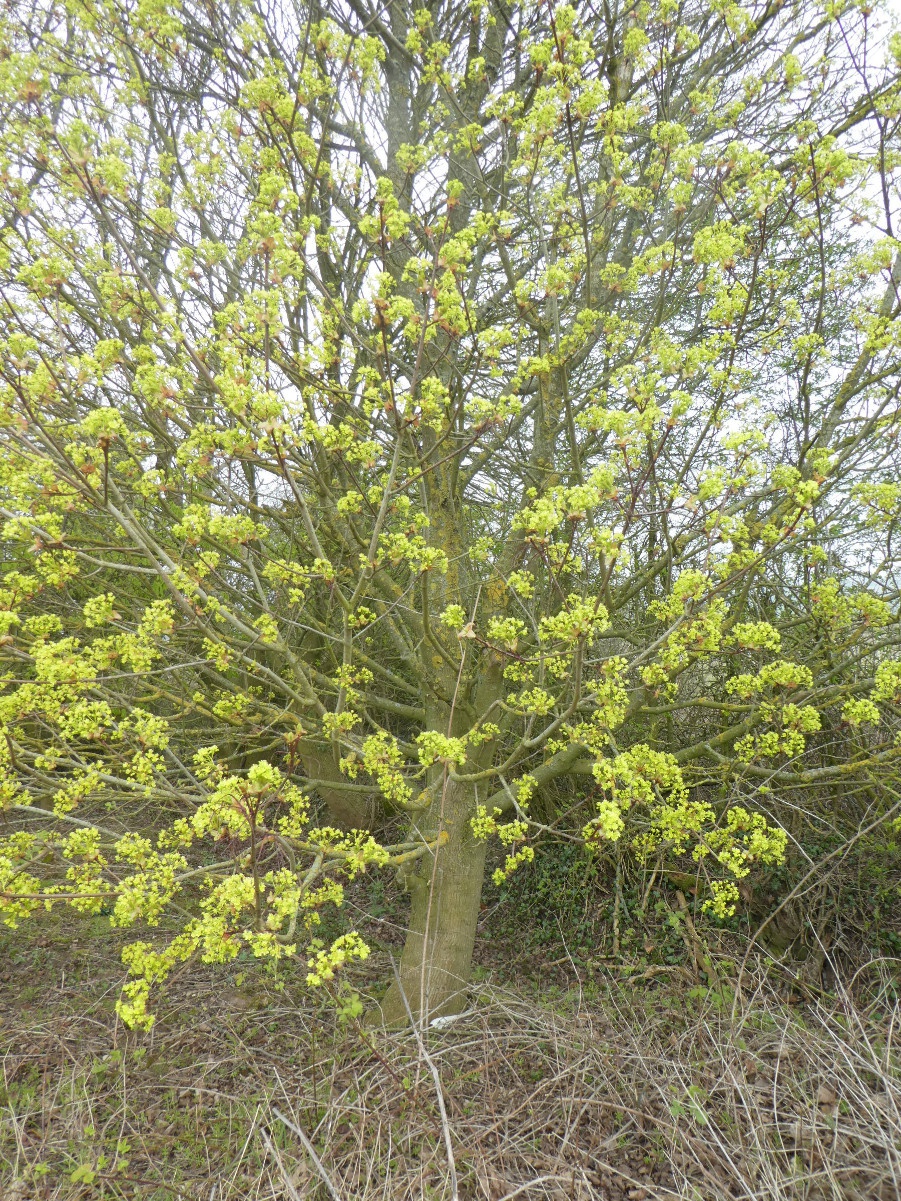
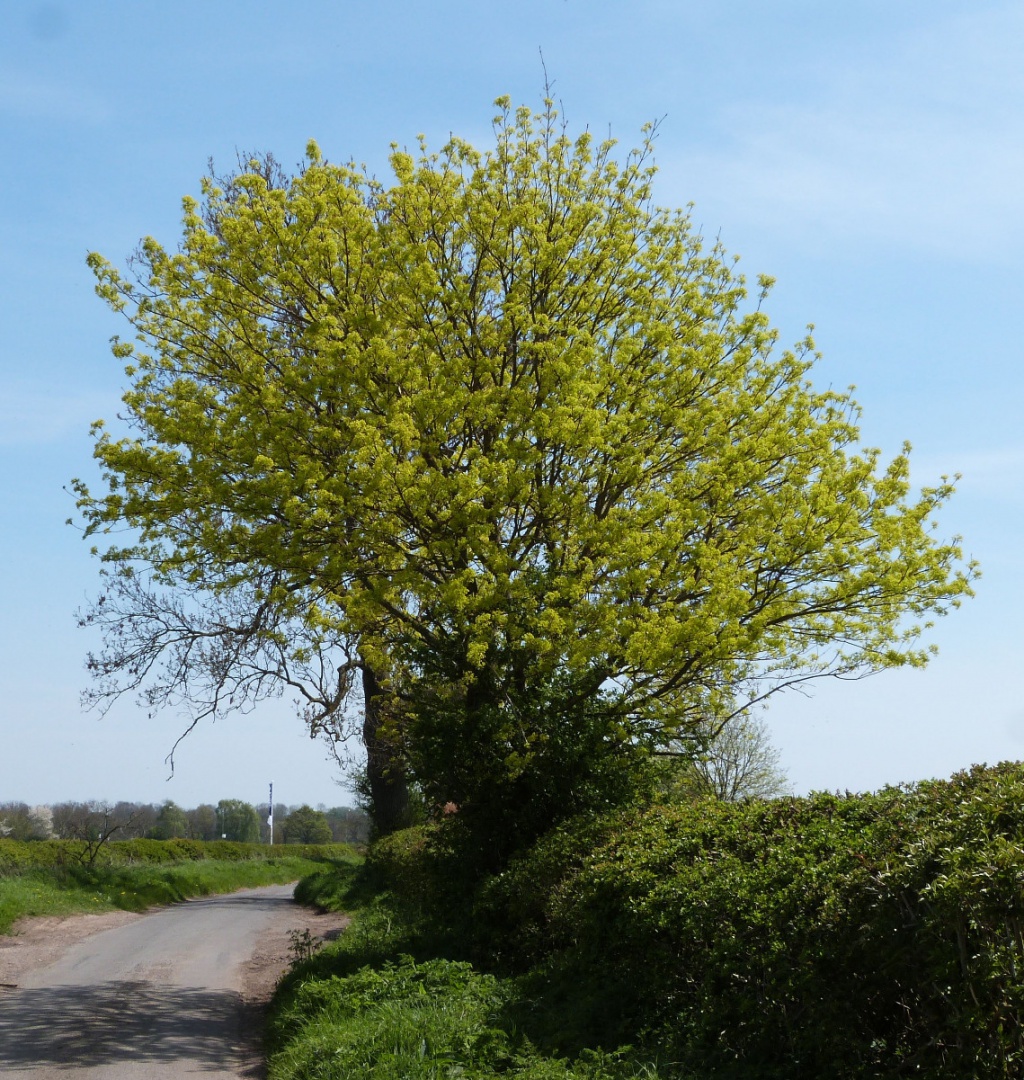
. Granitethorpe Sapcote Maple, Norway (Acer platanoides). Granitethorpe Sapcote SP 4951 9361 (taken 8.4.2010). (taken 8.4.2010)..JPG)
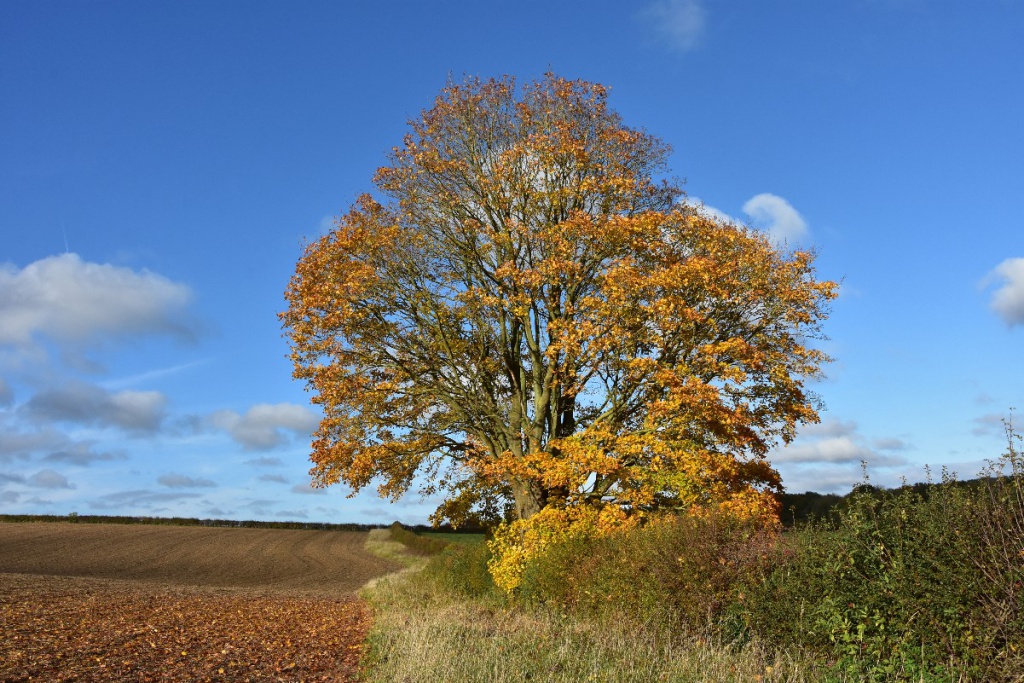
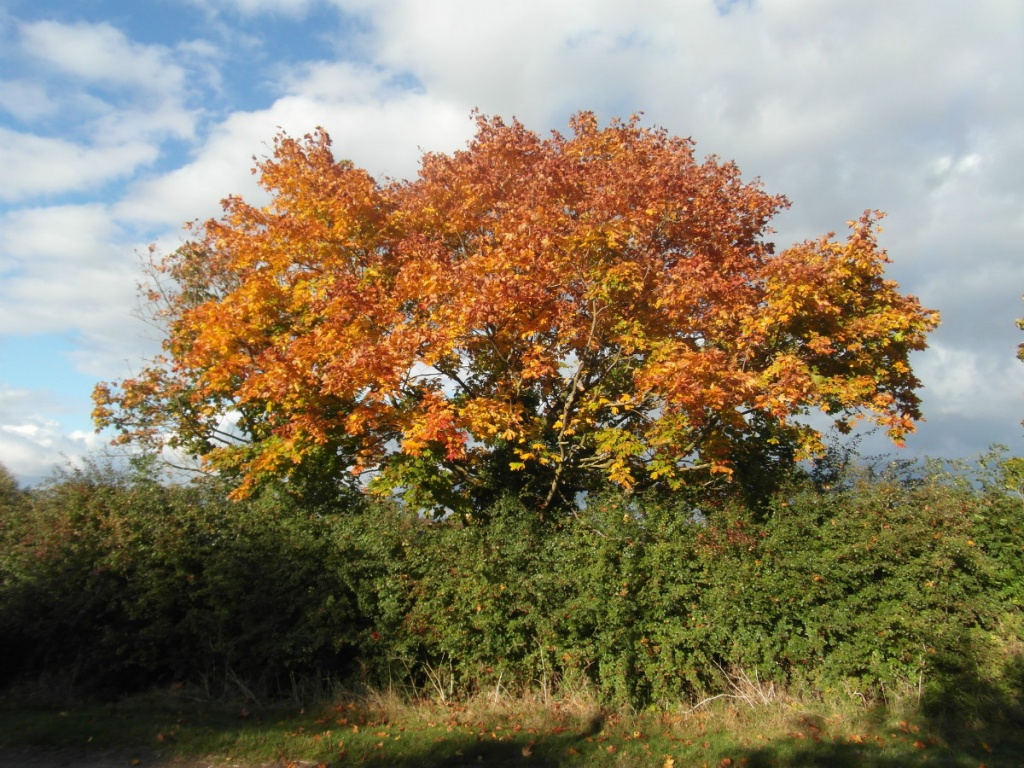
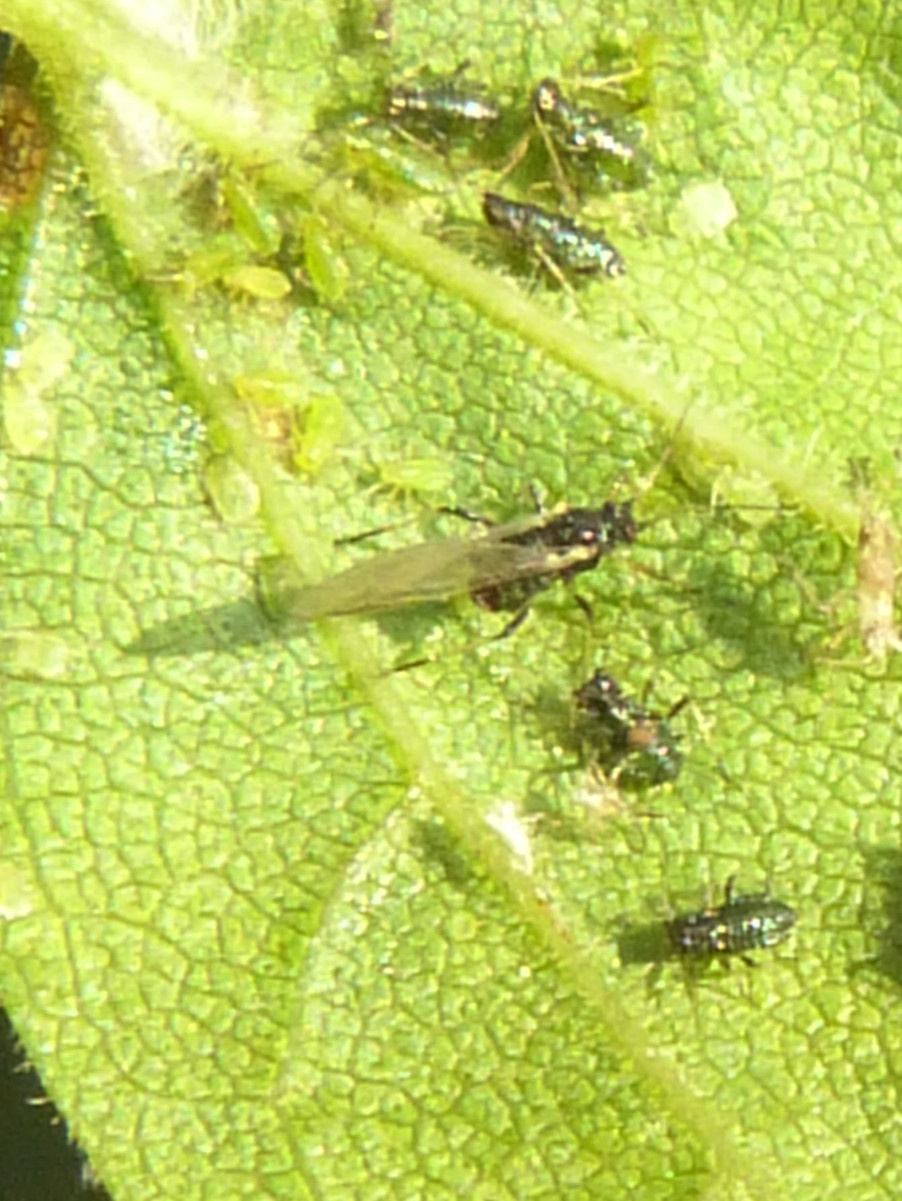
Periphyllus aceris
Periphyllus aceris aphids live on the underside of Acer species, especially Norway Maple, but also on Field Maple. The alates (winged adults) have widely separated broad black bands on the abdomen which helps with identification. The alate body length is 3.2 to 4.5 mm. The apterae (wingless forms) are yellow-green and can be much more difficult to identify to species.
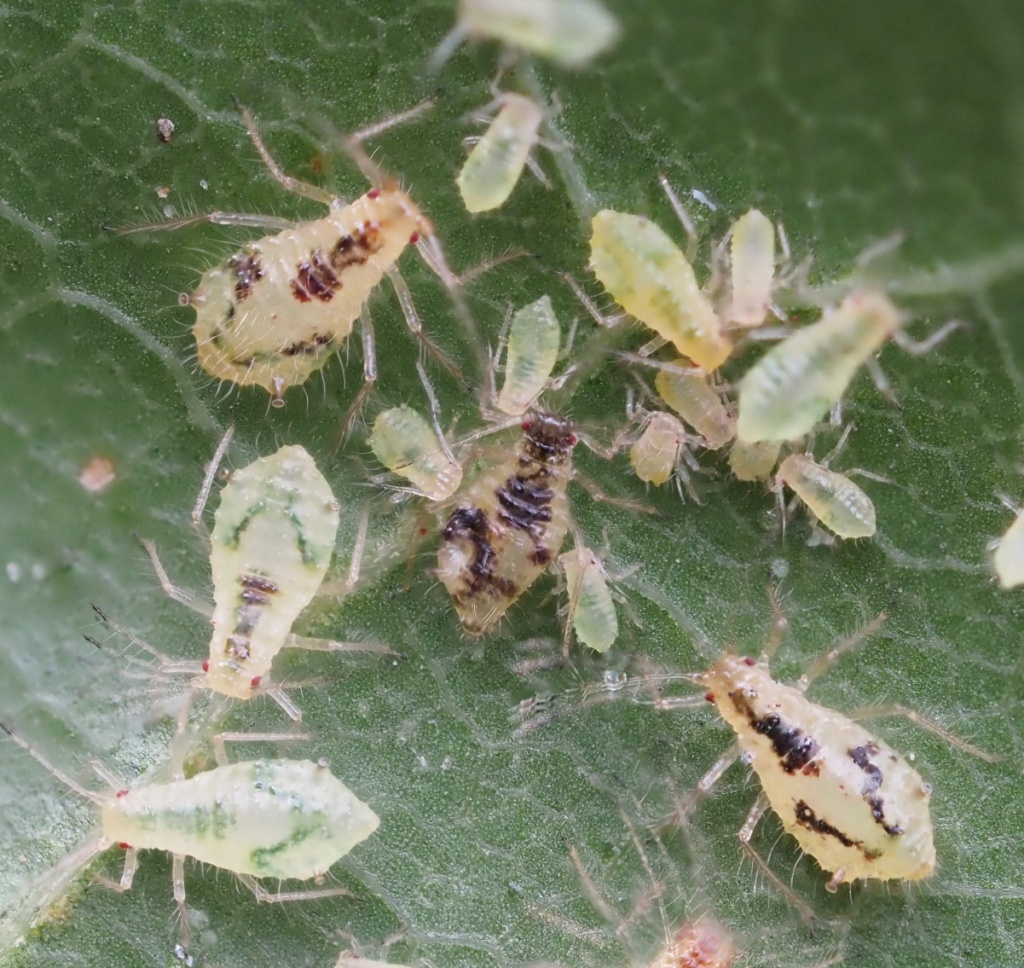
Norway Maple Periphyllus Aphid
The Norway Maple Periphyllus Aphid (Periphyllus lyropictus) can be found in large colonies on the underside of Norway Maple leaves. The apterae are usually yellowish or yellowish-green with brown dorsal markings and have long hairs on th body.
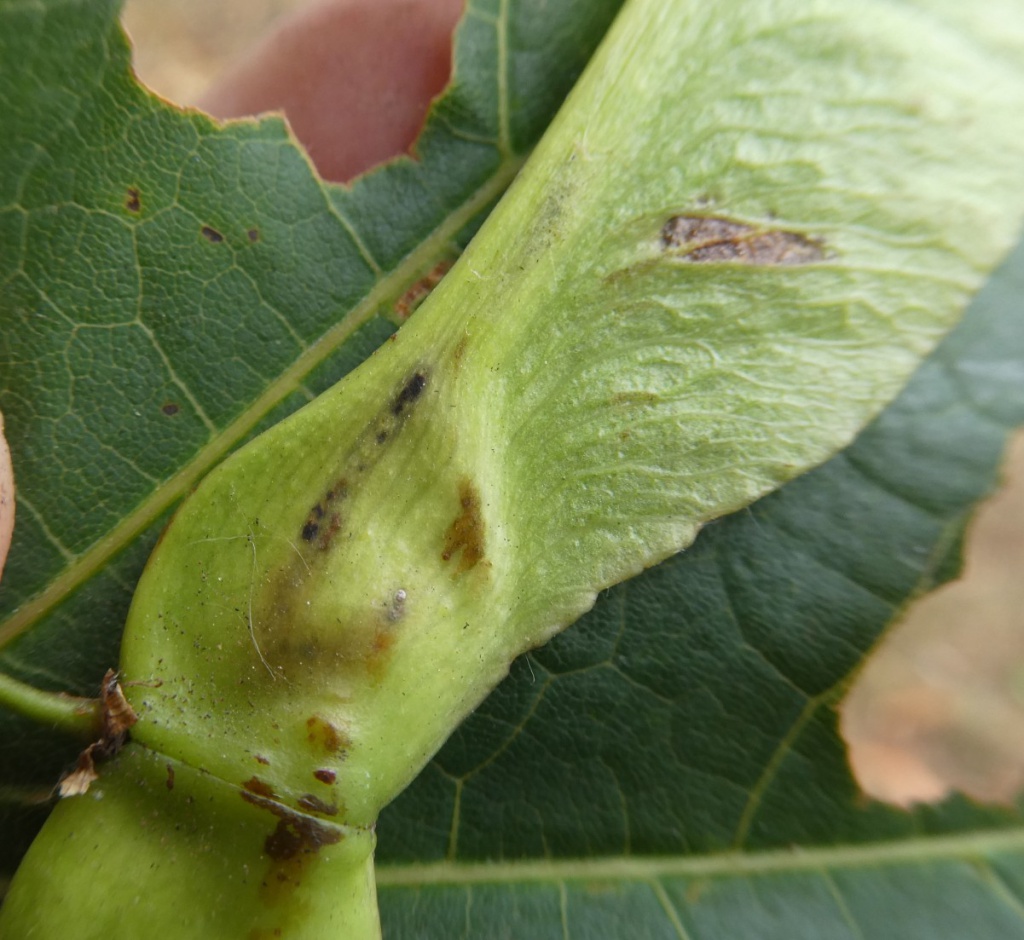
Etainia sericopeza
The larva of the moth Etainia sericopeza mines the seeds (samaras or 'keys') of Norway Maple, forming a short gallery starting in the wing and mining into the seed itself.
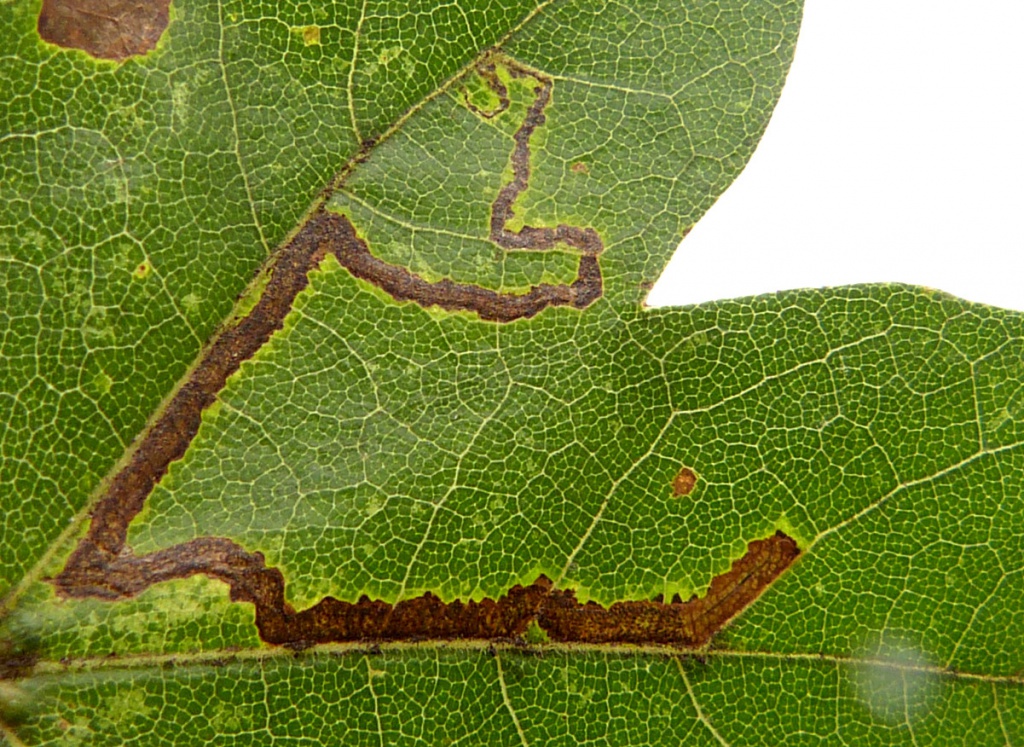
Stigmella aceris
The larva of the moth Stigmella aceris mines the leaves of Field Maple and Norway Maple making a gallery mine almost filled with coiled greenish frass; later on the frass darkens.
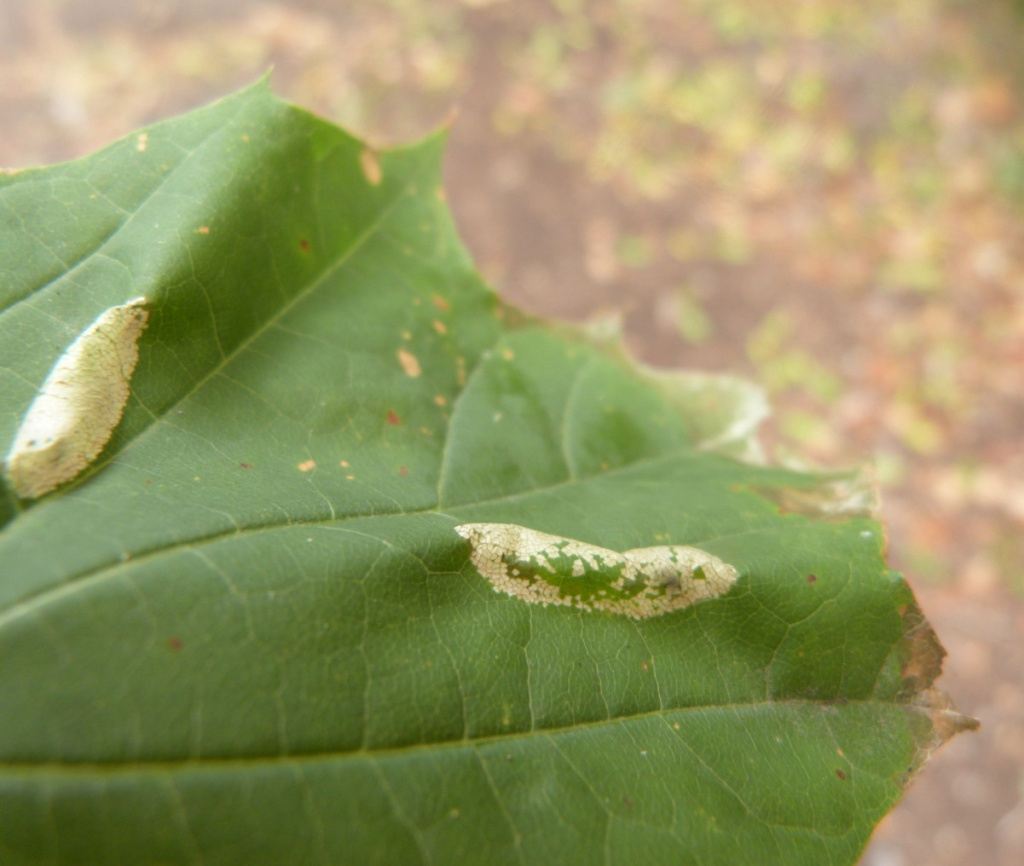
Phyllonorycter joannisi
The larva of the moth Phyllonorycter joannisi mine the leaves of Norway Maple creating a large tentiform mine. Sometime there are more than one mine per leaf. The lower epidermis appears smooth or with several small creases.
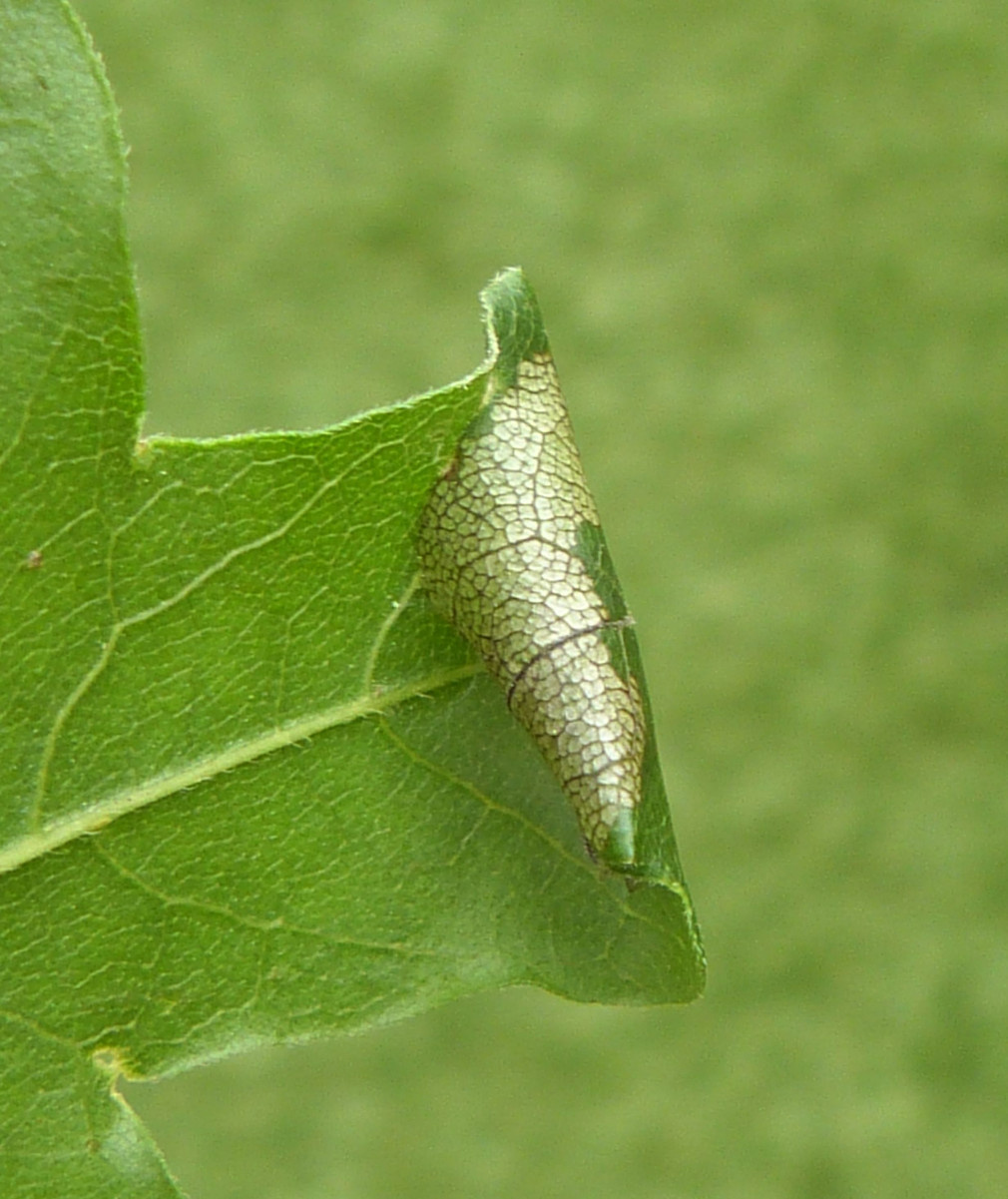
Caloptilia semifascia
Caloptilia semifascia is a small moth with a wingspan of 10 to 12 mm. The angled light streak starting at the leading edge of the forewing is characteristic, but it can be obscured on darker specimens. The larva mines the leaves of Sycamore, Field Maple and Norway Maple. The early mine is a gallery leading to a squarish blotch. It later forms up to three successive tubes or cones by folding the tips of leaves downwards . The moth must be bred to identify to species.
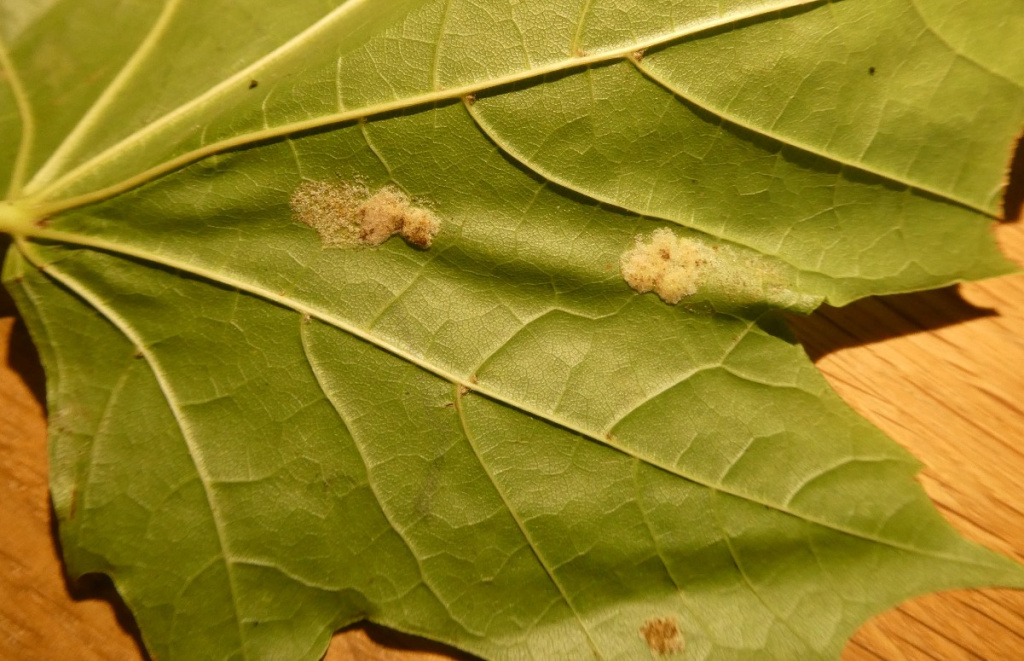
Aceria platanoidea agg.
Aceria platanoidea agg. mites cause an erineum to form on Norway Maple, usually on the leaf underside. The mites live amongst the hairs of the erineum, which is pale to begin with and brown later; the individual hairs (use a hand lens) are mushroom shaped. There is a corresponding blotch on the upper leaf-surface.