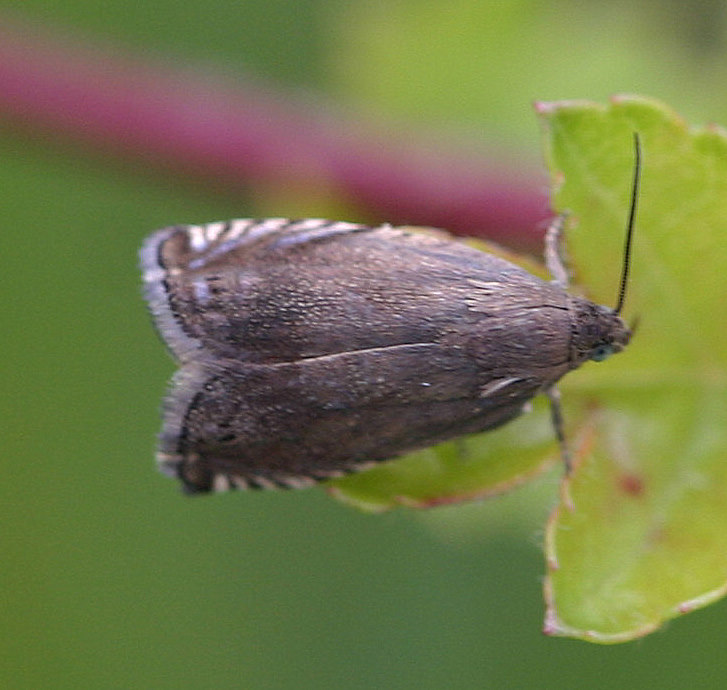
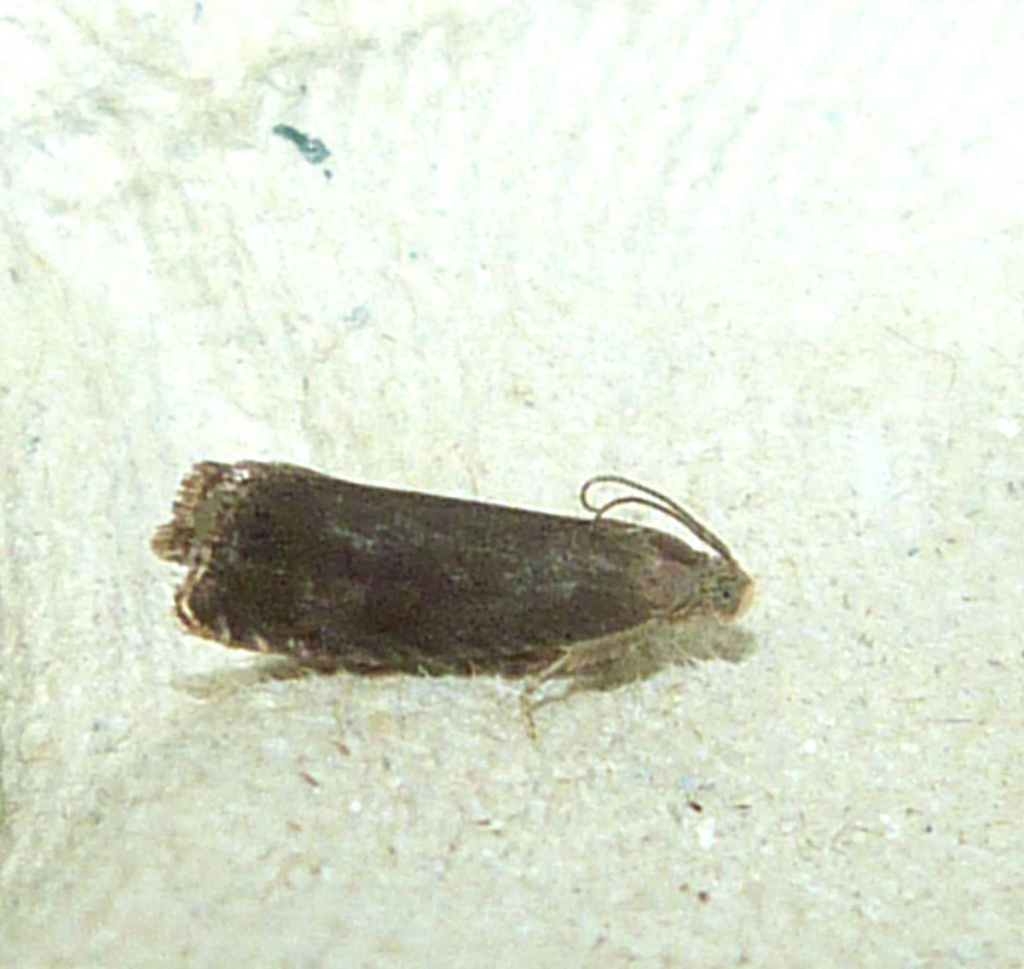
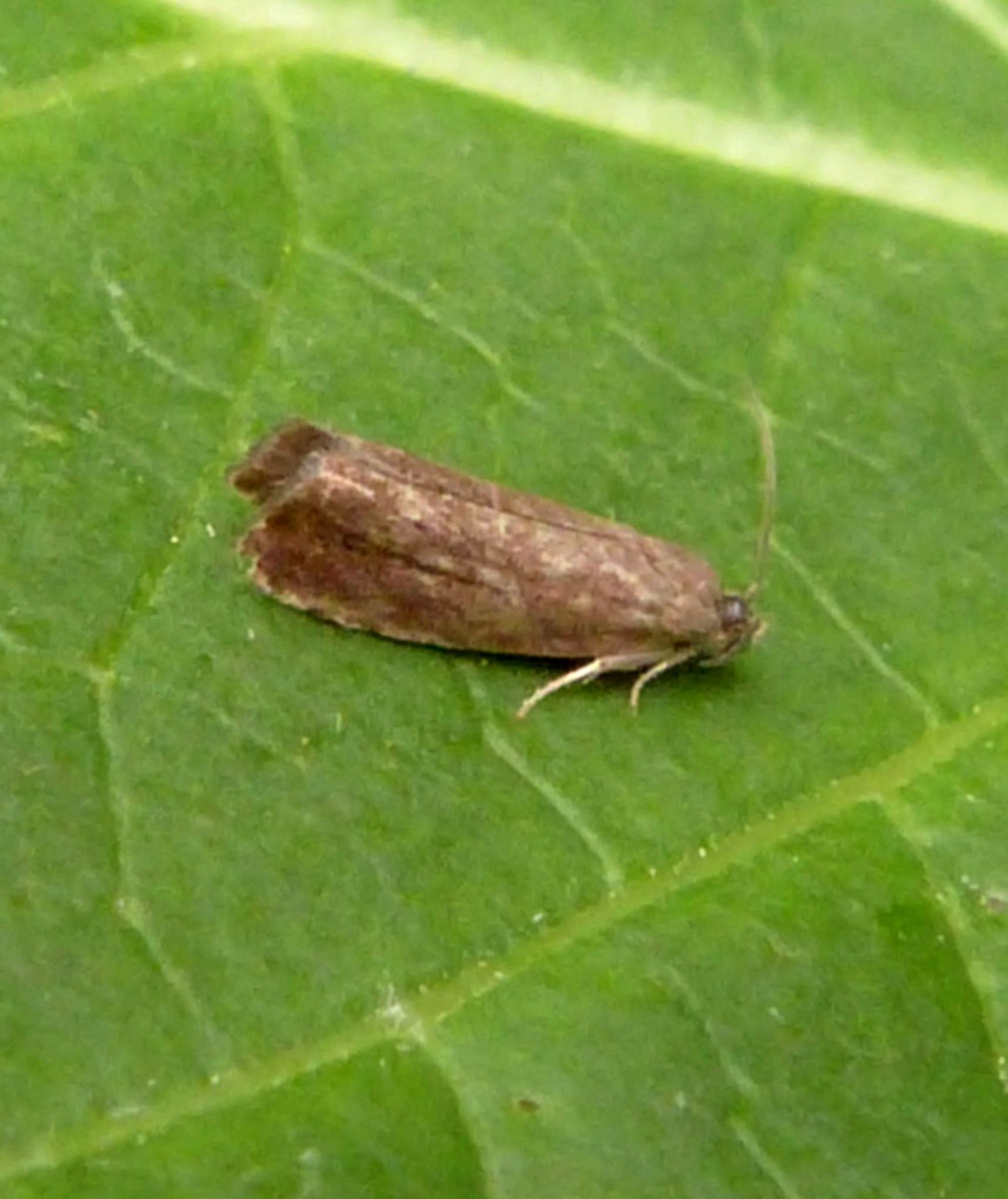
Grapholita tenebrosana
Rose Piercer
Deep-brown Piercer
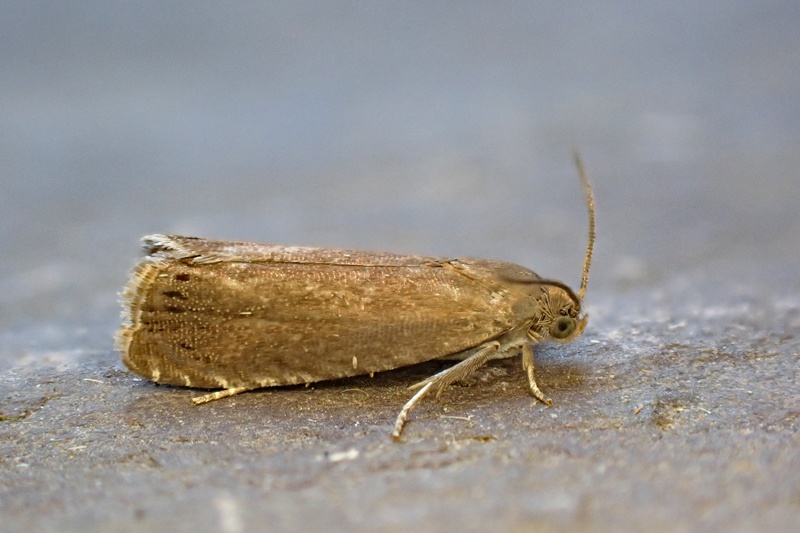
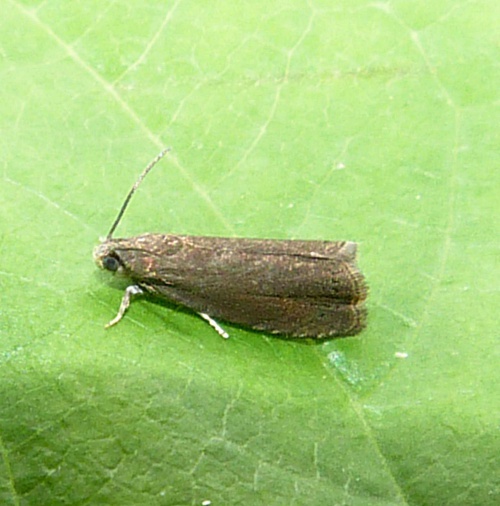
Wingspan 12 - 14 mm. This is a small purple brown species, it sometimes shows a reddish tinge.
It can easily be confused with Grapholita funebrana . They can be separated by the colour of the palps; dull greyish brown in G. funebrana, greyish white on G. tenebrosana. The genitalia of the males are distinct.

Well vegetated areas containing Dog Rose
The moths fly at night and in sunshine in June and July, usually high over Rose bushes. Records are more easily made by search for larvae in Rose hips
The larvae feed in August and September on the hips of Dog Rose and other species of Rose and occasionally the fruits of Rowan
This species is widespread in Britain but is not frequently recorded. This may because it does not come readily to light. In the Butterfly Conservation’s Microlepidoptera Report 2011 this species was classified as local.
Rare in Leicestershire and Rutland. The Sapcote specimen of 18th June 2014 was the first confirmed record for VC55. L&R Moth Group status = D (rare or rarely recorded - genitalia examination is needed for secure identification)
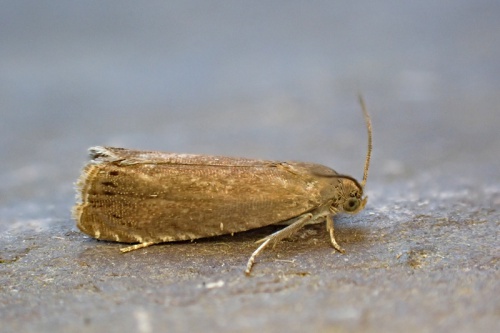 Mark Skevington
Whetstone Garden
12 July 2021
Gen Det Confirmed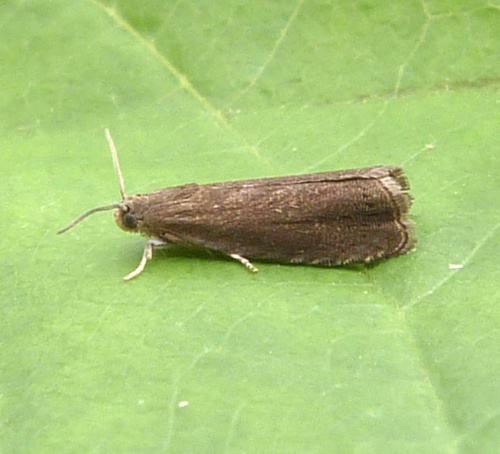 Graham Calow
Sapcote, Harecroft Crescent
22 May 2022
to NIG lure Confirmed by gen det

Leicestershire & Rutland Map
Enter a town or village to see local records
MAP KEY:
Yellow squares = NBN records (all known data)
Coloured circles = NatureSpot records: 2025+ | 2020-2024 | pre-2020
UK Map
Species profile
- Common names
- Deep-brown Piercer, Rose Piercer
- Species group:
- insect - moth
- Kingdom:
- Animalia
- Order:
- Lepidoptera
- Family:
- Tortricidae
- Records on NatureSpot:
- 5
- First record:
- 01/06/2007 (Nicholls, David)
- Last record:
- 22/05/2022 (Calow, Graham)
Total records by month
% of records within its species group
10km squares with records
The latest images and records displayed below include those awaiting verification checks so we cannot guarantee that every identification is correct. Once accepted, the record displays a green tick.
In the Latest Records section, click on the header to sort A-Z, and again to sort Z-A. Use the header boxes to filter the list.
Latest images
Latest records
 Graham Calow
Sapcote, Harecroft Crescent
22 May 2022
to NIG lure Confirmed by gen det David Nicholls
Asfordby Hill
01 June 2007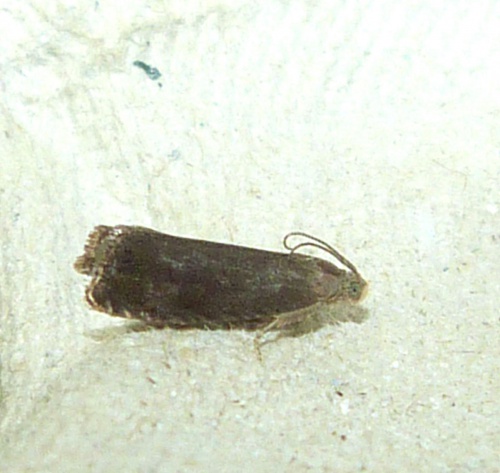 Graham Calow
Sapcote, Harecroft Crescent
01 July 2021
confirmed by gen det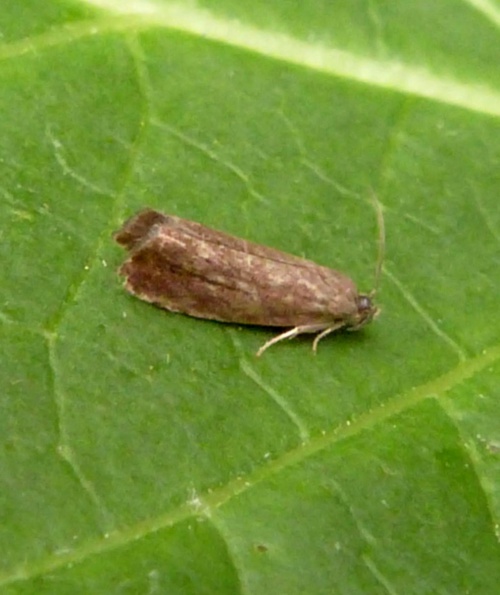 Graham Calow
Sapcote garden1
18 June 2014