Phyllonorycter esperella
Dark Hornbeam Midget
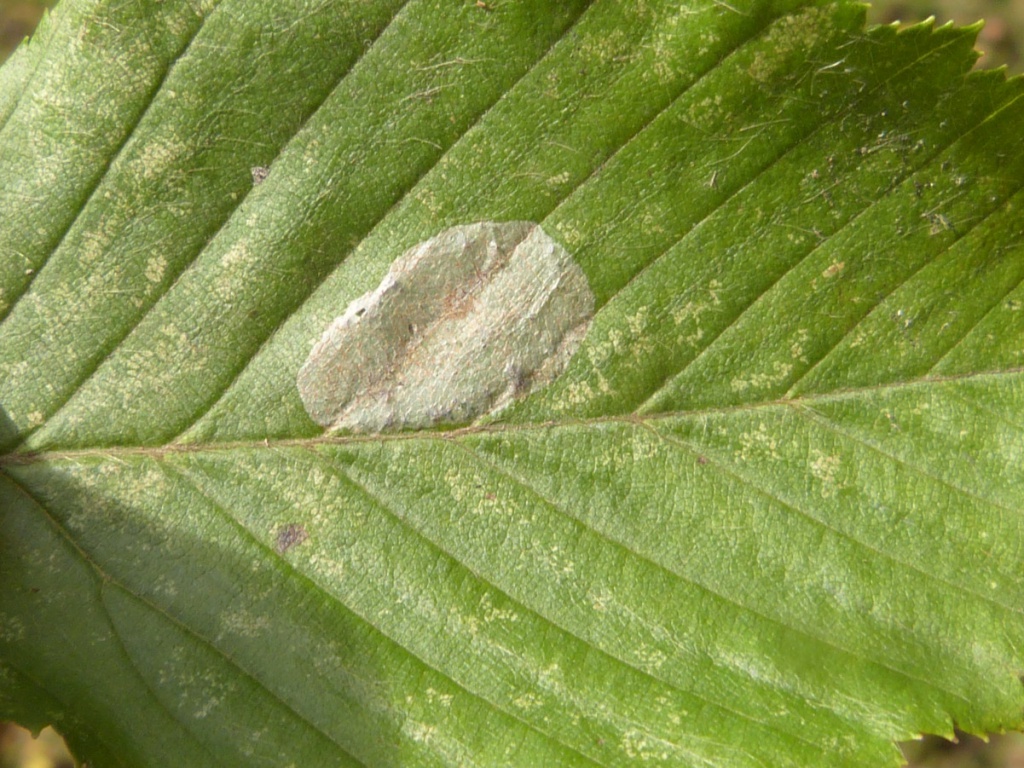
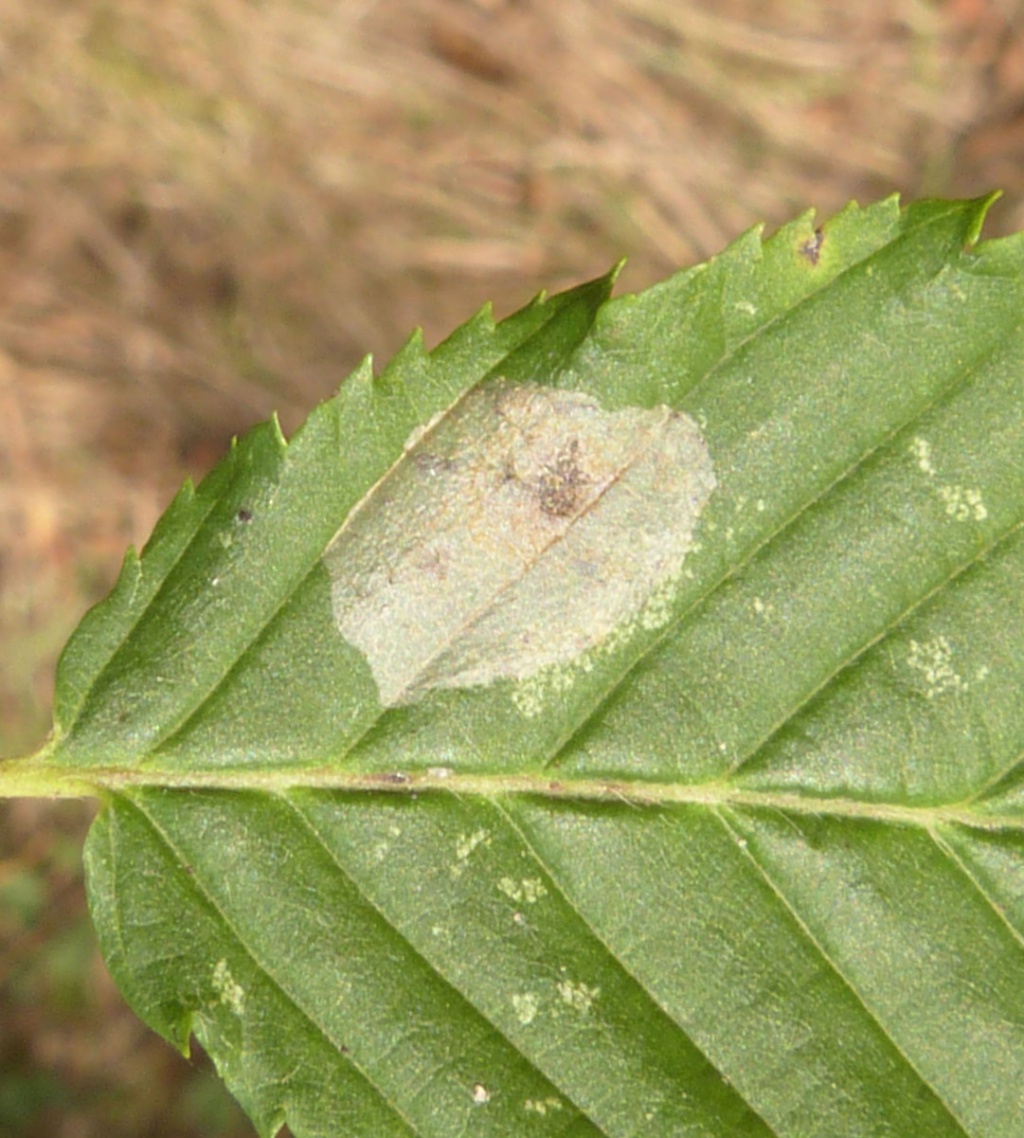
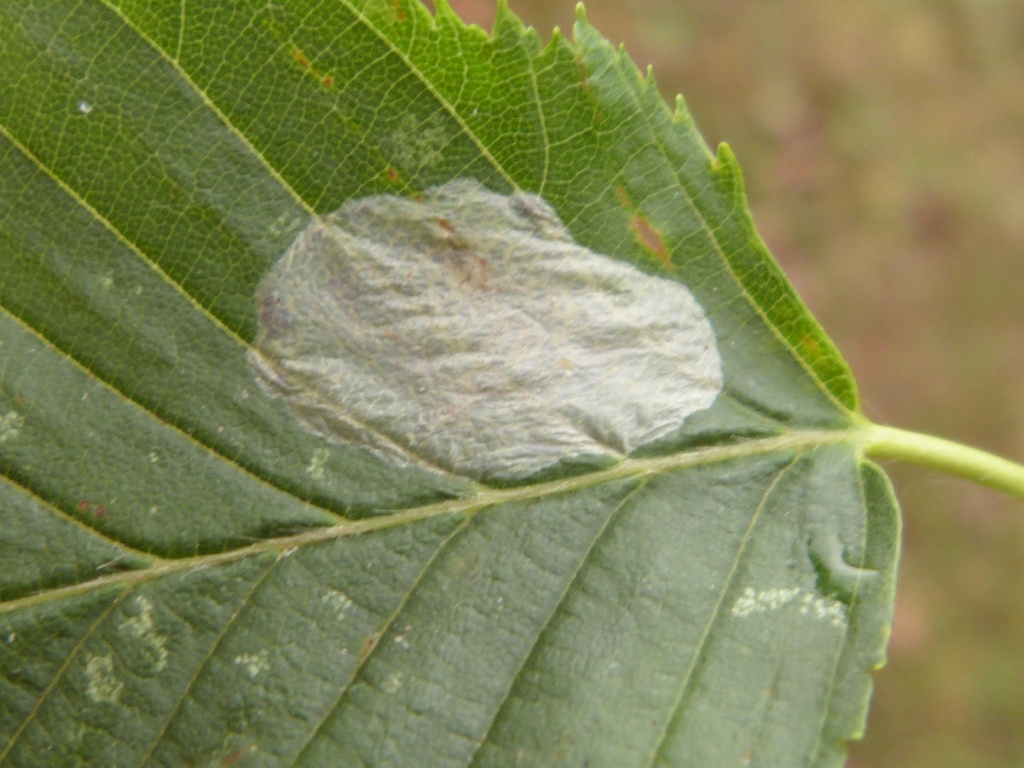
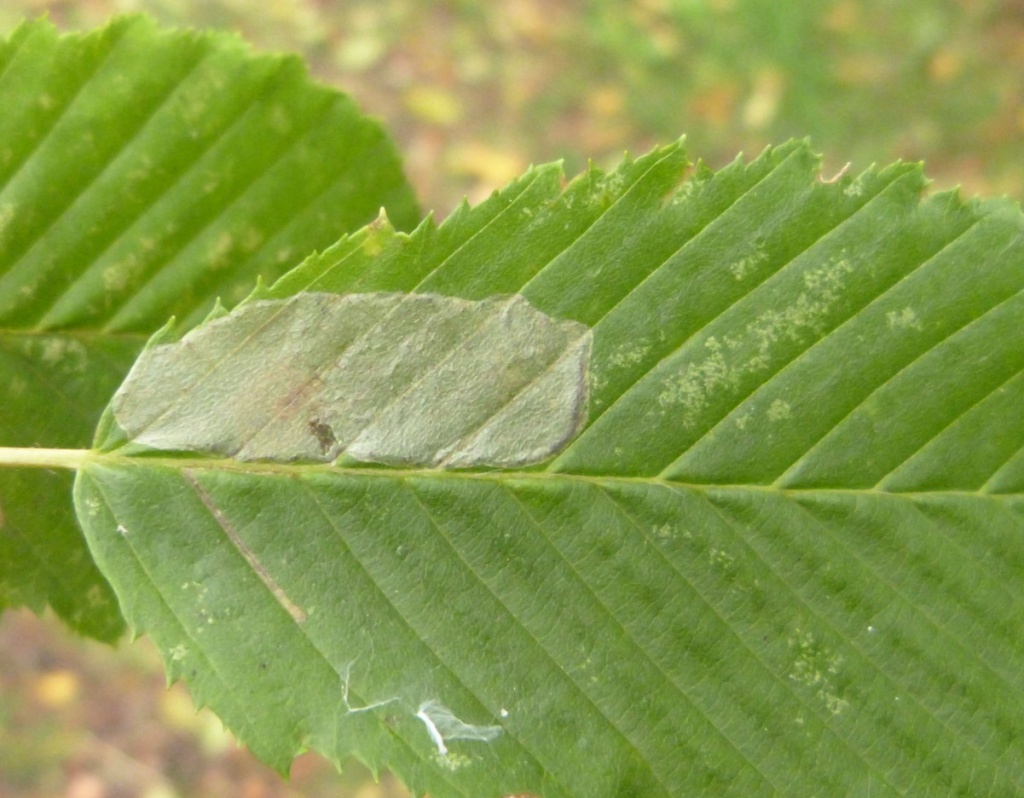
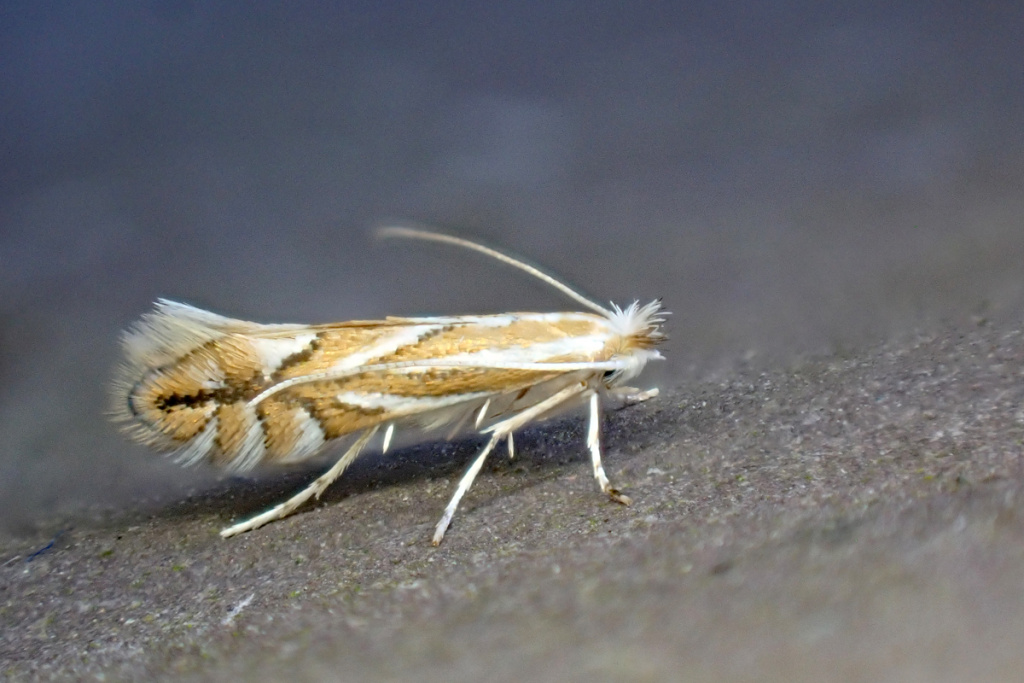
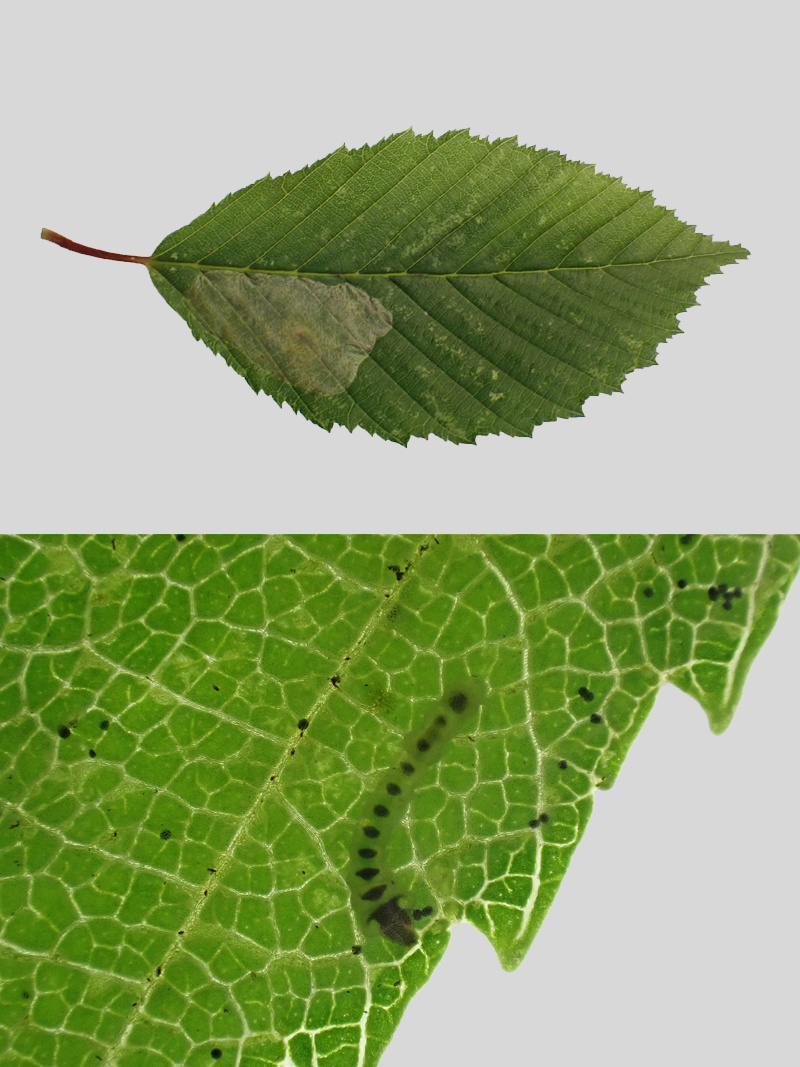
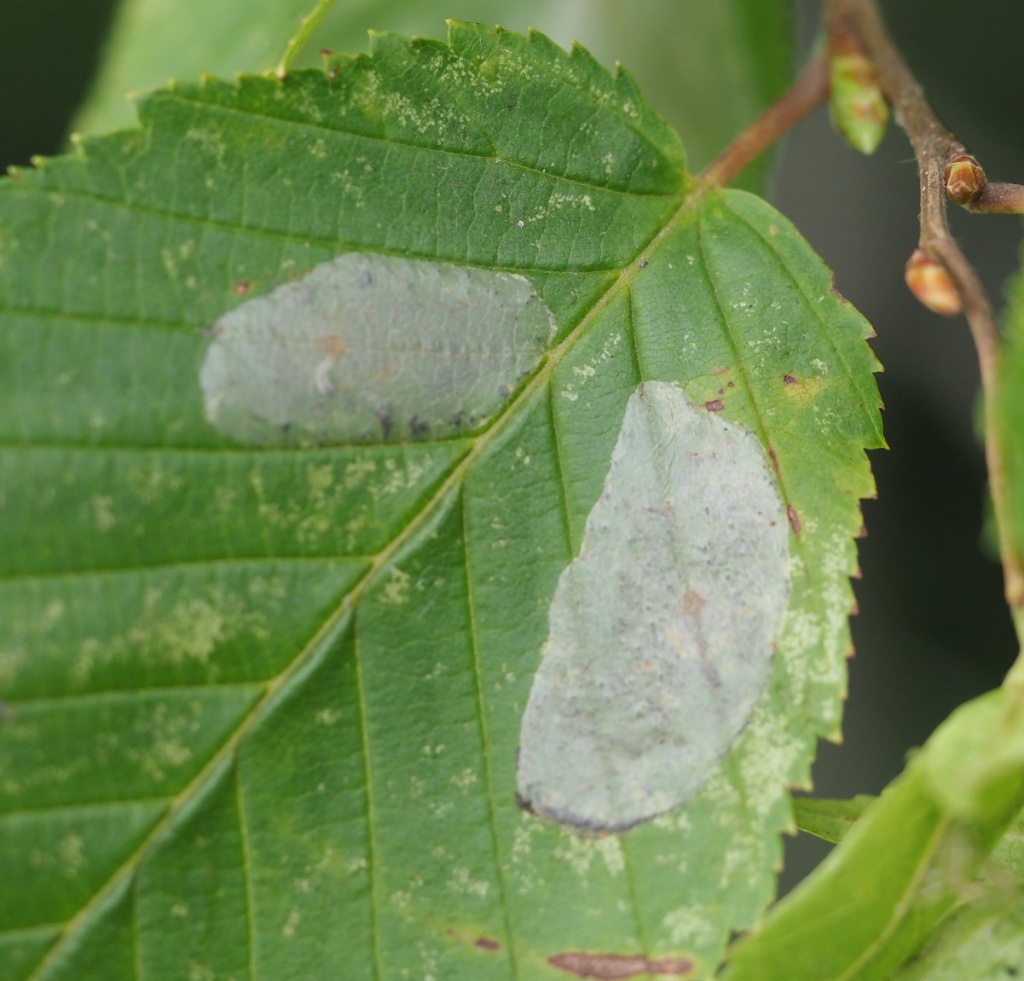
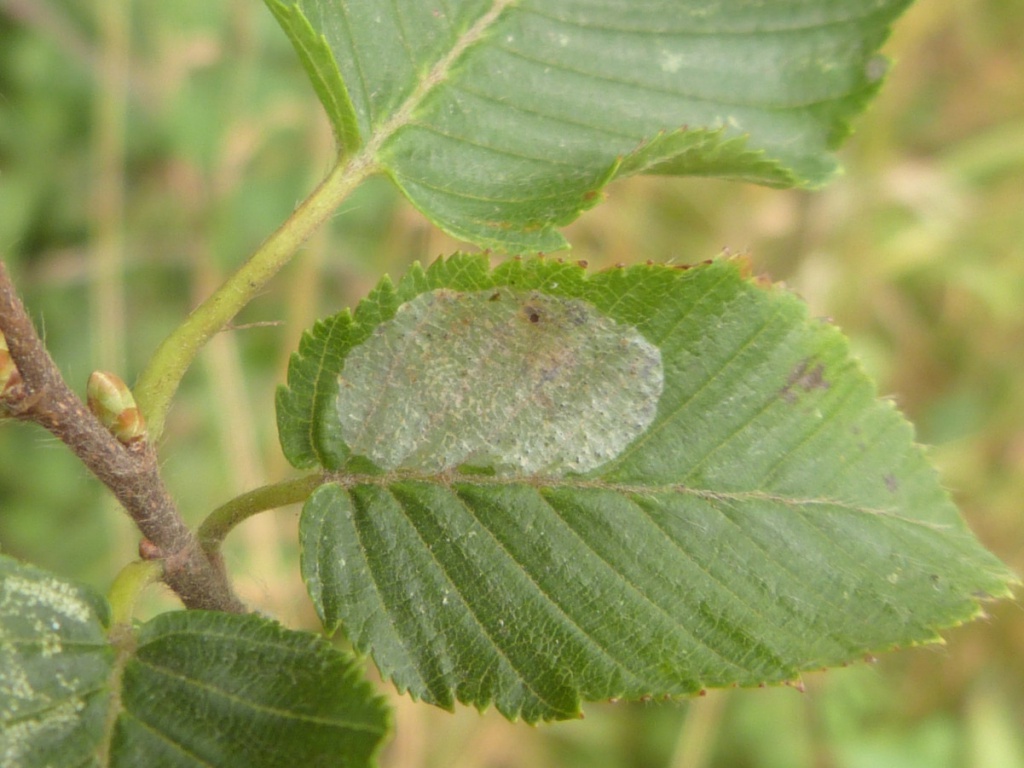
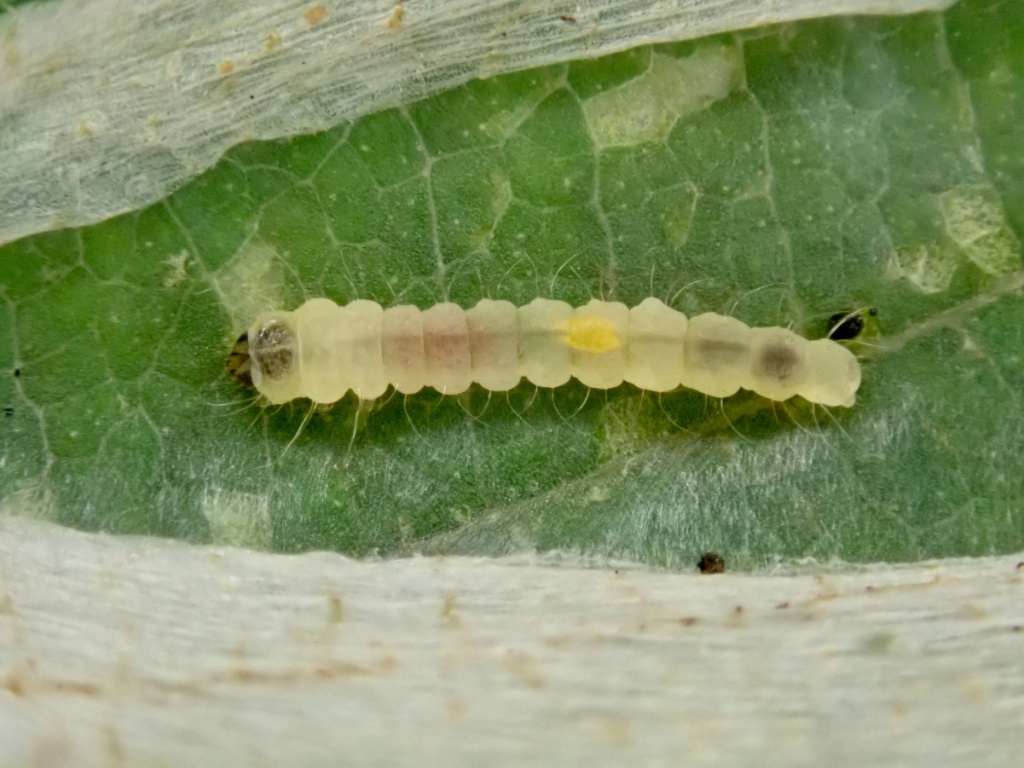
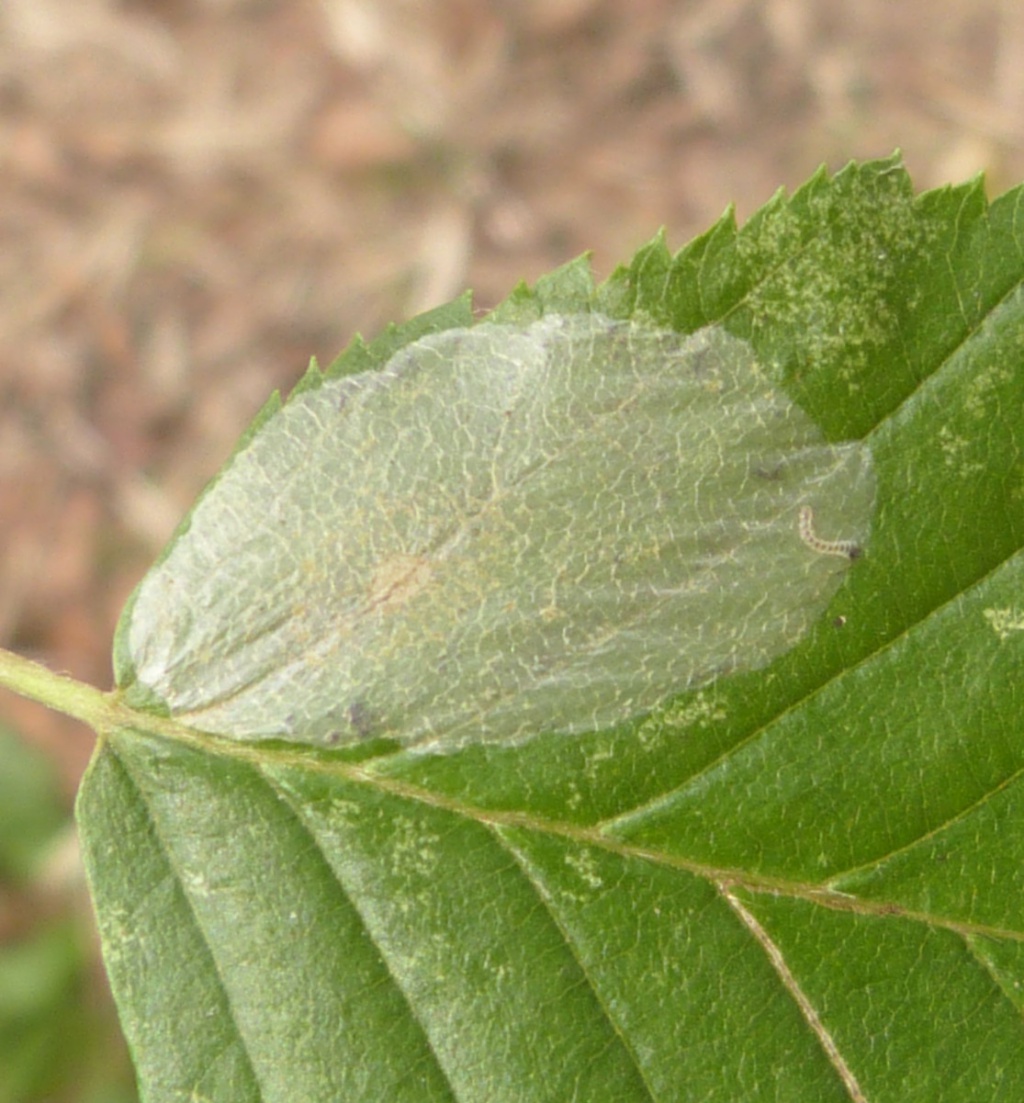
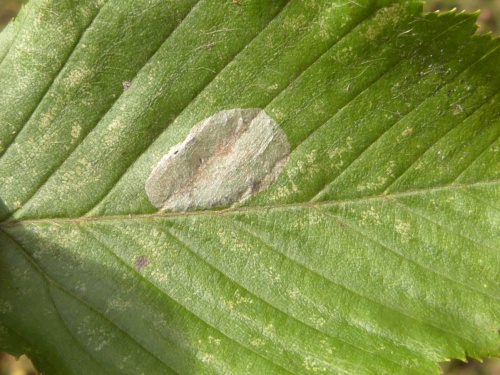
Wingspan 7 to 9 mm. The larval feeding causes a rounded mine on the upper surface of leaves of Hornbeam; the mine has a white papery surface. Mature mines may cause the leaf to contract.
Similar mines are formed on Hazel by P coryli
Adult  Leafmine
Photograph mine and note host species in comments
Areas where Hornbeam is present.
The adults emerge, like many other Phyllonorycters, in May and again in August as a second brood.
The larvae feed on Hornbeam (Carpinus betulus)
A local species, mainly found in the south and south-east of England northwards to the midlands. In the Butterfly Conservation's Microlepidoptera Report 2011 this species was classified as local.
Increasingly well recorded in Leicestershire and Rutland in recent years, particularly from the leafmines on Hornbeam.
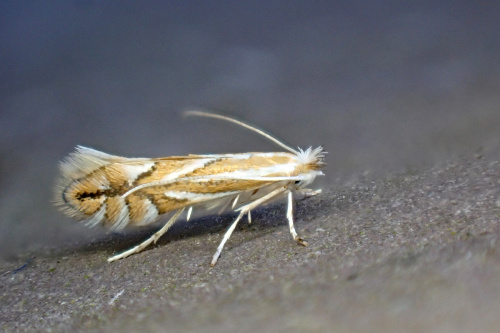 Mark Skevington
Burbage Common
14 September 2024
ex leafmine, emerged 31/03/2025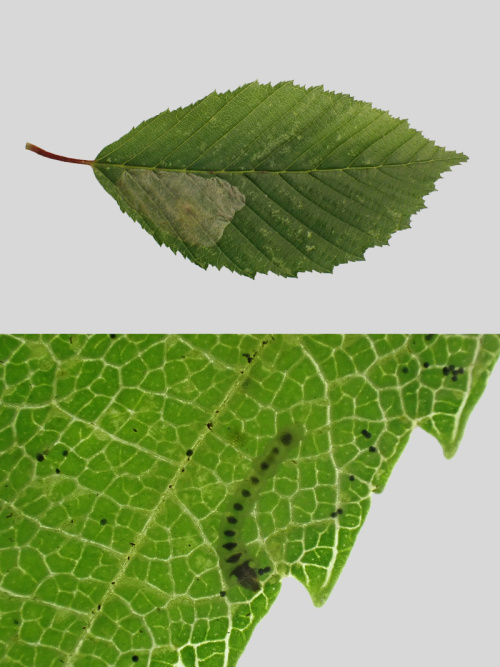 Mark Skevington
Burbage Common
14 September 2024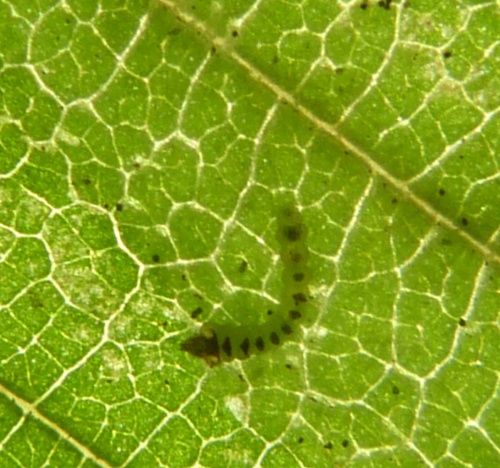 Graham Calow
Sapcote, Donkey Lane
13 September 2022
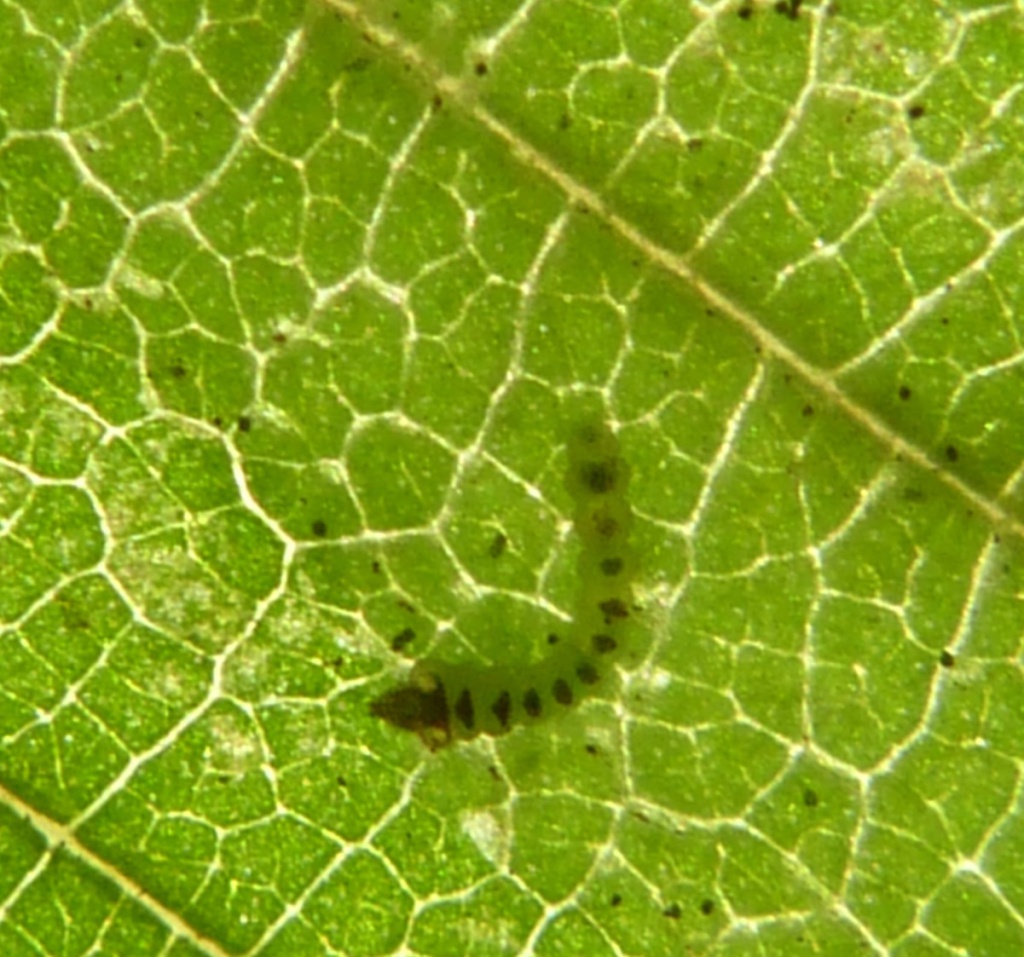
larva in the sap drinking stage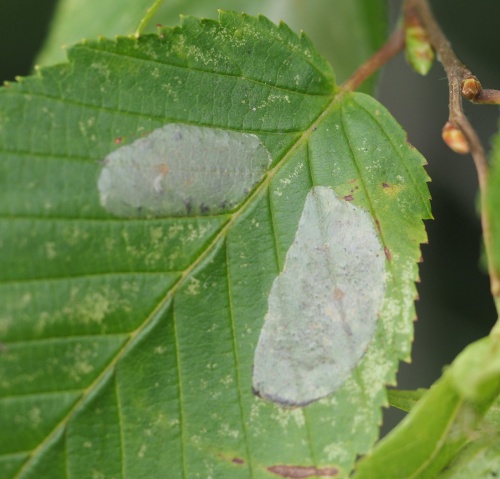 David Nicholls
Aylestone Meadows, Evesham Rd
15 September 2022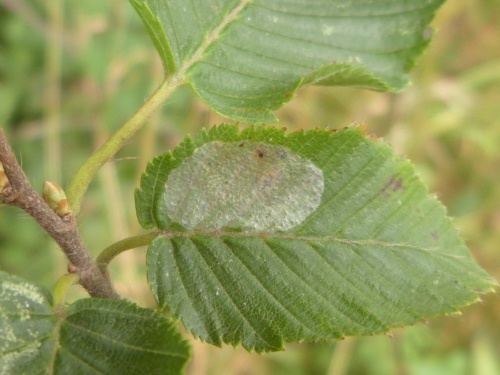 Graham Calow
Broughton Astley B581 Broughton Way
03 September 2021
leafmine on Hornbeam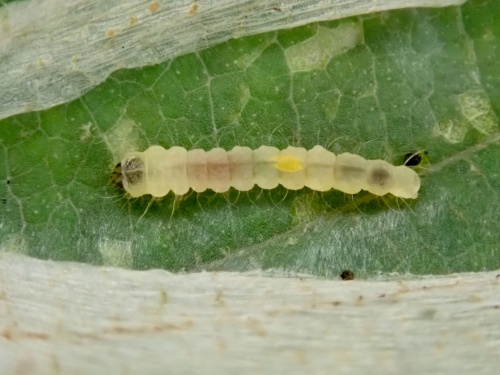 egaten
Beacon Hill
06 October 2022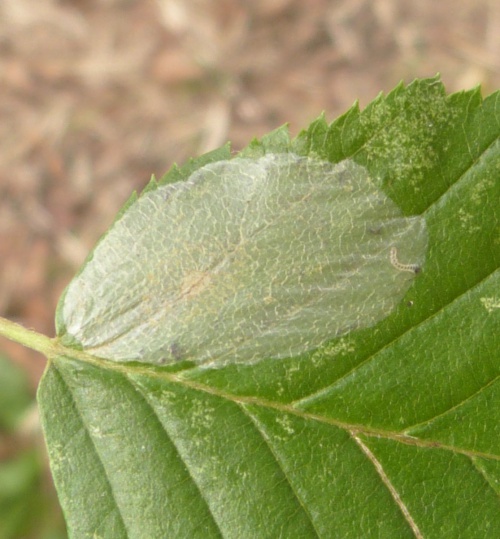 Graham Calow
Sapcote, Donkey Lane
13 September 2022
tenanted leafmine on Hornbeam
Leicestershire & Rutland Map
Enter a town or village to see local records
MAP KEY:
Yellow squares = NBN records (all known data)
Coloured circles = NatureSpot records: 2025+ | 2020-2024 | pre-2020
UK Map
Species profile
- Common names
- Dark Hornbeam Midget, Dark Hornbeam Leaf-miner
- Species group:
- insect - moth
- Kingdom:
- Animalia
- Order:
- Lepidoptera
- Family:
- Gracillariidae
- Records on NatureSpot:
- 64
- First record:
- 05/10/2017 (Calow, Graham)
- Last record:
- 15/10/2025 (Calow, Graham)
Total records by month
% of records within its species group
10km squares with records
The latest images and records displayed below include those awaiting verification checks so we cannot guarantee that every identification is correct. Once accepted, the record displays a green tick.
In the Latest Records section, click on the header to sort A-Z, and again to sort Z-A. Use the header boxes to filter the list.
Latest images
Latest records
 Graham Calow
Sharnford, Fosse Meadows
13 October 2020
leafmine on Hornbeam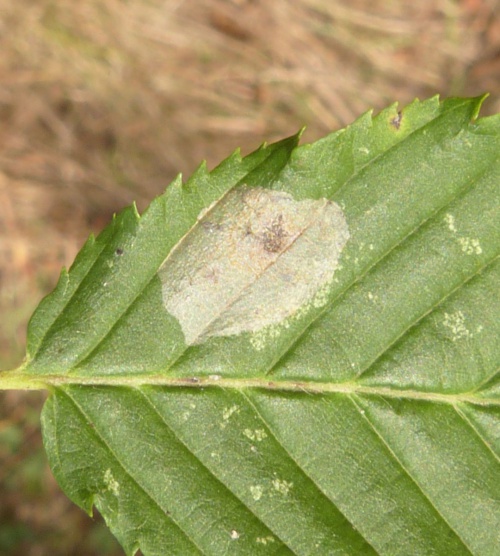 Graham Calow
Sapcote, Footpath near site of Calver Quarry
20 September 2021
leafmine on Hornbeam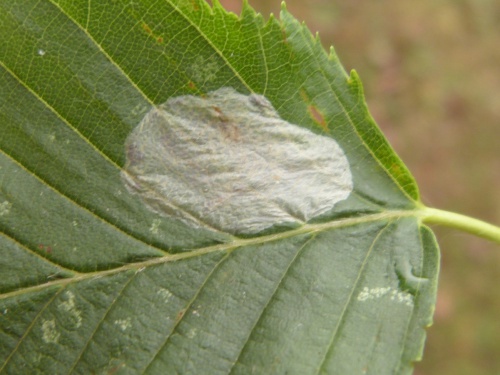 Craig Mabbett
Lutterworth Country Park
11 September 2021
leafmine on Hornbeam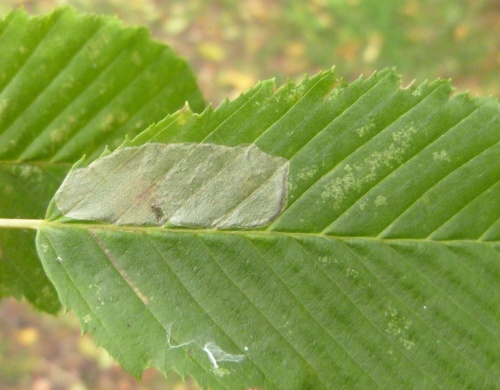 Graham Calow
Fosse Meadows, Sharnford
10 October 2017
leafmine on Hornbeam