

Potato - Solanum tuberosum
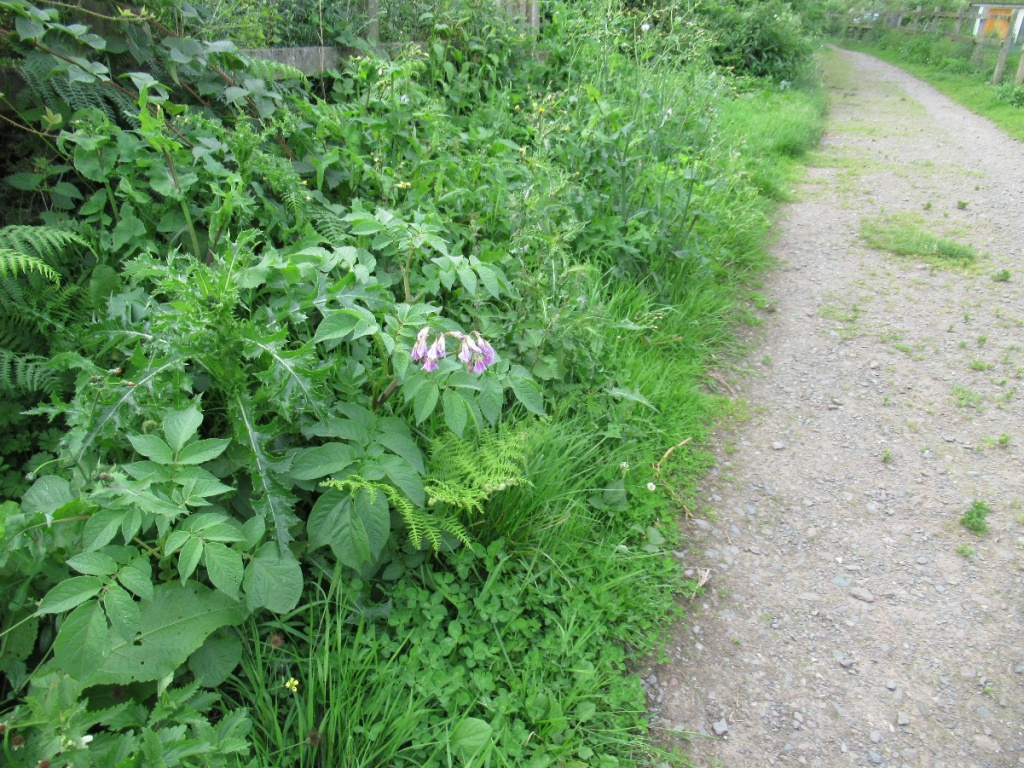
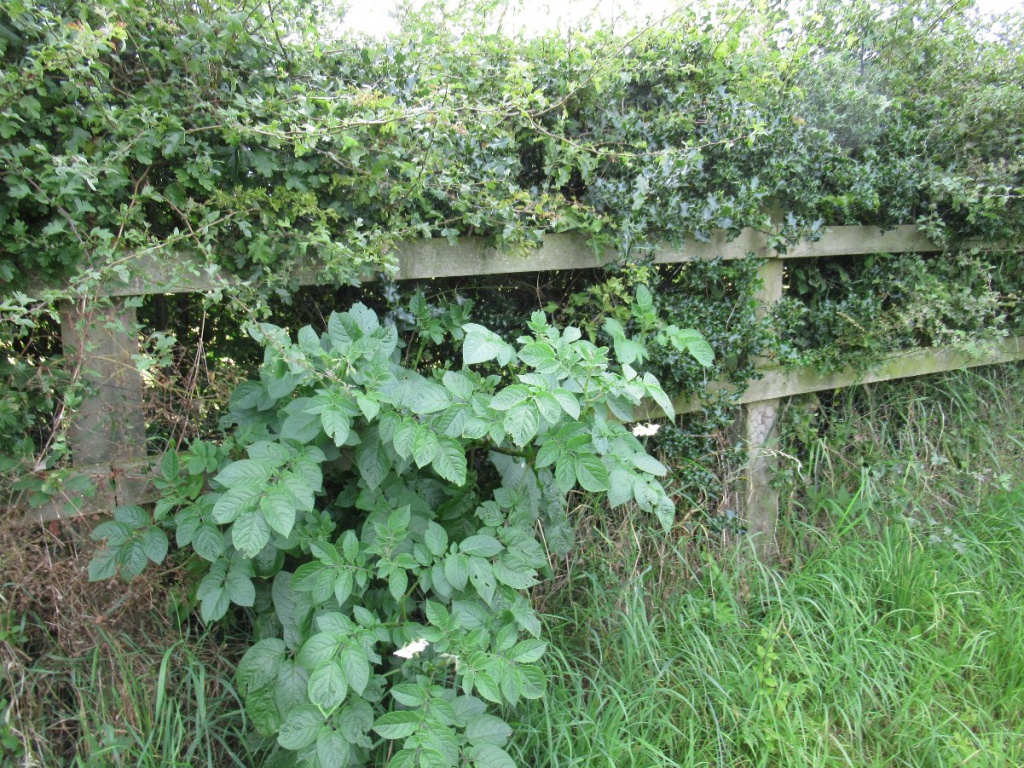
Familiar to us all as a cultivated food crop. The leaves are pinnately divided, very lightly hairy and are usually dark green. The flowers are various shades of white, pink or purple, have 5 petals with the stamens in a bright yellow cone in the middle of the flower. The tubers we eat are the swollen underground stems of the plant.

Usually found as an escape from cultivation and growing close to habitation or allotments, especially on disturbed ground or in rubbish dumps.
Normally flowering between May and August depending on the variety.
Annual.
Widespread in Britain as an escape from cultivation which persists, at least for a while, in the wild.
Occasional as an escape from cultivation in Leicestershire and Rutland. It was not recorded in the 1979 Flora survey of Leicestershire.
 Sally Cunningham
hill hole quarry
06 August 2017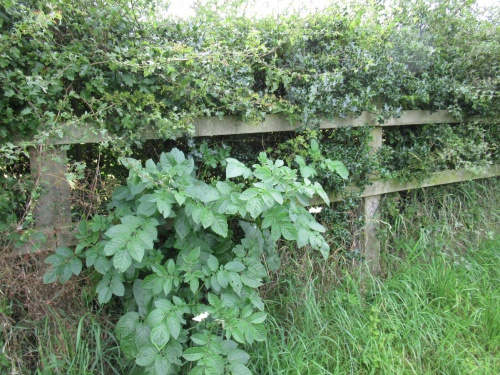 Sally Cunningham
hill hole quarry
06 August 2017
Leicestershire & Rutland Map
Enter a town or village to see local records
MAP KEY:
Yellow squares = NBN records (all known data)
Coloured circles = NatureSpot records: 2025+ | 2020-2024 | pre-2020
UK Map
Species profile
- Common names
- Potato
- Species group:
- flowering plant
- Kingdom:
- Plantae
- Order:
- Solanales
- Family:
- Solanaceae
- Records on NatureSpot:
- 3
- First record:
- 06/08/2017 (Cunningham, Sally)
- Last record:
- 30/07/2024 (axon, kaye)
Total records by month
% of records within its species group
10km squares with records
The latest images and records displayed below include those awaiting verification checks so we cannot guarantee that every identification is correct. Once accepted, the record displays a green tick.
In the Latest Records section, click on the header to sort A-Z, and again to sort Z-A. Use the header boxes to filter the list.
Latest images
Latest records
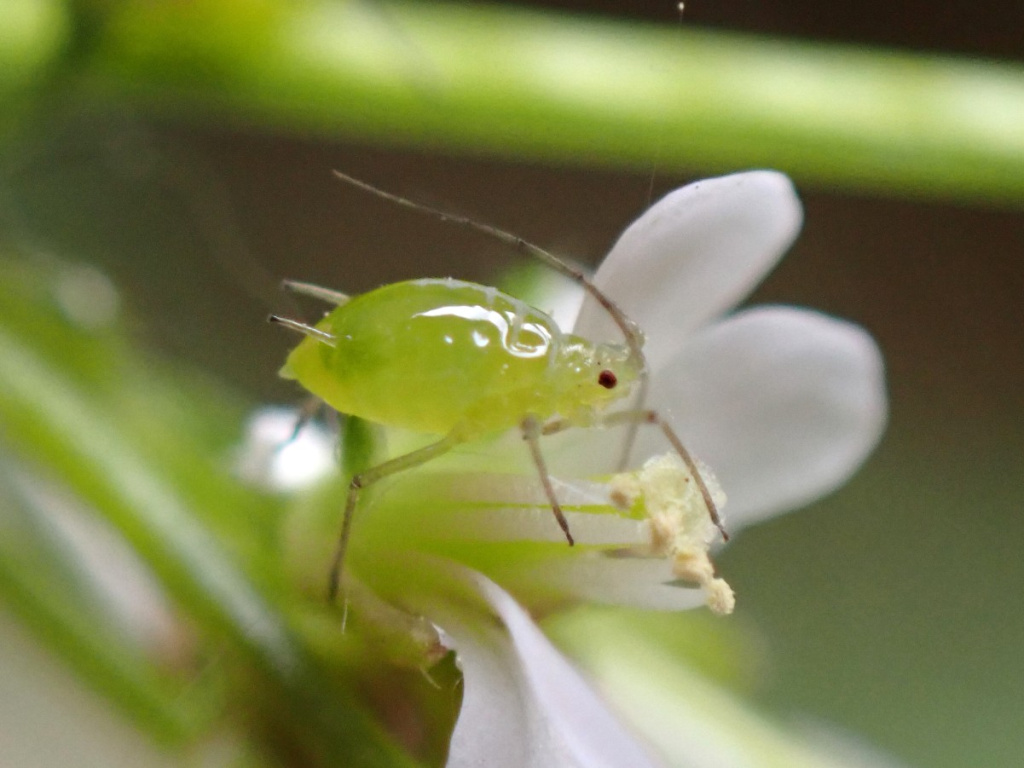
Aulacorthum solani
Aulacorthum solani feeds on a number of different plants, noteably Foxgloves and Potatoe plants. Adult apterae are green/yellowish with dark-tips to siphunculi.

Potato Aphid
The Potato Aphid (Macrosiphum euphorbiae) feeds on a wide variety of plants including Potato. The adult wingless form is large 1.7 to 3.6mm and an elongated pear shape. It ranges from light green, yellowish green to pinkish red. It often has a darker stripe down the centre of its back, especially in immature nymphs. This species has noticeably long legs and two long tubes (siphunculi) at the rear end. The tail (cauda) is also long and finger shaped. The winged form has a much less distinct central stripe. The antennae and siphunculi are darker than in the wingless forms.