Wood Mouse - Apodemus sylvaticus
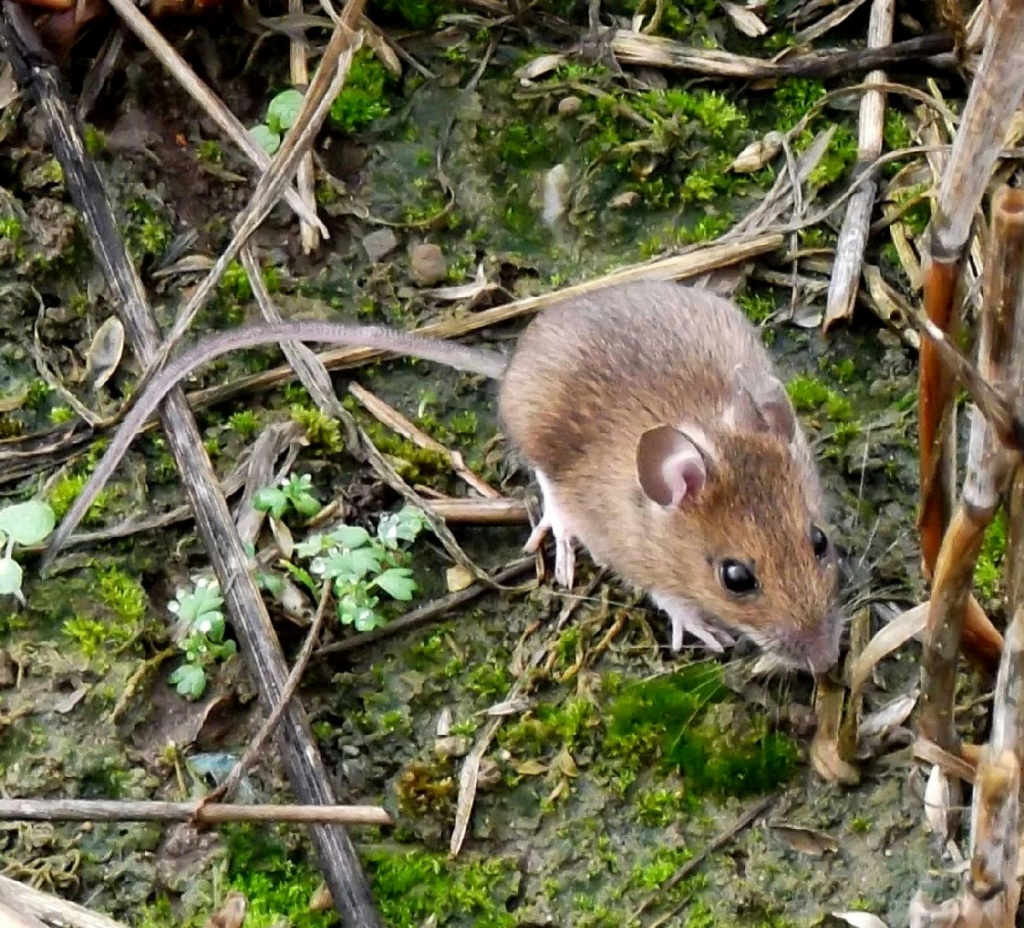
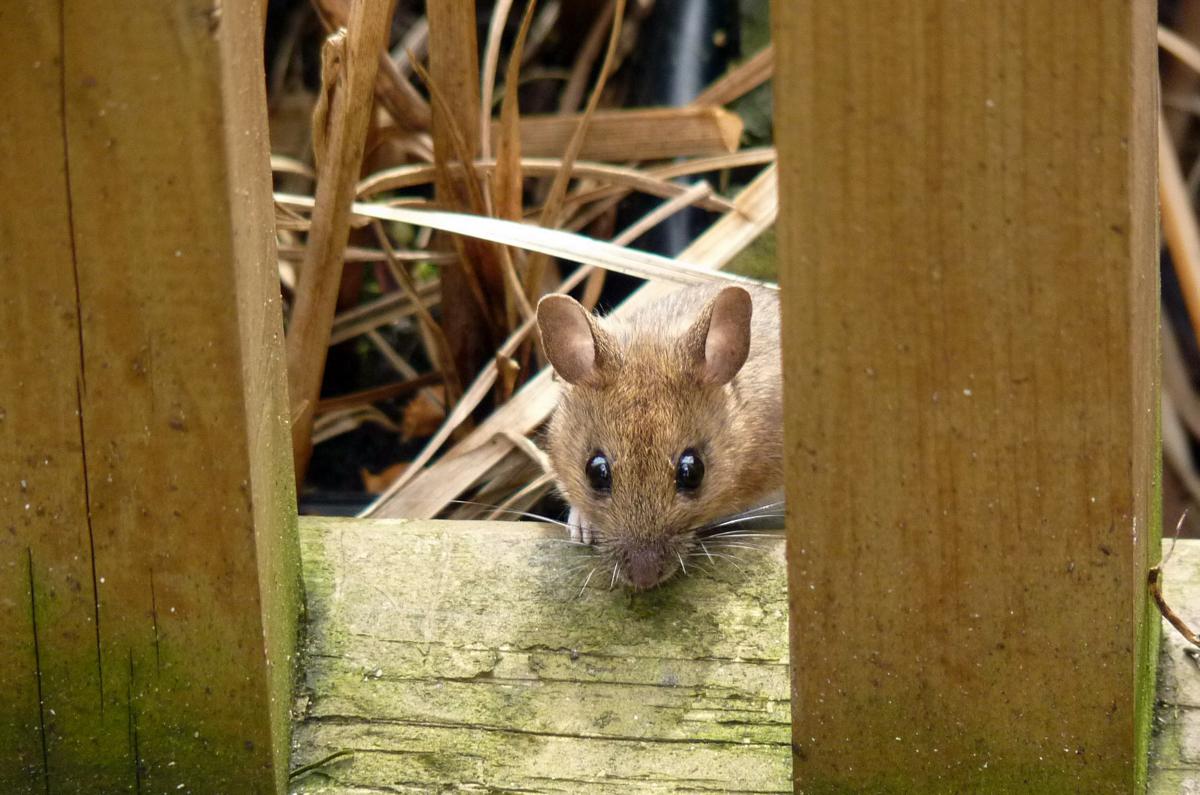
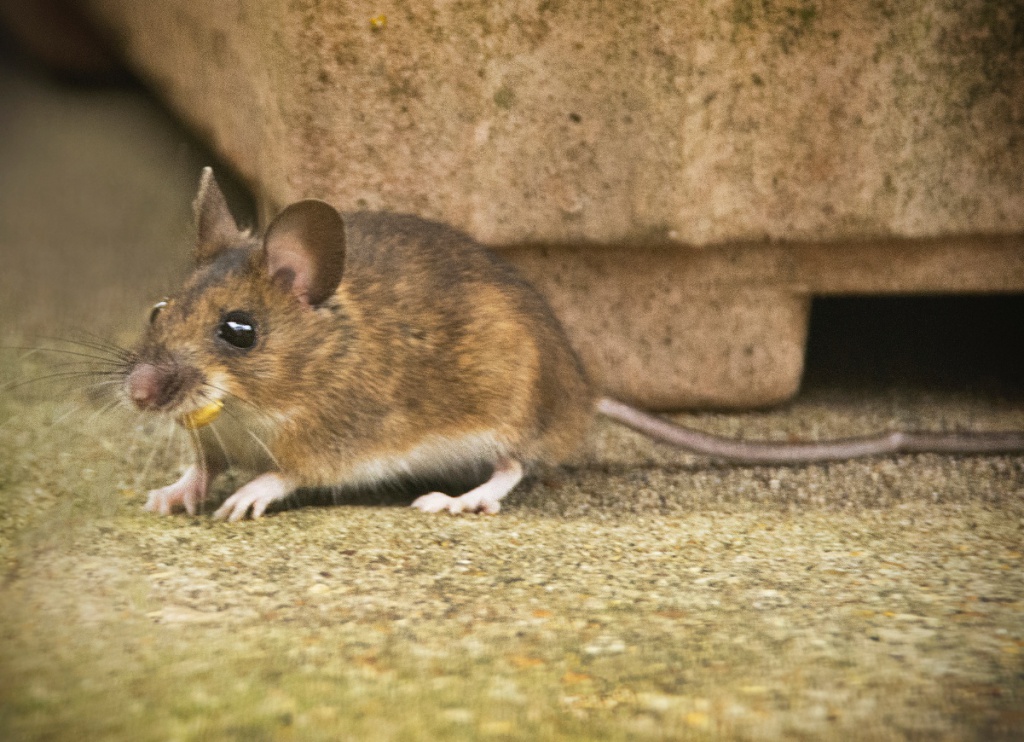
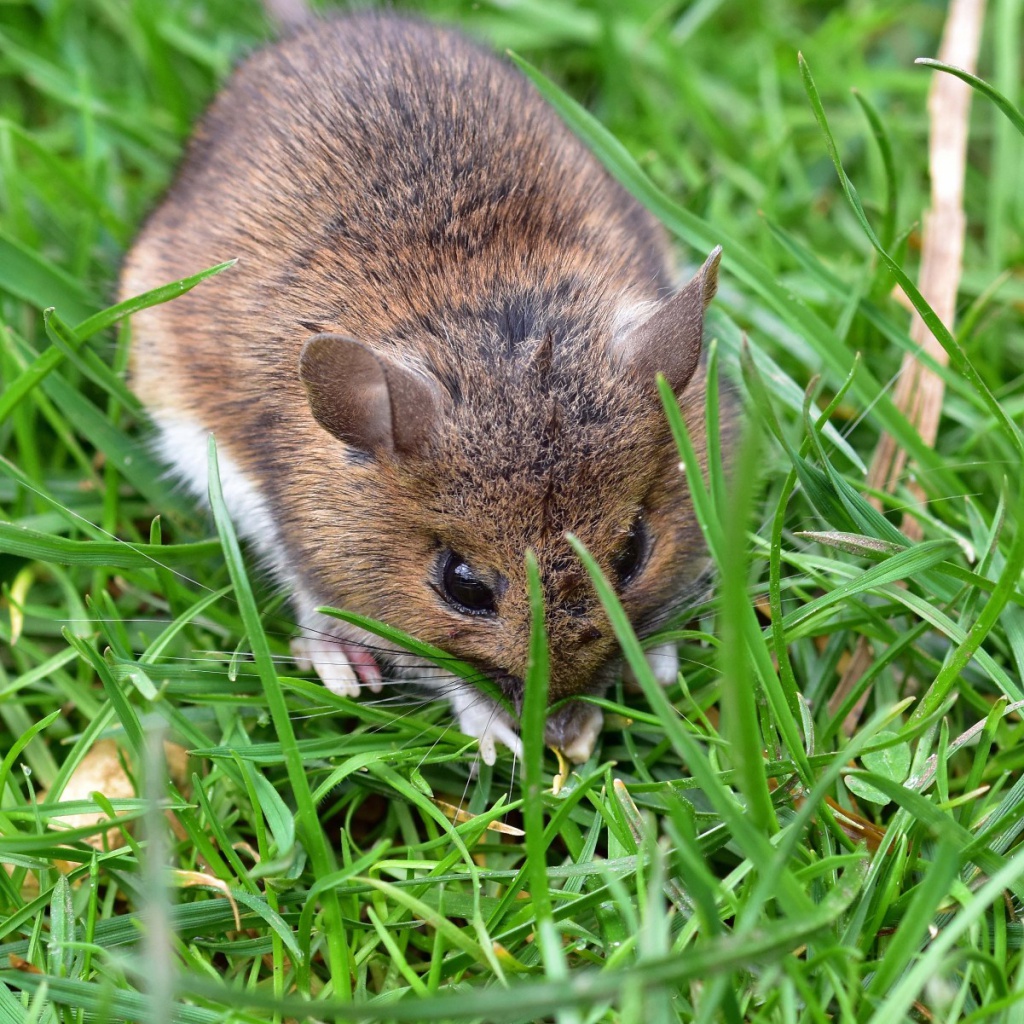
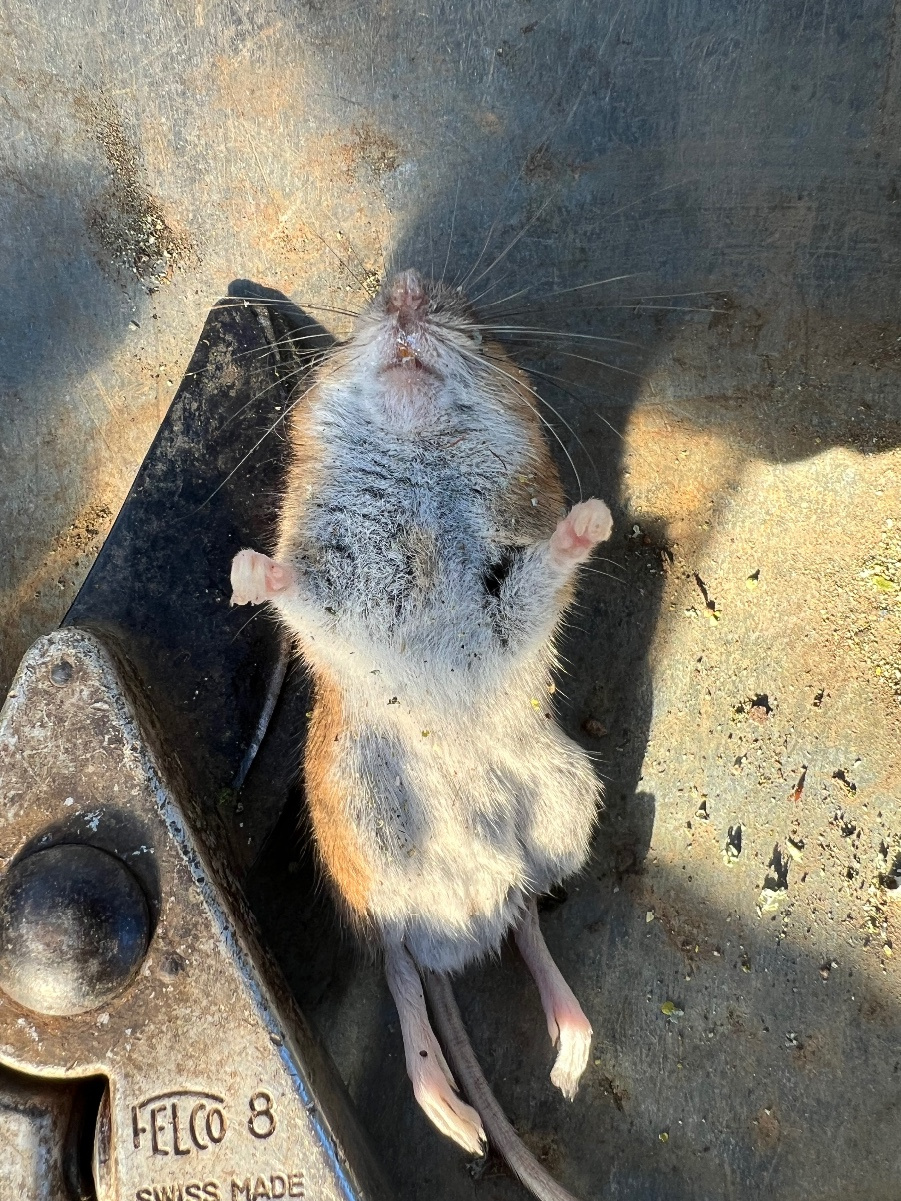
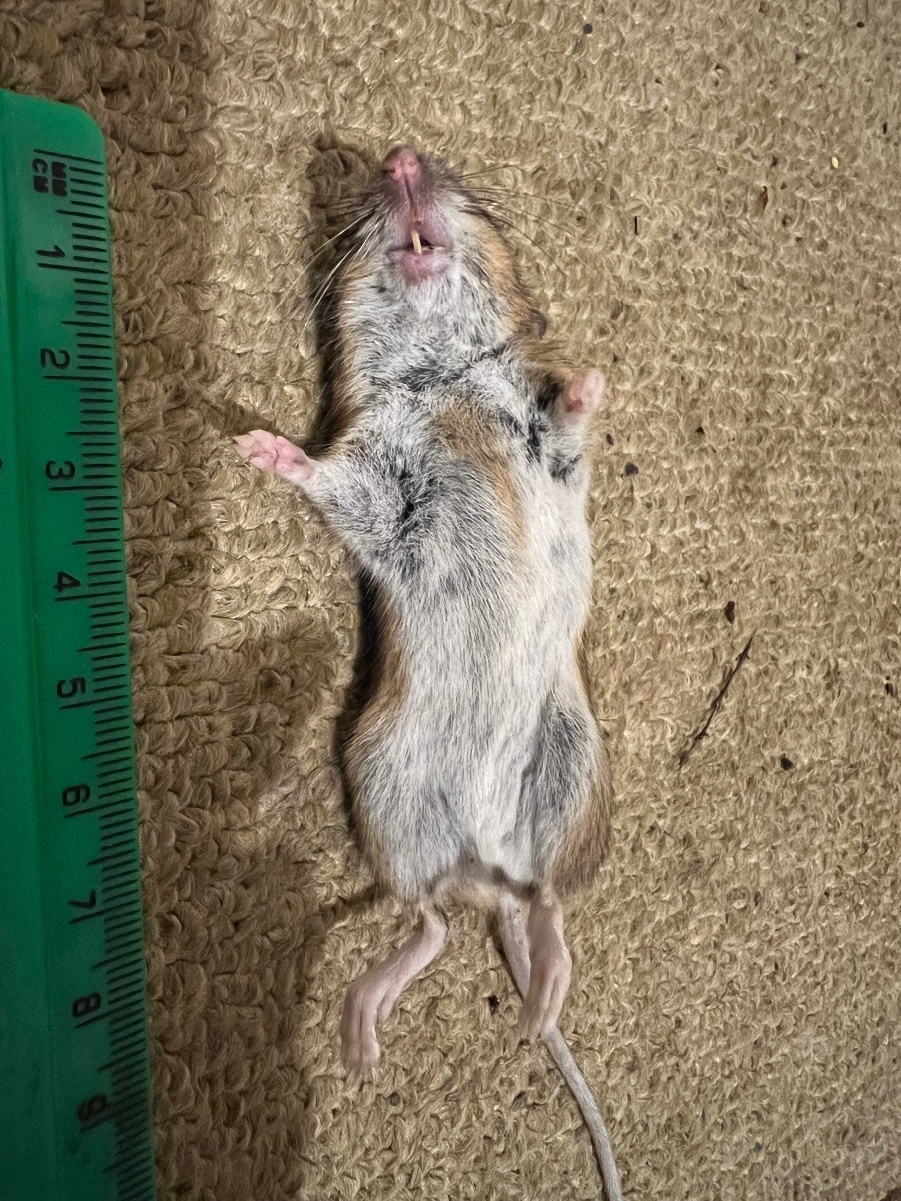
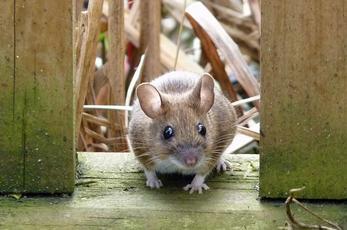
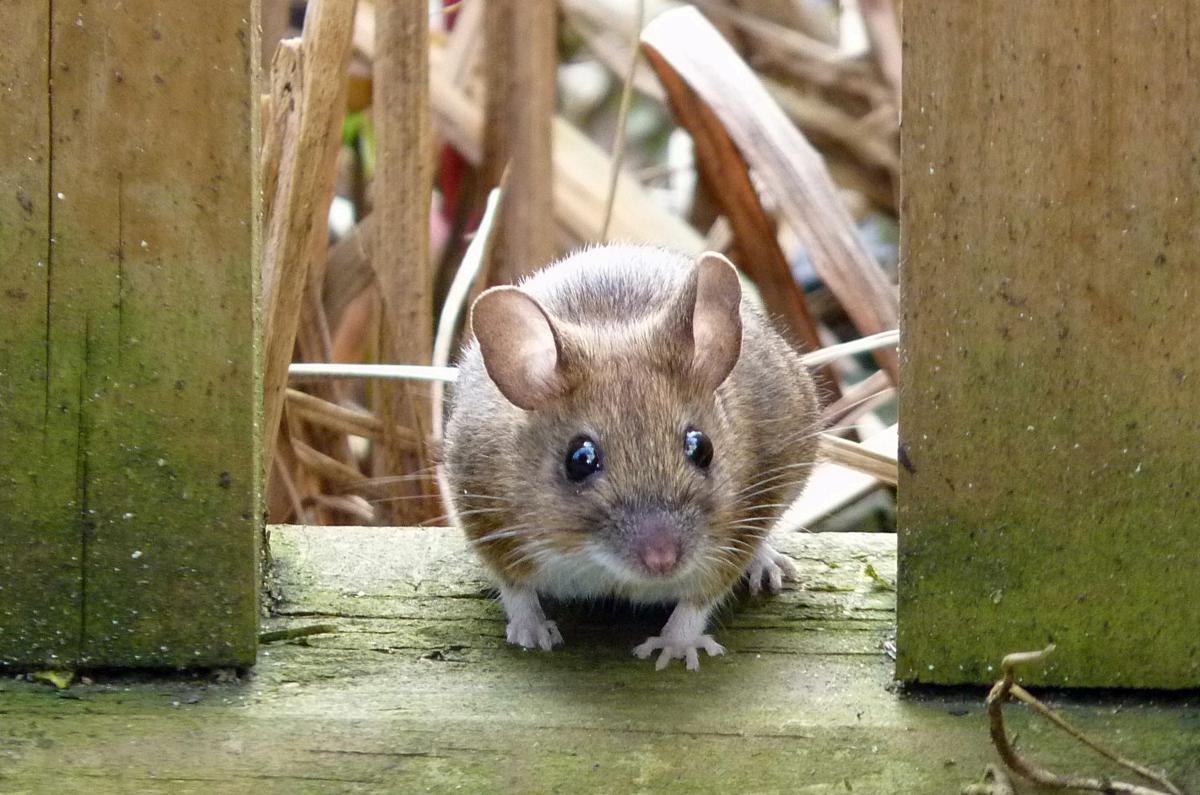
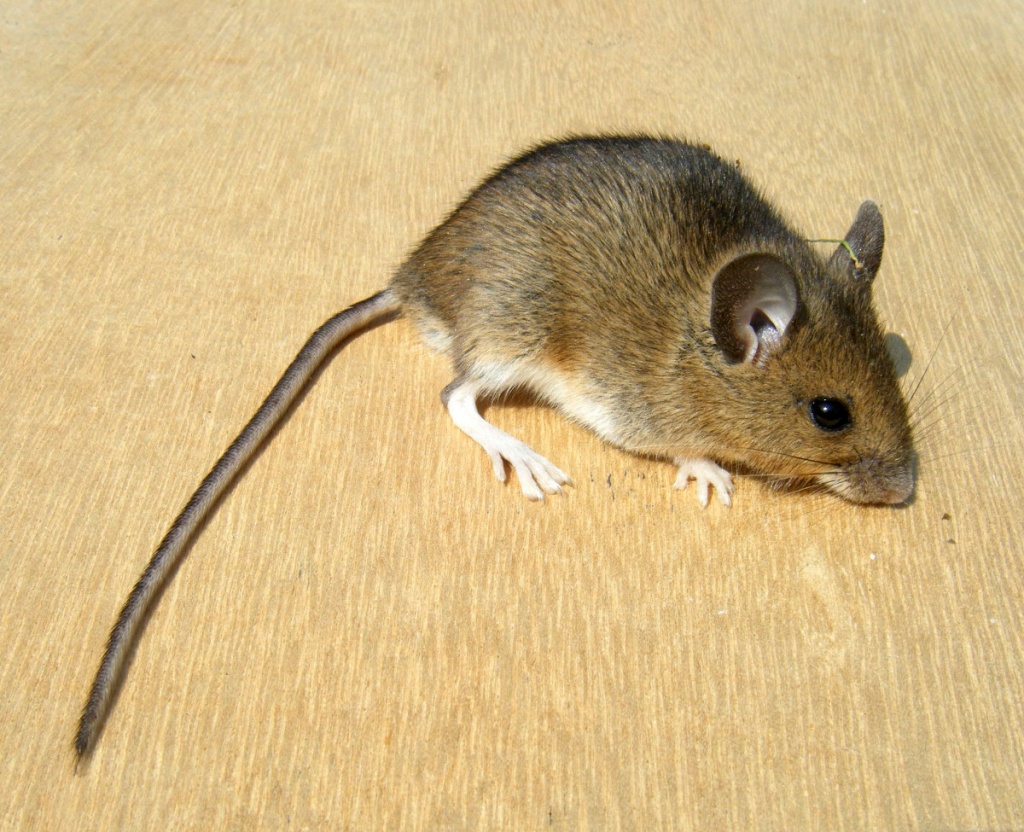
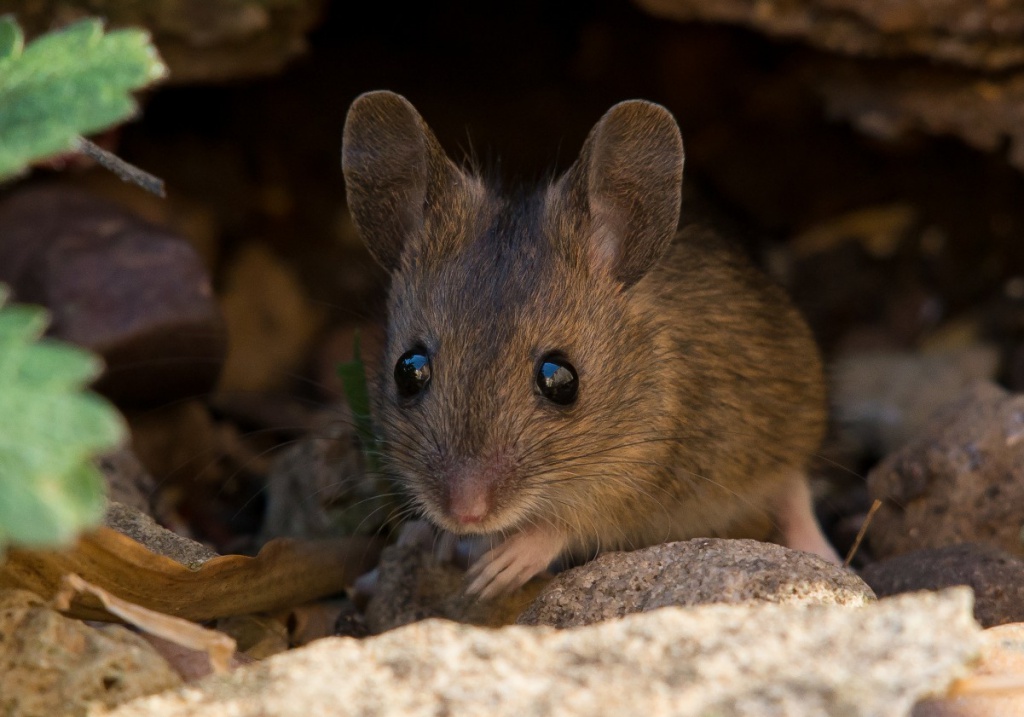
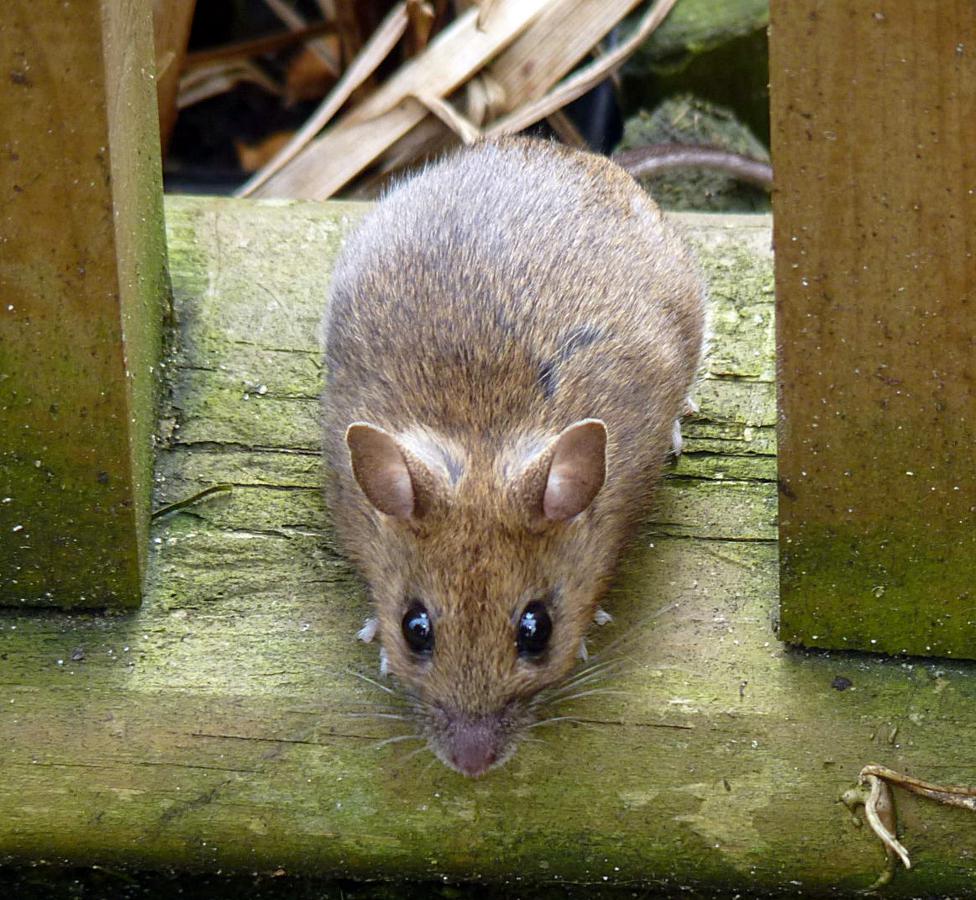
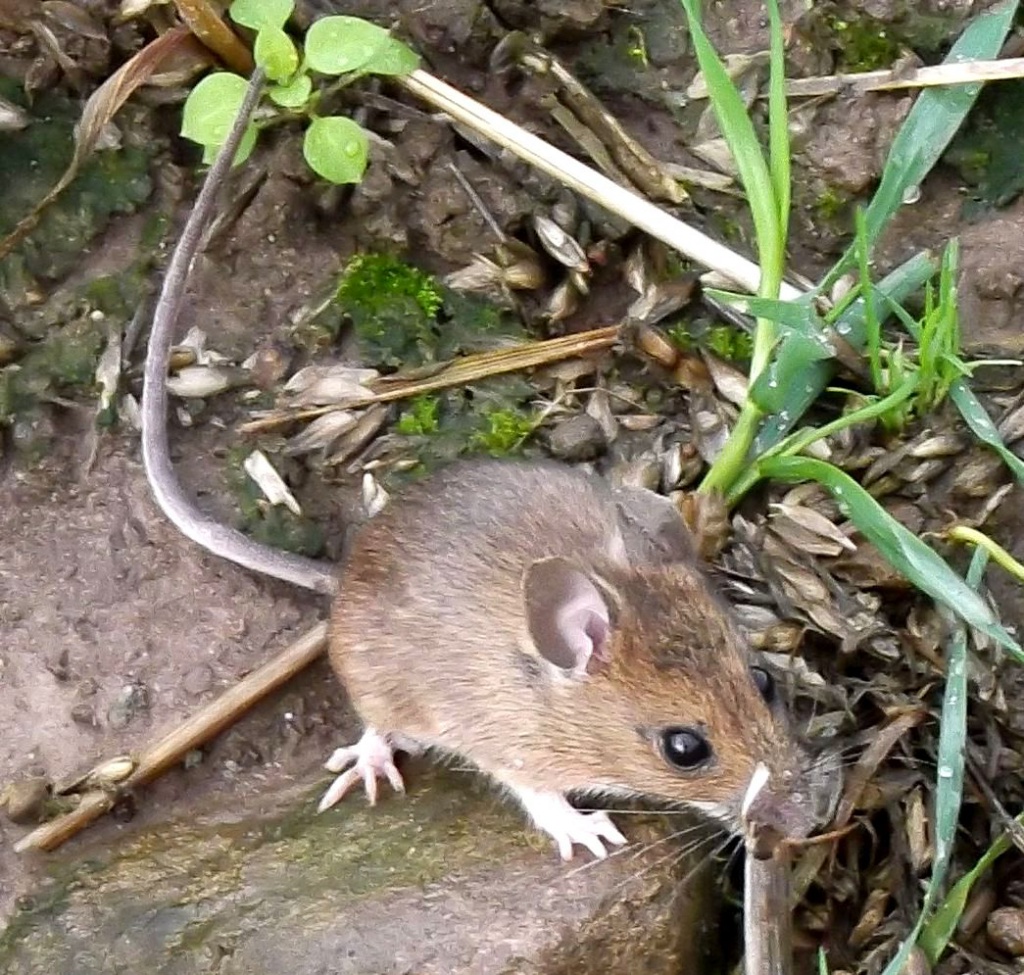
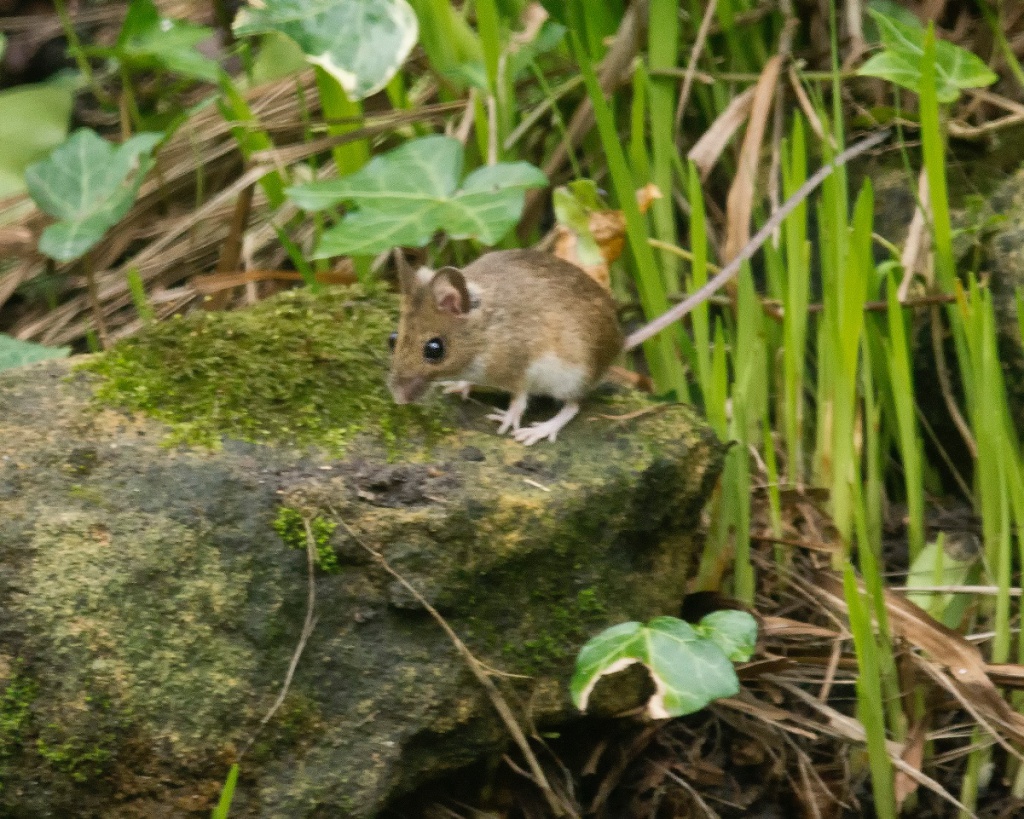
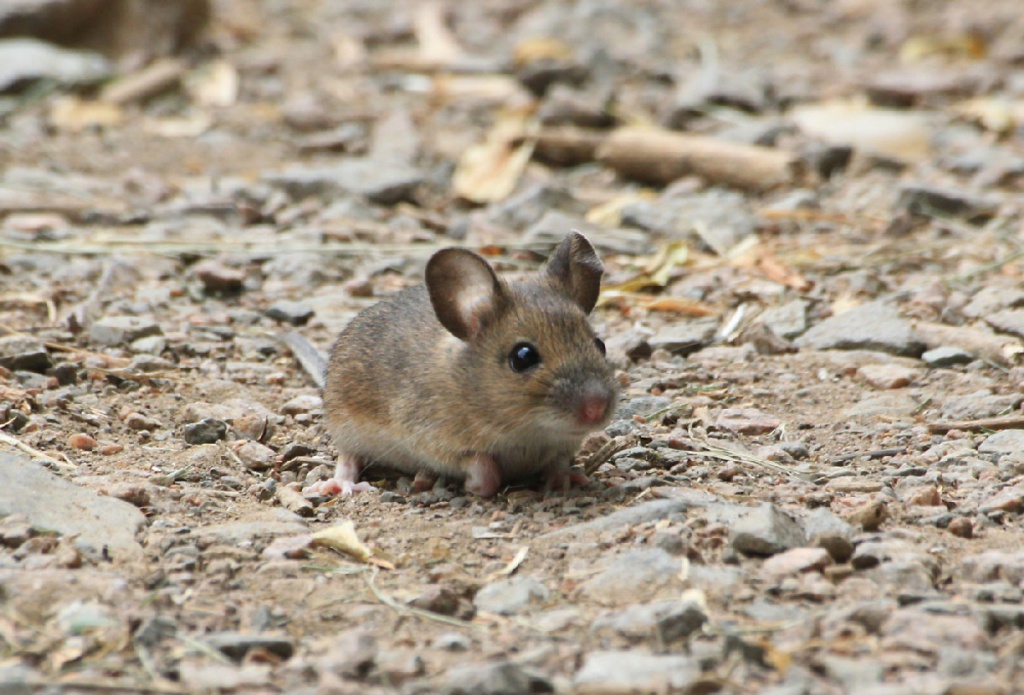
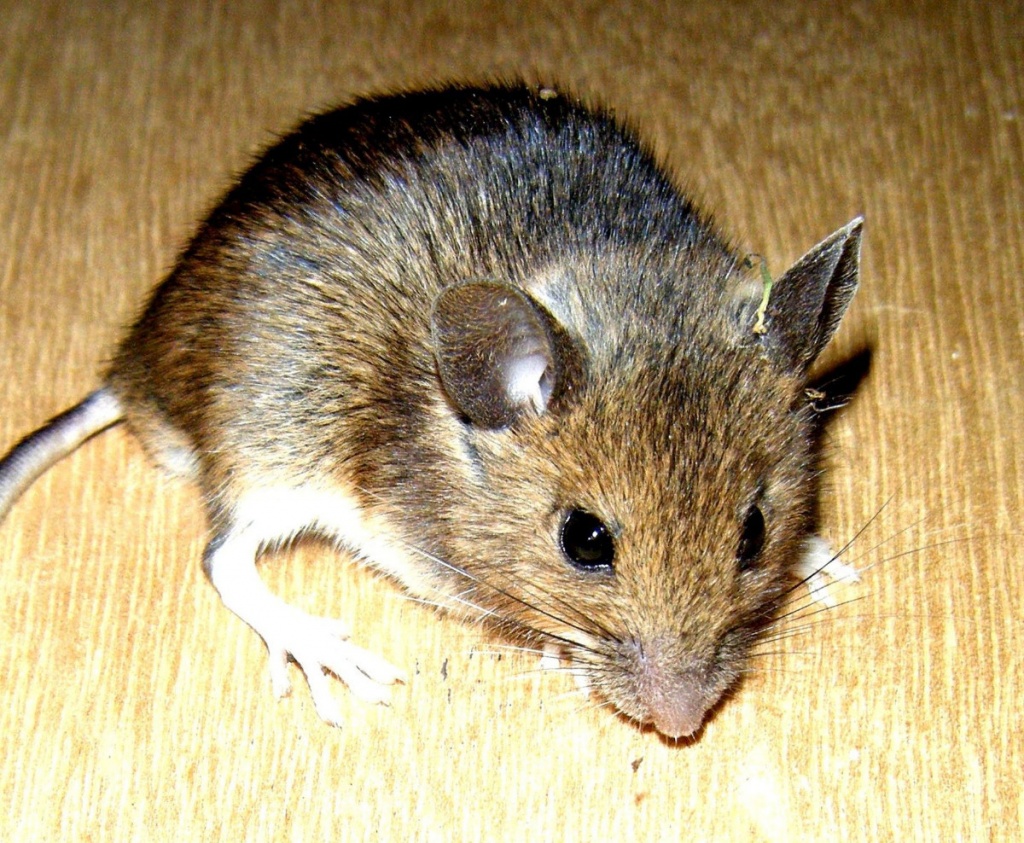
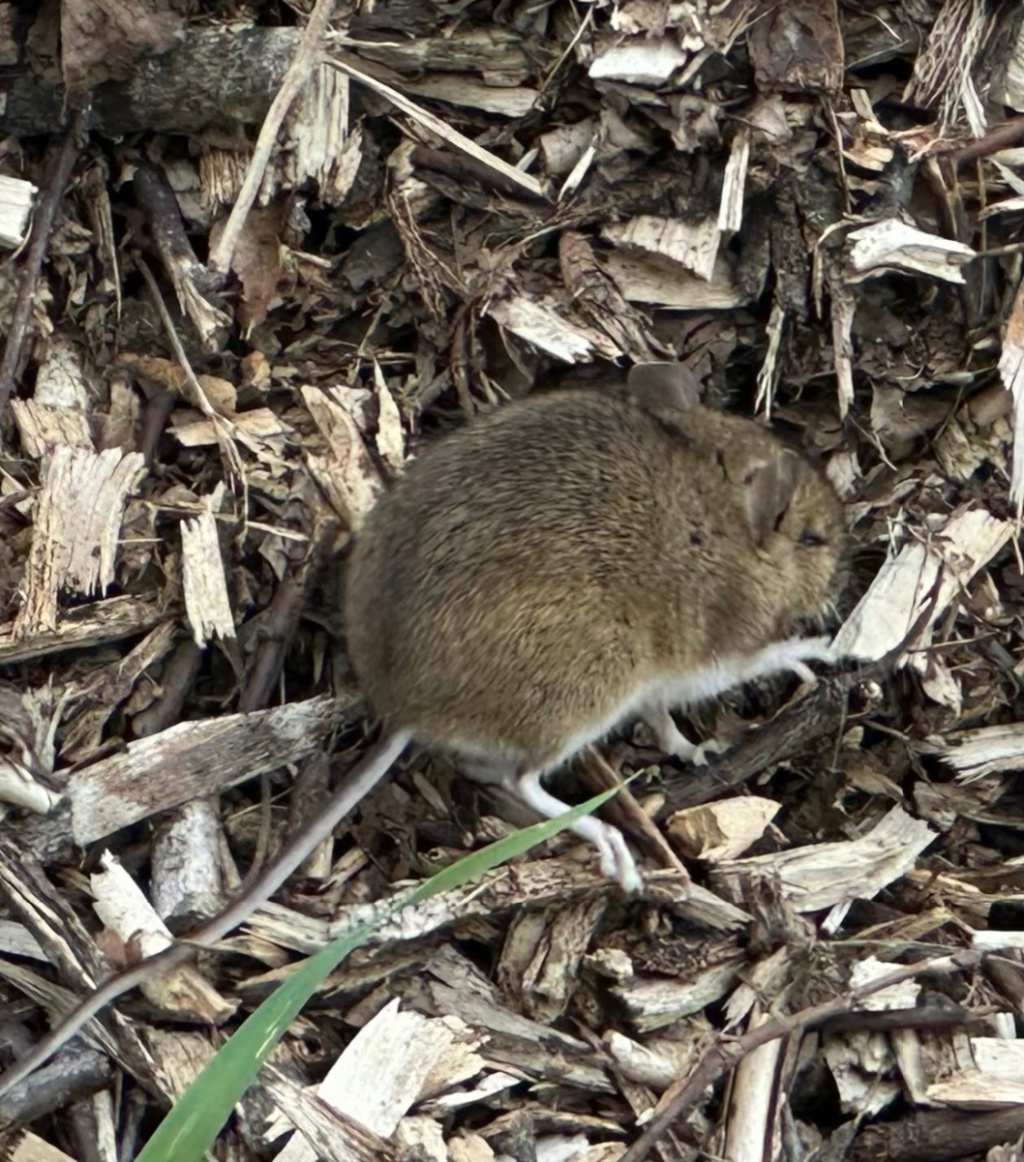
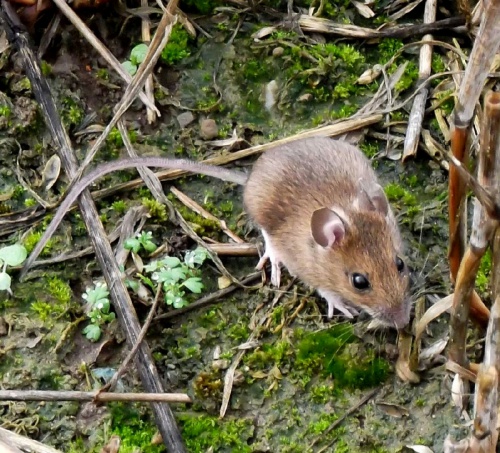
This mouse is easily distinguished from the House Mouse by its larger ears and eyes and pale underside. They have soft, smooth fur which is sandy or orange brown on the head and back, yellowish on the flanks and white on the belly. The tail is almost as long as the body. They darken and can appear more grey in winter or when juveniles. They are about 10 cm long. The male is 25g - 30g and the female is 20g.
House mouse
Yellow-necked mouse
Adult  , Chewed Nuts
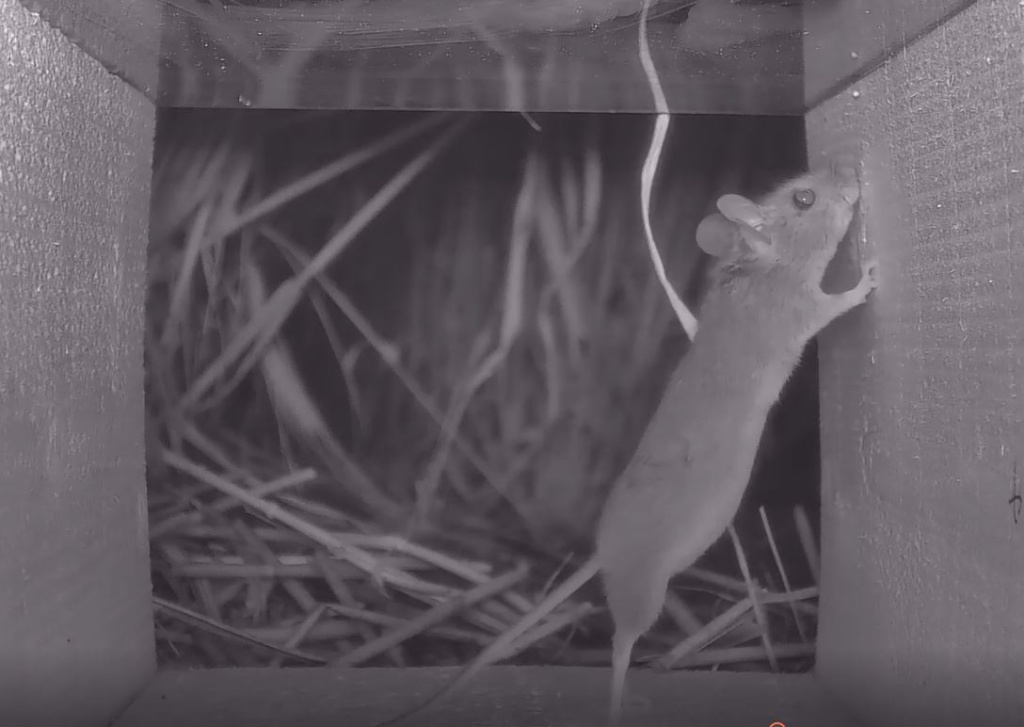
Large ear, beady eyes, long tail, smooth fur
Clear photograph of field signs (nuts) showing tooth marks
It will live just about anywhere there is food and shelter. It traditionally roams fields, hedgerows, forests and grass lands where it can find plenty of food. It is increasingly turning up in houses, particularly in autumn.
All year round. It does not hibernate.
They nest wherever there is cover and warmth, usually below ground but they can also be found in hedgerows, buildings, etc. It has 3 to 8 young (average is 5). The gestation period is 25-26 days. The life span is short - usually only a few months but it may survive longer. They are generally nocturnal animals with superb hearing and vision (hence the large eyes and ears). These mice are primarily seed eaters, relying to a great extent on the seeds of trees, but will also eat berries, invertebrates, worms, carrion and other similar food.
Widespread in Britain and Ireland and also on many of the surrounding islands.
Common in Leicestershire and Rutland.
 Lostash
Whetstone Garden 154
21 March 2010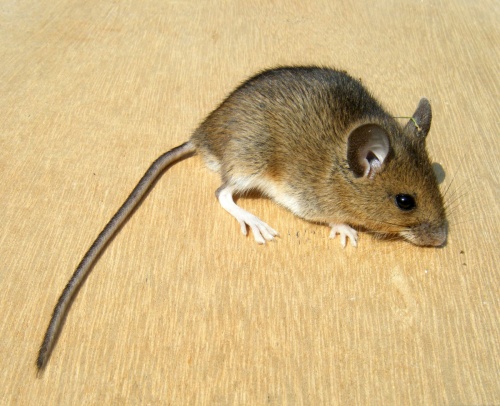 Graham Calow
Sapcote
28 May 2012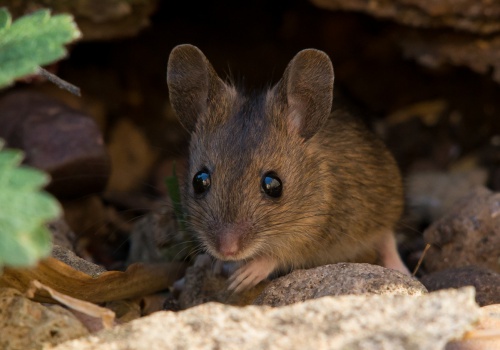 M Randall
Burbage garden
25 May 2020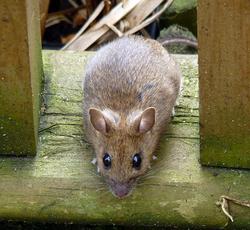 Lostash
Whetstone Garden 154
21 March 2010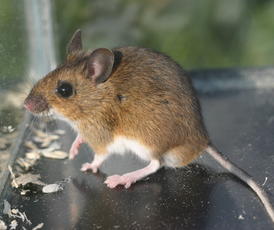 David Nicholls
Ratby garden1
08 March 2006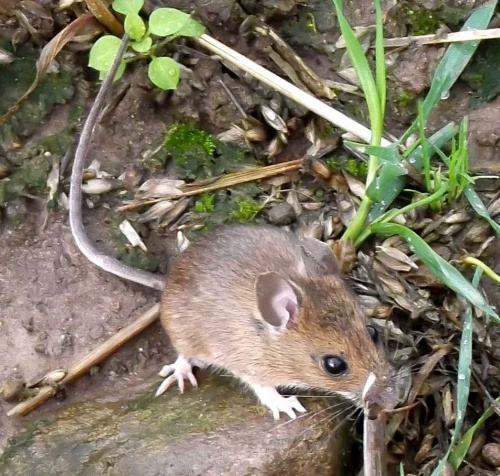 Denise Stretton
Sapcote
14 October 2013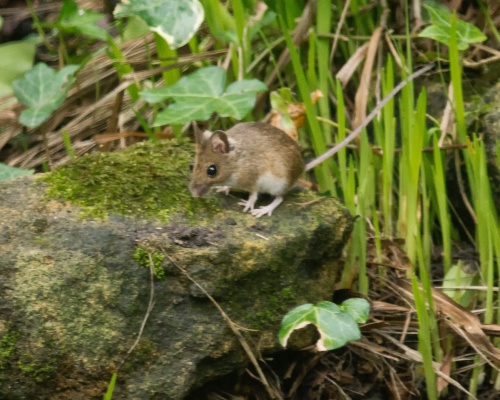 AJ Cann
Knighton
13 March 2017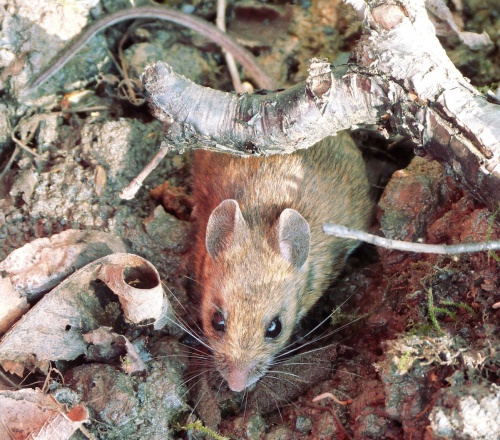 Graham Calow
Nailstone Colliery site
12 May 2016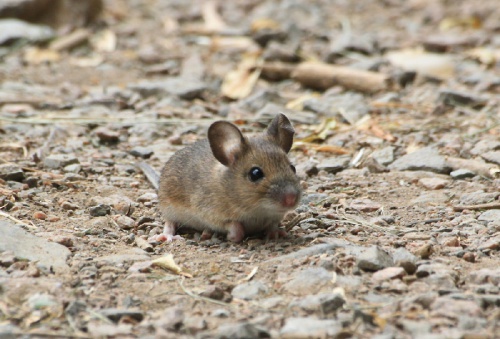 Paul Ruddoch
Melton Mowbray Country Park
24 June 2014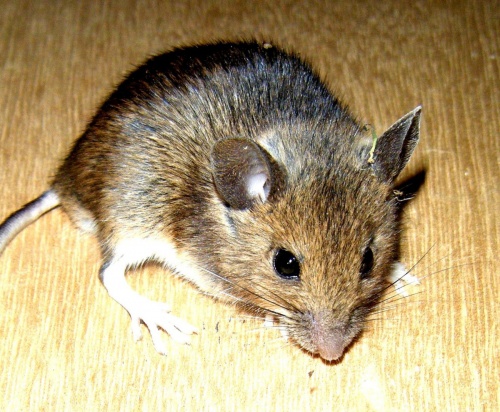 Graham Calow
Sapcote
28 May 2012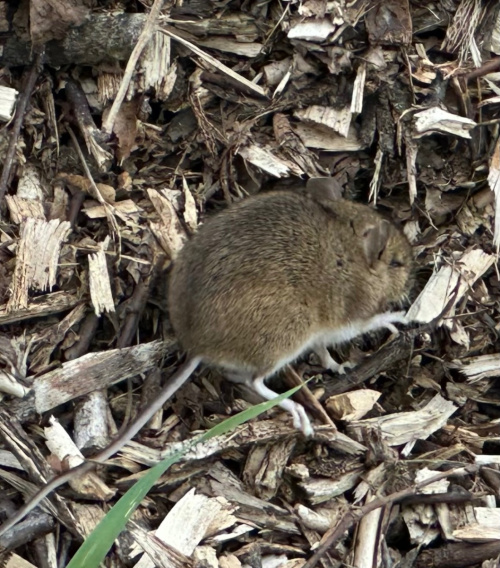 JamesCalow
Broughton Astley Fallow Close
30 March 2026


Leicestershire & Rutland Map
Enter a town or village to see local records
MAP KEY:
Yellow squares = NBN records (all known data)
Coloured circles = NatureSpot records: 2025+ | 2020-2024 | pre-2020
UK Map
Species profile
- Common names
- Wood Mouse, Field Mouse, Common Field Mouse
- Species group:
- terrestrial mammal
- Kingdom:
- Animalia
- Order:
- Rodentia
- Family:
- Muridae
- Records on NatureSpot:
- 291
- First record:
- 08/03/2006 (Nicholls, David)
- Last record:
- 16/05/2026 (Gleave, Ann)
Total records by month
% of records within its species group
10km squares with records
The latest images and records displayed below include those awaiting verification checks so we cannot guarantee that every identification is correct. Once accepted, the record displays a green tick.
In the Latest Records section, click on the header to sort A-Z, and again to sort Z-A. Use the header boxes to filter the list.
Latest images
Latest records
 Denise Stretton
Sapcote
14 October 2013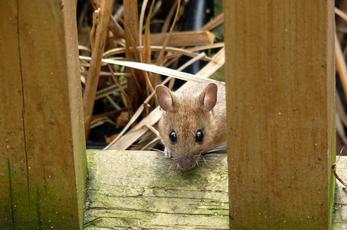 Lostash
Whetstone Garden 154
21 March 2010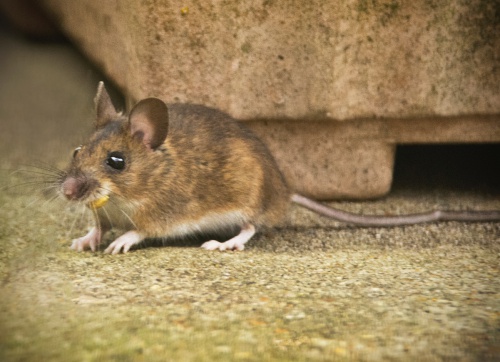 AJ Cann
Knighton
25 December 2015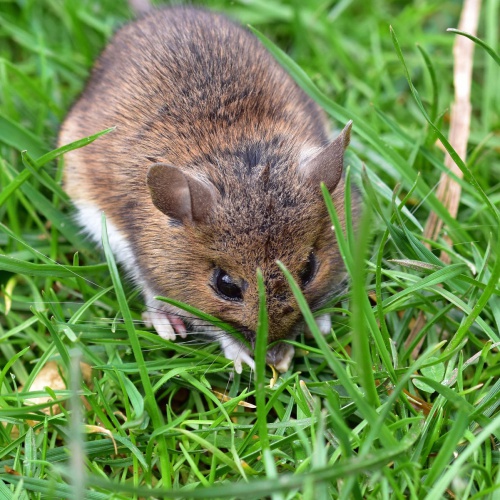 Andy's Rutland
Empingham garden
07 April 2018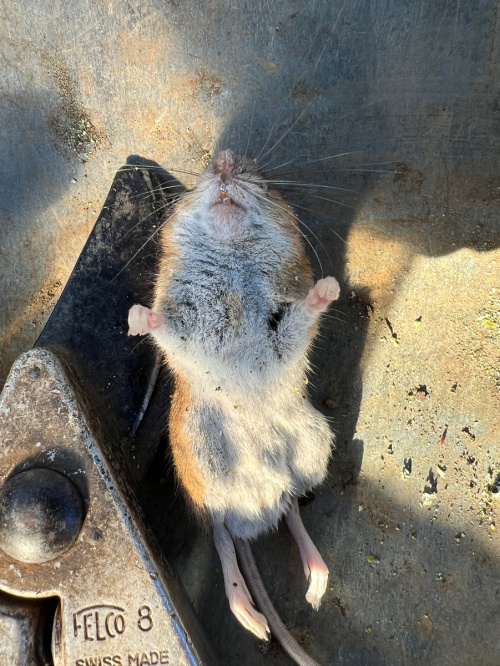 marianmarkham@btinternet.com
Munday's Close
02 April 2025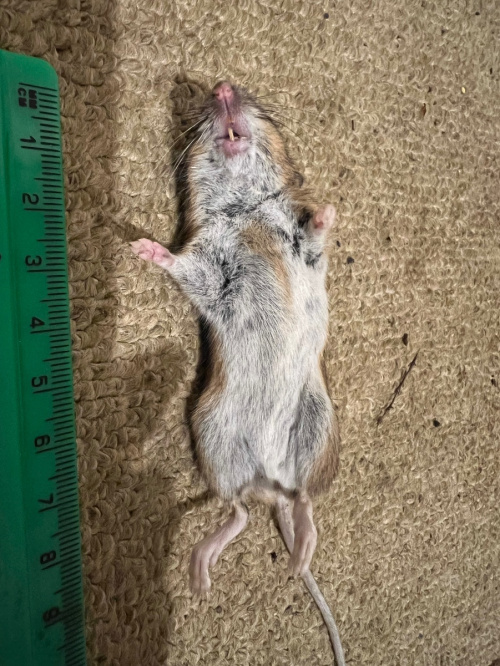 marianmarkham@btinternet.com
langham
07 December 2023
Yellow on chest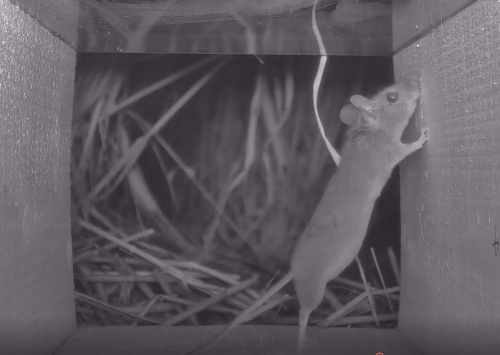 Helen O'Brien 2
Lodge Farm, Hoby
04 July 2024
Wood mouse